

Tomato hornworms are notorious for wreaking havoc on tomato plants, leaving gardeners frustrated and seeking effective solutions. These large green caterpillars can quickly defoliate a plant if not managed promptly. In this guide, we explore 16 natural and eco-friendly methods to keep tomato hornworms at bay, ensuring a healthy and bountiful garden. From attracting beneficial insects to using herbal sprays, these strategies provide a comprehensive approach to protecting your tomato plants without relying on harsh chemicals. Embrace these natural tactics and enjoy a thriving garden free from hornworm destruction.
1. Handpicking
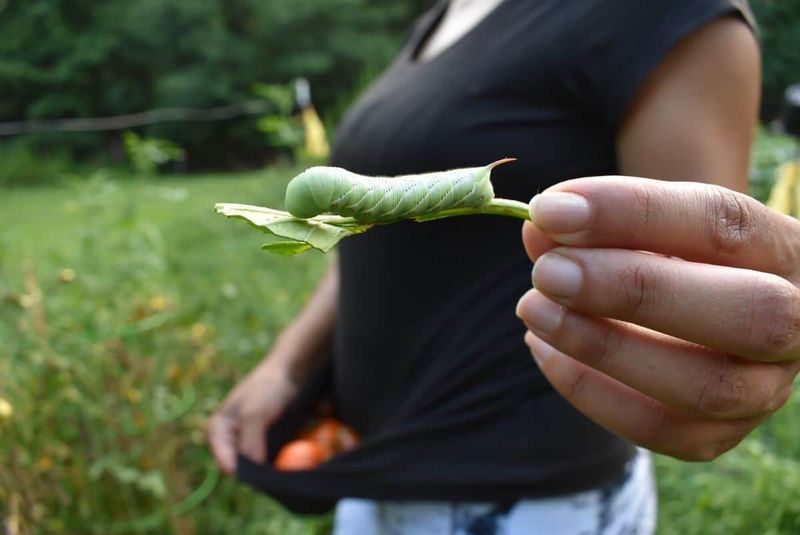
Sometimes, the simplest solutions are the most effective. Handpicking hornworms off your plants can be a satisfying and immediate way to control their population. Early morning or late afternoon are ideal times to find these pests, as they are less active and easier to spot. Make sure to wear gloves, as their spiky bodies can be unpleasant to touch directly. Once removed, you can dispose of them by placing them in soapy water, which effectively kills the caterpillars. This method is labor-intensive but effective for small gardens or areas with manageable infestations.
2. Attracting Beneficial Insects
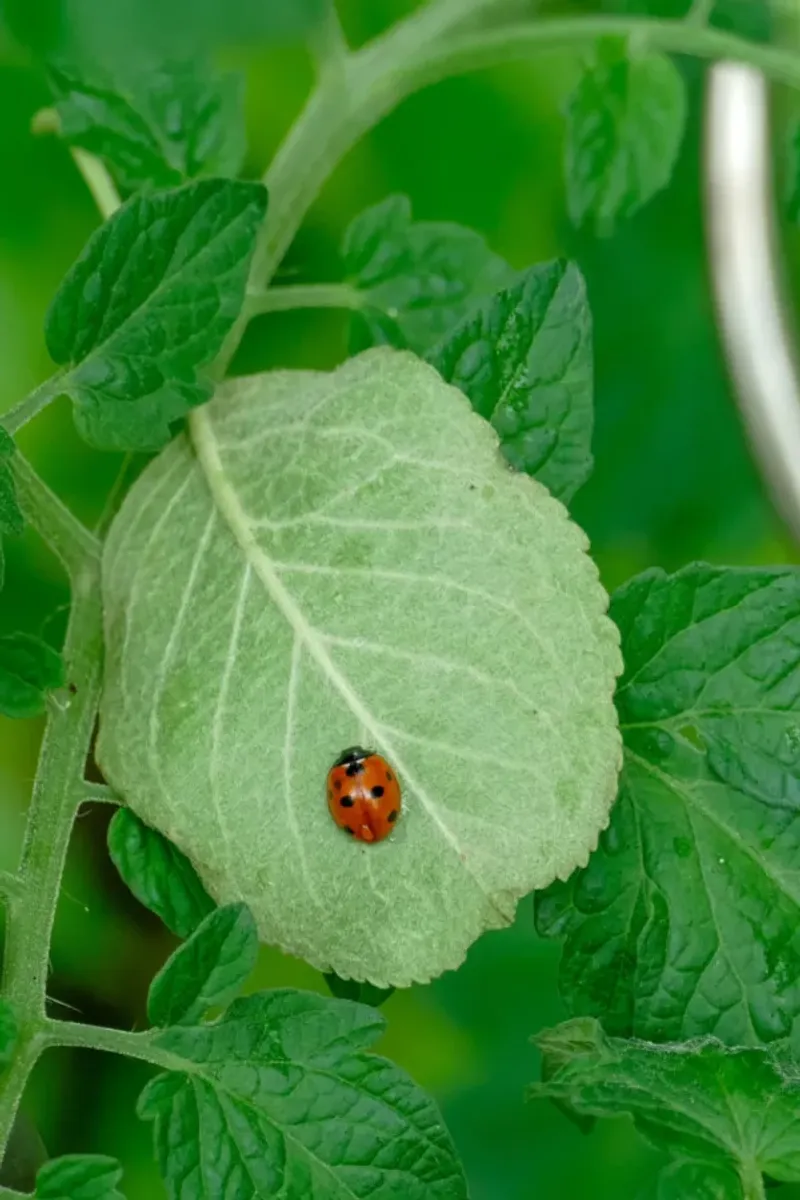
Harnessing nature’s own pest control is a clever way to deal with hornworms. Beneficial insects like ladybugs and parasitic wasps love to feast on these caterpillars. By planting flowers such as dill, fennel, and marigolds in your garden, you can attract these helpful insects. They not only reduce the hornworm population but also enhance your garden’s biodiversity. Encouraging these natural predators is an efficient and environmentally friendly solution. This approach requires patience, as it takes time for the beneficial insects to establish themselves, but the long-term benefits are well worth it.
3. Neem Oil Spray

Neem oil, derived from the seeds of the neem tree, is a popular organic pest control option. It’s effective against a variety of garden pests, including hornworms. When sprayed on tomato plants, neem oil disrupts the hormonal balance of the caterpillars, inhibiting their growth and reproduction. Apply it during cooler parts of the day to prevent burning the plants. Additionally, neem oil is safe for beneficial insects when used correctly. While it may take a few applications to see results, this natural remedy is both safe and sustainable, helping maintain a healthy garden ecosystem.
4. Companion Planting

The concept of companion planting involves growing plants that benefit each other by deterring pests, enhancing growth, or improving flavor. Planting basil and marigolds near tomatoes not only enhances flavor and growth but also deters hornworms. Basil emits a scent that confuses and repels these pests, while marigolds act as a natural deterrent with their strong aroma. This method not only reduces pest populations but also enriches your garden with diverse plants. Embrace companion planting as a holistic approach to pest management that promotes a thriving and balanced garden ecosystem.
5. Birdhouses

Birds can be allies in your battle against tomato hornworms. By installing birdhouses in your garden, you attract insect-eating birds like sparrows and robins, which will feed on hornworms. Place the birdhouses in strategic locations around your garden to encourage these natural predators to settle in. While birds may not eliminate hornworms entirely, they can significantly reduce their numbers. This method is not only effective but also adds a charming touch to your garden. Encourage birds to visit by providing fresh water and native plants, creating a welcoming environment for them.
6. Bacillus thuringiensis (Bt)

Bacillus thuringiensis, commonly known as Bt, is a naturally occurring soil bacterium that specifically targets certain insect larvae, including hornworms. It’s a biological pesticide that disrupts the caterpillar’s digestive system, causing them to stop feeding and eventually die. When applied to tomato plants, Bt is safe for humans, pets, and beneficial insects. It’s an excellent option for organic gardeners looking for a targeted and non-toxic solution. Apply it in the evening when caterpillars are active, and repeat as necessary for ongoing control. This method is both effective and environmentally friendly.
7. Herbal Sprays

Herbal sprays made from common kitchen ingredients like garlic and cayenne pepper can deter tomato hornworms. These sprays are simple to make and apply, offering an eco-friendly pest control option. The strong scents and flavors repel hornworms, making your tomato plants less appealing to them. To prepare, blend garlic and cayenne pepper with water, strain, and pour into a spray bottle. Apply the mixture to your plants, focusing on the leaves and stems. This natural remedy requires consistent application but is safe for your plants and the environment, providing a gentle yet effective pest control strategy.
8. Mulching

Mulching serves as more than just a moisture-retaining ground cover; it also acts as a deterrent to hornworms. By applying a thick layer of organic mulch around the base of your tomato plants, you create a physical barrier that makes it difficult for hornworms to reach the plants. Mulch can also harbor beneficial organisms that prey on hornworm eggs, further reducing their numbers. Choose natural mulches like straw, hay, or wood chips to enhance your garden’s ecosystem. This method is a dual-purpose solution, promoting healthy soil while keeping pesky caterpillars at bay.
9. Intercropping
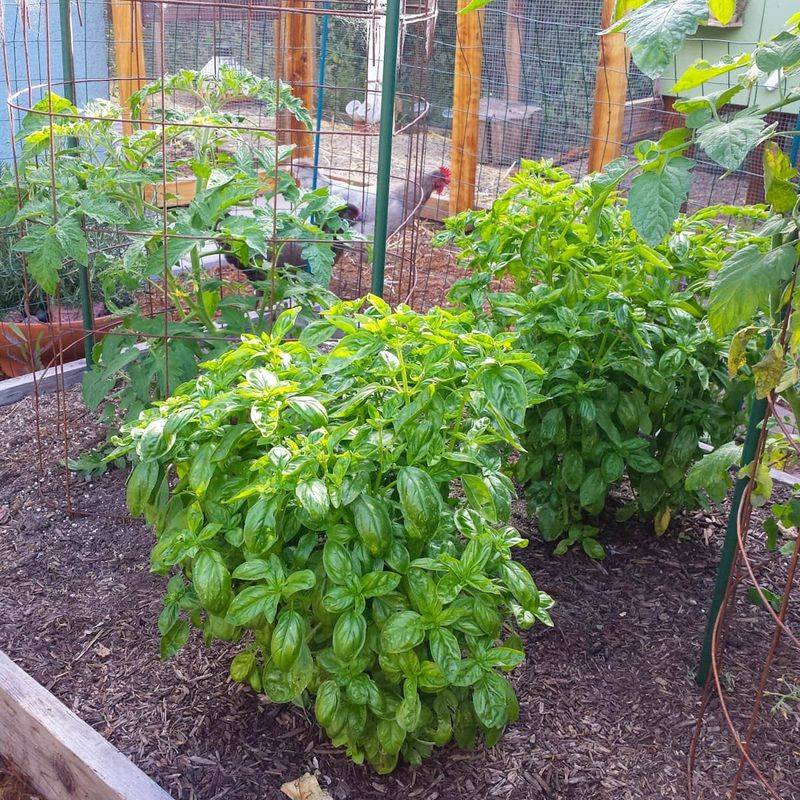
Intercropping is the practice of growing different crops in proximity, which can confuse and deter pests like hornworms. By planting crops such as oregano and borage alongside your tomatoes, you create a complex environment that makes it difficult for hornworms to thrive. These aromatic plants emit scents that repel hornworms while attracting beneficial insects to your garden. This method not only reduces pest populations but also improves soil health and increases biodiversity. Embrace intercropping as a sustainable and natural approach to pest management, enhancing the resilience and productivity of your garden.
10. Diatomaceous Earth

Diatomaceous earth, a natural powder made from fossilized algae, is an effective tool for controlling hornworms. When sprinkled around the base of your tomato plants, it acts as a physical barrier that dehydrates and kills crawling insects. Ensure the powder is dry for maximum effectiveness, as moisture reduces its potency. Diatomaceous earth is safe for humans and pets but deadly to soft-bodied insects like hornworms. This method offers a chemical-free solution to pest control, protecting your plants while maintaining a healthy garden ecosystem. Remember to reapply after rain or watering for continuous protection.
11. Floating Row Covers
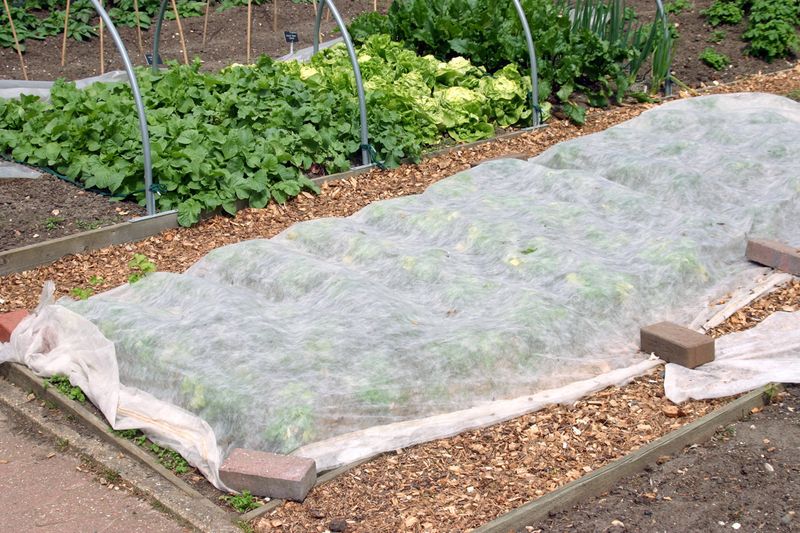
Floating row covers are lightweight, fabric-like materials that protect plants from pests while allowing sunlight and water to penetrate. By covering your tomato plants, you create a barrier that prevents hornworms from reaching them. Secure the edges of the cover with soil or stakes to ensure a snug fit. This method is highly effective for preventing infestations, especially during the early growing season. While they require some initial setup, floating row covers are a reusable and environmentally friendly solution that offers protection without the need for chemical pesticides.
12. Crop Rotation

Crop rotation is a time-tested agricultural practice that helps prevent soil-borne diseases and pests. By changing the location of your tomato plants each growing season, you disrupt the lifecycle of hornworms and reduce their population. Rotate tomatoes with non-related crops like beans or lettuce to confuse and deter these pests. This method not only controls hornworms but also improves soil fertility and reduces the risk of disease. Although it requires planning, crop rotation is a sustainable and effective strategy for maintaining a healthy garden and minimizing pest problems.
13. Soap and Water Spray

A simple soap and water solution can be surprisingly effective against tomato hornworms. Mix a few drops of mild dish soap with water in a spray bottle and apply it to the leaves of your tomato plants. This mixture disrupts the protective coating of the caterpillars, causing them to dehydrate and die. It’s important to use a mild soap to avoid harming the plants. This method is a cost-effective and chemical-free way to control hornworms. Regular applications are necessary for optimal results, providing a safe and gentle approach to pest management.
14. Manual Egg Removal
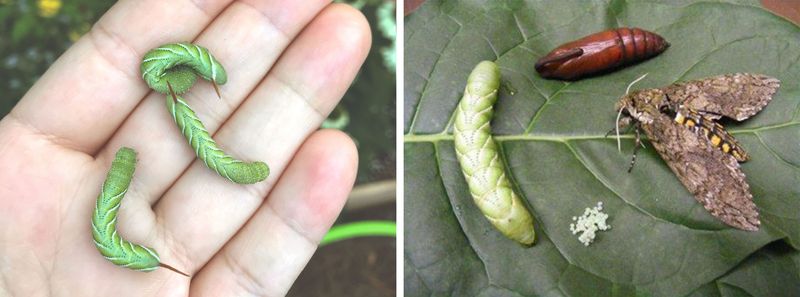
Preventing hornworms begins before they hatch. Inspect the undersides of tomato leaves for small, spherical eggs laid by moths. Gently scrape them off with a fingernail or soft brush to halt their development. Early morning or late afternoon are ideal times for this task, as the eggs are more visible in softer light. This method requires diligence and regular inspection, but it’s an effective way to prevent hornworm infestations before they start. By removing eggs, you reduce the number of caterpillars reaching adulthood, safeguarding your garden from significant damage.
15. Enlisting Chickens
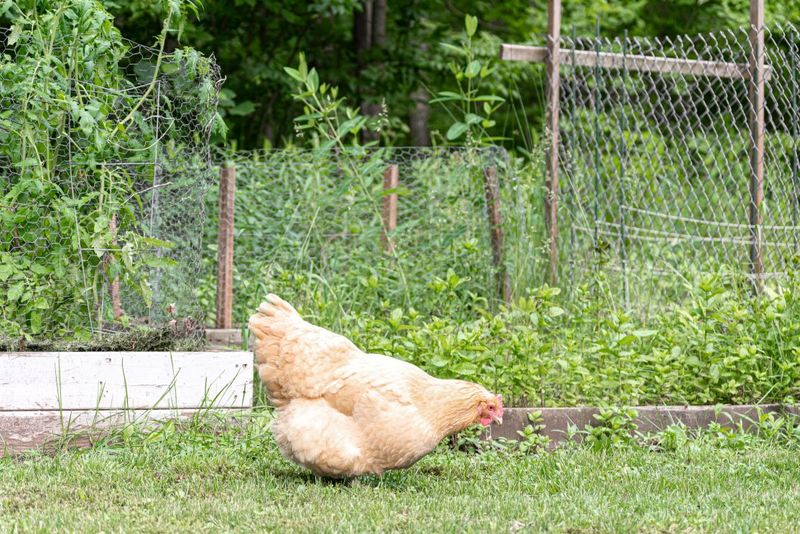
Chickens are excellent natural predators of garden pests, including hornworms. By allowing them to roam your garden, they can help control the hornworm population. Chickens scratch the soil, eat insects, and provide valuable manure for fertilization. However, they may also peck at your plants, so supervision or temporary fencing is necessary. This method offers a natural and productive way to manage pests while reaping the benefits of fresh eggs. Integrating chickens into your garden can enhance its vitality, providing a win-win solution for both you and your garden ecosystem.
16. Using Essential Oils

Essential oils like peppermint and lavender can repel tomato hornworms with their strong scents. Dilute a few drops of essential oil in water and spray it onto the leaves and stems of your tomato plants. This aromatic barrier confuses and deters hornworms, making your garden less inviting. While essential oils are safe for humans and the environment, they should be reapplied regularly to maintain their effectiveness. This fragrant and natural method of pest control not only protects your plants but also enhances the sensory experience of your garden with delightful aromas.