
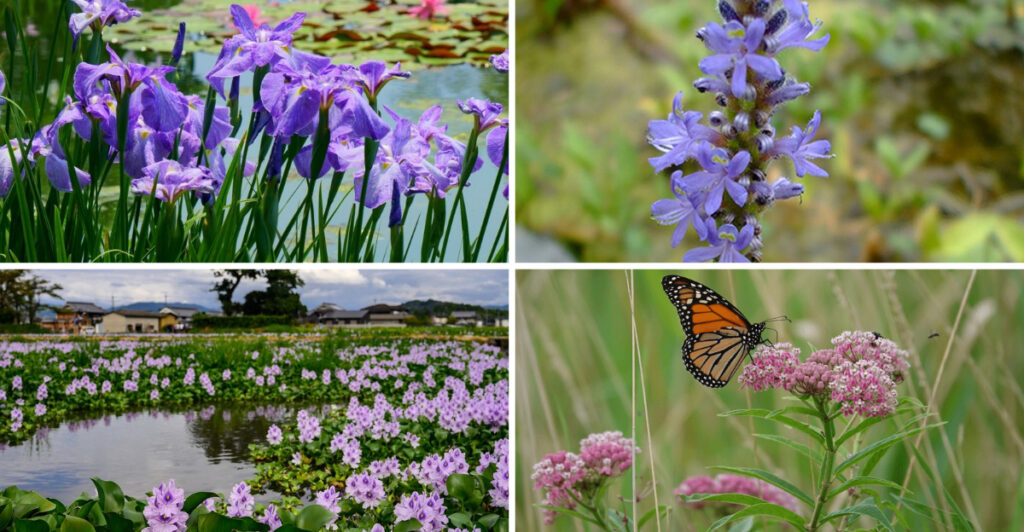
Explore the fascinating world of plants that thrive with abundant water. While most plants prefer well-drained soil, these unique species revel in moisture-rich environments, making them perfect for water gardens, boggy areas, or simply for those who tend to overwater. Discover 17 captivating plants that not only tolerate but love too much water, each bringing their own charm and beauty to your garden.
1. Canna Lily
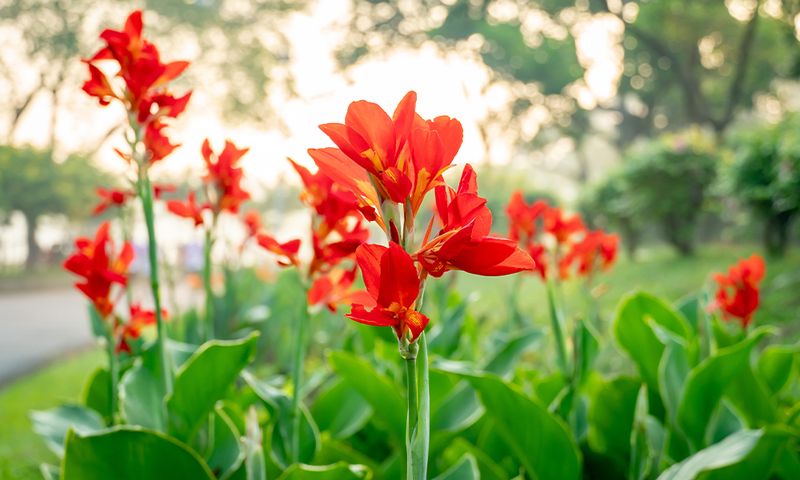
With fiery blooms and lush green leaves, the Canna Lily is a visual delight. This tropical plant thrives in wet conditions, making it a perfect choice for ponds or waterlogged areas. Its ability to filter impurities from water adds an ecological benefit.
Canna Lilies are not just about looks; they are robust and can transform any damp space into a vibrant oasis. Their towering presence and radiant colors bring an exotic feel to gardens. An interesting fact: they were once a staple in many indigenous cultures for their edible rhizomes.
2. Elephant Ear (Colocasia)
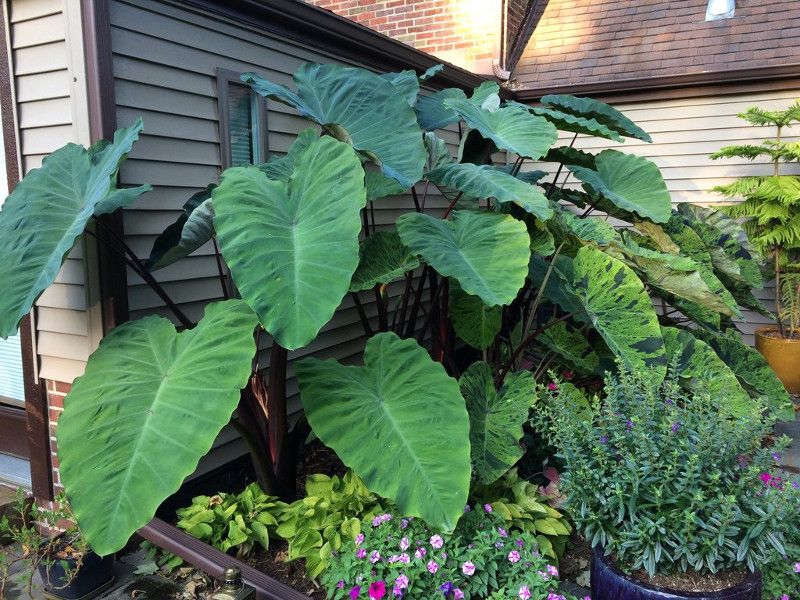
Elephant Ear plants boast large, heart-shaped leaves that make a bold statement. Preferring boggy soil, these tropical beauties are ideal for water gardens or areas with poor drainage.
Their striking appearance and rapid growth make them a favorite among gardeners looking to add a touch of drama. They can reach impressive sizes, creating natural privacy screens. Originating from Southeast Asia, these plants have been used for both ornamental and edible purposes in various cultures.
3. Marsh Marigold
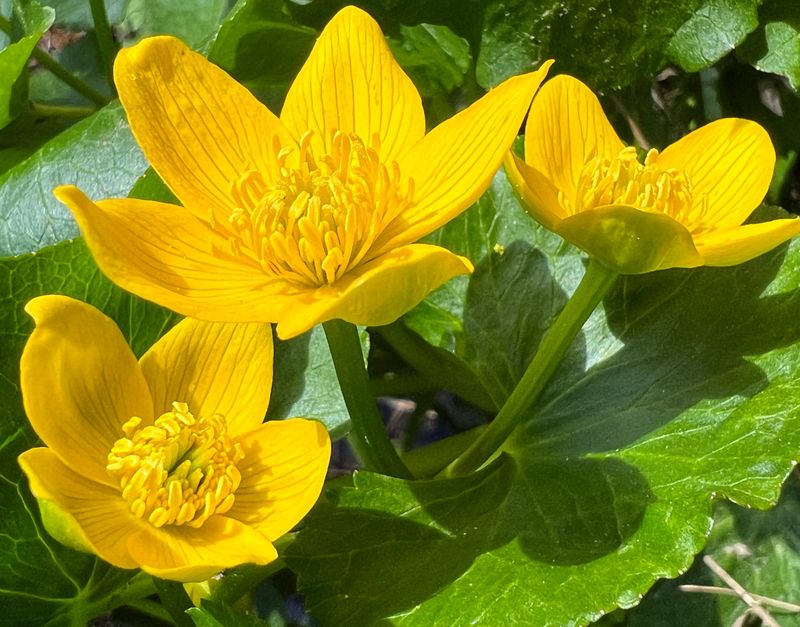
Marsh Marigolds bring a burst of sunshine with their bright yellow blooms. Thriving in marshes and wet meadows, they are perfect for areas with standing water.
These resilient perennials are not only beautiful but also serve as early spring pollinators. Their ability to adapt to fluctuating water levels showcases their versatility. Historically, parts of the plant have been used in traditional medicine for their purported health benefits.
4. Pickerelweed
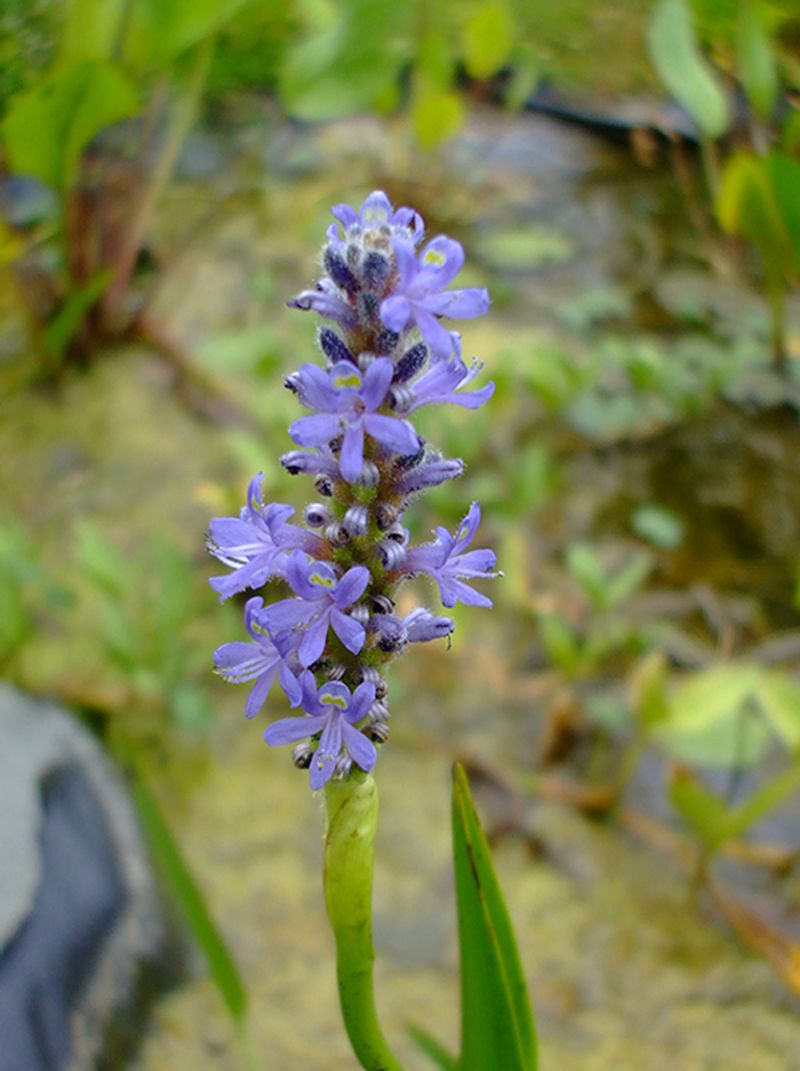
Pickerelweed is known for its striking purple flower spikes and glossy leaves. It thrives in shallow waters and is a staple in many natural water features.
This plant not only adds beauty but also supports aquatic wildlife by providing habitat and food. Its rapid spread makes it an excellent choice for naturalizing pond edges. Native to North America, Pickerelweed has been used by indigenous peoples for its edible seeds.
5. Japanese Iris
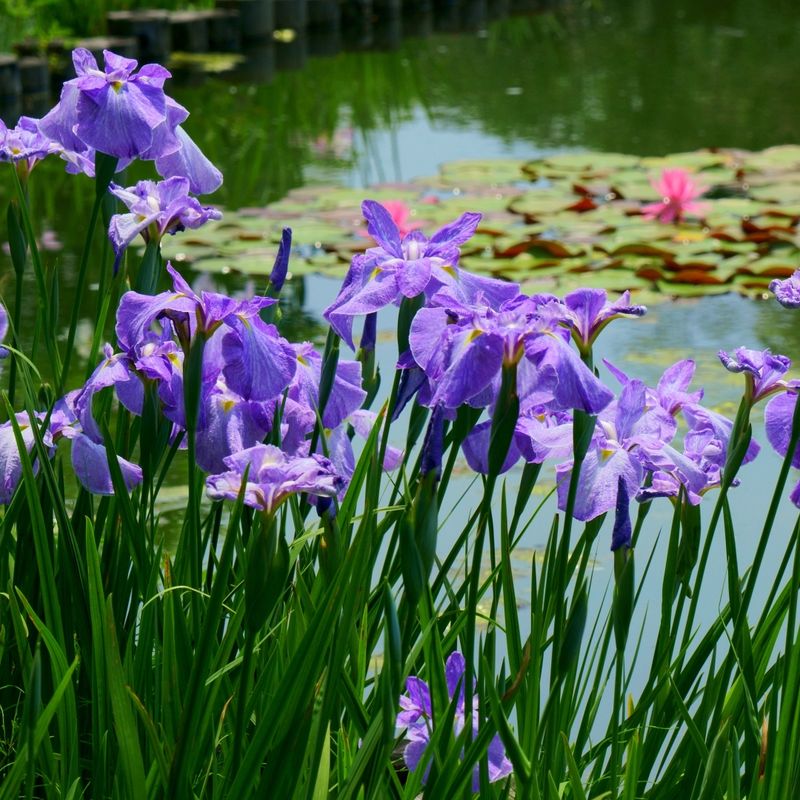
Japanese Irises are renowned for their elegant blooms and love for moist conditions. Their delicate petals and rich colors make them a favorite in water gardens.
These irises are more than just ornamental; they play a role in water purification by absorbing excess nutrients. They symbolize good fortune in many cultures. An ancient favorite, they have been cultivated in Japan for centuries, celebrated in art and poetry.
6. Swamp Milkweed
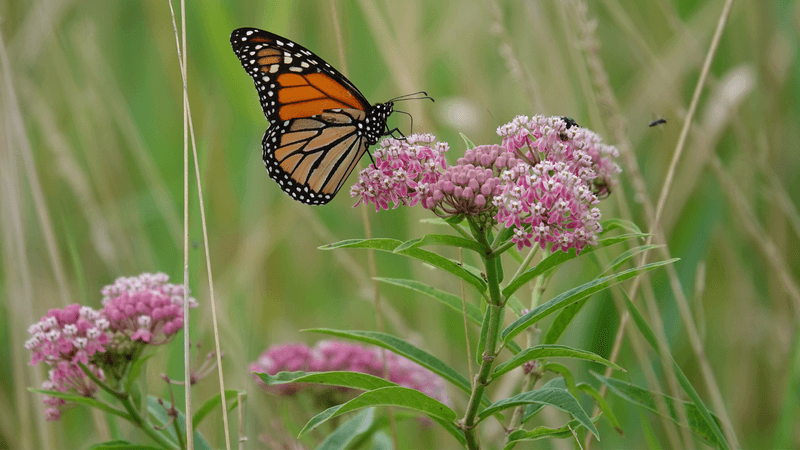
Swamp Milkweed offers clusters of pink, fragrant flowers that attract butterflies and other pollinators. Preferring moist, swampy areas, it’s a vital part of wetland ecosystems.
Besides its ornamental appeal, it’s crucial for the lifecycle of monarch butterflies, providing both nourishment and a breeding ground. The plant’s fibers were historically used by Native Americans for making cords and textiles. Its resilience and ecological importance make it a valuable addition to any water garden.
7. Water Hyacinth
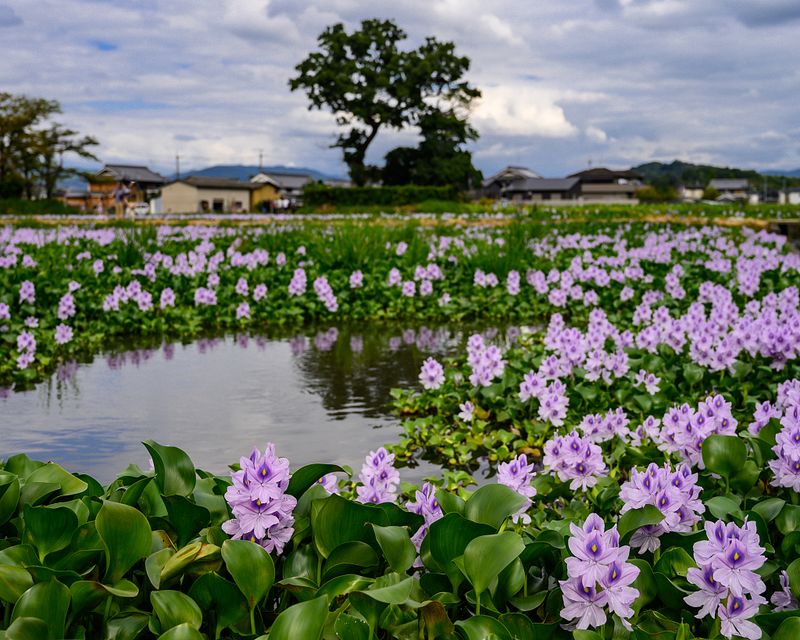
Water Hyacinths are known for their floating clusters and light purple blooms. These aquatic plants flourish in ponds and slow-moving waters.
They help in filtering water by absorbing pollutants, although their rapid growth can sometimes become invasive. Originally from the Amazon basin, they have spread worldwide, appreciated for their beauty and utility. Despite their invasive nature, they are used in wastewater treatment and as animal fodder in some regions.
8. Papyrus
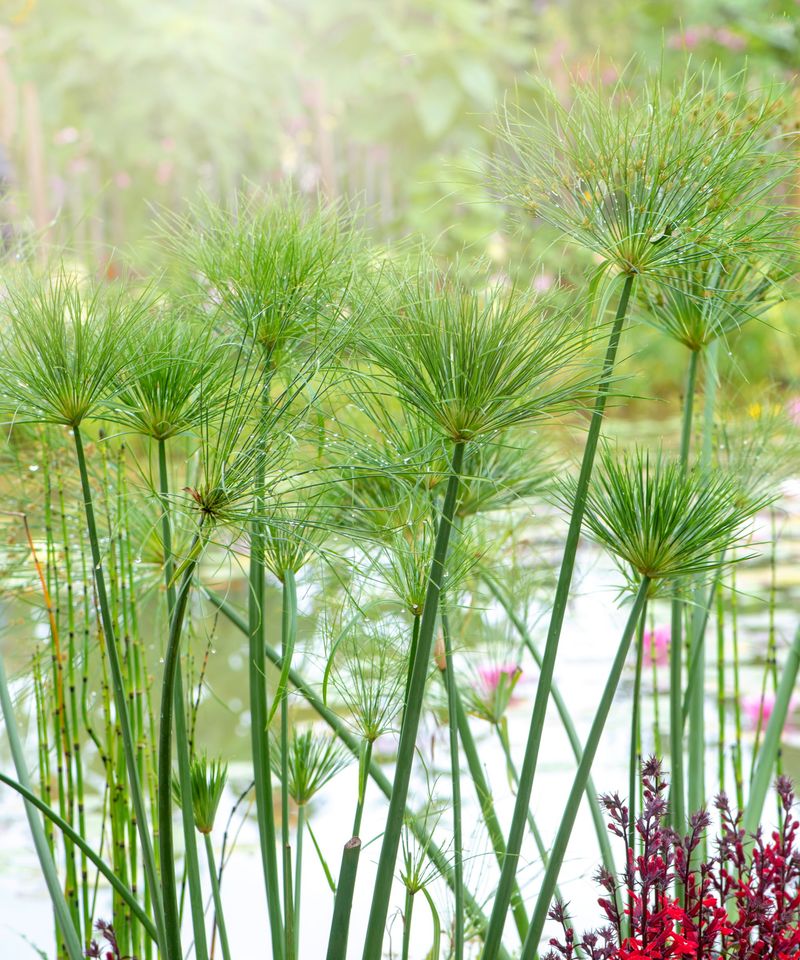
Papyrus is an ancient plant with historical significance, known for its lush green stems and feathery tops. Thriving in waterlogged conditions, it adds a vertical element to gardens.
Famous for being used to make paper in ancient Egypt, Papyrus also plays an ecological role by providing habitat for wildlife. Its towering appearance and historical roots make it a fascinating addition to any garden. It links the past and present, creating a living history lesson.
9. Lotus
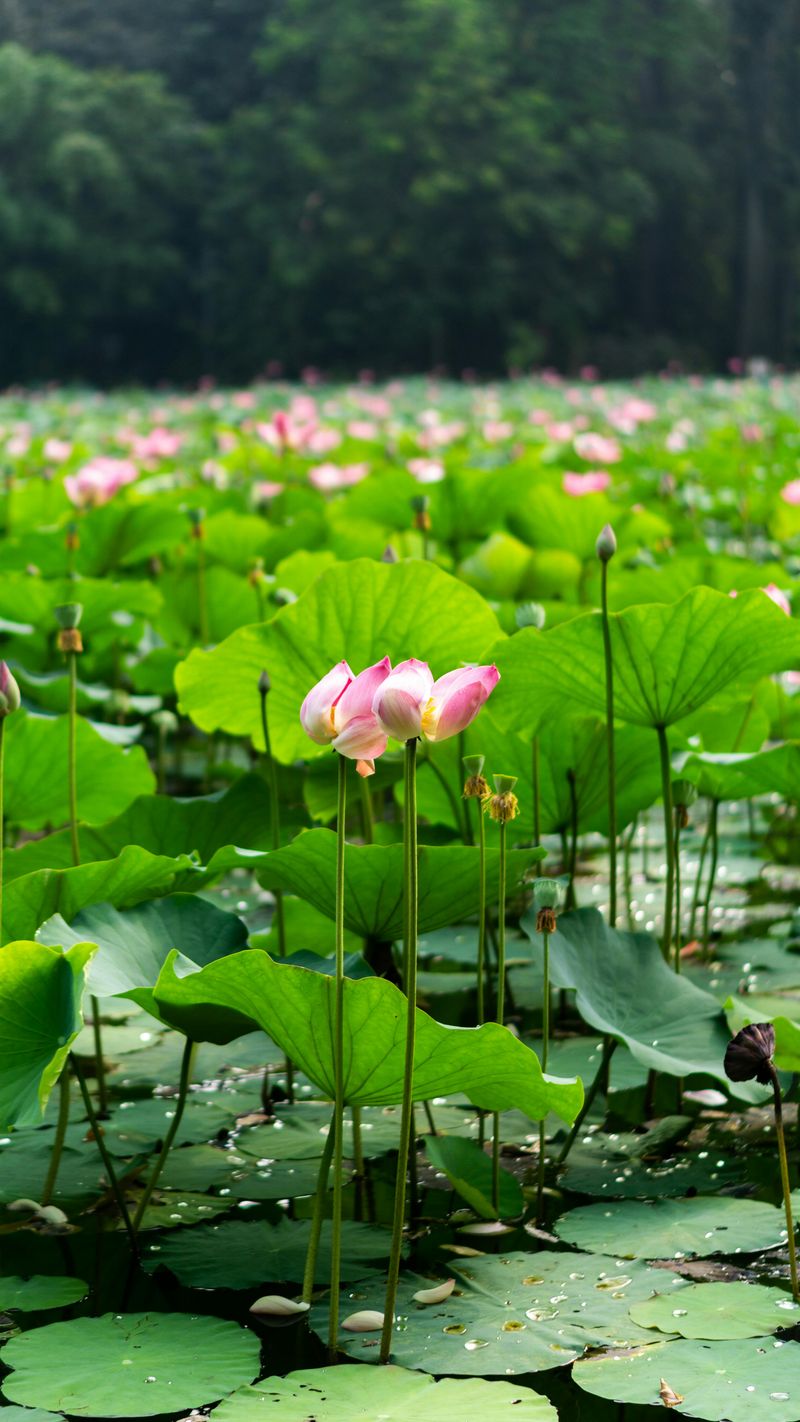
Lotus flowers are symbols of purity and beauty, flourishing in shallow ponds and water gardens. Their large, exquisite pink blossoms rise above the water, creating a serene spectacle.
The Lotus holds cultural significance in many Asian cultures, representing enlightenment and rebirth. Its seeds and roots are edible and used in various culinary dishes. With their breathtaking beauty and cultural resonance, Lotus plants are more than just ornamental; they are a spiritual experience.
10. Cardinal Flower
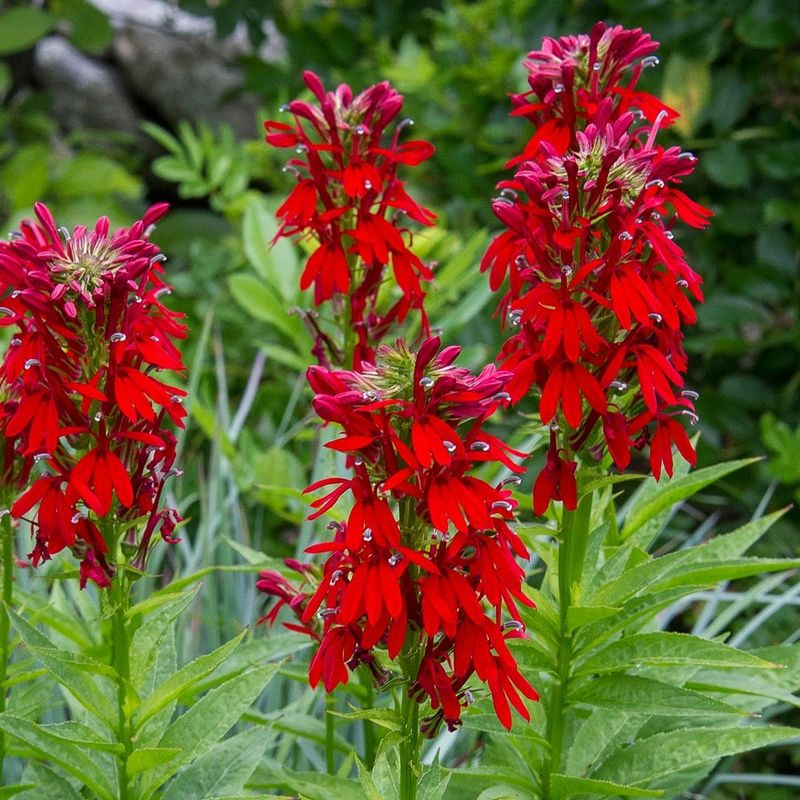
Cardinal Flowers are known for their vivid red spikes and preference for moist, shady environments. These stunning plants attract hummingbirds and add a splash of color to any garden.
Their striking appearance and ecological role in supporting pollinators make them a garden favorite. Originating from North America, they have been used in traditional medicine by indigenous tribes. The vibrant red hue not only captivates the eyes but also supports biodiversity.
11. Umbrella Palm
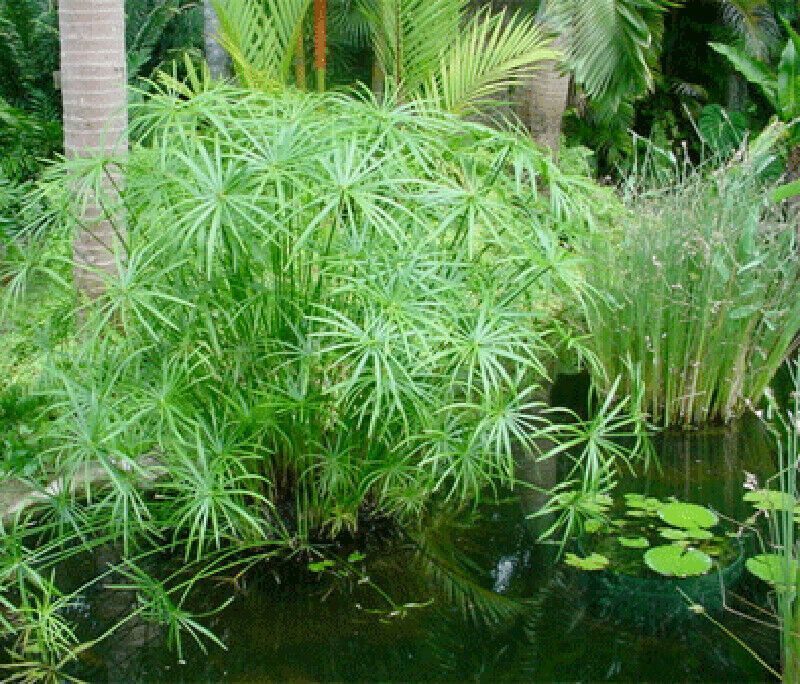
The Umbrella Palm is characterized by its arching leaves that resemble an umbrella, hence the name. It thrives in wet, marshy conditions, bringing a touch of the tropics to any garden.
These palms are easy to care for and can adapt to both indoor and outdoor environments. They add texture and height, creating a lush, tropical feel. Originally from Madagascar, Umbrella Palms are a reminder of distant lands, adding an exotic flair to your space.
12. Blue Flag Iris
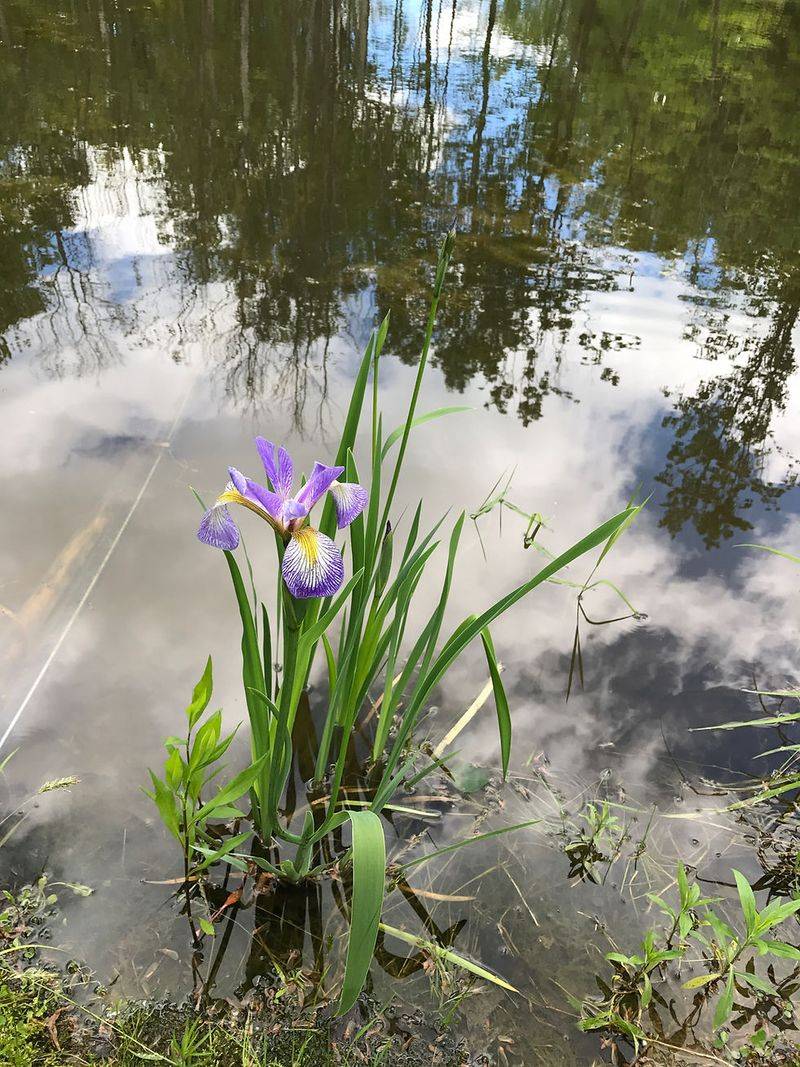
Blue Flag Irises are admired for their soft blue petals with striking golden accents. These water-loving plants are perfect for planting along the edges of ponds and streams.
Their beauty is matched by their utility in stabilizing soil and preventing erosion. Used in traditional medicine, these irises have been part of Native American remedies for centuries. They combine grace and functionality, making them a valuable addition to natural landscapes.
13. Bog Rosemary
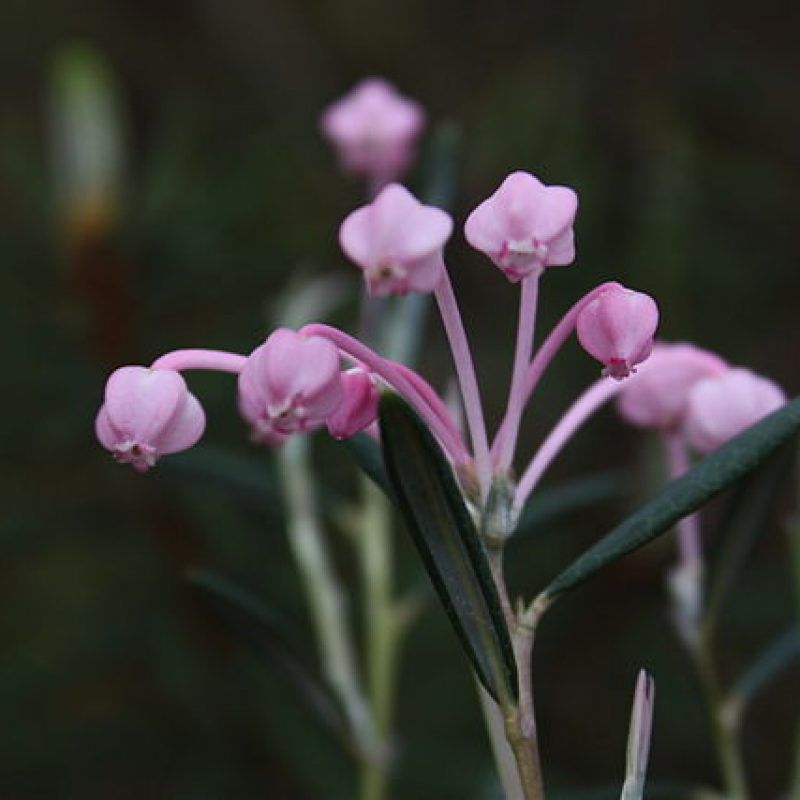
Bog Rosemary offers delicate pink blooms and thrives in boggy conditions. Its needle-like leaves and compact form make it a charming addition to wet gardens.
Despite its name, this plant is not related to culinary rosemary. It’s appreciated for its ornamental value and ability to thrive in challenging conditions. Found naturally in cold bogs of the Northern Hemisphere, Bog Rosemary adds a touch of wilderness and resilience to any garden setting.
14. Golden Club
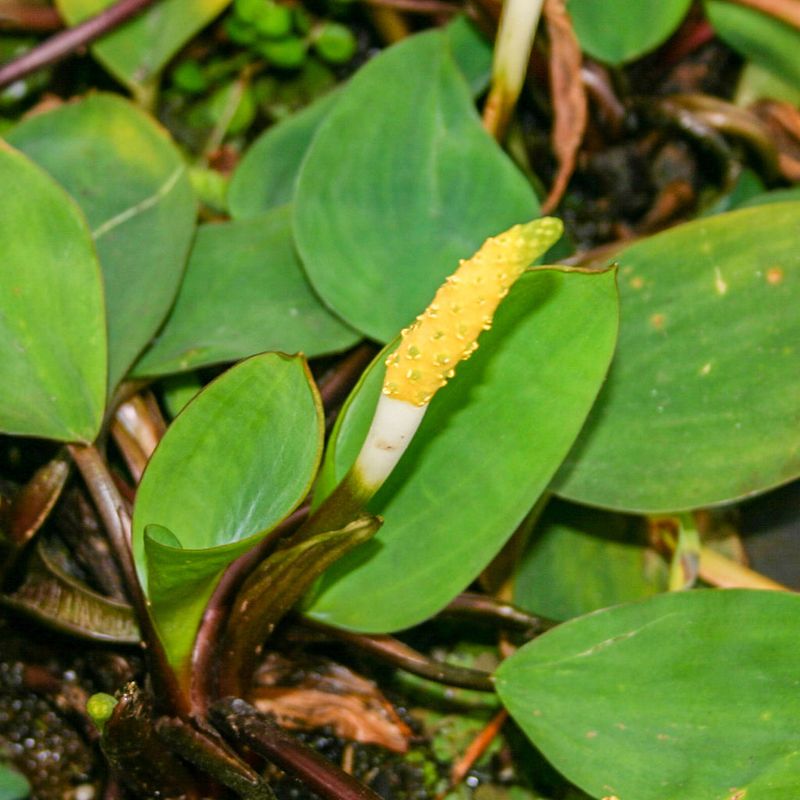
Golden Club is known for its bright yellow flowers and waxy leaves, thriving in shallow waters and pond margins. This unique plant adds a splash of sunshine to wet areas.
Its distinctive appearance captures attention, while its ability to adapt to fluctuating water levels showcases its hardiness. Native to Eastern North America, the Golden Club has been admired for its ornamental and ecological value. It stands out as a beacon of light in aquatic gardens.
15. Gunnera
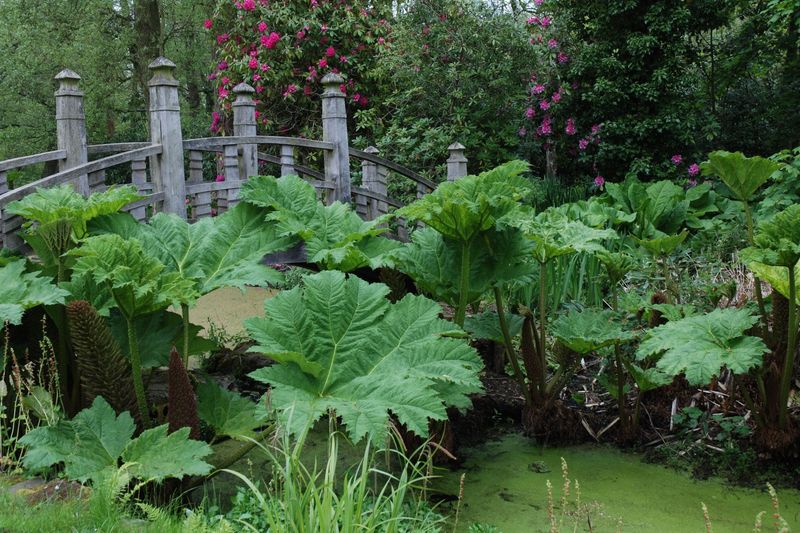
Gunnera, with its massive, umbrella-like leaves, creates a dramatic landscape feature. Thriving in wet conditions, it’s a standout in bog gardens.
These prehistoric-looking plants can grow to impressive sizes, turning any garden into a tropical paradise. Native to South America, specifically the regions of Brazil and Chile, Gunnera adds an exotic touch. Their size and texture make them perfect for creating bold statements in landscaping designs.
16. Sweet Flag (Acorus)
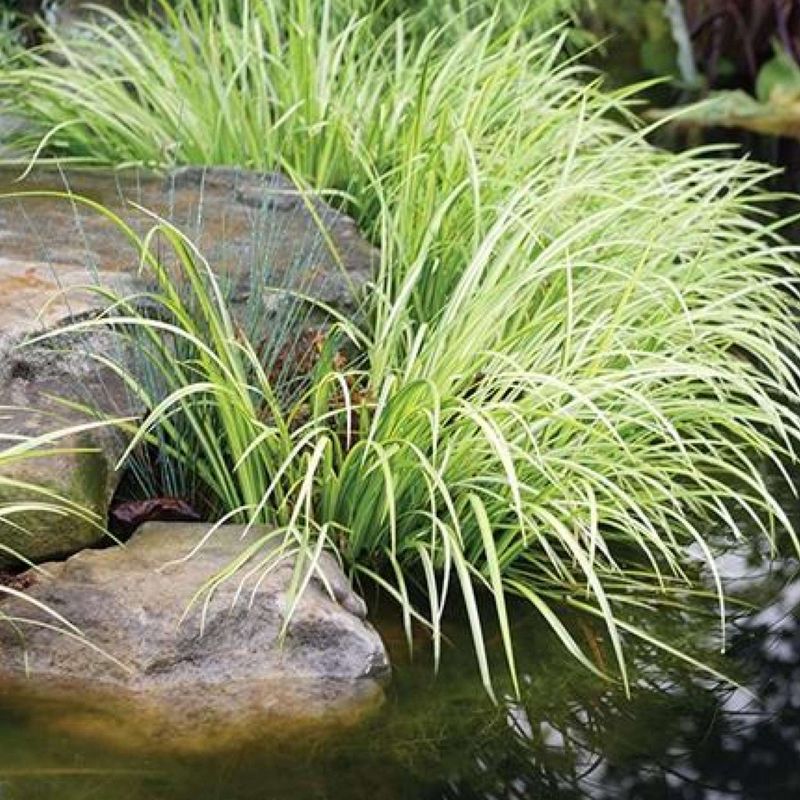
Sweet Flag is recognized for its long, slender blades and aromatic scent. It flourishes in moist, boggy areas, adding elegance to water gardens.
Beyond its visual appeal, Sweet Flag has been used in traditional medicine for its purported calming properties. Its subtle fragrance and graceful form make it a favorite among gardeners seeking tranquility. Historically, it has been used in various cultures for its medicinal and aromatic qualities.
17. Arrowhead Plant (Sagittaria)
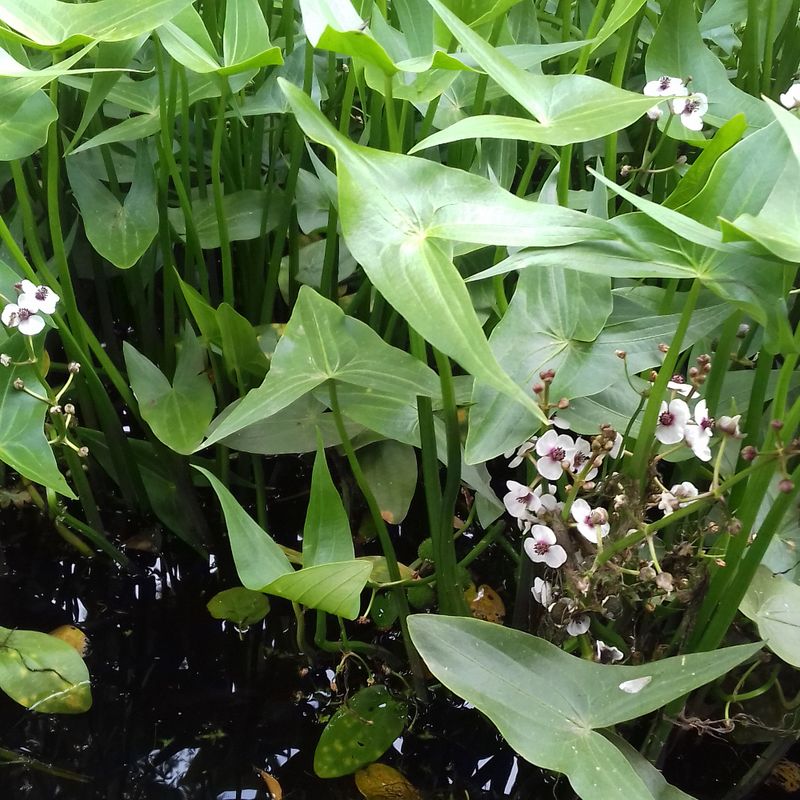
The Arrowhead Plant is noted for its distinctive arrow-shaped leaves and delicate white blooms. It thrives in shallow water, making it a staple in wetland gardens.
Its name is derived from the Latin word “sagitta,” meaning arrow, reflecting its unique leaf shape. The roots of this plant have been used as a food source by various cultures. Providing both beauty and utility, the Arrowhead Plant is a must-have for any water-loving plant collection.