
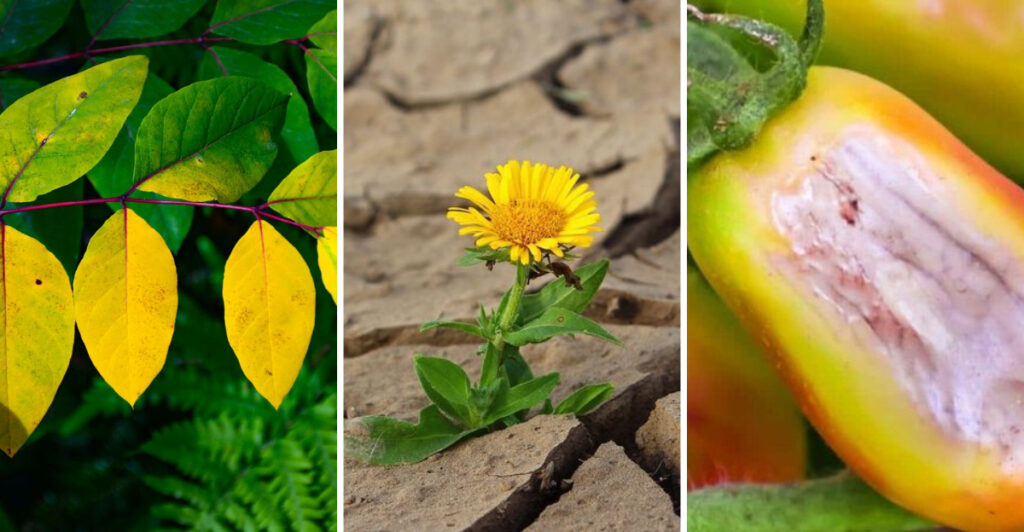
In a world where climate change is becoming increasingly evident, our gardens often become the first witnesses. The signs of heat stress in plants are sometimes subtle, yet they scream for attention. Understanding these signs can save your plants from irreversible damage. Each section below highlights a unique warning sign your garden might be experiencing due to excessive heat. Whether it’s wilting leaves or sunscalded fruits, each sign tells a story of survival and adaptation. This guide will walk you through the 15 most telling signs that your garden might be under heat stress.
1. Wilting Leaves
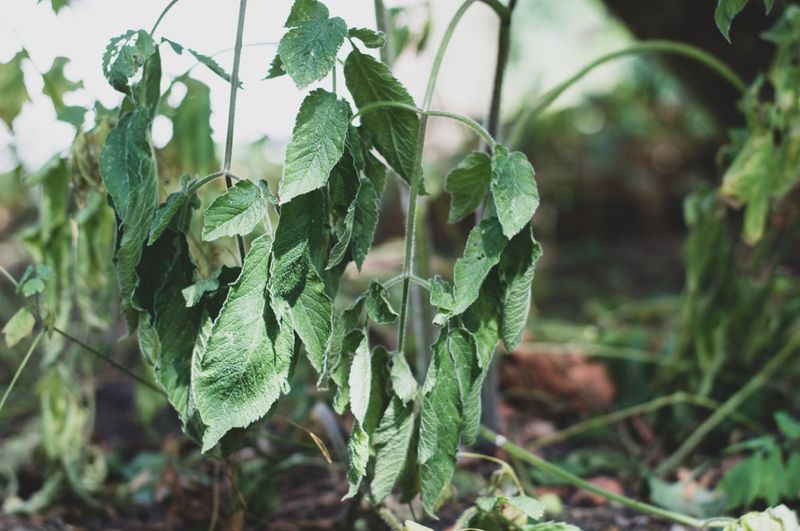
Plants express their discomfort through wilted leaves. If you observe your garden, you’ll notice leaves losing their firmness. This often signals water loss.
The plant’s roots might not supply enough moisture to sustain leaf turgidity. Under severe heat, even regular watering may not suffice. Such stress can hinder photosynthesis, impacting growth.
Ensuring shade or using mulch can alleviate this. Adaptation is key. Adjusting watering schedules to early mornings or late evenings helps. Observing these subtle changes can save a garden from further damage.
2. Sunscalded Fruits
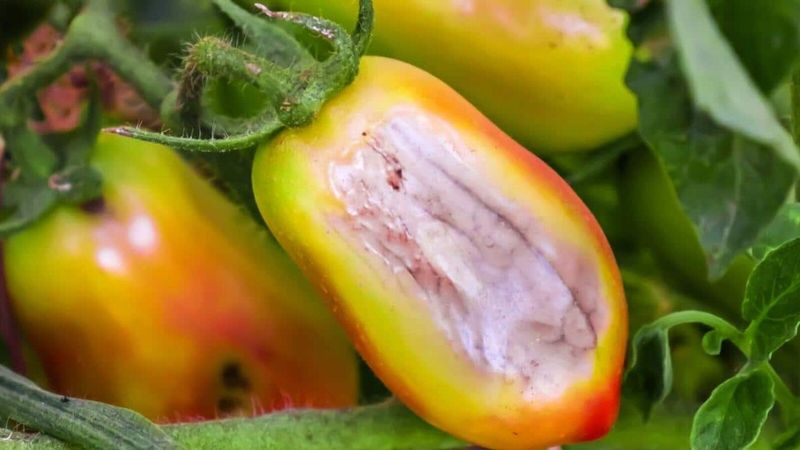
Sunscald is a plight many gardeners face. Fruits like tomatoes and peppers become vulnerable under blistering sun.
The sun’s intensity can cause white, leathery spots on these fruits. This compromises their quality and taste. It’s a gardener’s nightmare, turning a promising harvest into a disappointing one.
To prevent this, plant strategically. Provide shade during peak sun hours. Using row covers or shade cloths can protect fruits. Awareness and timely intervention ensure better quality produce.
3. Leaf Scorch
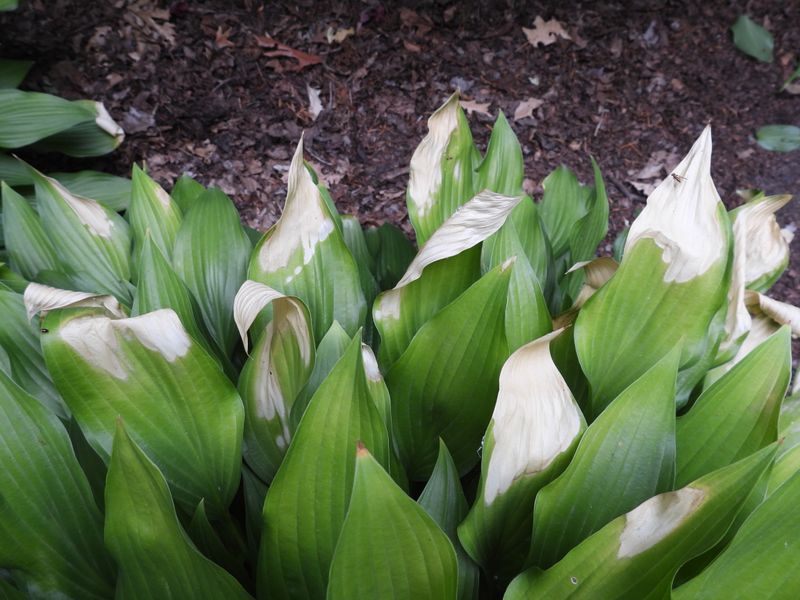
Leaf scorch is hard to miss. Those brown, crispy edges tell a tale of excessive heat and dehydration.
It’s not just an eyesore; it’s a cry for relief. This condition usually results from inefficient transpiration. The plant loses more water than it absorbs.
To mitigate, ensure consistent watering and mulch usage. This helps retain soil moisture. Additionally, planting windbreakers can reduce drying winds. Observing plant needs closely can prevent scorch from spreading.
4. Cracked Soil
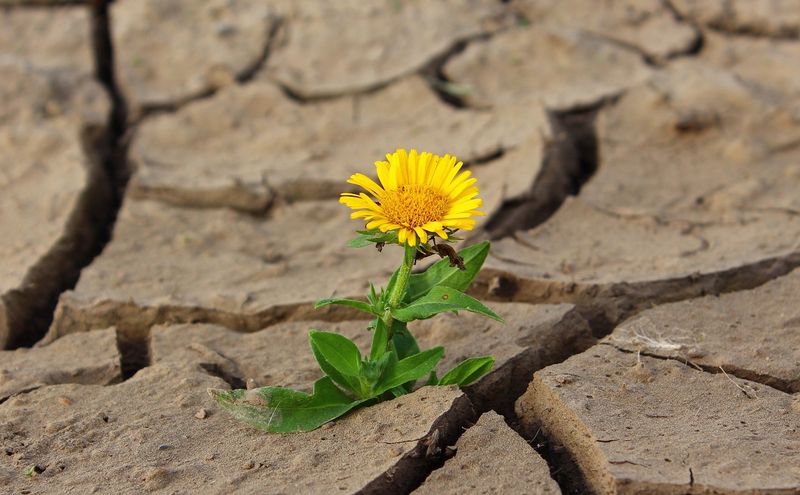
Cracked soil is a glaring sign of dehydration. Beneath those cracks, roots struggle to find moisture.
This condition often results from prolonged sun exposure and inadequate watering. It severely affects plant health and growth.
To combat this, maintain regular watering schedules and apply mulch. Mulch acts as a protective layer, conserving moisture. Also, consider soil amendments to improve water retention. By addressing cracked soil promptly, you ensure a healthier garden.
5. Stunted Growth
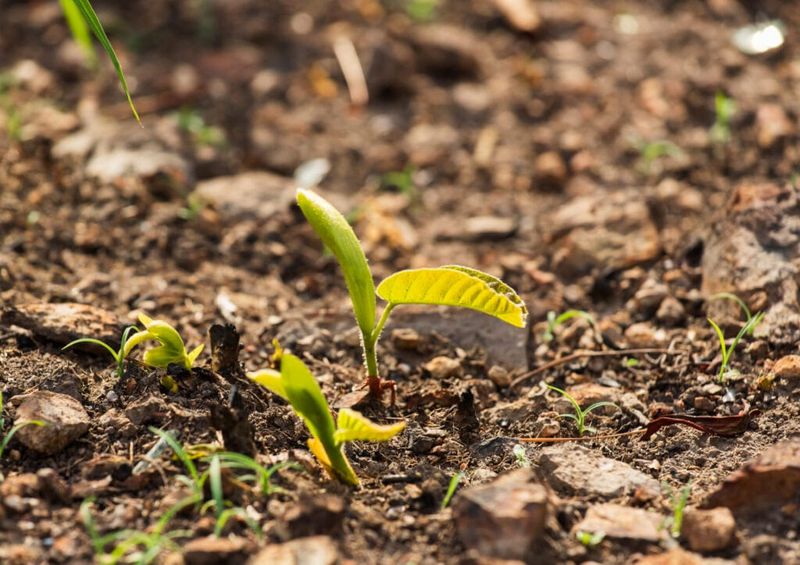
Imagine a garden where some plants simply refuse to grow. Stunted growth is a common heat stress symptom.
Excessive heat affects nutrient uptake, hindering the plant’s development. It’s like hitting a growth pause button.
Ensure plants receive adequate nutrients and water. Using shade cloth can also reduce heat stress. By observing growth patterns, adjustments can be made to promote healthier plant development.
6. Yellowing Leaves
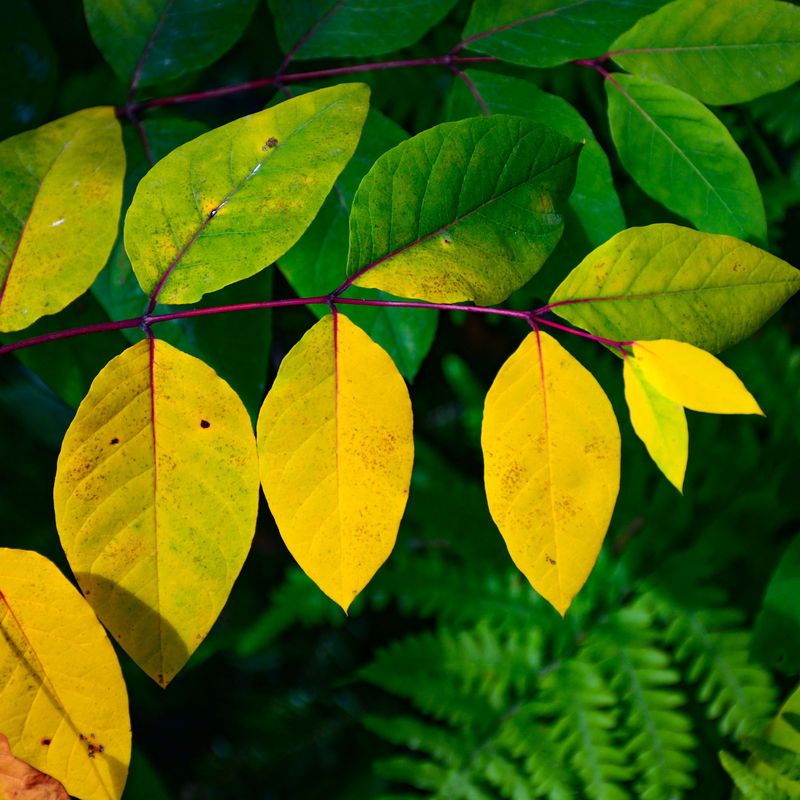
Yellowing leaves are a garden’s silent cry. Often mistaken for nutrient deficiency, they’re a sign of heat stress.
High temperatures can disrupt chlorophyll production, leading to this discoloration. It’s more than just a cosmetic issue; it’s an alarm.
Adequate watering and providing shade can help restore color. Regularly checking soil moisture levels ensures plants receive enough water. Addressing these early signs prevents further damage.
7. Root Damage
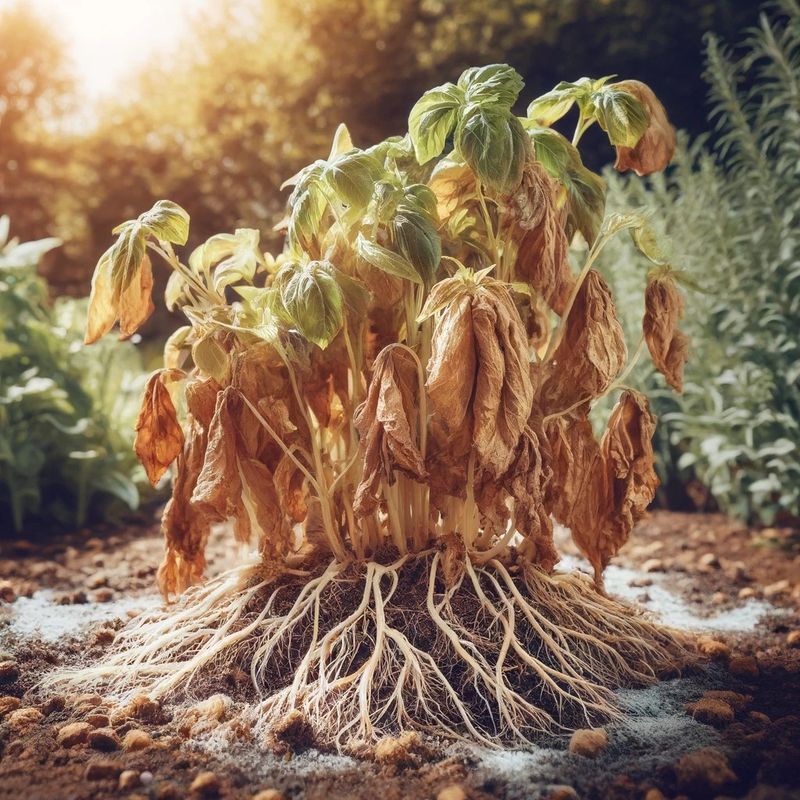
Roots, hidden yet vital, often suffer unnoticed. Heat can damage roots, affecting water and nutrient uptake.
Symptoms include wilting and stunted growth. It’s a silent struggle, as roots are crucial for plant health.
Ensuring a cool soil environment with mulch and regular watering can mitigate this. Understanding root needs aids in maintaining a vibrant garden.
8. Blossom Drop
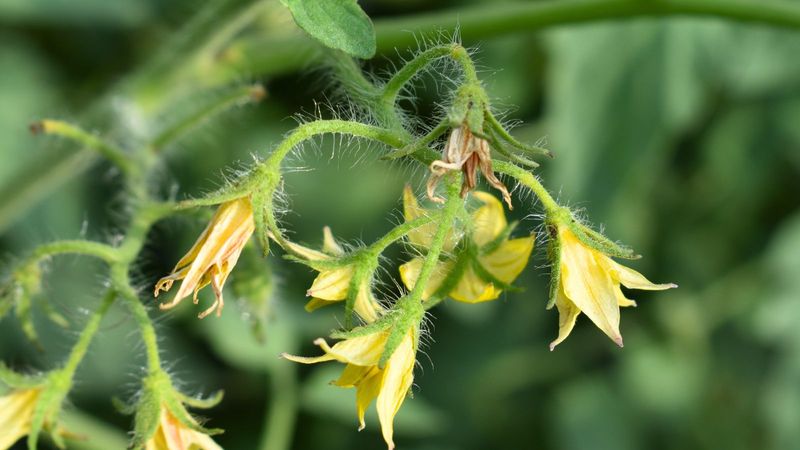
Blossom drop is a heartache for gardeners. High temperatures often cause flowers to drop before fruiting.
This phenomenon affects yield and is disheartening for those anticipating a bountiful harvest.
Keeping plants cool and well-watered, along with using shade, can reduce drop rates. Monitoring temperature changes and adjusting care routines ensures better flowering outcomes.
9. Increased Pest Activity
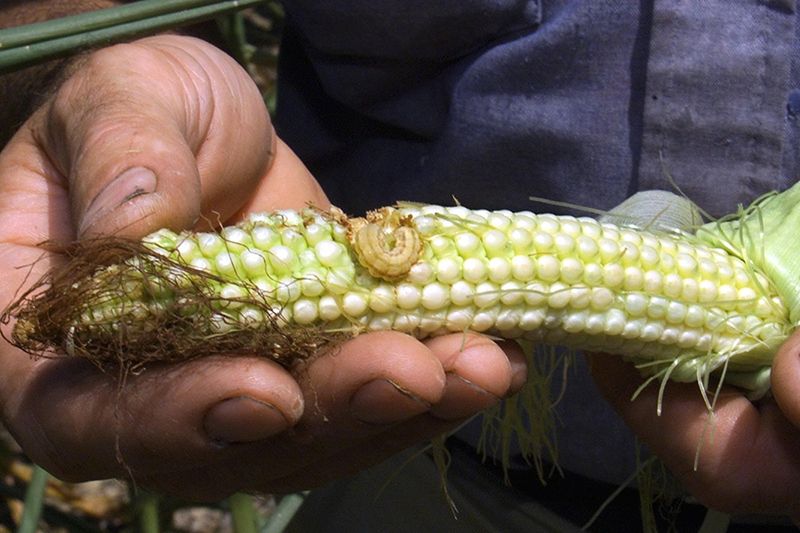
Pests love stressed plants. Heat can make plants susceptible to pest invasions.
Insects like aphids and spider mites thrive in hot conditions, attacking weakened plants. It’s a battle for survival.
Regular monitoring and natural pest deterrents, like neem oil, can help. Strengthening plant health reduces pest susceptibility, ensuring a healthier garden.
10. Delayed Harvest
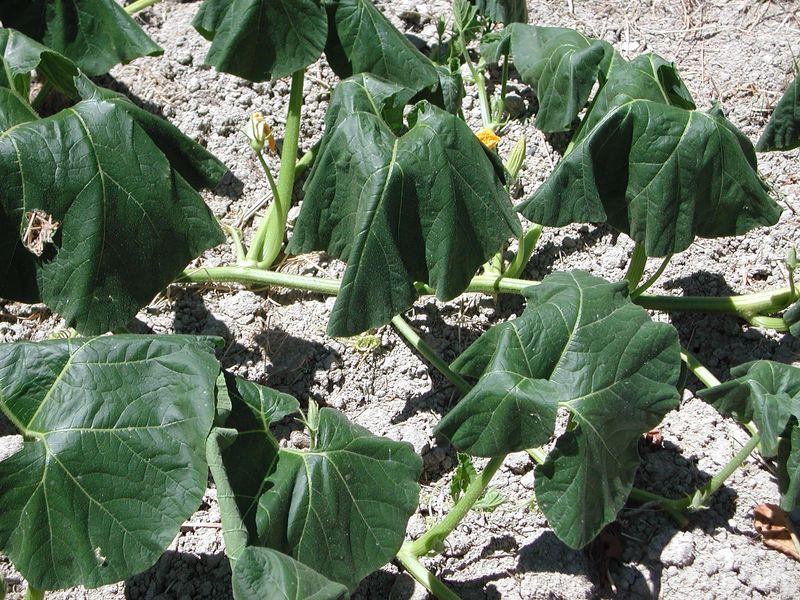
Heat can postpone your garden’s bounty. Delayed harvests are a side effect of prolonged high temperatures.
The stress affects fruit and vegetable maturation, stretching the waiting period. For gardeners, patience becomes a virtue.
Maintaining optimal conditions with adequate water and shade can support timely ripening. Understanding this delay allows for better garden management in hot climates.
11. Brittle Stems
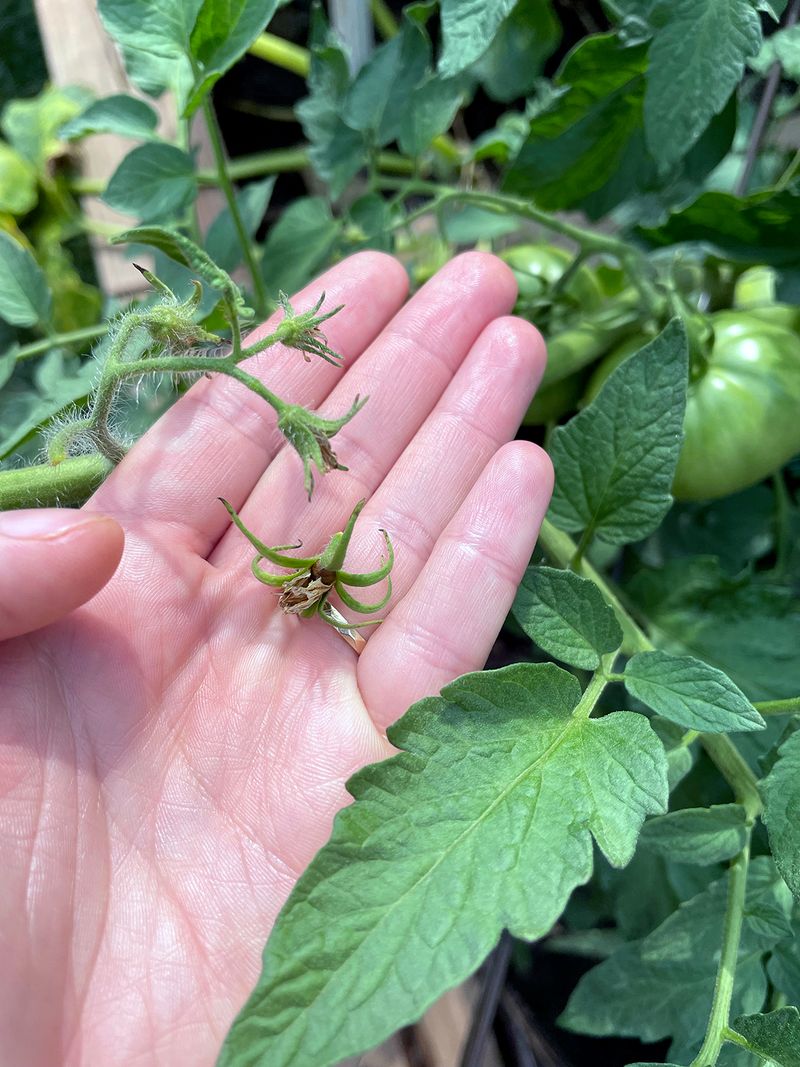
Brittle stems are a garden’s fragility exposed. High heat can make stems dry and prone to breaking.
This affects the plant’s ability to support itself and its growth. It’s a critical warning sign.
Ensuring proper hydration and structural support can help. Using stakes or cages provides stability, aiding in plant recovery.
12. Flower Burning
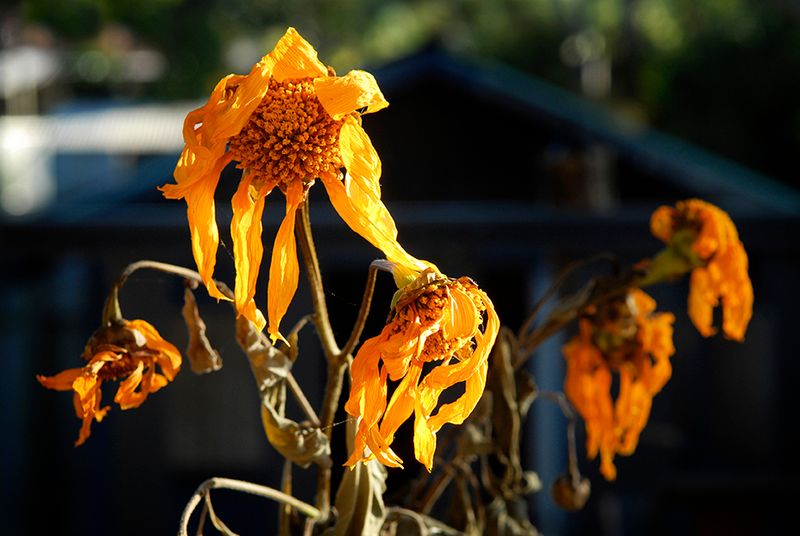
Flowers, though resilient, exhibit vulnerability through burning. Heat can scorch petals, turning them brown at the edges.
It’s a heartbreaking sight, as the beauty of blooms fades. This phenomenon indicates excessive heat exposure.
Applying shade and ensuring sufficient watering can protect flowers. Gardening practices that adjust to weather changes ensure blooms remain vibrant.
13. Leaf Curling
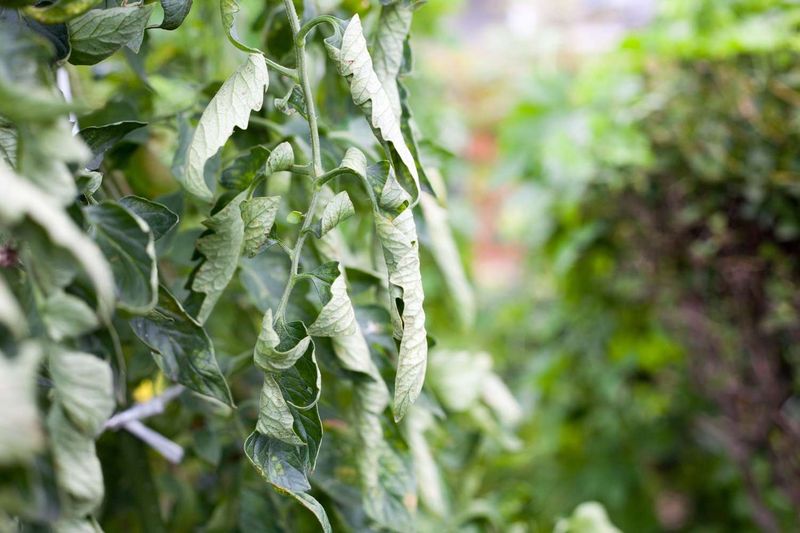
Leaf curling is a plant’s way of conserving moisture. Under heat stress, leaves curl inward to reduce water loss.
While this mechanism aids survival, it also limits photosynthesis. Observing this sign indicates a need for intervention.
Consistent watering and shading can help alleviate this condition. Recognizing curling as an early warning helps in prompt action.
14. Reduced Photosynthesis
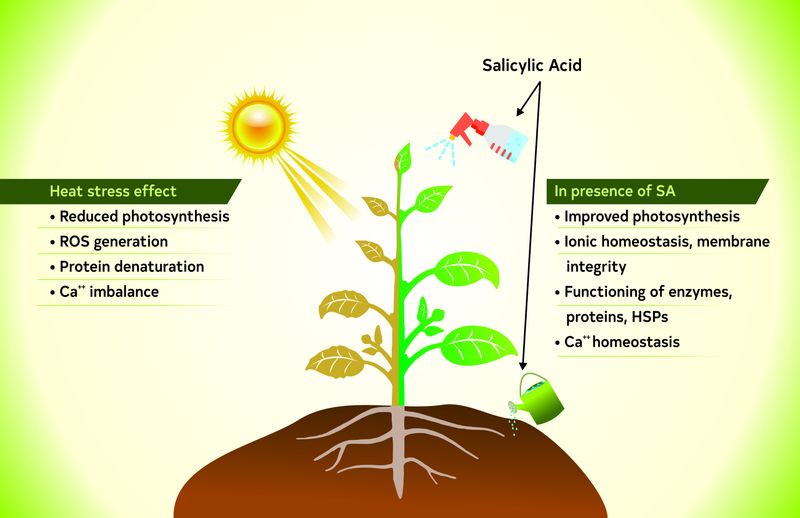
Photosynthesis is the lifeline of plants. High heat can disrupt this process, reducing plant energy production.
This affects growth and overall health, as energy becomes scarce. It’s a fundamental issue needing attention.
Providing shade and adequate hydration supports photosynthesis. Understanding and addressing this enables plants to thrive despite challenges.
15. Increased Watering Needs
Heat escalates plants’ thirst. Increased watering needs become apparent as temperatures rise.
This isn’t just about quenching thirst; it’s about survival and maintaining plant functions. Monitoring soil moisture is crucial.
Adapting watering schedules to early morning or late evening reduces evaporation. This ensures plants receive the necessary hydration. Recognizing these needs prevents stress.