
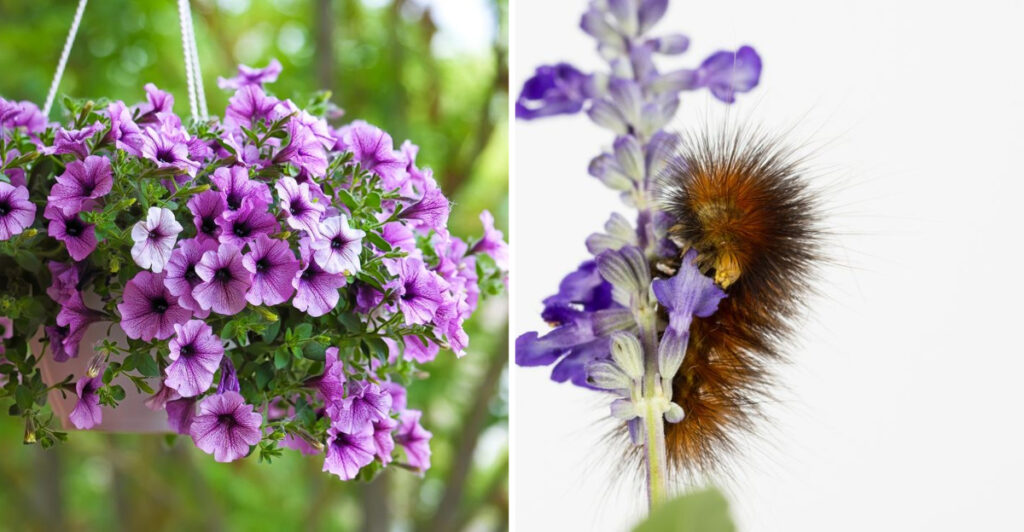
Keeping your garden free of caterpillars doesn’t mean resorting to harsh chemicals. Nature provides us with an array of plants that naturally deter these pests, allowing your garden to thrive organically. Here, we explore 15 plants that offer a natural solution to caterpillar control, each bringing its own unique character and benefits.
1. Lavender
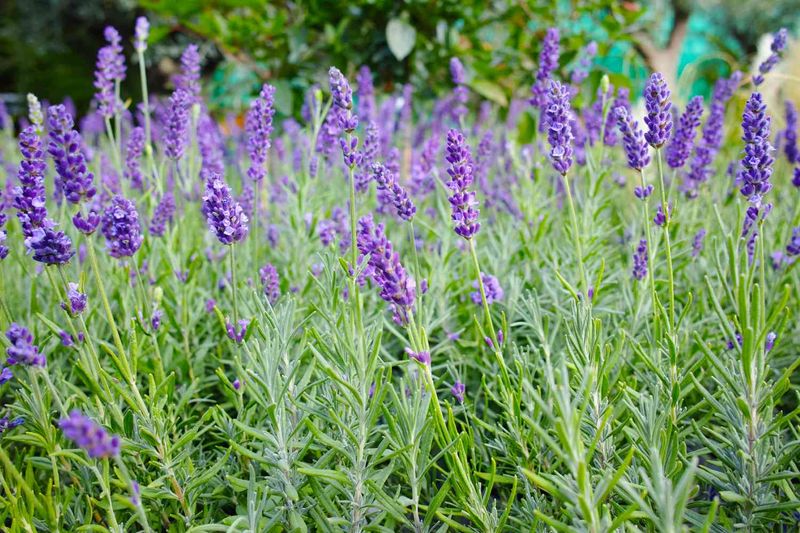
Known for its calming scent, lavender is more than a pretty face in the garden. Its aromatic oils repel caterpillars, ensuring your plants stay safe. With spikes of fragrant purple flowers, lavender adds both beauty and function.
Plant lavender along borders to create a fragrant barrier. Not only does it keep caterpillars away, but it also attracts beneficial pollinators. An addition of lavender to your garden offers tranquility and protection.
Fun fact: Lavender’s soothing scent has been used in aromatherapy for centuries, bringing peace to both gardens and homes.
2. Basil
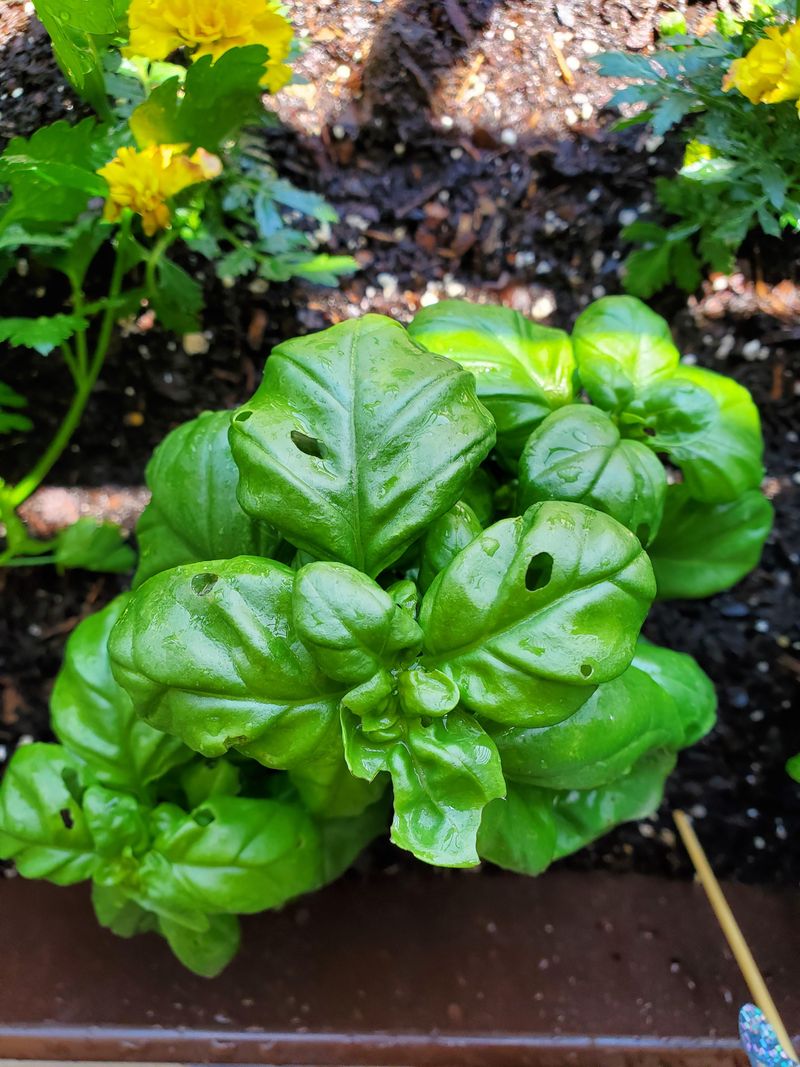
Basil’s vibrant leaves do more than flavor your dishes; they keep caterpillars at bay. This herb releases natural oils that are unpleasant to many pests.
Growing basil near tomatoes not only enhances growth but also acts as a natural insect repellent. Its presence in the garden is both practical and aromatic.
Interesting tidbit: Basil was considered a royal herb in ancient cultures, revered for its culinary and medicinal properties.
3. Mint
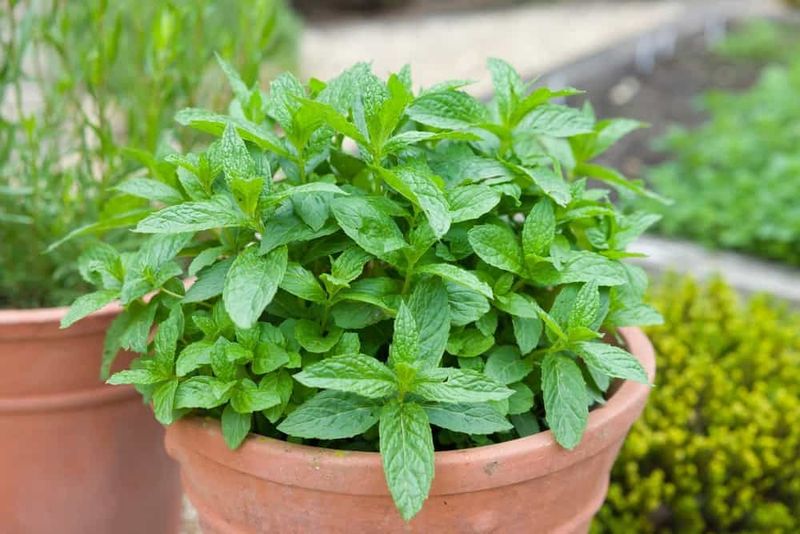
Mint’s refreshing aroma is a delight to humans but a deterrent to caterpillars. Its invasive nature makes it a robust addition to any pest-free garden.
Plant mint in containers to keep it contained, or let it roam in open spaces where its spread is welcome. Its leaves not only fend off pests but can be used in teas and recipes.
Did you know? Mint was once used to crown Greek athletes, celebrating victory and freshness.
4. Rosemary
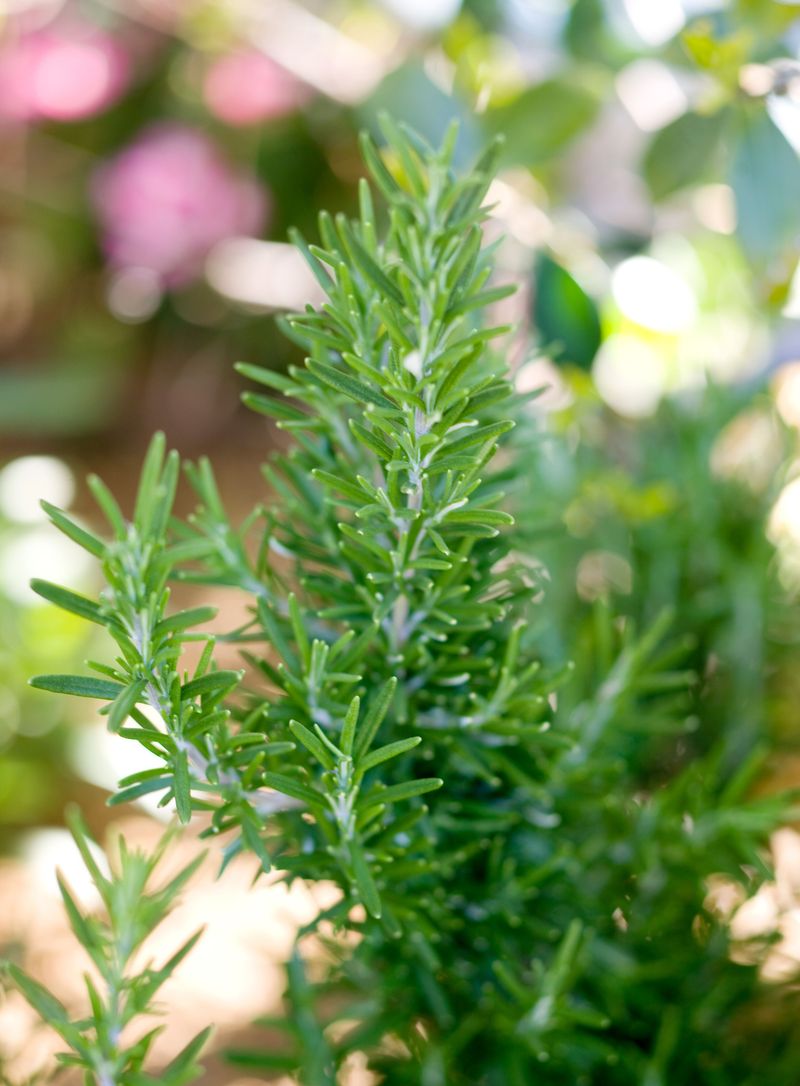
Rosemary’s woody fragrance is more than just a kitchen staple. Its scent deters caterpillars and adds a Mediterranean touch to any garden.
Place rosemary near vegetable plants to create a protective aromatic shield. Its evergreen nature ensures year-round defense against pests.
Quirky fact: Rosemary symbolizes remembrance and has been used in weddings and war commemorations alike.
5. Sage
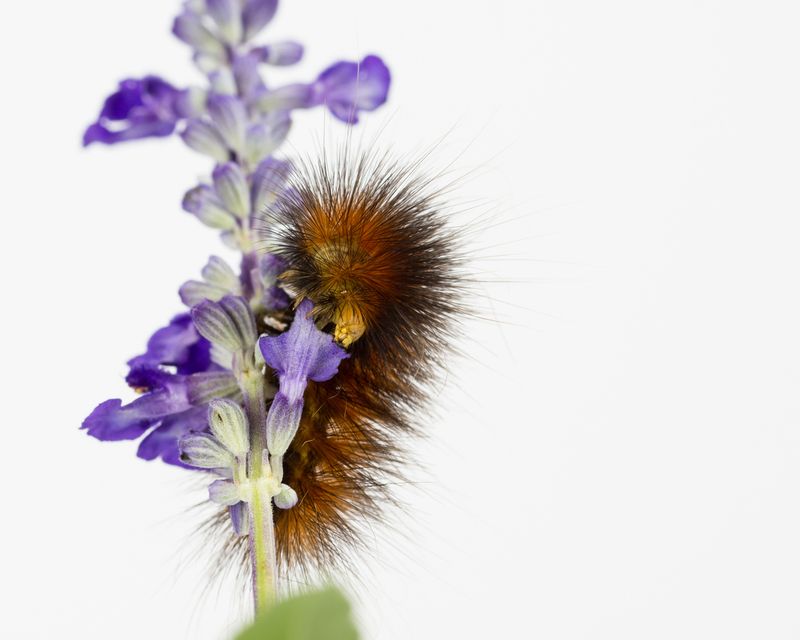
Sage’s earthy aroma isn’t just for seasoning; it wards off caterpillars too. Its silvery, velvety leaves make it an attractive garden feature.
Use sage in borders or beds to create a fragrant, protective barrier against pests. Its presence enriches the garden both aesthetically and functionally.
Interesting note: Sage has been hailed as a sacred plant in various cultures, associated with wisdom and longevity.
6. Thyme
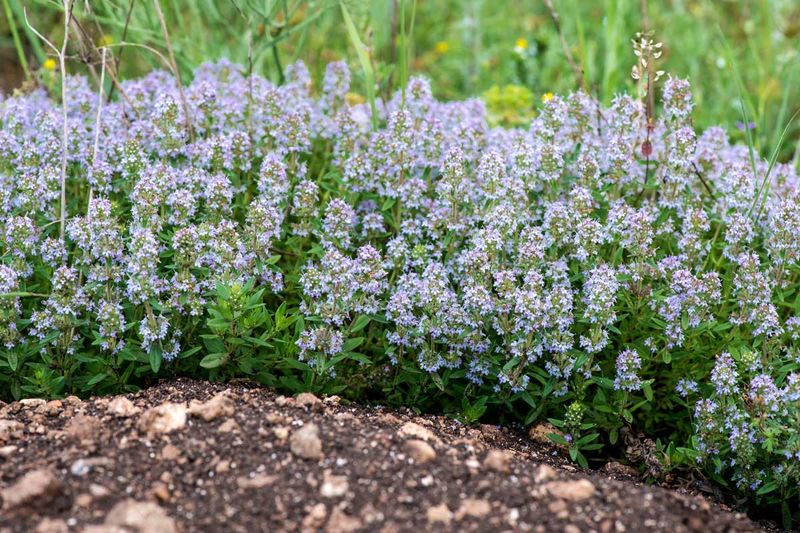
Thyme offers more than culinary delight; its scent confuses and repels caterpillars. This tiny-leafed herb is a powerhouse in pest control.
Plant thyme alongside vegetables to protect them naturally. Its low-growing habit makes it a perfect ground cover in herb gardens.
Fun fact: In medieval times, thyme was given to knights for courage before battles.
7. Marigold
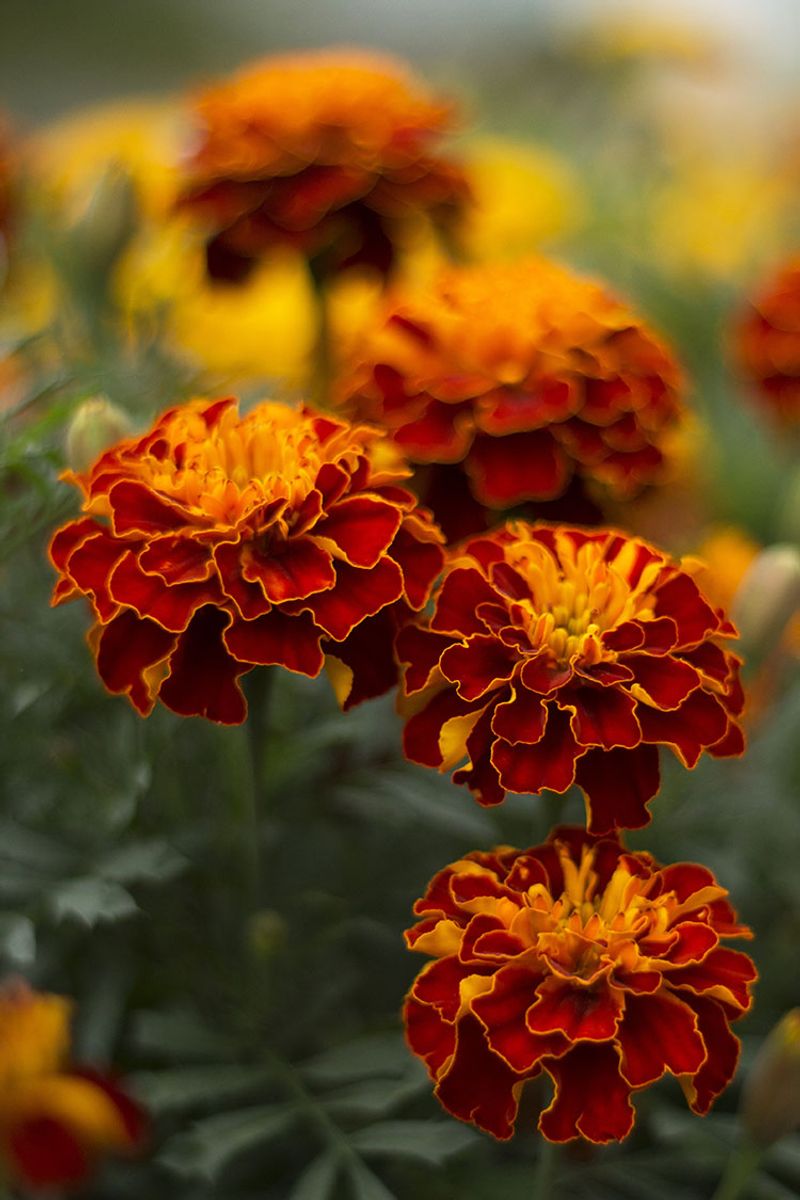
Marigolds are more than cheerful additions to your garden; their scent deters caterpillars effectively. The bright flowers release natural chemicals that pests dislike.
Use marigolds in vegetable gardens to keep unwanted insects at bay. Their vibrant colors beautify while providing protection.
Did you know? Marigolds are often used in cultural festivals, symbolizing brightness and positivity.
8. Petunia
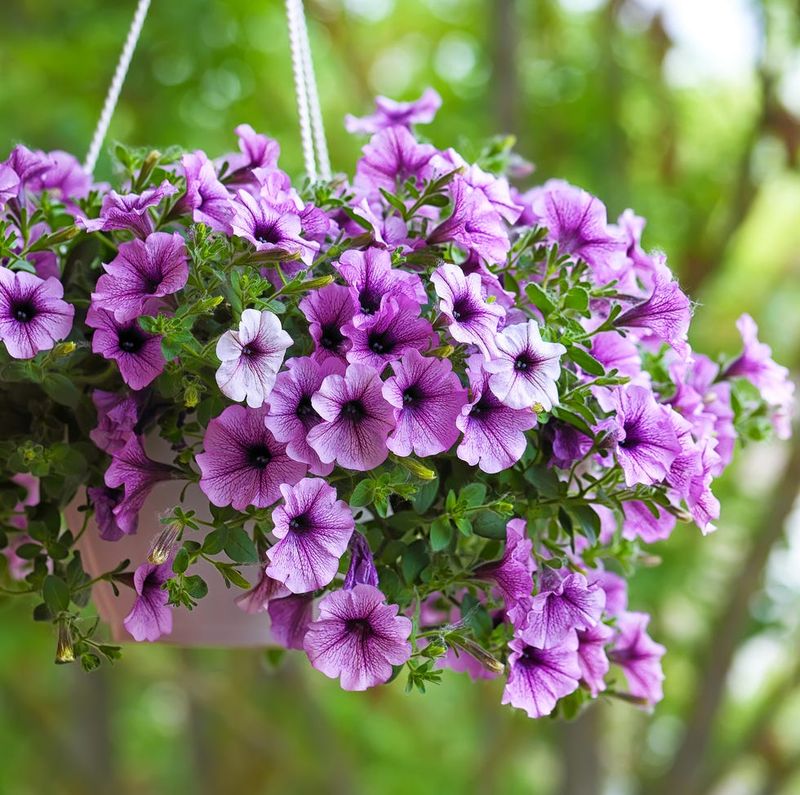
Petunias offer more than eye-catching blooms; they repel caterpillars and other pests. Their sticky foliage traps insects, protecting surrounding plants.
Hang petunias around your garden or plant them in beds to add color and defense against pests. Their versatility is unmatched.
Quirky tidbit: Petunias were named after the French word for tobacco, “petun,” due to their similar looking leaves.
9. Fennel
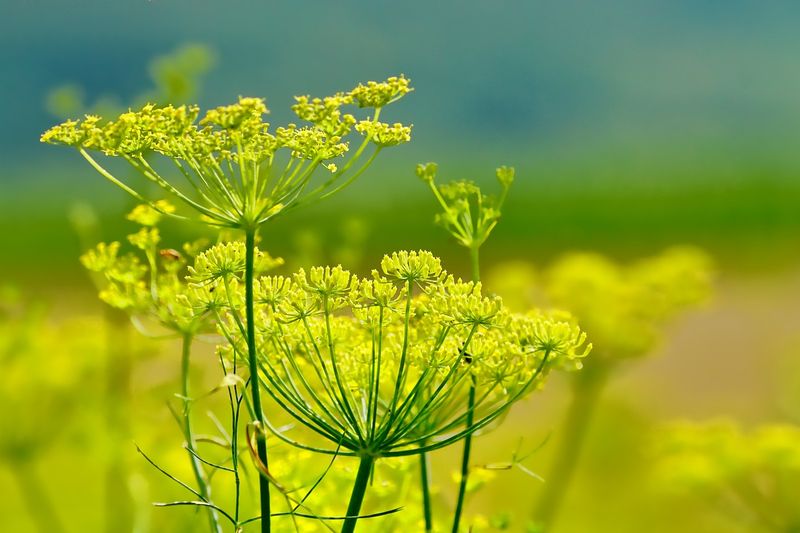
Fennel is known for its feathery fronds and culinary uses, but its strong scent deters caterpillars. It adds height and structure to garden beds.
Grow fennel near susceptible plants to naturally repel pests. Its towering presence is both useful and ornamental.
Fun fact: In ancient Greece, fennel was a symbol of success, used in victory wreaths.
10. Chives
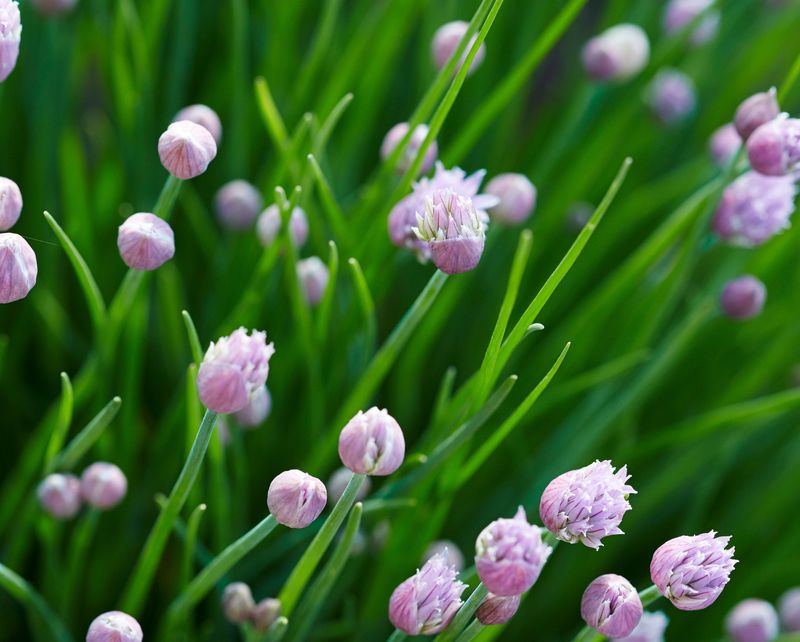
Chives are more than a savory garnish; their smell keeps caterpillars away. The delicate purple flowers add beauty to any herb garden.
Plant chives alongside vegetables to provide a natural insect barrier. Their dual purpose enriches both kitchen and garden.
Did you know? Chives are related to onions and have been used in traditional medicine for centuries.
11. Catnip
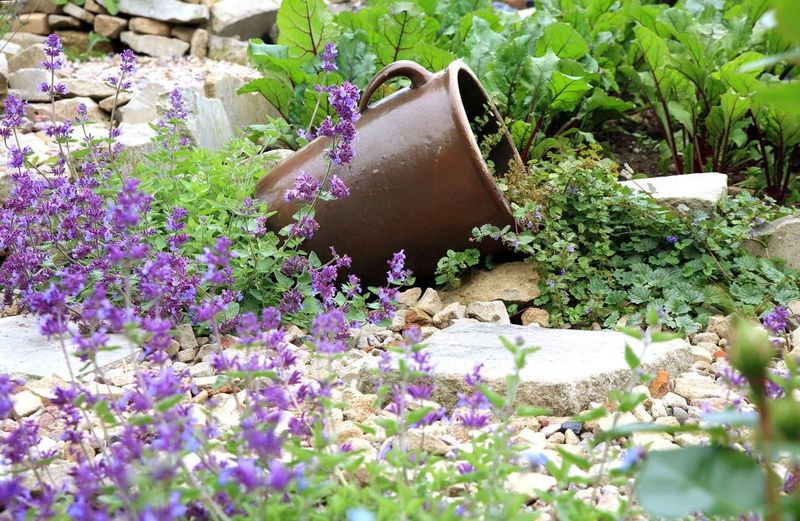
Catnip isn’t just for feline friends; it repels caterpillars effectively. Its minty fragrance is unappealing to many garden pests.
Plant catnip near susceptible plants for added protection. Its playful effect on cats is an added bonus for pet owners.
Quirky trivia: Catnip contains nepetalactone, a compound that attracts cats but repels insects.
12. Garlic
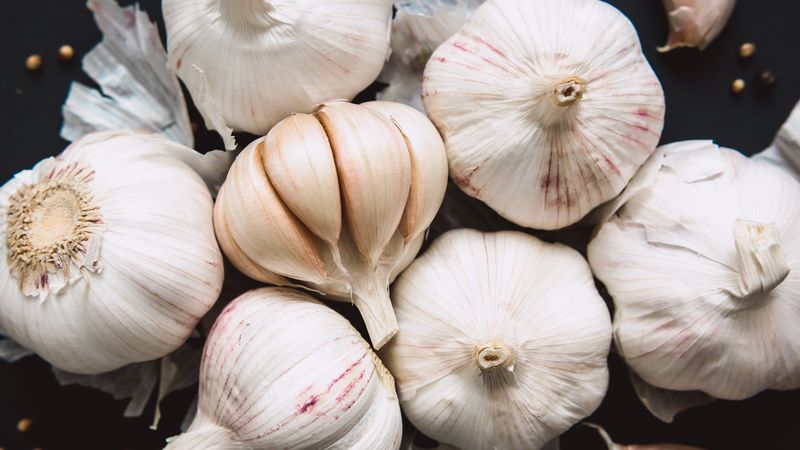
Garlic’s pungent aroma is off-putting to caterpillars, making it an excellent natural repellent. Its strong presence adds flavor and protection.
Plant garlic among vegetables to keep pests at bay. Its robust growth provides dual benefits for culinary and garden needs.
Interesting fact: Garlic has been used in folklore as a protection against evil, symbolizing strength and resilience.
13. Dill
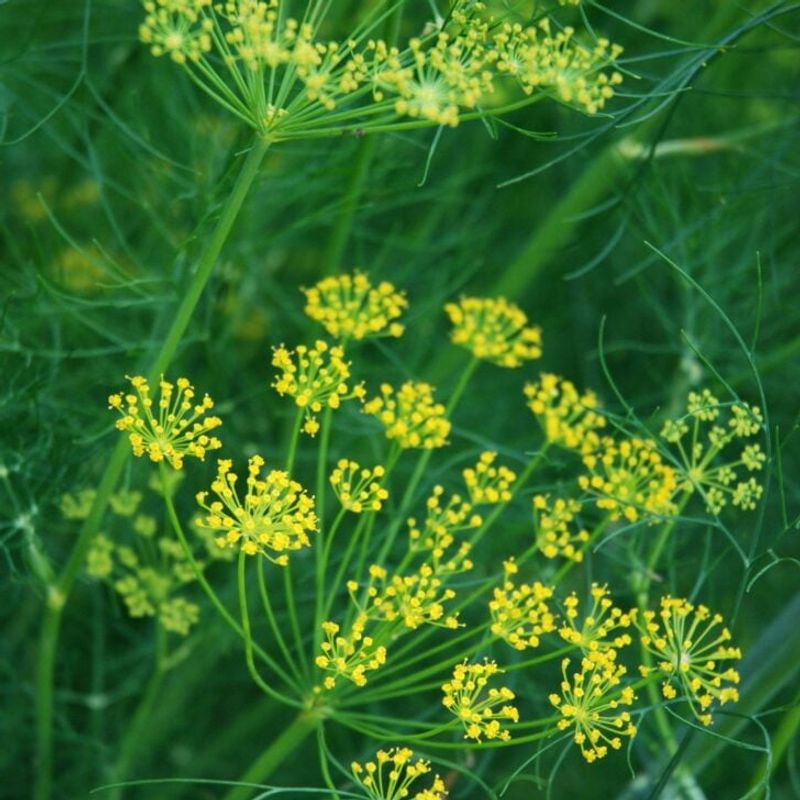
Dill’s feathery fronds are more than a culinary delight; they repel caterpillars effectively. Its presence enhances garden aesthetics and health.
Grow dill near plants prone to pests to shield them naturally. Its tall, wispy form adds a unique touch to any garden setting.
Did you know? Dill was used by ancient Egyptians as a remedy for headaches.
14. Nasturtium
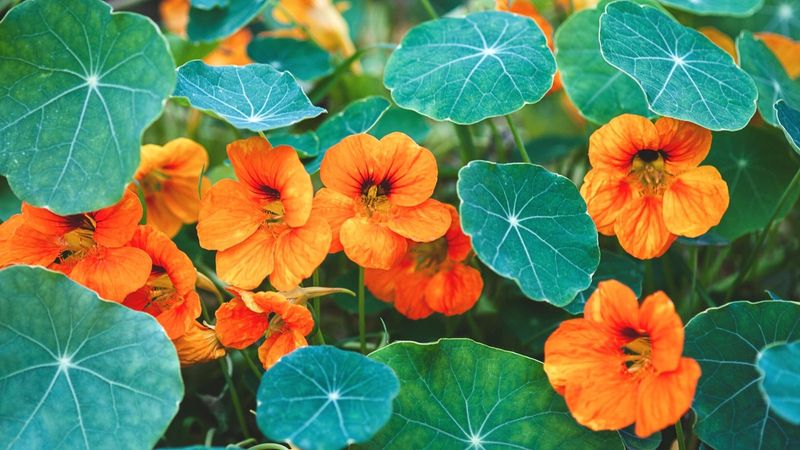
Nasturtiums are vibrant and repellent to caterpillars. Their peppery scent deters pests, while their flowers add edible beauty.
Plant nasturtiums around garden edges to create a defensive barrier. Their edible blossoms bring both protection and flavor.
Fun tidbit: Nasturtiums were named after the Latin word for “nose-twister” due to their pungent aroma.
15. Chrysanthemum
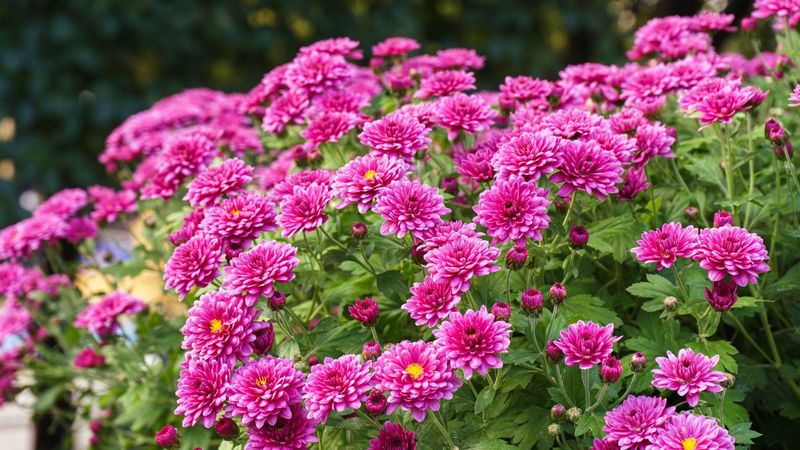
Chrysanthemums are not only visually striking but also effective at repelling caterpillars. Their flowers release natural chemicals that pests avoid.
Use chrysanthemums in flower beds to protect surrounding plants. Their rich colors and pest-deterring abilities make them a garden favorite.
Interesting note: Chrysanthemums have been associated with joy and optimism in various cultures, often featured in seasonal festivals.