
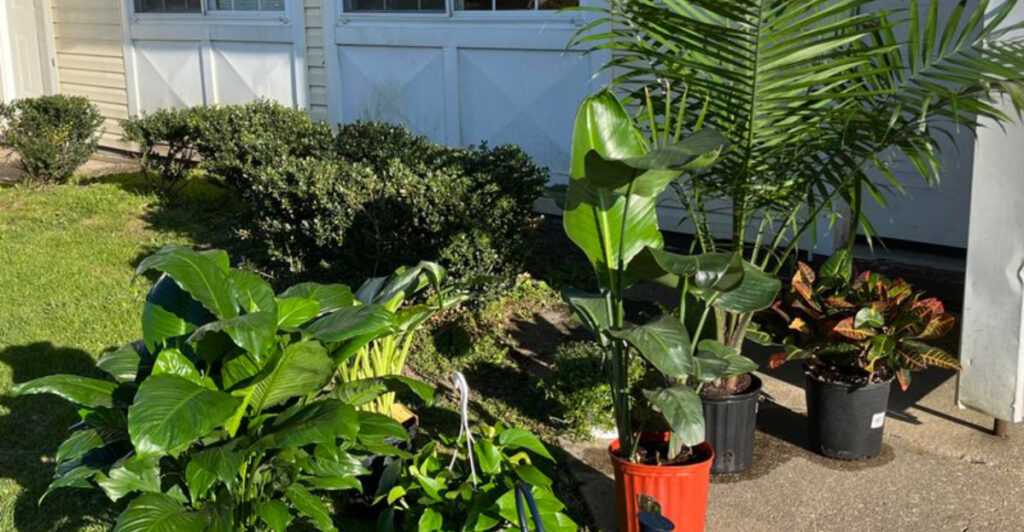
When summer arrives, many indoor plant parents wonder if their leafy companions might benefit from a vacation outside. Moving houseplants outdoors can rejuvenate them with fresh air and natural light.
However, this transition requires careful planning to prevent damage to your beloved greenery. Understanding these essential facts will help you decide whether your houseplants should enjoy a summer outdoors.
1. Sunlight Boost: Your Plants Crave Natural Rays
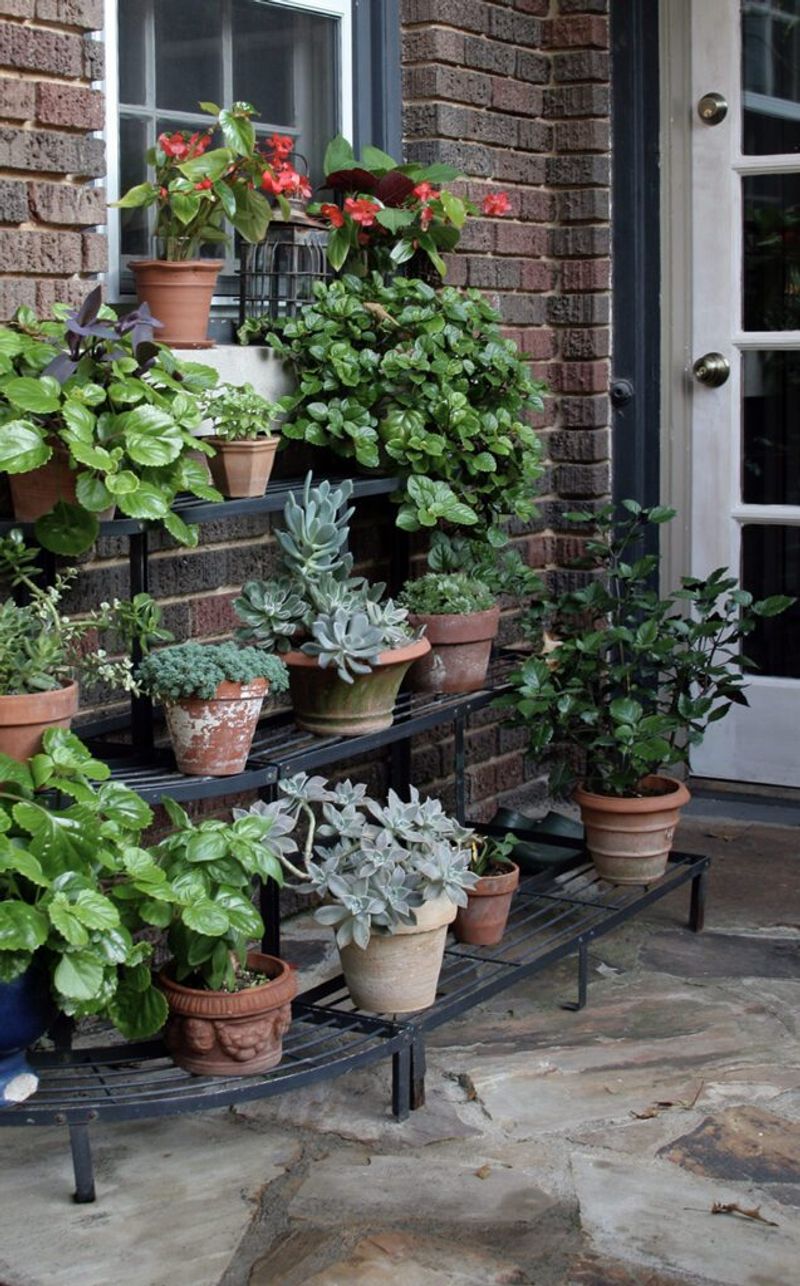
The sunshine factor makes a world of difference for most houseplants during summer months. Natural sunlight provides a spectrum of light that artificial indoor lighting simply cannot match, often triggering faster growth and more vibrant foliage. Many flowering houseplants will reward you with spectacular blooms when given proper outdoor light exposure. Just remember that even sun-loving varieties need protection from the intense midday rays. Plants like pothos, philodendrons, and peace lilies thrive in dappled outdoor light, while cacti and succulents can handle more direct sun. Monitor leaf color – yellowing often indicates too much light, while stretching stems suggest they need more.
2. Temperature Matters: The 55°F Rule
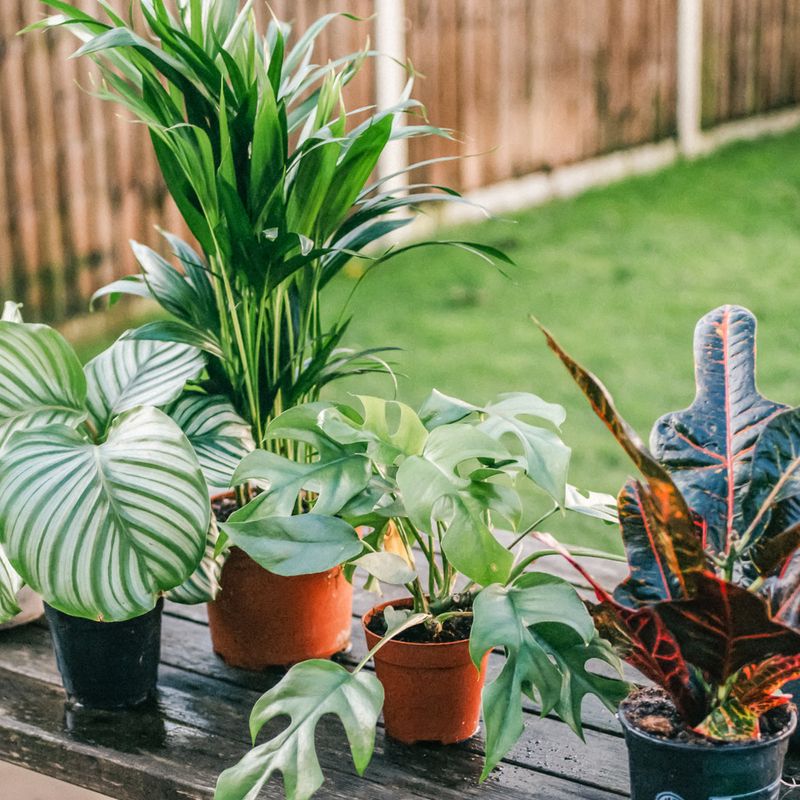
Nighttime temperatures are the secret gatekeepers to outdoor plant success. Most tropical houseplants suffer damage when temperatures dip below 55°F (13°C), making this your magic number for safe outdoor transitions. Rushing plants outside during early spring temperature fluctuations can shock their systems and cause lasting damage. Weather apps become your best friends during this transition period. Some cold-sensitive favorites include spider plants, monsteras, and ficus trees. For borderline temperatures, consider bringing plants in overnight until summer fully establishes itself. This temperature awareness prevents the heartbreak of losing beloved plants to unexpected cold snaps.
3. Gradual Light Adaptation Prevents Leaf Burn
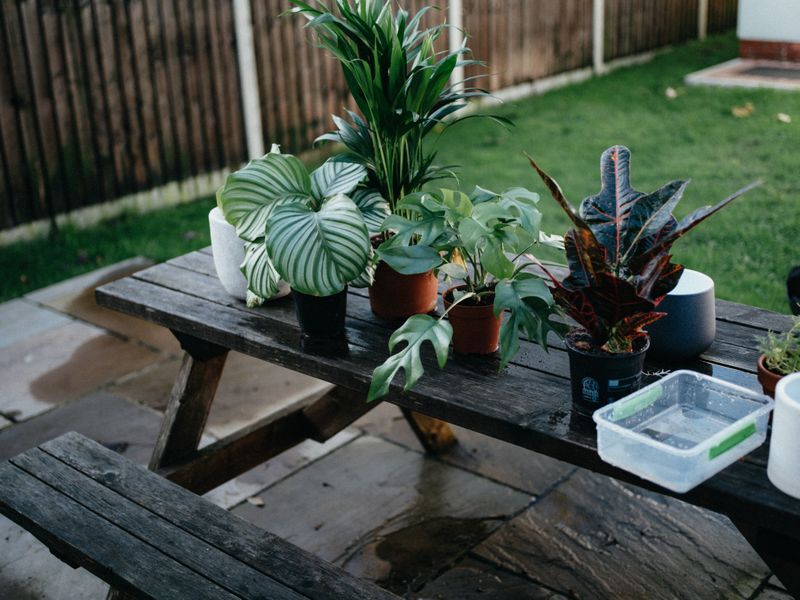
Plant leaves can sunburn just like human skin! The process called hardening off gives your indoor plants time to build their natural sunscreen. Start by placing them in deep shade for a few hours daily, gradually increasing exposure over 7-14 days. Watch for signs of stress like pale patches, brown edges, or wilting during this transition. Your plants are literally changing their cellular structure to handle increased light intensity. East-facing locations make perfect starting points for this adaptation process. The gentle morning sun provides light without the harsh afternoon intensity. Patience during this adjustment period prevents the disappointment of damaged foliage that can take months to recover.
4. Weather Protection: Wind and Rain Concerns
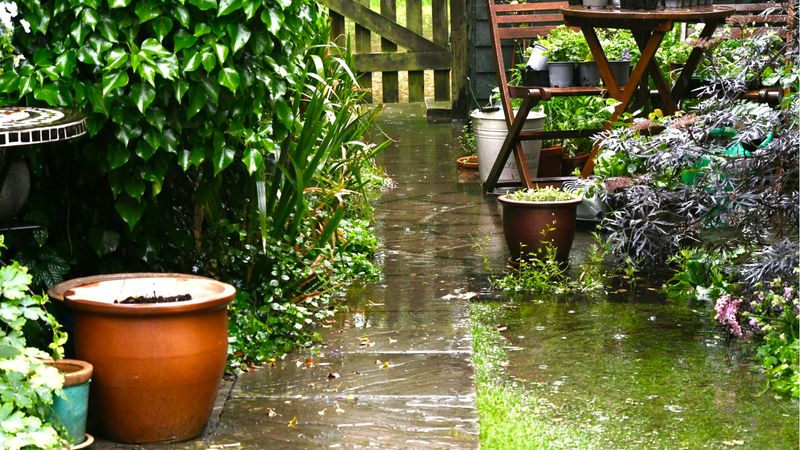
Summer storms can transform your peaceful plant haven into a disaster zone within minutes. Strong winds knock over pots and tear delicate leaves, while heavy downpours may waterlog soil faster than it can drain. Strategic placement becomes crucial for outdoor plant success. A covered porch, patio, or spot beneath a tree canopy offers natural protection while still providing improved light and air circulation. Consider grouping plants together to create a microclimate that buffers against wind. For especially delicate specimens like prayer plants or African violets, portable shelters or quick access to bring them inside during storms ensures their safety. Weather alerts on your phone become essential plant care tools.
5. Pest Management: The Outdoor Bug Challenge
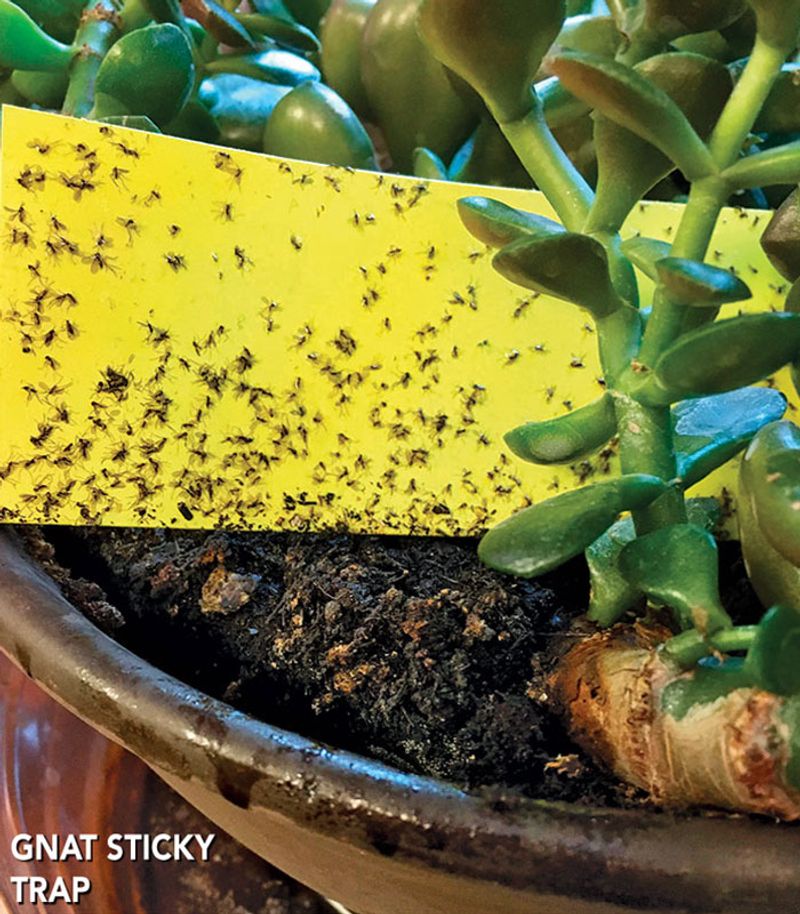
The great outdoors introduces your houseplants to an entirely new ecosystem of critters. Aphids, spider mites, caterpillars, and slugs view your precious plants as an all-you-can-eat buffet. Regular inspection becomes non-negotiable in outdoor settings. Flip leaves over to check undersides where pests often hide, and keep natural remedies like neem oil or insecticidal soap ready for immediate action. Beneficial insects become your allies outdoors – ladybugs and praying mantises happily feast on many common plant pests. Creating physical barriers with diatomaceous earth around pots deters crawling invaders like slugs. This vigilance prevents small problems from becoming full-blown infestations.
6. Watering Adjustments: New Outdoor Rhythms
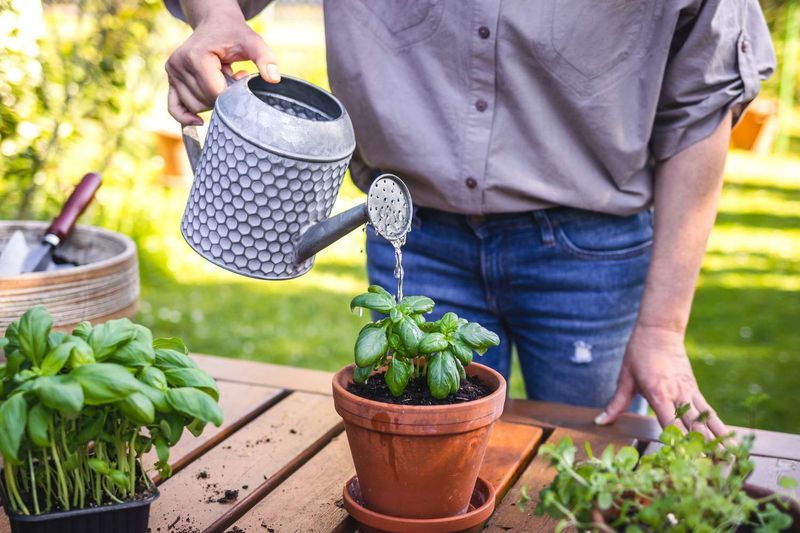
Forget your indoor watering schedule when plants move outside! Higher temperatures, increased airflow, and direct sunlight dramatically accelerate evaporation rates. Plants that needed water weekly indoors might require daily attention during hot summer spells. The finger test remains your most reliable tool – stick your finger an inch into the soil to check moisture levels before watering. Morning watering gives plants time to absorb moisture before the day’s heat arrives. Self-watering pots or water-retaining crystals mixed into potting soil can help maintain consistent moisture. Group similar plants together based on water needs to prevent both over and under-watering. This mindful approach prevents the common summer plant killers: drought stress and root rot.
7. Growth Spurt: Preparing for Plant Expansion
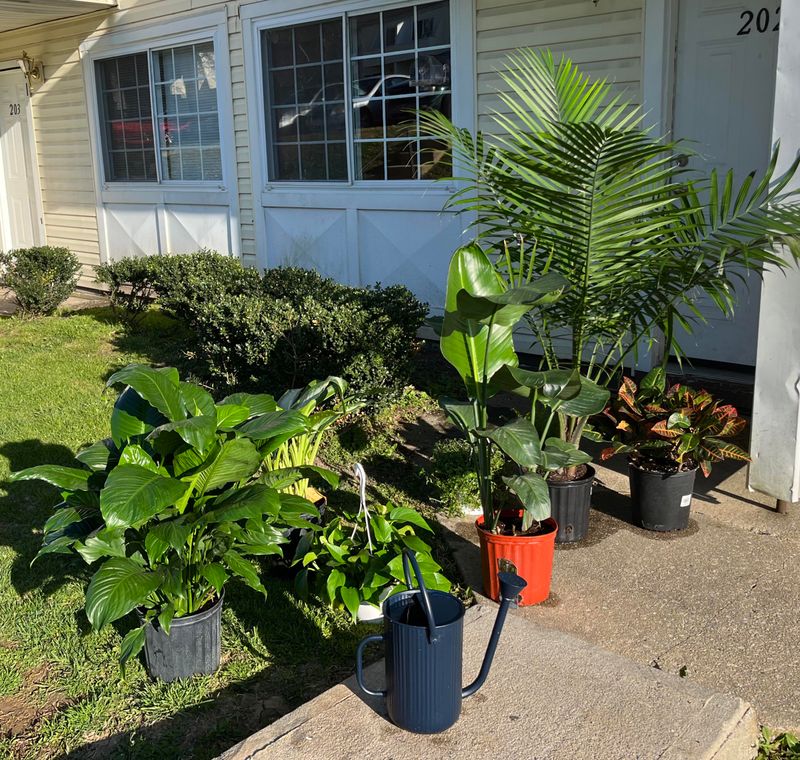
Summer’s outdoor conditions often trigger explosive growth that catches indoor gardeners by surprise. The combination of natural light, fresh air movement, and beneficial microorganisms creates ideal growing conditions for most houseplants. Come prepared with pruning shears, plant supports, and larger pots for emergency transplanting. Some plants may double in size during just a few summer months outdoors! This growth period offers the perfect opportunity for propagation. Take cuttings from thriving plants to expand your collection or share with friends. Plants like pothos, spider plants, and many succulents root readily in water or soil during summer’s active growth phase, turning one plant into many.
8. Stability Solutions: Preventing Pot Tip-Overs
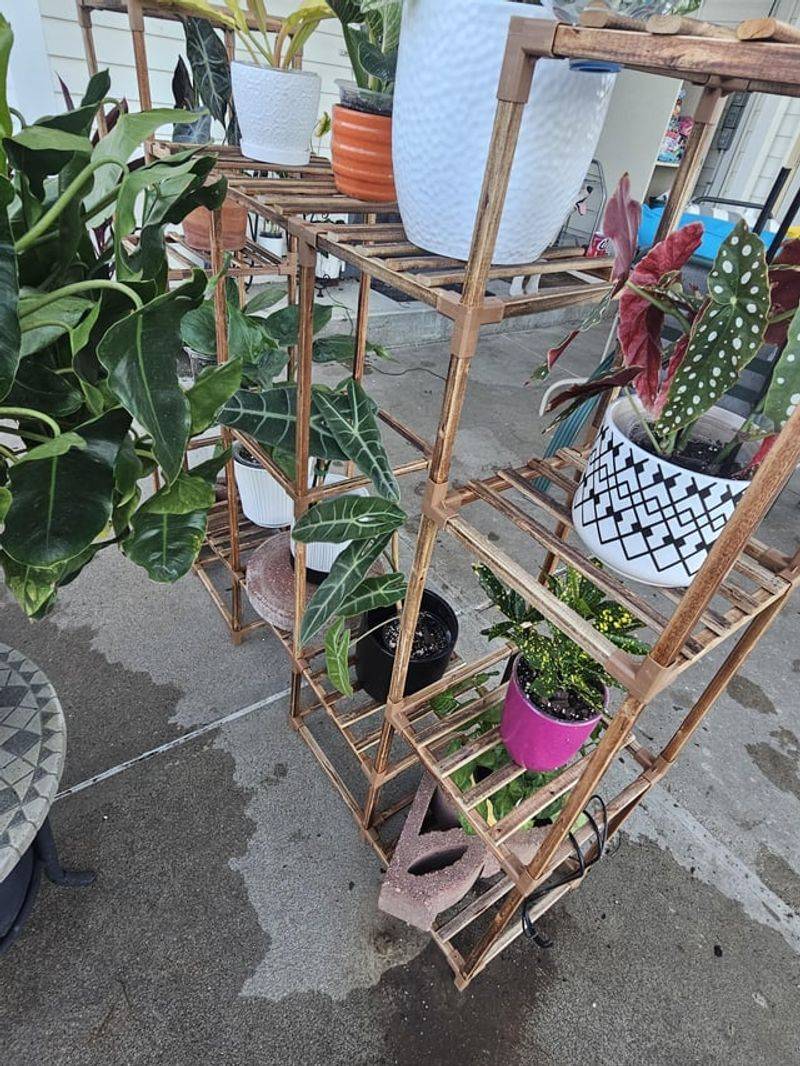
Summer breezes quickly reveal which of your plant containers lack proper stability. Tall plants with small bases become particularly vulnerable to toppling over in windy conditions. Several practical solutions can prevent heartbreaking crashes. Double-potting places decorative containers inside heavier ceramic or concrete vessels. Alternatively, adding river rocks to the bottom of pots increases weight while improving drainage. For especially top-heavy specimens, consider grouping plants together to create windbreaks for each other. Plant stands with securing mechanisms or shepherd’s hooks driven firmly into the ground provide additional stability. These precautions prevent the disappointment of finding your favorite plant face-down after a breezy afternoon.
9. Indoor Transition: The Pre-Fall Inspection Ritual
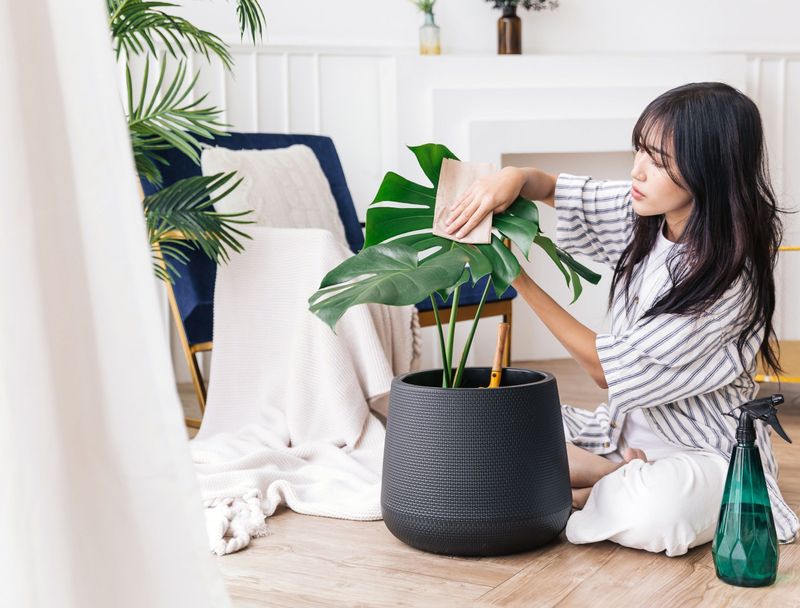
The end of summer requires a thorough plant examination before bringing your green friends back indoors. Hitchhiking pests can quickly infest your entire indoor collection if not detected during this critical transition. Create a decontamination station with insecticidal soap, fresh potting soil, and clean pots. Inspect stems, leaf joints, and soil surfaces where pests commonly hide. A preventative shower with room-temperature water dislodges many insects and eggs. For heavily infested plants, consider repotting with fresh soil after gently washing the root ball. This inspection ritual might seem tedious but prevents the far greater headache of battling widespread indoor infestations during winter months.
10. Renewal Results: The Transformation Payoff
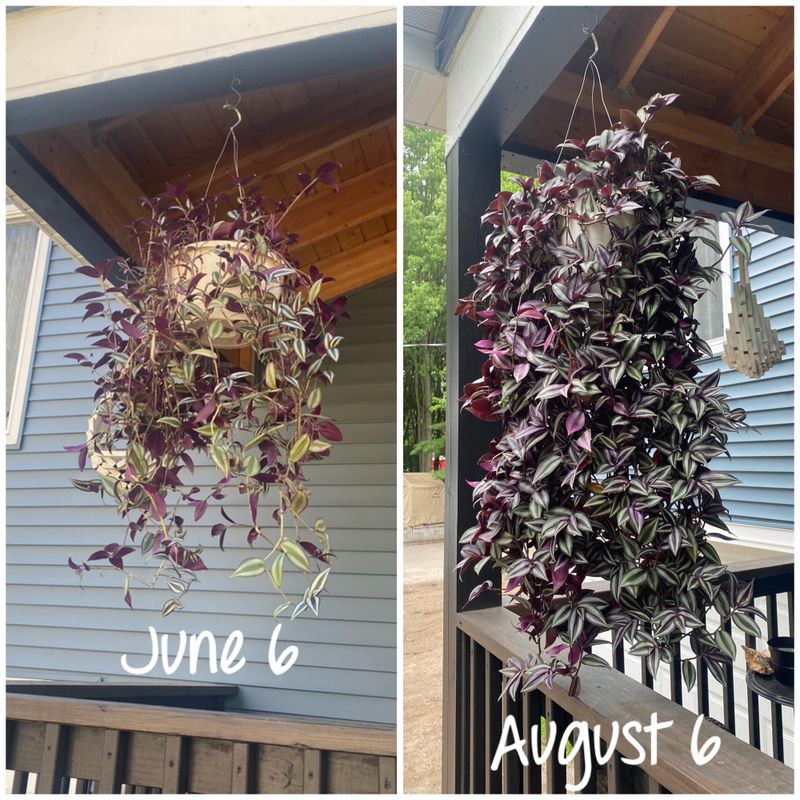
After a summer vacation outdoors, many houseplants showcase remarkable transformations. Leggy specimens become fuller, pale leaves develop deeper colors, and flowering plants often produce spectacular blooms they rarely achieve indoors. Beyond physical changes, outdoor time strengthens plants against future stresses. Improved root systems and overall vigor help them withstand winter’s challenging indoor conditions like dry heating air and lower light levels. Document your plants’ outdoor journey with before-and-after photos to appreciate their progress. The satisfaction of seeing dramatic improvements rewards your careful summer plant management. This visible success often inspires even reluctant plant parents to make outdoor transitions an annual summer tradition.