
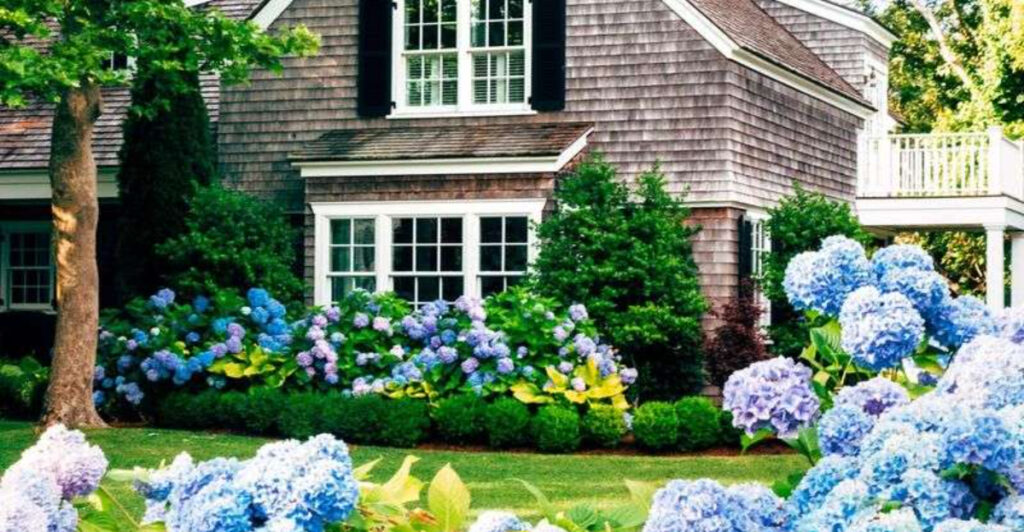
Gardens can be vibrant havens all year long, thanks to a diverse array of plants that bloom and thrive through each season. From spring to winter, each plant contributes its unique hue and charm, making your garden a perennial delight. Here, we explore fifteen extraordinary plants known for their ability to add color and interest, regardless of the season. Whether it’s the bright yellows of daffodils or the fiery reds of Japanese Maple, these plants promise endless beauty and diversity.
1. Daffodils (Narcissus)
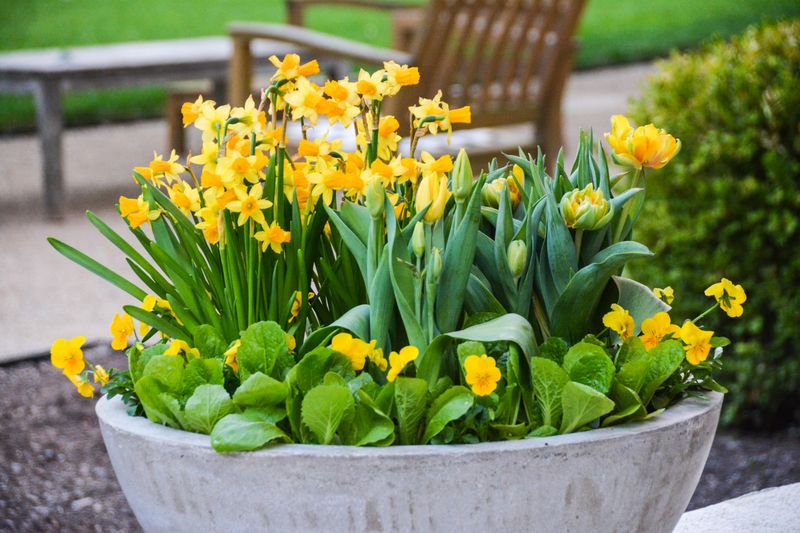
Daffodils herald the arrival of spring with their bright and sunny faces. These cheerful blooms, available in shades of yellow, white, and orange, are a gardener’s delight. Their deer-resistant nature and low-maintenance needs make them a favorite among busy gardeners. Plant them in clusters for a striking effect. Daffodils are not just beautiful; they’re also hardy, surviving harsh winters to bloom anew each spring. Their vibrant colors and ease of care make them a must-have for any garden.
2. Tulips (Tulipa)
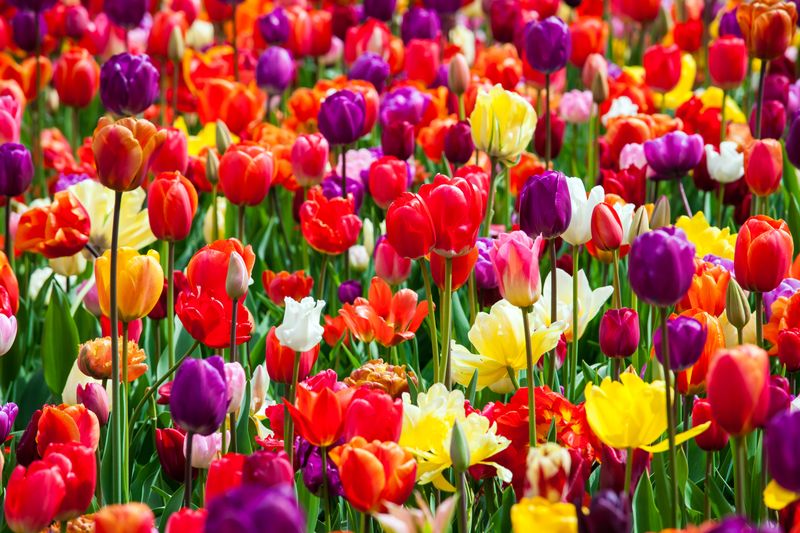
Tulips offer a bold splash of color with their cup-shaped flowers. From rich reds to striking purples, they come in almost every hue imaginable. Plant them en masse for a breathtaking display. Tulips not only add a visual feast to gardens but are also symbols of love and renewal. Their timeless beauty and elegant form make them a staple in spring gardens worldwide. With proper care, they can provide stunning displays year after year, enchanting all who see them.
3. Bleeding Heart (Dicentra spectabilis)
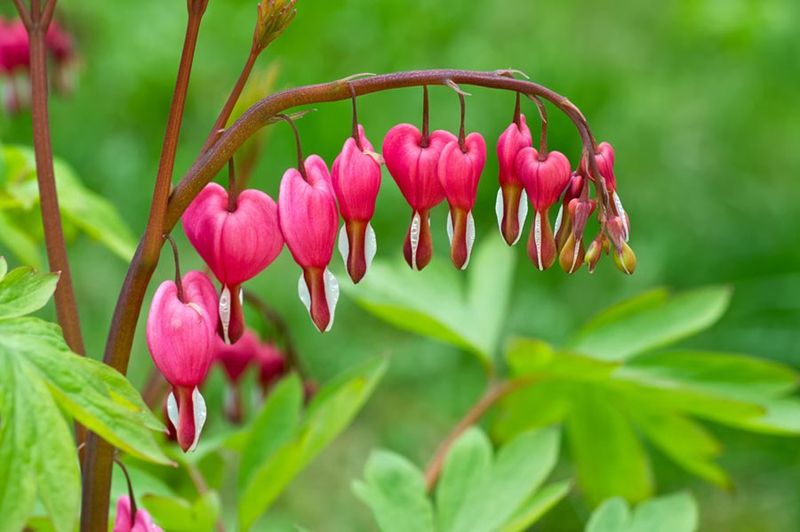
With its arching stems and heart-shaped flowers, the Bleeding Heart is a poetic addition to shaded garden spots. Its soft pink and white blooms seem to dance in the breeze, creating a romantic ambiance. This plant thrives in cooler, shaded areas, making it a perfect choice for woodland gardens. Its unique shape and tender blooms make a stunning statement. Known for its whimsical appearance, the Bleeding Heart draws admiration and adds intrigue to any garden.
4. Hydrangeas (Hydrangea macrophylla)
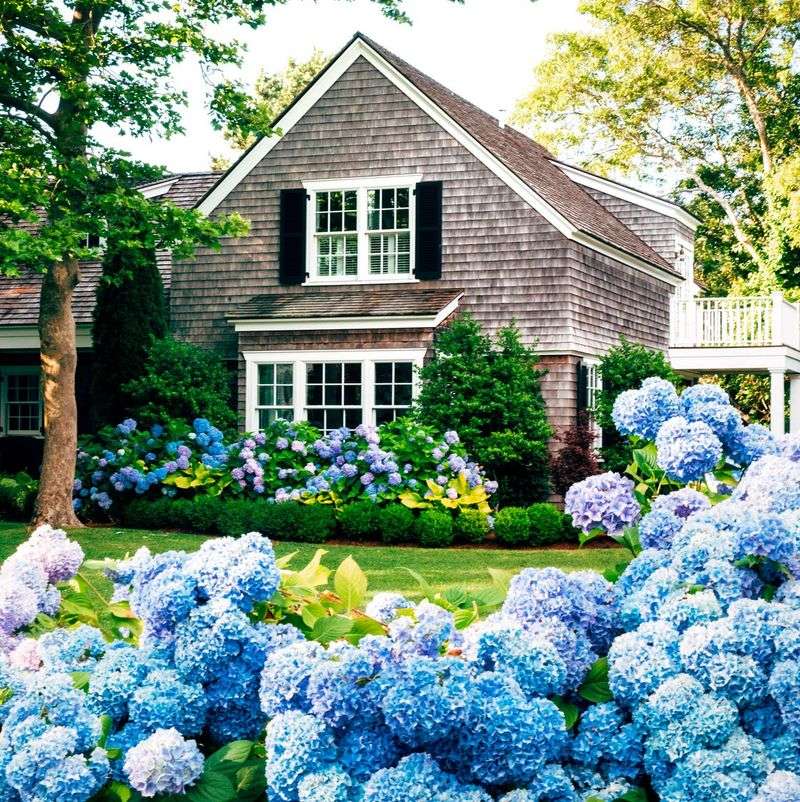
Hydrangeas captivate with their large, fluffy blooms that can change color based on soil pH. These summer stunners are a garden staple, adored for their versatility and grandeur. From tranquil blues to vibrant pinks, hydrangeas offer a palette of colors. They thrive in different settings, adapting to sun and shade. Their ability to alter their hue adds an element of surprise and intrigue. Hydrangeas are beloved for their lush beauty and the drama they add to summer landscapes.
5. Coneflowers (Echinacea)
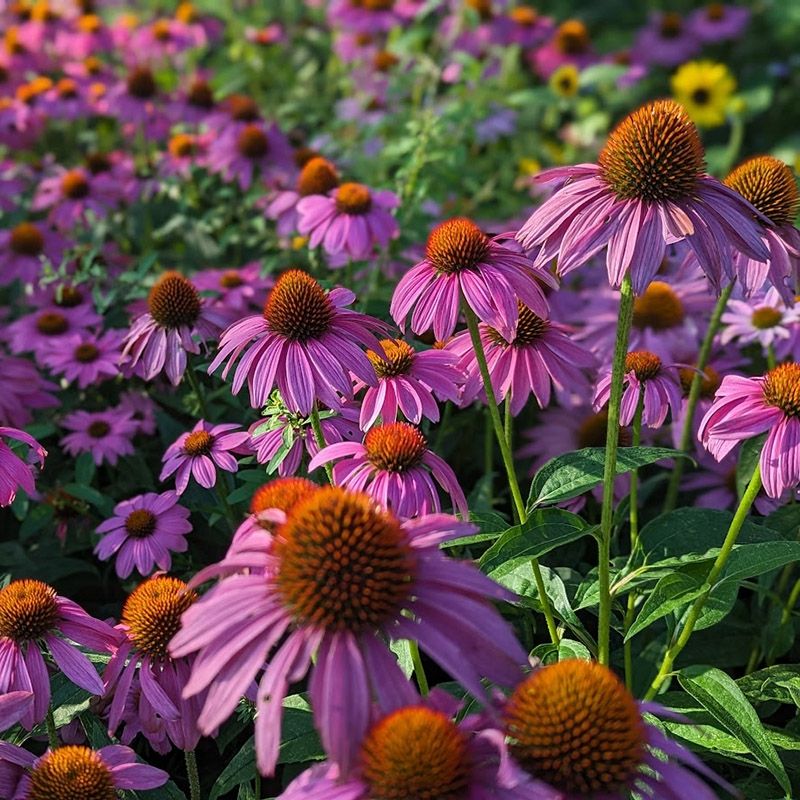
Coneflowers are a summer favorite, known for their resilience and beauty. With daisy-like petals in purple, pink, and white, they attract pollinators like bees and butterflies. Perfect for drought-prone areas, coneflowers thrive with minimal care. Their sturdy nature and vibrant colors make them a garden essential. Beyond aesthetics, they offer medicinal properties, adding value to their presence. Coneflowers’ charm lies in their simplicity and the lively energy they bring to gardens.
6. Daylilies (Hemerocallis)
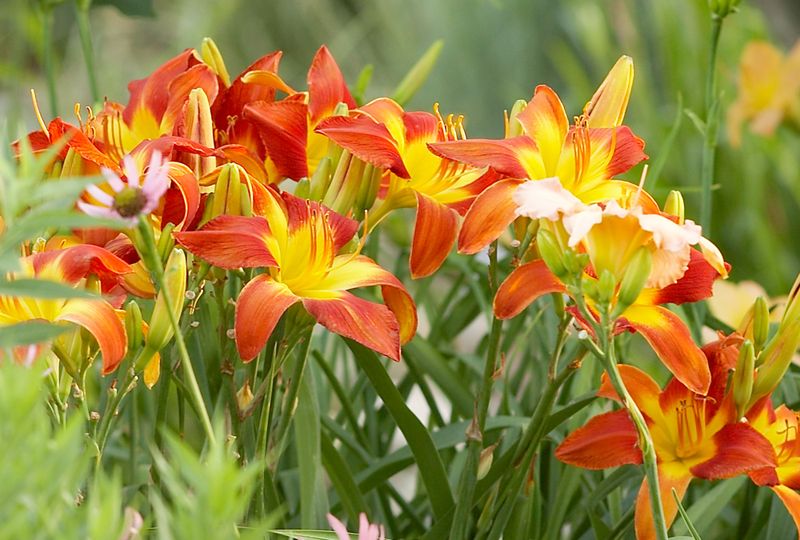
Daylilies are the epitome of summer resilience. Their trumpet-shaped blooms last only a day, but new flowers open daily, ensuring continuous color. Available in a range of yellows and oranges, they brighten gardens with their sunny disposition. These hardy perennials require little maintenance and tolerate various conditions. Daylilies are more than just beautiful; they’re symbols of renewal and endurance. Their ability to flourish with minimal care makes them a gardener’s ally.
7. Japanese Maple (Acer palmatum)
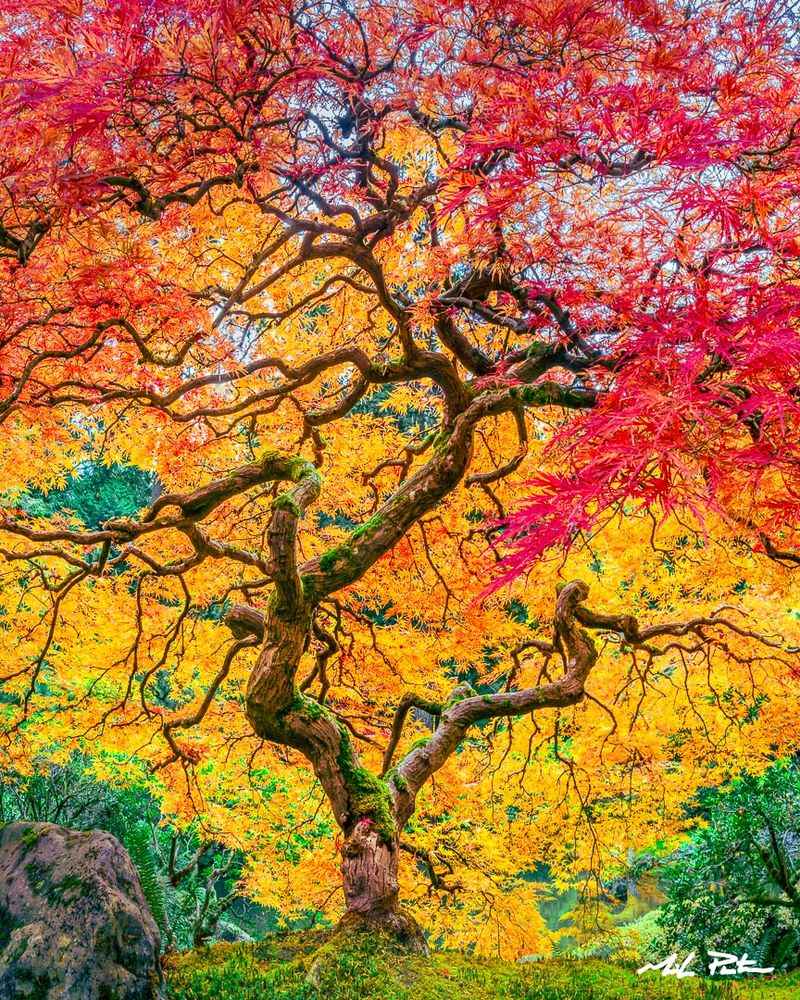
Japanese Maples bring a touch of elegance to fall gardens with their fiery foliage. This deciduous tree is loved for its intricate, lace-like leaves that turn vibrant red, orange, and gold. They provide a stunning contrast to the autumn landscape. Japanese Maples thrive in both sun and partial shade, adapting gracefully to various garden settings. Their beauty and grace make them a focal point in any space. These trees symbolize peace and tranquility, enhancing garden serenity.
8. Sedum ‘Autumn Joy’ (Stonecrop)
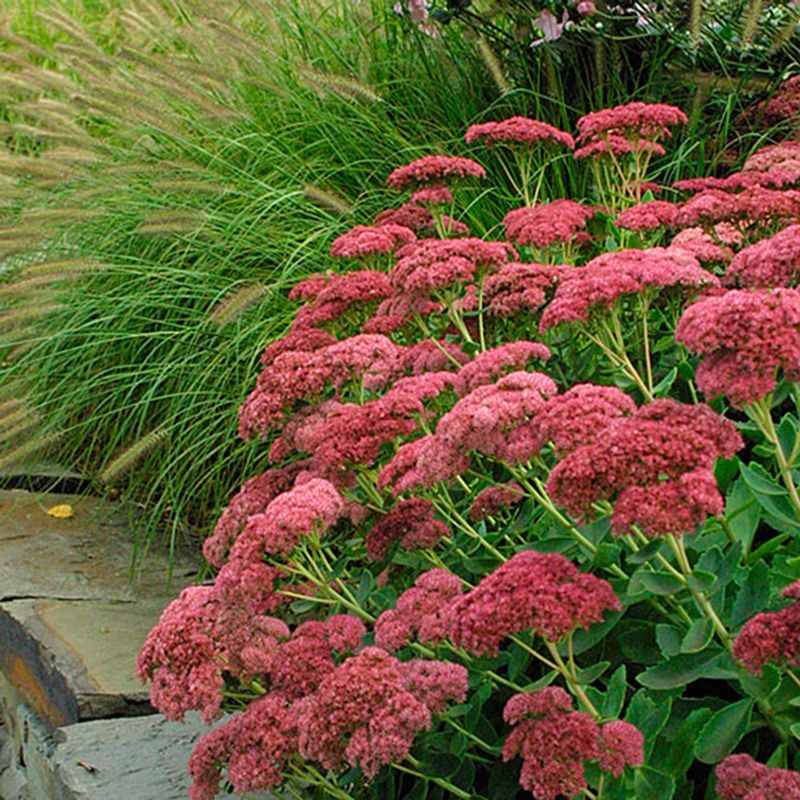
Sedum ‘Autumn Joy’ is a fall garden staple with its changing hues. Starting pink, the flower clusters deepen to rust-red as the season progresses. This transformation attracts pollinators, creating a lively garden scene. Sedum requires little water, making it ideal for dry conditions. Its robust nature and seasonal colors make it a favorite among gardeners. Sedum ‘Autumn Joy’ not only adds beauty but also supports local ecosystems, providing nourishment for bees and butterflies.
9. Chrysanthemums (Mums)
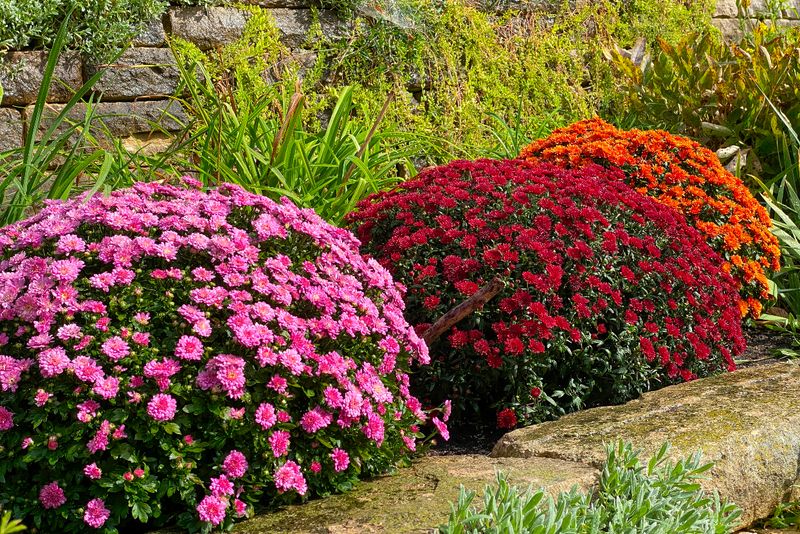
Chrysanthemums are the quintessential fall flower, bringing rich colors to gardens. With shades ranging from gold to purple, these blooms enliven spaces with their vibrant presence. Mums thrive in both containers and garden beds, offering versatility in design. Their robust nature and long-lasting blooms make them a reliable choice for autumn displays. Chrysanthemums symbolize joy and longevity, adding meaning to their beauty. They are celebrated worldwide, especially in fall festivals and traditions.
10. Holly (Ilex)
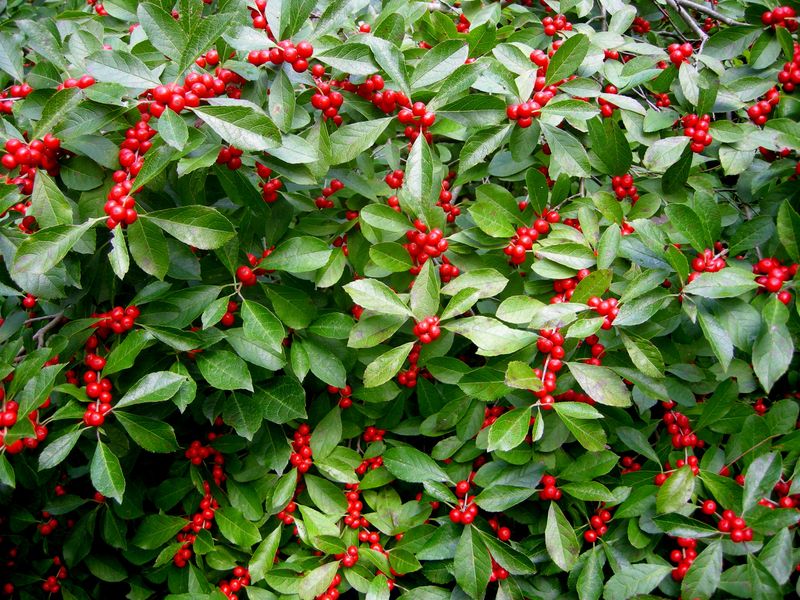
Holly is synonymous with winter festivity, known for its glossy leaves and vibrant berries. Female plants, in particular, produce the red berries that stand out against the snow. Holly’s evergreen nature ensures garden color throughout winter. It offers shelter and food for wildlife, enhancing garden life even in the cold. Holly’s traditional association with Christmas adds cultural depth to its appeal. This plant is both decorative and functional, making it a winter garden favorite.
11. Winterberry (Ilex verticillata)
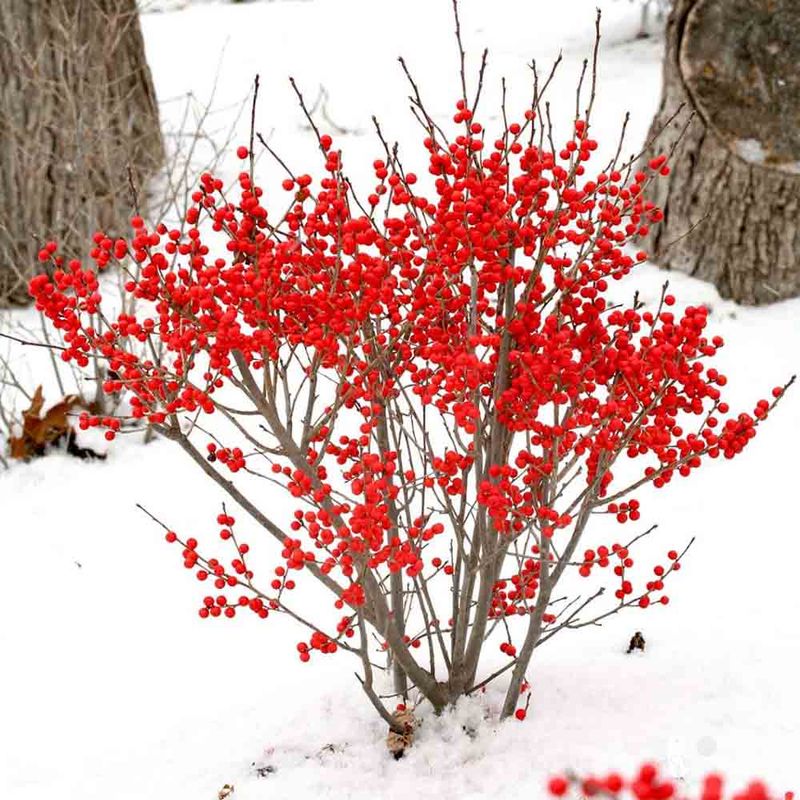
Winterberry, a type of deciduous holly, lights up the winter garden with its brilliant berries. As leaves fall, the vibrant red berries become the focal point, attracting birds and admirers alike. Winterberry thrives in wet soils, adding versatility to planting options. Its striking appearance and ecological benefits make it a cherished winter plant. The bright berries provide a welcome splash of color in the stark winter landscape. Winterberry enriches gardens with both beauty and biodiversity.
12. Camellias (Camellia sasanqua)
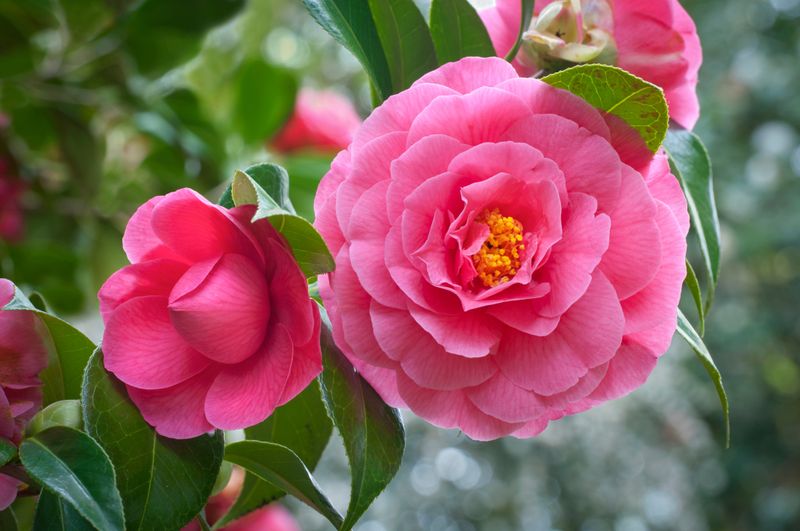
Camellias add elegance to winter gardens with their rose-like blooms. These evergreen shrubs flower in shades of pink, red, and white, bringing warmth to the cold season. Camellias thrive in well-drained soil, requiring minimal upkeep. Their timeless beauty and delicate petals make them a favorite among gardeners. Beyond aesthetics, they offer a sense of continuity and hope during winter. Camellias captivate with their grace and are often associated with love and admiration.
13. Coral Bells (Heuchera)
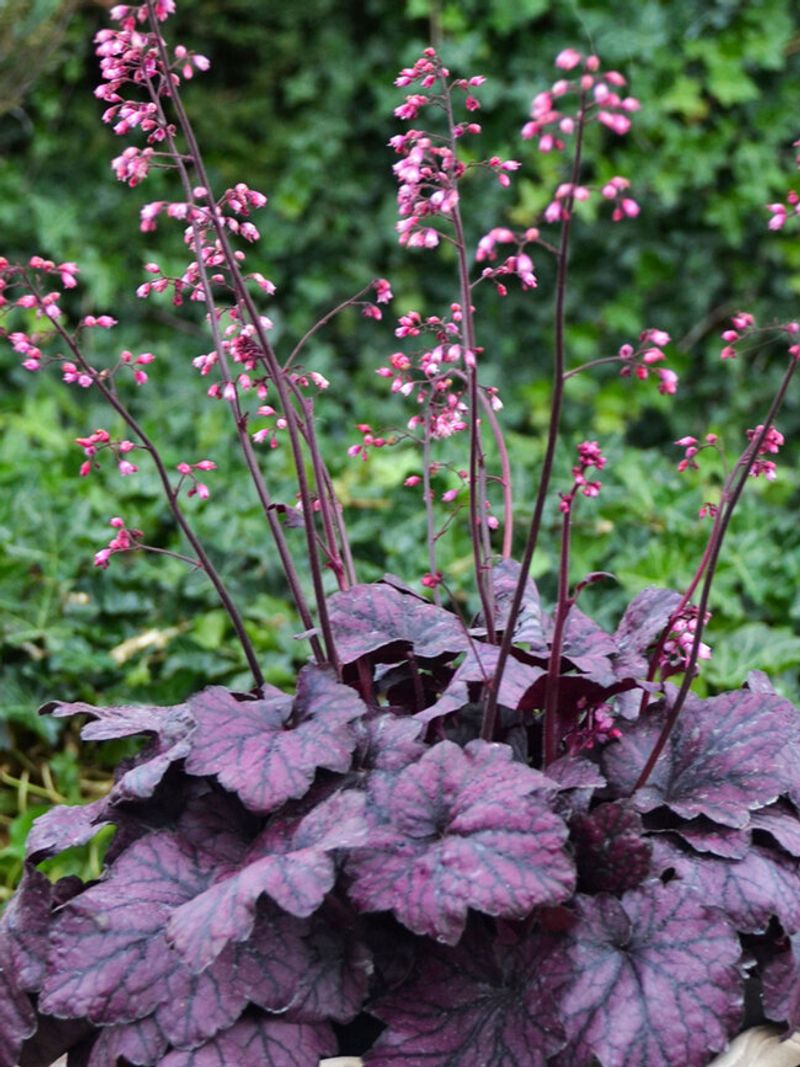
Coral Bells are grown for their striking foliage available in hues like purple, lime, and silver. These perennials offer year-round interest, with leaves that change color subtly with the seasons. Coral Bells thrive in shade to partial sun, adapting to various garden environments. Their vibrant foliage provides a constant source of color, even when flowers are scarce. Known for their hardiness, they require little maintenance. Coral Bells’ unique leaves add texture and intrigue to gardens.
14. Boxwood (Buxus)
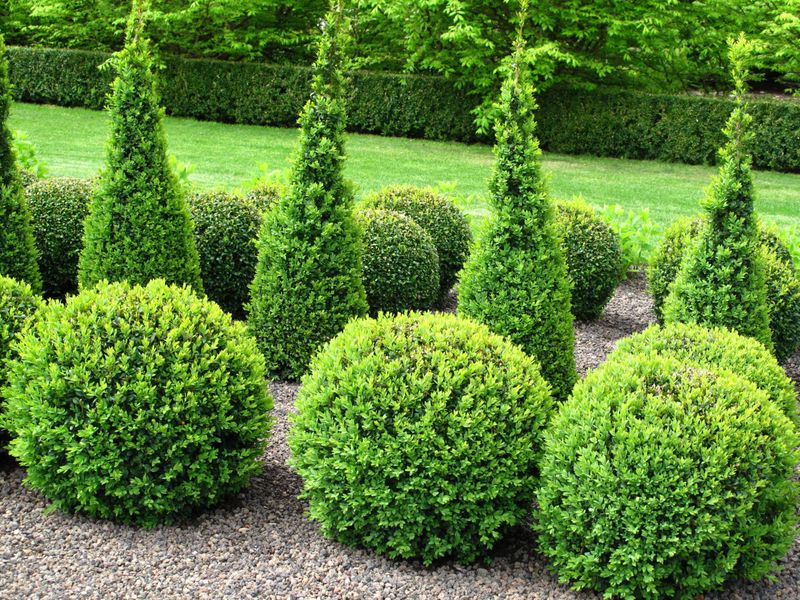
Boxwood is a classic choice for evergreen structure in gardens. Its dense, green foliage offers year-round color and form. Boxwood is versatile, thriving in both formal hedges and informal topiaries. Its ability to withstand pruning makes it ideal for creative shapes. Boxwood represents tradition and stability, often seen in historic gardens. This shrub provides a lush backdrop for seasonal flowers, enhancing the overall landscape. Its resilience in the face of changing weather adds to its appeal.
15. Ornamental Grasses
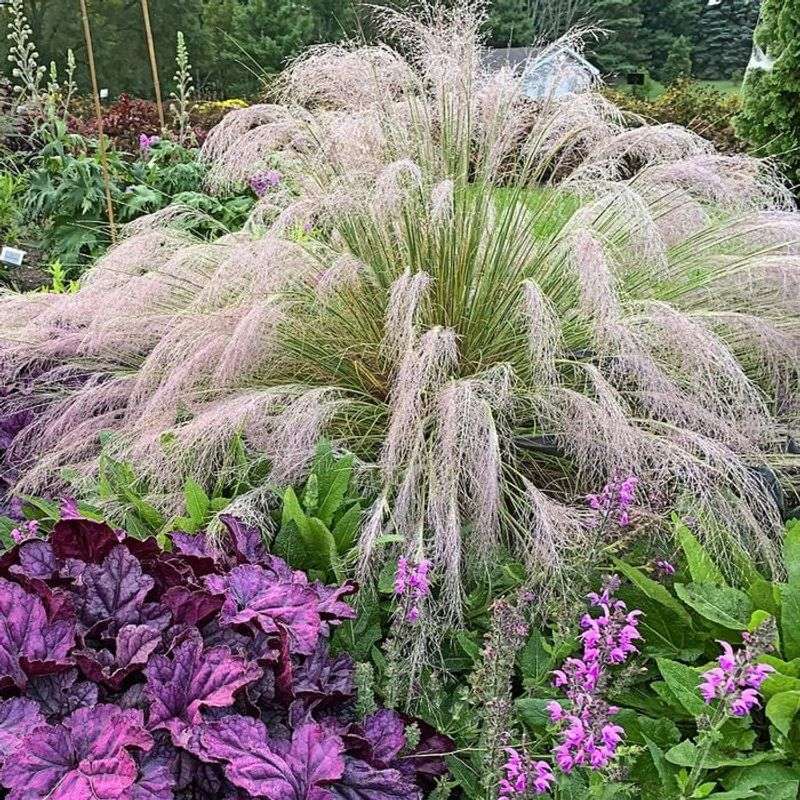
Ornamental grasses add texture and movement to gardens, with varieties like Fountain Grass and Switchgrass offering unique visual appeal. These grasses turn golden or red in fall, adding seasonal color. They sway gracefully in the wind, bringing a sense of life and motion. Ornamental grasses require minimal water and care, thriving in various conditions. Their architectural form complements other plants, creating dynamic garden designs. With their elegance and adaptability, they are a popular choice for modern landscapes.