
While plants can beautify your garden, some might invite unwanted guests. Ticks thrive in certain plants, creating potential health risks. Discover which plants to avoid and safer alternatives to keep your yard tick-free.
1. Japanese Barberry (Berberis thunbergii)
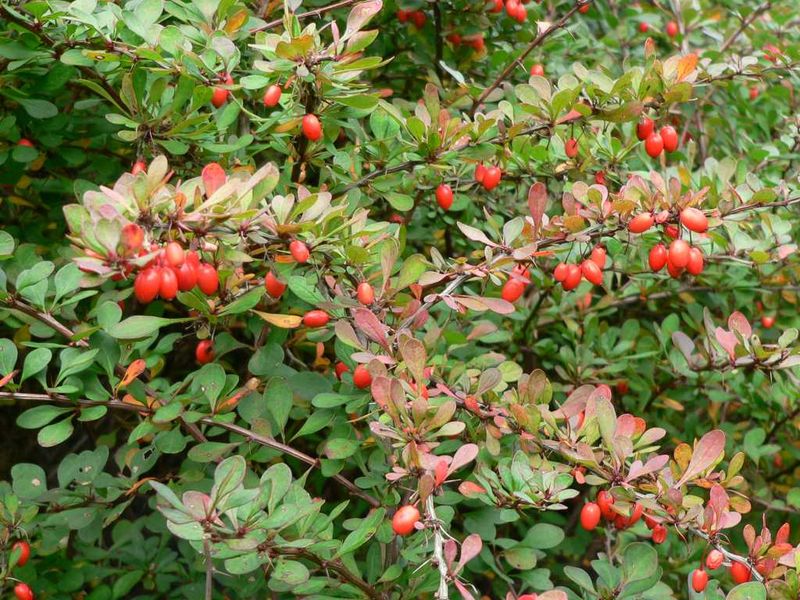
In the quiet corners of your garden, Japanese Barberry might seem like just another shrub. However, it harbors a secret: its dense, humid environment becomes a tick paradise. Studies reveal that areas with this plant can host 12 times more Lyme-infected ticks. The shrub’s thorny branches provide the perfect hideaway. Consider replacing it with Boxwood or Inkberry Holly to prevent tick infestations. Not only do these alternatives look great, but they also help maintain a safer garden environment. Did you know? Japanese Barberry was first introduced to North America in the 1800s as an ornamental plant.
2. English Ivy (Hedera helix)
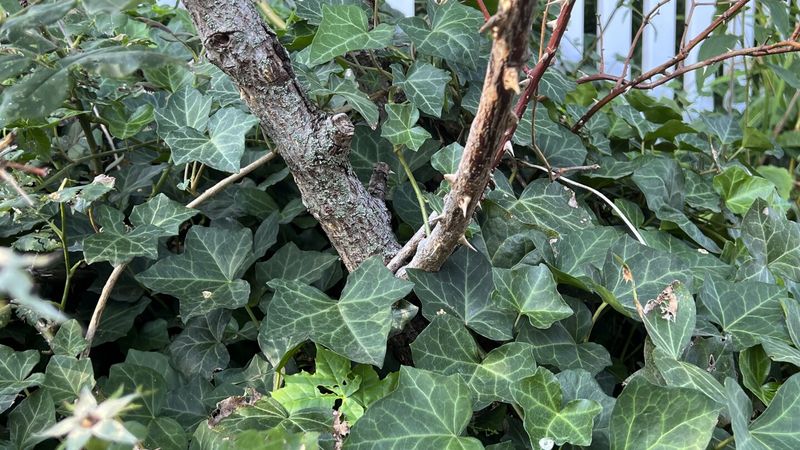
Beneath this lush exterior, a shady, moist environment flourishes, ideal for ticks and their hosts. Mice and deer, common carriers, find refuge here. Swap it out for Creeping Thyme or Pachysandra, which offer less inviting habitats for these pests. These alternatives bring beauty without the risk. Fun fact: English Ivy has been associated with the myth of Bacchus, the Roman god of wine, due to its intoxicating spread.
3. Tall Ornamental Grasses (Miscanthus, Pampas Grass)
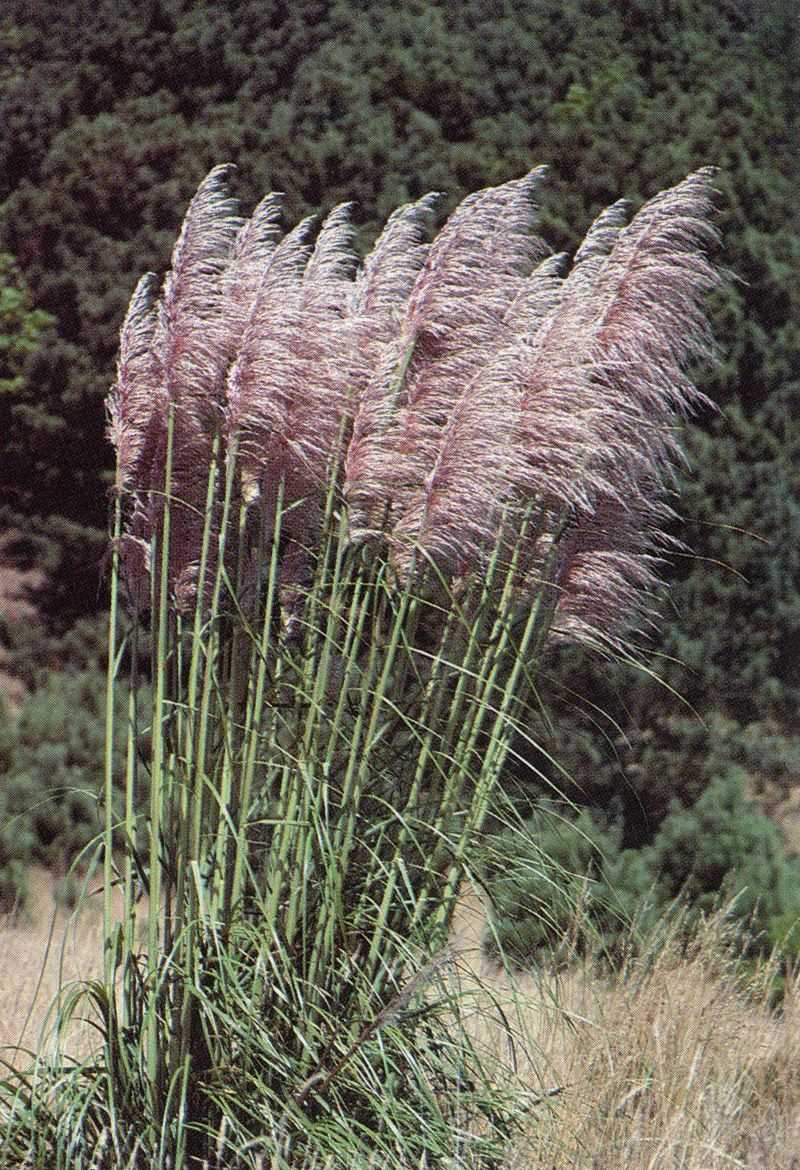
Tall ornamental grasses like Miscanthus and Pampas Grass sway gracefully in the breeze, adding movement to landscapes. But these tall, arching forms offer ticks a perfect home. The grasses retain moisture, sheltering rodents who carry ticks. Opt for lower-growing plants like Sedges or Lavender instead. These choices not only discourage tick habitats but also add delightful scents to your garden. Did you know? Pampas Grass, native to South America, was once a popular choice for Victorian gardens because of its dramatic plumes.
4. Periwinkle (Vinca minor)
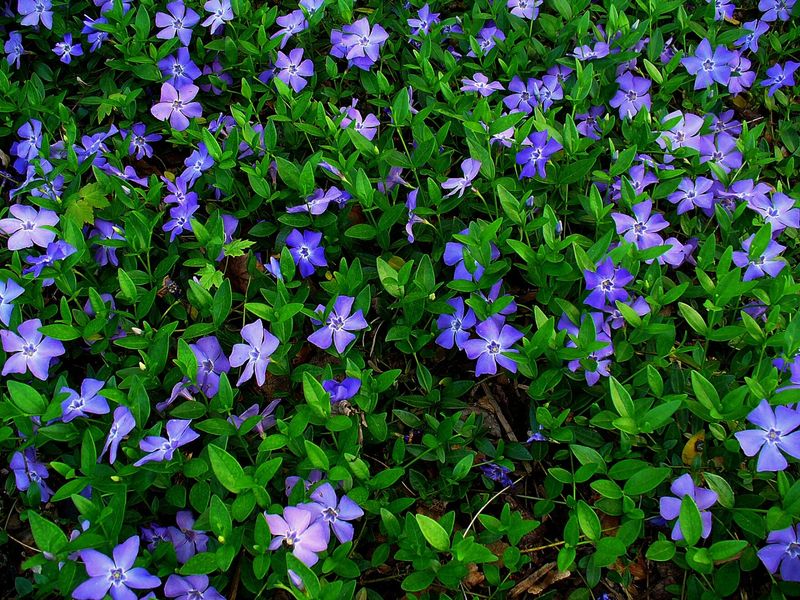
A carpet of Periwinkle can transform the dullest of garden floors into an enchanting scene with its purples. Yet, beneath this beauty lies a tick haven, thriving in the damp, shaded undergrowth. For a safer option, consider Ajuga or Sedum, which offer vibrant colors without inviting pests. These alternatives can brighten your garden while keeping it safer. Interesting tidbit: Periwinkle is also known as “myrtle” and has been used in ancient herbal remedies, believed to bring good luck and protection.
5. Hostas
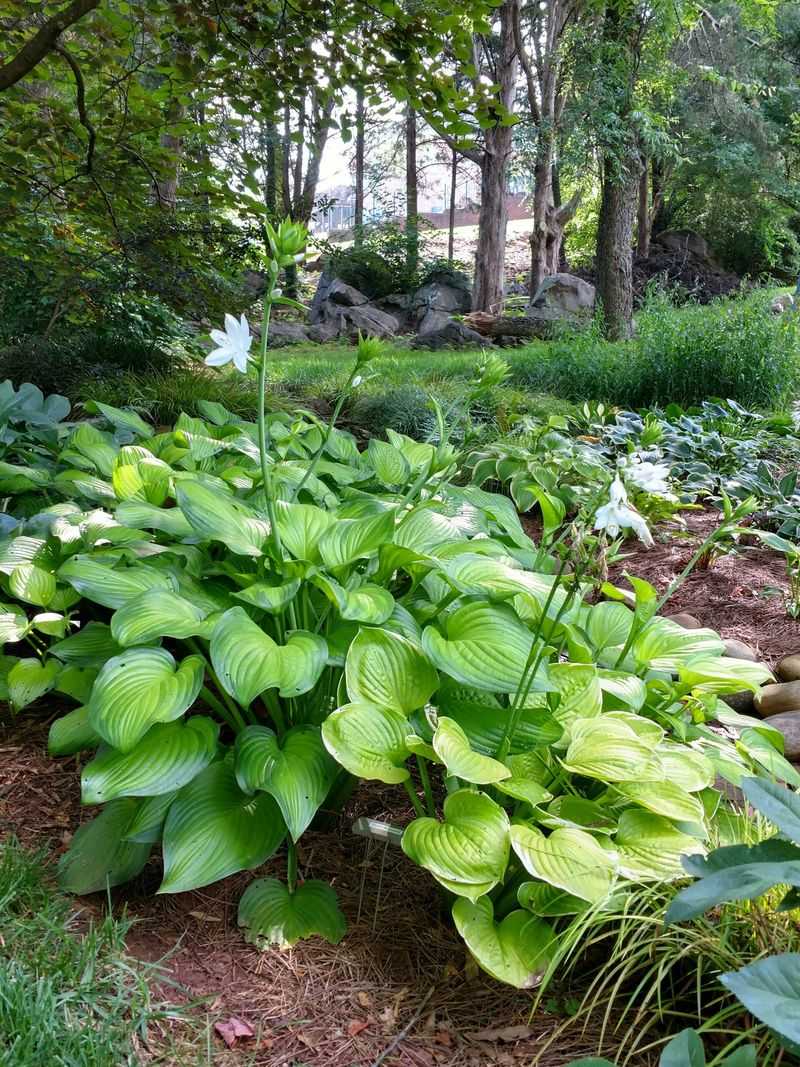
Hostas, with their broad, lush leaves, create serene garden scenes. Unfortunately, these plants trap moisture, making them a tick’s favorite spot. Furthermore, their appeal to deer, common tick carriers, heightens the risk. Replace Hostas with Ferns like the Autumn Fern or Heuchera, which resist ticks while enhancing garden aesthetics. These alternatives offer texture and color without the tick attraction. Fun fact: Hostas are sometimes called “plantain lilies” and are native to northeast Asia, particularly Japan.
6. Rhododendrons & Azaleas
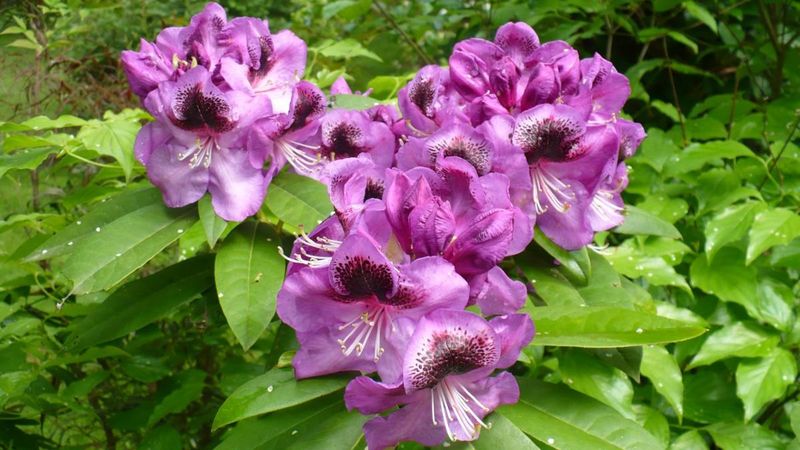
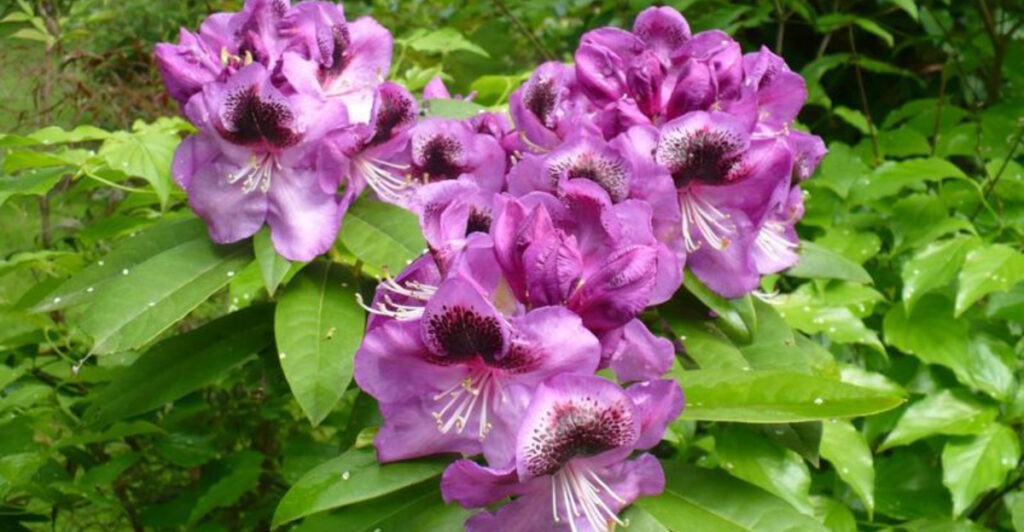
Rhododendrons and Azaleas paint gardens with vibrant blooms each spring. Their dense foliage, however, creates ideal conditions for ticks, especially when deer visit for a snack. Switch to Mountain Laurel or Virginia Sweetspire, which provide beautiful blooms without the tick risks. These alternatives thrive without attracting pests or deer. Did you know? Rhododendrons belong to the same family as blueberries and cranberries, but unlike their cousins, they can be toxic if ingested.
7. Wild Strawberries (Ground Cover Types)
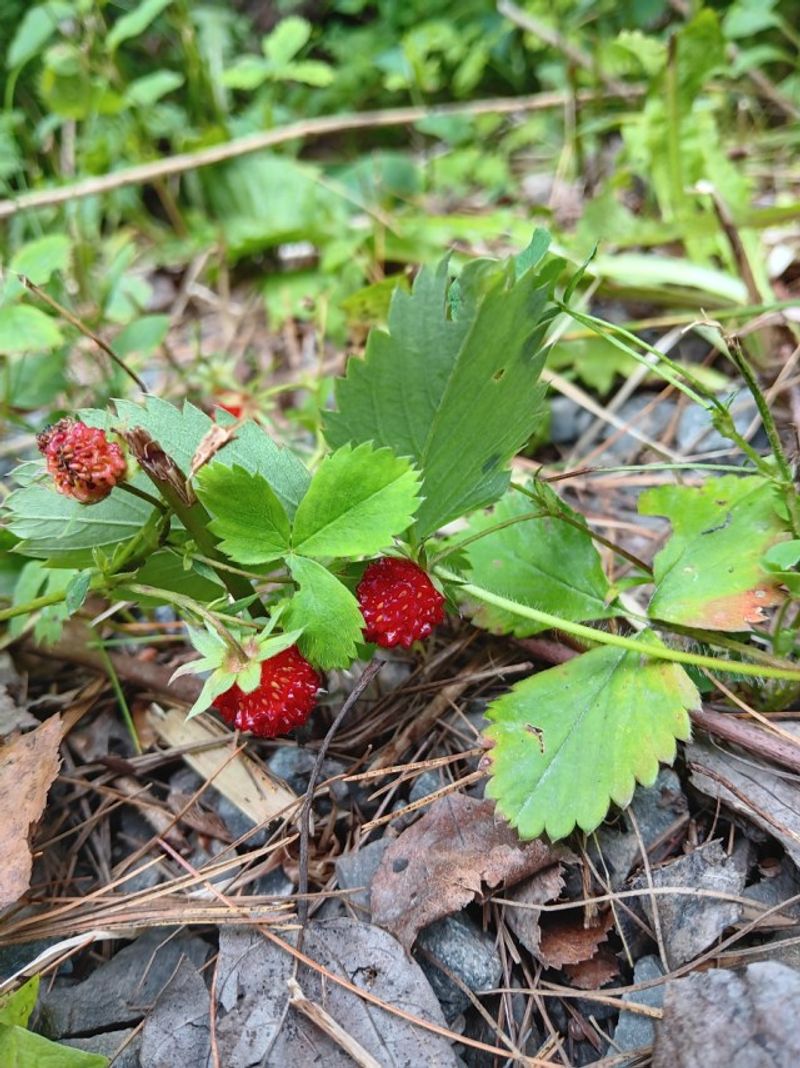
Wild Strawberries charm with their low-growing, fruit-bearing presence. However, they allure small mammals—tick carriers—by offering moist ground cover. Consider Strawberry Begonia or Creeping Jenny for similar coverage minus the tick draw. These plants provide aesthetic appeal while minimizing tick risks. Intriguing nugget: Wild Strawberries were favored by early American settlers not just for their fruit, but for their ability to prevent erosion on slopes.
8. Ferns (Especially in Dense Clusters)
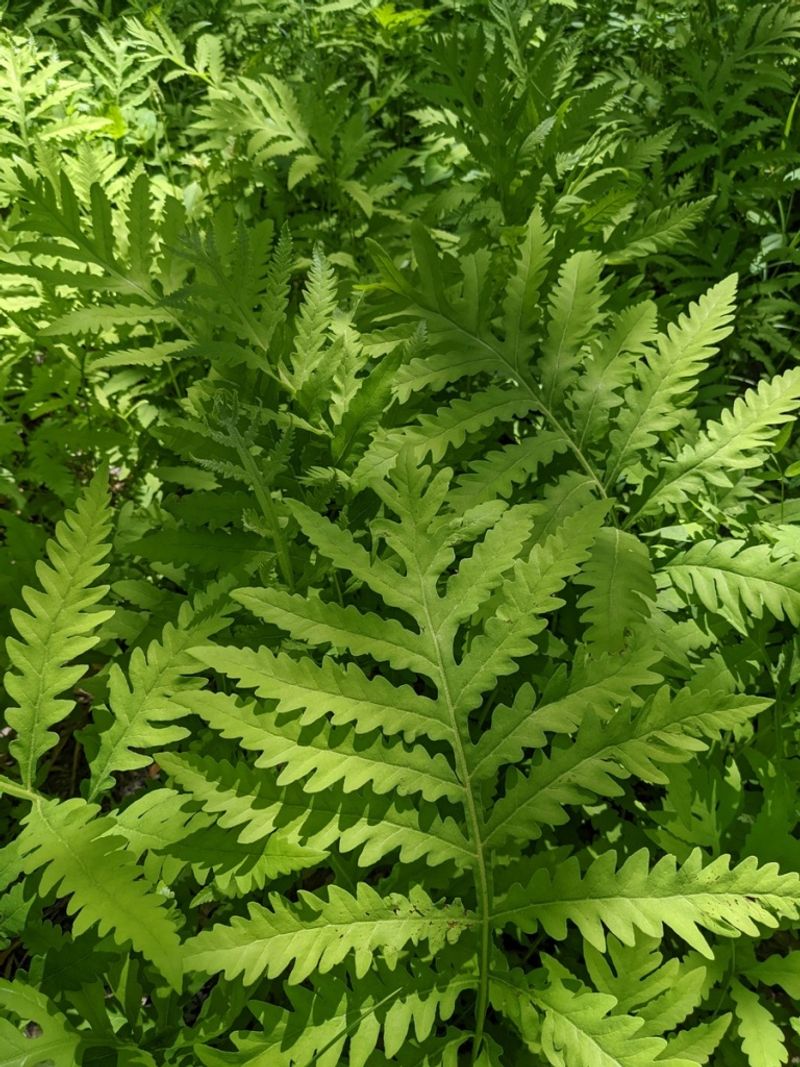
Ferns add a prehistoric flair to gardens, their fronds unfurling in the morning mist. Yet, dense fern clusters create humid havens for ticks, awaiting unsuspecting hosts. Instead, plant Tick-repelling herbs like Rosemary or Mint. These not only deter pests but also provide culinary delights. Fun fact: Ferns are among the oldest plant species on Earth, existing for over 300 million years, predating dinosaurs!