
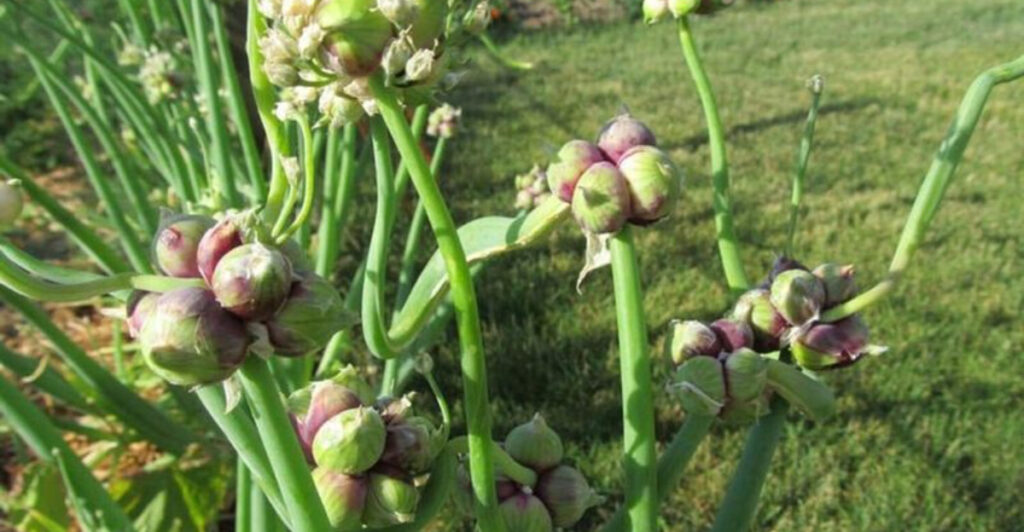
Discover a world of unique flavors and textures with these 17 unusual edible plants that are not only intriguing but can also be grown in your own backyard.
From the tangy zest of oca to the nutty undertones of skirret, these plants offer a culinary adventure waiting to be explored.
Whether you’re a seasoned gardener or just starting out, these plants promise to add both beauty and taste to your garden.
1. Oca (Oxalis tuberosa)
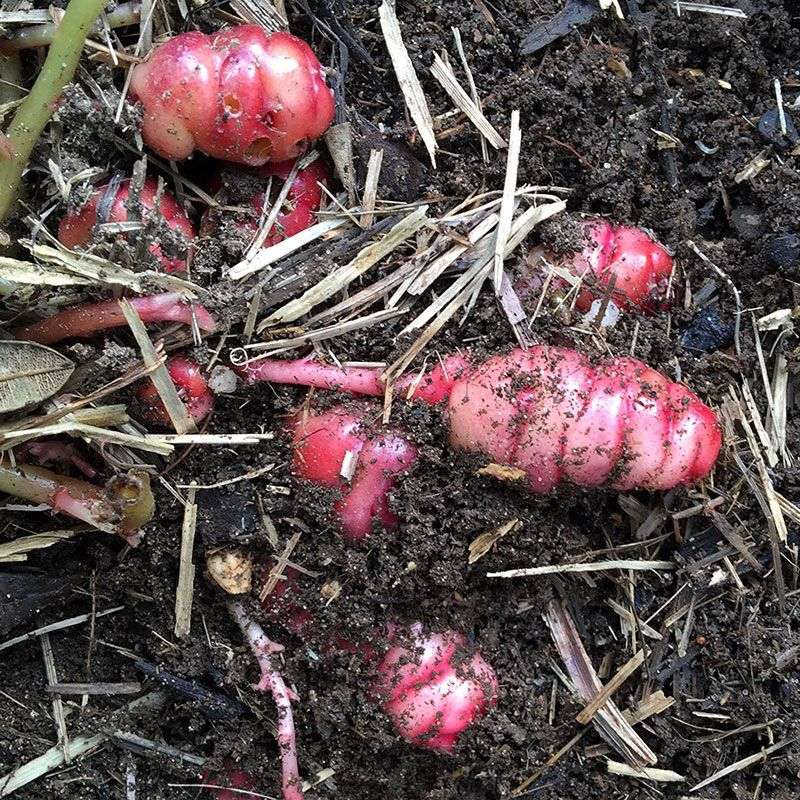
Oca, a tangy root vegetable from the Andes, presents a unique flavor reminiscent of a lemony potato. Thriving in cooler climates, it’s a versatile plant both in the kitchen and the garden. Imagine slicing into a brightly colored tuber, its zest awakening your taste buds with a citrusy surprise. Historically, it was a staple among Andean communities, valued not just for its taste but also for its nutritional benefits.
2. Mashua (Tropaeolum tuberosum)
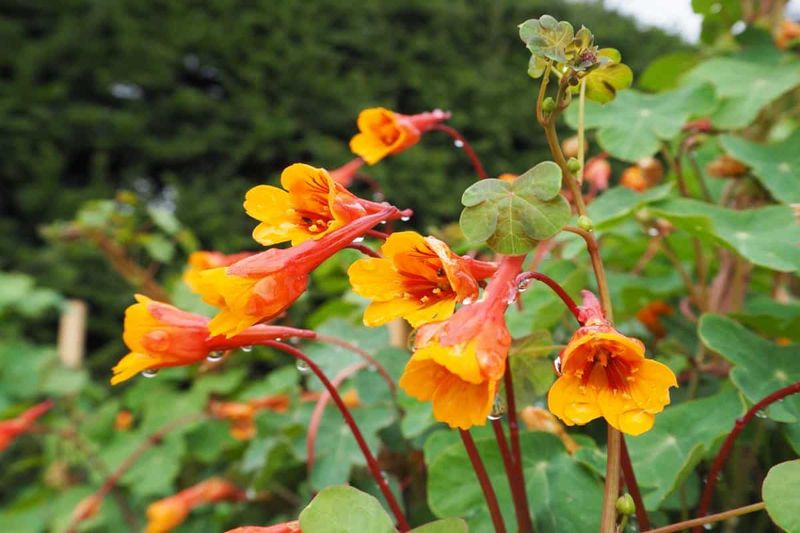
Imagine a garden filled with the vibrant blooms of Mashua, a plant related to nasturtiums. Its spicy-tasting tubers pack an antioxidant punch, making it a healthful addition to meals. Picture its flowers adding a splash of color to your salads. Historically treasured in the Andes, Mashua was known as much for its ornamental beauty as for its robust flavor. It’s a plant that intrigues both the eyes and the palette.
3. Salsify (Tragopogon porrifolius)

Salsify, often called the “oyster plant” for its subtle seafood flavor, is a root vegetable that thrives in many gardens. Its long, slender roots and delicate flowers are as visually appealing as they are tasty. Imagine the surprise of a seafood taste from a freshly harvested root. Known for its hardiness, Salsify is a gardener’s delight, offering a unique taste experience. Historically, it was a favored vegetable in European cuisines during the Middle Ages.
4. Cucamelon (Melothria scabra)
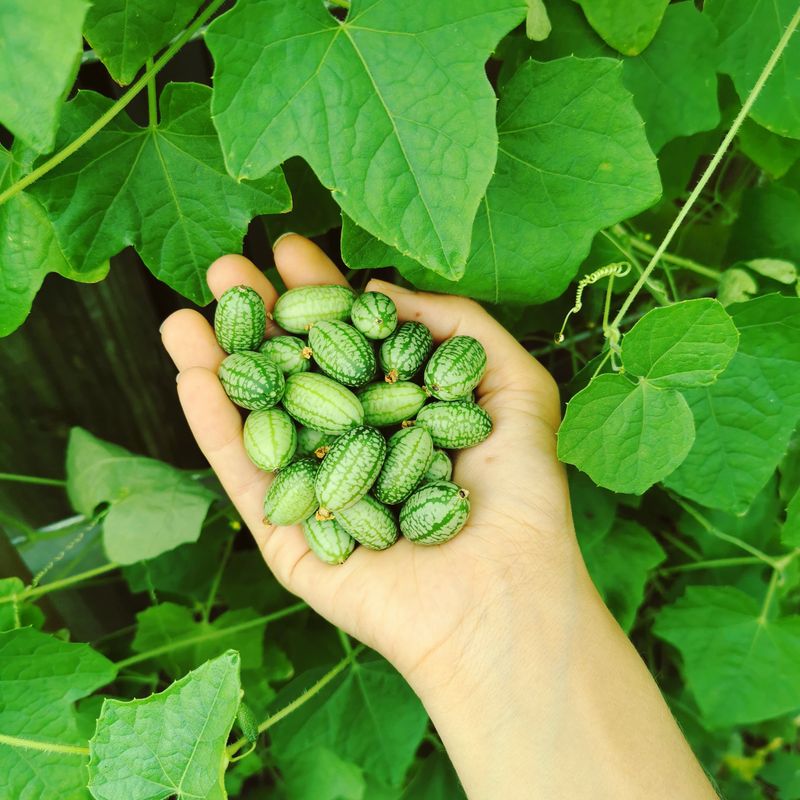
Picture a tiny fruit hanging from a lush vine, resembling a miniature watermelon but offering the crisp taste of a cucumber with a hint of lime. This is the Cucamelon, a delightful addition to any garden. Its petite size and refreshing taste make it perfect for snacking and pickling. Originating from Mexico and Central America, Cucamelons are easy to grow and bring a whimsical touch to your garden produce.
5. Skirret (Sium sisarum)
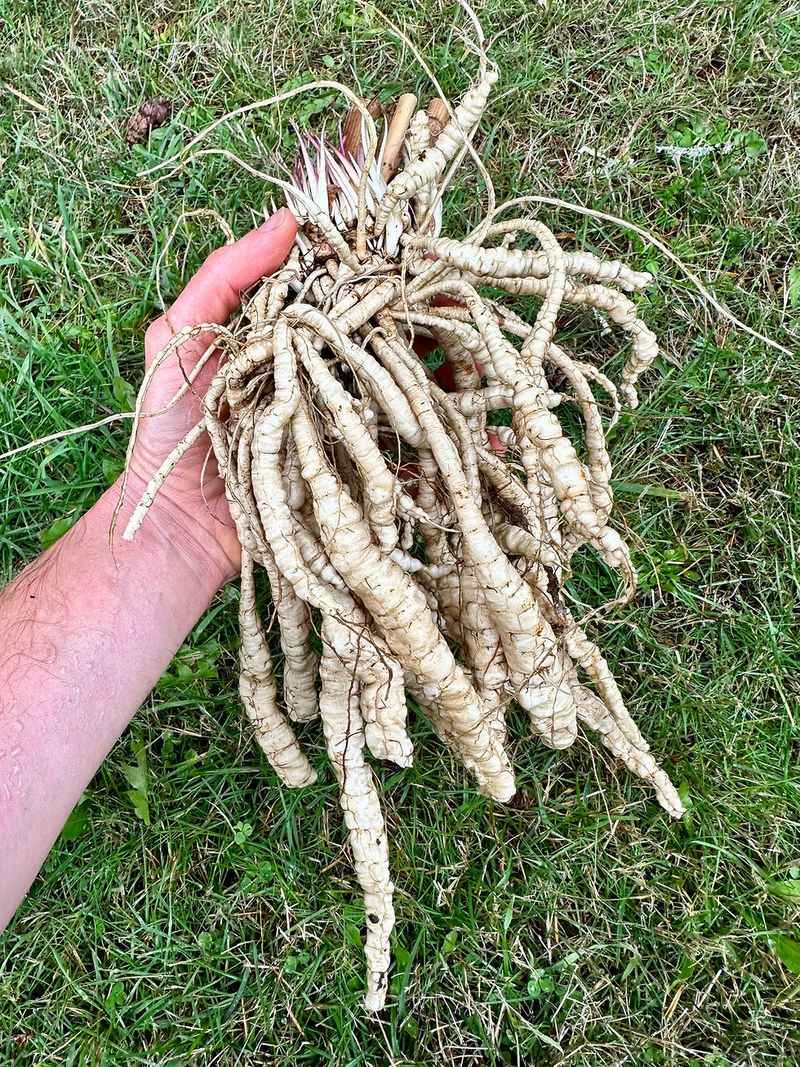
Step back in time with Skirret, an old-world root vegetable known for its sweet, nutty flavor. Growing well in moist soils, it produces multiple slender roots that were once a staple in medieval European kitchens. Imagine the culinary possibilities as you harvest this forgotten gem from your garden. Skirret’s taste and texture offer a unique addition to soups and stews, with a history as rich as its flavor.
6. Miner’s Lettuce (Claytonia perfoliata)
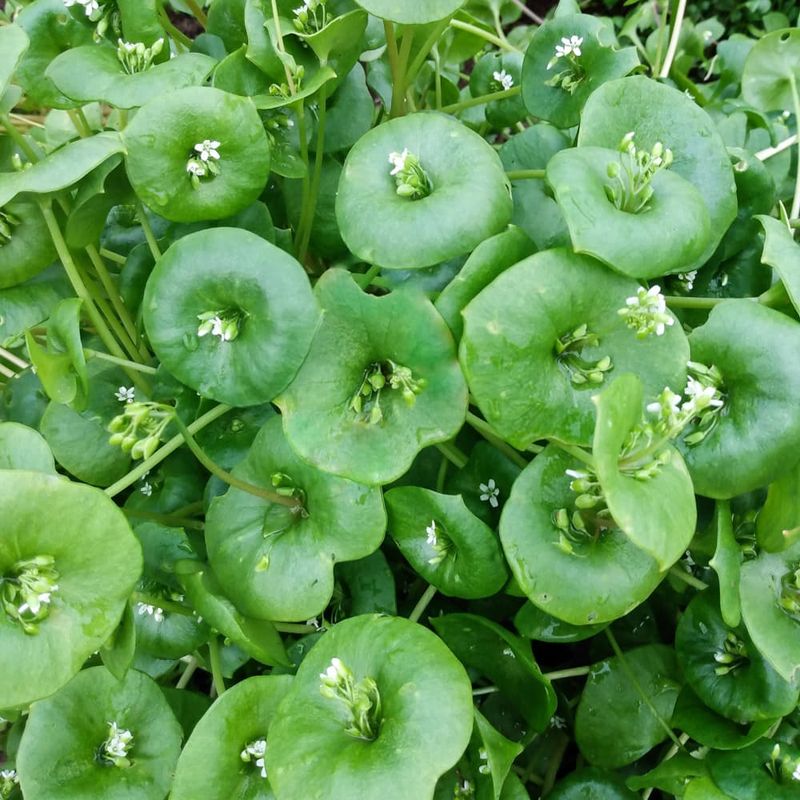
In the cool shade of a garden corner, Miner’s Lettuce thrives, offering crunchy, mild greens packed with vitamin C. This plant’s delicate, round leaves and tiny flowers add a touch of elegance to salads. Historically, it was a vital nutrient source for miners during the California Gold Rush, hence its name. Easy to grow in shady spots or containers, it provides a refreshing addition to your culinary repertoire.
7. Malabar Spinach (Basella alba)
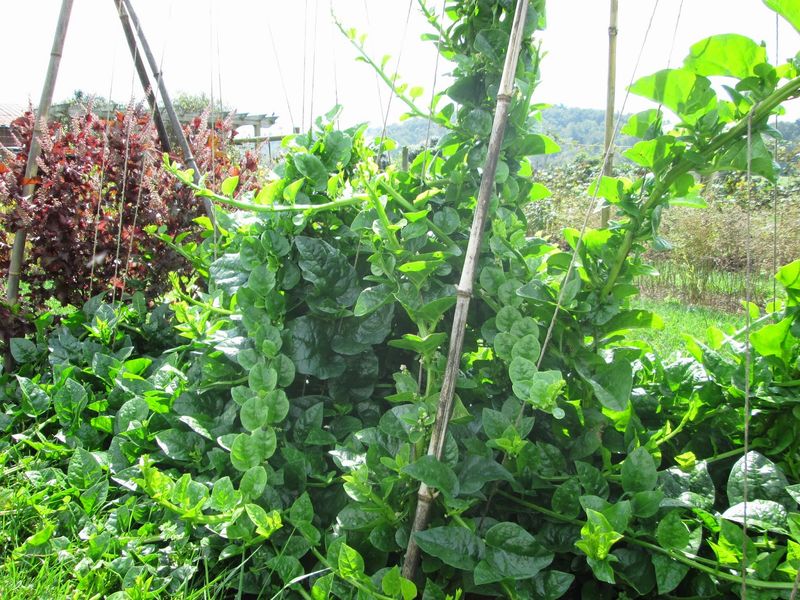
In tropical gardens, Malabar Spinach climbs gracefully, its lush leaves providing not only visual appeal but also a nutritious addition to meals. Unlike traditional spinach, this vining plant loves heat, making it a perfect choice for warmer climates. Imagine its leaves adding a unique texture to salads and stir-fries. Historically, it has been a staple in Asian cuisines, appreciated for its robust growth and versatility.
8. Perilla (Perilla frutescens)
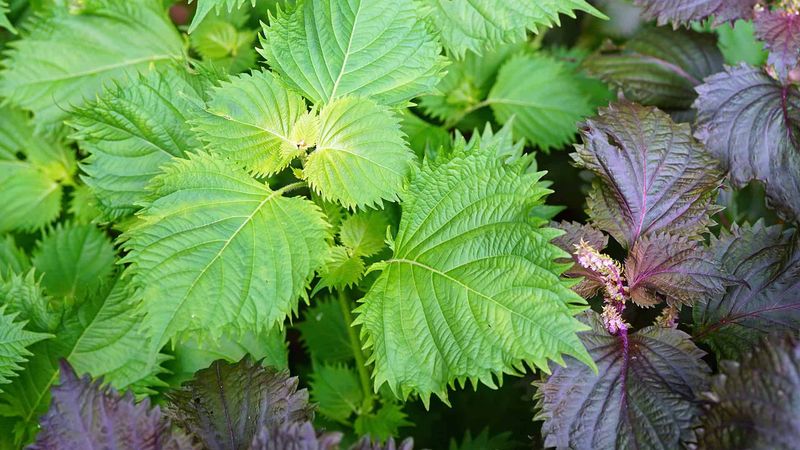
Perilla, with its minty, basil-like leaves, enhances Asian dishes with bold flavor. Picture a herb garden filled with its vibrant leaves, their aroma an irresistible invitation to cook. Often used in Korean and Japanese culinary traditions, Perilla adds depth to salads and wraps. Its striking appearance and potent flavor make it a garden favorite. Historically, it’s revered not just for its taste but also for its medicinal properties.
9. Celtuce (Lactuca sativa var. augustana)
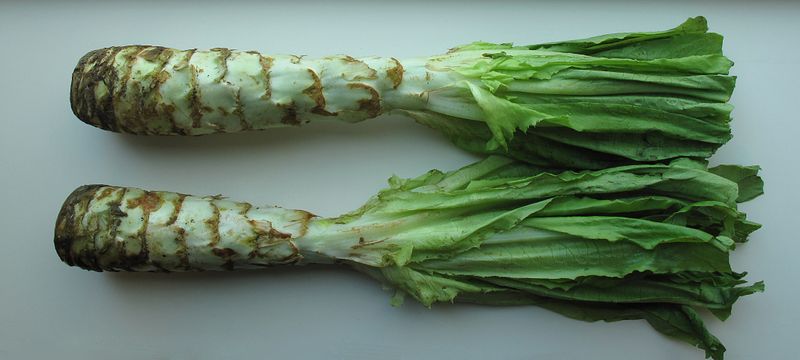
Celtuce, or stem lettuce, offers a fascinating twist on traditional lettuce with its crispy, celery-like stem. Imagine slicing into its pale green stalk, adding a crunchy texture and mild flavor to stir-fries. Originating from Asia, Celtuce is valued for both its culinary and aesthetic appeal. Its unusual form and taste bring a refreshing change to garden-grown vegetables, captivating both the eyes and the taste buds.
10. Sea Kale (Crambe maritima)
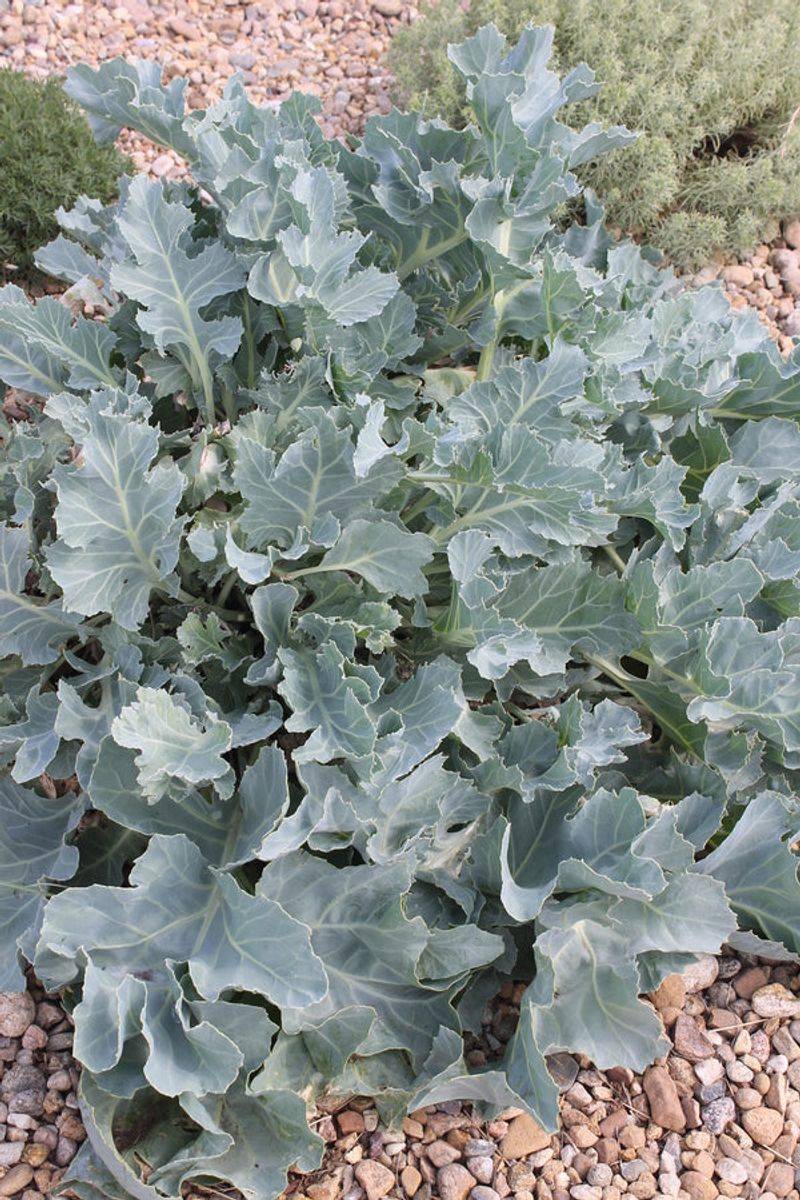
With its salty-sweet flavor, Sea Kale grows gracefully in coastal gardens, offering edible shoots, leaves, and flower buds. Imagine the fresh sea breeze enhancing your garden as you harvest this rare vegetable. Historically, Sea Kale was a prized plant along European coastlines, cherished for its versatility and hardiness. Its unique taste and texture make it a standout addition to any home garden.
11. Good King Henry (Blitum bonus-henricus)
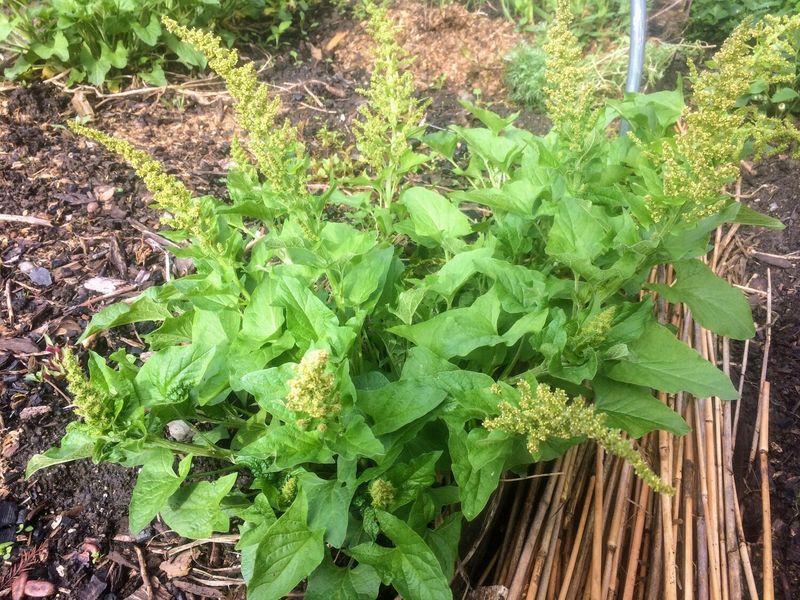
In temperate climates, Good King Henry thrives, its arrow-shaped leaves a nutritious alternative to spinach. Picture a perennial garden where this plant stands as a testament to sustainable gardening. Historically used as a vegetable and medicinal plant, its rich history adds allure to its presence in modern gardens. Its resilience and taste make it a valuable and versatile addition to any garden.
12. Chayote (Sechium edule)
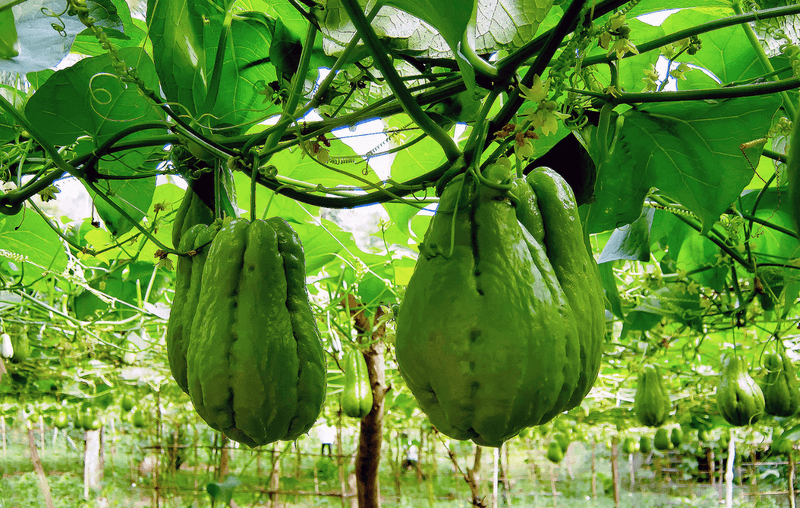
Chayote, a climbing vine, adorns gardens with its pale green fruits and edible shoots, known as tendrils. Imagine the vines weaving through a garden trellis, offering both shade and sustenance. Originating from Central America, Chayote has been embraced worldwide for its mild flavor and versatility in cooking. The vine’s rapid growth and prolific fruiting make it a favorite among gardeners seeking a productive plant.
13. Yacon (Smallanthus sonchifolius)
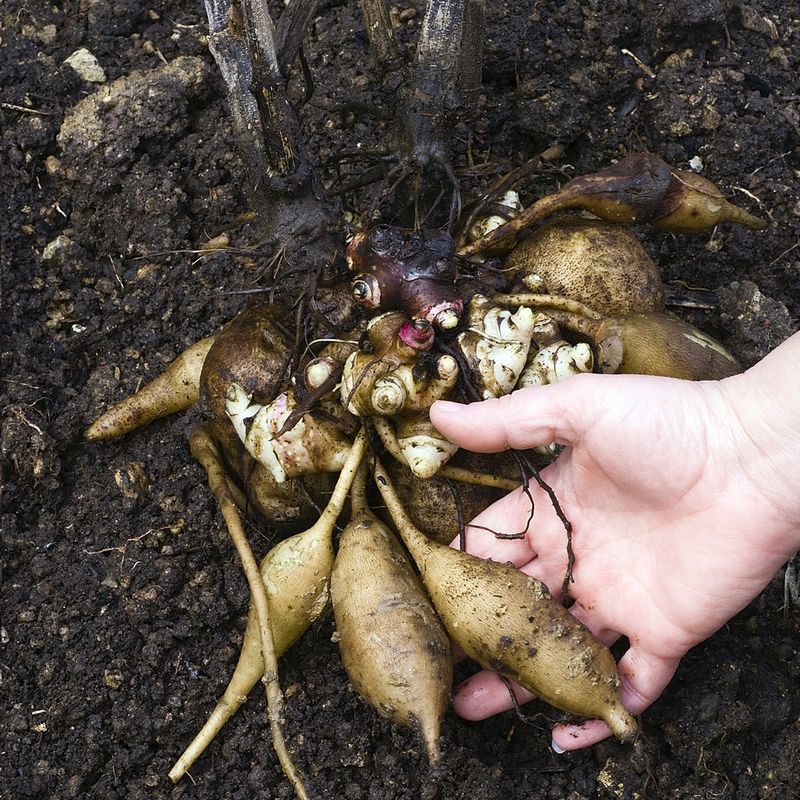
Yacon, with its sweet and crunchy roots, brings a unique flavor to the garden, reminiscent of apple and watermelon. Imagine biting into its juicy flesh, a refreshing change from typical root vegetables. Known for its high inulin content, Yacon is valued both as a sweet treat and a prebiotic. Originating from the Andes, it has a rich history as a traditional food source, adding both flavor and health benefits to your garden.
14. Bitter Melon (Momordica charantia)
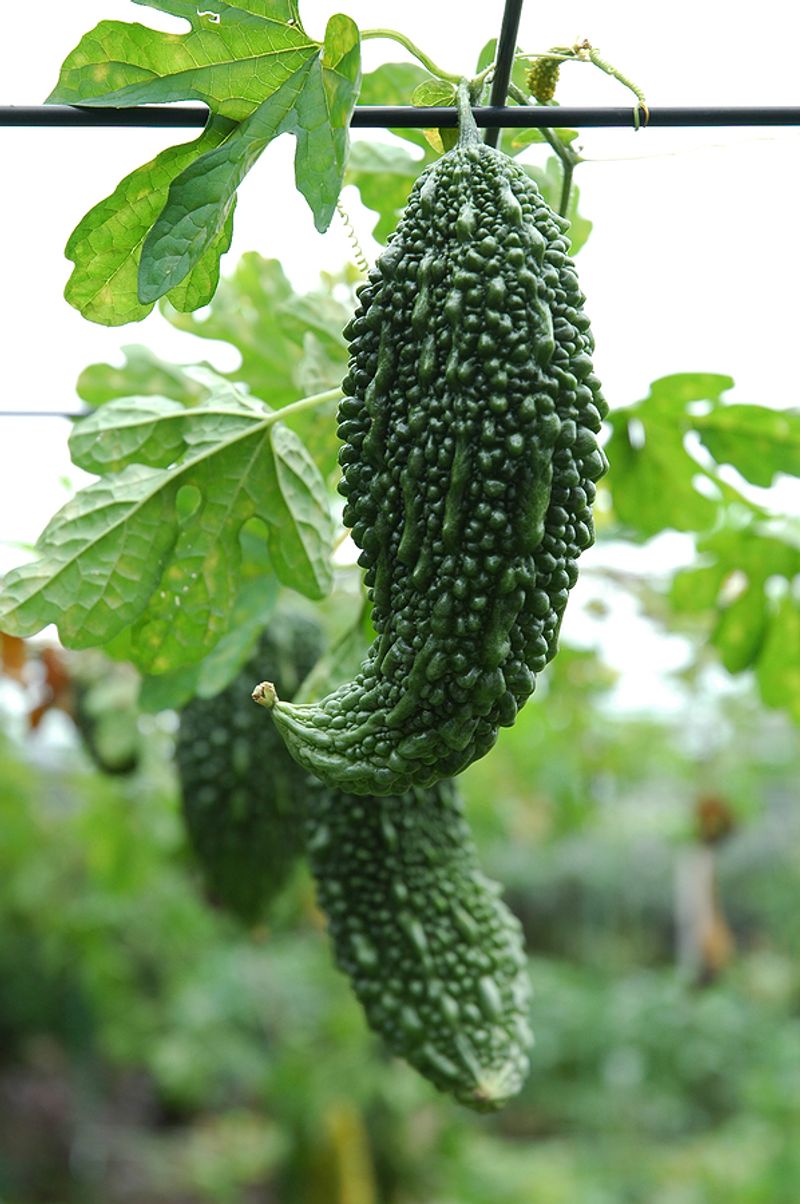
In tropical gardens, Bitter Melon thrives, its warty fruits hanging like green lanterns amidst lush foliage. Known for its acquired taste, this vine is prized in Asian cuisine and traditional medicine. Imagine the challenge and reward of incorporating its distinct bitterness into dishes. Its medicinal properties are revered, offering more than just a culinary experience. Historically, Bitter Melon has been a staple in many Asian cultures, valued for its health benefits and unique taste.
15. Society Garlic (Tulbaghia violacea)
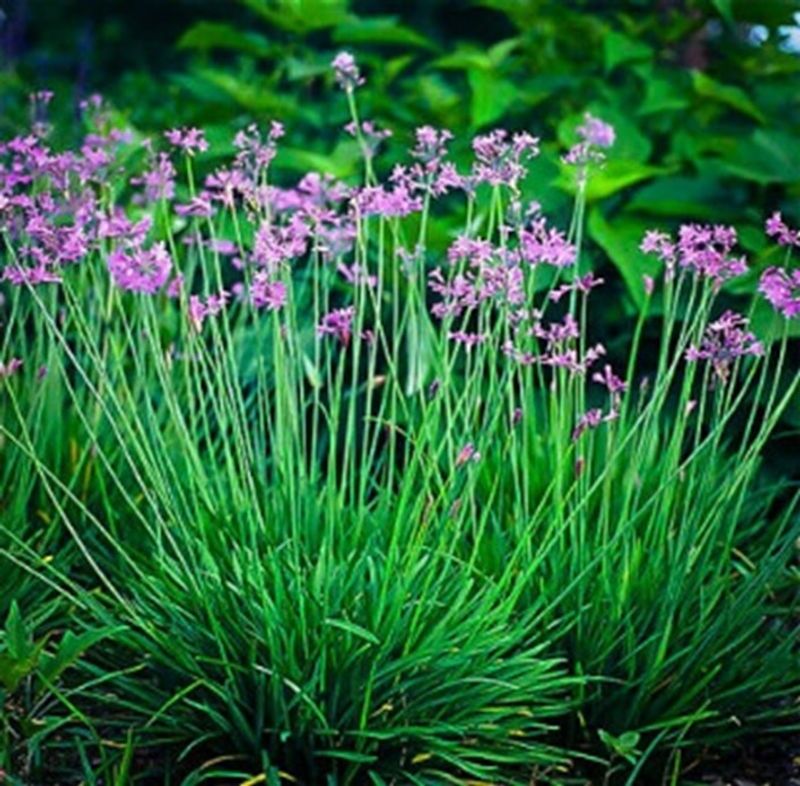
Society Garlic, with its mild garlic flavor, offers both culinary delight and garden beauty. Picture a garden where its slender leaves and delicate purple flowers not only provide flavor but also repel pests. This plant serves as a mild substitute for traditional garlic, adding a subtle aroma to dishes. Historically used for both culinary and medicinal purposes, it’s a versatile addition to any garden.
16. Chaya (Cnidoscolus aconitifolius)
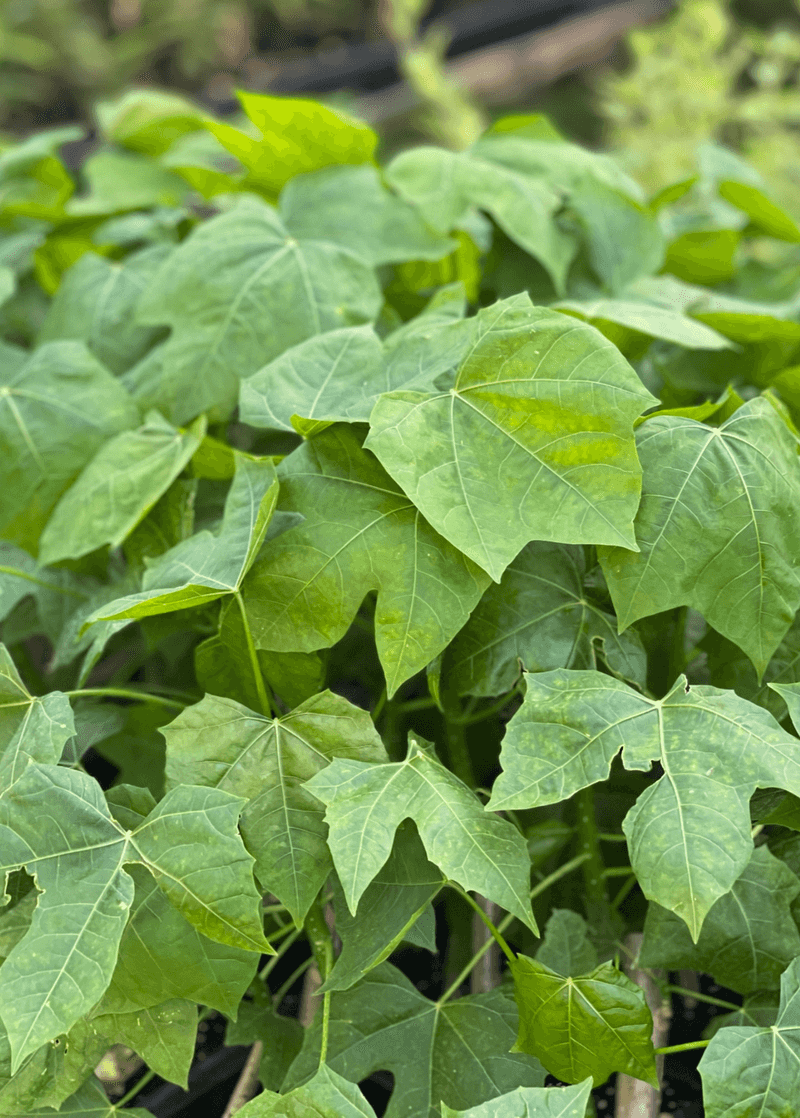
Known as tree spinach, Chaya must be cooked before eating but is worth the effort for its nutritional benefits. Imagine a lush shrub growing in your garden, its leaves providing a vitamin-rich addition to meals. Originating from Mexico, Chaya is valued for its rapid growth and high nutrient content. Its history as a staple in Mayan diets adds cultural depth to its presence in modern gardens, making it both a practical and intriguing plant to grow.
17. Egyptian Walking Onion (Allium × proliferum)
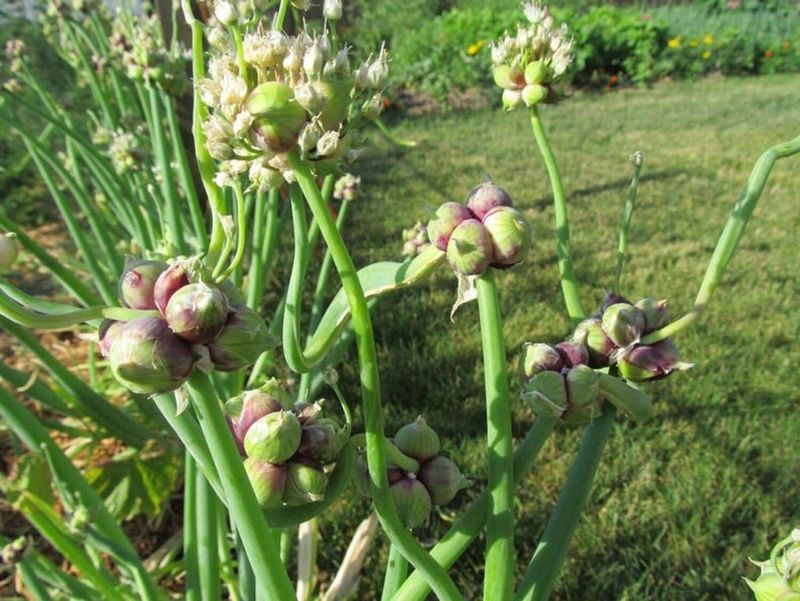
Egyptian Walking Onion, with its quirky ability to “walk” by forming bulbils that fall and sprout, is a fascinating addition to any garden. Imagine a garden that evolves as these onions propagate themselves. Both the greens and bulbs are edible, offering a robust, onion-like flavor to dishes. Historically, it has been a curiosity in gardens, appreciated for its unique propagation method and flavorful contribution to meals.