
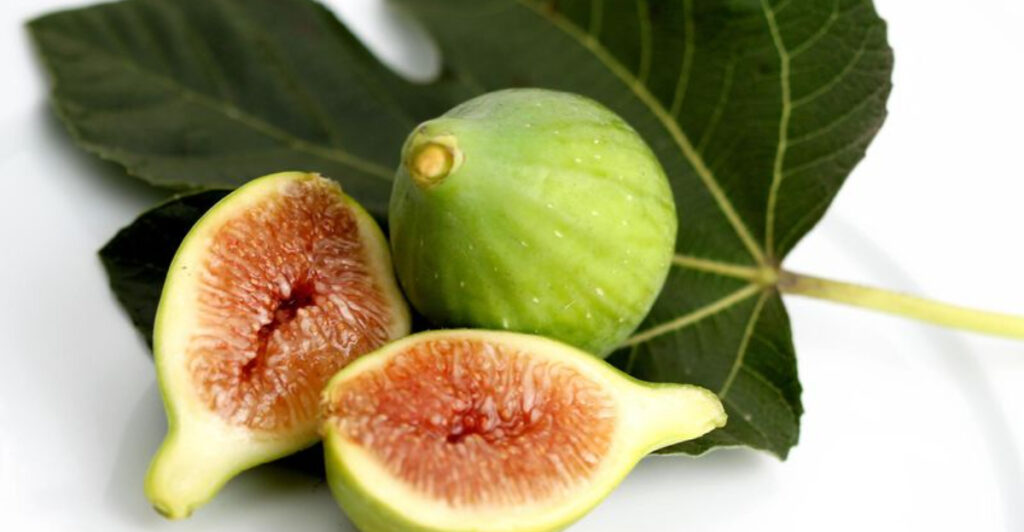
Figs are often surrounded by misconceptions, but they are versatile fruits that offer numerous benefits and require minimal effort.
Contrary to some myths, they thrive in various climates, are self-pollinating, and need little maintenance once established.
Here are 11 fig facts that truly work, proving how easy and rewarding it is to cultivate this remarkable fruit.
1. Figs Love Full Sun
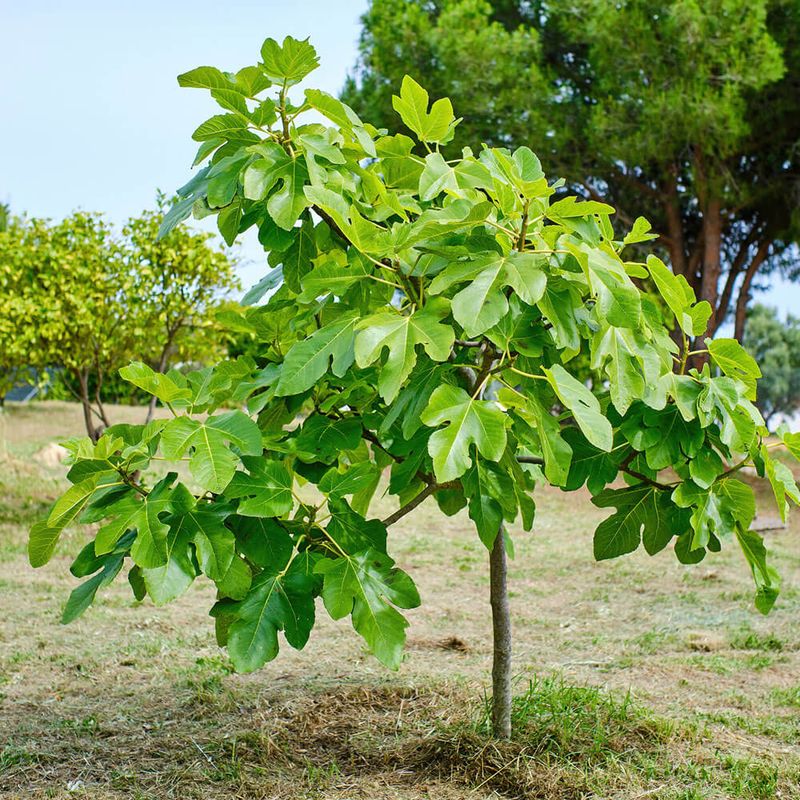
Figs thrive with abundant sunlight, needing at least 6–8 hours of bright, direct light daily. This essential element encourages optimal fruit production and ensures the figs develop their sweet flavor. Imagine a sun-soaked garden where fig trees stand tall, their branches adorned with plump, juicy fruits.
Without adequate sunlight, fig trees may struggle to produce fruit, and the overall health of the plant can decline. Therefore, choosing a sunny spot for planting fig trees is crucial for gardeners who wish to enjoy a bountiful harvest.
Incorporate figs into your garden for a sunny delight!
2. Container-Grown Figs
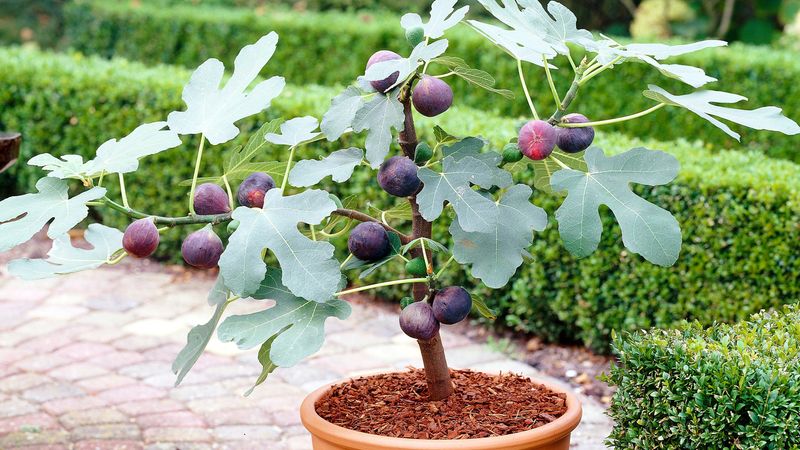
Did you know figs can flourish in containers, making them perfect for patios? This versatility allows anyone, even those with limited space, to grow these delicious fruits. Imagine a compact fig tree in a stylish pot, adding greenery to your living space while producing delightful figs.
Container planting offers the added benefit of mobility; you can move your fig tree to follow the sun or bring it indoors during harsh weather. This method also allows for better control over soil conditions and watering.
Enjoy the convenience of container-grown figs!
3. Pruning Boosts Yield
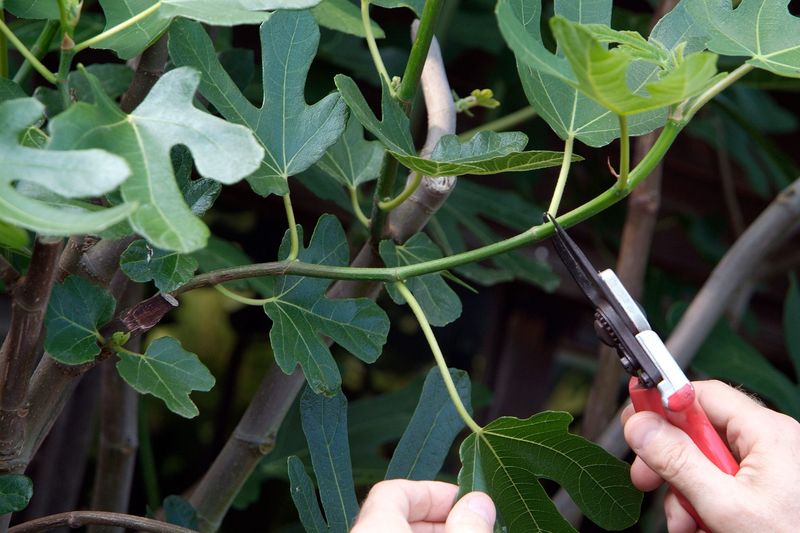
Pruning isn’t just for aesthetics; it’s a vital practice for enhancing fig production. By selectively trimming branches, you encourage new growth and improve air circulation, leading to healthier trees and more fruit. Picture a gardener skillfully pruning a fig tree, ensuring its branches are neatly shaped and poised for a fruitful season.
This annual ritual not only helps control the tree’s size but also prevents overcrowding, which could otherwise hinder growth. With proper pruning techniques, you’re setting the stage for a tree that rewards you with an abundance of figs.
Make pruning part of your fig care routine.
4. Drought Tolerance
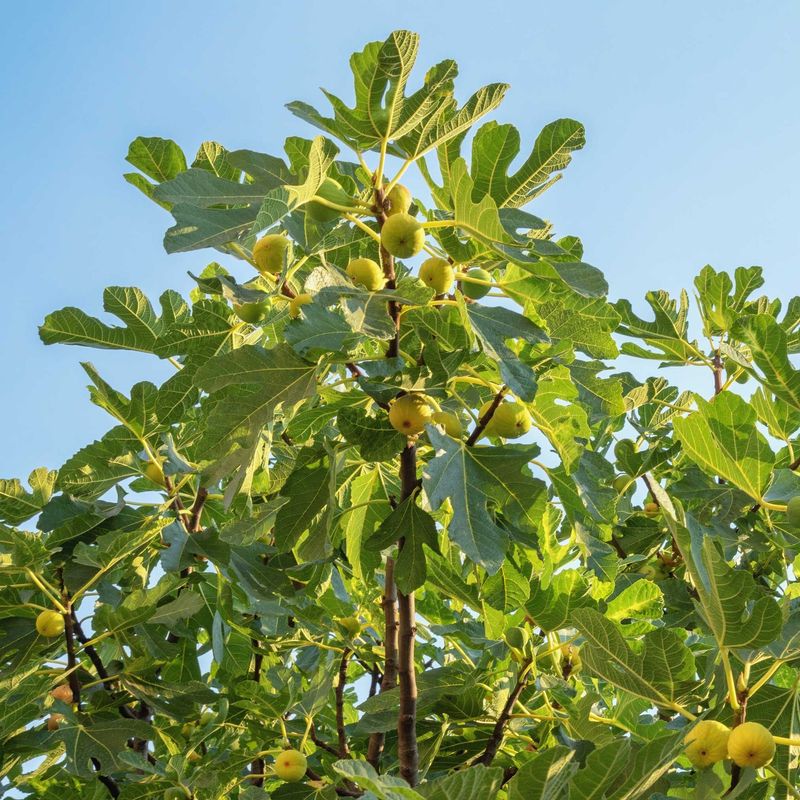
Remarkably resilient, mature fig trees possess an innate ability to withstand drought conditions better than many other fruit trees. Their deep-root systems efficiently seek out water, allowing them to survive with less frequent watering. Envision a robust fig tree standing resolute in a dry setting, its leaves still vibrant despite the lack of rain.
This drought tolerance makes figs especially appealing for gardeners in arid regions or those looking to conserve water. However, young trees still need regular watering to establish strong roots.
Embrace the hardy nature of drought-tolerant figs!
5. Cold-Hardy Varieties
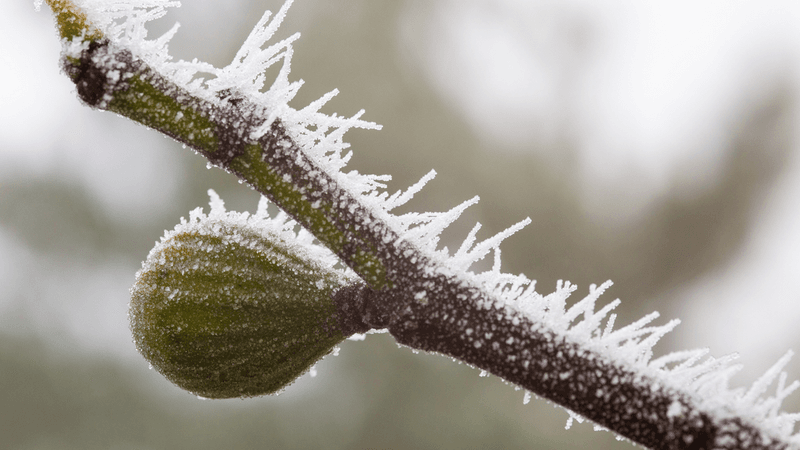
Figs are not just for tropical climates; certain varieties thrive in colder areas too. Varieties like ‘Chicago Hardy’ and ‘Brown Turkey’ can withstand chilly temperatures, bringing the joy of figs to diverse regions. Visualize a cold-hardy fig tree bravely standing in a wintry landscape, leaves resilient against the chill.
These varieties offer gardeners in colder zones the chance to harvest figs without worrying about harsh winters. Providing some winter protection, such as mulch, can further enhance their survivability.
Explore the world of cold-hardy figs and expand your gardening horizons.
6. Mulching Benefits
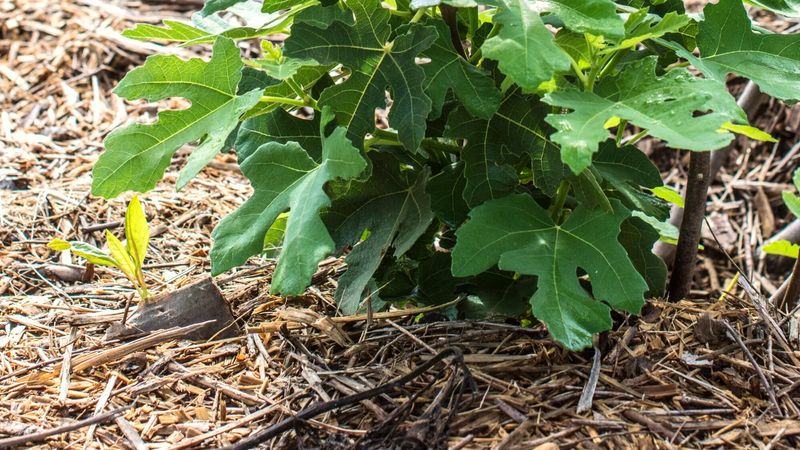
Mulching is a gardener’s secret weapon, especially for young fig trees. By applying a layer of organic mulch around the base, you help retain soil moisture and regulate temperature. Picture a young fig tree nestled in a cozy bed of mulch, ready to face the dry spells with confidence.
This technique not only conserves water but also enriches the soil as the mulch breaks down, providing nutrients to support growth. It also helps suppress weeds, giving your fig tree the best environment to thrive.
Mulching is a simple yet effective technique for fig growth.
7. Well-Draining Soil
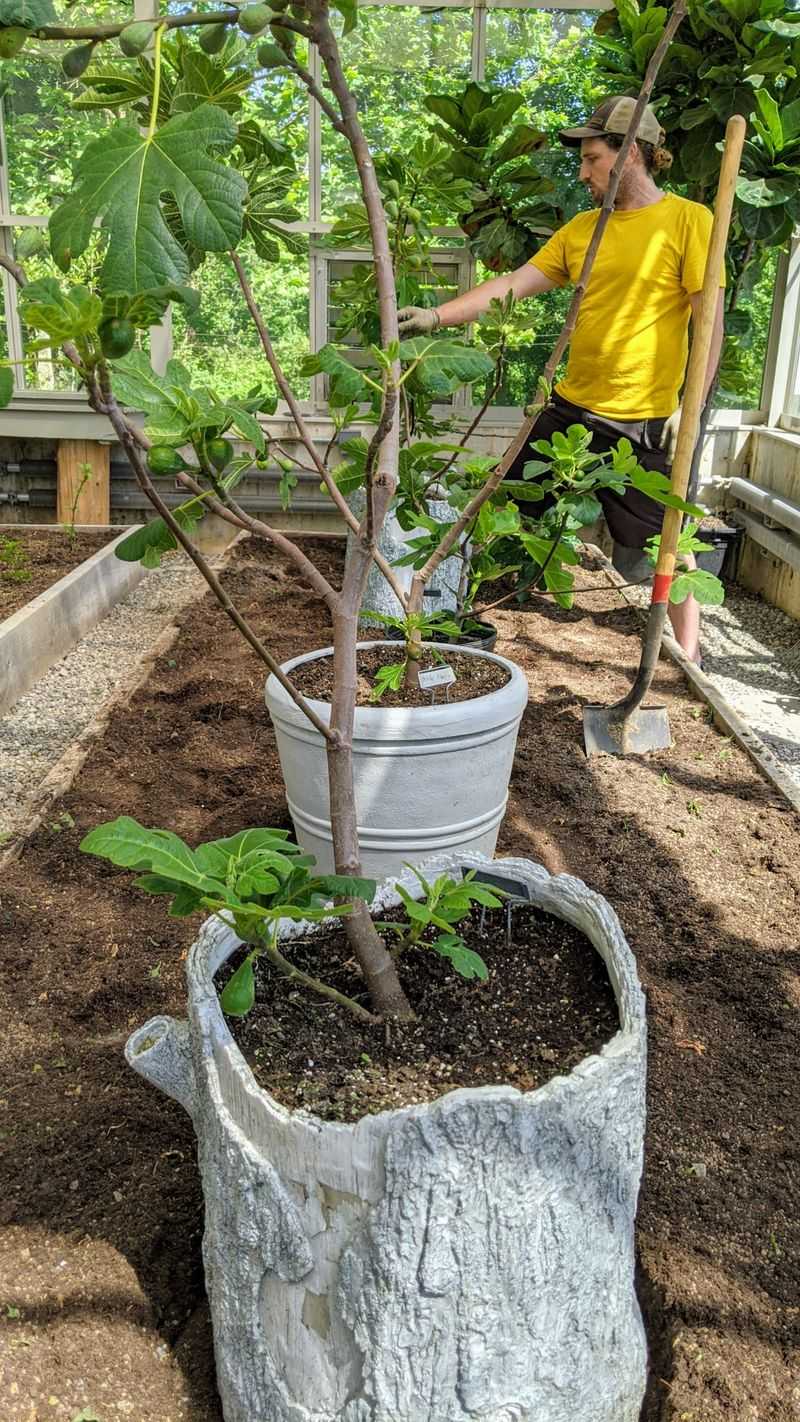
Figs flourish best in well-draining soil, as soggy roots can lead to detrimental conditions. Planting in raised beds or sandy soils ensures excess water drains away, keeping the roots healthy. Imagine a fig tree thriving in a raised bed, its roots secure and its leaves a vibrant shade of green.
Good drainage prevents root rot and allows the tree to absorb nutrients effectively. Gardeners should test their soil and amend it if necessary, to create an ideal environment for growth.
Prioritize well-draining soil for flourishing fig trees!
8. Pest Resistance
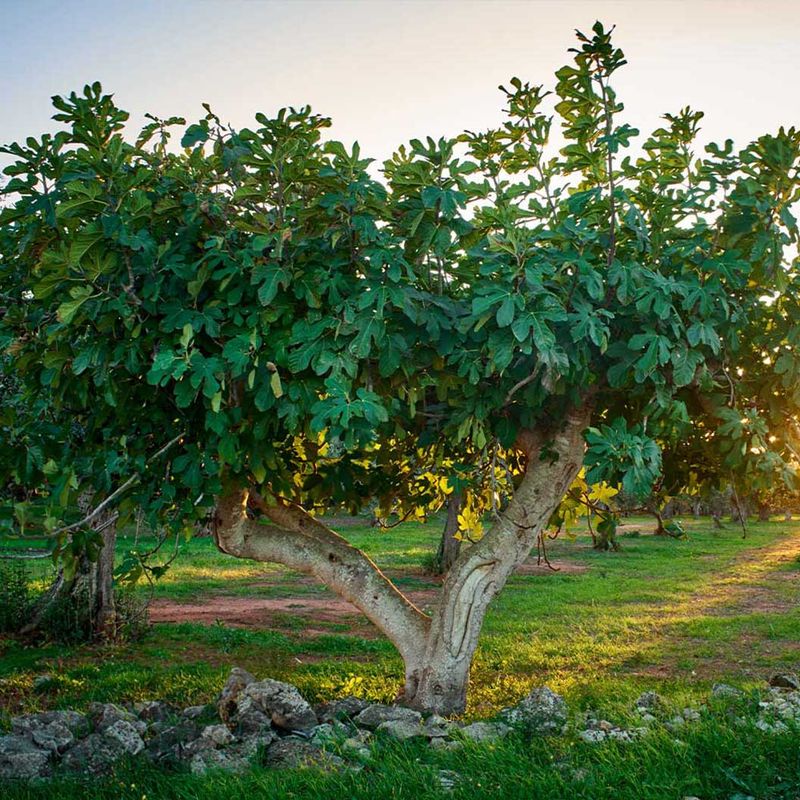
Figs are a boon for those keen on organic gardening, thanks to their natural resistance to most pests. With minimal intervention, fig trees can flourish, yielding healthy fruits free from chemicals. Think of a lush fig tree in an organic garden, its leaves untouched by pests, offering a bounty of fresh figs.
While occasional vigilance is necessary, figs generally require fewer pesticides, making them a sustainable choice for eco-conscious gardeners. Their robustness can reduce the need for intervention, allowing nature to take its course.
Grow figs with peace of mind, knowing they resist most pests.
9. Recognize Ripe Figs
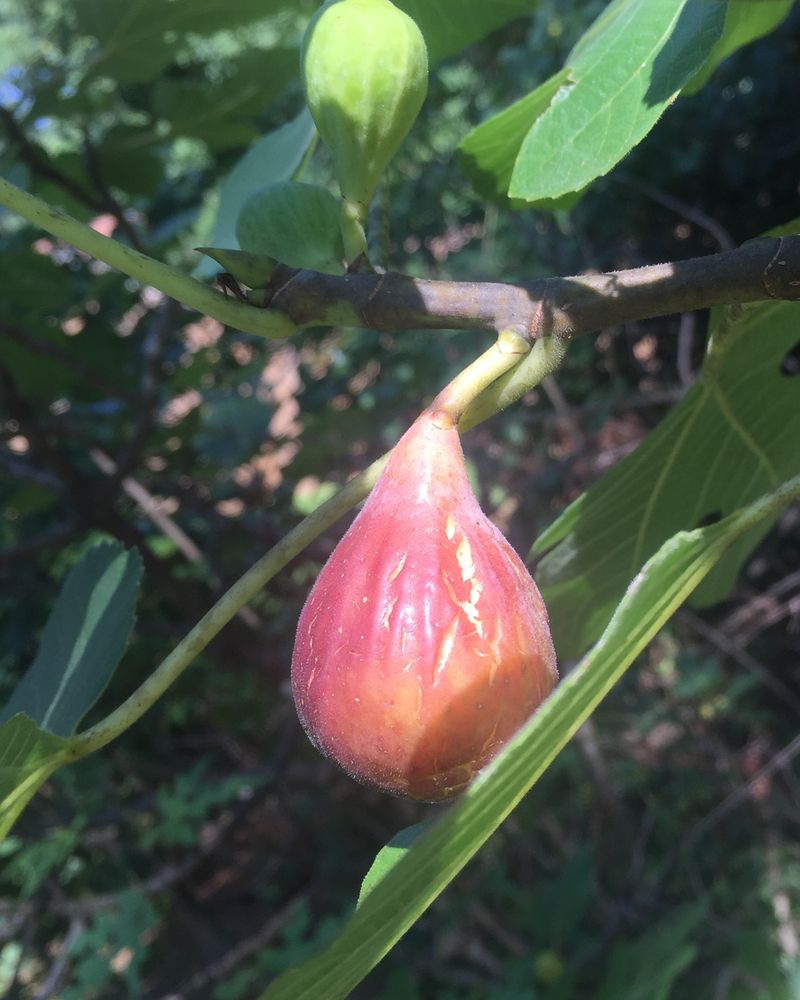
Knowing when to pick figs is crucial for maximum flavor. Ripe figs droop slightly on the branch and feel soft to the touch. Imagine strolling through a fig orchard, gently feeling each fruit for ripeness, eager to taste its sweetness.
Harvesting at the right time ensures a delicious experience; underripe figs lack flavor, while overripe ones spoil quickly. By observing your fig tree regularly, you can catch the perfect harvest window.
Savor the taste of perfectly ripe figs by learning their subtle signs of readiness.
10. Limited Storage Time
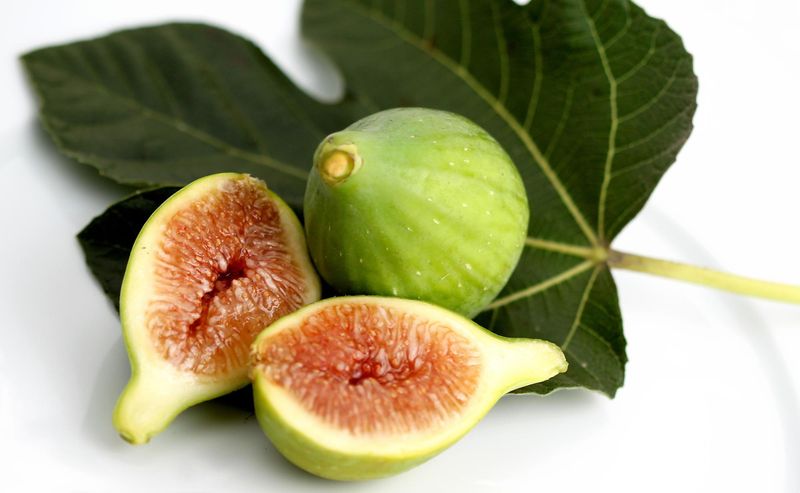
Fresh figs boast incredible flavor but have a short shelf life. It’s best to eat or preserve them within a few days of picking. Picture a basket brimming with freshly harvested figs, their colors vibrant and inviting, waiting to be savored.
To enjoy figs longer, consider drying, freezing, or making jams. These methods help capture their essence and flavor for future enjoyment. Quick consumption or preservation maximizes their value and reduces waste.
Relish the fleeting delight of fresh figs and find creative ways to extend their enjoyment.
11. Easy Propagation
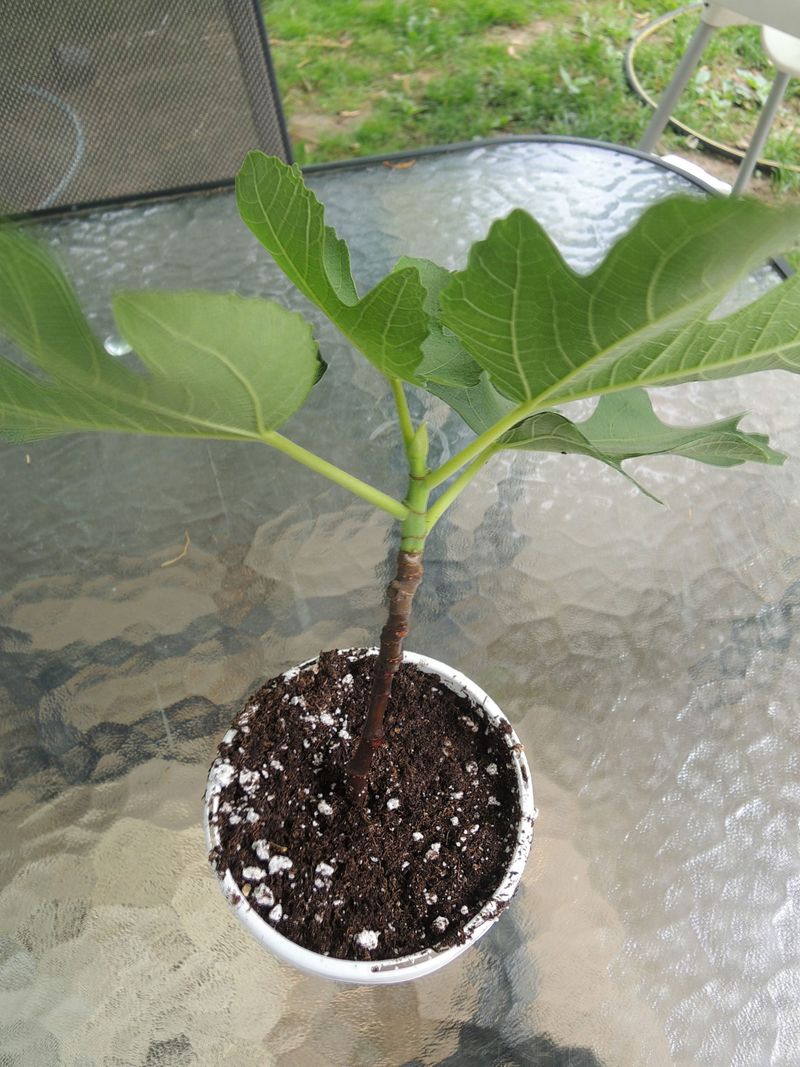
Growing new fig trees is a simple and rewarding process. With just a cutting in water, new roots will form, and a new tree begins its journey. Picture a small fig cutting in a glass, roots delicately unfurling, signaling the start of life.
This method is accessible to gardeners of all levels, offering a cost-effective way to expand your fig collection. Sharing cuttings with friends can spread the joy of figs, fostering a community of fig enthusiasts.
Discover the ease of fig propagation and watch your garden flourish.