
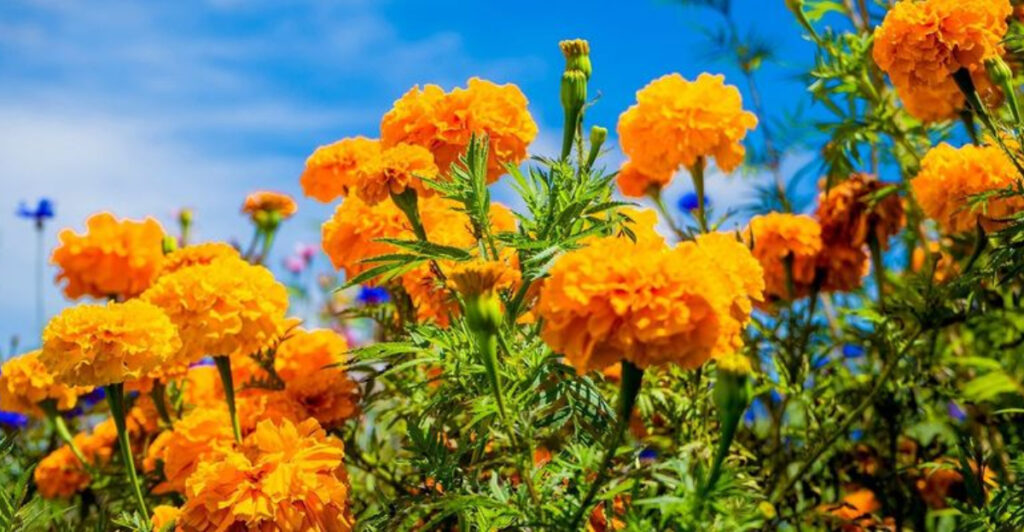
In the world of blooms, flowers often carry deep symbolic meanings. From ancient times to modern days, certain flowers have been associated with hope and optimism, offering solace and joy. These 15 flowers not only brighten gardens but also uplift spirits with their rich symbolism.
1. Sunflower
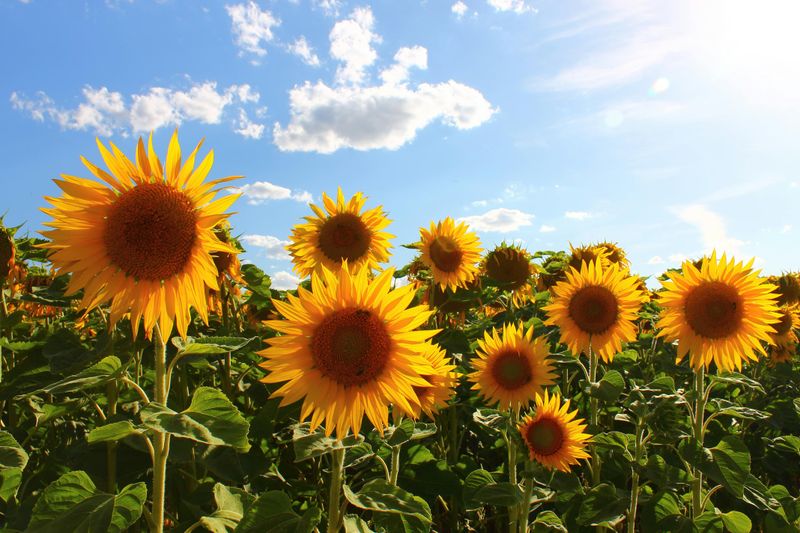
Sunflowers, with their cheerful yellow petals, are a universal symbol of hope and warmth. Their tendency to face the sun symbolizes unwavering faith and optimism. Originating from the Americas, sunflowers are often planted to absorb toxins from the soil. Did you know they are used in phytoremediation? This makes them not only beautiful but also environmentally beneficial.
In art and literature, sunflowers have frequently been mentioned as emblems of steadfastness. Their towering presence in a garden can be a source of inspiration.
Whether in a bouquet or a field, sunflowers stand tall as a beacon of hope.
2. Daffodil
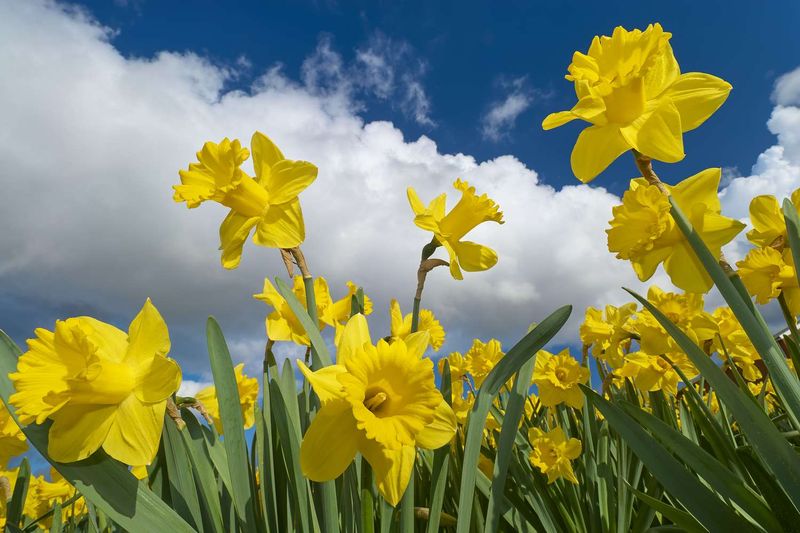
Daffodils herald the arrival of spring, symbolizing new beginnings and hope. Their bright yellow hue and trumpet shape are reminiscent of a joyful announcement of renewal. Associated with the Greek myth of Narcissus, daffodils have a rich cultural history that ties them to self-reflection and rebirth.
As the first flowers to bloom after winter, they are often seen as a reminder that even after the darkest days, light and warmth return. This resilience makes them a favorite among gardeners.
Their perennial nature ensures they return to share their optimism year after year.
3. Cherry Blossom
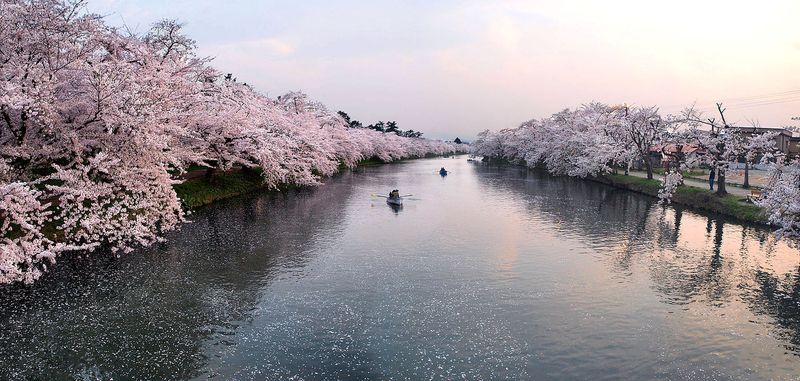
Cherry blossoms, or sakura, are iconic symbols of hope and the fleeting beauty of life. In Japan, their short-lived bloom period is celebrated with festivals, marking the arrival of spring and renewal. This cultural significance is deeply rooted in the concept of appreciating the present moment.
With their delicate pink petals, cherry blossoms remind us of the transient nature of life and the importance of embracing change. They inspire optimism by encouraging us to savor every fleeting moment.
Their breathtaking beauty can transform landscapes, offering a moment of peace and reflection.
4. Lily of the Valley
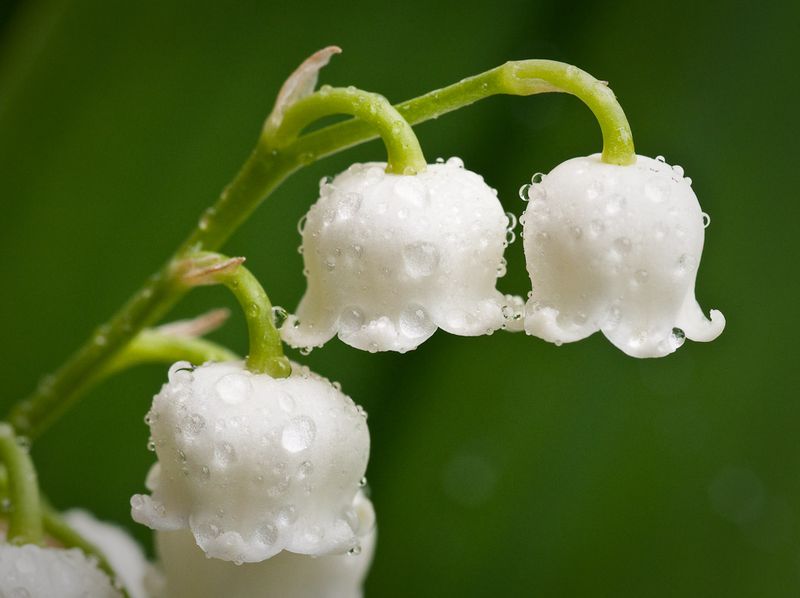
Lily of the Valley, with its delicate white bells, symbolizes purity and renewed happiness. Often associated with weddings and new beginnings, this flower has a sweet fragrance that captures hearts. It’s believed to bring luck in love and is commonly included in bridal bouquets.
Historically, it’s been used in herbal medicine, adding another layer to its symbolic nature of healing and hope.
Lily of the Valley’s understated elegance makes it a cherished choice for gardeners seeking to add a touch of grace and optimism to their green spaces.
5. Iris
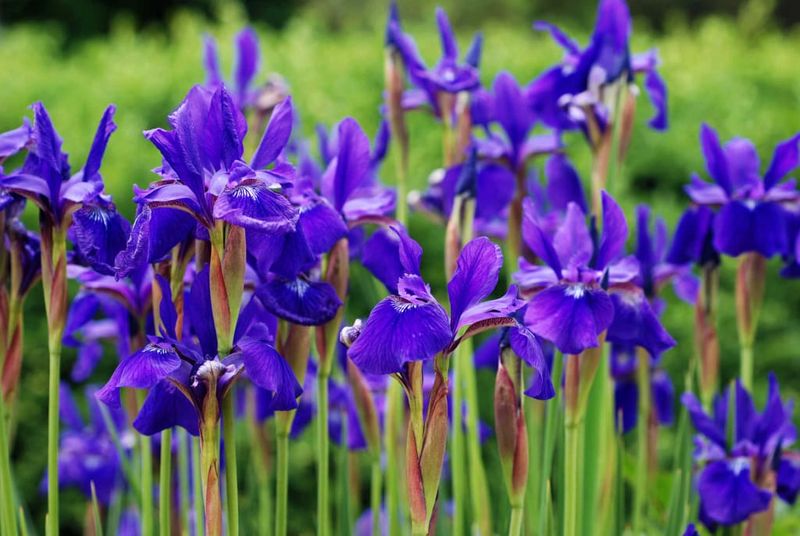
Irises, with their striking purple and blue hues, are symbols of hope and wisdom. Named after the Greek goddess of the rainbow, Iris, they are a bridge between heaven and earth. Historically, they have been used in art to symbolize faith and valor.
Their diverse range of colors and resilient nature make them a gardener’s favorite. Each color variation carries its own meaning, adding depth to their symbolism.
Irises are not only a visual delight but also a beacon of inspiration, encouraging us to pursue our dreams with courage and determination.
6. Marigold
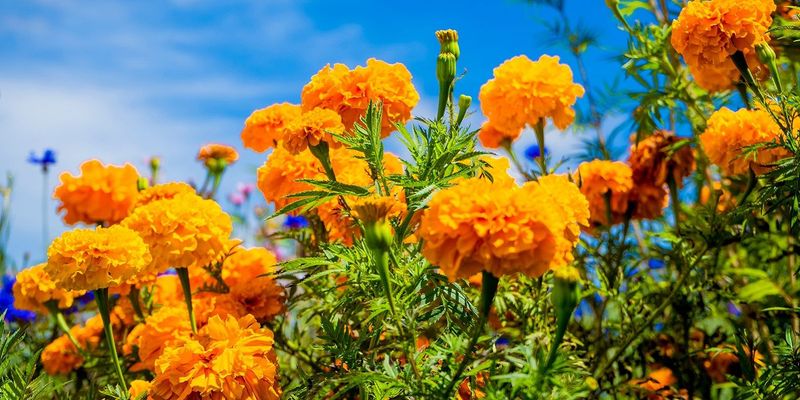
Marigolds, with their fiery orange and yellow hues, are often associated with warmth and optimism. Their bright colors are a symbol of positive energy and creativity. In many cultures, marigolds are used in celebrations to bring good fortune and ward off negativity.
They are known for their resilience and ability to thrive in various conditions, making them a gardener’s ally. Their role in Day of the Dead celebrations highlights their connection to remembrance and the cycle of life.
Marigolds are a testament to the strength found in hope and the joy of life’s simple pleasures.
7. Peony
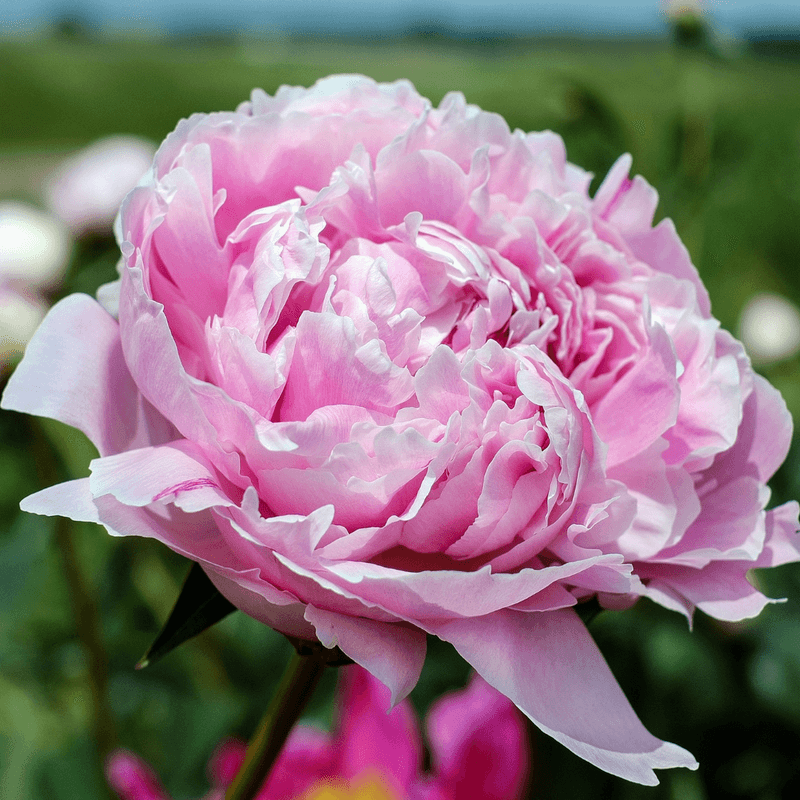
Peonies are cherished for their full blooms and rich fragrance, symbolizing prosperity and hope. In many cultures, they are a sign of good fortune and happy marriages. Their lush petals and vibrant colors make them a favorite in wedding bouquets and festive arrangements.
Originating from Asia, peonies have been cultivated for centuries, admired for their beauty and longevity. Their ability to bloom year after year is a metaphor for enduring hope.
The peony’s grand appearance inspires a sense of awe and optimism, reminding us to appreciate the beauty around us.
8. Crocus
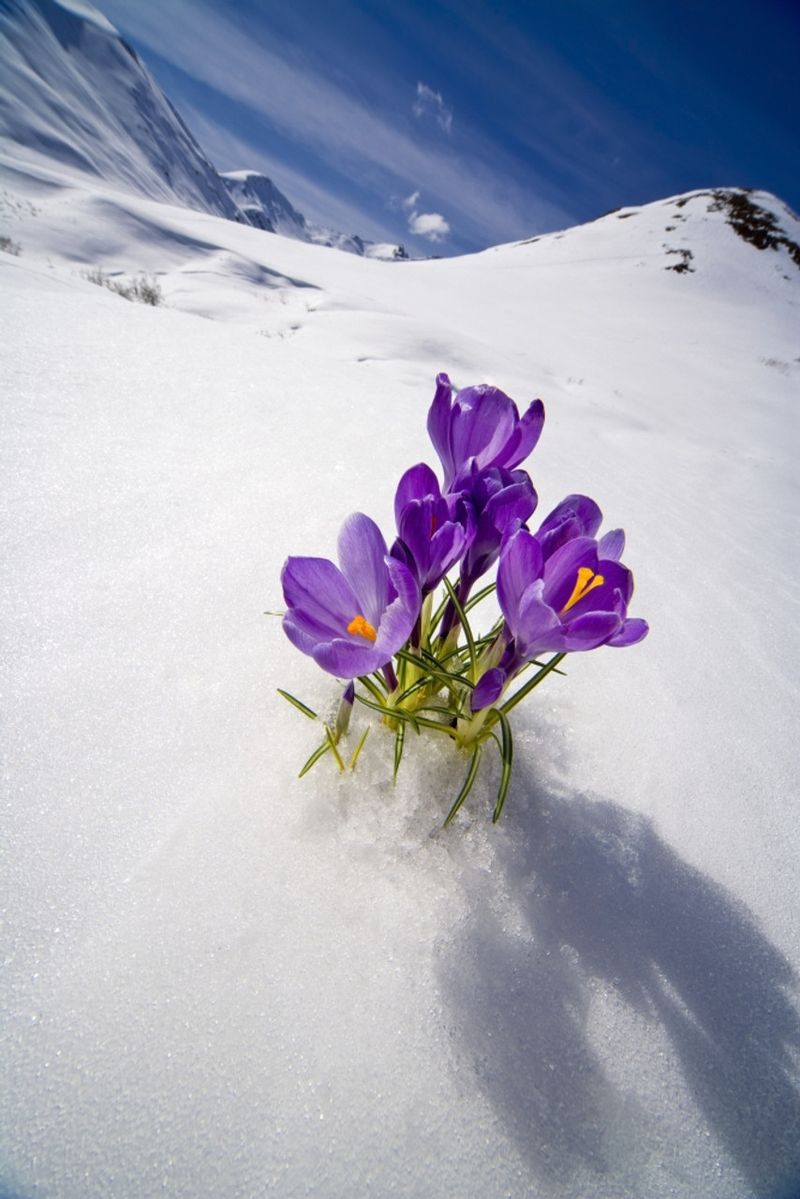
Crocuses are among the first flowers to emerge after winter, symbolizing renewal and hope. Their vibrant purple and yellow blooms often peek through the snow, heralding the arrival of spring. This resilience makes them a powerful emblem of triumph over adversity.
In mythology, crocuses are linked to stories of transformation and rebirth. Their early bloom provides vital nectar for pollinators, playing an important role in the ecosystem.
Crocuses remind us that after every hardship, there’s an opportunity for new beginnings, encouraging us to keep our spirits high.
9. Lotus
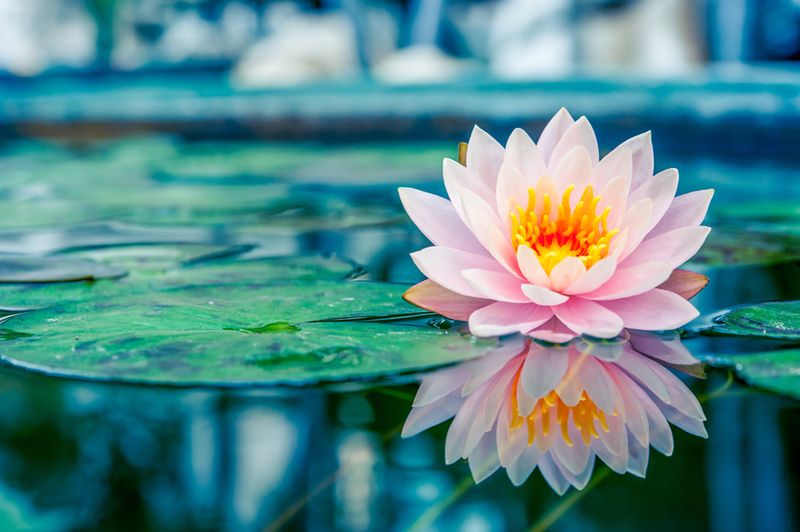
The lotus flower, rising from muddy waters, is a symbol of purity and spiritual awakening. Its journey from murky depths to the sunlit surface embodies hope and enlightenment. In various cultures, it is revered as a sacred symbol, representing eternal life and rebirth.
Its ability to bloom in adverse conditions is a testament to resilience and strength. The lotus encourages us to rise above challenges and emerge renewed.
Whether in art or meditation, the lotus inspires peace and optimism, reminding us of the beauty that can arise from difficult circumstances.
10. Hyacinth
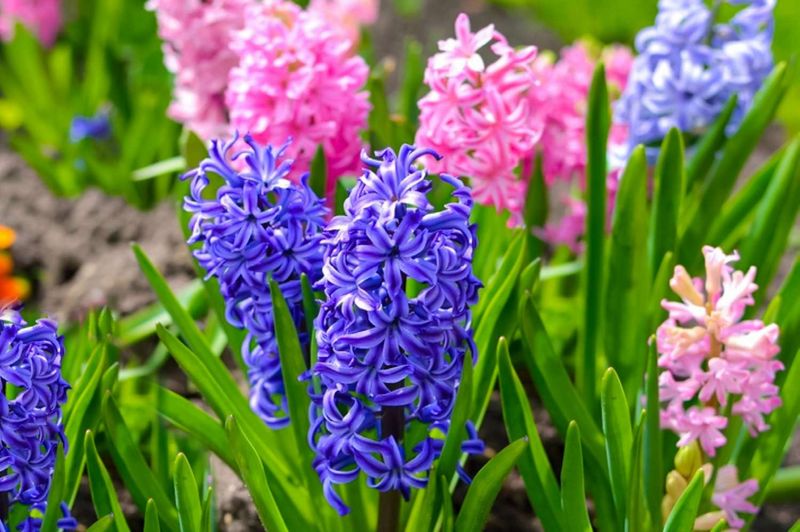
Hyacinths, with their vibrant colors and fragrant blooms, symbolize hope and renewal. Their name is derived from a Greek myth involving a tragic love story, adding a layer of depth to their symbolism. They are often planted in gardens to celebrate spring’s return.
The varied hues of hyacinths, from pinks to blues, each carry different meanings, from playfulness to peace. This diversity in color adds to their charm.
As they bloom, hyacinths fill the air with a sweet scent, lifting spirits and reminding us of the joy found in nature’s renewal.
11. Daisy
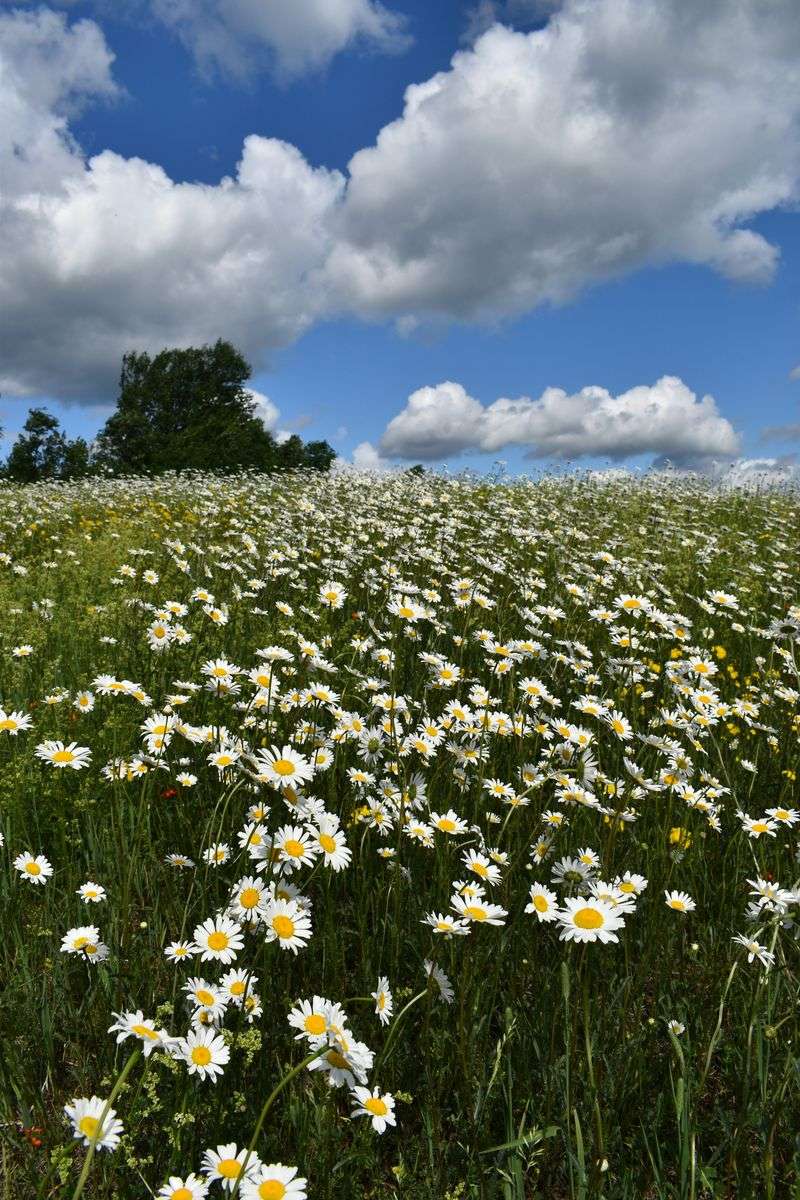
Daisies, with their simple white petals and sunny centers, symbolize innocence and hope. Their name is derived from the Old English ‘day’s eye’ due to their tendency to open during the day and close at night. This daily ritual represents new beginnings and optimism.
Often associated with childhood memories, daisies evoke feelings of nostalgia and joy. They are hardy flowers, thriving in various environments, which adds to their symbolism of resilience.
Daisies inspire us to find beauty in simplicity and to approach life’s challenges with a hopeful heart.
12. Bluebell

Bluebells are enchanting flowers that symbolize humility and everlasting hope. Found in ancient woodlands, their presence is a sign of a healthy ecosystem. These delicate blue flowers sway gently in the breeze, creating a sea of tranquility.
Their magical appearance in folklore often links them to fairy realms and mystical adventures. Bluebells bloom in spring, signaling a fresh start and endless possibilities.
The sight of a bluebell wood in full bloom is a reminder of the wonders of nature and the hope that lies within it.
13. Tulip
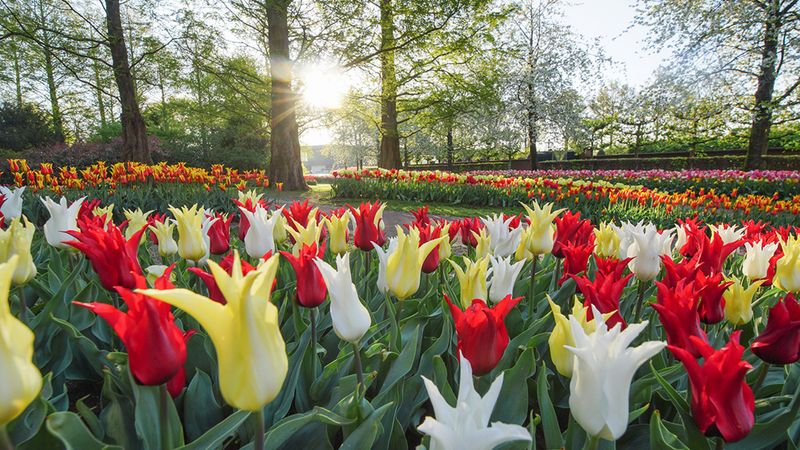
Tulips, with their elegant shapes and diverse colors, are symbols of perfect love and hope. Originating from Central Asia, they have become a beloved emblem of spring across the globe. Each color tells its own story, from red’s declaration of love to yellow’s cheerful optimism.
In the 17th century, tulip mania swept through Europe, highlighting the flower’s allure and desirability. Their return each spring is a celebration of life’s cycles and the renewal of hope.
Tulips remind us to cherish the present and look forward to the future with a light heart.
14. Primrose
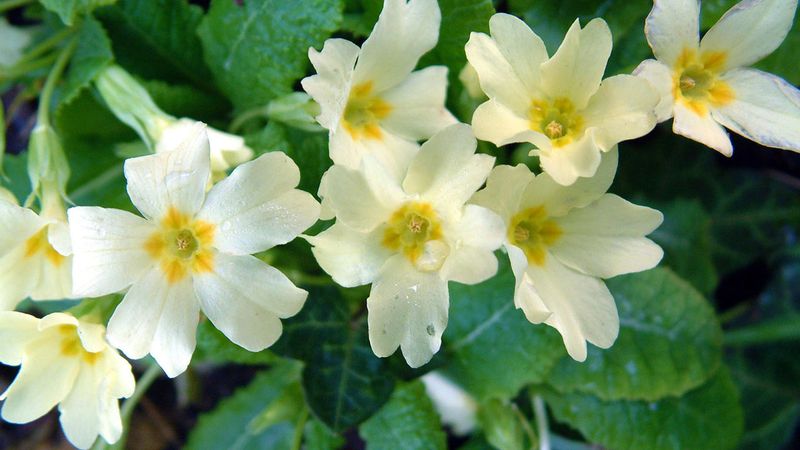
Primroses, with their soft yellow blooms, are often seen as symbols of youth and optimism. These early spring flowers are among the first to appear, heralding the arrival of warmer days. Their name, derived from the Latin ‘prima rosa’, means ‘first rose’.
Historically, primroses have been used in remedies and as a culinary ingredient. Their delicate appearance belies their hardiness and ability to thrive in various conditions.
Primroses invite us to embrace change and look forward to new beginnings with hope and excitement.
15. Forget-Me-Not
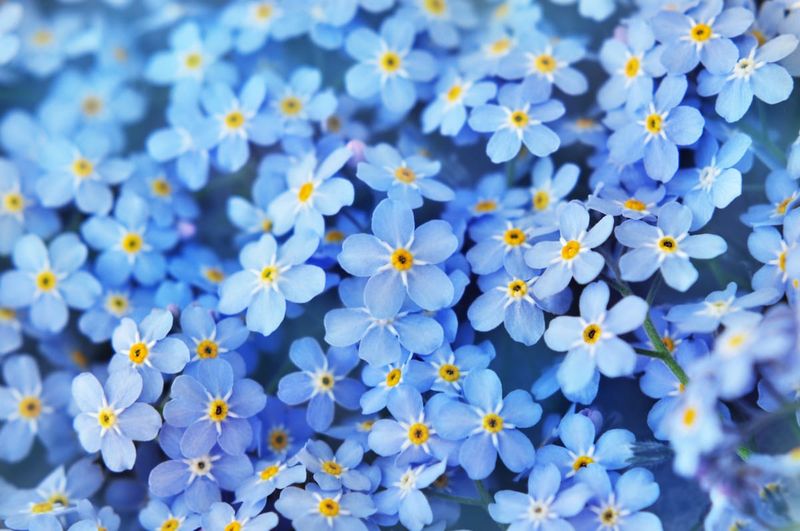
Forget-me-nots, with their charming blue petals and yellow centers, symbolize remembrance and hope. They are often associated with true love and enduring connections. According to legend, a knight named these flowers while picking them for his lady love, urging her not to forget him.
These delicate blooms thrive in moist, shaded areas, adding a splash of color to hidden corners of gardens. Their presence serves as a gentle reminder of cherished memories and lasting bonds.
Forget-me-nots inspire us to hold onto hope and treasure the relationships that enrich our lives.