
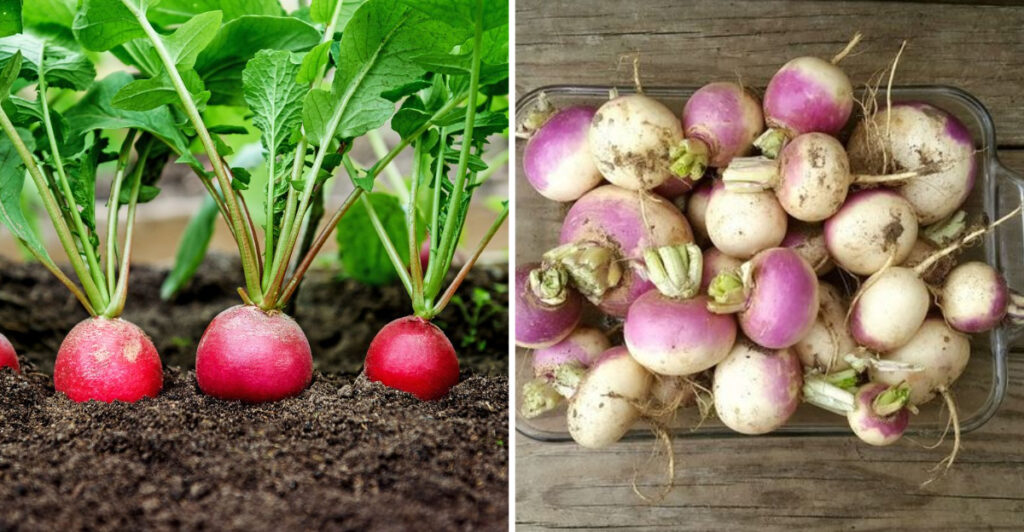
Fermenting vegetables is a time-honored tradition that not only preserves the produce but also enhances its flavors and nutritional value. Here are 16 vegetables that are particularly well-suited to this process. Each offers unique textures and flavors when fermented, providing a delightful addition to any meal. Discover the best choices to grow if you’re interested in exploring the world of homemade ferments.
1. Cabbage
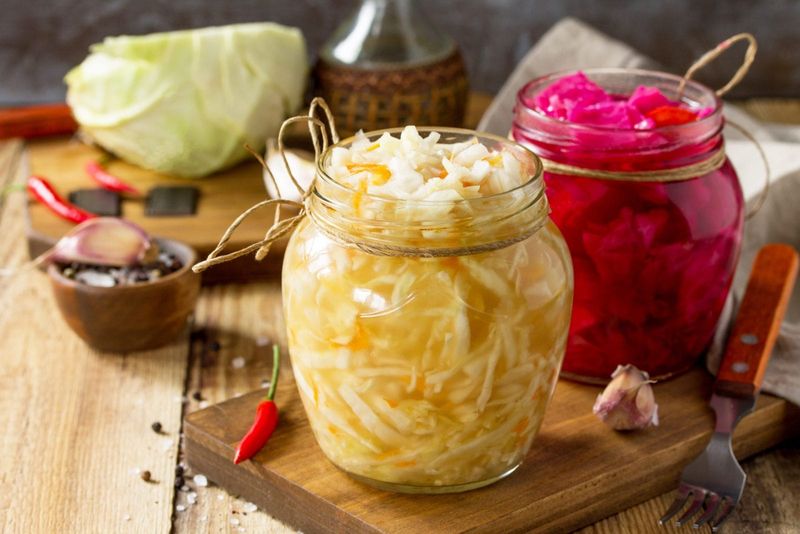
Cabbage often takes center stage in the world of fermentation, especially in the form of sauerkraut. Its dense, leafy structure makes it ideal for holding onto the brine, and its natural sugars feed the friendly bacteria. When fermented, cabbage transforms, becoming tangy and crisp, a perfect topping for sausages or a side dish with hearty meals. The process also enriches its nutritional profile, adding probiotics that benefit gut health.
Growing cabbage is straightforward. It thrives in cooler climates and can be harvested in the fall, just in time for fermenting.
2. Carrots

Carrots bring a vibrant color and sweetness to ferments, often paired with spices like ginger and garlic. Their firm texture holds up well, even after the fermentation process softens them slightly. Enjoy them as a crunchy snack or a zesty addition to salads.
Beyond taste, fermented carrots offer an excellent source of vitamins A and C. They grow best in loose, sandy soil and need consistent watering to reach their full potential. Harvest them when they’re young for the sweetest flavor, perfect for a fresh start in any fermenting journey.
3. Beets
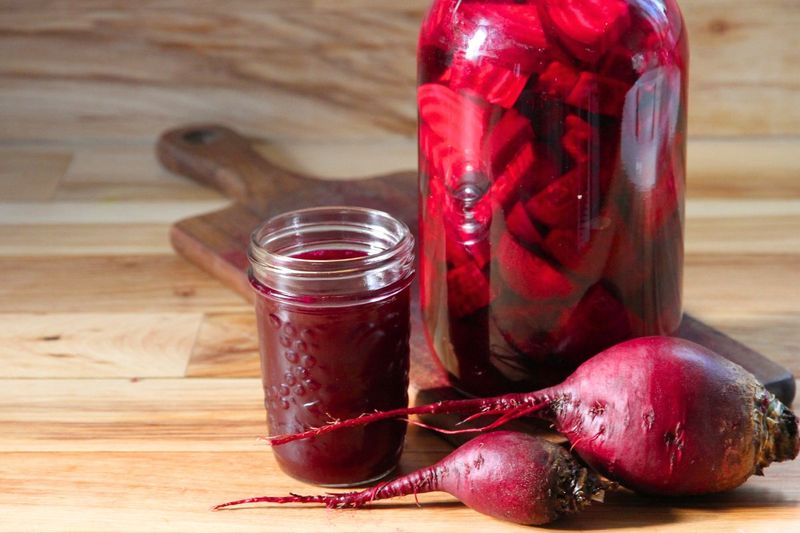
Known for their earthy sweetness, beets become even more intriguing after fermentation. The process enhances their natural sugars, creating a complex flavor profile that’s both sweet and tangy. Fermented beets are a delightful addition to salads or as a colorful garnish.
These vibrant roots are rich in folate and manganese. A fun fact: beet kvass, a traditional Russian ferment, is revered for its health benefits. Beets prefer well-drained soil and a sunny spot in the garden. When fermenting, their vivid color can dye other vegetables, adding visual appeal.
4. Radishes
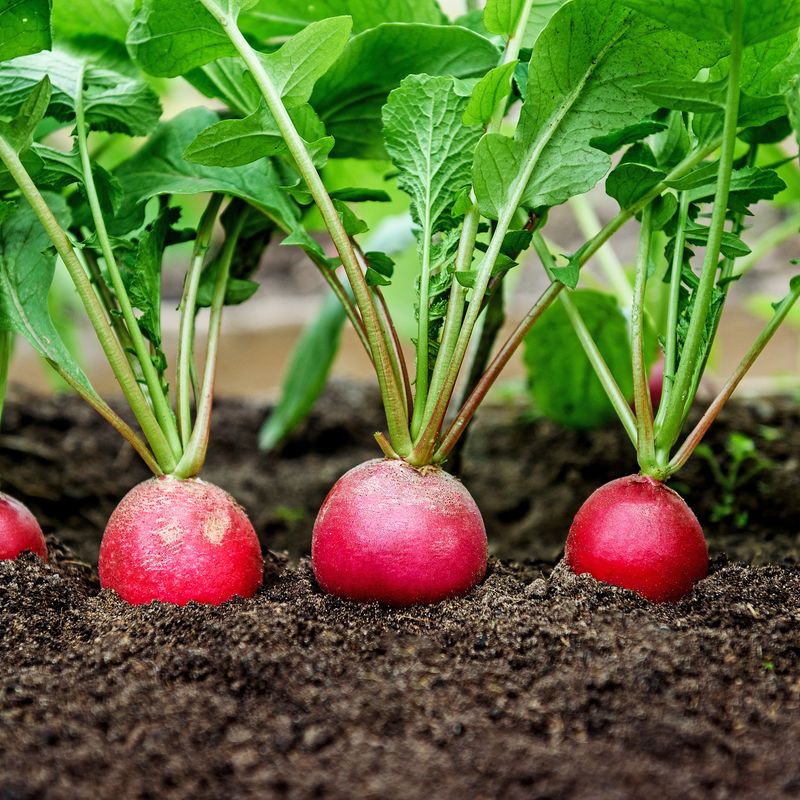
Radishes, with their peppery bite, mellow beautifully when fermented. They offer a crisp texture and a subtle spiciness that enlivens any dish. Try them sliced on sandwiches or tossed into salads for an added zing.
Rich in vitamin C and antioxidants, fermented radishes not only taste great but also support a healthy immune system. These root vegetables are quick to mature, making them a fast-growing choice for gardeners. Plant them in early spring or fall for the best results in both yield and flavor.
5. Cauliflower

Cauliflower, often associated with pickling, is equally delightful when fermented. Its porous texture soaks up brine flavors beautifully, offering a tender yet crunchy bite. Fermented cauliflower can be seasoned with turmeric and cumin for a spiced twist.
This cruciferous vegetable is high in fiber and vitamins C and K, making it a nutritious ferment option. It grows best in cool temperatures, so plan your planting accordingly. When ready, cauliflower heads should be firm and compact, ideal for savoring fresh or fermented.
6. Kale
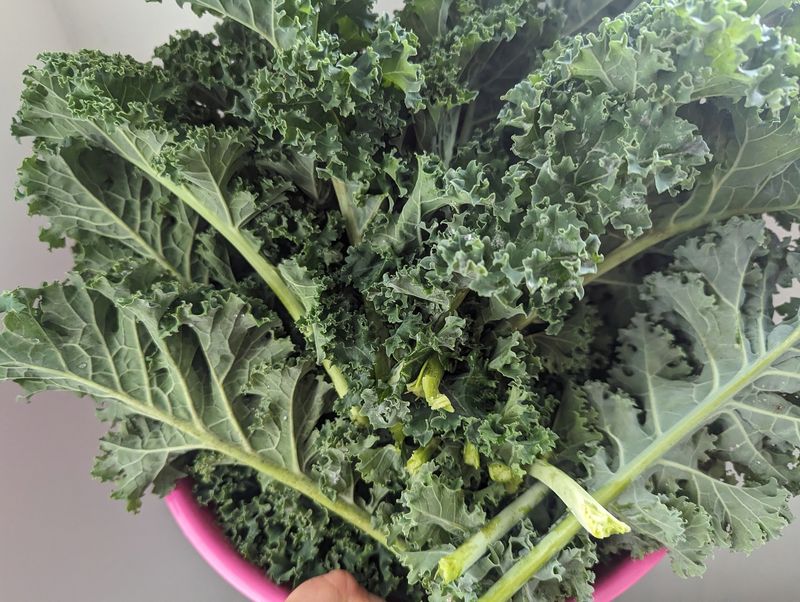
Kale, known for its hearty leaves, transforms during fermentation, becoming tender and tangy. The process enhances its slightly bitter notes, creating a unique flavor perfect for salads or as a side dish. Its robust texture holds up well, even as it softens slightly.
This leafy green is packed with nutrients, including iron and calcium. Kale thrives in cooler weather, making it an excellent choice for fall planting. Enjoy the benefits of this superfood by incorporating fermented kale into your diet, adding variety and nutritional value.
7. Turnips
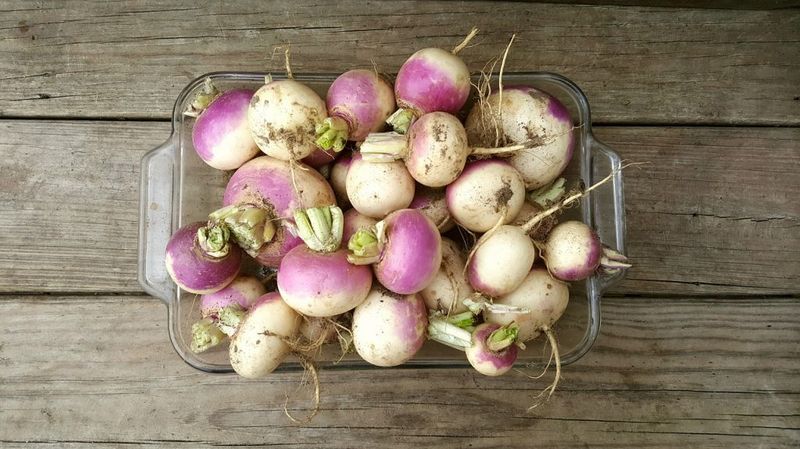
Turnips offer a surprising sweetness once fermented, their flavors deepening into a delightful tang. This root vegetable can be sliced thin and added to sandwiches or served alongside meats for a savory contrast.
Rich in vitamins C and B6, fermented turnips are a nutritious choice. They grow best in cooler climates and prefer well-drained soil. For a touch of history, turnips have been a staple in many cultures, prized for their versatility. Harvest them when small for the best texture and flavor in your ferments.
8. Cucumbers

Cucumbers are synonymous with pickles, but they offer much more when fermented. Their crisp texture and refreshing taste make them a favorite in many fermentation recipes. Add dill and garlic for a classic flavor, or experiment with spices for something new.
These vegetables are rich in water and vitamin K, contributing to both hydration and bone health. Cucumbers thrive in warm weather and need plenty of sunlight. Harvest them regularly to encourage more growth and enjoy their fresh taste in a variety of fermented delights.
9. Zucchini

Zucchini, with its mild flavor, becomes a canvas for spices and herbs when fermented. Its soft texture absorbs flavors readily, making it an exciting addition to any meal, whether sliced in salads or served as a side dish.
Packed with vitamin C and manganese, fermented zucchini adds nutritional variety. These plants grow prolifically in warm weather, so ensure adequate space in your garden. Regular harvesting encourages continued production, providing a steady supply for all your fermenting needs.
10. Bell Peppers
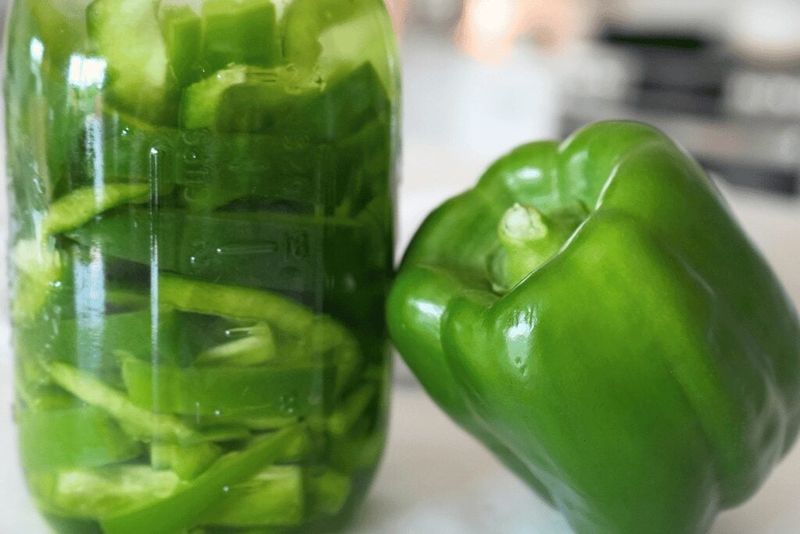
Bell peppers bring a sweet, juicy element to ferments, their flavors intensifying with a tangy twist. Slice them thin and add to sandwiches, or use as a colorful garnish for added visual appeal.
These vibrant vegetables are high in vitamins A and C, enhancing the nutritional profile of any ferment. They require warm temperatures and plenty of sunlight to thrive. A fun gardener’s tip: pick peppers regularly to promote further fruiting and enjoy their fresh, crisp taste throughout the season.
11. Onions
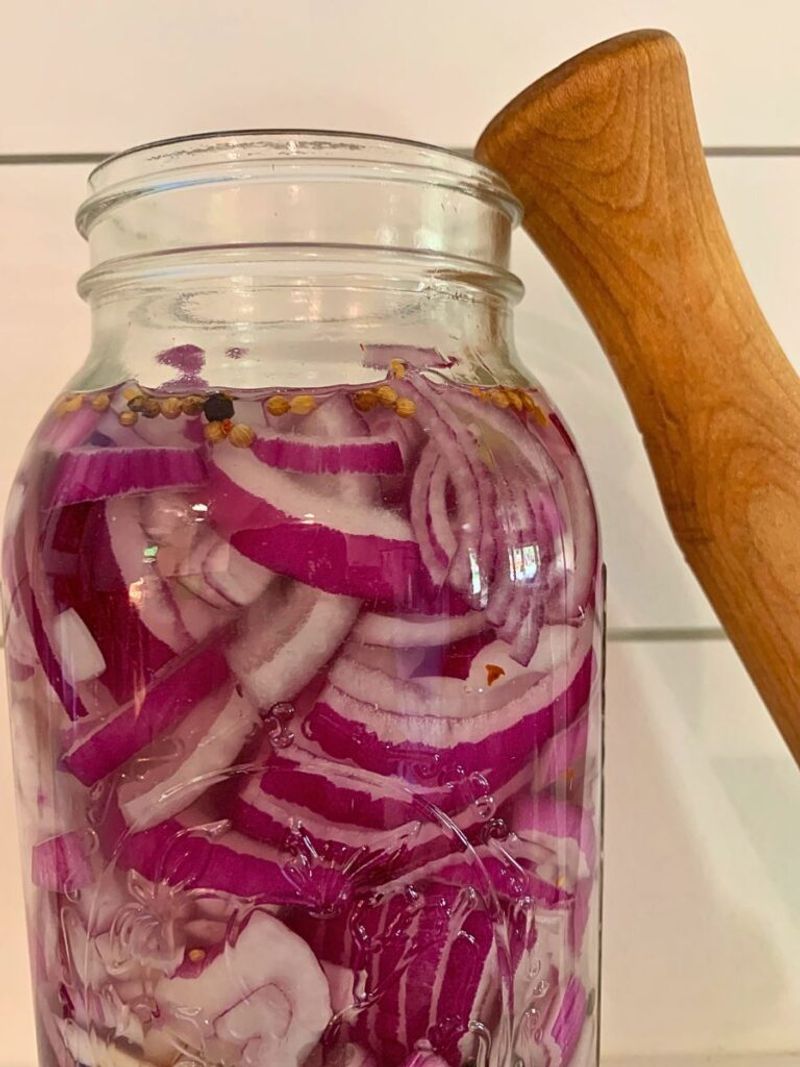
Onions, with their pungent aroma, mellow into a sweet and savory delight during fermentation. Add them to sandwiches or serve as a condiment to enhance various dishes.
Rich in antioxidants and vitamin C, fermented onions offer both flavor and health benefits. They thrive in well-drained soil and require consistent watering. Fun fact: onions have been cultivated for thousands of years, revered for their culinary and medicinal properties. Harvest them when the tops fall over, indicating readiness for storage and fermentation.
12. Garlic
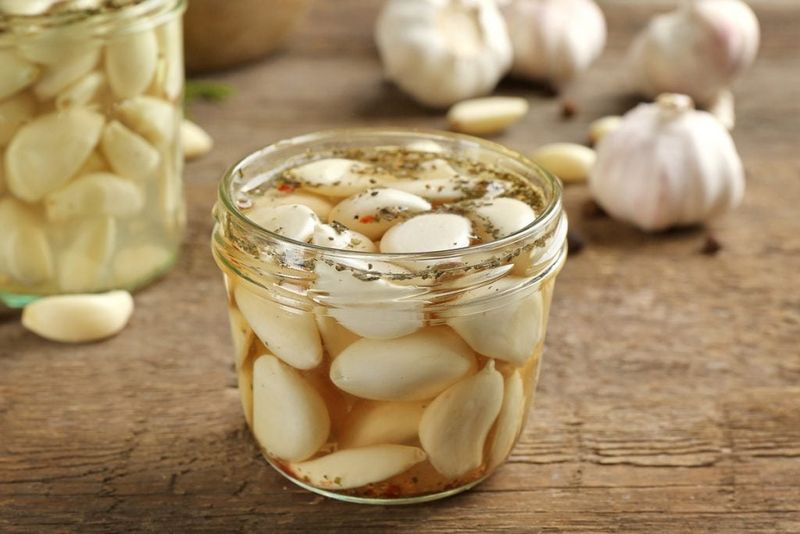
Garlic, famous for its bold flavor, takes on a milder, sweeter profile when fermented. This transformation makes it a versatile ingredient in dips, dressings, and sauces.
Rich in allicin, fermented garlic offers heart health benefits and immune support. Garlic grows best in well-drained soil with plenty of sunlight. Plant cloves in the fall, allowing them to establish roots before winter. Did you know? Garlic has been treasured since ancient times, used by Egyptian laborers to build the pyramids. Enjoy its rich history and flavor in your culinary creations.
13. Broccoli
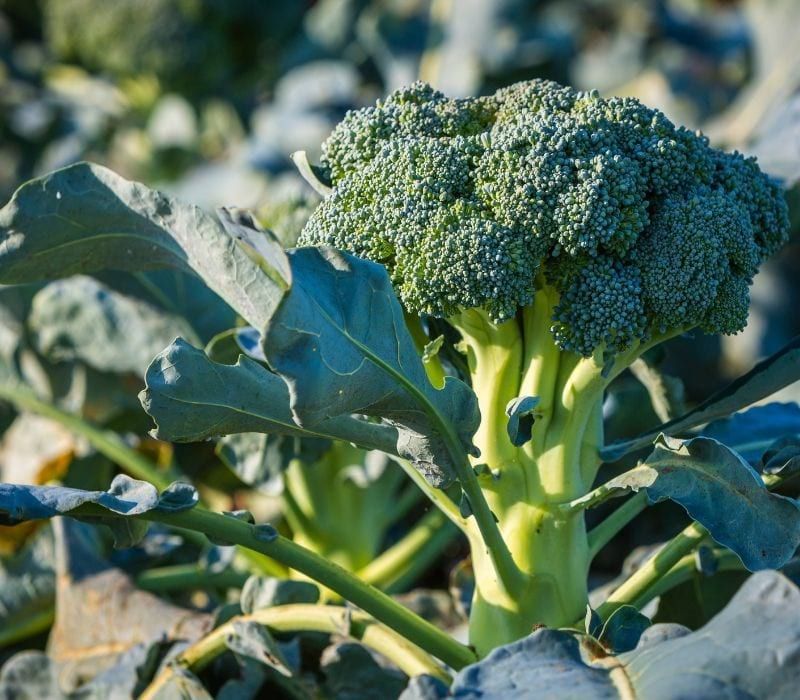
Broccoli’s slightly bitter notes are softened and complemented by tangy undertones when fermented. Use it in salads or as a side dish to enjoy its unique taste and crunchy texture.
This cruciferous vegetable is rich in vitamins K and C, supporting bone and immune health. Broccoli prefers cooler climates and well-drained soil. Consistent harvesting encourages more growth, providing a continual supply for fermenting. Enjoy the nutritional benefits and delightful flavors broccoli adds to your diet through fermentation.
14. Celery
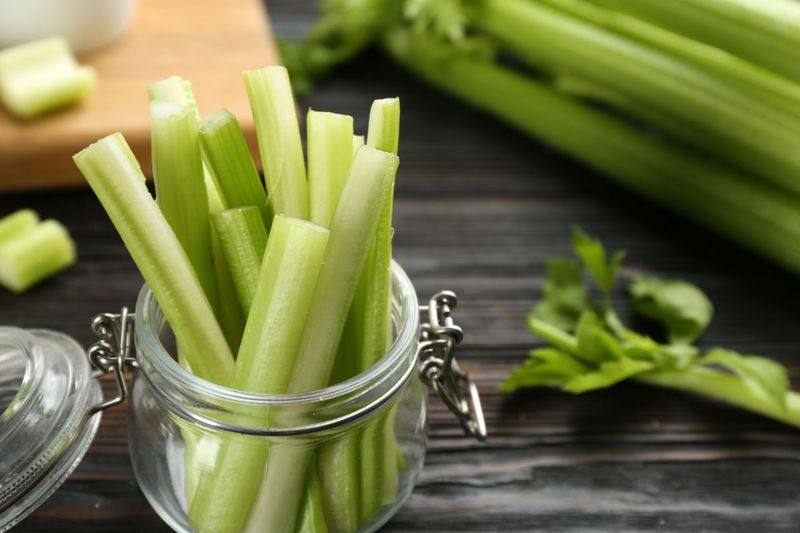
Celery, with its crisp texture, becomes even more refreshing when fermented. Its mild flavor absorbs spices well, making it perfect for flavorful pickles or additions to salads.
Packed with antioxidants and vitamin K, fermented celery is both delicious and nutritious. It grows best in cool weather with plenty of moisture. Regular watering ensures crisp, juicy stalks, ideal for snacking or fermenting. Celery has been beloved since ancient Roman times, valued for both taste and health benefits. Explore its historical allure in your next fermenting venture.
15. Brussels Sprouts
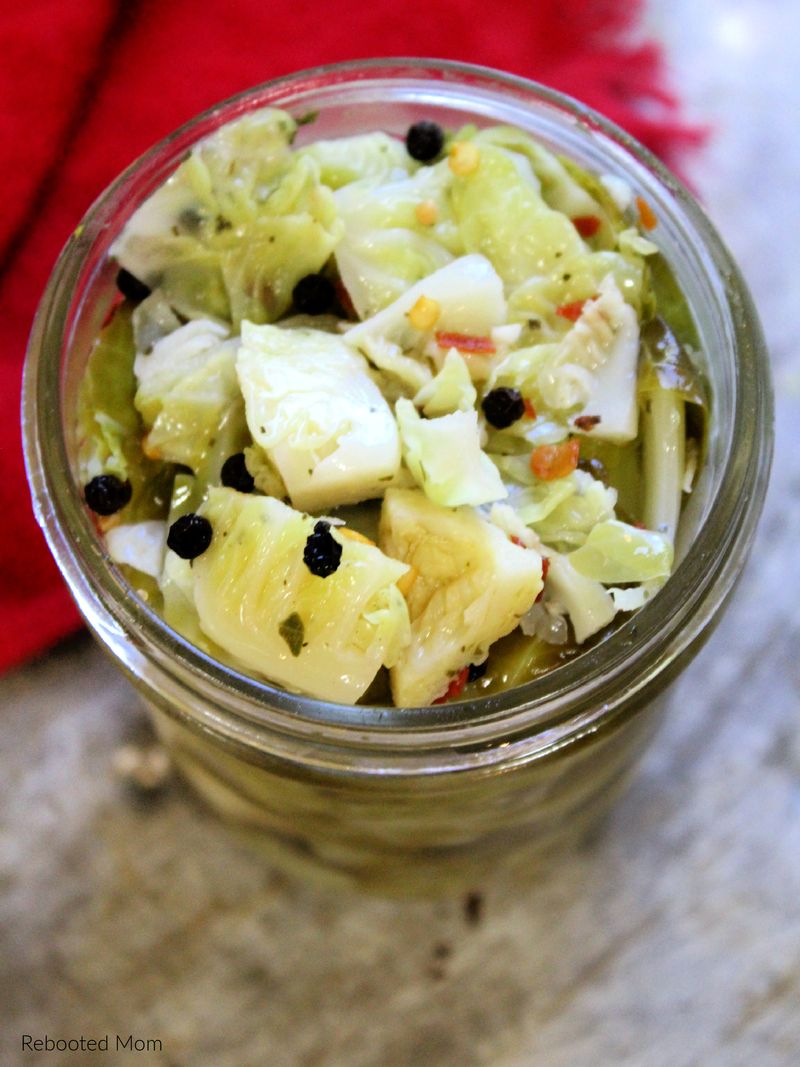
Brussels sprouts, known for their nutty flavor, gain a delightful tanginess when fermented. Slice them thin and toss them into salads or roast them for a savory treat.
High in vitamins C and K, these small vegetables pack a nutritional punch. Brussels sprouts thrive in cooler weather, making them ideal for fall planting. Harvest them when they’re firm and bright green for the best flavor and texture, perfect for fermenting. Their compact size and robust flavor make them a favorite among fermentation enthusiasts.
16. Leeks
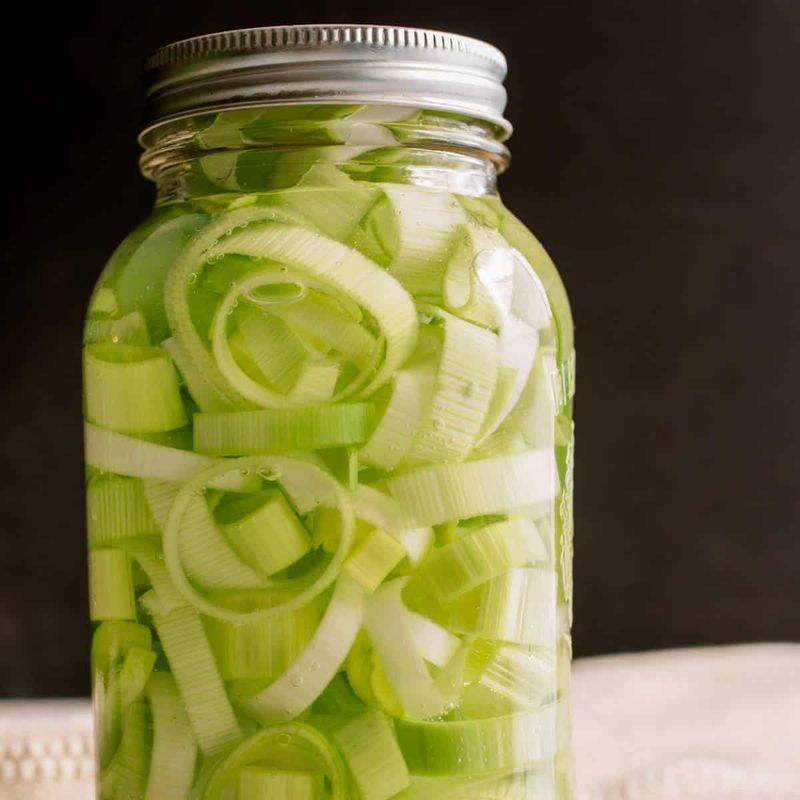
Leeks, with their subtle onion flavor, become a sweet and savory delicacy when fermented. Use them as a garnish or blend them into soups for added depth.
These vegetables are rich in vitamins A and K, enhancing the nutritional profile of any dish. Leeks prefer well-drained soil and need regular watering. Did you know? Leeks have been a staple in Welsh cooking for centuries, symbolizing resilience and cultural pride. Experience their historical significance and unique flavor through fermentation.