 Complete Gardening
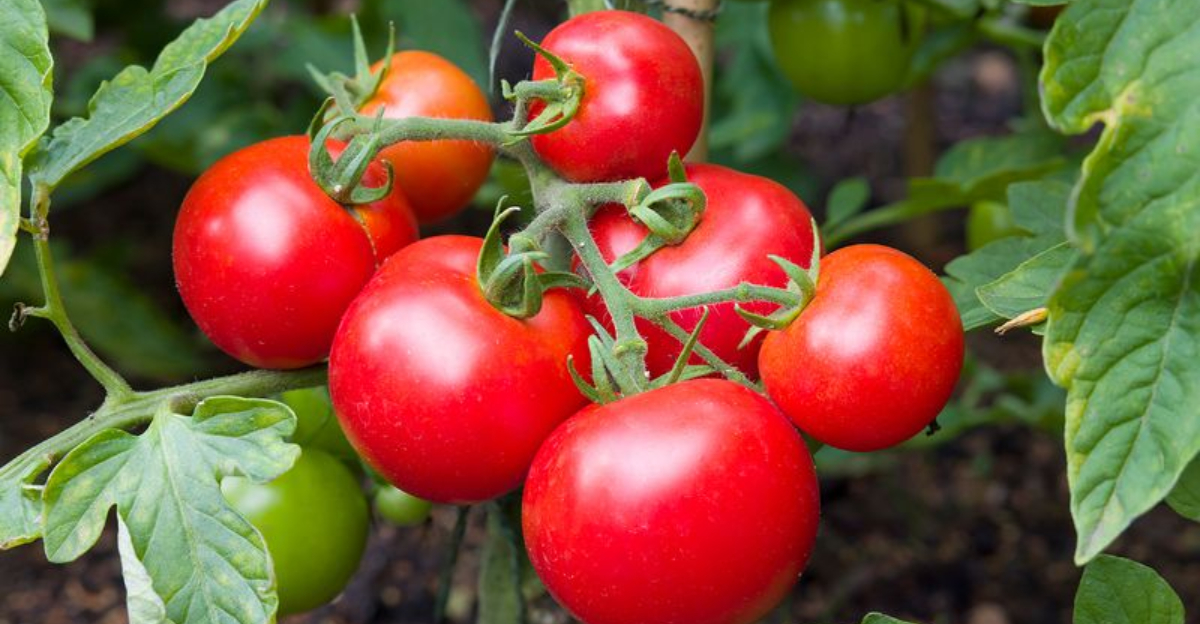
Discover a selection of vegetables you can easily cultivate in your garden to support heart health. These vegetables are not only nutritious but come with unique flavors and benefits that contribute to a healthy lifestyle. From leafy greens to vibrant roots, each vegetable offers specific advantages, making them perfect additions to your diet.
1. Spinach
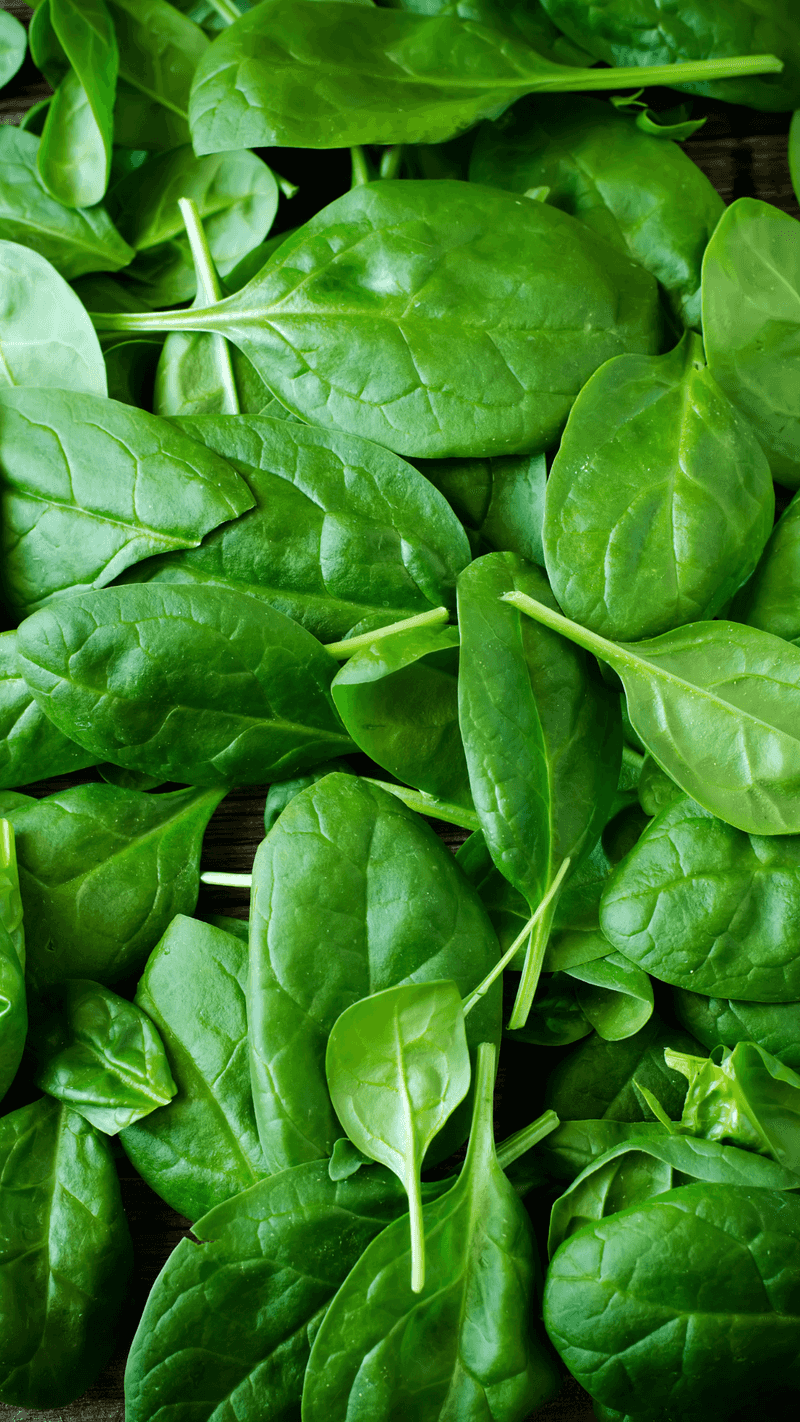
Spinach reigns supreme in the world of leafy greens. This versatile vegetable is renowned for its ability to support heart health due to its high levels of nitrates. These compounds help in lowering blood pressure and enhancing arterial function.
What sets spinach apart is its delicate, tender leaves that blend seamlessly into a variety of dishes. Whether tossed in a salad or blended into a smoothie, spinach is a heart-friendly choice.
Additionally, spinach is rich in vitamin K, magnesium, and folate, essential nutrients that contribute to overall cardiovascular well-being.
2. Kale
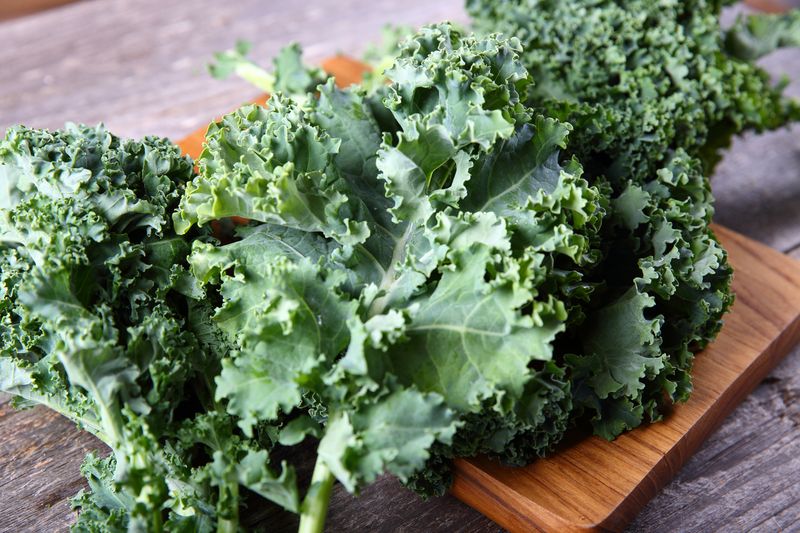
Kale, with its curly green leaves, is a powerhouse of nutrients vital for heart health. It is loaded with antioxidants, including quercetin and kaempferol, which are known for their heart-protective properties.
This hardy vegetable thrives in various climates, making it an ideal choice for home gardens. Its slightly bitter taste adds a unique flavor to salads and sautés.
Kale is also an excellent source of vitamins C and K, fiber, and omega-3 fatty acids, which help reduce cholesterol levels and support a healthy heart.
3. Broccoli
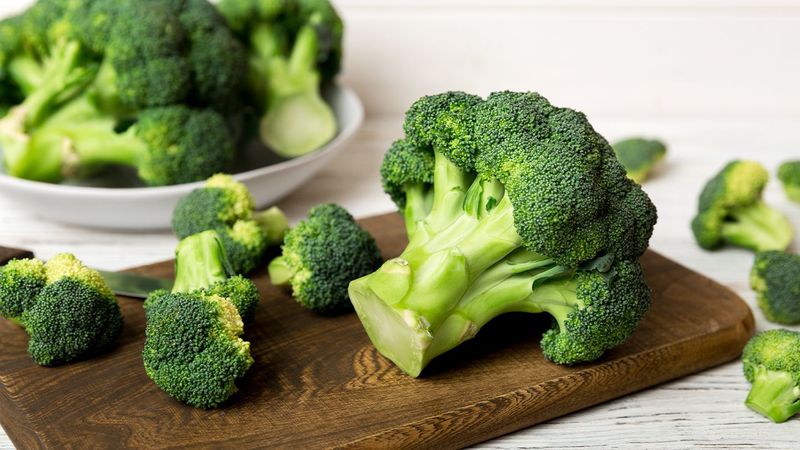
Broccoli, often dubbed the ‘cruciferous king,’ boasts a myriad of heart health benefits. Rich in sulforaphane, a compound that helps reduce inflammation and oxidative stress, it plays a crucial role in heart disease prevention.
This vegetable’s crisp texture and slightly earthy flavor make it a favorite among many. Whether steamed or roasted, broccoli adds a nutritious punch to meals.
Broccoli is also high in fiber, vitamin C, and potassium, all of which are essential for maintaining healthy blood pressure and cholesterol levels.
4. Carrots

Carrots, with their striking orange hue, are not just good for your eyes but also your heart. They are rich in beta-carotene, which the body converts into vitamin A, aiding in maintaining good heart health.
These crunchy roots can be enjoyed raw, cooked, or juiced, providing flexibility in culinary uses. Their natural sweetness adds a delightful flavor to various dishes.
Moreover, carrots are an excellent source of fiber and potassium, both of which help in maintaining healthy blood pressure levels, contributing to cardiovascular wellness.
5. Beets
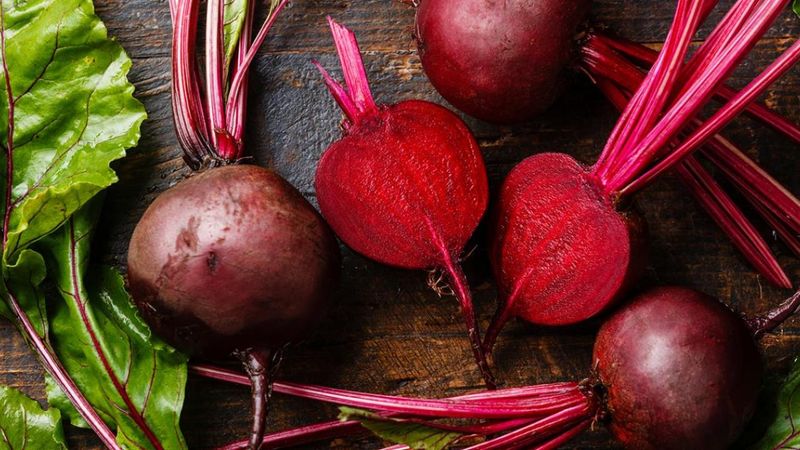
Beets, with their deep red color, are a visual and nutritional delight. Known for their high nitrate content, beets help in reducing blood pressure, thus supporting heart health.
Their earthy sweetness makes them a versatile ingredient in salads, soups, and juices. Beets can be roasted, boiled, or even pickled for a tangy treat.
Rich in folate and fiber, these root vegetables also promote healthy blood vessels and improve blood flow, making them an excellent addition to a heart-conscious diet.
6. Tomatoes
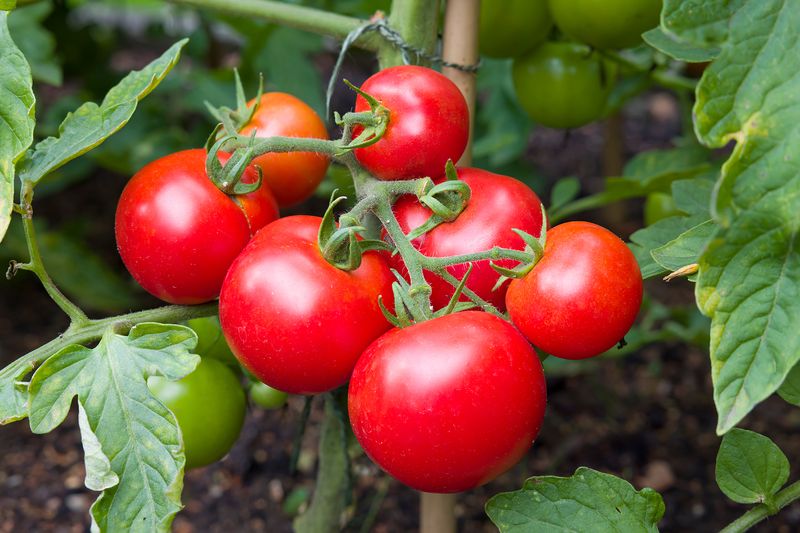
Tomatoes, with their juicy, red appeal, are a staple in heart-healthy diets. They are rich in lycopene, a powerful antioxidant that helps reduce the risk of heart disease by lowering LDL cholesterol levels.
These fruits, often mistaken for vegetables, can be used in a variety of dishes, from sauces to salads, adding vibrant color and flavor.
In addition to lycopene, tomatoes provide vitamins C and K, potassium, and folate, all of which support heart health and overall well-being.
7. Garlic

Garlic, known for its pungent aroma and flavor, is a small but mighty ally for heart health. It contains allicin, a compound known to lower blood pressure and cholesterol levels.
This humble bulb is a versatile ingredient in many cuisines around the world, enhancing the taste of countless dishes. It can be eaten raw, roasted, or sautéed.
Beyond its culinary uses, garlic’s health benefits are well-documented, making it a staple in heart-conscious diets. It also offers antioxidant and anti-inflammatory properties, further supporting cardiovascular wellness.
8. Sweet Potatoes
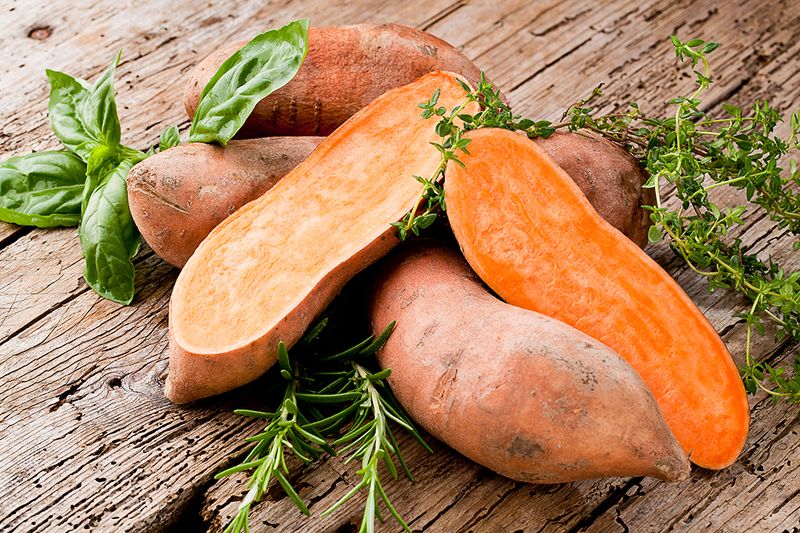
Sweet potatoes, with their vibrant orange flesh, are not only delicious but also heart-healthy. Rich in fiber and potassium, they help in maintaining healthy blood pressure levels.
Their natural sweetness makes them a versatile ingredient in both savory and sweet dishes. From baked fries to creamy soups, sweet potatoes add a nutritious touch.
Additionally, they are packed with vitamins A, C, and B6, which support overall heart function and health. Sweet potatoes are a comforting and wholesome addition to any diet.
9. Peppers

Peppers, in their array of colors, are a vibrant addition to any garden. They are rich in vitamins C and A, both of which are essential for heart health and immune function.
With a range of heat levels, from sweet to fiery, peppers can be used to add flavor and spice to many dishes. They can be eaten raw, grilled, or stuffed.
In addition to their vitamin content, peppers provide capsaicin, a compound known to improve blood circulation and reduce cholesterol levels, supporting overall cardiovascular health.
10. Brussels Sprouts

Brussels sprouts, often misunderstood, are a cruciferous vegetable packed with heart-boosting nutrients. They contain high levels of fiber and antioxidants, which help reduce inflammation and promote heart health.
These miniature cabbages can be roasted, steamed, or sautéed, offering a nutty and savory flavor. They make a delicious side dish or main course.
Rich in vitamins C and K, as well as folate, Brussels sprouts support healthy blood vessels and improve circulation, making them a valuable addition to a heart-conscious diet.
11. Cauliflower
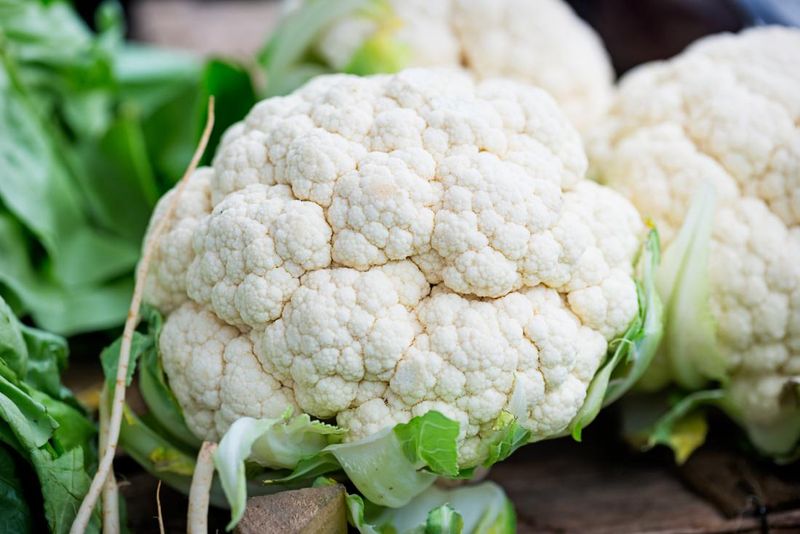
Cauliflower, with its creamy white florets, is a versatile vegetable that supports heart health. It is high in fiber, which helps in reducing cholesterol levels and maintaining healthy blood pressure.
This cruciferous vegetable can be roasted, mashed, or even transformed into a low-carb rice alternative, offering numerous culinary possibilities.
In addition to fiber, cauliflower is rich in vitamins C and K, as well as folate, all of which contribute to cardiovascular wellness and overall health.
12. Swiss Chard
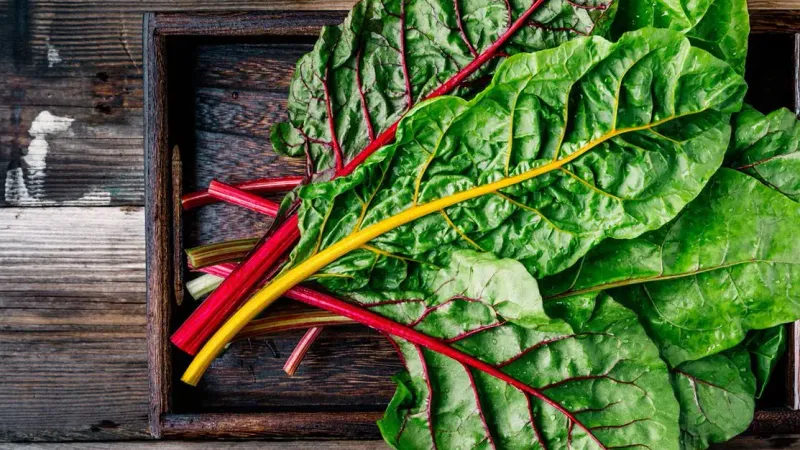
Swiss chard, with its vibrant stems and lush leaves, offers a unique blend of nutrients beneficial for heart health. It is rich in nitrates, which help in lowering blood pressure and improving blood flow.
This leafy green is versatile in the kitchen, whether sautéed, added to soups, or used as a wrap for various fillings.
Swiss chard is also high in vitamins A and K, magnesium, and potassium, all of which support healthy heart function and contribute to overall well-being.
13. Cabbage
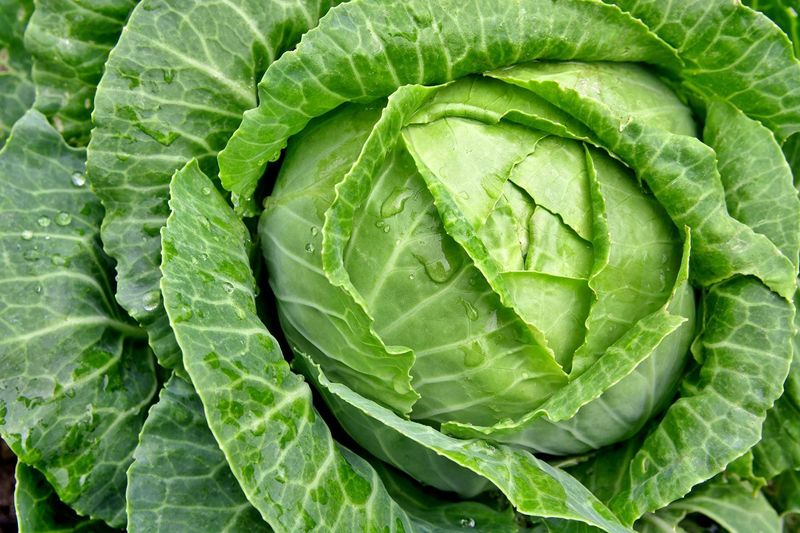
Cabbage, with its layered leaves, is a staple in many cultures and a boon for heart health. It is rich in fiber, which aids in lowering cholesterol and maintaining healthy blood pressure.
This versatile vegetable can be eaten raw, fermented into sauerkraut, or cooked in stews and stir-fries, offering a variety of options.
In addition to its fiber content, cabbage provides vitamins C and K, as well as folate, all of which are essential for cardiovascular health and overall wellness.
14. Radishes
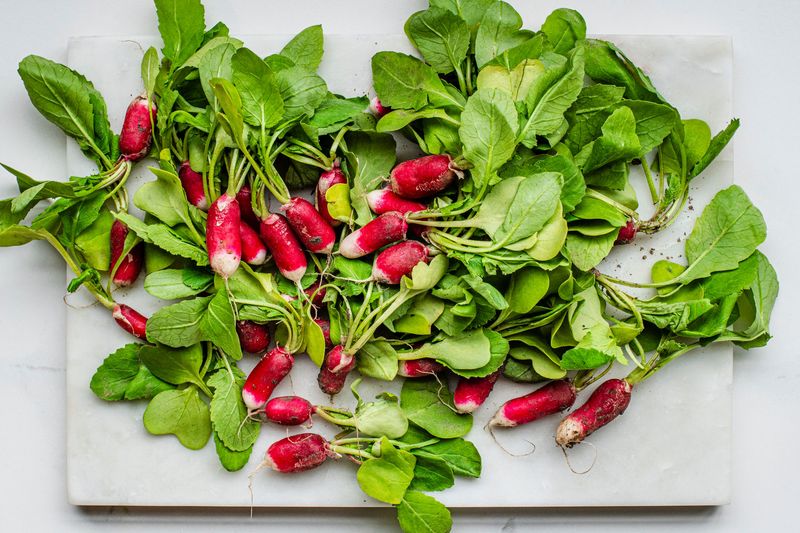
Radishes, with their peppery flavor and crunchy texture, are a delightful addition to heart-healthy meals. They are low in calories and high in fiber, making them excellent for weight management.
These root vegetables can be sliced into salads, roasted, or pickled for a tangy side dish. Their vibrant color and crispness add visual and textural appeal to dishes.
Radishes are also rich in vitamin C and potassium, both of which support cardiovascular function and overall health, making them a smart choice for heart-conscious diets.
15. Eggplant
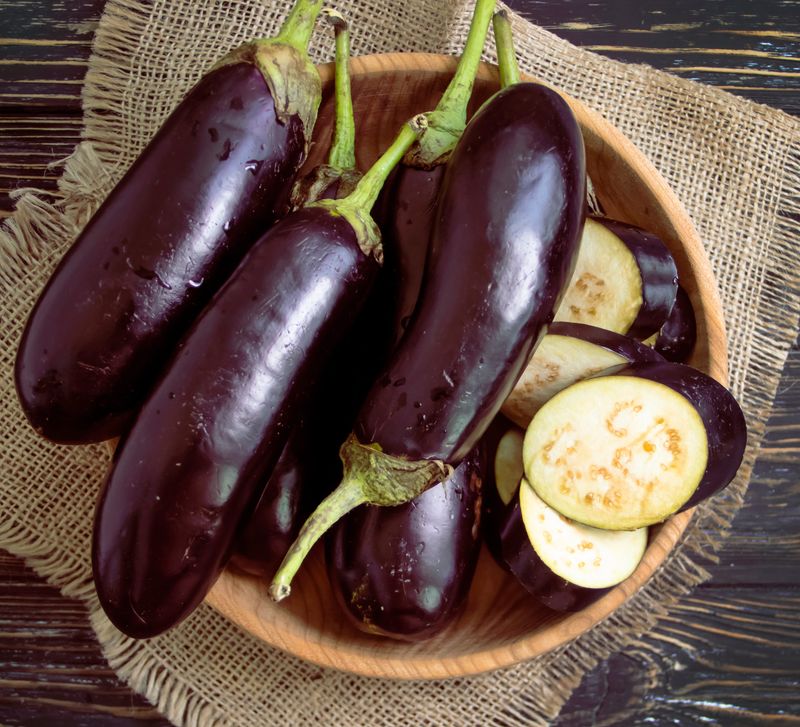
Eggplant, with its deep purple skin and mild flavor, is a versatile vegetable beneficial for heart health. It is high in fiber and antioxidants, which help reduce cholesterol levels and improve heart function.
This vegetable can be grilled, roasted, or used in a variety of dishes, such as ratatouille or baba ghanoush, offering culinary diversity.
In addition to its fiber content, eggplant provides vitamins B1, B6, and potassium, all of which contribute to cardiovascular wellness and overall health.
16. Zucchini
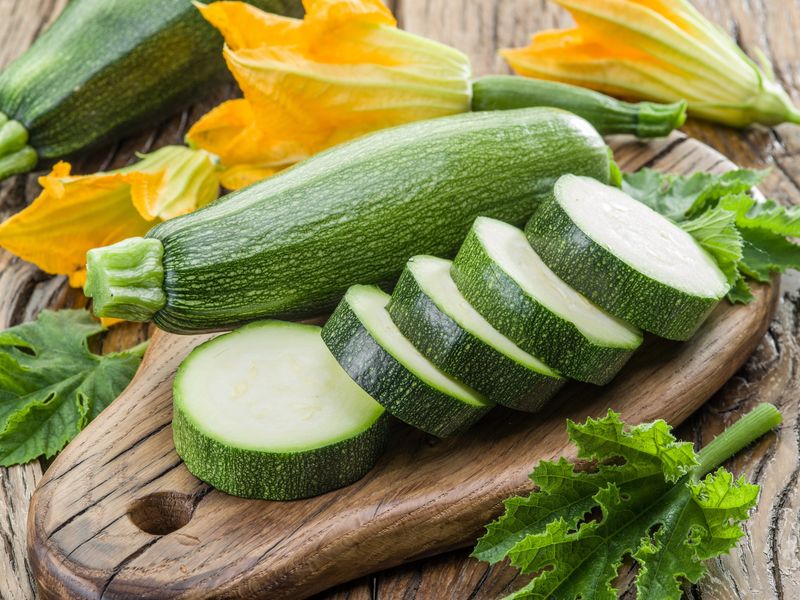
Zucchini, with its tender texture and mild flavor, is a summer staple that supports heart health. It is low in calories and high in fiber, which aids in weight management and cholesterol reduction.
This versatile vegetable can be grilled, sautéed, or spiralized into noodles, offering a variety of culinary applications.
Zucchini is also rich in vitamins C and B6, as well as manganese, all of which play a role in maintaining healthy heart function and overall well-being.