
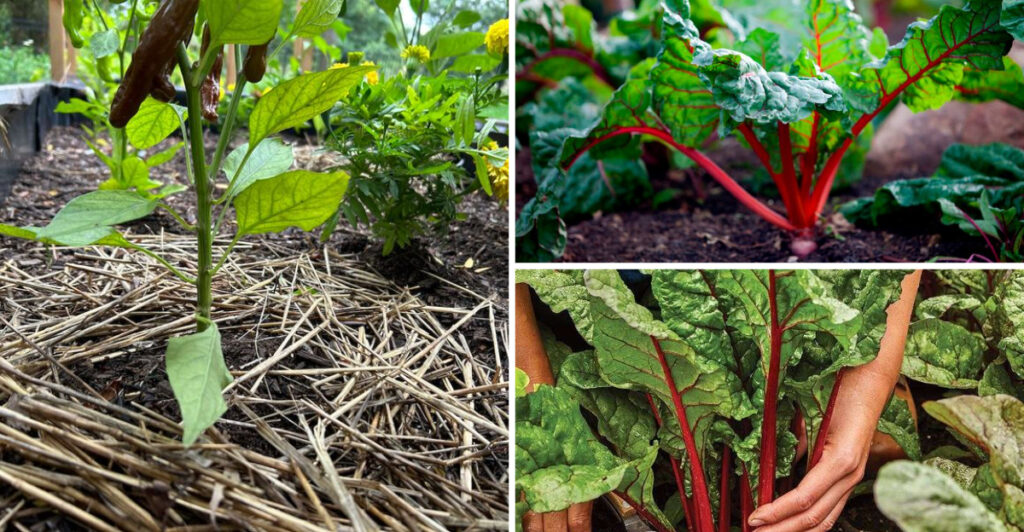
Growing giant chard in your garden not only enhances the beauty of your backyard but also provides a nutritious and versatile ingredient for your culinary endeavors. This blog post explores 20 essential tips to help you cultivate chard that reaches impressive sizes. From selecting the right seeds to optimizing soil conditions, these strategies will guide you in achieving lush and robust chard plants. Dive into the detailed sections below to discover the secrets behind growing chard that stands out both in size and taste.
1. Select the Right Seeds
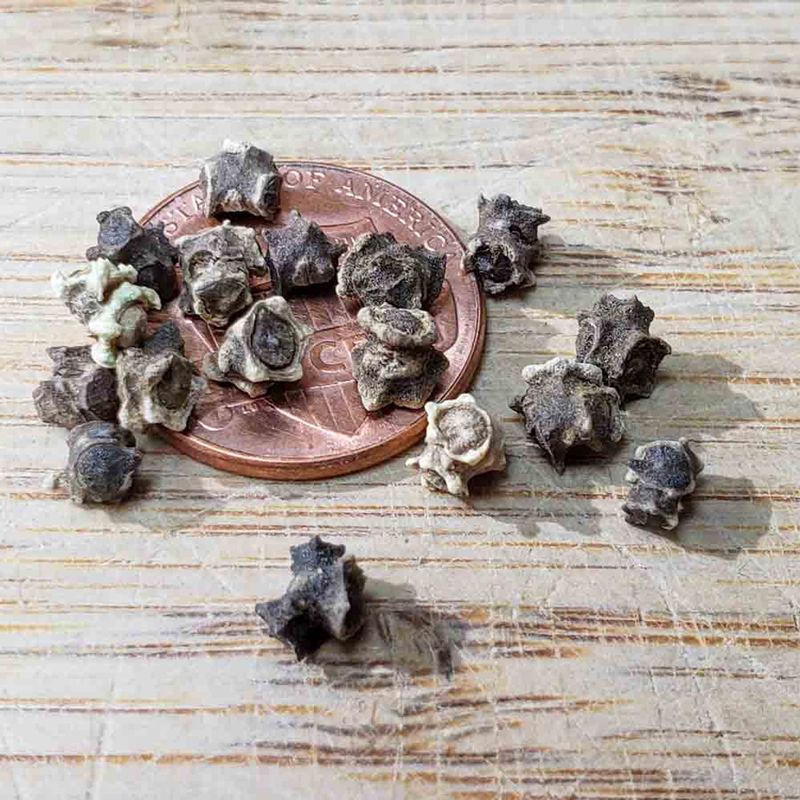
Choosing the right seeds is crucial for growing giant chard. Opt for seeds known for producing large leaves and robust plants. Varieties like ‘Fordhook Giant’ or ‘Lucullus’ are renowned for their impressive size. Pay attention to seed packets for specific growth characteristics. Selecting the right seeds sets the foundation for successful chard cultivation. It’s a small step with significant impact, ensuring that your plants have the genetic potential to thrive. Be mindful of expiration dates and source them from reputable suppliers, as freshness can influence germination rates.
2. Prepare Rich Soil
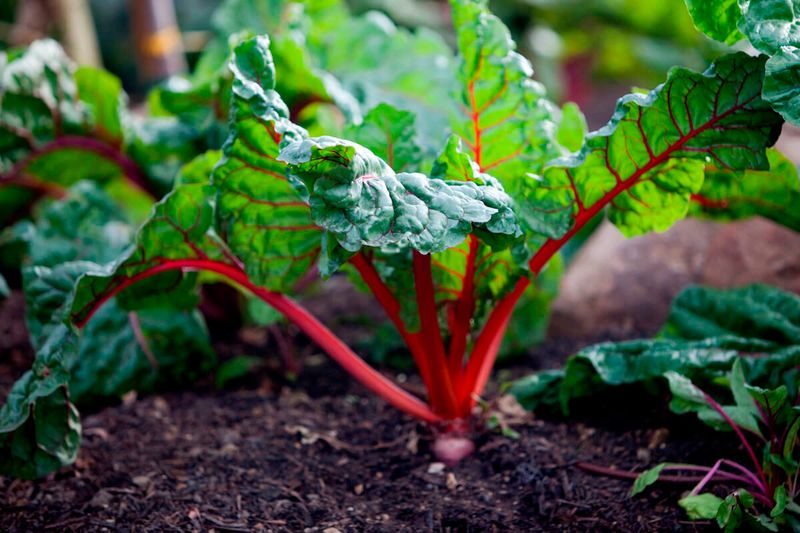
Rich soil is the bedrock of healthy, giant chard plants. Amend your garden with compost or well-rotted manure to enhance fertility. Chard thrives in nutrient-rich environments, so ensure your soil has a good balance of essential nutrients. Incorporate organic matter to boost water retention and drainage, key factors in supporting large plant growth. Consider a soil test to identify any deficiencies and adjust accordingly. The effort put into preparing the soil will reflect in the vigor and size of your chard plants, making this a vital step in your gardening journey.
3. Optimal Planting Time
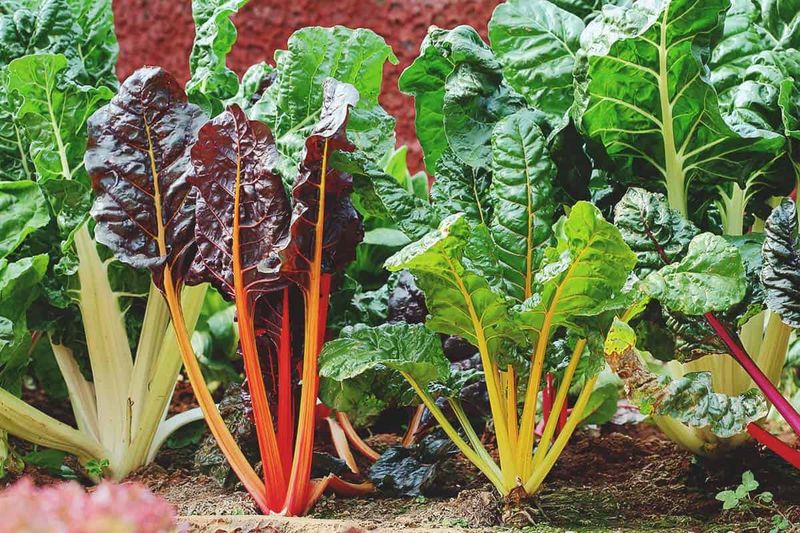
Timing is everything when planting chard. Aim for early spring or late summer when temperatures are cooler. Chard prefers cool weather and can bolt in extreme heat. Planting at the right time ensures steady growth and prevents premature flowering. Monitor local climate conditions to choose the perfect planting window. The ideal time varies by region, so consult local gardening guides for specifics. Remember, planting chard at the optimal time can make a noticeable difference in its size and quality, setting you up for a successful harvest.
4. Proper Spacing for Growth
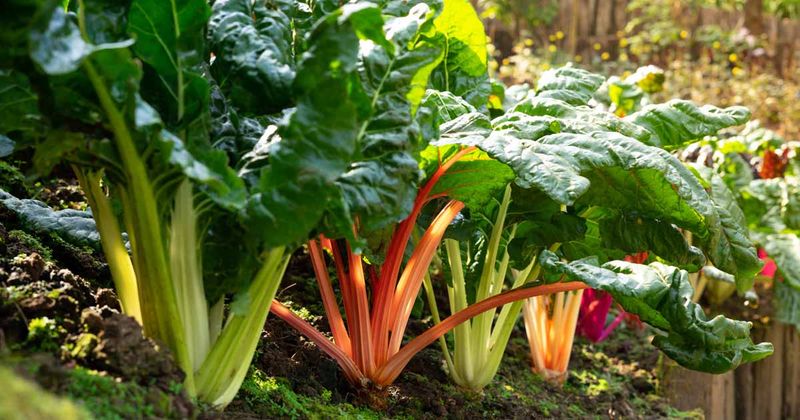
Adequate spacing is critical for chard to reach its full potential. Space plants 12 to 18 inches apart to allow ample room for leaf expansion and root development. Crowded plants compete for nutrients and light, stunting growth. Proper spacing also improves air circulation, reducing disease risk and encouraging robust foliage. When planting, visualize the mature size of your chard and plan accordingly. Adequate spacing can transform your garden, allowing each plant to flourish, showcasing its full size and beauty. This thoughtful approach promotes healthy, giant chard plants.
5. Consistent Watering Schedule
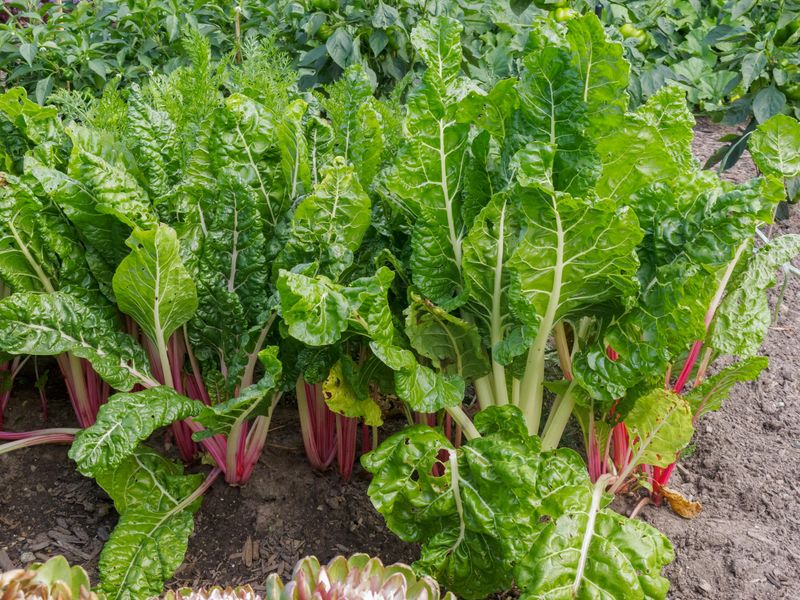
Water consistency is key for growing lush chard. Provide 1 to 1.5 inches of water per week, depending on weather conditions. A regular watering schedule supports steady growth and prevents stress. Overhead watering can lead to fungal issues, so opt for drip irrigation or water at the base of plants. Moisture balance is crucial; too much or too little can hinder plant development. Adjust watering based on rainfall and soil moisture levels. Consistent hydration will help your chard achieve impressive sizes, making it a garden standout.
6. Implement Mulching Techniques
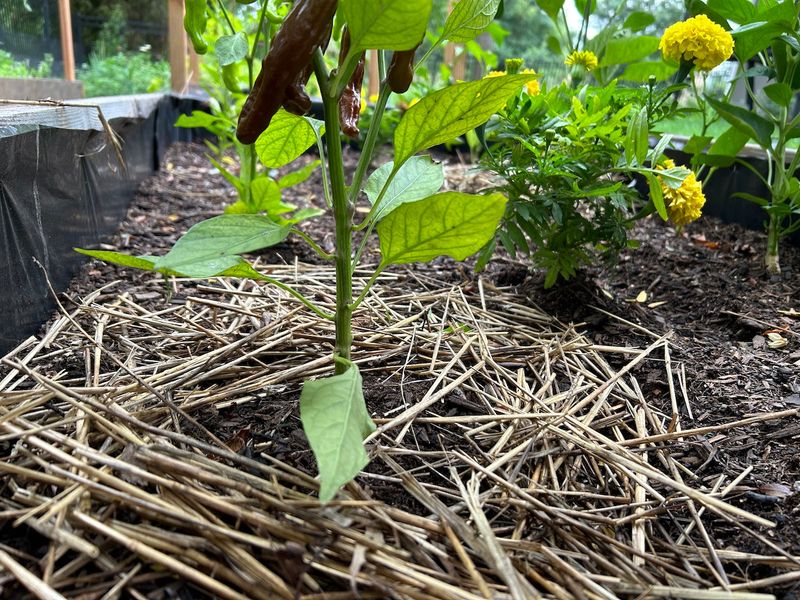
Mulching is a gardener’s friend, especially for growing giant chard. Apply a 2-inch layer of organic mulch like straw or shredded leaves around plants. Mulch retains soil moisture, suppresses weeds, and stabilizes temperature. This creates an optimal environment for chard growth, minimizing competition and stress. Choose mulch that complements your garden aesthetic while providing these practical benefits. Over time, mulch breaks down, adding nutrients to the soil. This simple step can make a significant difference in the health and size of your chard, supporting lush, expansive growth.
7. Fertilize for Maximum Growth
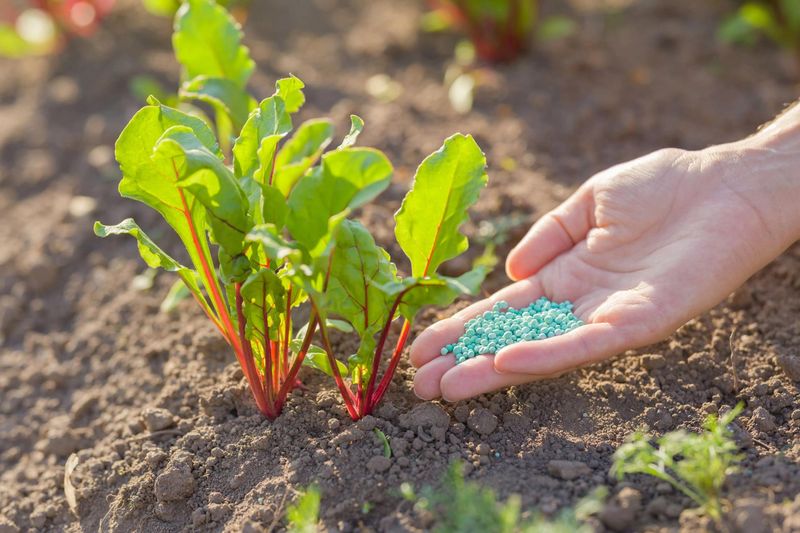
To achieve maximum growth in chard, fertilization is key. Use a balanced fertilizer high in nitrogen to promote leafy growth. Apply it during planting and continue every 3-4 weeks throughout the growing season. Fertilization provides essential nutrients that support robust plant development. Choose slow-release formulas for consistent nutrient availability, avoiding over-fertilization. Carefully follow application instructions to prevent nutrient burn. A strategic fertilization plan enhances plant vigor, resulting in giant chard leaves that stand out. This nutrient boost is pivotal in achieving the bountiful harvest you envision.
8. Control Pests Naturally
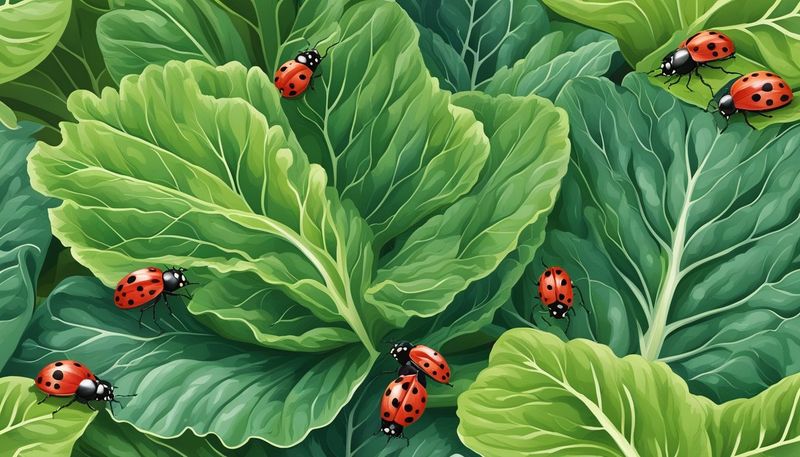
Pest control is a crucial aspect of growing healthy chard. Employ natural methods like introducing beneficial insects such as ladybugs to manage aphids. Use neem oil or insecticidal soap for organic pest control. Regularly inspect plants for signs of infestation to act swiftly. Companion planting with herbs like basil can deter pests naturally. By avoiding chemical pesticides, you protect beneficial insects and maintain garden biodiversity. This eco-friendly approach not only safeguards your chard but also promotes a healthy garden ecosystem, encouraging vigorous plant growth.
9. Regularly Harvest Outer Leaves
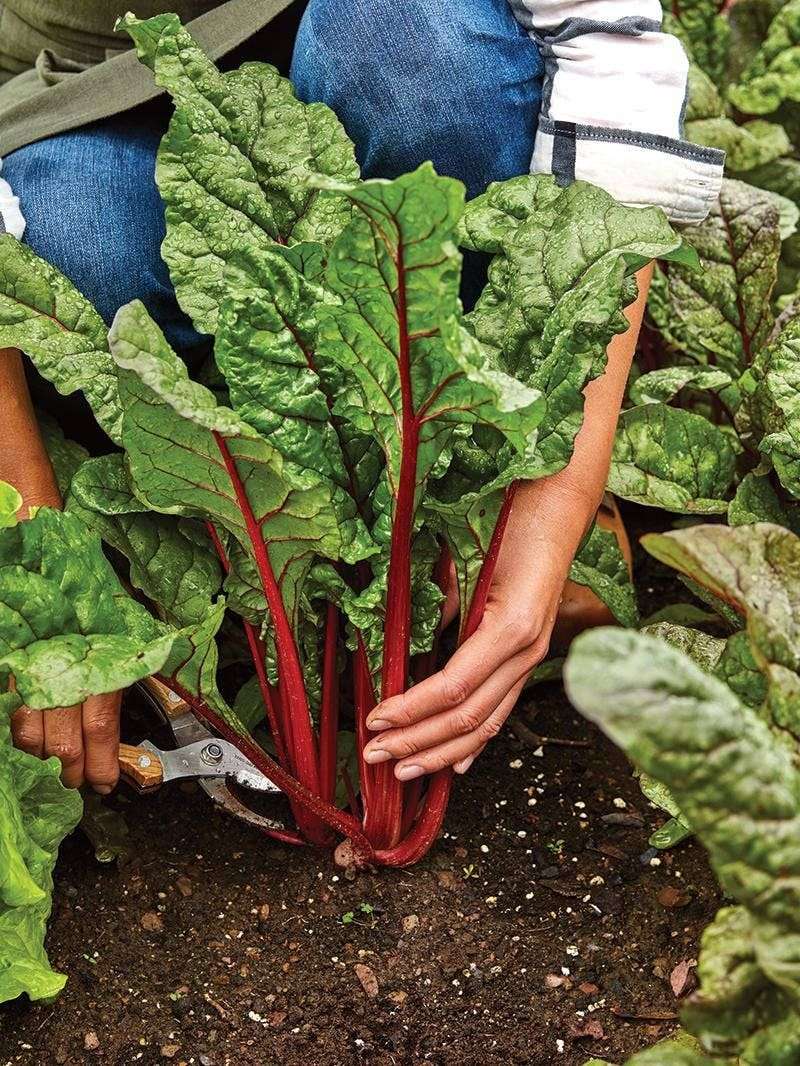
Regular harvests encourage continuous growth. Pick outer leaves first, allowing inner leaves to develop. This method stimulates plant production, encouraging larger chard over time. Harvest leaves when they reach 6-8 inches for tenderness. Frequent picking also prevents bolting, prolonging plant life. Use sharp tools to avoid damaging the plant base. Consistent harvesting not only provides fresh greens for the kitchen but also helps maintain plant vitality. By practicing regular harvesting, chard remains productive and healthy, showcasing its full growth potential in your garden.
10. Ensure Adequate Sunlight
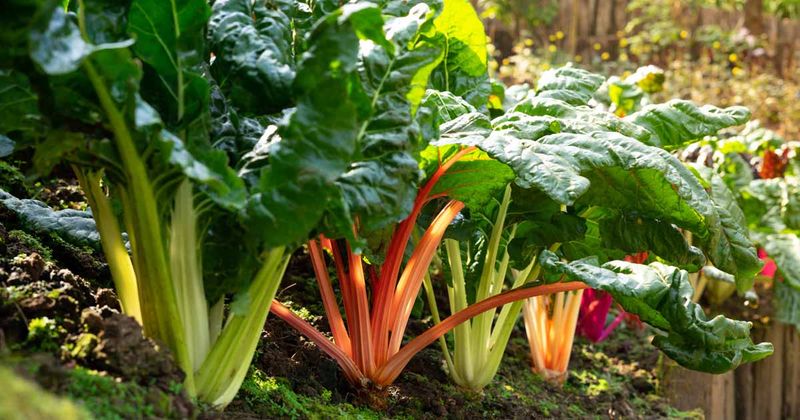
Sunlight is vital for chard growth. Ensure plants receive 6-8 hours of direct sunlight daily. Position your garden to maximize exposure, avoiding shaded areas. While chard tolerates partial shade, full sun encourages vigorous leaf growth. Monitor sun patterns in your garden to optimize plant placement. Consider seasonal changes in sunlight when planning your garden layout. Adequate sunlight not only boosts photosynthesis but also enhances chard’s natural colors, resulting in vibrant, large leaves. By prioritizing sunlight, you set your plants on a path to thriving, abundant growth.
11. Rotate Crops Annually
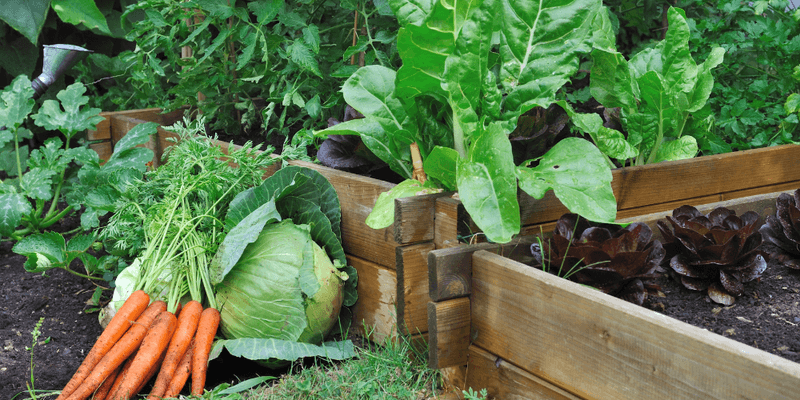
Crop rotation is a proven strategy for healthy plants. Avoid planting chard in the same spot each year to reduce pest and disease buildup. Rotate with plants from different families, like beans or carrots. This practice disrupts pest life cycles and enhances soil health. Crop rotation also prevents nutrient depletion, supporting long-term garden productivity. Plan rotations thoughtfully to maintain garden diversity and balance. By rotating crops, you foster a resilient garden environment, minimizing risks and maximizing chard growth potential. This classic technique is a cornerstone of sustainable gardening.
12. Monitor for Disease
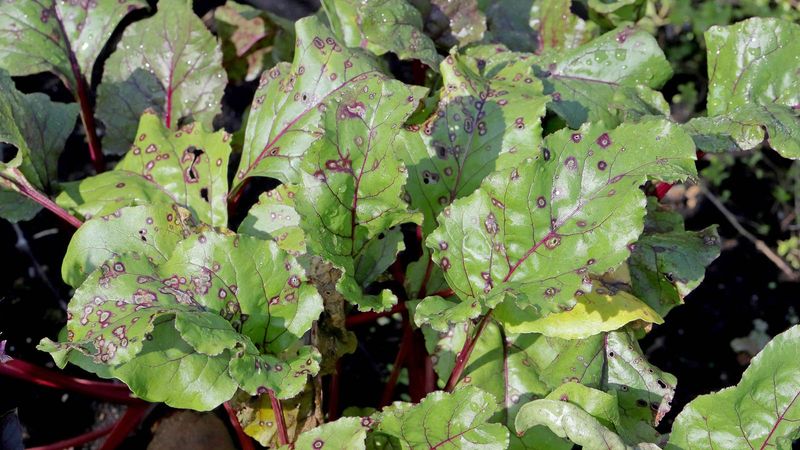
Vigilance is key to preventing disease in chard. Regularly inspect plants for signs of leaf spot, downy mildew, or rust. Early detection allows for immediate action, preventing spread. Remove affected leaves and apply organic fungicides if necessary. Maintaining good air circulation and avoiding overhead watering can reduce disease risk. Choose disease-resistant chard varieties for added protection. By staying alert, you can address issues before they escalate, preserving plant health. A proactive approach to monitoring ensures your chard remains robust, contributing to its giant stature in the garden.
13. Encourage Pollination
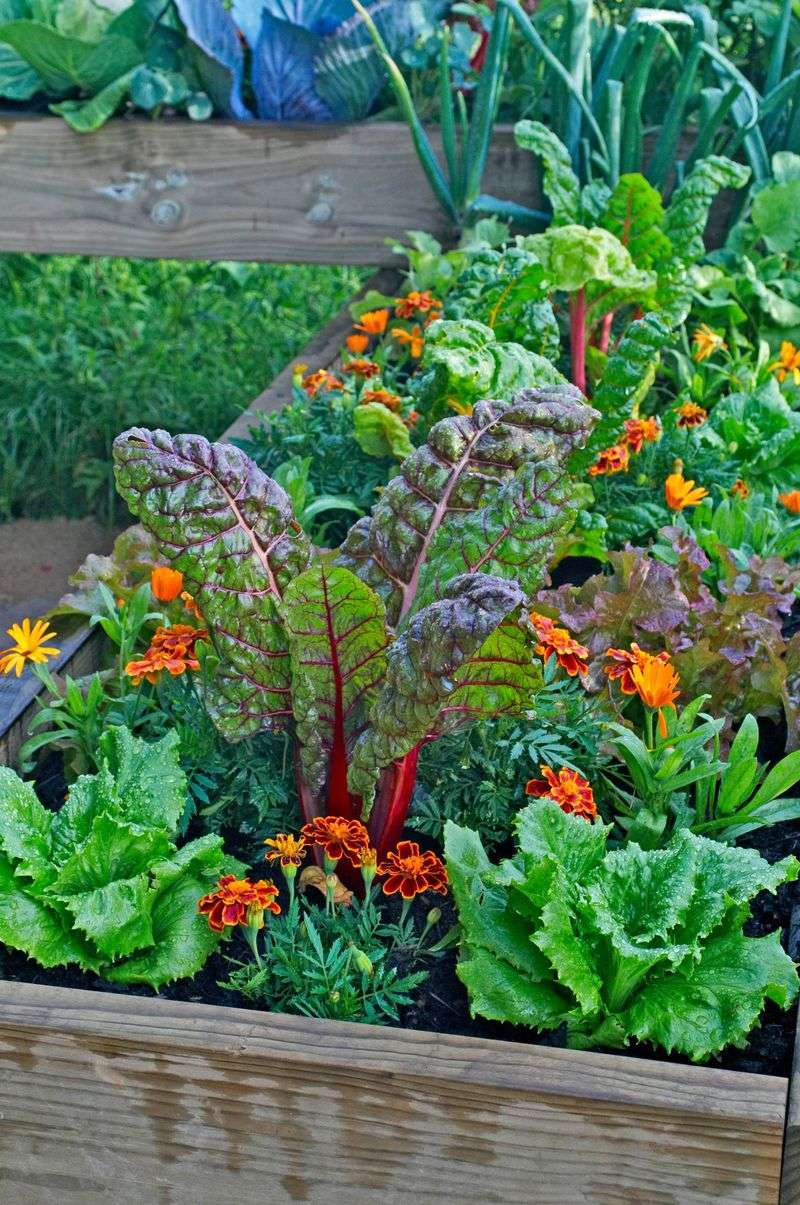
Pollination is essential for seed production and plant vitality. Although chard is wind-pollinated, attracting bees can improve overall garden health. Plant flowers nearby to encourage bee activity, enhancing pollination. This symbiotic relationship boosts chard’s robustness and resilience. Pollination also increases genetic diversity, supporting future crop success. By fostering a pollinator-friendly environment, you not only benefit your chard but also contribute to ecosystem health. This simple yet effective strategy can lead to more vigorous, giant chard plants, enriching your gardening experience.
14. Consider Companion Planting
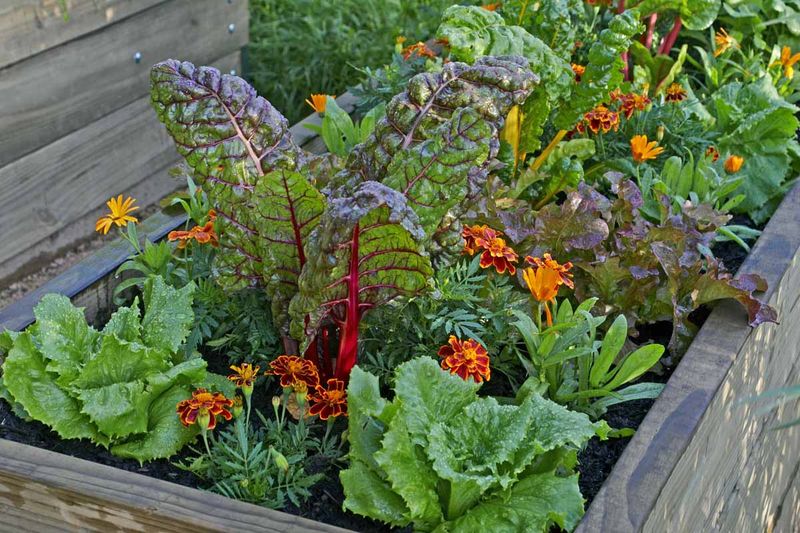
Companion planting is a time-tested method to boost chard growth. Pair chard with plants like onions, which deter pests, or marigolds, which attract beneficial insects. This synergistic relationship enhances plant health and productivity. Companion plants can also improve soil conditions, benefiting chard indirectly. Plan your garden layout to incorporate these helpful neighbors, creating a diverse and balanced ecosystem. By strategically choosing companions, you support your chard’s growth journey, leading to larger, healthier plants. This approach reflects the harmonious interplay found in nature’s own design.
15. Provide Wind Protection
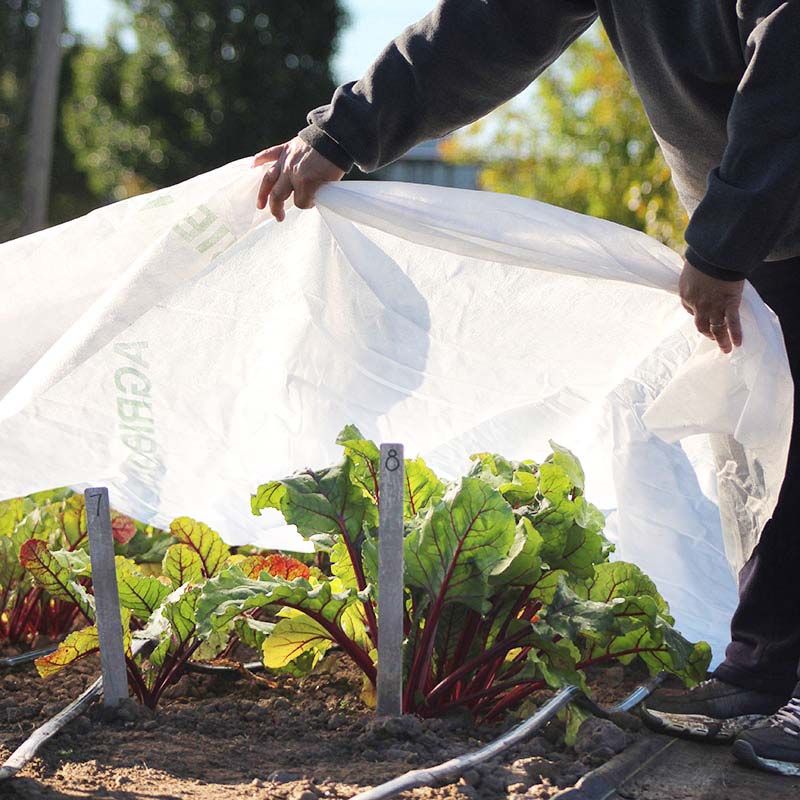
Wind can damage chard, especially when grown to large sizes. Use natural windbreaks like hedges or temporary barriers to protect plants. Wind protection reduces stress and prevents physical damage, encouraging robust growth. Strategically position windbreaks to shield your garden without blocking essential sunlight. Evaluate local wind patterns to design effective protection. This precautionary measure helps maintain the integrity and size of your chard plants, allowing them to thrive in challenging conditions. By mitigating wind impact, you safeguard your garden’s productivity and aesthetic appeal.
16. Adjust pH Levels
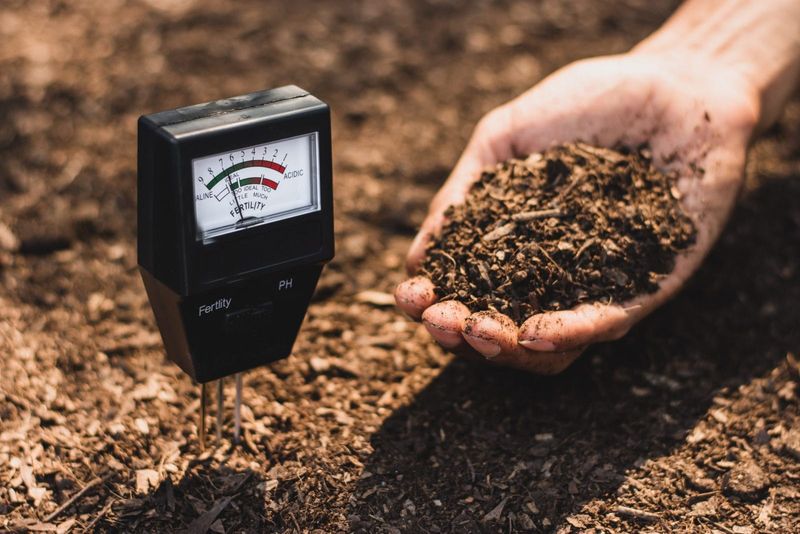
pH balance plays a crucial role in chard health. Aim for a pH level between 6.0 and 7.0 for optimal growth. Use a soil pH meter to test levels and adjust with lime or sulfur as needed. Correct pH ensures nutrient availability, promoting vigorous plant development. Regular testing helps maintain ideal conditions, supporting large leaf production. By monitoring and adjusting pH levels, you create a nurturing environment for your chard. This attention to detail can significantly influence the size and health of your plants, contributing to a successful harvest.
17. Utilize Raised Beds
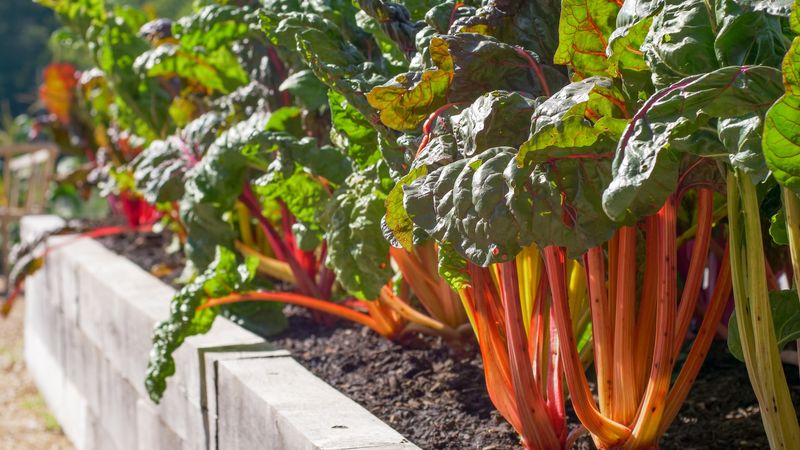
Raised beds offer numerous benefits for growing giant chard. They provide excellent drainage, prevent soil compaction, and allow for precise control over soil quality. Elevated garden beds warm up quicker in spring, extending the growing season. Design your raised beds to accommodate chard’s expansive growth, ensuring ample space between plants. Choose materials like wood or stone for durability and aesthetics. By utilizing raised beds, you enhance the growing conditions for your chard, encouraging larger and healthier plants. This method combines practicality with visual appeal, transforming your garden’s potential.
18. Practice Selective Pruning
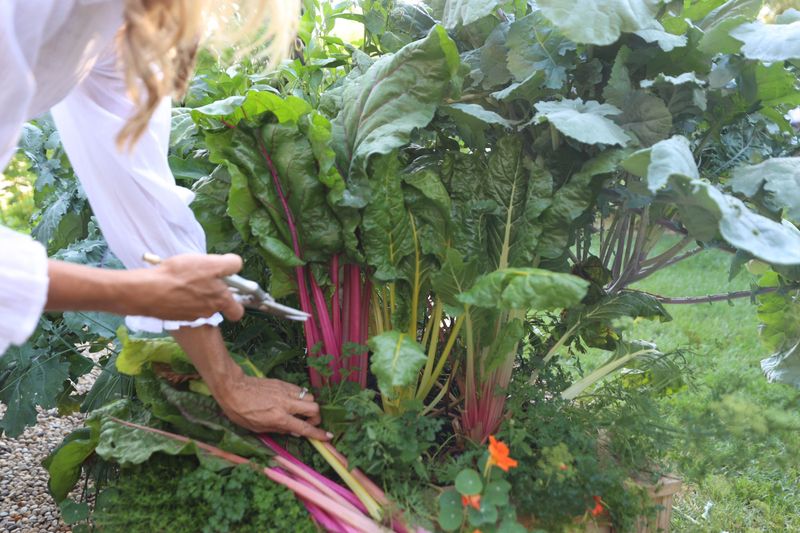
Pruning is a technique that promotes vigorous chard growth. Remove yellow or damaged leaves to redirect energy towards healthy growth. This practice improves air circulation and reduces disease risk. Use sharp tools to make clean cuts, minimizing plant stress. Pruning also encourages the development of new shoots, enhancing plant fullness. Regular pruning sessions keep plants tidy and focused on producing large leaves. By prioritizing selective pruning, you maintain a vibrant and productive chard garden, showcasing the plant’s full potential. This targeted approach is key to achieving giant chard.
19. Incorporate Green Manures
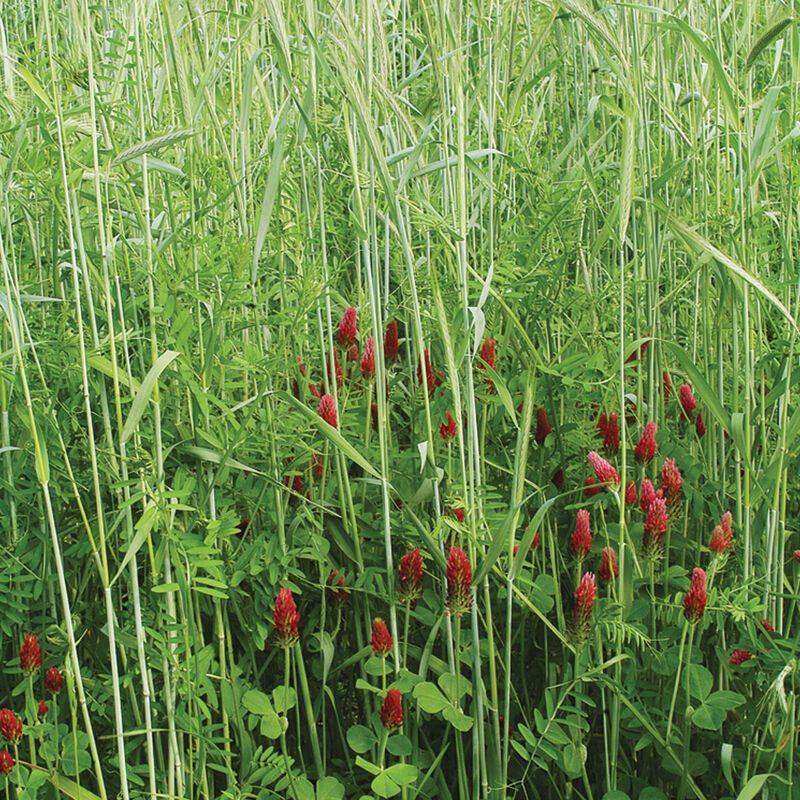
Green manures are a natural way to enrich soil for chard. Grow cover crops like clover or vetch and till them into the soil before planting chard. This process adds organic matter and boosts nutrient levels, creating a fertile environment. Green manures also improve soil structure and promote beneficial microbial activity. Choose cover crops that suit your climate and garden needs. This sustainable practice enhances soil health and supports the growth of large, healthy chard plants. Incorporating green manures into your gardening routine yields long-term benefits for both plants and soil.
20. Track Garden Progress
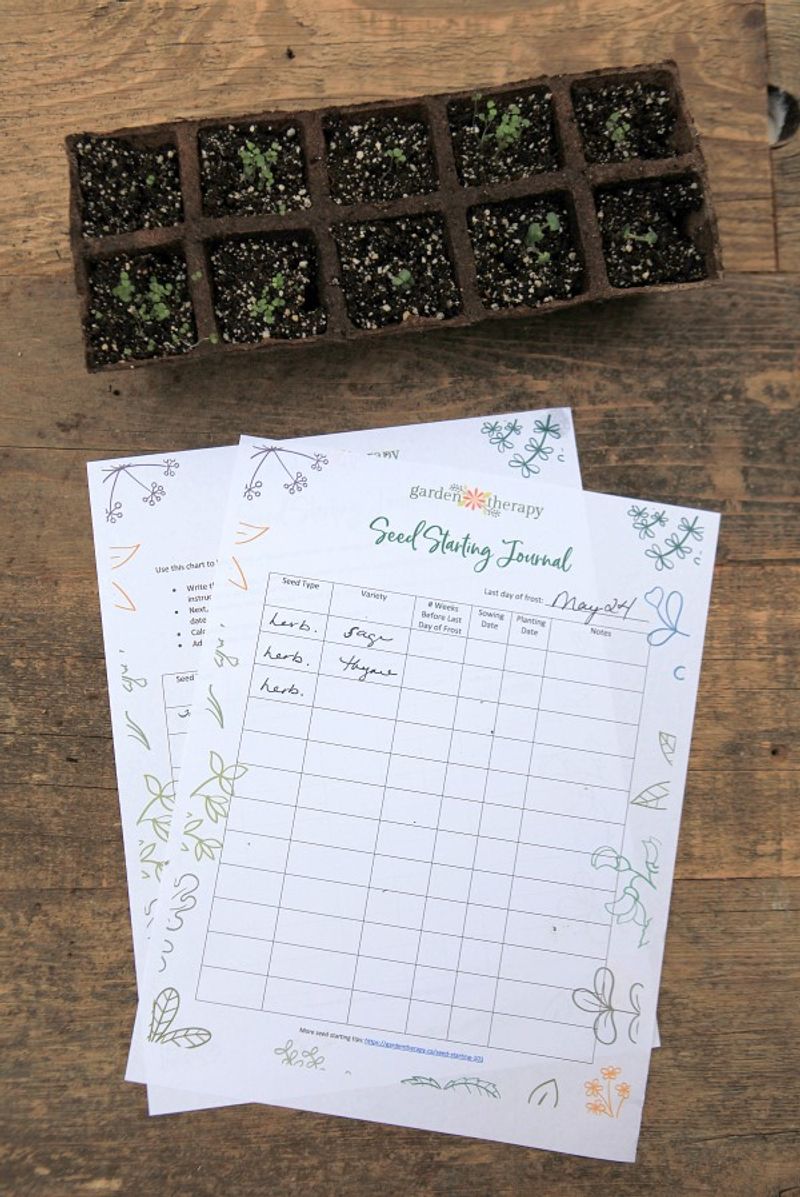
Keeping a garden journal helps track chard progress and identify improvement areas. Document planting dates, growth milestones, and any challenges faced. Regularly update entries with observations and photos. This practice provides valuable insights into your gardening techniques. Analyzing past entries helps refine strategies for future growth success. By maintaining detailed records, you gain a deeper understanding of your garden’s dynamics, leading to more informed decisions. This reflective approach empowers you to cultivate giant chard effectively, enhancing both your gardening skills and the beauty of your garden.