
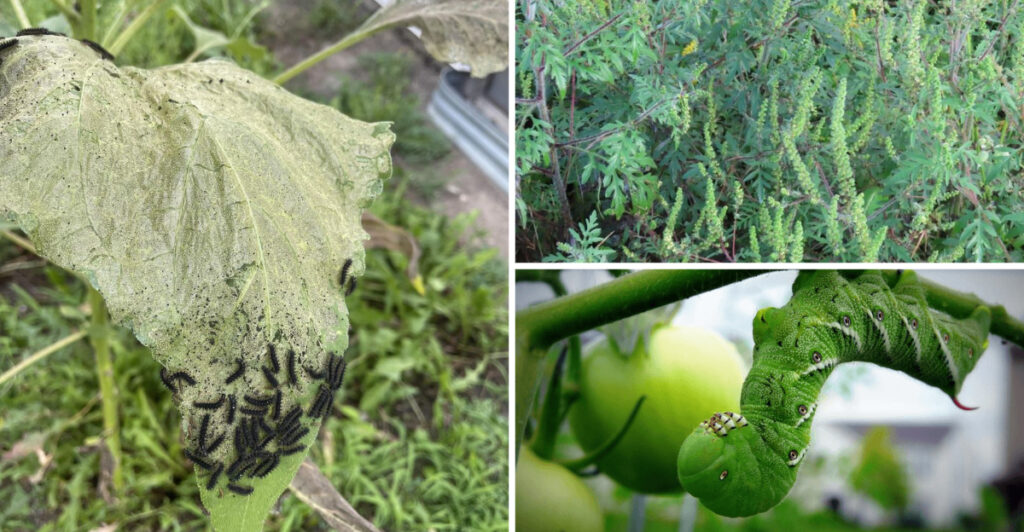
Gardening is both an art and a science, and for those with a love for nurturing plants, the presence of caterpillars can be both a blessing and a curse. These voracious eaters can decimate your garden if the wrong plants are chosen. However, with the right selection, you can enjoy a thriving garden that coexists with these fascinating creatures. Here are the best and worst plants to consider if caterpillars frequent your garden.
Milkweed
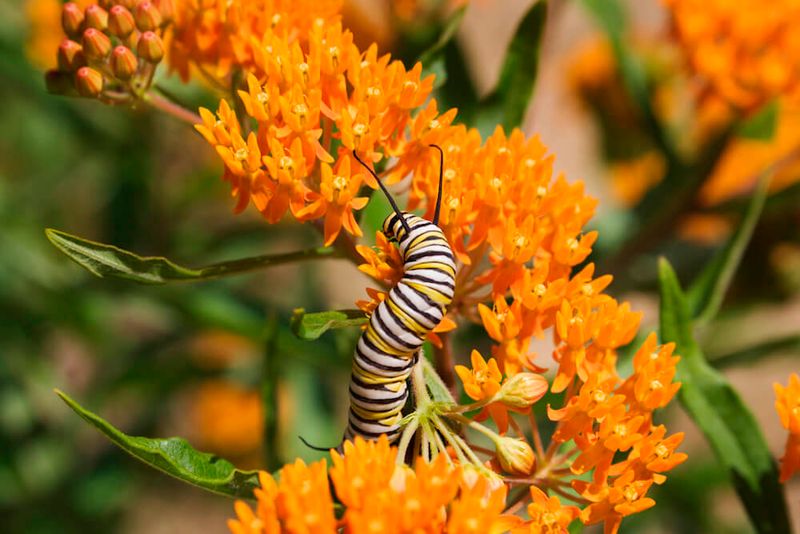
Milkweed is a magnet for monarch caterpillars, providing them not just a meal but a breeding ground. With its vibrant orange and pink flowers, it adds a splash of color to any garden. Milkweed is not only beautiful but also plays a critical role in the lifecycle of monarch butterflies. Planting it can transform your garden into a butterfly haven.
However, be prepared for heavy caterpillar visitation. The leaves might look chewed up, but this sacrifice supports an essential ecological function. Plant milkweed for its ecological benefits and natural charm.
Ragweed
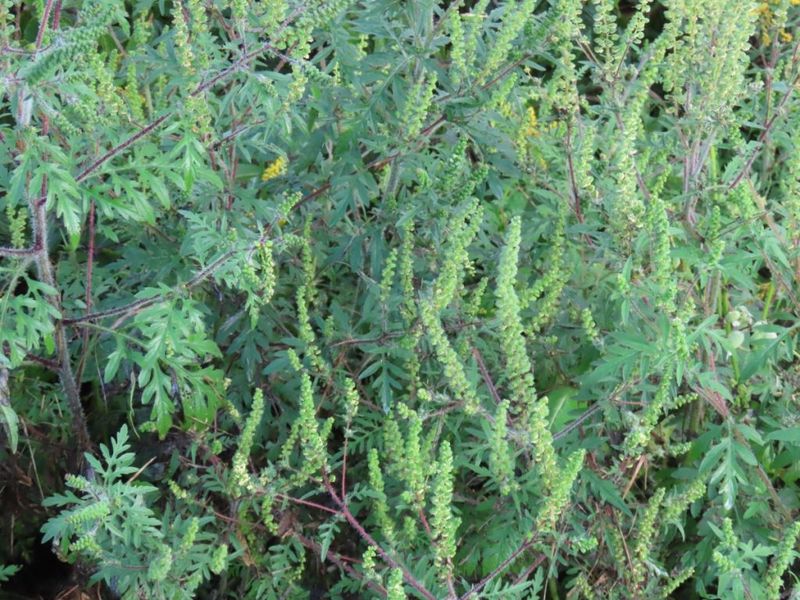
Ragweed is notorious for its allergy-inducing pollen, making it a less desirable plant for most gardens. Its yellow-green flowers are less about beauty and more about causing seasonal sneezes. While caterpillars might munch on its leaves, the plant tends to dominate and overrun the space.
Ragweed’s presence can lead to an unwelcome and overwhelming growth. Not only does it lack ornamental appeal, but it can also trigger allergies. Consider alternatives, as ragweed might turn your garden into an allergen hotspot.
Nasturtium
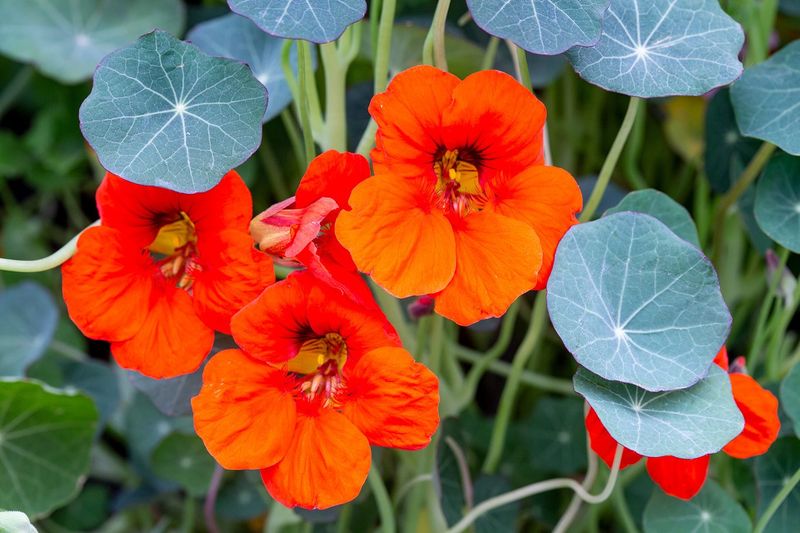
Nasturtiums bring a burst of fiery colors to any garden, and caterpillars find them irresistible. These flowers are not just for aesthetics; they serve as a sacrificial plant, drawing caterpillars away from your prized crops. Their peppery leaves are a favorite for caterpillar munching.
By planting nasturtium, you provide a decoy, protecting more valuable plants. This companion planting strategy helps manage caterpillar populations naturally. Enjoy their vivid hues and know they’re doing double duty by saving your garden’s beauty.
Tomato
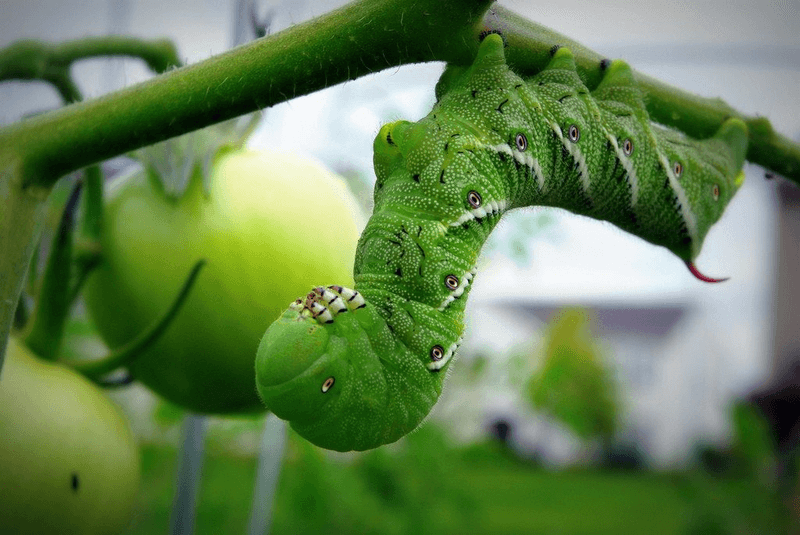
Tomato plants are a favorite target for hornworm caterpillars, which can do significant damage. These juicy fruits are unfortunately a delicacy for these pests. Hornworms can strip a plant of foliage, reducing fruit production and overall plant health.
While tomatoes are a garden staple, vigilance is key. Regular inspection and manual removal of caterpillars can minimize damage. Consider planting companion herbs like basil to deter caterpillars naturally. Protect your tomatoes to ensure a bountiful harvest.
Parsley
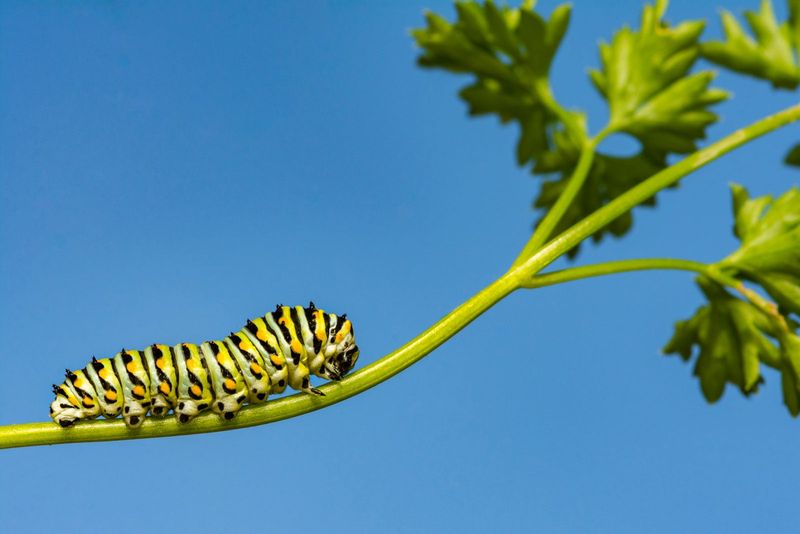
Parsley is not just a culinary herb but a feast for black swallowtail caterpillars. These caterpillars are drawn to its leaves, making parsley a delightful addition for those wanting to attract butterflies. The caterpillars eventually transform into graceful black swallowtail butterflies.
While you may lose some leaves to caterpillars, the sight of fluttering butterflies is a rewarding trade-off. This plant supports the lifecycle of a beautiful species and adds a fresh, green touch to your garden.
Cabbage
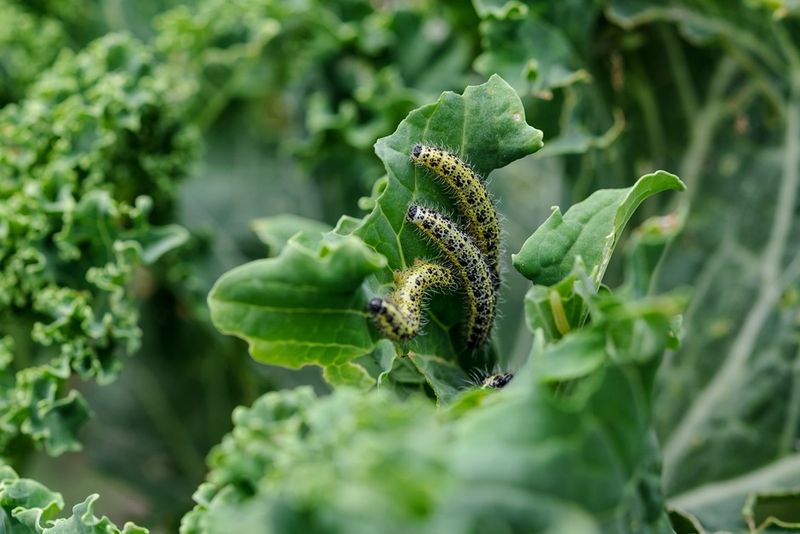
Cabbage is a target for the notorious cabbage white caterpillar, which can wreak havoc in gardens. These caterpillars can quickly decimate a cabbage patch by chewing through the leaves. Despite its vulnerability, cabbage remains a staple due to its culinary versatility.
Regular monitoring and organic deterrents can help manage caterpillar populations. While challenging, growing cabbage can be rewarding if protective measures are in place. Enjoy the fresh taste of homegrown cabbage by staying vigilant.
Lavender
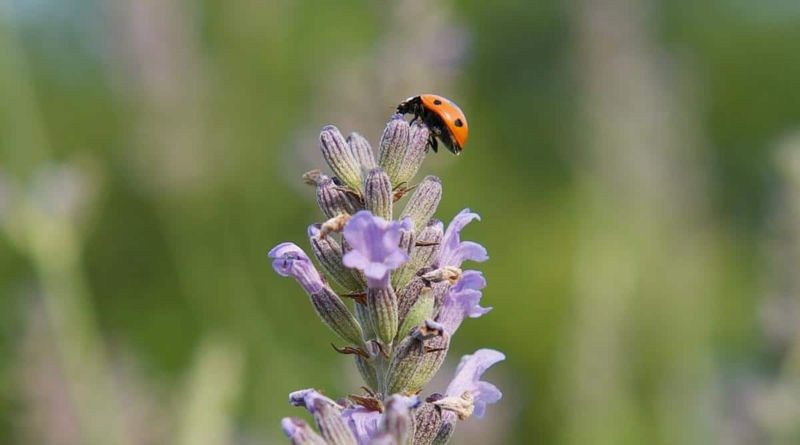
Lavender, known for its soothing scent and vibrant purple blooms, is generally resistant to caterpillars. This aromatic herb can deter many garden pests, offering a sweet-smelling solution to caterpillar problems. Its presence enhances any garden with beauty and fragrance.
While caterpillars may occasionally visit, lavender’s natural oils repel them. This makes it a strategic choice for gardeners looking to minimize pest issues. Lavender adds elegance and a touch of calm to your garden.
Sunflower
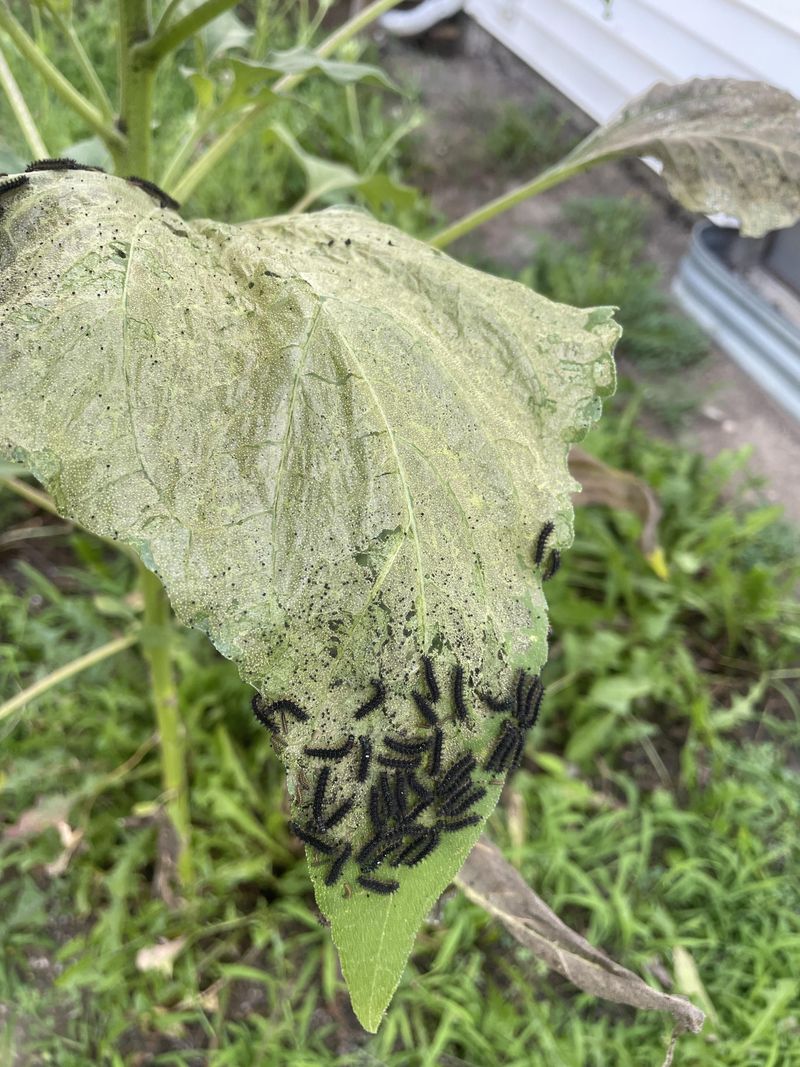
Sunflowers stand tall and proud, their bright yellow blooms reaching for the sun. These giants can attract caterpillars, yet they withstand their munching due to their robust nature. Sunflowers are not just pretty faces; they provide seeds for birds and pollinators.
While caterpillars might nibble on the leaves, sunflowers endure, adding vibrant cheer to gardens. Their resilience makes them a favorite among gardeners who cherish bold, lively flowers that double as wildlife havens.
Broccoli
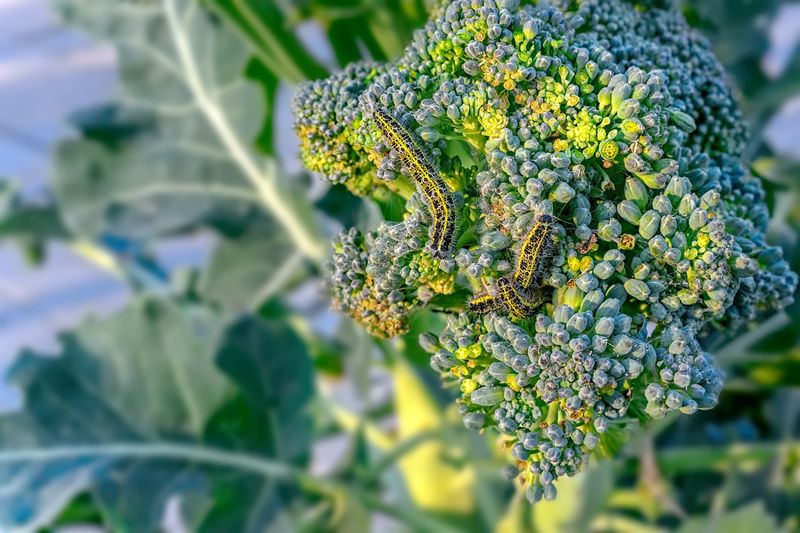
Broccoli can be a caterpillar buffet, especially for the cabbage looper, which loves to feast on its leaves. This cruciferous vegetable can sustain significant damage without intervention. However, its nutritional benefits make it worth the effort.
Regular inspection and organic pesticide use can help control caterpillar infestations. Despite the challenges, growing broccoli can be rewarding as it provides fresh produce for your kitchen. Choose broccoli for its health benefits, but prepare to defend it.
Rosemary
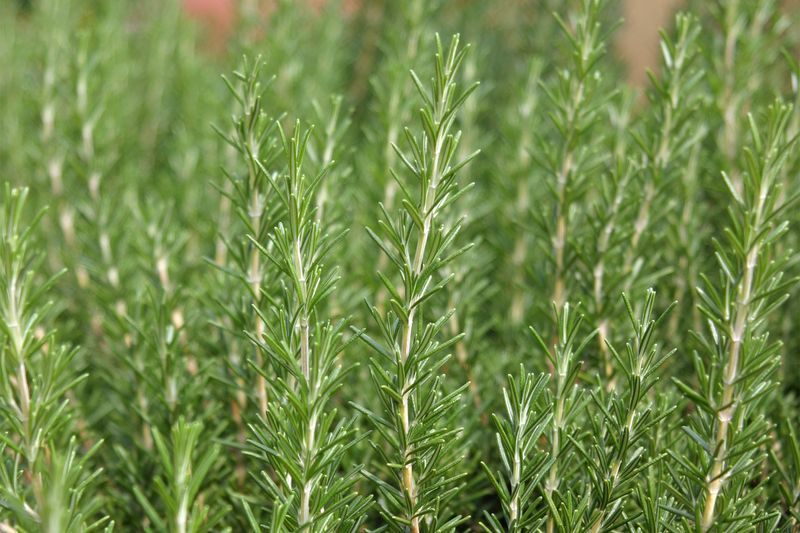
Rosemary’s strong aroma and evergreen appeal make it less attractive to caterpillars. This herb’s protective nature is a boon for gardeners looking to minimize caterpillar impact. Its hardy leaves and fragrant oils deter many pests naturally.
Adding rosemary to your garden not only enhances its aesthetic but also creates a natural pest barrier. While a rare caterpillar might appear, rosemary remains a resilient choice. Its culinary uses and pest-repelling properties make it an invaluable garden addition.
Marigold
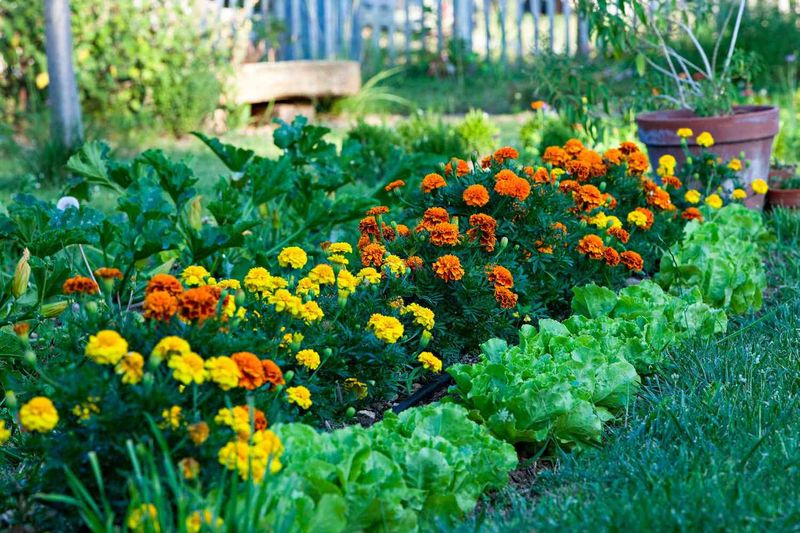
Marigold’s cheerful and bright blooms are more than just eye-catching; they are effective caterpillar deterrents. With a hint of spice in their scent, marigolds repel many insects. They serve as a natural pest repellant. Plant them around the borders of your garden to create a protective barrier.
These flowers are hardy and easy to grow, thriving in various conditions. Not only do they protect your plants, but they also add beauty and color.
Considered a gardener’s friend, marigolds are a top choice for those battling caterpillar invasions.
Petunia
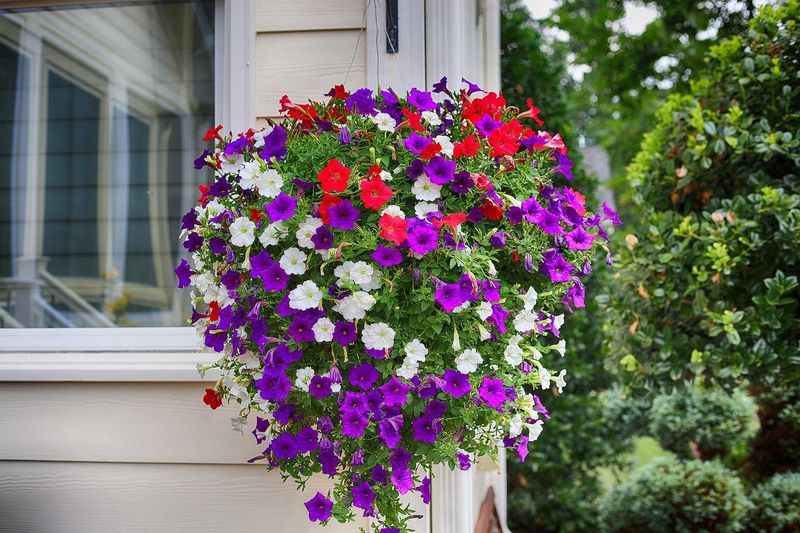
Petunias are a gardener’s delight, known for their cascading blooms and vibrant hues. They emit a subtle fragrance disliked by caterpillars, making them an excellent choice for protection.
These flowers bloom profusely and add charm to any garden setting. Petunias are versatile, suitable for containers, hanging baskets, or garden beds.
Their low-maintenance nature and pest-repelling qualities make them a favorite among gardening enthusiasts seeking both beauty and function.
Snapdragon
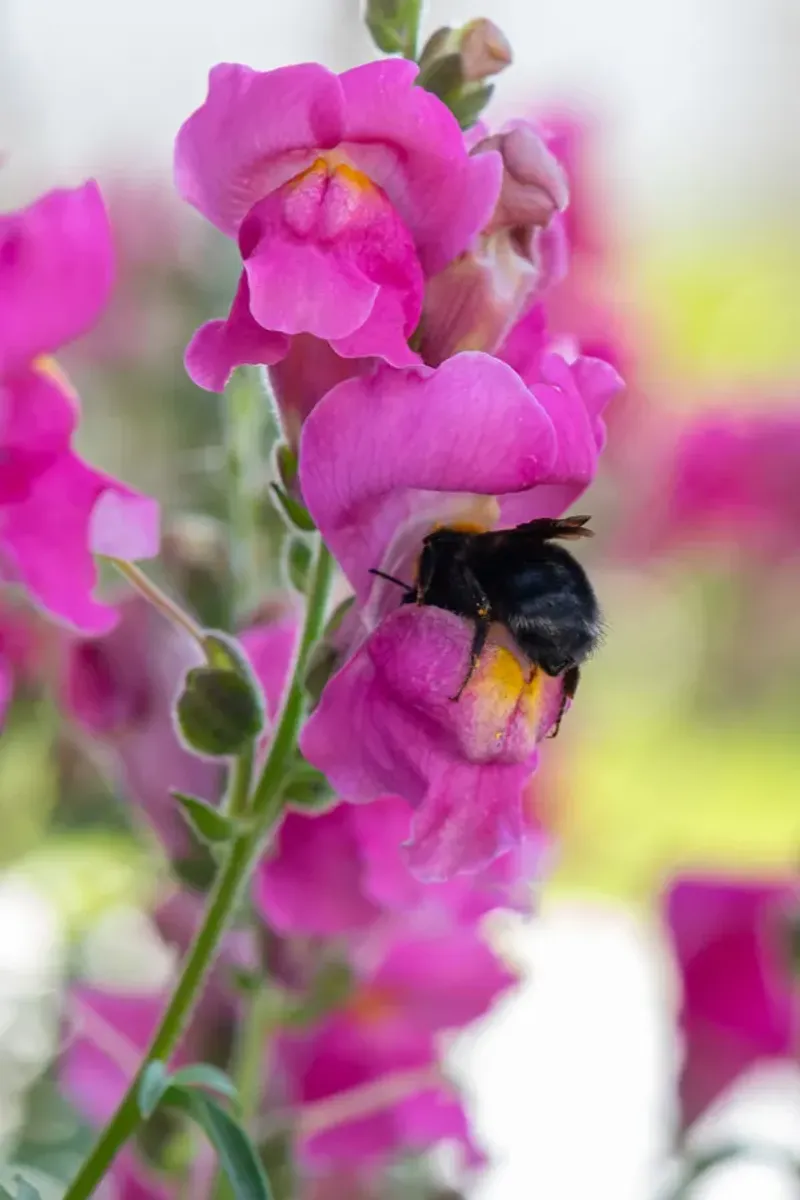
Snapdragons bring a touch of whimsy with their dragon-like blooms. Their bright colors attract beneficial insects while deterring caterpillars.
These flowers thrive in cooler climates and can be a striking addition to any garden. Snapdragons’ vertical growth pattern adds height and dimension, creating a dynamic landscape.
Gardeners appreciate their ability to bloom even during early spring and late fall, providing continuous color and protection.
Mint
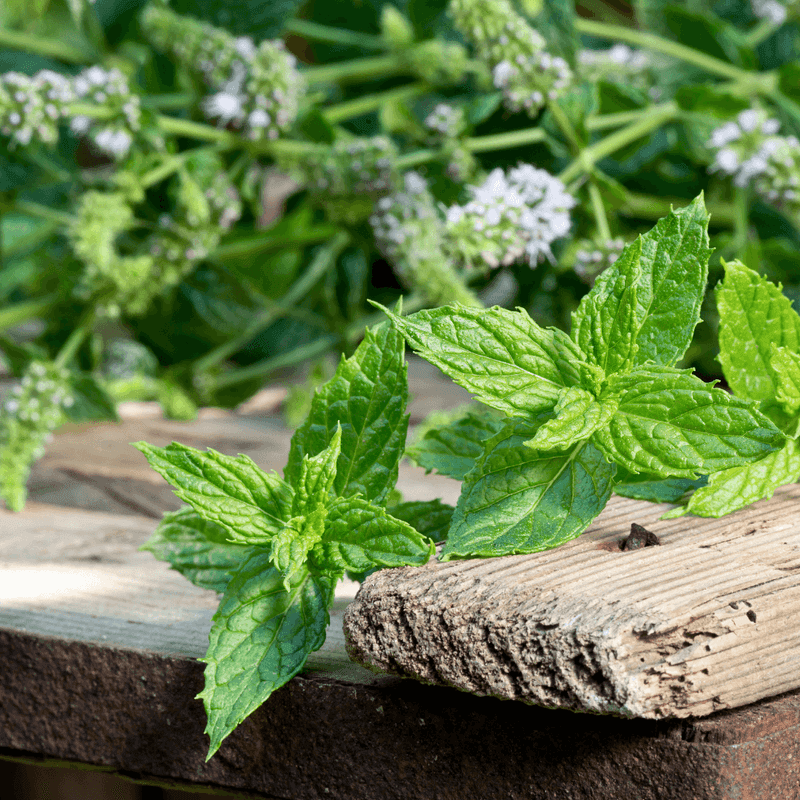
Mint, with its refreshing and pungent aroma, is more than a culinary herb. Its strong scent naturally repels caterpillars and other pests.
Growing mint in your garden adds a sensory experience while serving as a natural defense. However, mint spreads aggressively, so it’s best contained in pots.
Beyond pest control, mint offers culinary delights and medicinal benefits, making it a versatile addition to any garden.
Basil
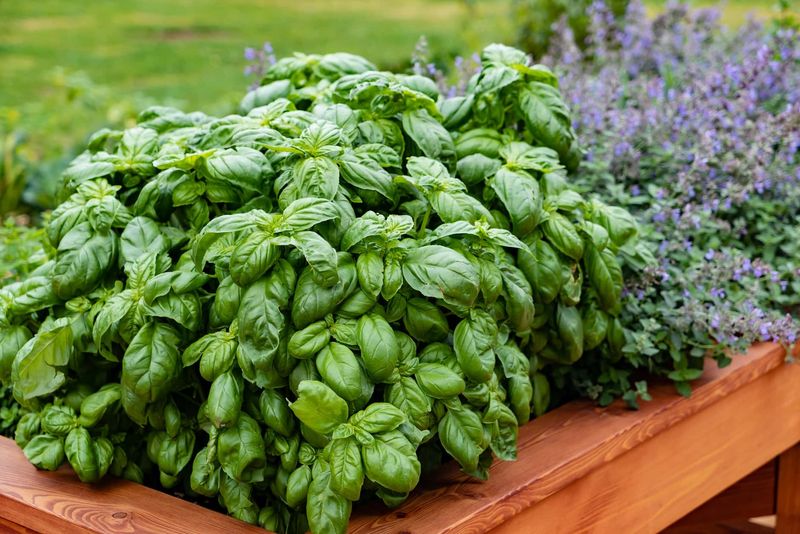
Basil’s aromatic leaves are popular in kitchens worldwide, yet they also repel caterpillars. Their delightful scent is incredibly effective at keeping pests at bay.
Growing basil can enhance the flavor of nearby plants, making it a dual-purpose addition. It’s a warm-season plant, thriving in sunlight.
Besides its culinary fame, basil’s pest-repelling attributes make it essential for a caterpillar-resistant garden.
Zinnia
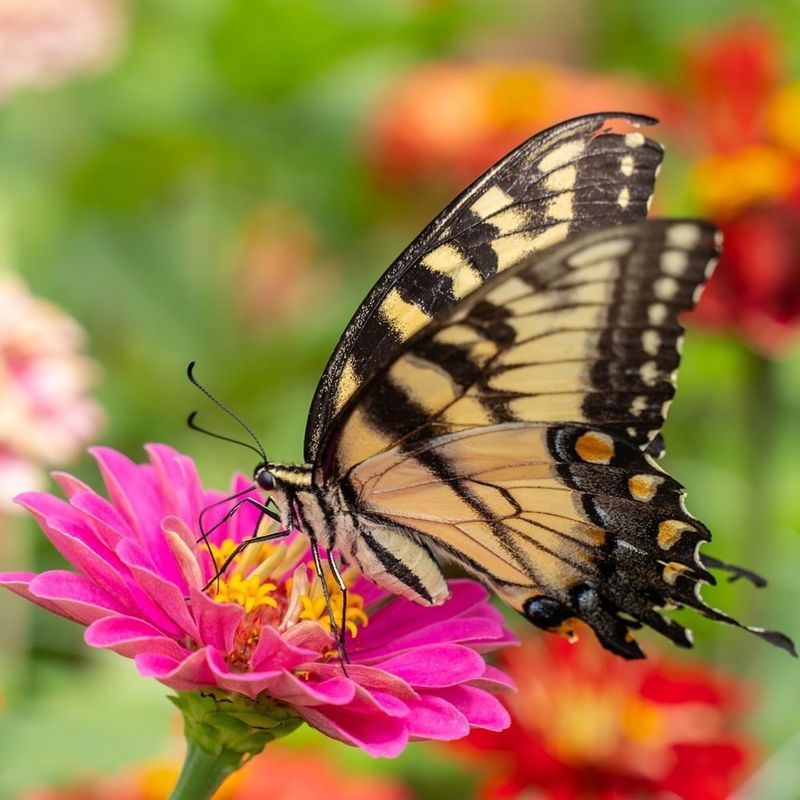
Zinnias are renowned for their bold, colorful blossoms that attract pollinators but deter caterpillars. These sun-loving plants bloom all summer, offering sustained beauty.
Their sturdy nature makes them easy to grow, adaptable to various garden conditions. Zinnias can be used to create cutting gardens, adding charm indoors.
Beyond aesthetics, they contribute to a balanced garden ecosystem, supporting beneficial insects.
Borage
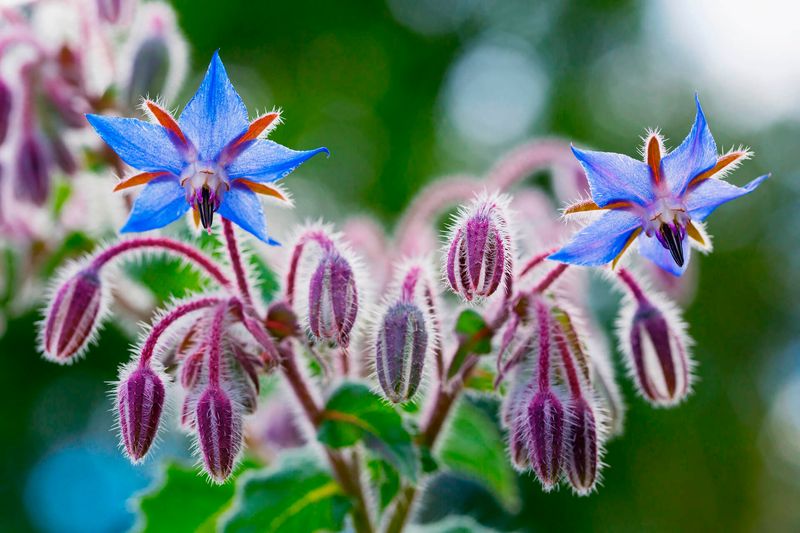
Borage is not just visually striking with its star-shaped blue flowers; it serves as a companion plant, deterring caterpillars from vegetables.
The plant’s fuzzy leaves and stems are part of its protective charm, warding off pests. Borage is known to improve soil health, benefiting the entire garden.
Its flowers are edible, offering a unique taste and visual appeal in culinary dishes.
Dill
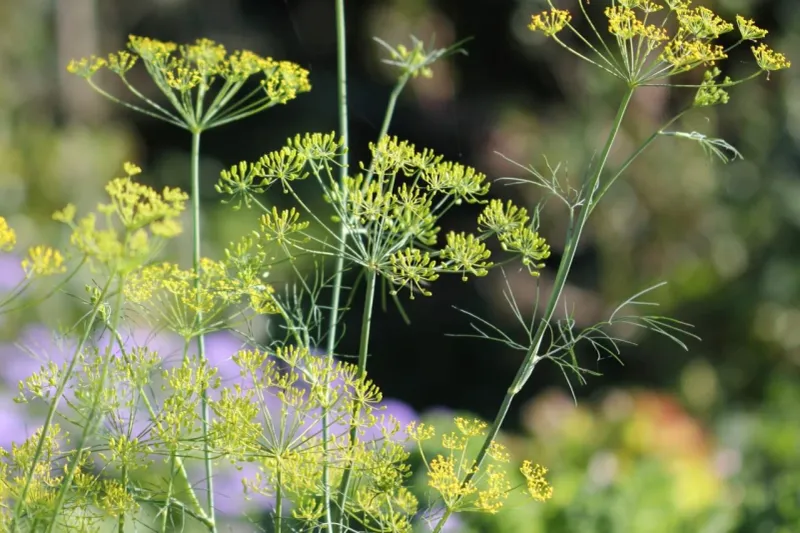
Dill adds a feathery elegance to gardens and acts as a magnet for beneficial insects while keeping caterpillars away.
Its aromatic properties make it a natural pest deterrent. Dill is an annual herb, easy to grow in sunny locations, perfect for herb gardens.
Besides its pest control role, dill is prized for its culinary uses, infusing dishes with a fresh, tangy flavor.