 Complete Gardening
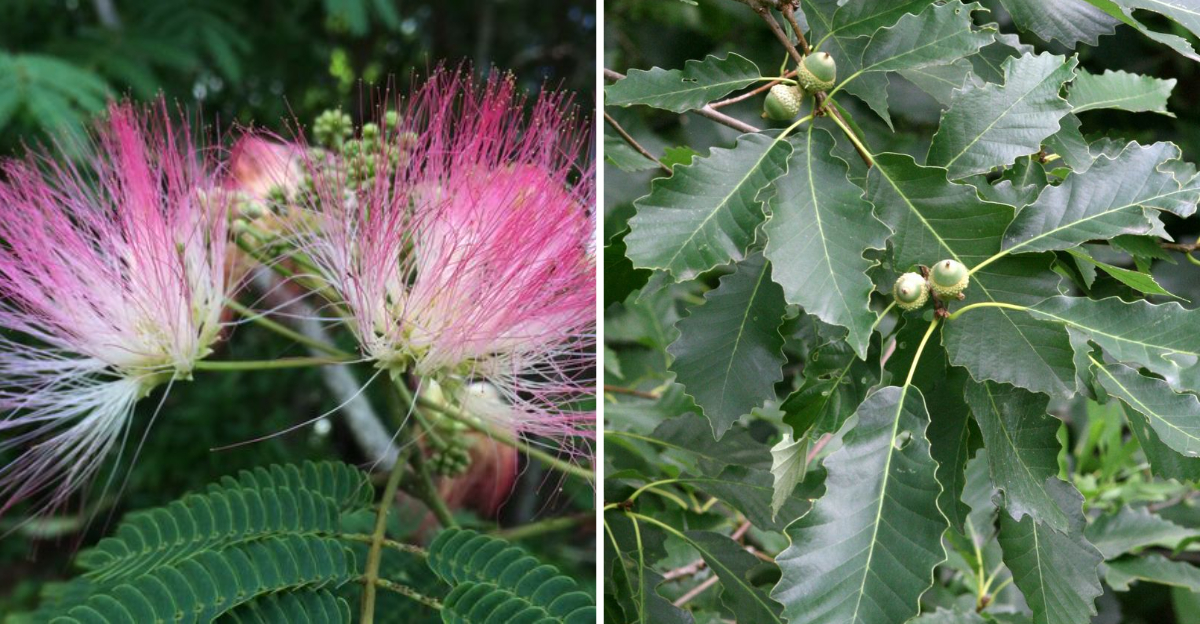
After twenty years of landscaping across the Lone Star State, I’ve learned some expensive lessons about tree selection. Certain species that look gorgeous in the nursery can become your worst nightmare once planted. From invasive roots that crack foundations to aggressive spreaders that take over entire yards, these problematic trees cost homeowners thousands in damage and removal fees.
1. Chinese Tallow Tree – The Beautiful Destroyer
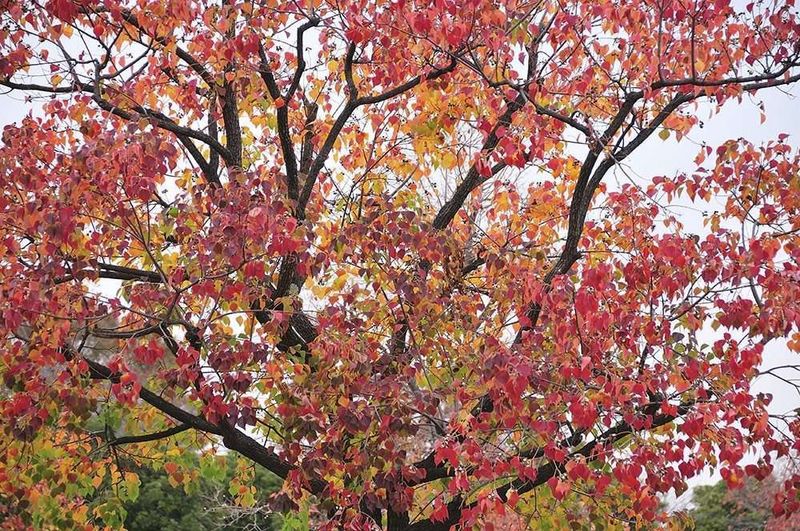
Beautiful fall colors fool many homeowners into planting this ecological disaster. Chinese tallow trees spread like wildfire across Texas landscapes, choking out native plants and creating barren monocultures.
These aggressive invaders produce thousands of seeds that birds scatter everywhere. Within years, you’ll find seedlings sprouting in every corner of your property.
The waxy coating on their seeds makes them nearly impossible to remove from walkways and driveways. Wildlife suffers too, as these trees provide little nutritional value compared to native alternatives that support local ecosystems.
2. Mimosa Tree – The Pink Menace
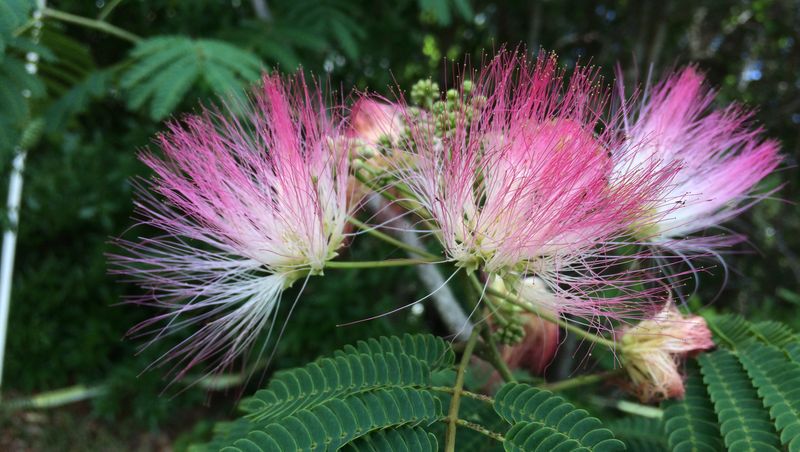
Those fluffy pink flowers might steal your heart at first glance, but mimosa trees quickly become maintenance nightmares. Fast growth means weak wood that breaks during Texas storms, leaving dangerous branches scattered across your property.
Seeds germinate everywhere, creating an army of unwanted seedlings that pop up in flower beds and lawn areas. The constant cleanup becomes exhausting for busy homeowners.
Mimosas also attract webworms that create unsightly nests throughout the canopy. Their shallow root system makes them unstable, posing risks to nearby structures during high winds common in Texas weather patterns.
3. Hackberry – The Disappointing Native
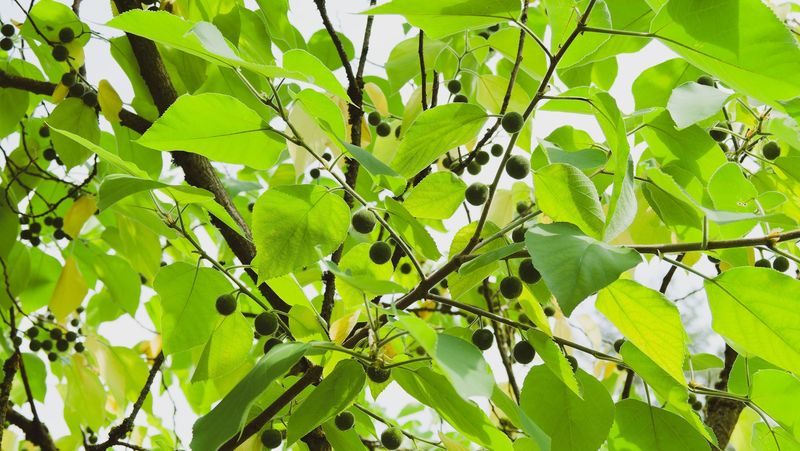
Being native doesn’t automatically make hackberry a good choice for residential landscapes. These trees develop an unattractive, scraggly appearance as they mature, never achieving the stately look most homeowners desire.
Hackberries produce countless small berries that stain sidewalks, cars, and outdoor furniture purple. Birds love these fruits but leave messy droppings everywhere as a thank-you gift.
Their tendency to sucker aggressively means you’ll constantly battle new shoots emerging from the base. The rough, warty bark harbors insects and looks diseased even when healthy, creating an eyesore rather than an attractive focal point.
4. Arizona Ash – The Quick Fix That Fails
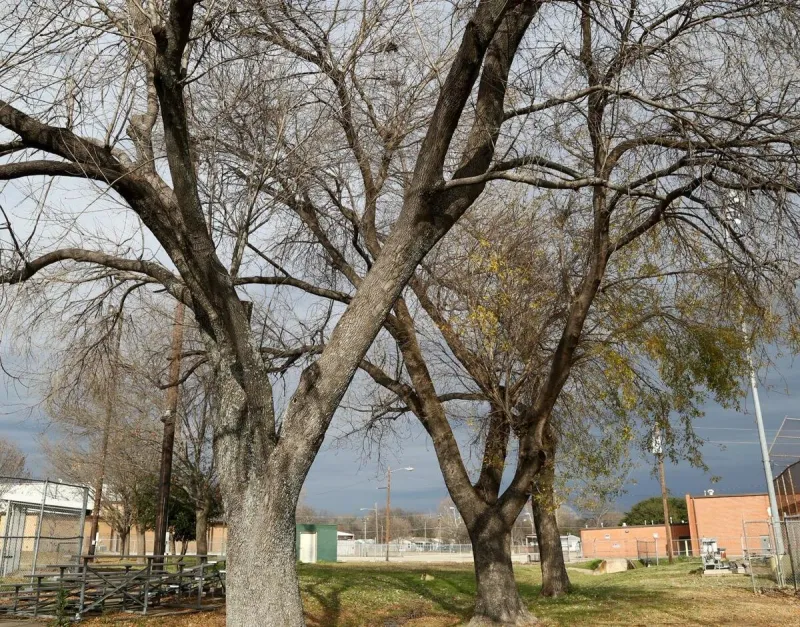
Nurseries love selling Arizona ash because it grows incredibly fast, promising instant shade for impatient homeowners. Unfortunately, rapid growth comes with serious structural weaknesses that spell disaster down the road.
These trees rarely live beyond fifteen years in Texas due to susceptibility to anthracnose and other fungal diseases. Brittle branches break easily during storms, potentially damaging roofs and vehicles.
Arizona ash also demands constant watering to maintain its appearance, driving up utility bills significantly. When disease strikes, the decline happens rapidly, leaving you with an expensive removal job and no shade to show for your investment.
5. Weeping Willow – The Foundation Wrecker
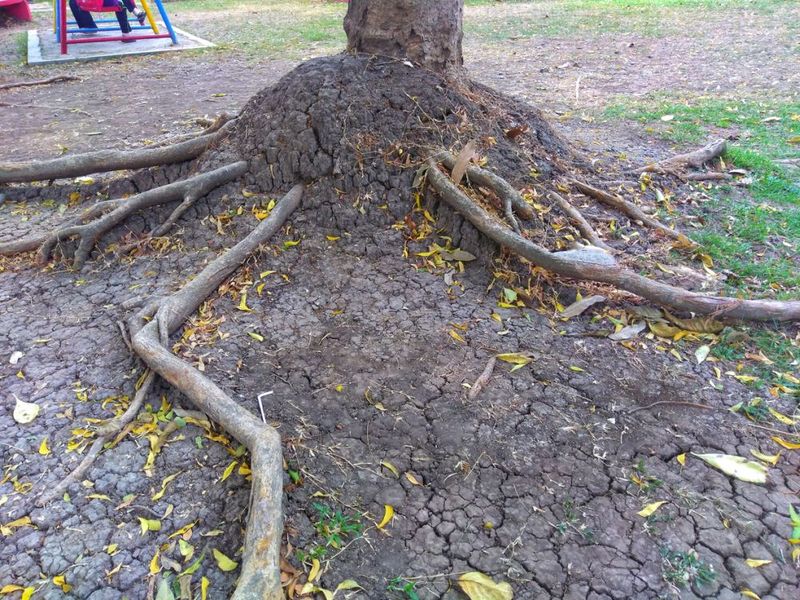
Romantic visions of graceful, drooping branches dancing in the breeze quickly fade when weeping willow roots invade your plumbing system. These moisture-seeking roots can travel over one hundred feet searching for water sources.
Expensive repairs to sewer lines, septic systems, and foundation drainage become inevitable when willows mature. The constant leaf drop creates year-round maintenance headaches for pool owners and neat-freak gardeners.
Texas heat stresses these trees tremendously since they prefer cooler, consistently moist climates. Frequent watering becomes necessary, making them environmentally irresponsible choices during drought conditions that plague our state regularly.
1. Serviceberry – The Perfect Native Alternative
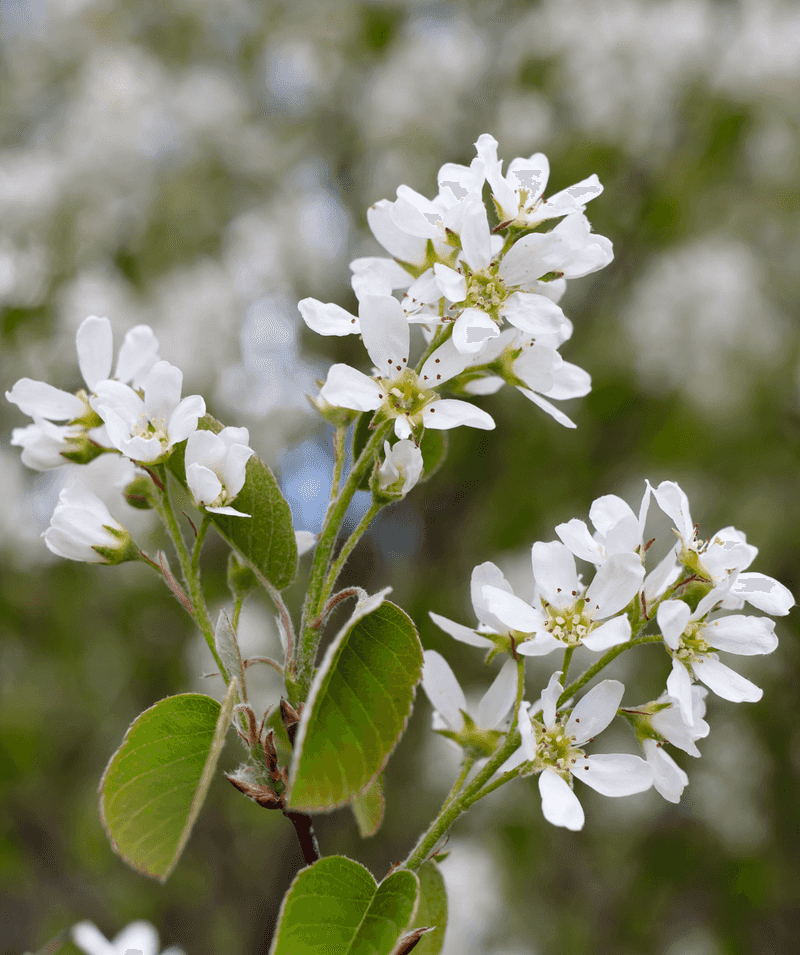
Smart gardeners choose serviceberry for year-round beauty without maintenance headaches. Spring brings clouds of delicate white flowers that rival any ornamental tree, followed by edible berries that birds and humans both enjoy.
Fall foliage explodes in brilliant oranges and reds that outshine problematic imports like Chinese tallow. These compact trees fit perfectly in smaller yards without overwhelming the landscape or neighboring properties.
Drought tolerance makes serviceberry ideal for Texas water restrictions, while its native status means local wildlife thrives around it. The sweet berries make excellent jams and pies, adding edible landscaping benefits to an already impressive package.
2. Eastern Redbud – The Spring Spectacular
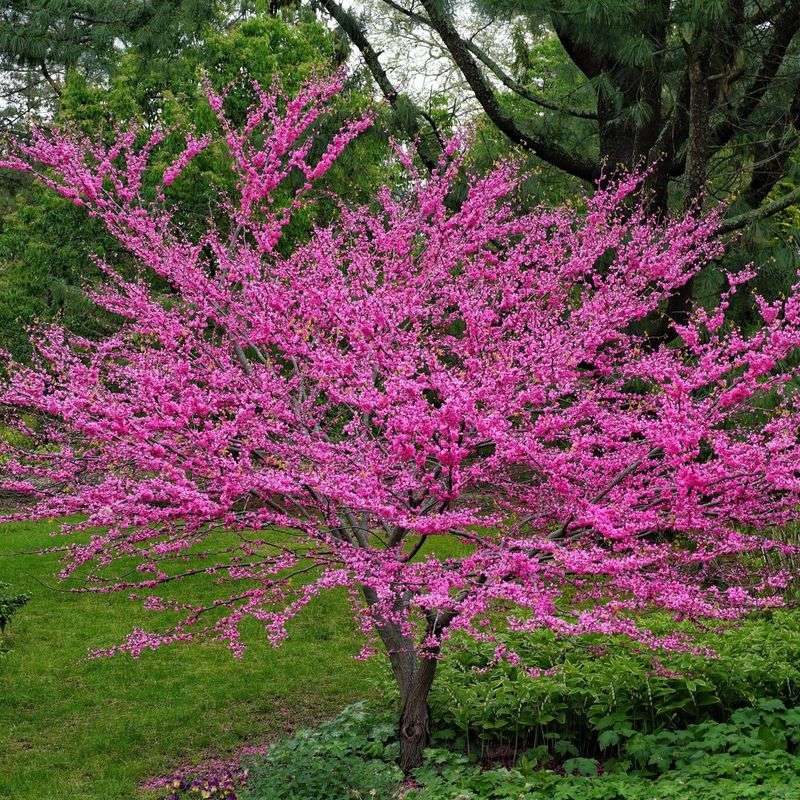
Before leaves emerge each spring, Eastern redbud transforms into a pink and purple masterpiece that stops traffic. Heart-shaped leaves provide attractive summer shade, while the compact size makes it perfect for urban lots.
Native Texas redbuds handle our extreme weather conditions gracefully, from scorching summers to occasional ice storms. They require minimal water once established, making them environmentally responsible choices for conscious gardeners.
Wildlife benefits include early nectar for emerging butterflies and bees when few other flowers are available. The distinctive seed pods add winter interest without creating the mess associated with problematic species like mimosa or hackberry trees.
3. Cedar Elm – The Reliable Shade Provider
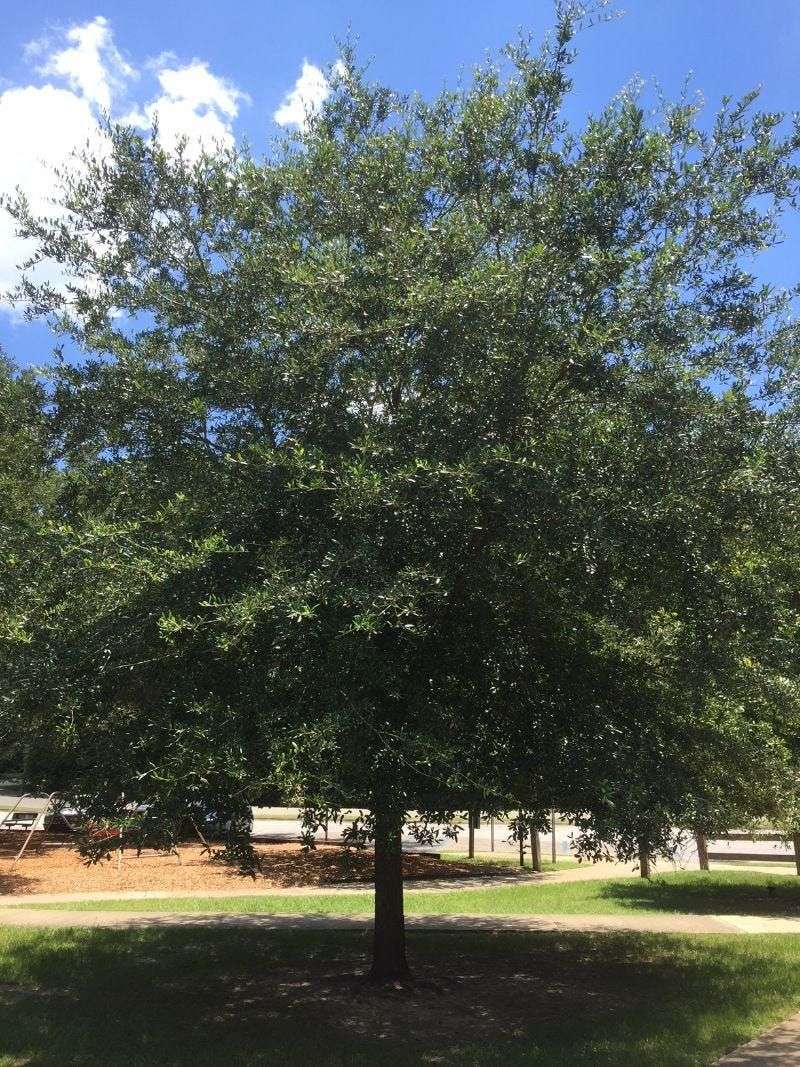
Cedar elm delivers dependable shade without drama, adapting to various soil conditions across Texas with remarkable resilience. Unlike Arizona ash, these natives live for decades, making them worthwhile long-term investments.
Small leaves create filtered shade perfect for growing grass underneath, unlike dense-canopy trees that create barren dirt patches. Fall color ranges from bright yellow to orange, providing seasonal interest without invasive tendencies.
Storm resistance comes naturally to cedar elms, which evolved alongside Texas weather patterns over thousands of years. Their moderate growth rate produces strong wood that rarely breaks, protecting your property during severe weather events that regularly test our landscapes.
4. Pecan – The State Tree Champion
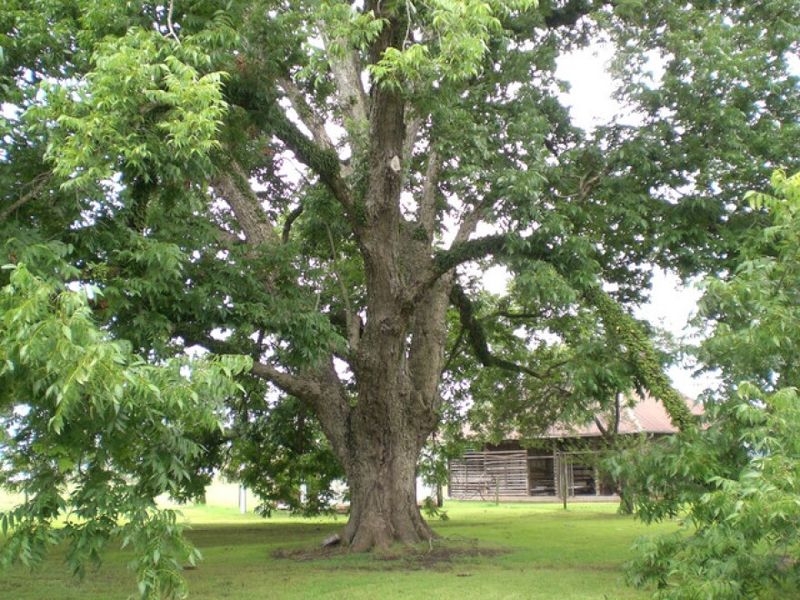
Texas chose pecan as our state tree for good reason – these majestic giants provide shade, beauty, and delicious nuts for generations. Mature specimens become family heirlooms passed down through decades of homeowners.
Annual nut harvests can offset initial planting costs, especially when you consider grocery store pecan prices. The distinctive compound leaves create beautiful dappled shade perfect for outdoor entertaining and lawn growth.
Pecans handle Texas heat and drought conditions exceptionally well once established, requiring minimal supplemental watering. Their deep taproot system provides excellent storm stability while avoiding the shallow root problems that plague species like weeping willow.
5. Chinkapin Oak – The Drought-Tough Beauty
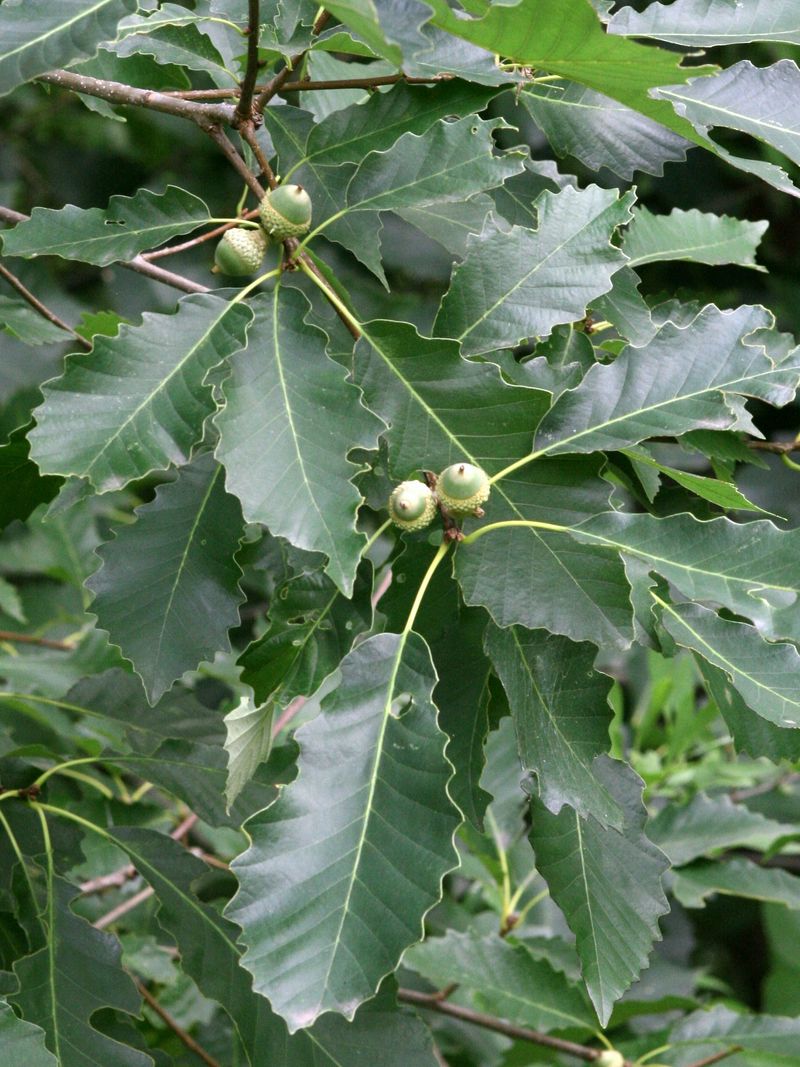
Chinkapin oak thrives in Texas limestone soils where other oaks struggle, making it perfect for challenging sites throughout central Texas. Glossy green leaves with distinctive serrated edges create elegant texture rarely seen in drought-tolerant trees.
Acorns provide valuable food for wildlife without creating the mess associated with larger oak species. Fall color ranges from yellow to brown, extending seasonal interest well into winter months.
Exceptional heat and drought tolerance means minimal watering requirements once established, unlike thirsty imports that strain water resources. The moderate growth rate produces strong, long-lasting wood that weathers Texas storms better than fast-growing alternatives like Arizona ash or mimosa.