 Complete Gardening
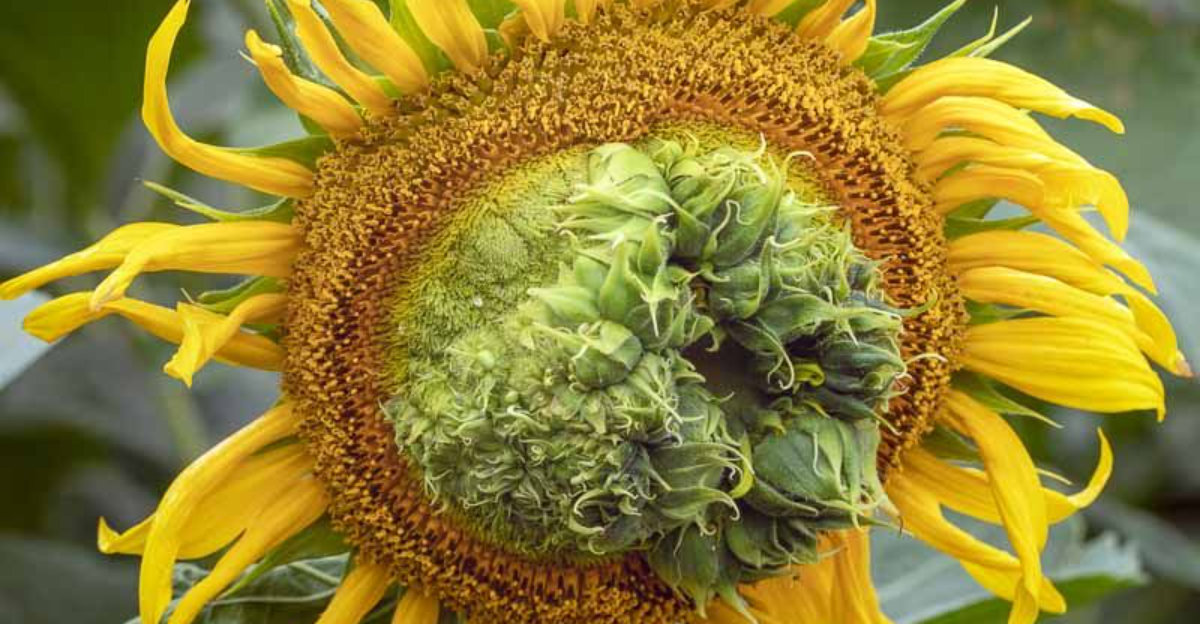
Aster Yellows is a destructive plant disease that can devastate your garden without warning. This sneaky disease affects hundreds of plant varieties and can turn your thriving garden into a wilted mess in just weeks.
Understanding what Aster Yellows is and how it spreads is your first line of defense against this silent plant killer.
1. Microscopic Troublemaker Behind the Damage
The culprit behind Aster Yellows isn’t a fungus or virus, but a phytoplasma—a tiny organism that lives between plant cells. These microscopic troublemakers are so small they can only be seen with an electron microscope.
Once inside your plants, they hijack the normal growth processes, forcing plants to develop abnormally. The phytoplasma essentially reprograms your plant’s cells, turning them into factories that produce more phytoplasmas instead of healthy plant tissue.
First discovered in the 1960s, these organisms were initially mistaken for viruses because of their size and behavior.
2. Flying Carriers Spread the Disease
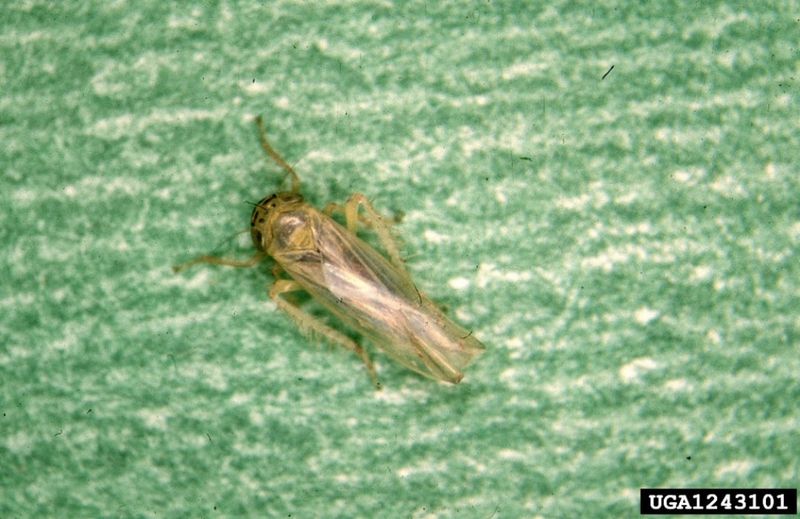
Leafhoppers—particularly the aster leafhopper—are the primary culprits spreading this disease from plant to plant. These small, wedge-shaped insects measure only about 1/8 inch long but cause enormous damage.
When a leafhopper feeds on an infected plant, it picks up the phytoplasma with the plant sap. The pathogen then multiplies inside the insect for about 2-3 weeks. After this incubation period, every plant the leafhopper feeds on can become infected.
A single infected leafhopper can spread the disease to dozens of plants during its lifetime, creating a domino effect throughout your garden.
3. Hundreds of Plants Are Vulnerable
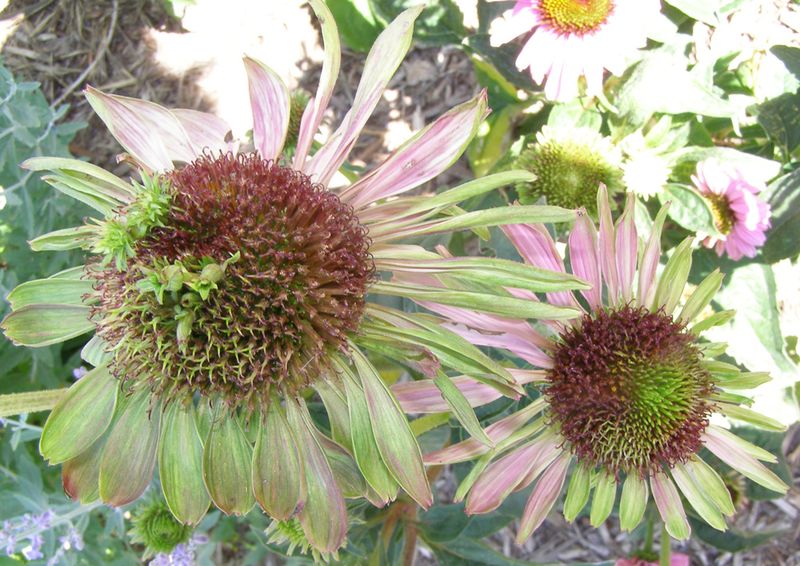
Don’t be fooled by the name—Aster Yellows affects far more than just asters. Over 300 plant species across 38 plant families can fall victim to this disease, making it one of the most wide-ranging plant pathogens.
Vegetables like carrots, lettuce, tomatoes, and onions are highly susceptible. Popular flowers including coneflowers, marigolds, zinnias, and chrysanthemums often show dramatic symptoms. Even weeds like dandelions and plantain can harbor the disease without showing obvious symptoms.
This wide host range makes Aster Yellows particularly difficult to control in diverse garden settings.
4. Bizarre Symptoms That Puzzle Gardeners
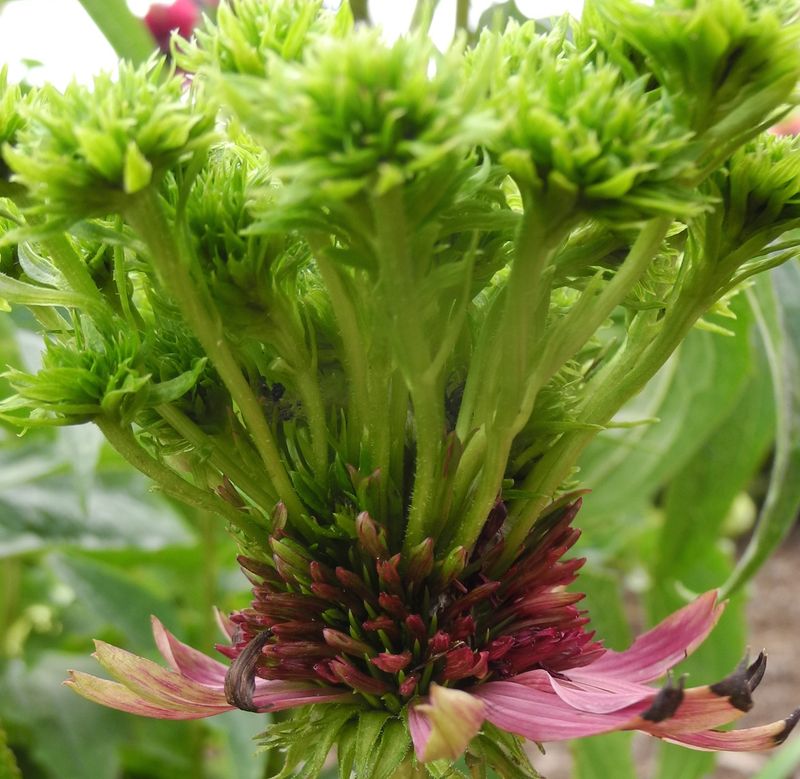
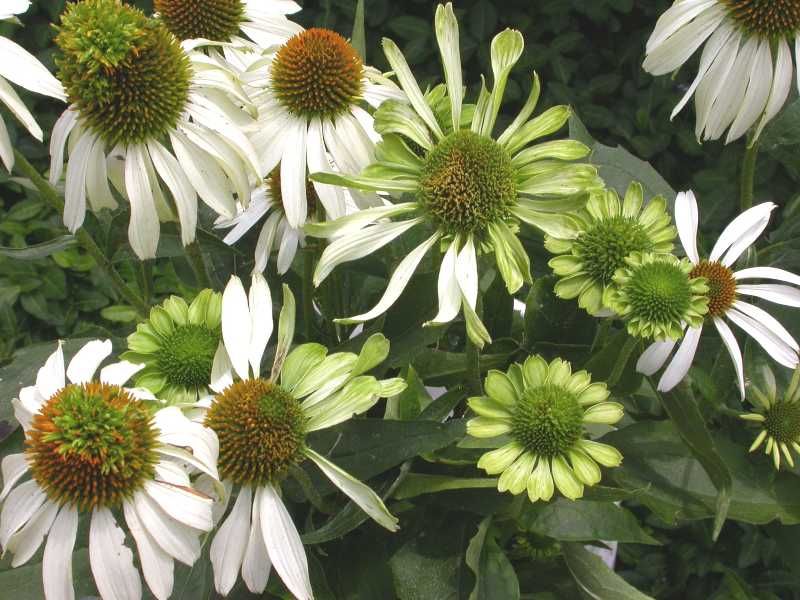
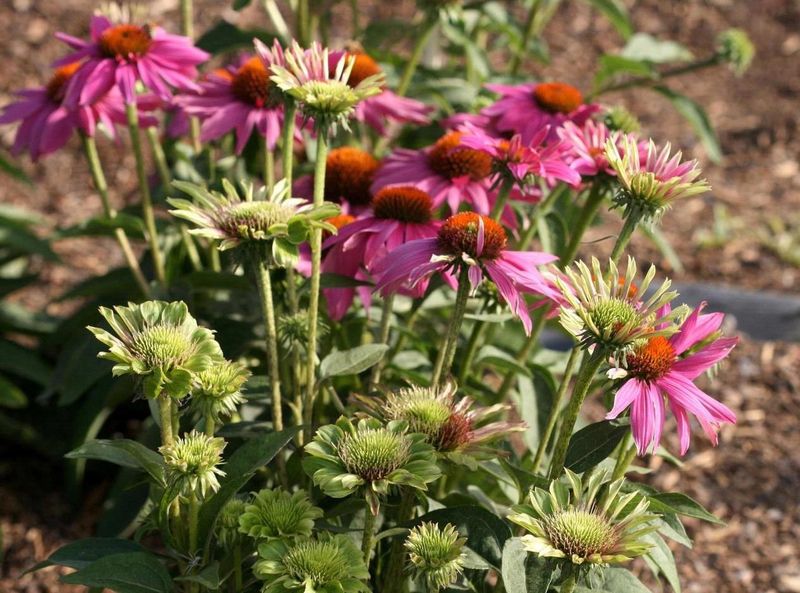
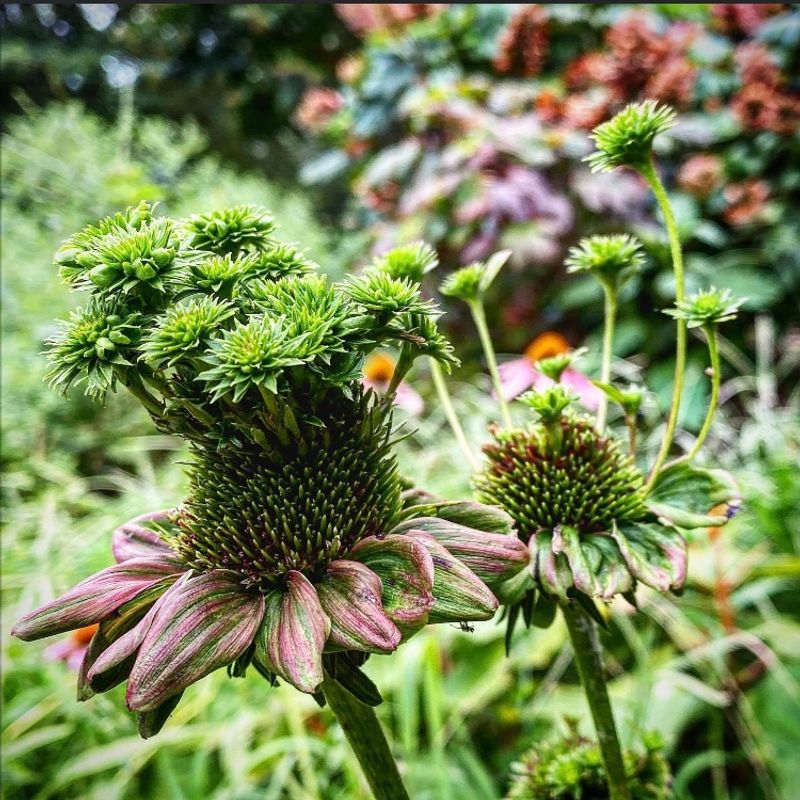
Aster Yellows creates such strange symptoms that gardeners often misdiagnose the problem. The most telltale sign is when flowers develop green petals instead of their normal colors—a condition called phyllody where flower parts turn leaf-like.
Plants develop what’s called “witch’s broom”—abnormal bushy growth with stunted stems clustered together. Leaves yellow from the center outward, and vegetables become bitter and inedible.
Carrots infected with Aster Yellows develop hairy secondary roots and taste bitter. Coneflowers produce strange, tufted growths instead of normal seed heads, looking almost like alien plants.
5. No Treatment Exists Once Infected
The heartbreaking reality of Aster Yellows is that no cure exists. Unlike some plant diseases that can be treated with fungicides or other chemicals, nothing can eliminate the phytoplasma once it’s inside your plants.
Antibiotics like tetracycline can temporarily suppress symptoms in some cases, but they’re not practical for garden use and the symptoms return when treatment stops. The phytoplasma lives inside the phloem (food-conducting tissues) of plants, making it nearly impossible to target without harming the plant itself.
This inability to cure infected plants makes prevention absolutely critical for gardeners.
6. Immediate Removal Stops the Spread
When you spot Aster Yellows symptoms, swift action is crucial. Remove the entire infected plant—roots and all—and seal it in a plastic bag for disposal.
Never add infected plants to your compost pile! The phytoplasma won’t be killed during normal composting and could spread to your entire garden next season. Some gardeners burn infected plants where legally permitted, ensuring complete destruction of the pathogen.
After removing infected plants, thoroughly clean your tools with a 10% bleach solution to prevent accidentally transferring the disease to healthy plants. This sanitation step is often overlooked but critically important.
7. Insect Management Is Critical Prevention
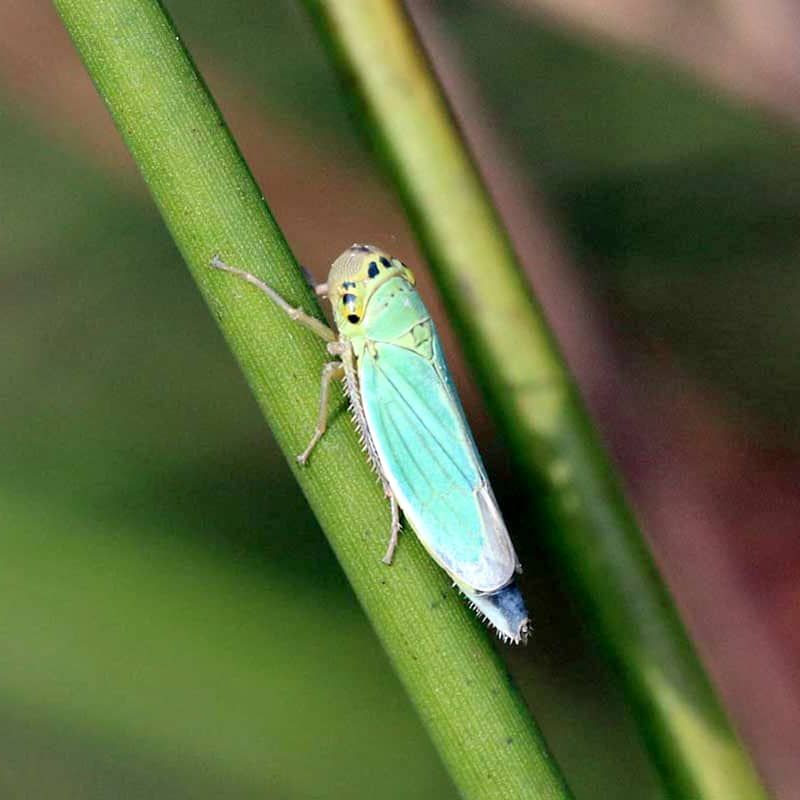
Managing leafhoppers is your primary defense against Aster Yellows. These tiny insects are most active during warm weather and can travel miles on wind currents, making them difficult to control completely.
Yellow sticky traps help monitor leafhopper populations so you know when they’re present. Row covers provide a physical barrier, preventing leafhoppers from reaching your plants during critical growth stages.
Natural predators like ladybugs, lacewings, and parasitic wasps can help keep leafhopper populations in check. For severe infestations, insecticidal soaps or neem oil provide control with minimal environmental impact compared to stronger chemicals.
8. Strategic Garden Planning Reduces Risk
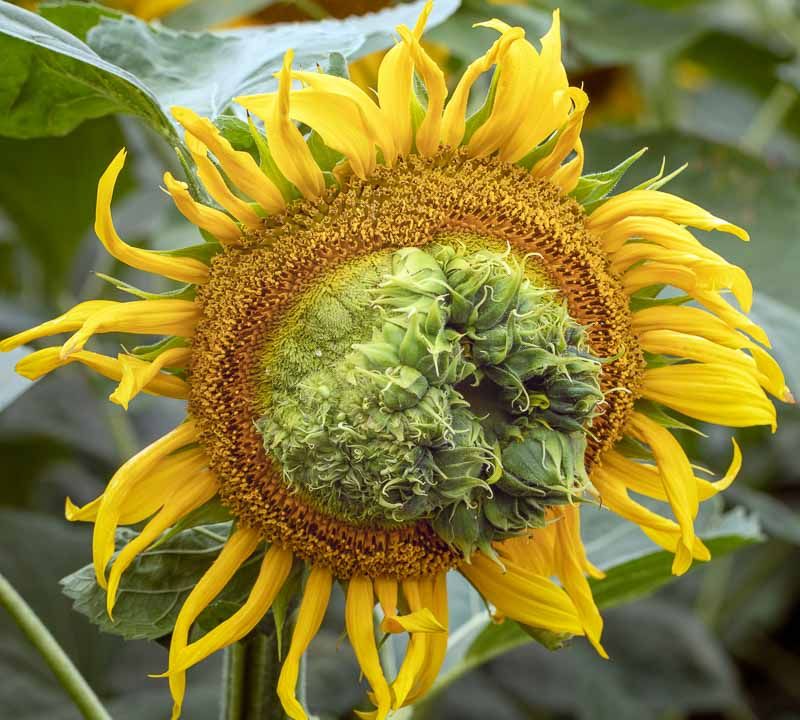
Smart garden planning can dramatically reduce your Aster Yellows risk. Timing is everything—planting cool-season crops like lettuce and carrots for fall harvest helps them avoid peak leafhopper season in midsummer.
Create diverse plantings with resistant species interspersed among more vulnerable ones. Plants in the grass family like corn and ornamental grasses rarely get infected and can act as barriers. Maintain a weed-free zone around your garden to eliminate alternative hosts.
Some gardeners plant sacrificial trap crops of asters or marigolds around garden edges to attract leafhoppers away from valuable plants, then remove these plants if they become infected.
9. Resistant Varieties Offer Hope
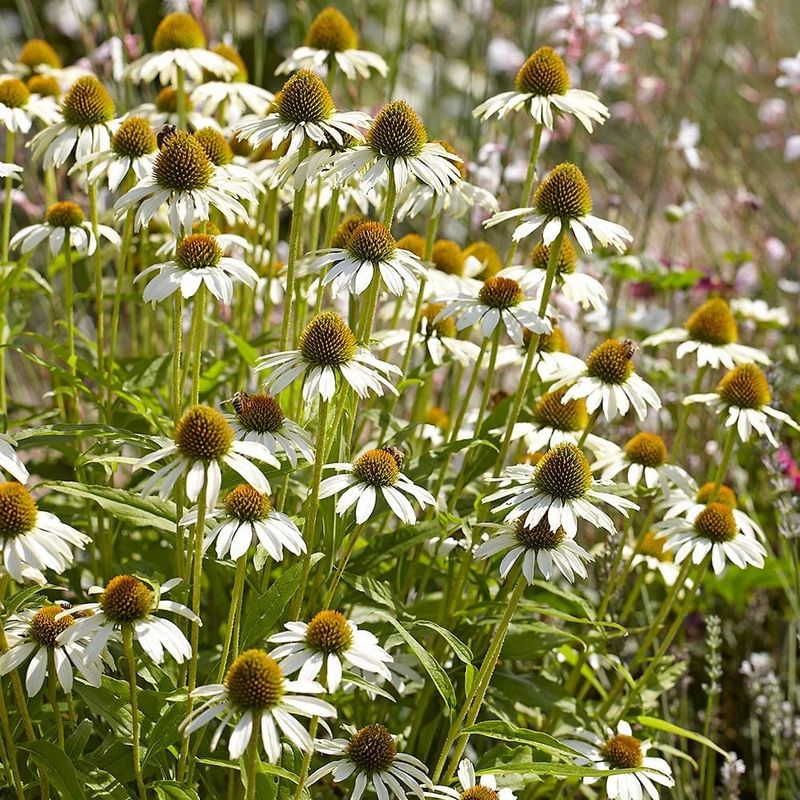
While no plants are completely immune to Aster Yellows, some varieties show significantly better resistance. Purple coneflower (Echinacea purpurea) varieties like ‘Magnus’ and ‘White Swan’ tend to be more resistant than others in the Echinacea family.
Among vegetables, ‘Bolero’ carrots and ‘Winter Density’ lettuce have shown better tolerance in some regions. Ornamental grasses, herbs like rosemary and thyme, and most woody plants rarely show infection.
Ask local master gardeners which varieties perform best in your area—regional differences in leafhopper populations and phytoplasma strains mean resistance can vary geographically.
10. Year-Round Vigilance Protects Your Garden
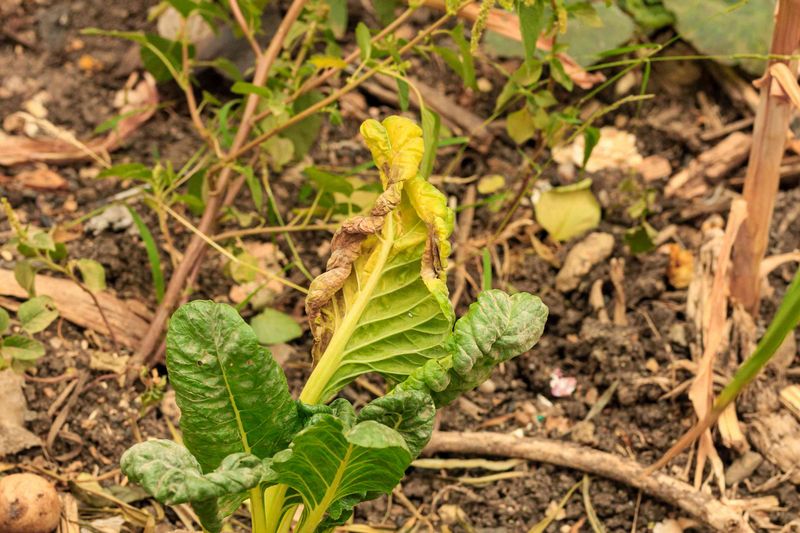
Protecting your garden from Aster Yellows requires attention during all seasons. Fall cleanup is especially important—remove all plant debris where leafhoppers might overwinter. Inspect new plants carefully before adding them to your garden, as they may harbor the disease without obvious symptoms.
Keep a garden journal tracking where infections have occurred. Avoid planting susceptible species in those locations for at least two years. Monitor early spring weeds like dandelions for yellowing symptoms.
Gardens with a history of Aster Yellows should implement comprehensive leafhopper management from the moment plants emerge in spring through the entire growing season.