 Complete Gardening
August marks a turning point in Colorado gardens, where summer’s peak meets autumn’s promise. While mountain temperatures begin their gradual descent, gardeners face the exciting challenge of maximizing late-summer harvests while preparing for cooler days ahead. Smart planning during this month sets the stage for both immediate rewards and future garden success.
1. Plant Cool-Season Crops for Fall Harvest
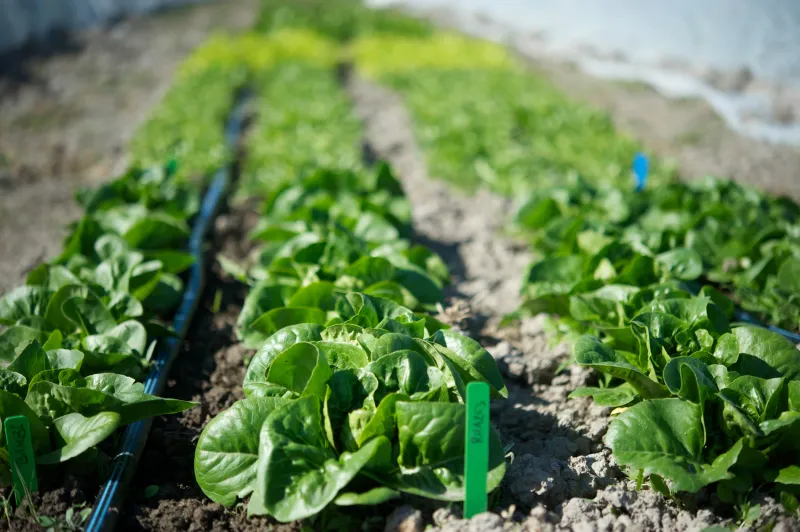
Late summer presents the perfect window for sowing vegetables that actually prefer cooler weather. Lettuce, spinach, kale, and arugula seeds planted now will mature just as temperatures become ideal for their growth.
Root vegetables like radishes and beets also thrive when started in August. These crops will develop sweet, tender flavors as autumn nights grow crisp.
Plant seeds about six to eight weeks before your area’s first expected frost date. This timing ensures your fall vegetables reach maturity before winter’s arrival, providing fresh harvests well into October.
2. Start Broccoli and Cauliflower Transplants
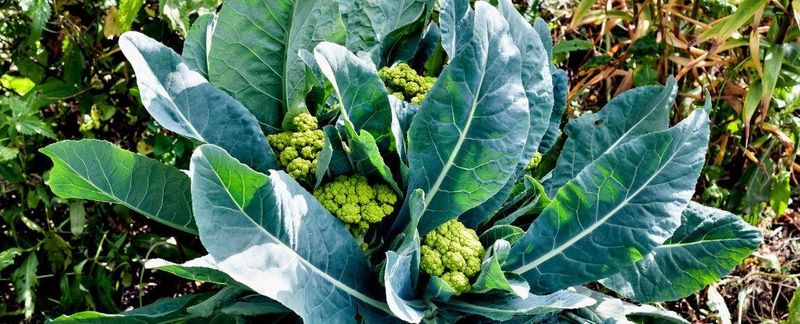
Broccoli and cauliflower transplants need special attention during August planting. These cool-weather champions require steady moisture and protection from intense afternoon sun while establishing their root systems.
Choose heat-tolerant varieties specifically bred for late-season planting. Plant transplants in locations that receive morning sun but afternoon shade, helping them transition smoothly into fall growing conditions.
Water transplants daily for the first week, then gradually reduce frequency as plants establish. Proper care now results in beautiful, tight heads ready for harvest in October and November.
3. Continue Harvesting Summer Vegetables
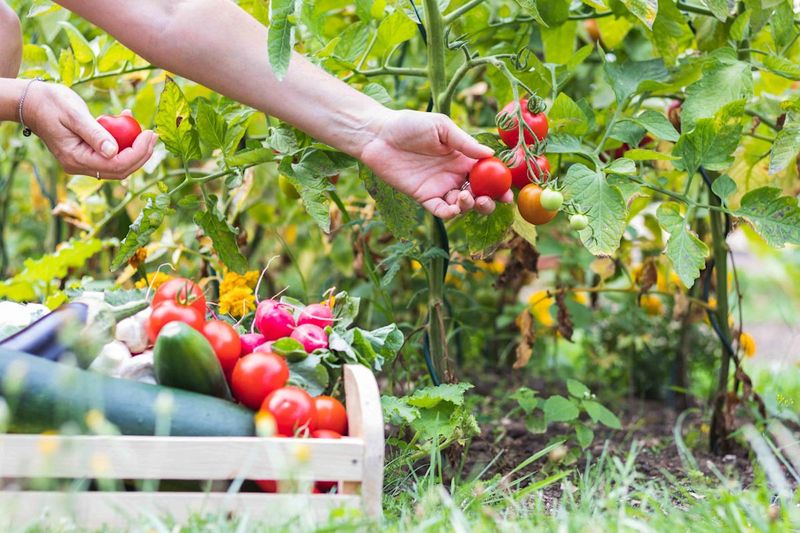
Your summer stars are still producing abundant harvests that shouldn’t go to waste. Tomatoes, peppers, cucumbers, and zucchini need regular picking to maintain their productive momentum through late summer.
Check plants every other day, collecting ripe fruits before they become overripe. This consistent harvesting signals plants to keep producing rather than focusing energy on seed development.
Early morning harvests often yield the best flavor and texture. Store excess vegetables properly or preserve them for winter enjoyment through canning, freezing, or dehydrating methods.
4. Deadhead Flowers to Extend Blooming Season
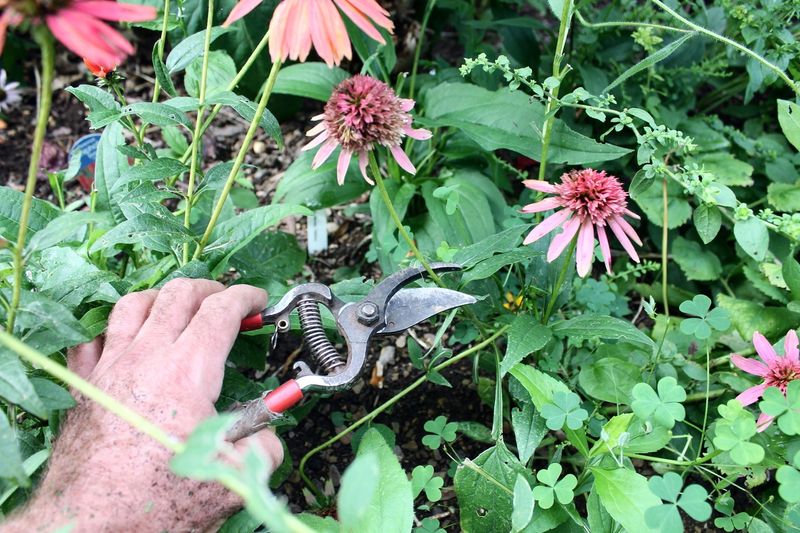
Spent flower removal becomes crucial during August’s intense heat and dry conditions. Deadheading redirects plant energy from seed production back into creating new blooms, extending your garden’s colorful display.
Focus on annuals like marigolds, zinnias, and petunias, which respond dramatically to regular deadheading. Perennials such as coneflowers and black-eyed Susans also benefit from this attention.
Use clean, sharp scissors or pruning shears to make cuts just above the next flower bud or leaf node. This practice keeps plants looking tidy while encouraging fresh growth and continued flowering.
5. Water Deeply and Early Morning
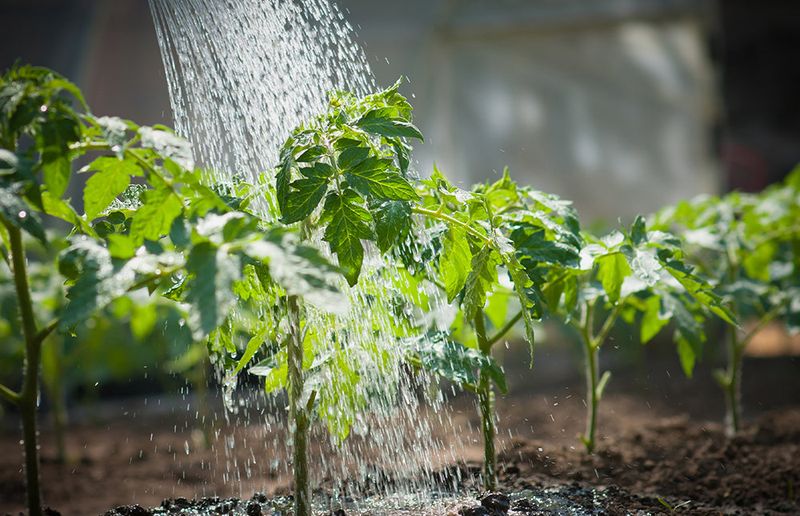
August’s blazing sun and low humidity create challenging conditions that demand strategic watering approaches. Deep, infrequent watering encourages roots to grow deeper, creating more drought-resistant plants.
Early morning watering allows plants to absorb moisture before day’s heat arrives. This timing also reduces water loss through evaporation and minimizes fungal disease risks associated with wet foliage overnight.
Apply water slowly and thoroughly, ensuring moisture penetrates soil rather than running off surface. Check soil moisture by inserting your finger two inches deep before deciding whether additional watering is necessary.
6. Apply Fresh Mulch for Moisture Conservation
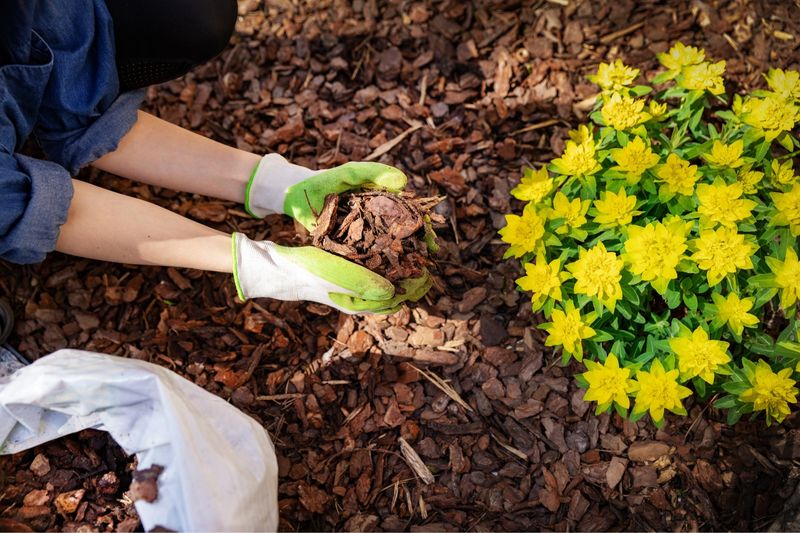
Mulching becomes especially important as August heat intensifies and natural rainfall decreases across Colorado’s varied climate zones. Fresh organic mulch helps regulate soil temperature while dramatically reducing water evaporation rates.
Apply two to three inches of organic materials like shredded bark, grass clippings, or compost around plants. Keep mulch several inches away from plant stems to prevent moisture-related diseases and pest problems.
Quality mulch also suppresses weed growth and gradually improves soil structure as it decomposes. This investment in soil health pays dividends throughout the remaining growing season and beyond.
7. Divide and Transplant Overgrown Perennials
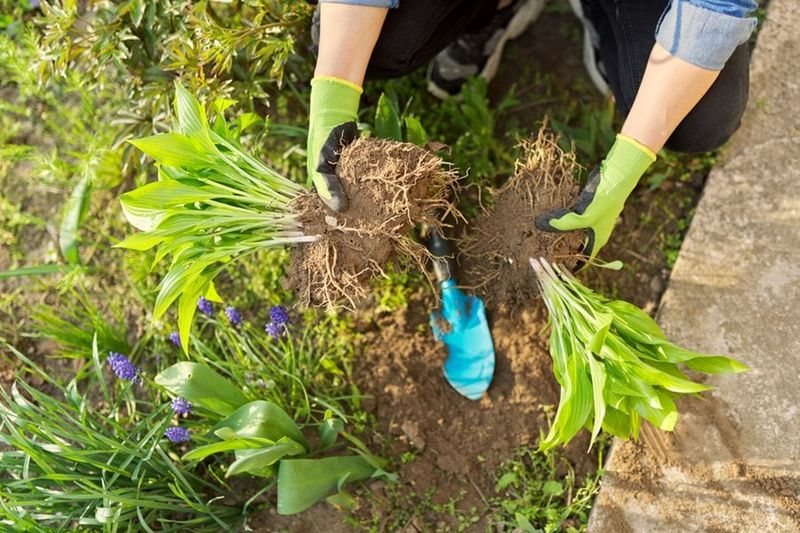
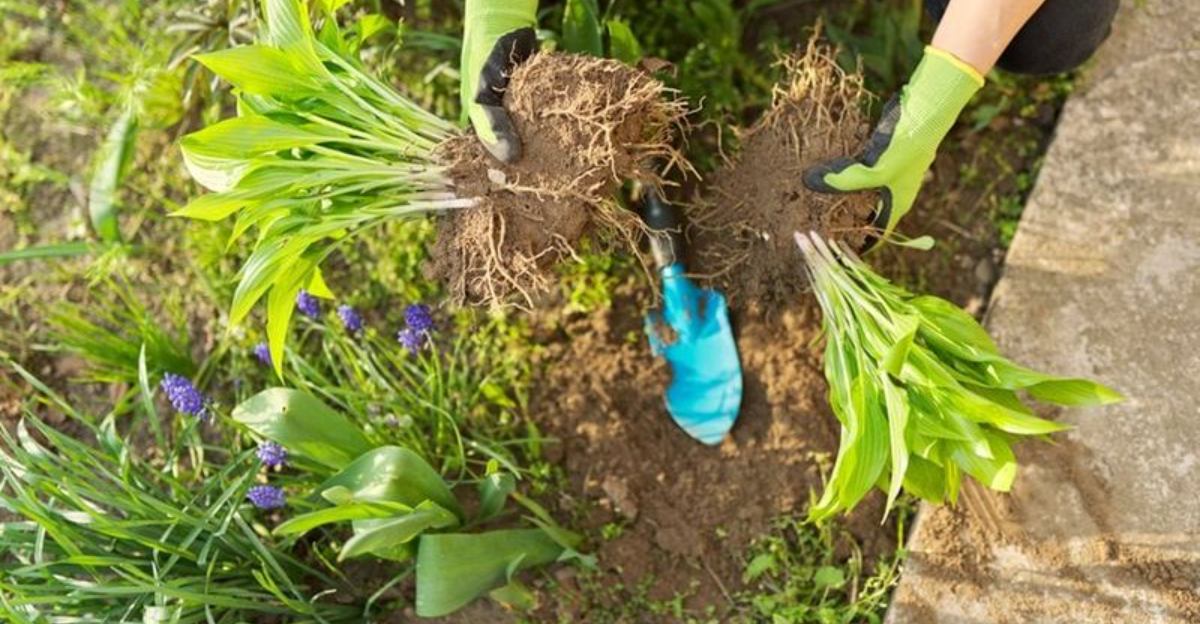
Late August provides ideal conditions for dividing crowded perennials that have outgrown their spaces. Daylilies, irises, and hostas benefit from division every three to four years to maintain vigorous growth.
Cooler evening temperatures and increasing moisture help newly divided plants establish before winter dormancy begins. This timing gives roots several weeks to settle into new locations.
Water divisions thoroughly after transplanting and provide temporary shade during the hottest part of days. Proper division technique and aftercare ensure healthy, robust plants that will reward you with improved flowering next season.
8. Overseed Cool-Season Lawn Areas
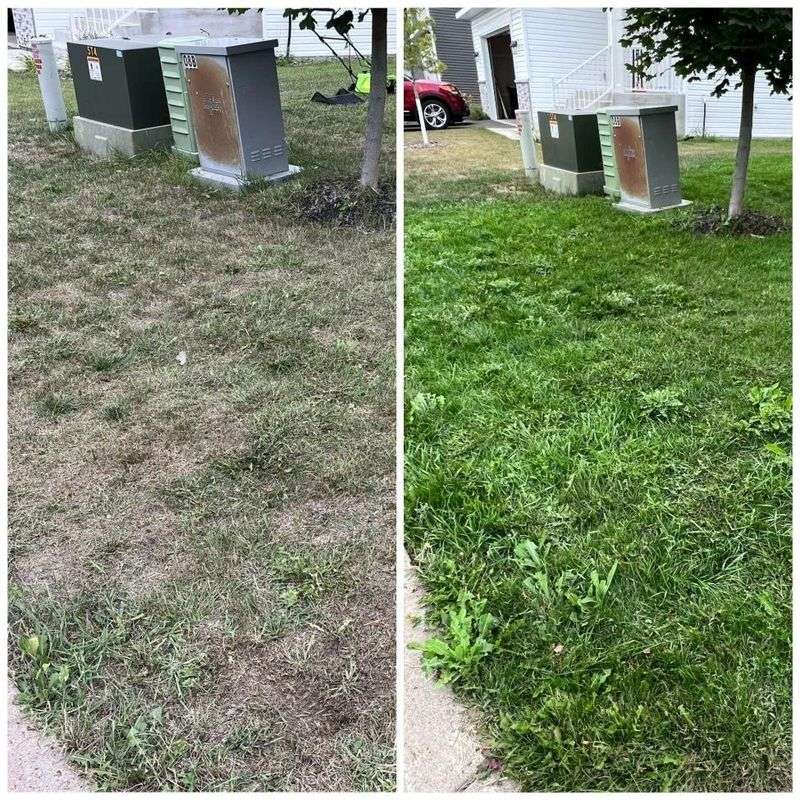
Tired, thin lawns benefit tremendously from late August overseeding with cool-season grass varieties. Kentucky bluegrass, fine fescue, and tall fescue perform exceptionally well in Colorado’s climate conditions.
Prepare areas by lightly raking to remove debris and create good seed-to-soil contact. Water overseeded areas lightly but frequently until new grass establishes, typically requiring two to three weeks.
Time overseeding to take advantage of September’s cooler temperatures and increased moisture. This strategic timing allows new grass to establish strong root systems before winter dormancy and spring growth spurts.
9. Order Spring-Flowering Bulbs
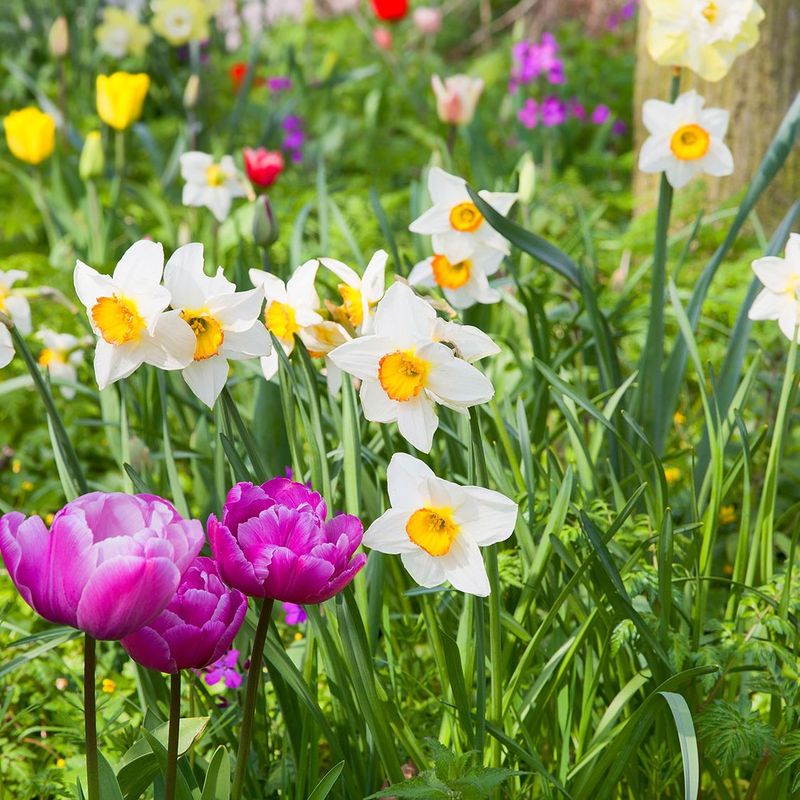
August represents the prime time for ordering spring bulbs while selection remains excellent and prices stay reasonable. Tulips, daffodils, crocuses, and hyacinths require fall planting for spectacular spring displays.
Research varieties suited to Colorado’s climate zones, focusing on those with good cold hardiness and heat tolerance. Many catalogs offer special collections designed specifically for mountain and high-plains conditions.
Plan your spring color scheme now while summer’s palette inspires your creativity. Order bulbs for September delivery, ensuring they arrive in time for optimal October and November planting windows when soil temperatures cool appropriately.
10. Collect and Save Seeds from Heirloom Varieties
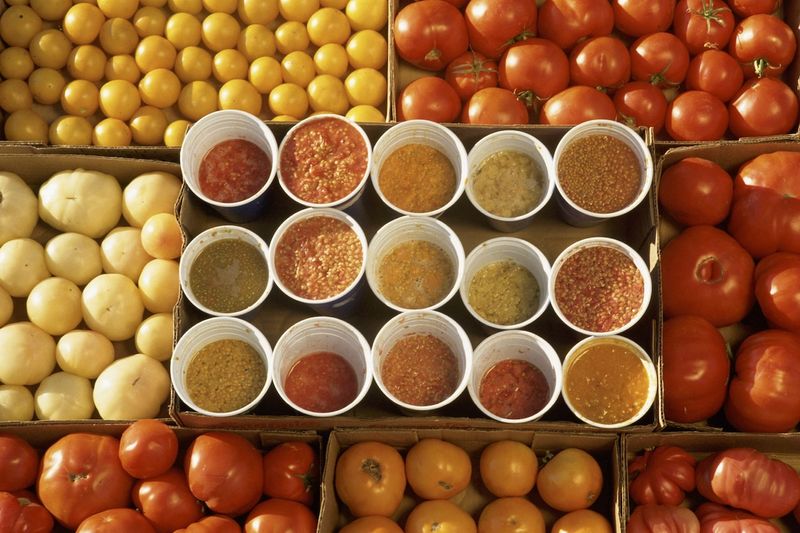
Seed saving connects gardeners to agricultural traditions while ensuring favorite varieties return next year. August offers perfect timing for collecting seeds from tomatoes, peppers, beans, and flowering plants.
Choose seeds only from healthy, disease-free plants that displayed desirable characteristics throughout the growing season. Allow fruits to fully ripen before harvesting seeds for maximum viability.
Properly dried and stored seeds remain viable for several years when kept in cool, dry conditions. Label seed packets clearly with variety names and collection dates to avoid confusion during next spring’s planting excitement.