 Complete Gardening
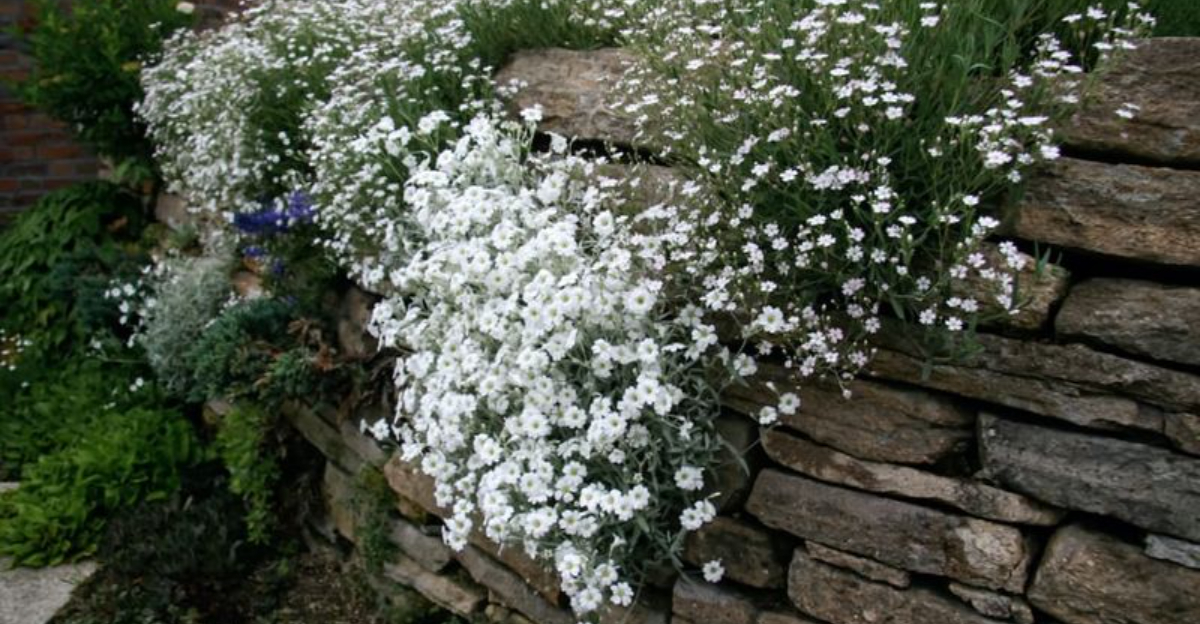
Discover the enchanting world of Baby’s Breath, a garden favorite known for its cloud-like blooms. With delicate flowers that dance in the breeze, this plant adds an ethereal touch to any landscape.
Whether you’re a seasoned gardener or just starting, these 10 essential tips will guide you to cultivate Baby’s Breath successfully. From choosing the right variety to ensuring optimal growth conditions, learn how to nurture these beautiful blooms.
Explore the secrets that make Baby’s Breath a timeless addition to gardens, bringing beauty and charm to your outdoor space.
1. Pick the Right Variety
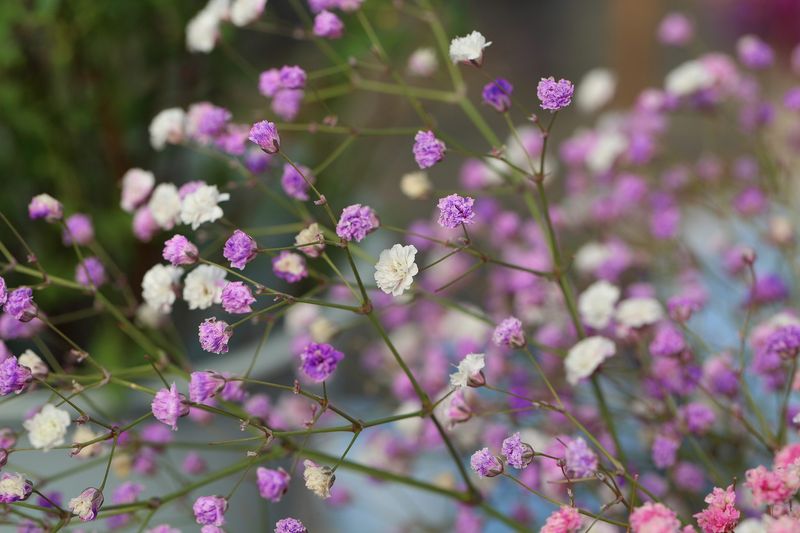
Choosing the right Baby’s Breath variety is like setting the stage for a garden symphony. Gypsophila paniculata, with its tall, branching stems, offers a perennial delight, while Gypsophila elegans brings a quick burst of annual beauty. Consider your climate and garden goals. Do you prefer enduring perennials or vibrant annuals that offer seasonal flair? This choice shapes your garden’s personality.
In cooler climates, perennial varieties might thrive better, adding structure and longevity. Meanwhile, annuals provide quick gratification and are perfect for cutting gardens. Your decision here lays the foundation for a mesmerizing floral display.
2. Plant in Full Sun
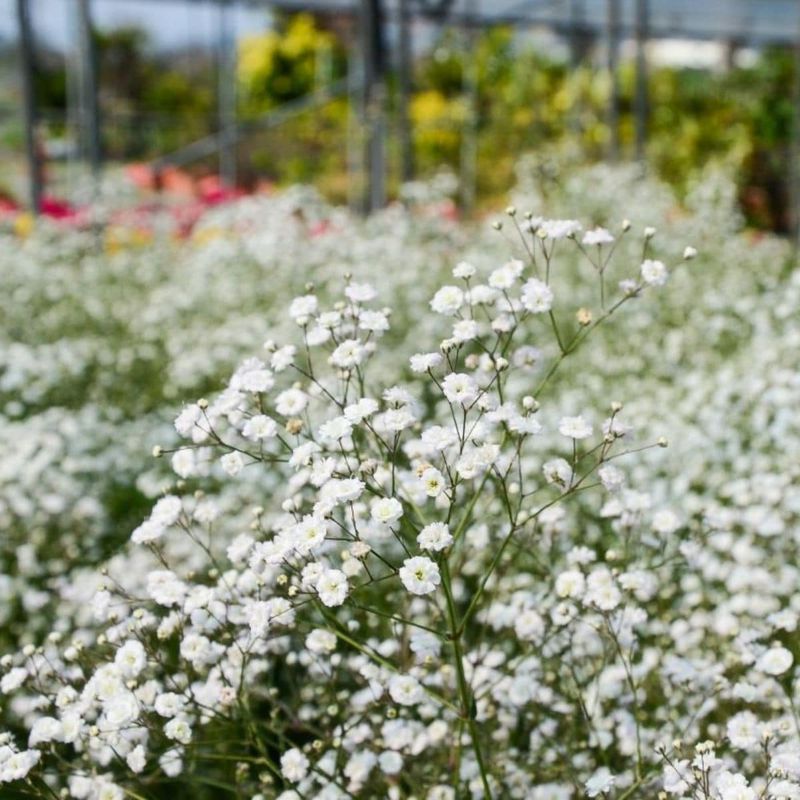
Sunlight is the secret ingredient to Baby’s Breath radiant blooms. Plant them where they can bask in at least six hours of direct sunlight each day. Imagine this delicate flower soaking up the sun, transforming light into fluffy clouds of blooms.
Avoid shady spots, as they can lead to sparse flowers and leggy growth. Sunlight energizes these plants, encouraging robust growth and vibrant flowering. A sun-drenched location ensures that Baby’s Breath reaches its full potential, creating a garden spectacle that captures the essence of a sunlit paradise.
3. Use Well-Draining Soil
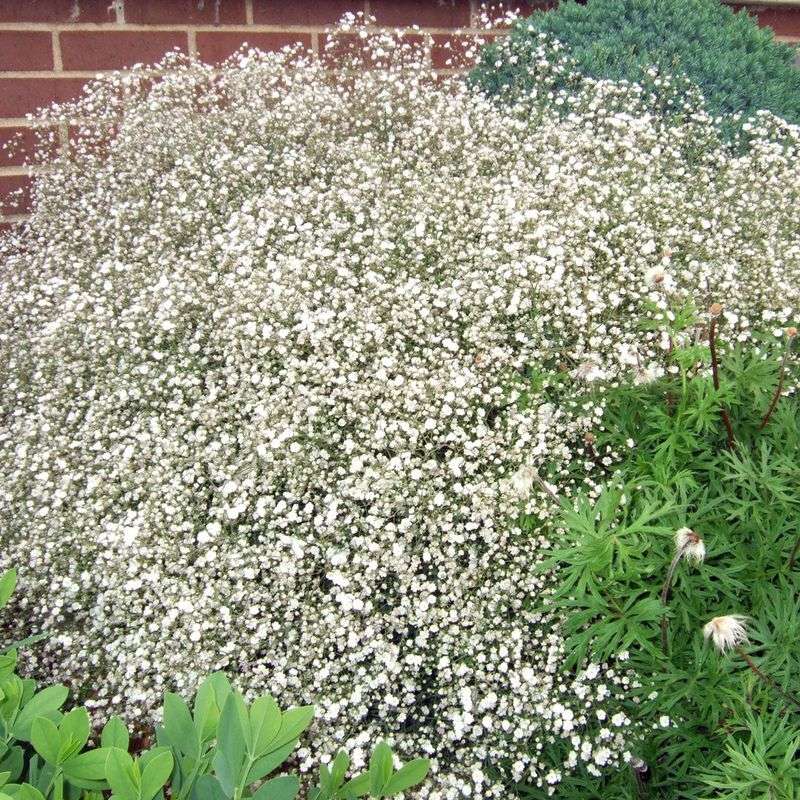
The foundation of any thriving plant is its soil, and Baby’s Breath is no exception. This plant flourishes in well-draining, sandy soil. Picture a setup where water flows freely, preventing the roots from drowning. Integrate sand or perlite into the soil to achieve this ideal condition.
If your soil is acidic, adding lime can adjust the pH to the preferred 7.0–7.5 range, ensuring optimal nutrient absorption. This soil preparation creates the perfect environment for Baby’s Breath to flourish, resulting in a garden filled with airy, cloud-like flowers.
4. Start from Seeds or Transplants
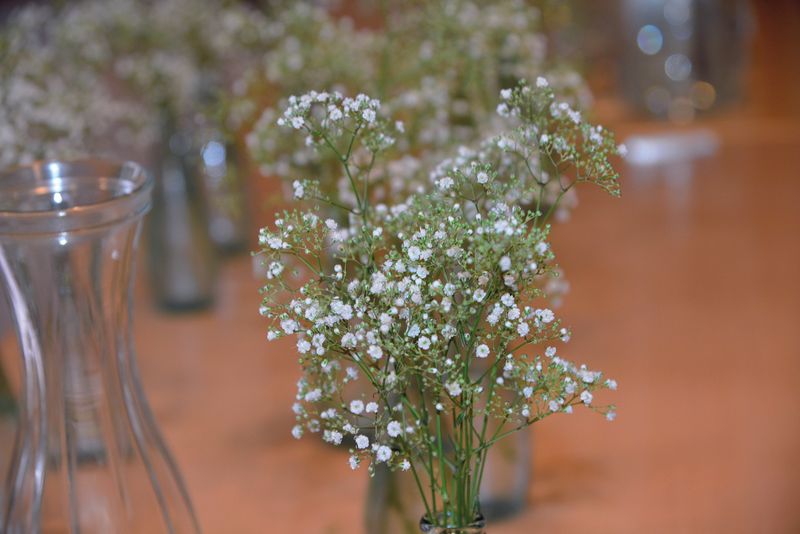
Starting Baby’s Breath from seeds or transplants offers flexibility for gardeners of all skill levels. Imagine sowing seeds directly into the earth in spring, watching them sprout and grow. Alternatively, consider starting seeds indoors a few weeks before the last frost for an early bloom.
For those seeking instant gratification, nursery-grown transplants provide immediate impact. Whichever method you choose, spacing is key. Thin seedlings or space transplants 12–18 inches apart to avoid overcrowding. This approach ensures each plant has room to grow, resulting in a flourishing, airy garden display.
5. Water Sparingly
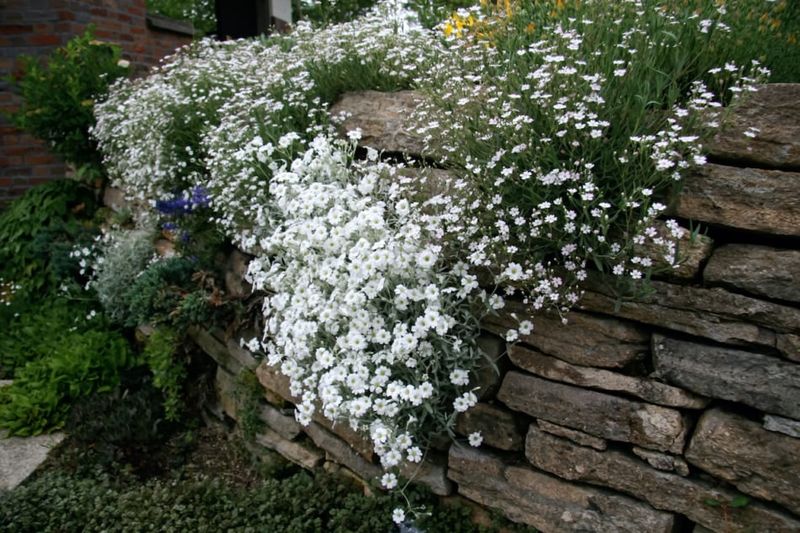
Once established, Baby’s Breath showcases its drought-tolerant nature. While young, regular watering is essential until roots take hold. Picture a nurturing process, gradually easing as the plant matures.
Over time, water only during extended dry spells, as overwatering can lead to root rot. This approach mirrors a careful balance, cultivating a resilient plant that thrives in less water. In regions prone to summer droughts, Baby’s Breath stands as a garden hero, adding beauty while conserving water, making it an ideal choice for environmentally conscious gardeners.
6. Don’t Forget to Prune
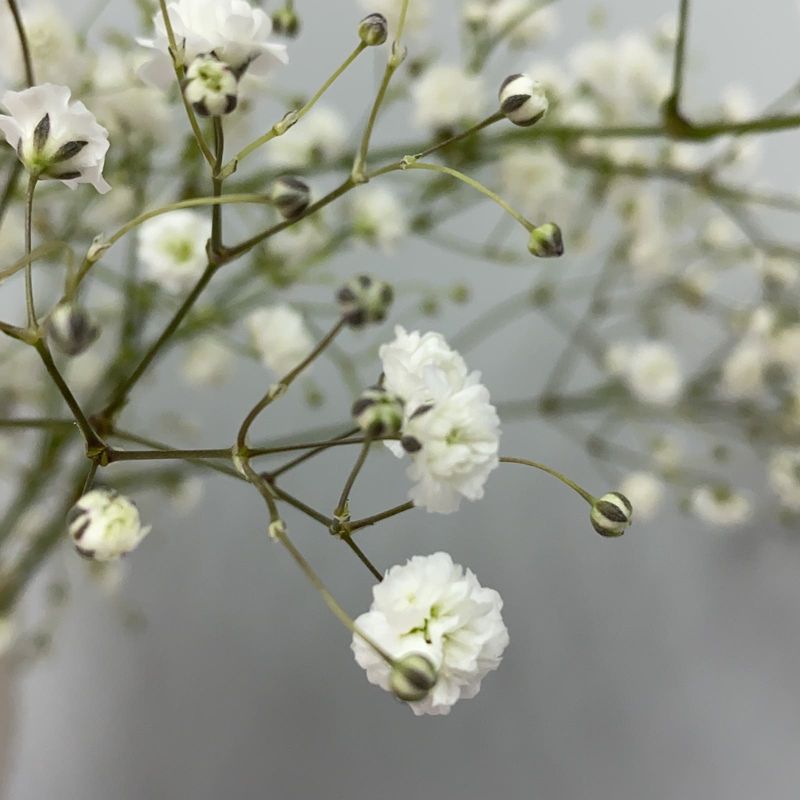
Pruning Baby’s Breath is like sculpting a masterpiece. By trimming regularly, you encourage bushier growth and more blooms. Imagine a gardener’s gentle touch, removing spent flowers to make way for new growth.
After the first major bloom, cutting the plant back by half can inspire a second floral wave. This practice not only enhances aesthetics but also promotes plant health. Pruning becomes an act of rejuvenation, crafting a garden that continually surprises with fresh blossoms and a lush, vibrant appearance.
7. Support Tall Varieties

Supporting tall varieties of Baby’s Breath is like offering a helping hand. Some perennials, with their towering presence, may need assistance to avoid flopping. Visualize discreet plant supports that blend seamlessly into the garden, or imagine plants leaning gracefully against a fence.
Staking ensures these grand plants maintain their structure, contributing to an organized, elegant garden aesthetic. This practice not only enhances visual appeal but also protects the plant, allowing it to display its full, majestic bloom without hindrance.
8. Watch Out for Root Rot and Mildew
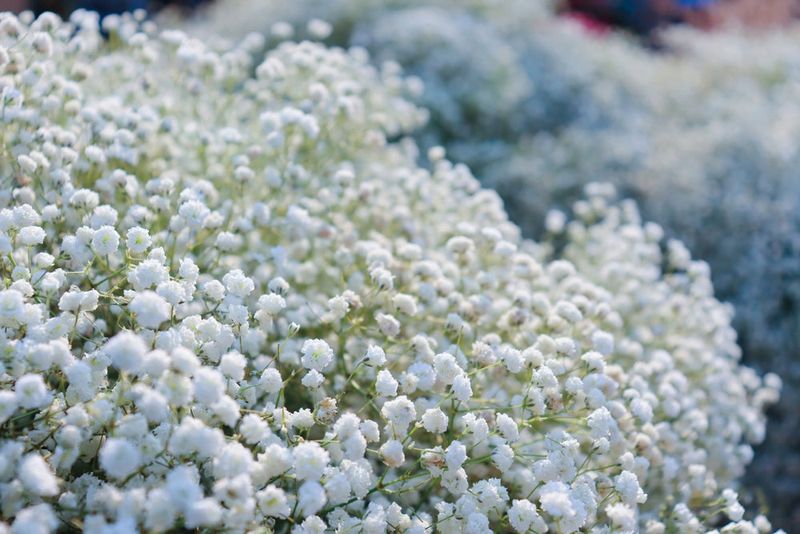
Baby’s Breath is generally pest-resistant, yet vigilance is key to its health. Root rot and mildew are potential threats in poor drainage or high humidity. Picture a watchful gardener, ensuring good air circulation and practicing careful watering.
Avoid overhead watering to minimize mildew risk. This preventive care fosters a robust plant, capable of resisting common ailments. By maintaining vigilance, your Baby’s Breath will thrive, providing an enduring display of ethereal beauty with minimal fuss or worry.
9. Harvest for Bouquets and Drying
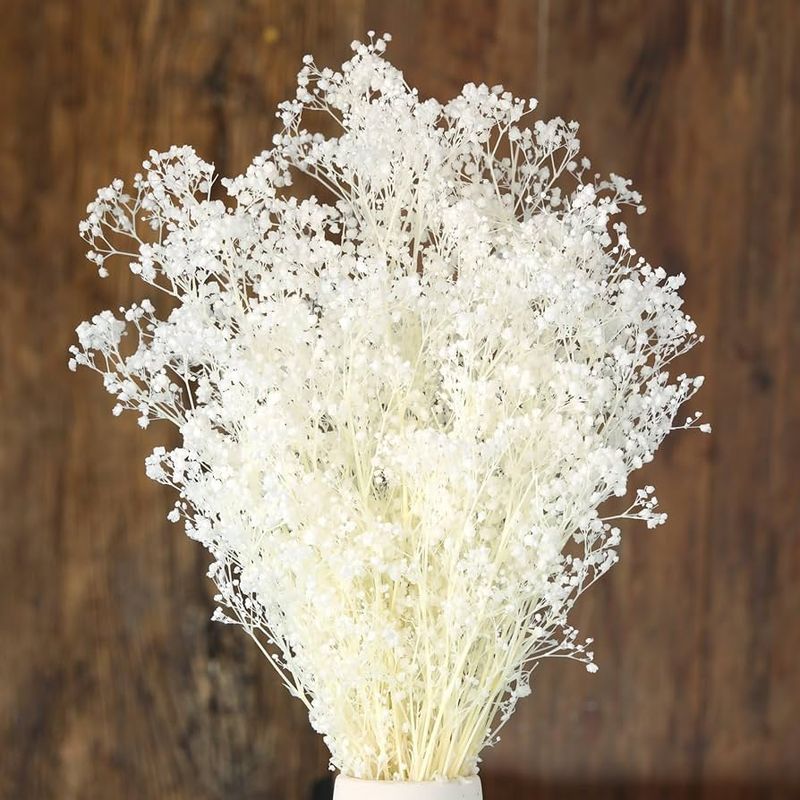
Harvesting Baby’s Breath is akin to capturing a moment of beauty. These blooms are cherished in floral arrangements for their delicate presence. Picture cutting stems early in the morning when buds are half-open, preserving their freshness.
For dried flowers, hang bunches upside down in a cool, dark place. This method retains their shape and color, creating lasting decor. Baby’s Breath’s versatility in fresh and dried forms adds a timeless charm to any setting, making it a favorite for both garden enthusiasts and floral designers alike.
10. Let It Self-Seed

Allowing Baby’s Breath to self-seed can transform a garden into a natural wonder. Imagine a gentle breeze scattering seeds, leading to new growth in the following season. In the right conditions, this plant can reseed itself, adding spontaneity to your garden.
However, be mindful of its potential to spread aggressively, especially Gypsophila paniculata. This natural propagation offers an effortless way to maintain a lush, blooming garden year after year, blending structure and wild beauty in a harmonious display.