 Complete Gardening
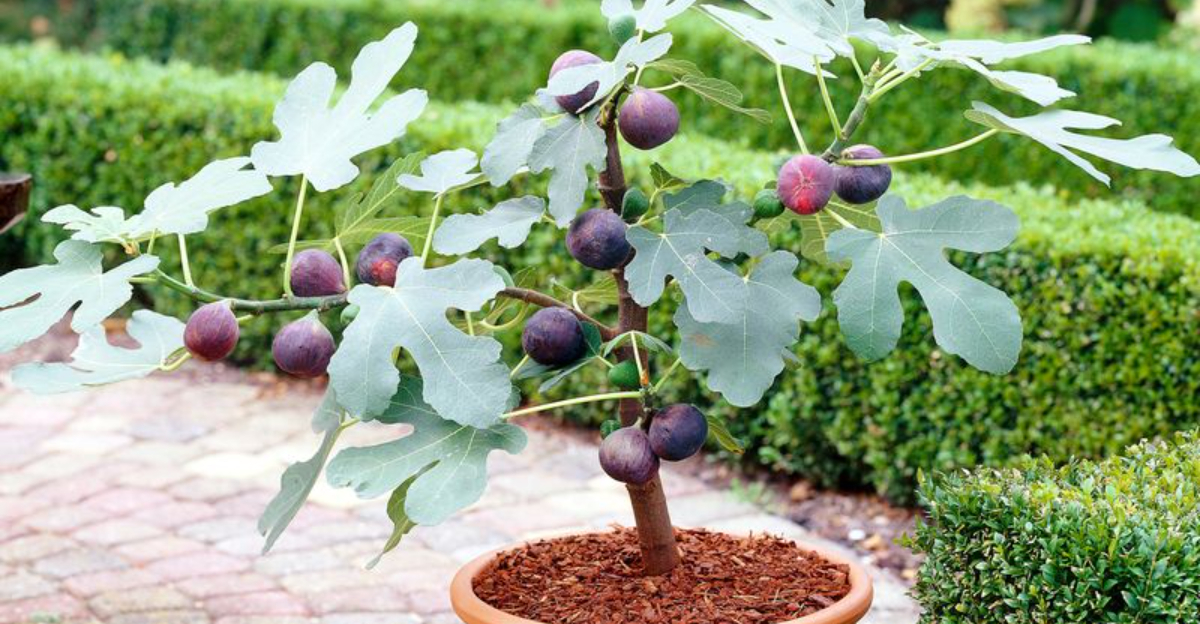
Growing fig trees in your backyard is easier than you think. With the right care and conditions, these trees can thrive and produce delicious fruit.
This blog post provides ten essential tips to help you successfully cultivate fig trees at home, whether you have a sprawling garden or a compact urban space.
Follow these guidelines to enjoy the sweet success of fig harvesting.
1. Choose the Right Fig Variety
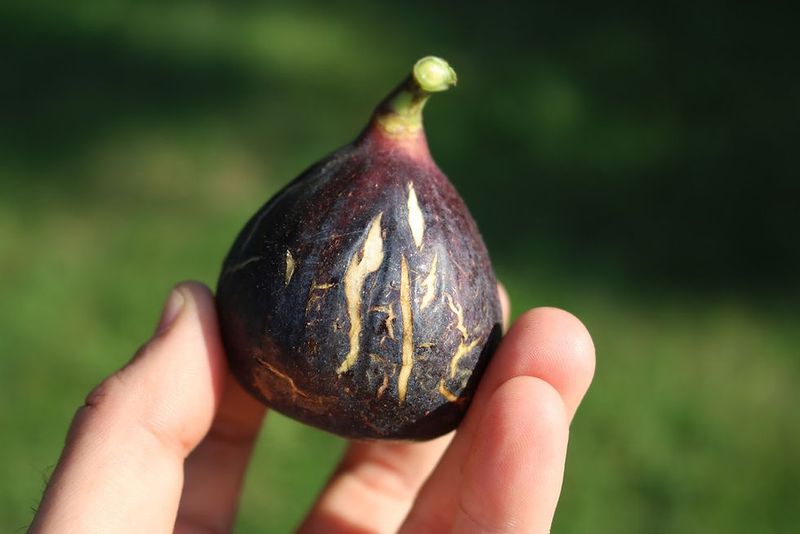
Not all figs are created equal. For beginners, selecting a fig variety that suits your local climate is crucial. Brown Turkey, known for cold hardiness and reliability, is a great start. Celeste, with its sweet and compact nature, fits snugly in smaller spaces. Black Mission, although requiring warmth, offers a rich flavor. Each brings unique advantages, so understanding your zone’s conditions will guide your choice, leading to fruitful gardening.
2. Pick a Sunny Spot
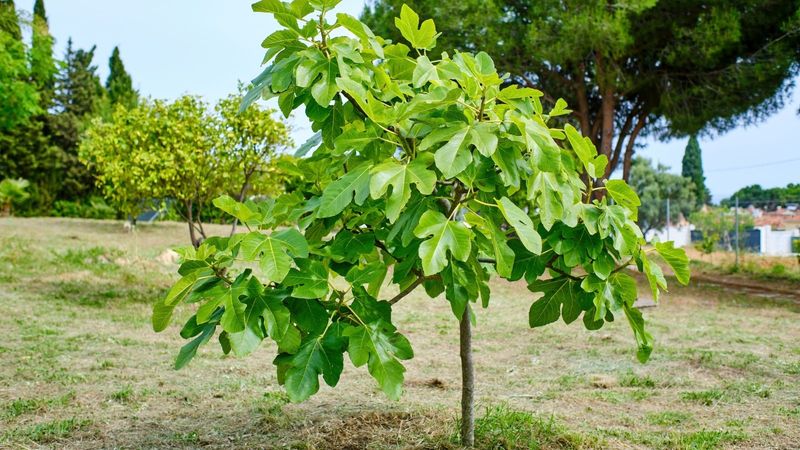
Figs thrive in sunlight, needing at least 6–8 hours of exposure each day. Selecting a location with ample sun and good air circulation ensures healthy growth. Avoiding shaded or damp areas prevents potential issues like mold and pests. Additionally, well-drained soil is vital because figs despise soggy roots. With the right position, your fig tree will bask in sunlight, turning sunlight into sweet, juicy figs.
3. Plant at the Right Time
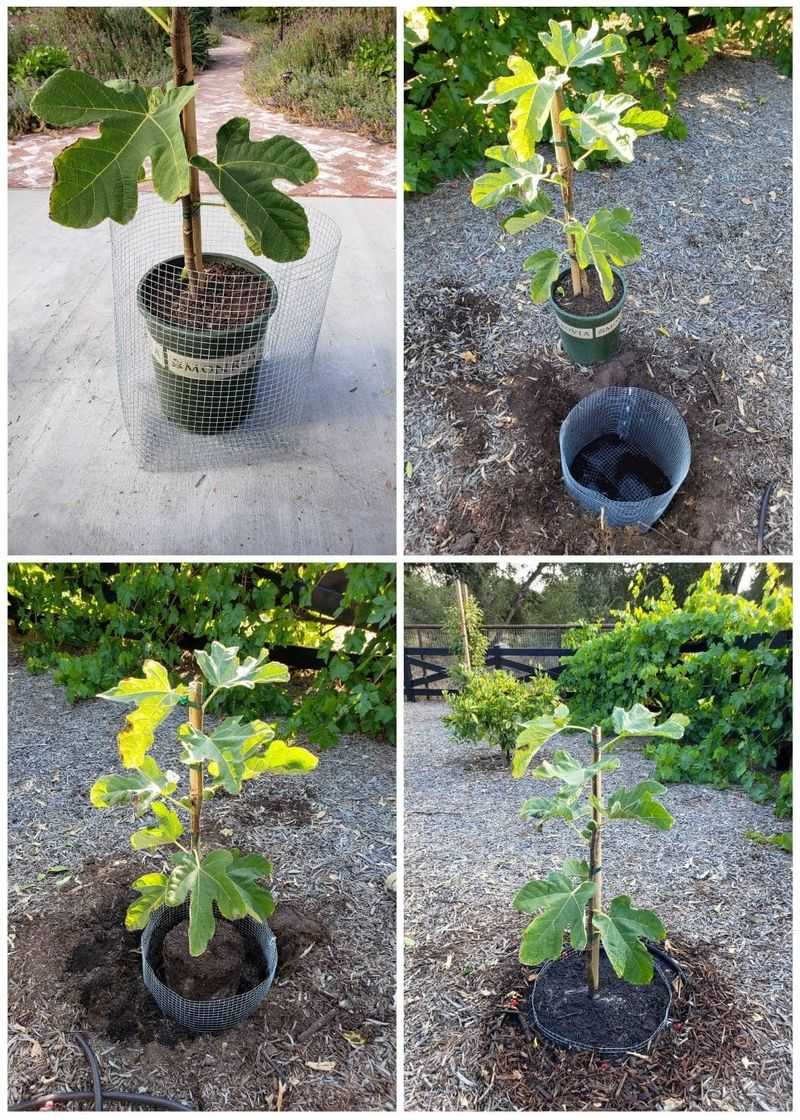
Timing is everything when planting fig trees. Late winter or early spring is the ideal planting window. During dormancy, planting allows the fig tree to establish roots before vigorous summer growth. This head start provides the stability and nutrition it needs once the growing season kicks into high gear. Preparing the planting site ahead ensures a smooth transition from dormancy to flourishing life.
4. Use Well-Draining Soil
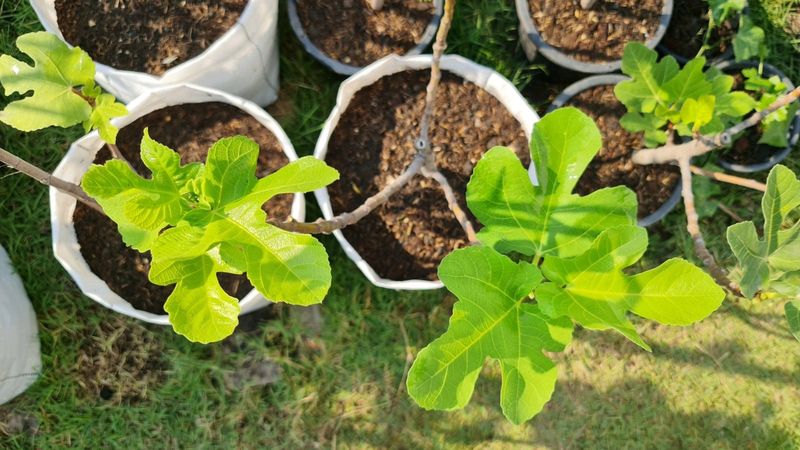
Figs dislike wet feet, so ensuring well-draining soil is paramount. Mixing in organic compost or sand can transform heavy, clay soil into a more hospitable environment. Raised beds are another excellent option, lifting roots away from potential waterlogging. A careful balance will prevent root rot, allowing figs to focus energy on producing abundant, delicious fruit rather than struggling in soggy conditions.
5. Water Wisely
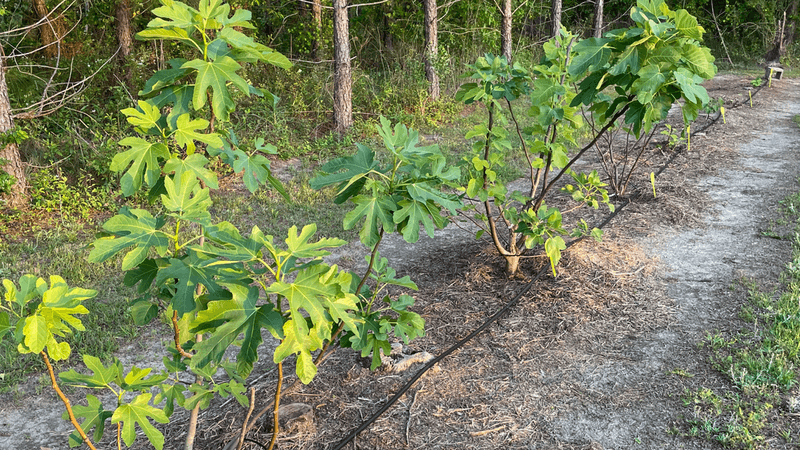
Watering fig trees requires a thoughtful approach. Deep, infrequent watering encourages roots to grow strong and resilient. Allowing soil to dry slightly between waterings prevents root rot, a common ailment for overwatered figs. This method mimics natural rainfall patterns, promoting healthy growth. Keeping close tabs on weather conditions helps adjust your watering schedule, ensuring your fig tree receives just the right amount of moisture.
6. Container Growing Works Too!
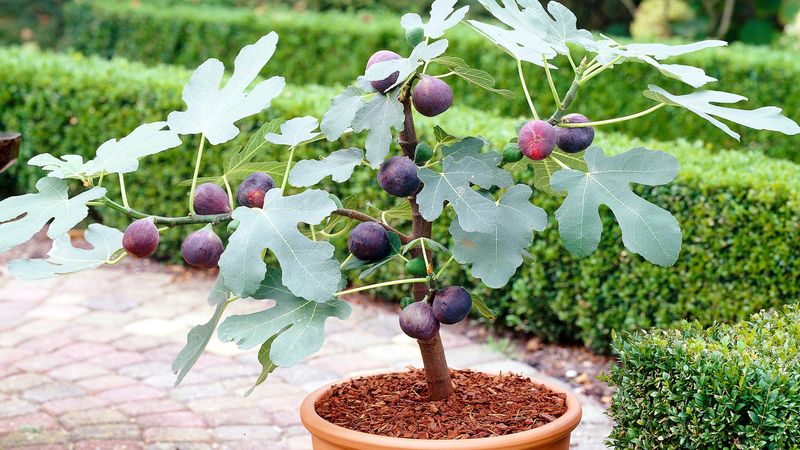
Limited space? Figs are surprisingly adaptable and flourish in large containers. This flexibility is perfect for patios or colder climates where moving plants indoors during winter is necessary. Container-grown figs enjoy the same sun and watering requirements but benefit from controlled soil conditions. This method offers urban gardeners a chance to enjoy fresh figs without a traditional garden, making fig cultivation accessible to all.
7. Minimal Pruning Needed
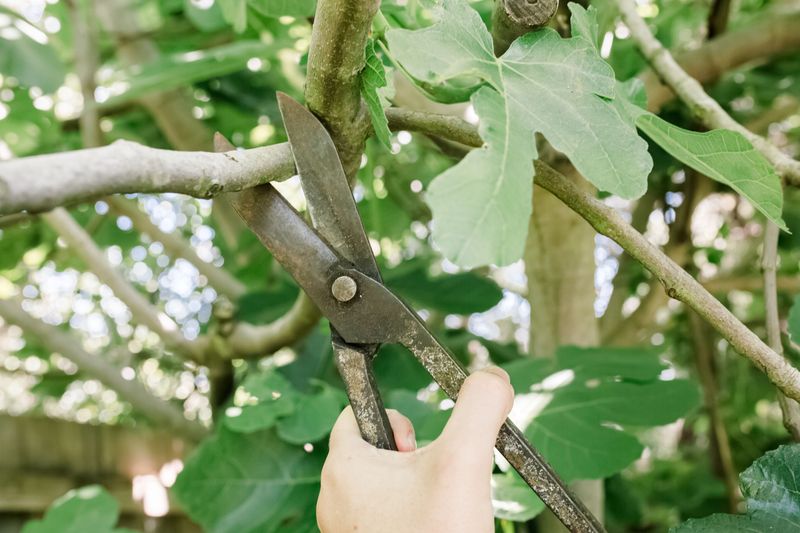
Fig trees require minimal pruning, with the focus on removing dead, weak, or crossing branches. Late winter is the preferred time to prune, as it prepares the tree for spring’s vigorous growth. This practice ensures sunlight reaches every branch, promoting even fruit development. Pruning also prevents overcrowding, allowing air circulation to keep the tree healthy. With minimal effort, your fig tree will maintain a productive and aesthetic form.
8. Protect from Frost

Frost is a foe of fig trees, particularly in regions below USDA Zone 7. In these areas, winter protection is crucial. Wrapping the tree with burlap or moving it indoors during freezing temperatures prevents frost damage. These steps safeguard the tree’s health and ensure it wakes up to a fruitful season. Being proactive with frost protection means your fig tree will thrive, even in the coldest months.
9. Watch for Pests
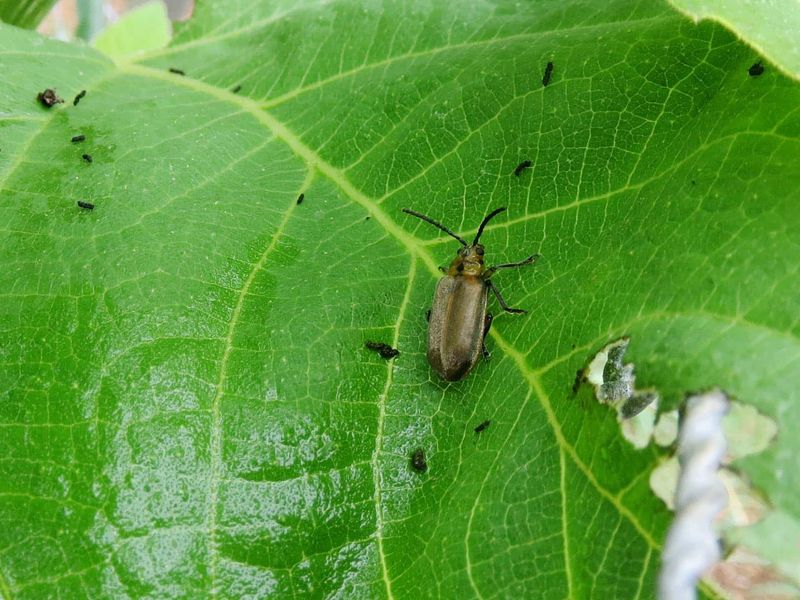
Figs are generally resilient against pests, but occasional visitors like birds, ants, or fig beetles may drop by. While they rarely cause significant harm, it’s wise to stay vigilant. Netting and natural repellents offer simple solutions to deter unwanted guests. Encouraging a balanced ecosystem within your garden helps maintain the fig’s health, allowing it to thrive without constant intervention.
10. Harvest When They Droop and Ooze Honey
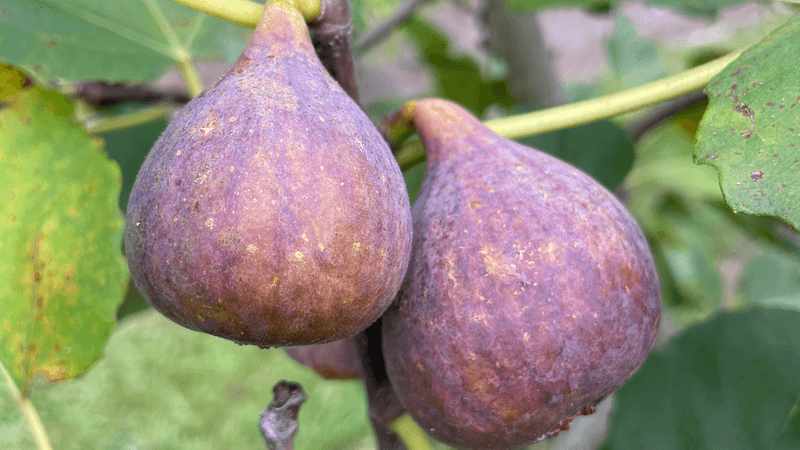
A fig’s ripeness is a sensory delight. When they droop slightly and feel soft, they’re ready to be picked. Often, a sweet nectar will ooze, hinting at their readiness. Harvesting at this peak ensures the best flavor, as figs do not ripen after being picked. Gentle handling during harvest preserves the fruit’s integrity, allowing you to enjoy the freshest, sweetest figs directly from your garden.