 Complete Gardening
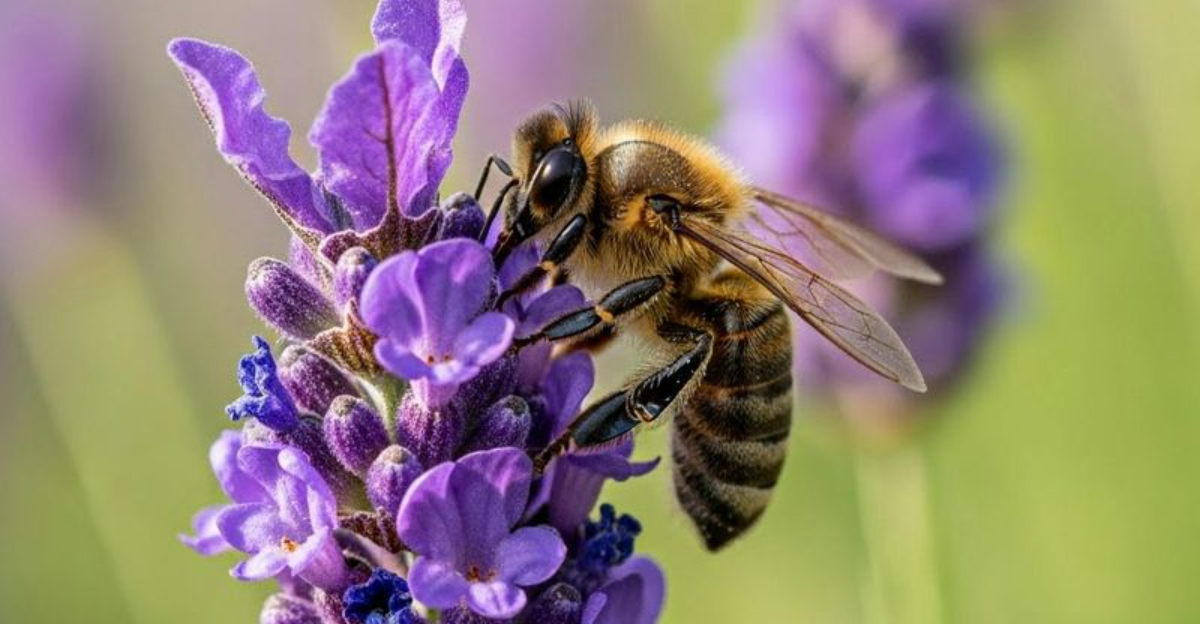
Turning your backyard into a buzzing, fluttering paradise is easier than you might think. Pollinators like bees, butterflies, and hummingbirds play a huge role in keeping our food supply healthy and our ecosystems balanced.
By choosing the right plants, you can bring these incredible creatures right to your doorstep. Here are 20 amazing plants that pollinators absolutely cannot resist.
Lavender
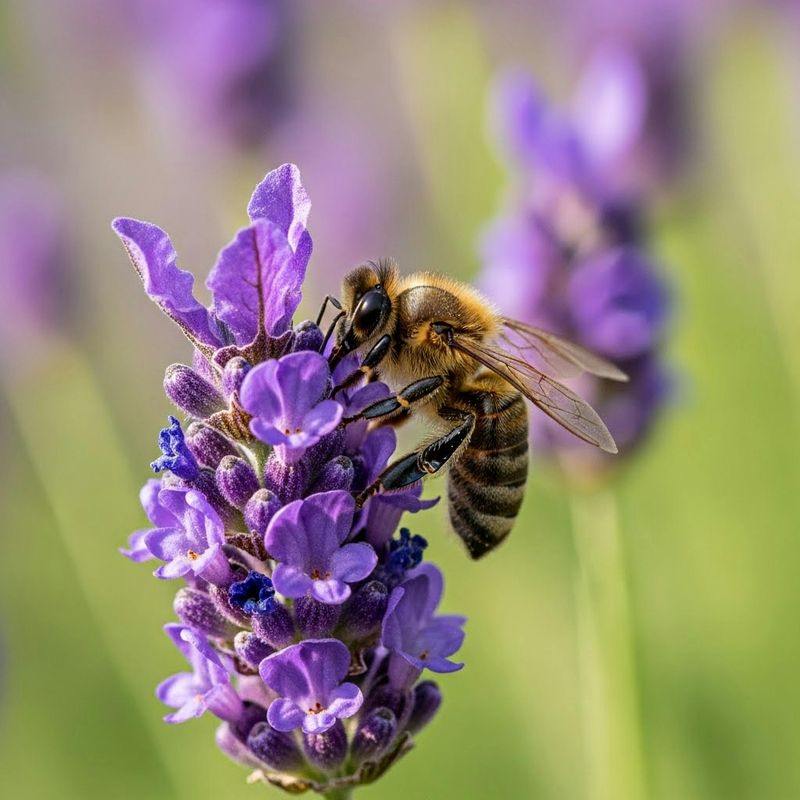
Few plants work as hard as lavender when it comes to pulling in pollinators. Bees go absolutely wild for its fragrant purple blooms, often covering a single plant in seconds.
It thrives in sunny spots with well-drained soil and needs very little water once established.
Planting lavender along a garden border gives you beauty, fragrance, and a pollinator hotspot all at once. Bonus: deer tend to avoid it, so your blooms stay safe all season long.
Black-Eyed Susan
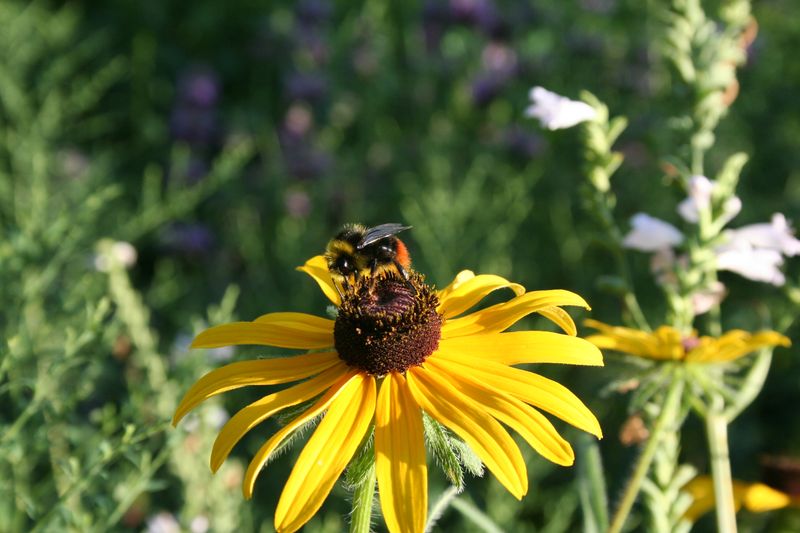
Black-Eyed Susans are like the life of the garden party. Their bold yellow petals and dark chocolate centers act like landing pads for bees, butterflies, and even beetles.
These cheerful wildflowers bloom from midsummer all the way into fall, giving pollinators a long season of food.
They are super low-maintenance and drought-tolerant, making them a smart pick for beginner gardeners. Plant them in groups for the biggest visual and pollinator impact.
Coneflower (Echinacea)
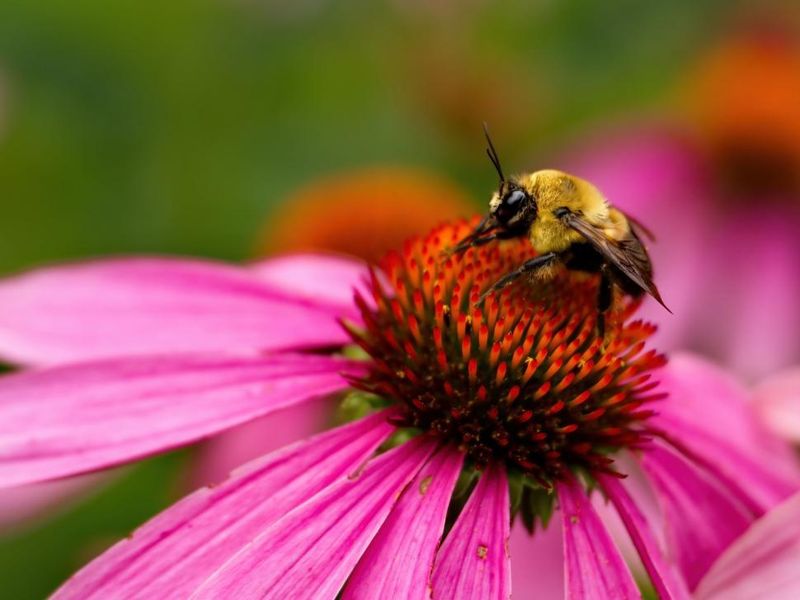
Monarch butterflies practically have a standing reservation on coneflowers every summer. These native prairie plants produce sturdy, daisy-like blooms in shades of purple, pink, and white that pollinators find irresistible.
They also produce seeds that songbirds love to snack on in late fall.
Coneflowers are tough, heat-tolerant, and come back year after year without much fuss. Plant them in full sun and watch your backyard transform into a butterfly boulevard almost overnight.
Bee Balm
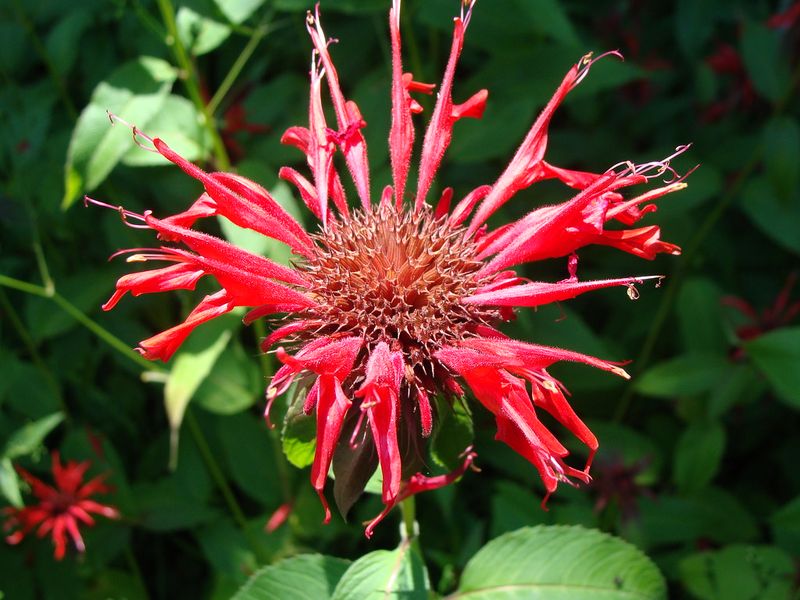
Named for the pollinators it magnetizes, bee balm is one of the most exciting plants you can add to your yard. Its wild, shaggy blooms in red, pink, and purple attract hummingbirds, bumblebees, and sphinx moths all at once.
Few garden scenes are more thrilling than a hummingbird hovering over a patch of bee balm on a summer morning.
It spreads easily, so give it some room to roam. Full sun and moist soil keep it at its happiest.
Milkweed
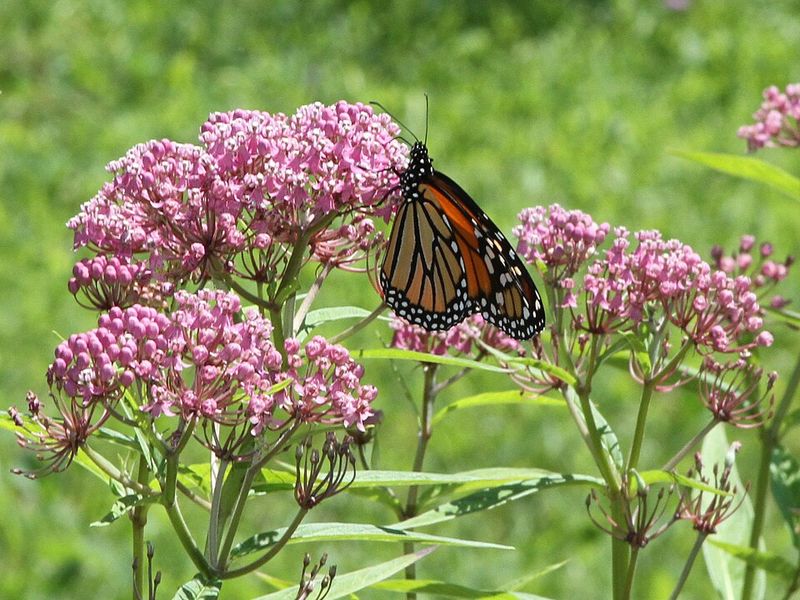
Milkweed is not just a plant for pollinators — it is the only plant monarch butterflies can use to lay their eggs. Without it, monarch caterpillars simply cannot survive.
Planting milkweed in your backyard means you are actively helping one of the most beloved butterflies on the planet.
The sweet-smelling pink flower clusters also attract a wide variety of bees and beetles. Choose a native milkweed species suited to your region for the best results.
Sunflower
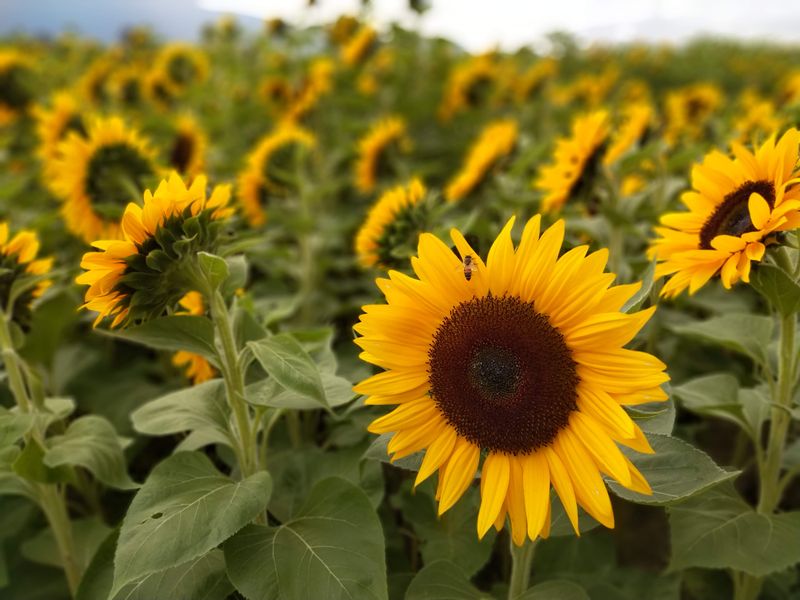
Sunflowers are basically an all-you-can-eat buffet for pollinators. A single sunflower head can hold thousands of tiny individual flowers, each packed with pollen and nectar.
Bees, especially native bumblebees, go into a feeding frenzy when sunflowers are in bloom.
Plant them along a fence or in a sunny corner, and they will shoot up quickly with minimal effort. After blooming, leave the seed heads standing so birds can feast on them through winter.
Salvia
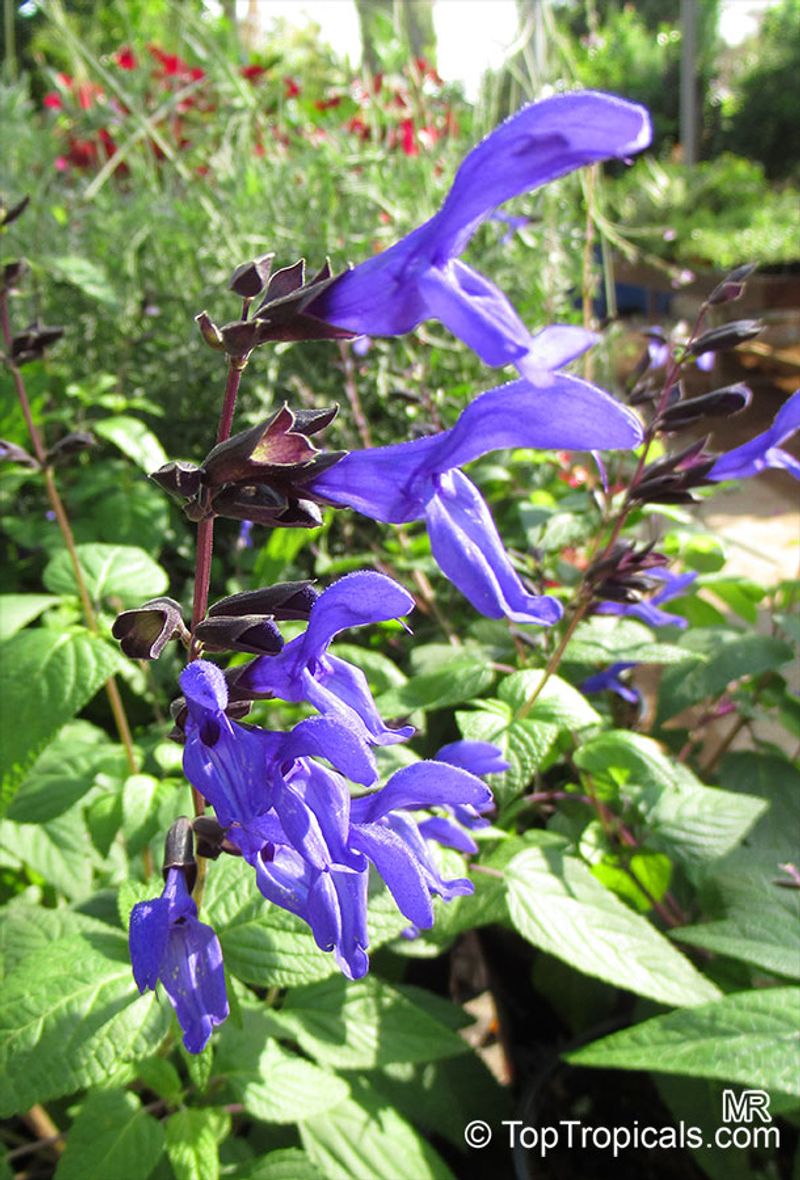
Salvia has a secret weapon: its tubular flowers are perfectly shaped for hummingbird beaks and long-tongued bees. The blooms come in electric shades of blue, purple, and red that practically glow in afternoon sunlight.
Hummingbirds especially love red salvia and will return to the same plant repeatedly throughout the day.
It handles heat like a champ and blooms for months without much attention. Deadheading spent flowers encourages even more blooms to keep pollinators coming back.
Zinnia
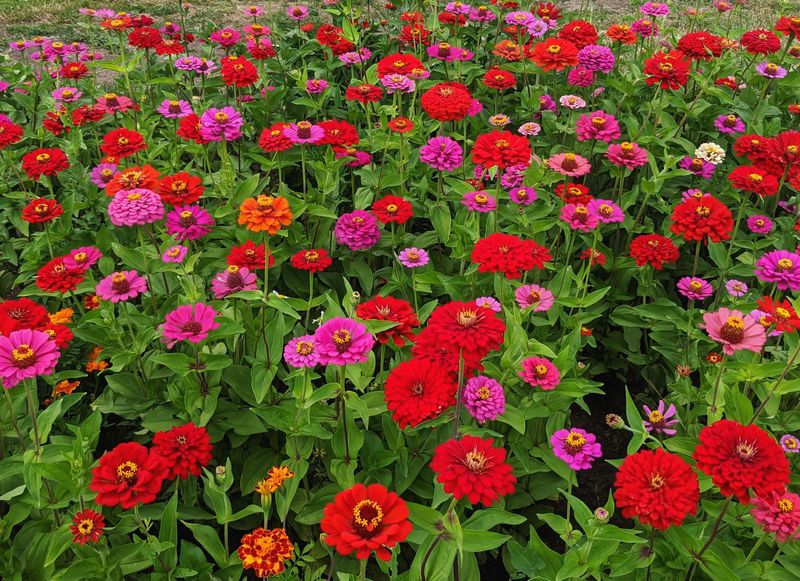
Zinnias are the ultimate crowd-pleasers in any pollinator garden. Their bold, flat blooms in every color of the rainbow give butterflies the perfect landing spot to feed.
Painted ladies, swallowtails, and skipper butterflies are especially drawn to them throughout the summer months.
Growing zinnias from seed is fast and easy, even for kids. They thrive in hot, sunny spots and bloom continuously from summer until the first frost, keeping your garden active with winged visitors.
Borage
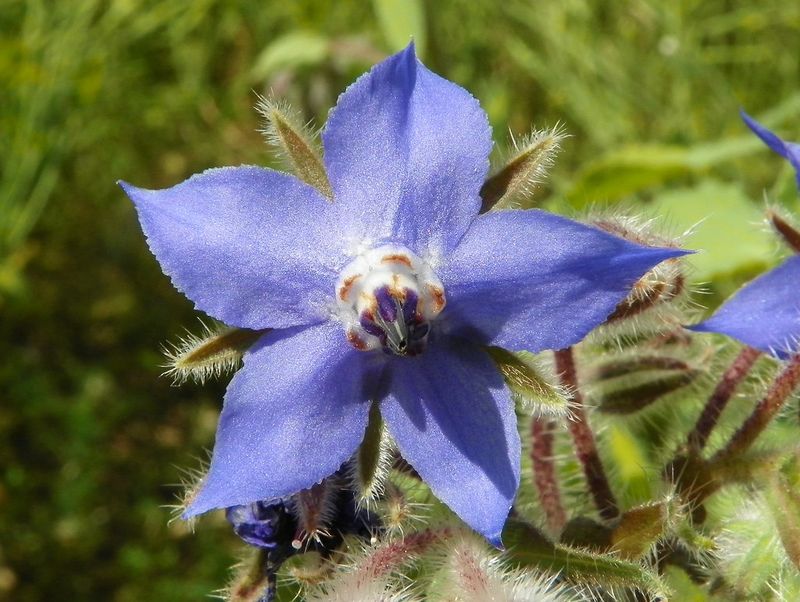
Borage might not be the most famous garden plant, but pollinators know exactly where to find it. Its brilliant sky-blue, star-shaped flowers produce nectar so fast that bees seem to show up minutes after the blooms open.
Some gardeners call it the bee magnet of the herb garden.
It self-seeds freely, meaning once you plant it, it tends to return year after year on its own. The leaves and flowers are even edible, making it a fun and functional garden addition.
Catmint
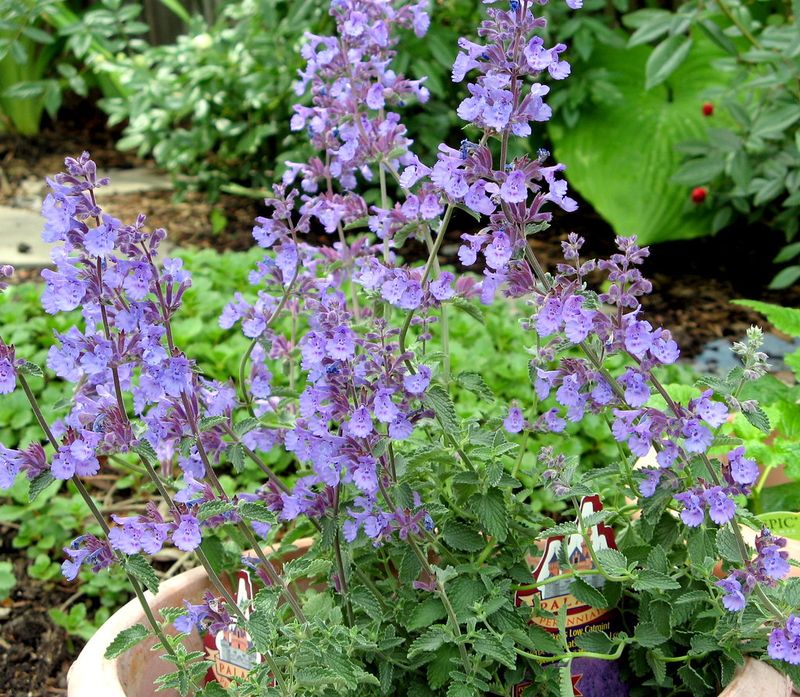
Catmint earns its place in any pollinator garden by blooming early, blooming often, and being nearly impossible to kill. Bees absolutely swarm its soft lavender-blue flower spikes from late spring through summer.
After the first flush of flowers fades, simply cut the plant back by half and it will bloom again within weeks.
It forms tidy, mounding clumps that spill beautifully over garden edges. Catmint is also deer-resistant, drought-tolerant, and handles poor soil without complaint.
Anise Hyssop
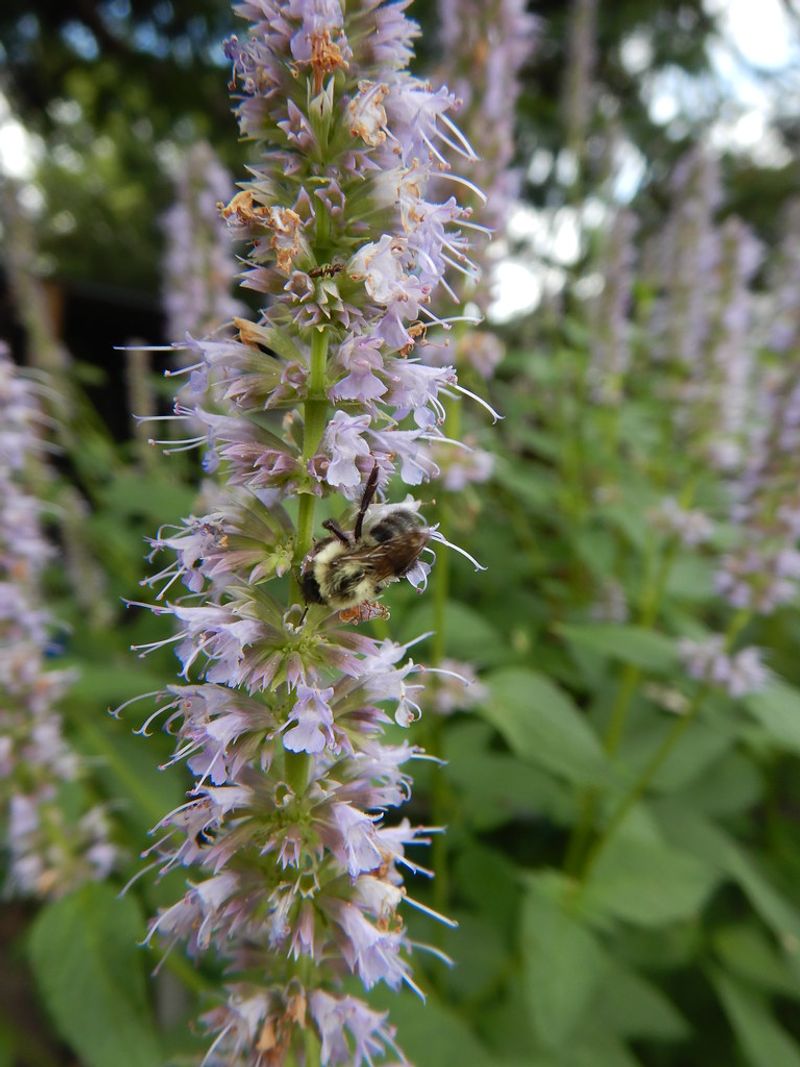
Anise hyssop smells like licorice and pollinators find that scent absolutely irresistible. Its tall, candle-like purple flower spikes attract bumblebees, honeybees, and butterflies in impressive numbers.
It blooms for a long stretch in midsummer, bridging the gap between early and late-season pollinators.
This North American native thrives in full sun with average soil and handles summer heat with ease. It also self-seeds modestly, so your patch will naturally expand and grow fuller each year.
Phlox
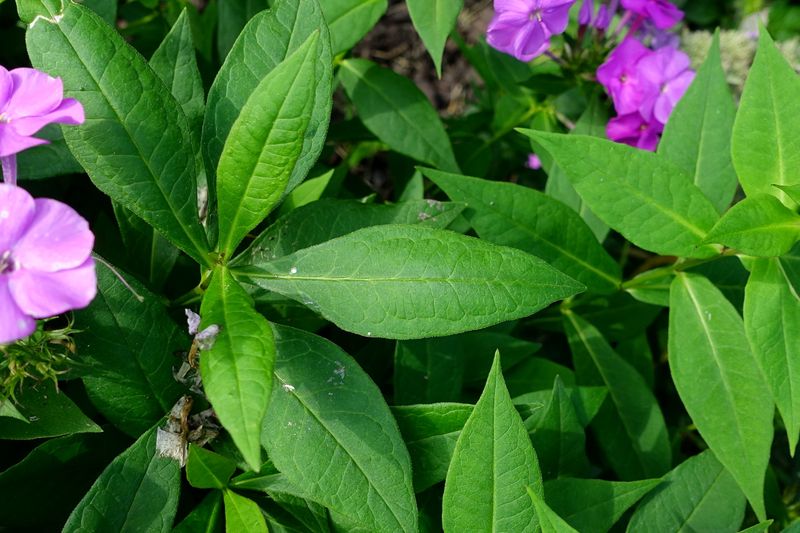
Garden phlox is a summer staple that pollinators cannot overlook. Its large, fragrant clusters of pink, purple, white, and red flowers attract swallowtail butterflies and hummingbird moths with ease.
The sweet scent intensifies in the evening, drawing in moths that most gardeners never even knew existed.
Plant phlox where it gets morning sun and good air circulation to prevent powdery mildew. It pairs beautifully with coneflowers and bee balm in a mixed pollinator border.
Wild Bergamot
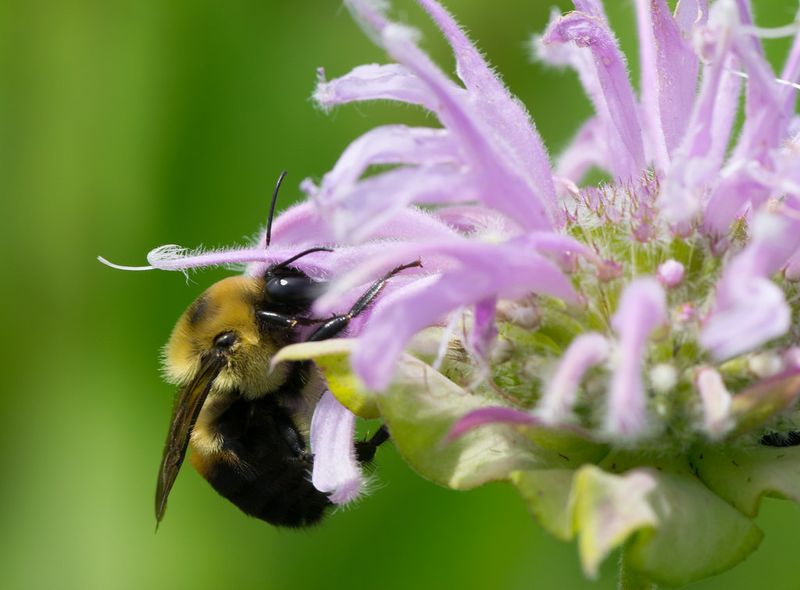
Wild bergamot is the native cousin of bee balm, and it brings just as much pollinator action to the yard. Its lavender-pink blooms are especially attractive to native bees, including mining bees and sweat bees that often get overlooked in favor of honeybees.
These native bees are critical pollinators for many food crops.
It thrives in average to dry soil and full sun, making it a tough plant for low-maintenance gardens. Once established, it spreads steadily and fills in beautifully.
Goldenrod
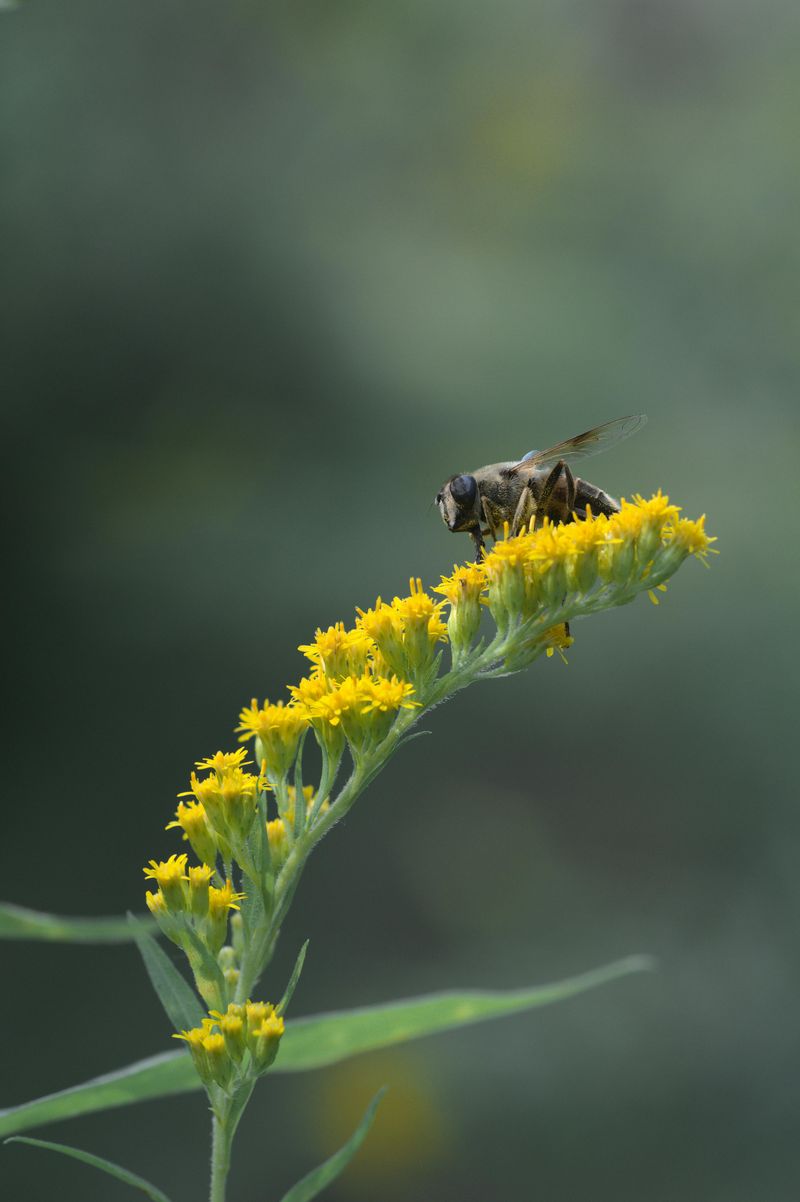
Goldenrod gets a bad reputation because people blame it for hay fever — but that is actually ragweed doing the sneezing damage. Goldenrod is actually a powerhouse pollinator plant, producing massive amounts of pollen and nectar right when fall bees need fuel the most.
Over 100 species of bees rely on it as a late-season food source.
Its golden plumes light up the garden from late summer into fall. Plant it in a sunny spot and let it spread naturally.
Russian Sage
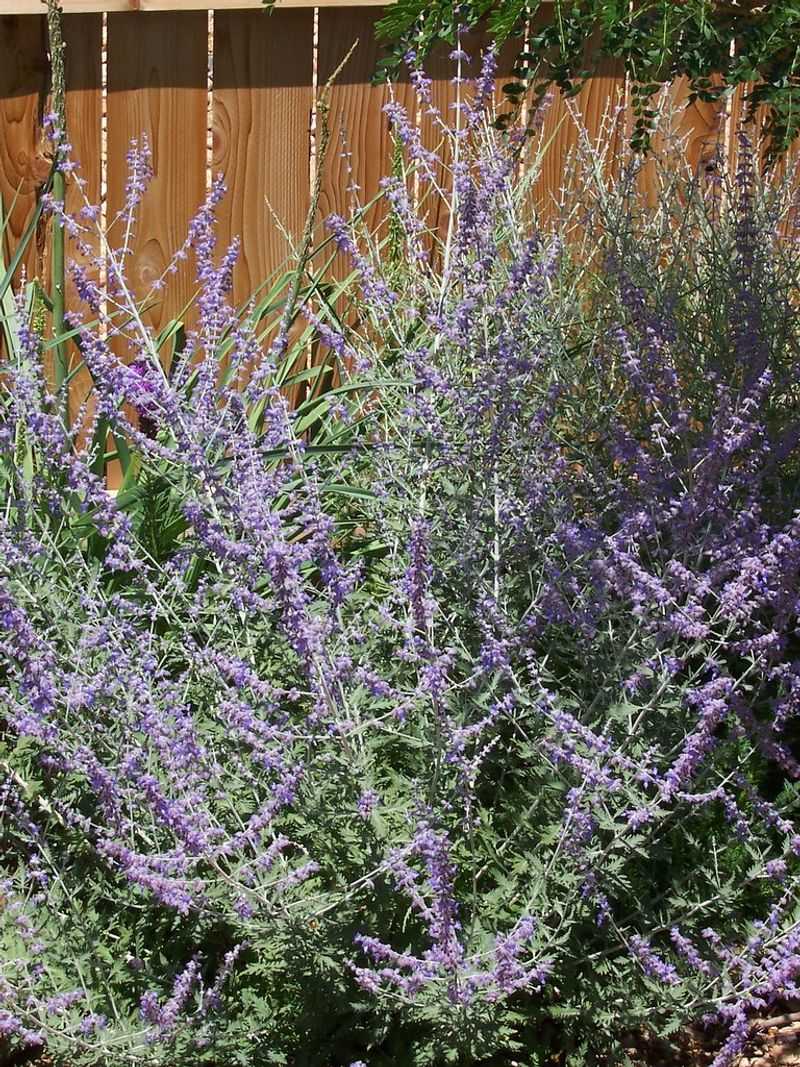
Russian sage looks like something out of a dream — tall, airy stems covered in tiny violet-blue flowers that shimmer in the breeze. Bees and hummingbirds find those delicate blooms impossible to pass up.
The silvery stems add striking texture even when the plant is not in bloom.
It handles drought, heat, and poor soil like a seasoned pro. Plant it toward the back of a border where its height and feathery form can really show off.
Butterfly Bush
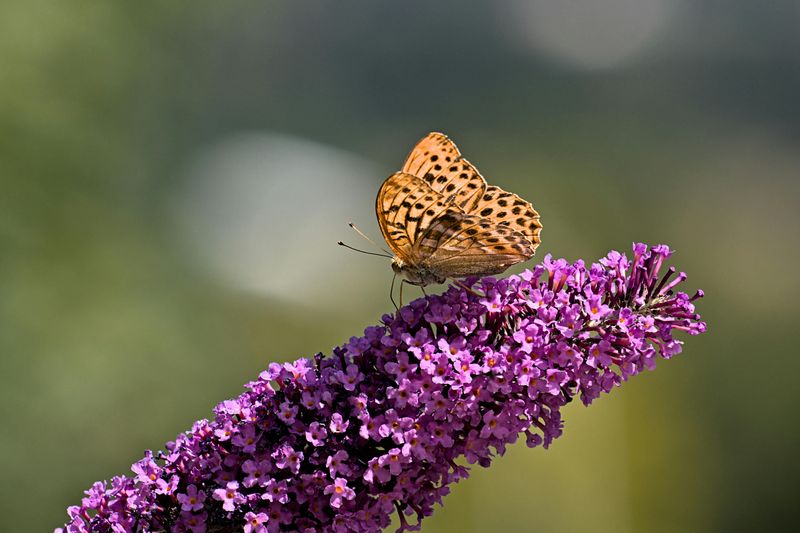
If you want butterflies flocking to your yard fast, butterfly bush delivers results almost immediately after planting. Its long, cone-shaped flower clusters in purple, pink, and white drip with nectar that draws in dozens of butterfly species at once.
On a warm summer day, a blooming butterfly bush can look like a living kaleidoscope.
Choose sterile varieties to prevent invasive spreading. Regular deadheading keeps the blooms coming strong from midsummer well into early fall.
Lemon Balm
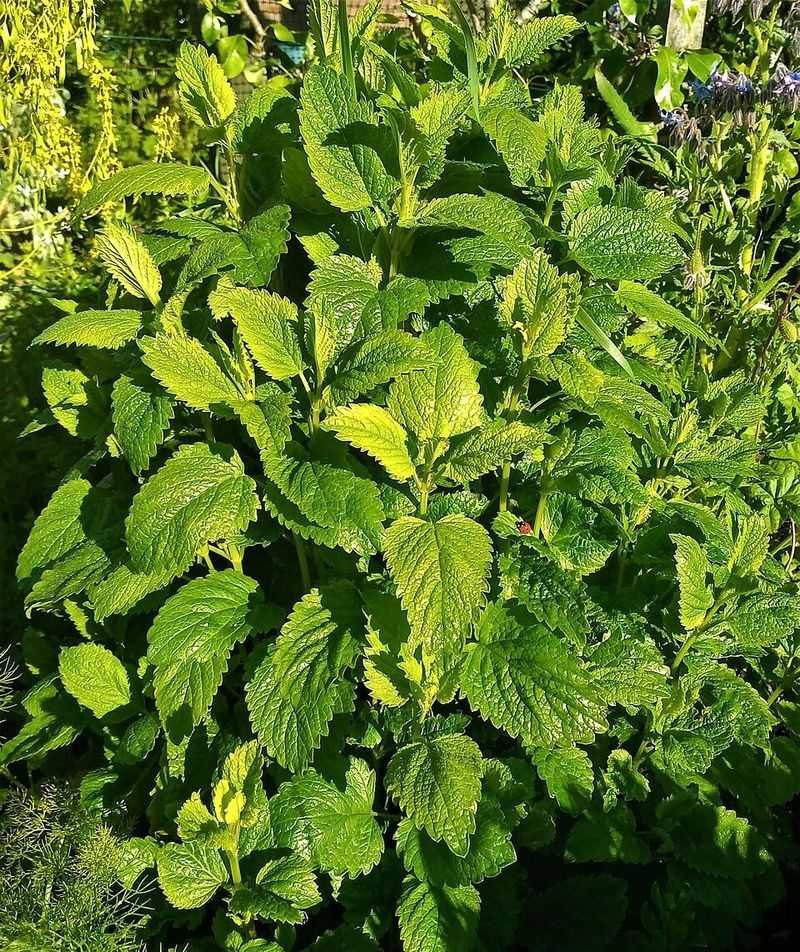
Lemon balm might look modest, but its tiny white flowers are a bees-only secret treasure. Honeybees and native bees are drawn to its light citrusy scent and abundant nectar.
In fact, ancient beekeepers used to rub lemon balm on hive boxes to attract swarms — that is how powerful its appeal is to bees.
It grows quickly in almost any soil and partial shade. Keep it trimmed to prevent it from taking over nearby garden beds.
Cosmos
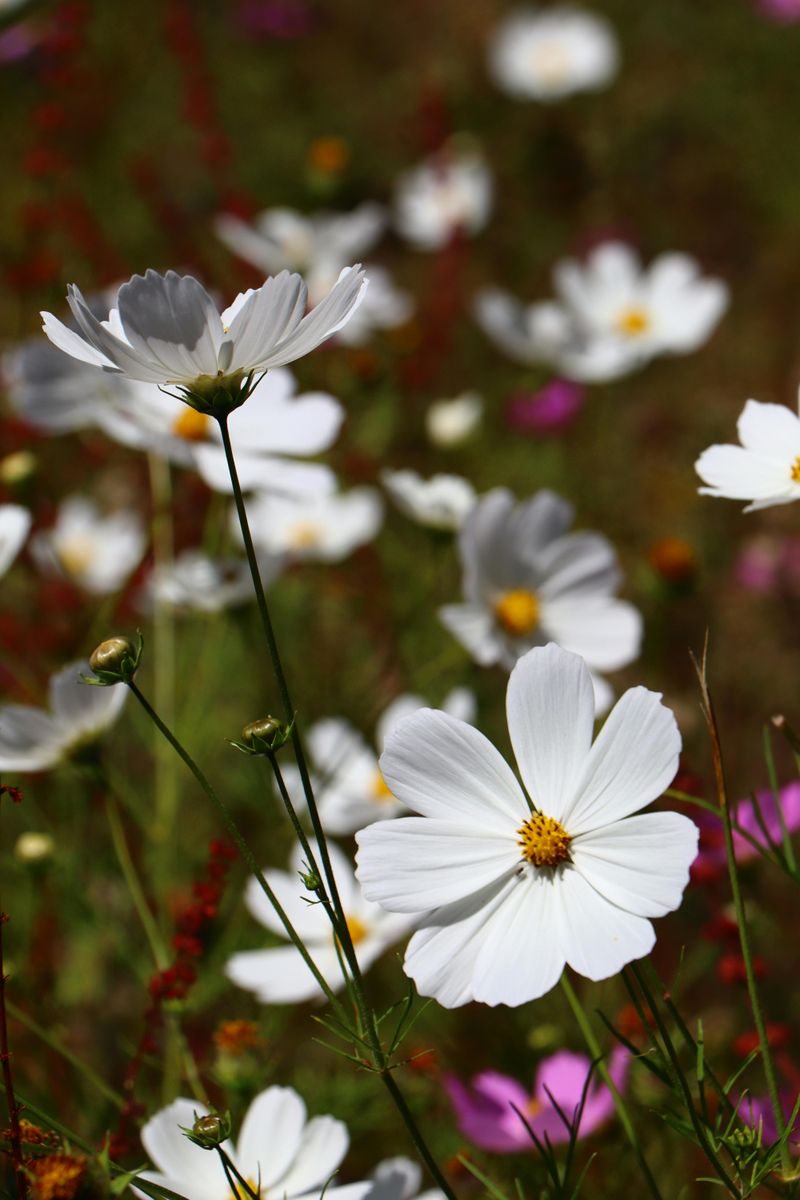
Cosmos are the breezy, free-spirited members of the pollinator garden. Their feathery foliage and open, daisy-like blooms in pink, white, and magenta give bees and butterflies easy access to pollen and nectar.
They bloom all season long with almost zero effort from the gardener.
Scatter seeds directly into a sunny patch of soil after the last frost and stand back — they practically grow themselves. Cosmos also self-seed generously, often returning on their own the following spring.
Foxglove
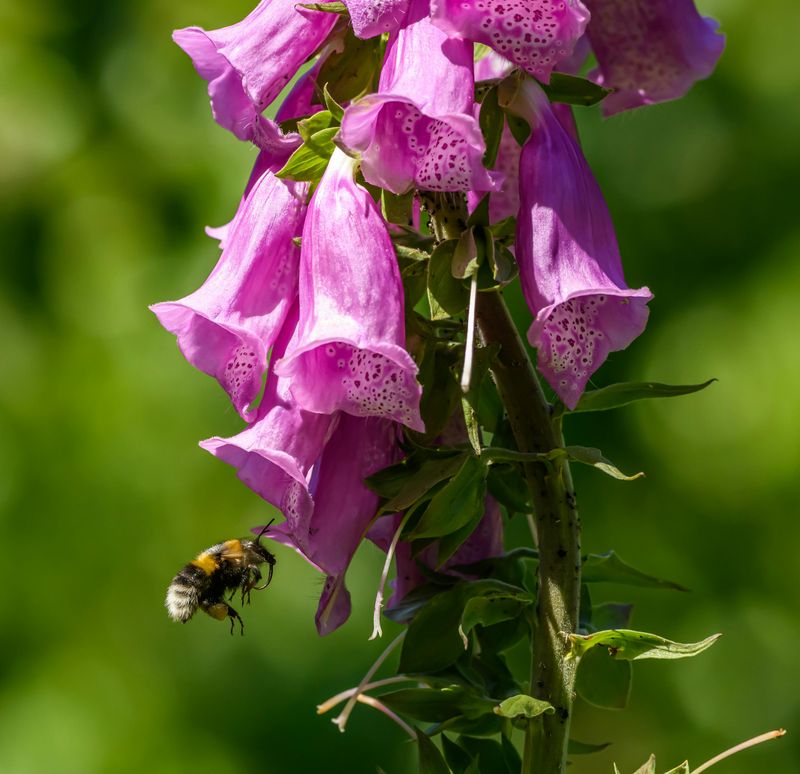
Foxglove is one of those dramatic, show-stopping plants that bumblebees treat like a personal tunnel of treasure. The large, bell-shaped flowers are perfectly sized for bumblebees to crawl inside and collect pollen from the walls of the bloom.
Watching a fat bumblebee disappear into a foxglove flower is one of the most satisfying garden moments imaginable.
Foxglove prefers partial shade and moist soil. It is biennial, blooming in its second year, so plant it annually to keep the show going.
Sweet Alyssum
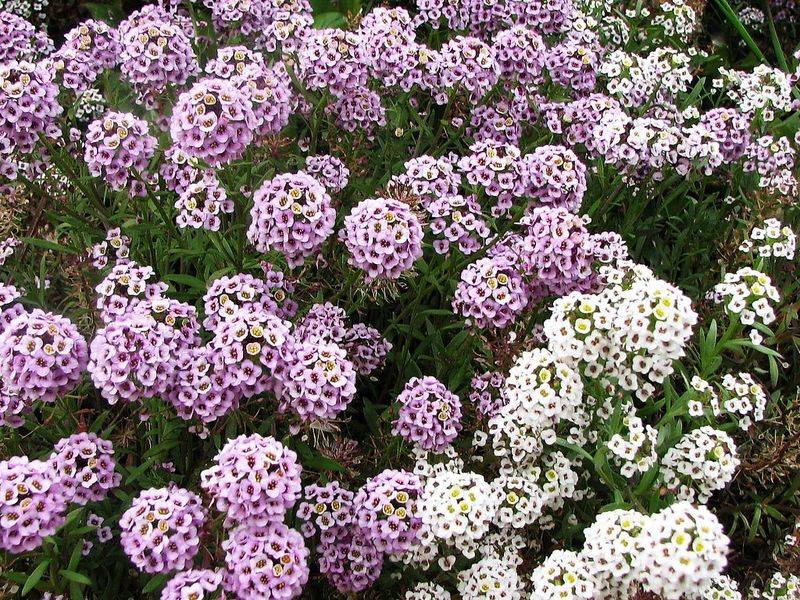
Sweet alyssum proves that big pollinator impact can come in a tiny package. Its honey-scented clusters of miniature white and purple flowers attract small native bees, hoverflies, and parasitic wasps that are incredibly helpful for keeping garden pests in check.
The fragrance alone makes it worth planting near a patio or walkway.
It spreads into a low, flowering carpet that fills gaps between larger plants beautifully. Plant in full sun to partial shade and water regularly for continuous blooms all season.