 Complete Gardening
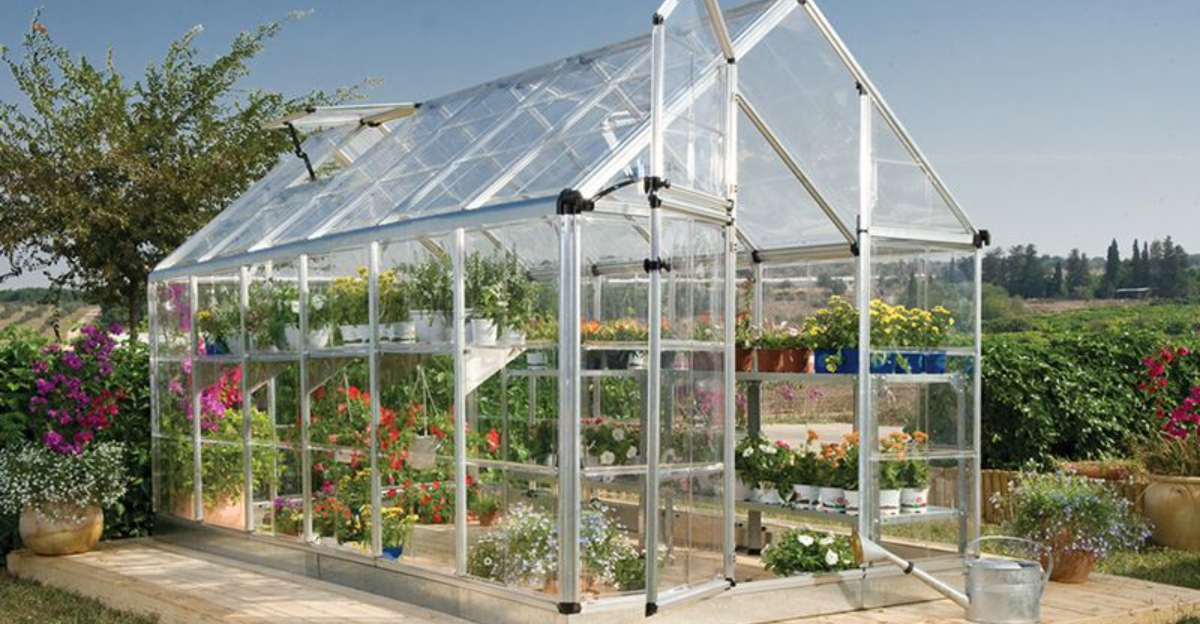
In the Golden State, the allure of customizing your backyard can be enticing. Yet, before you grab your tools, it’s crucial to know what features might require a permit. California has specific regulations that homeowners need to be aware of. From structures to changes in landscape, understanding these requirements can save you from potential fines or having to dismantle your hard work. Here’s a look at ten backyard features that might necessitate a permit, even if you’ve decided to build them yourself.
Sheds Over 120 Square Feet
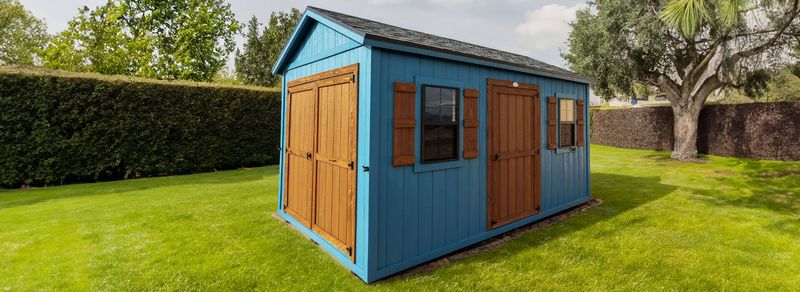
In California, building a sizable shed might seem like a simple task for a weekend project. However, the law states that any shed over 120 square feet requires a permit. This regulation ensures that larger structures meet safety and zoning codes. Homeowners eager to store garden tools or convert the space into a workshop should first check local building codes. Constructing without a permit can lead to fines or the need to tear down your new creation.
Decks Over 30 Inches Above Grade
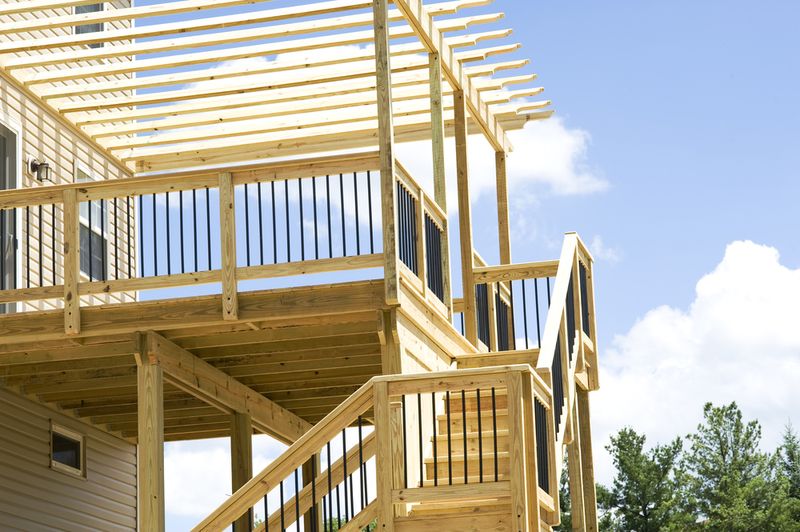
Dreaming of an elevated deck to enjoy those Californian sunsets? If your deck rises more than 30 inches above grade, a permit is mandatory. This rule is in place to ensure the safety of elevated structures. The higher elevation can pose risks, hence the need for adherence to building codes. Planning a deck involves considerations like structural support and railing requirements. Consult with local authorities to navigate the permit process smoothly.
Retaining Walls Over 4 Feet
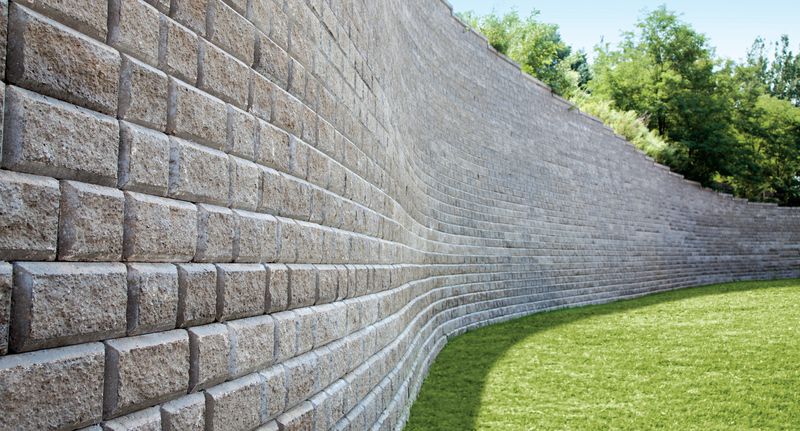
Retaining walls are essential for landscaping on uneven terrain, particularly in hilly Californian areas. However, if the wall exceeds four feet, a permit is necessary. This requirement is due to the potential impact on soil stability and neighboring properties. A well-constructed retaining wall can prevent erosion and landslides, but it must be built according to codes. Before construction, ensure you understand the engineering and permit needs.
Swimming Pools
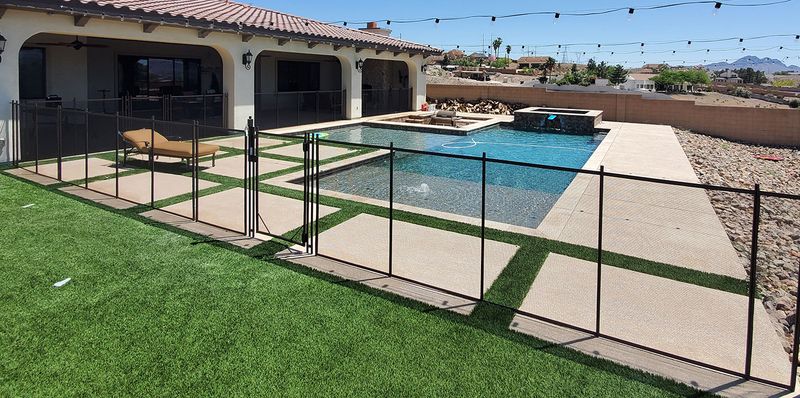
A swimming pool in your backyard provides endless summer fun, but it comes with responsibilities. In California, constructing a pool requires a permit to ensure compliance with safety standards. These standards include fencing, alarms, and drainage systems to prevent accidents. The permit process takes into account the pool’s impact on local water resources and safety regulations. Prioritize safety and legality before taking the plunge.
Fences Over 6 Feet
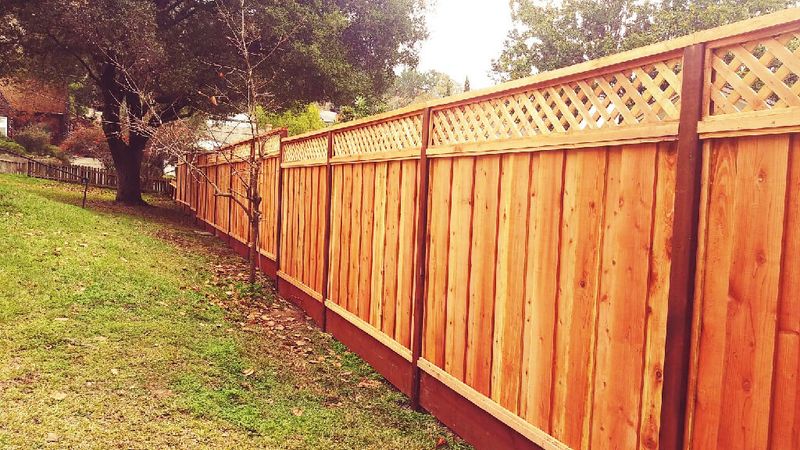
Privacy fences can transform your backyard into a secluded oasis. However, in California, fences over six feet tall require a permit. This regulation helps maintain community aesthetics and prevents disputes between neighbors. Before adding height to your fence, consider how it will fit into the neighborhood’s appearance. Consult your local zoning office to understand the requirements and avoid future conflicts.
Solar Panels

Harnessing the sun’s power with solar panels is both eco-friendly and cost-effective. In California, permits are often needed for backyard solar installations. These permits ensure that installations meet safety and electrical standards. The state’s commitment to renewable energy means there are also incentives available. Before installation, explore the permit process to seamlessly integrate solar power into your home.
Gazebos and Pergolas
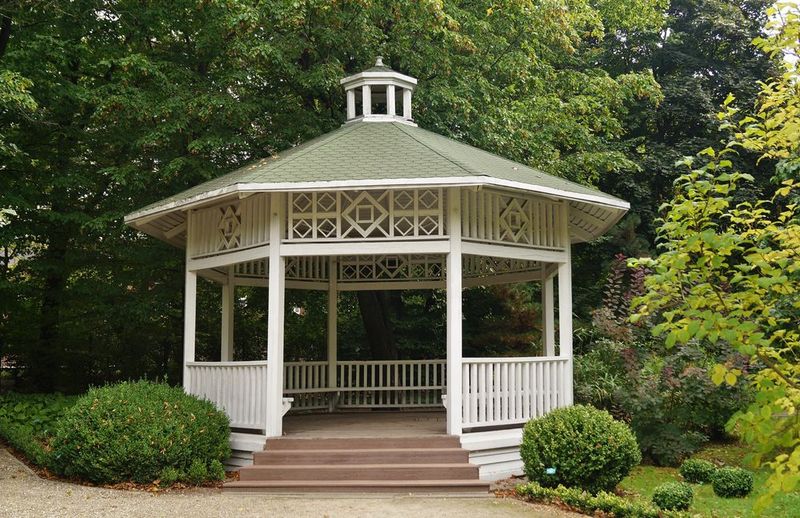
Adding a gazebo or pergola can enhance the charm of any backyard space. Yet, in California, if the structure is substantial or includes utilities like electricity, a permit is required. These permits ensure that the structure is safe and compliant with local codes. Consider the size, materials, and intended use when planning your project. Proper permits protect your investment and the safety of those using the space.
Outdoor Kitchens
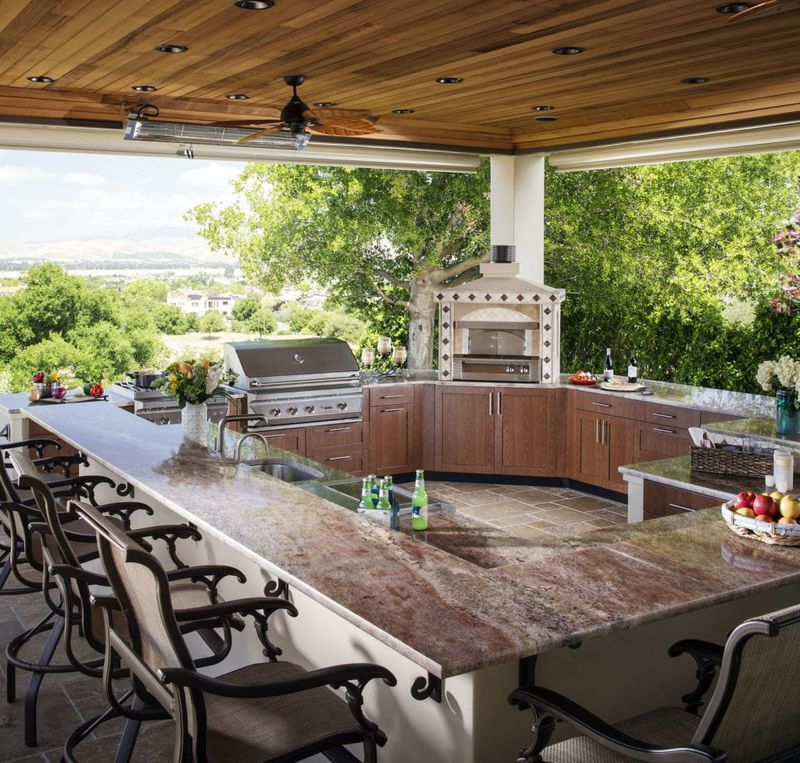
Transforming your backyard into a culinary paradise with an outdoor kitchen? In California, this feature often requires a permit due to electrical and plumbing work involved. Permits ensure that installations adhere to safety codes and standards. From gas lines to electrical outlets, every component must be professionally inspected. Before hosting your first barbecue, make sure your outdoor kitchen is legally sound.
Hot Tubs and Spas
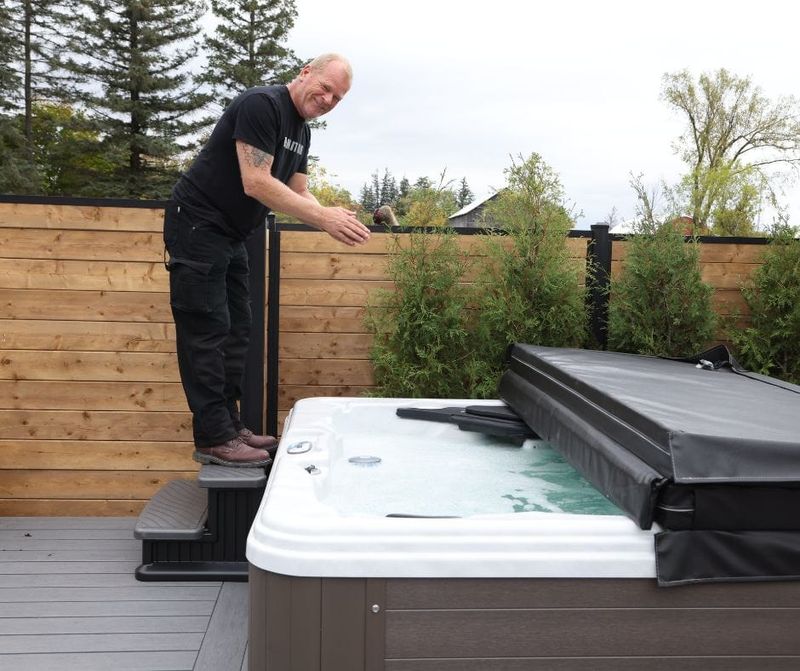
A hot tub offers relaxation and luxury, but in California, it also requires a permit. This ensures that the installation meets safety standards and doesn’t affect local water resources. Proper permits cover electrical connections and drainage systems. Before enjoying your soak, ensure your hot tub is in compliance, providing peace of mind alongside comfort.
Greenhouses
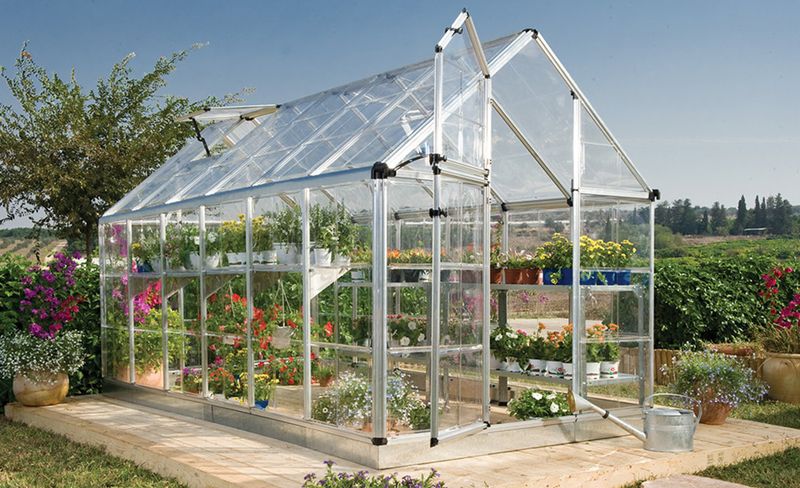
Greenhouses offer a controlled environment for gardening enthusiasts. However, in California, constructing one may require a permit, especially if it exceeds a certain size or includes utilities. Permits ensure that the structure complies with zoning and safety regulations. Before cultivating your green thumb, check local guidelines to ensure your greenhouse is both productive and legal.