 Complete Gardening
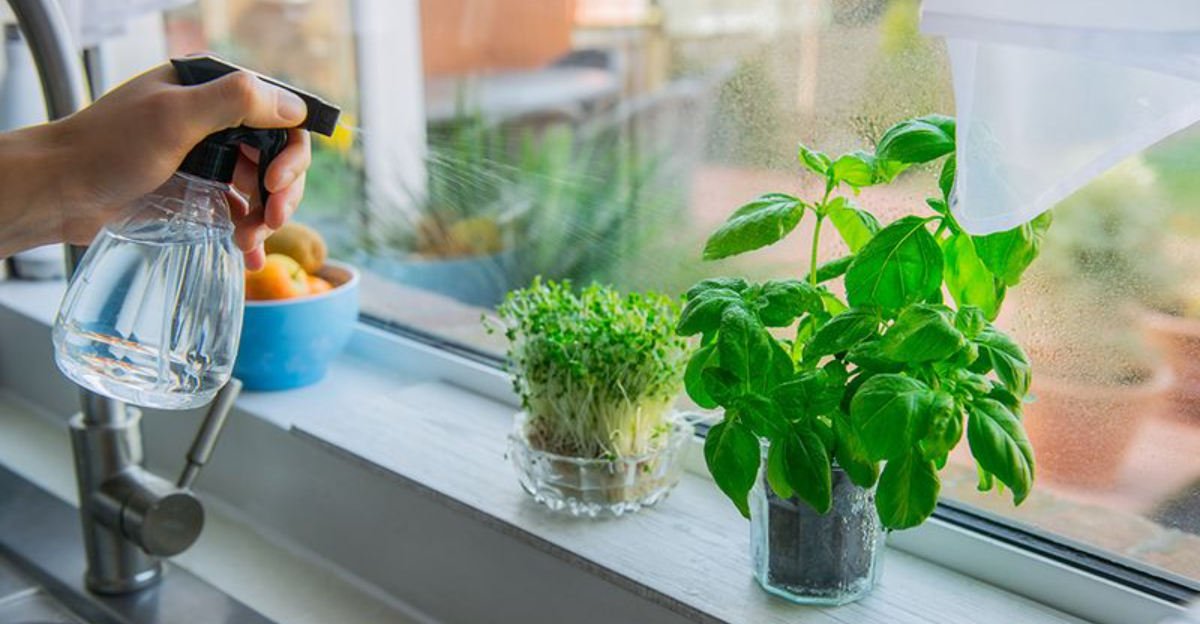
Cultivating fresh herbs indoors can be a rewarding endeavor for beginners. Not only does it offer a sustainable way to enhance your culinary creations, but it also brings a touch of greenery into your home.
This guide outlines ten essential tips to help you successfully grow herbs indoors, ensuring they thrive and flourish in your windowsill or kitchen garden.
1. Choose the Right Herbs
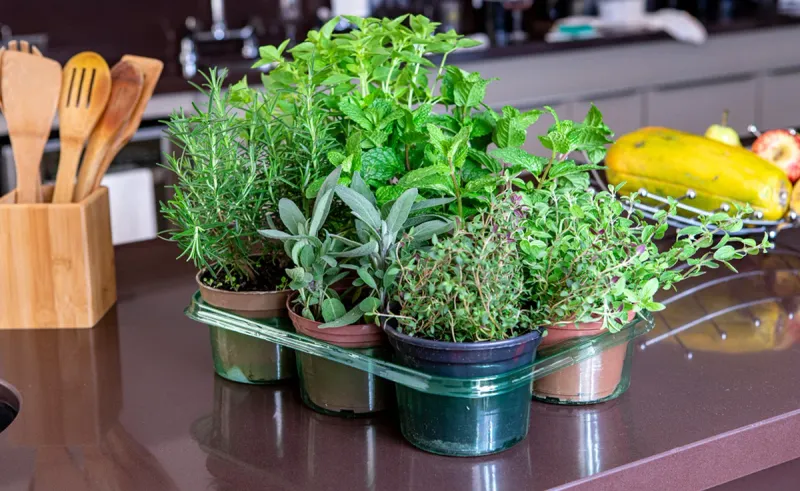
Starting your indoor herb garden begins with picking the right herbs. Opt for those that are known for their easy-going nature, such as basil, mint, and parsley. These herbs are not only flavorful but also adaptable to indoor conditions.
They require minimal attention, making them perfect for those just dipping their toes into gardening. Place them in pots that are neither too large nor too small, ensuring they have room to grow.
Each herb has its own personality, like mint with its refreshing scent and basil with its sweet aroma, bringing character to your space.
2. Pick the Perfect Spot
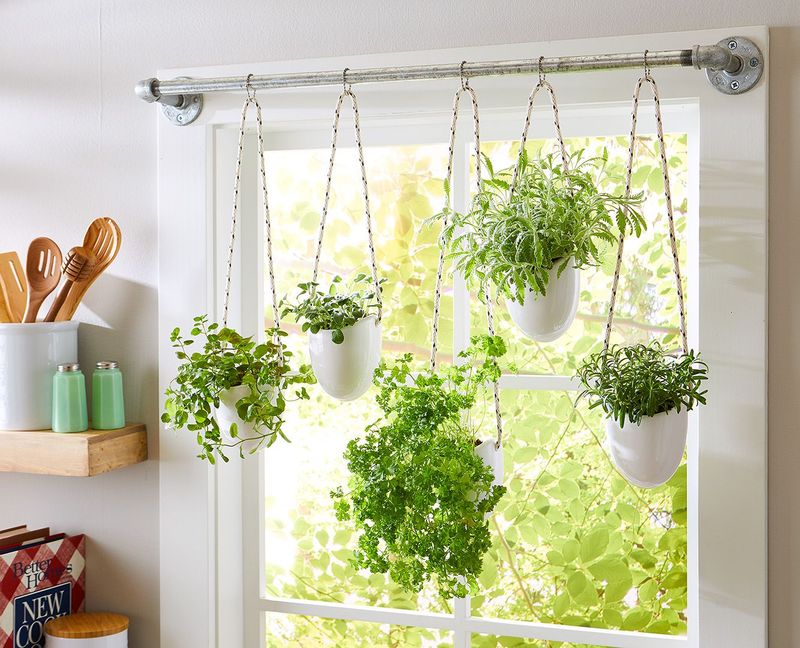
Find a spot in your home that receives ample sunlight, ideally a south-facing window. Herbs like rosemary and thyme thrive in these bright conditions, soaking up six to eight hours of sunlight daily.
The natural light not only supports growth but also enhances the flavor profile of your herbs. Imagine the morning sun filtering through your window, casting a warm glow over your kitchen.
If sunlight is limited, consider supplementing with a grow light. This ensures your herbs maintain their vitality and continue to flourish, regardless of the weather outside.
3. Use the Right Containers
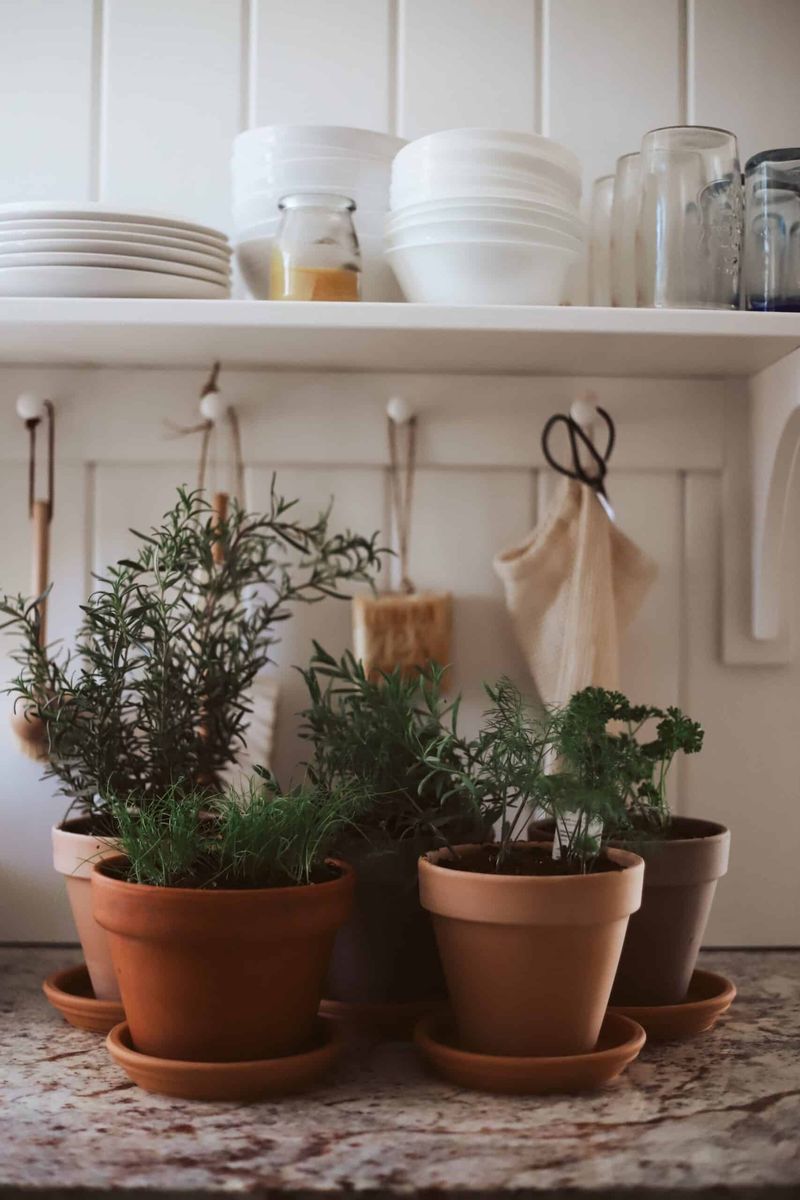
Your choice of container can significantly affect your herbs’ health. Terra cotta and ceramic pots are excellent options due to their ability to regulate moisture. Ensure each pot has drainage holes to prevent water logging, which can lead to root rot.
These materials also add an earthy charm to your indoor garden. Picture the rustic aesthetic of terra cotta contrasting with the vibrant green of your herbs. Recycled containers can also work, provided they offer good drainage.
Choose containers that complement your home’s decor while providing a nurturing environment for your plants.
4. Go for Quality Soil
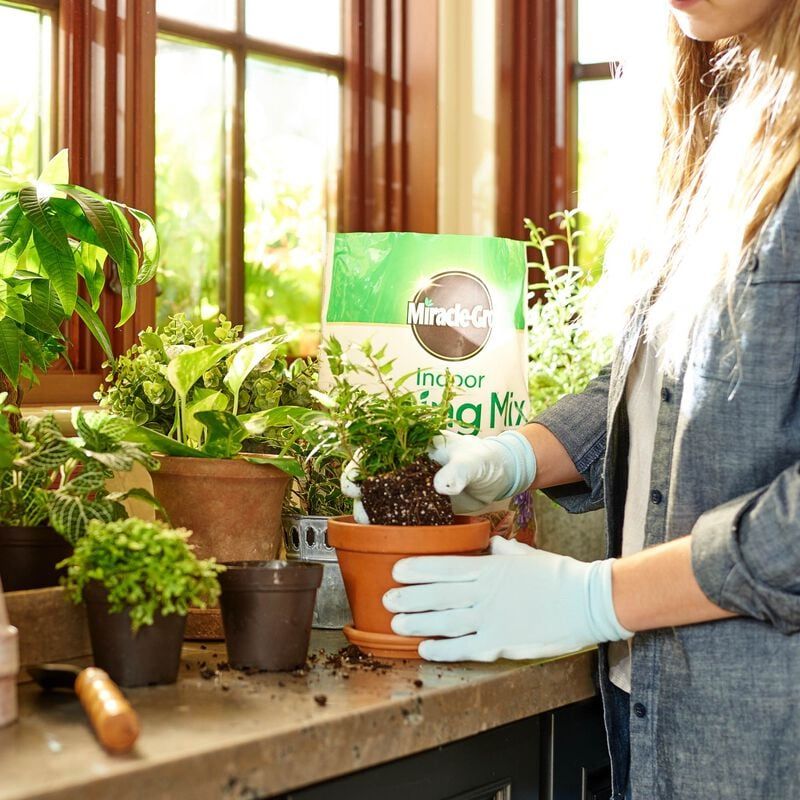
Quality soil is the foundation of any successful herb garden. Opt for a light, well-draining potting mix rather than garden soil, which can be too dense. Look for soil mixes specifically labeled for vegetables or herbs, ensuring they contain the right blend of nutrients.
This type of soil supports delicate root systems and facilitates adequate air circulation, crucial for healthy growth. Imagine the texture of this rich, crumbly soil as you prepare your pots; it’s the kind of environment where herbs love to thrive.
Investing in good soil pays off with more robust and flavorful herbs.
5. Water Wisely
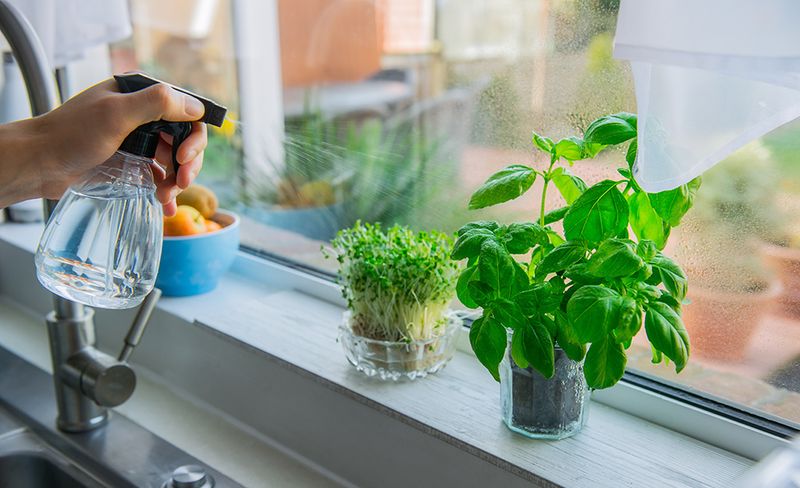
Watering is an art that every indoor gardener must master. Allow the top inch of soil to dry out before adding more water, preventing the risk of overwatering. Mint, with its love for moisture, and thyme, preferring drier conditions, require different watering strategies.
Picture using a watering can with a gentle spout, lightly moistening the soil rather than drenching it. This careful approach mimics natural rainfall, promoting healthy growth.
Monitor your herbs closely, adjusting your watering routine based on their specific needs and environmental conditions.
6. Feed Occasionally
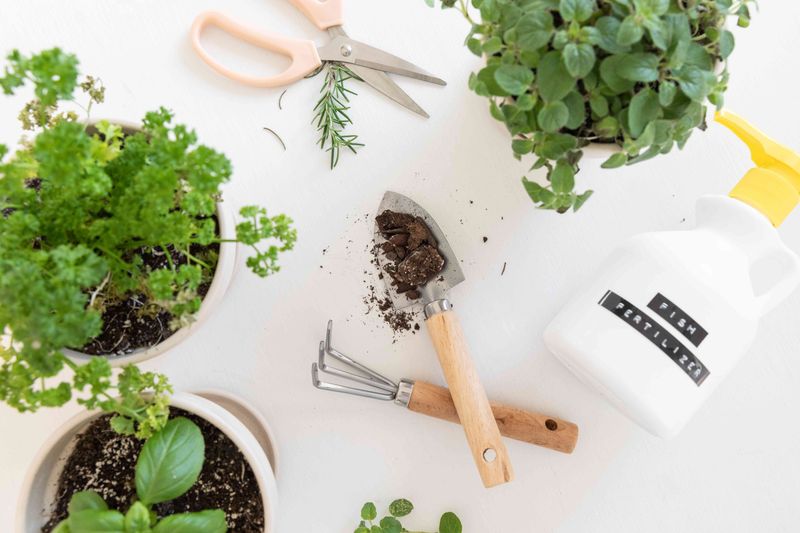
To keep your herbs flourishing, occasional feeding is key. Use a liquid fertilizer every three to four weeks to provide essential nutrients. Opt for organic options if you plan to use your herbs in cooking, ensuring they’re safe and chemical-free.
Visualize the transformation as you nurture your herbs with this nutrient boost, watching them grow vibrant and lush. Feeding is like giving your plants a gentle nudge, encouraging them to thrive.
Remember, moderation is crucial; over-fertilizing can harm rather than help. Keep it simple, and let your herbs express their natural flavors.
7. Prune Regularly
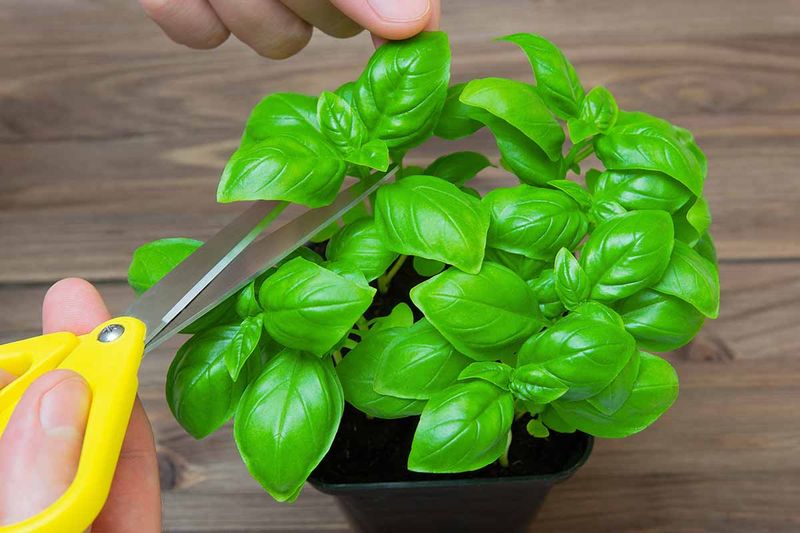
Pruning is an essential part of herb care, encouraging bushier and healthier growth. Regularly snip just above a leaf pair to promote branching and fuller plants. Visualize the satisfying act of clipping, releasing aromatic scents with each cut.
This practice not only enhances the aesthetic of your garden but also increases yield. Picture your herbs, lush and full, ready to be harvested for your next culinary adventure.
Be gentle yet assertive, understanding that pruning is a dialogue between you and your plants, fostering a mutually beneficial relationship.
8. Watch for Pests
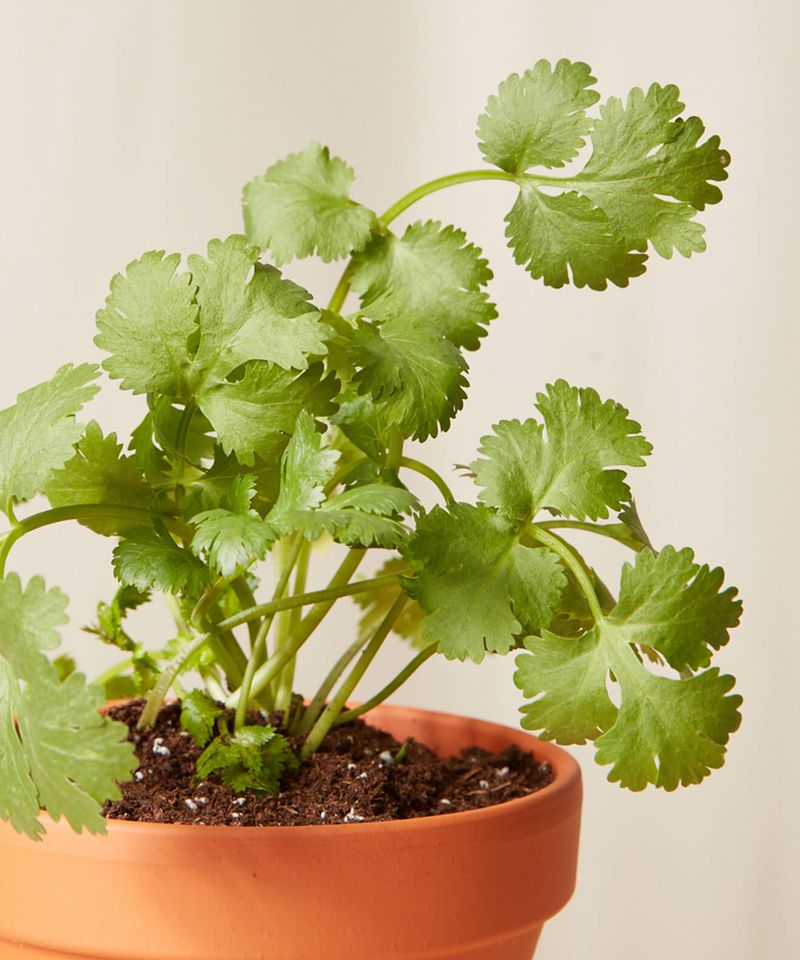
Herbs can attract pests like gnats and aphids, but you can manage them naturally. Keep an eye out for signs of these invaders and act promptly to protect your plants. Neem oil or a simple soapy water spray can be effective remedies.
Imagine yourself as a vigilant guardian, ensuring your herbs remain pristine and healthy. Regular checks and timely interventions keep your indoor garden thriving.
By using natural pest control methods, you maintain a safe environment for both your plants and your household, allowing your herbs to flourish without harmful chemicals.
9. Rotate for Even Growth
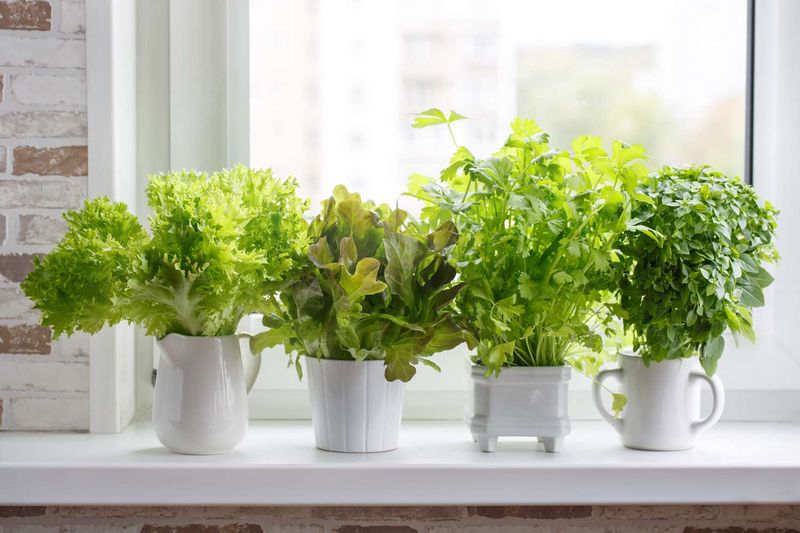
To ensure uniform growth, rotate your herb pots every few days. This simple practice helps all sides of the plant receive equal sunlight, preventing uneven or lopsided growth.
Picture the scene: a sunny windowsill lined with vibrant herbs, each pot carefully turned to embrace the light. This rotation encourages a balanced aesthetic, with even foliage and robust stems.
It’s a dance of sorts, a gentle spin to ensure harmony between your plants and their environment. By doing so, you help your herbs remain sturdy and symmetrical, enhancing both their health and beauty.
10. Don’t Be Afraid to Start Small
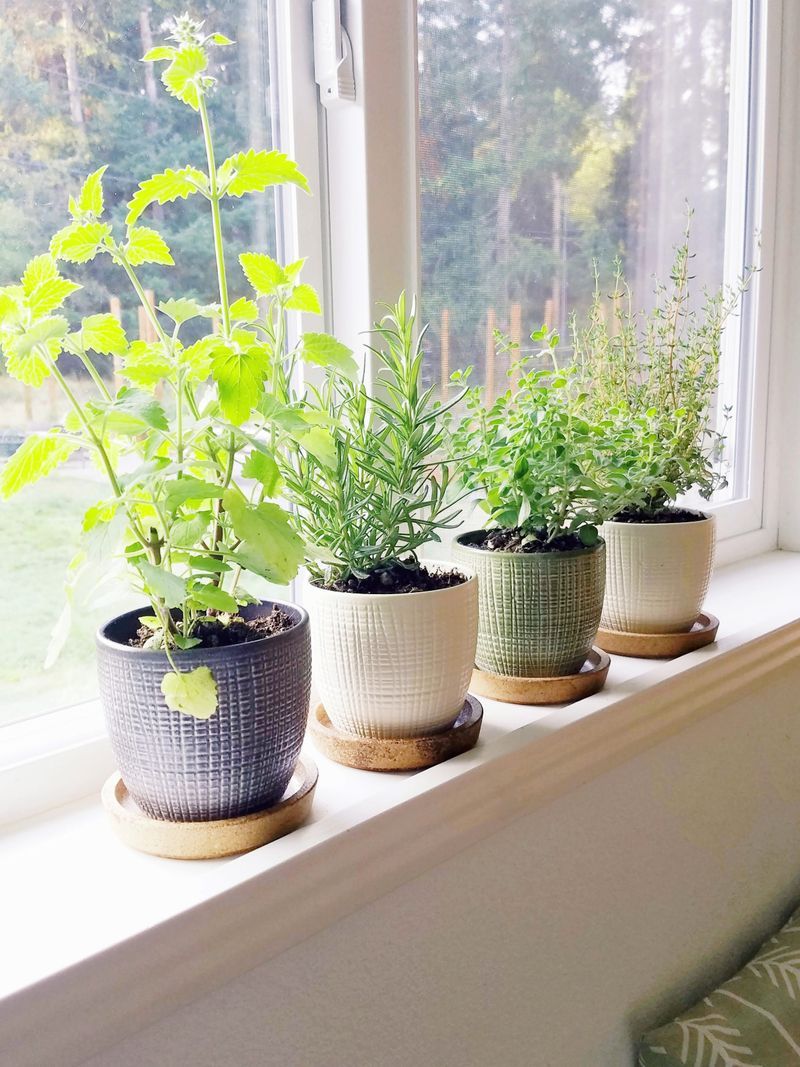
Embarking on your herb-growing journey doesn’t require a large setup. Even a windowsill with two or three pots can be a productive and rewarding start. Visualize the charm of a small, manageable garden, with herbs like chives and cilantro adding fresh, vibrant touches to your home.
Starting small allows for easier management and adjustment, letting you learn and grow alongside your plants. It’s a personal and intimate experience, where each herb has its own story to tell.
As your confidence builds, you can expand, but cherish the joy of simplicity in your initial steps.