 Complete Gardening
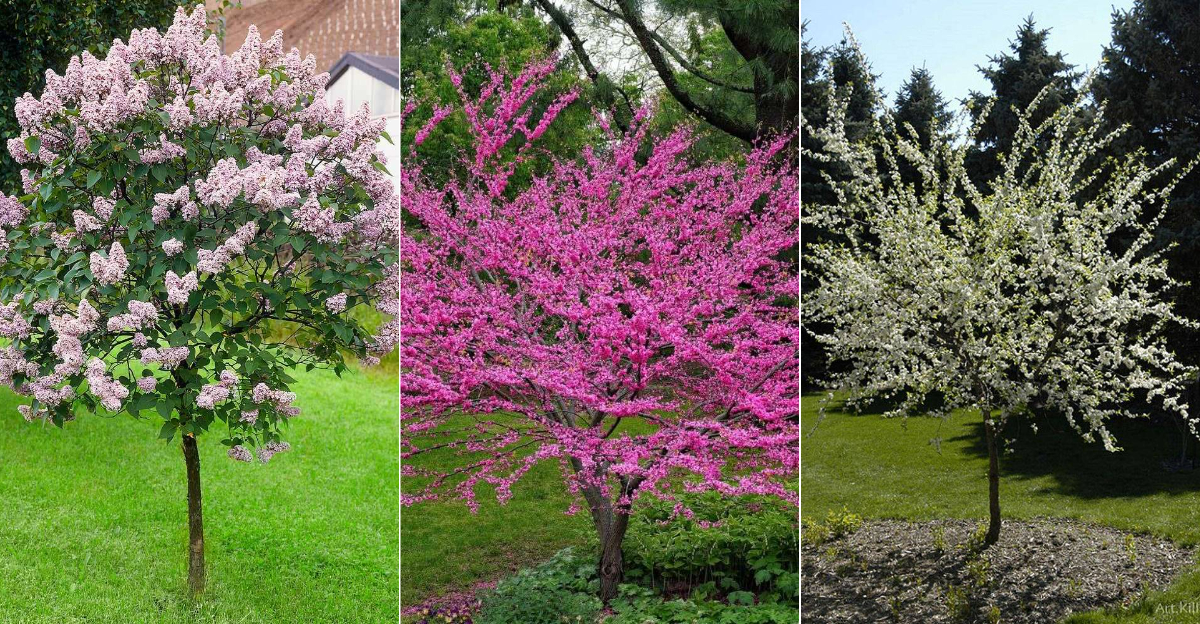
South Dakota’s harsh winters and unpredictable weather can make gardening challenging, but choosing the right flowering trees can transform your yard into a stunning paradise. These hardy beauties not only survive the Prairie State’s tough climate but actually thrive in it, offering spectacular blooms that brighten up spring and summer. From delicate pink blossoms to vibrant purple flowers, the right trees can create a colorful backdrop that lasts for years.
1. Eastern Redbud
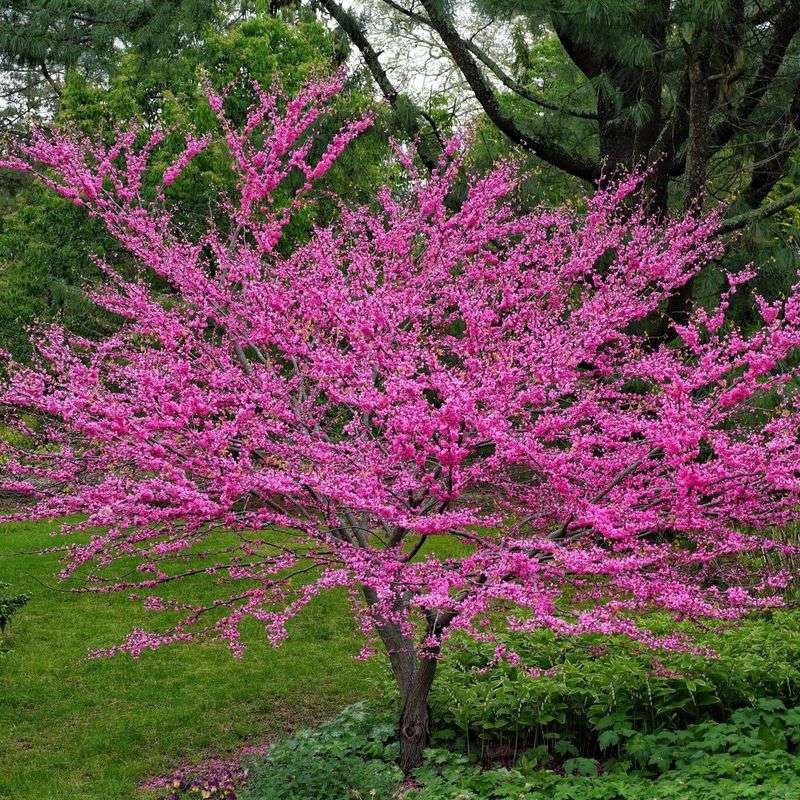
Before its heart-shaped leaves even appear, this charming tree explodes with tiny pink-purple flowers that cover every branch. Eastern Redbud creates a magical spring display that looks almost too beautiful to be real.
Growing 20-30 feet tall, this tree handles South Dakota’s temperature swings like a champion. The flowers bloom directly from the bark, creating an unusual and eye-catching effect.
Plant it in partial shade or full sun, and watch butterflies flock to its nectar-rich blooms throughout April and May.
2. Serviceberry
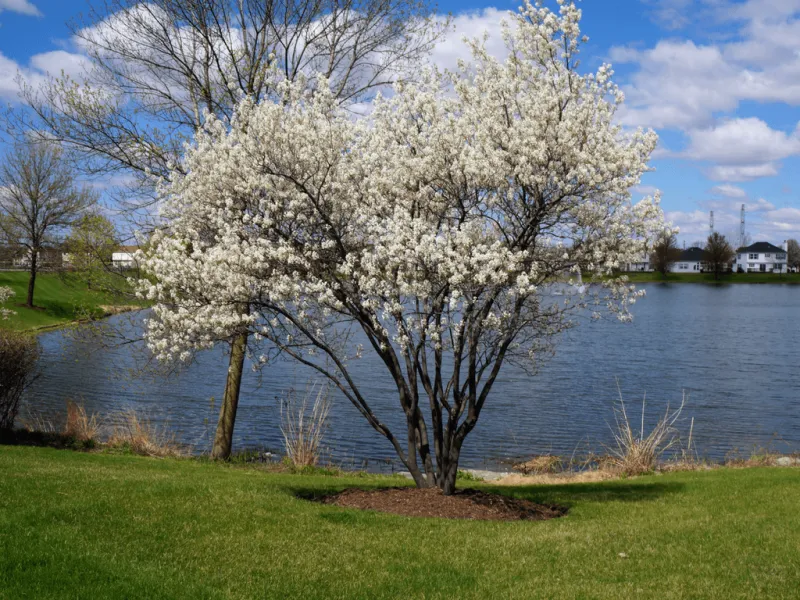
White clusters of delicate flowers dance across this native tree’s branches each spring, followed by sweet berries that birds absolutely love. Serviceberry offers year-round interest with stunning fall colors ranging from orange to deep red.
This tough tree grows 15-25 feet tall and adapts to almost any soil condition. The edible berries taste similar to blueberries and make excellent jams or pies.
Wildlife considers this tree a five-star restaurant, attracting songbirds, deer, and small mammals throughout the growing season.
3. Flowering Crabapple
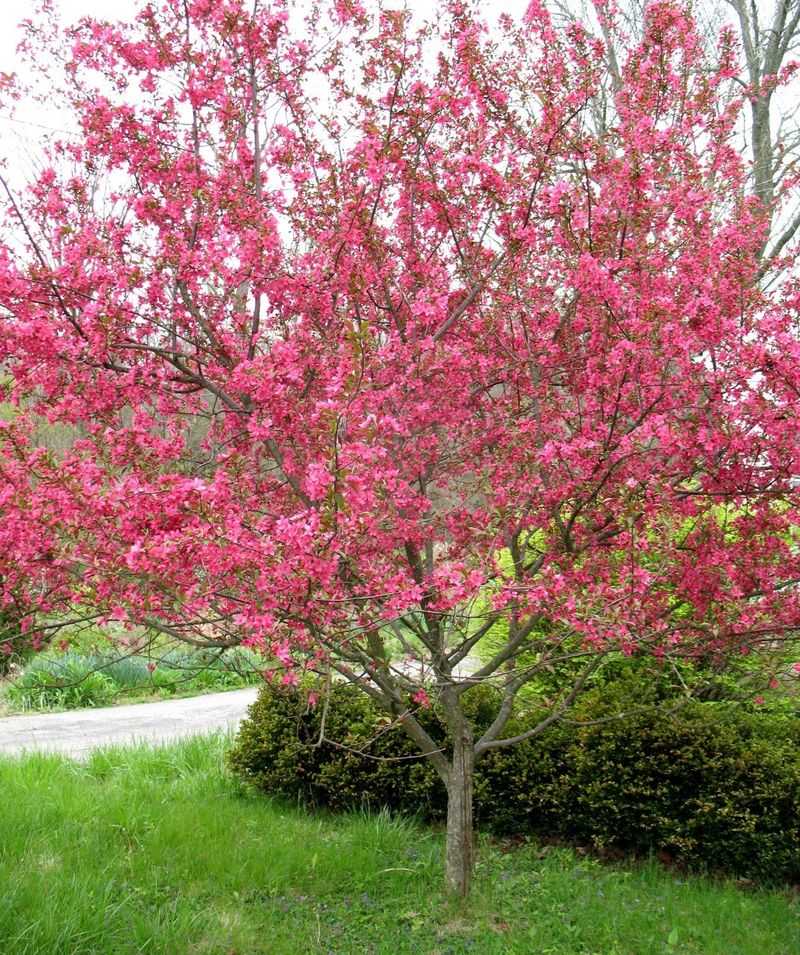
Few trees can match the spectacular spring show of a flowering crabapple in full bloom. Pink, white, or red flowers completely cover the branches, creating a cloud of color that stops traffic.
These hardy trees range from 8-25 feet tall, making them perfect for smaller yards. The colorful fruits that follow provide winter food for birds and add ornamental interest.
Choose disease-resistant varieties like Prairie Fire or Royal Raindrops for the best performance in South Dakota’s challenging climate conditions.
4. American Plum
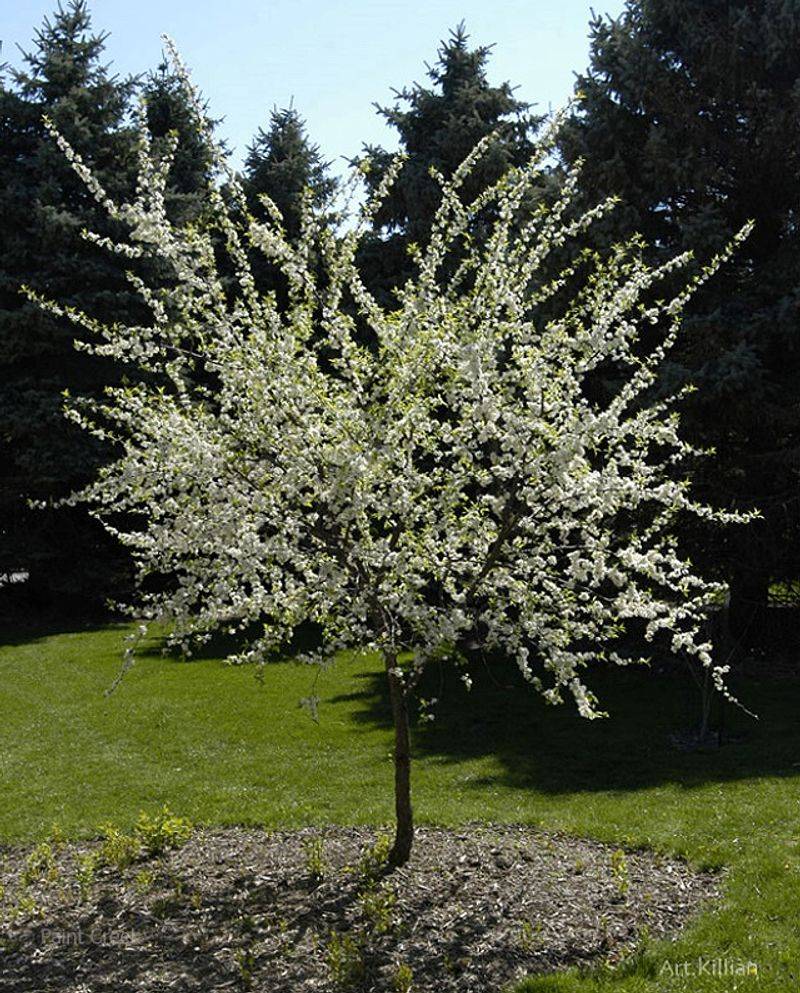
Wild and wonderful, American Plum bursts into bloom before most other trees even think about spring. Pure white flowers with bright yellow centers create a striking contrast against dark bark.
This native tree grows 12-20 feet tall and forms attractive thickets over time. The small purple plums that develop make delicious jellies and attract wildlife from miles around.
Extremely cold-hardy, this tree laughs at South Dakota winters and rewards patient gardeners with fragrant blooms that smell like honey and vanilla combined.
5. Hawthorn
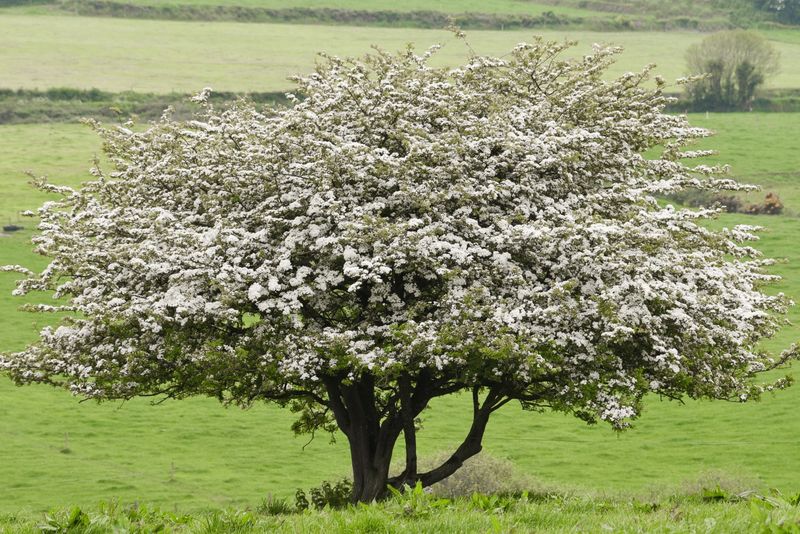
Clusters of small white or pink flowers create a lacy, delicate appearance on this incredibly tough tree. Hawthorn blooms later than many flowering trees, extending your garden’s colorful season well into late spring.
Growing 15-30 feet tall, this tree develops an attractive rounded shape with age. Bright red berries follow the flowers, providing food for birds and winter interest.
The thorny branches make this tree an excellent choice for natural barriers or security plantings while still offering beautiful seasonal displays.
6. Chokecherry
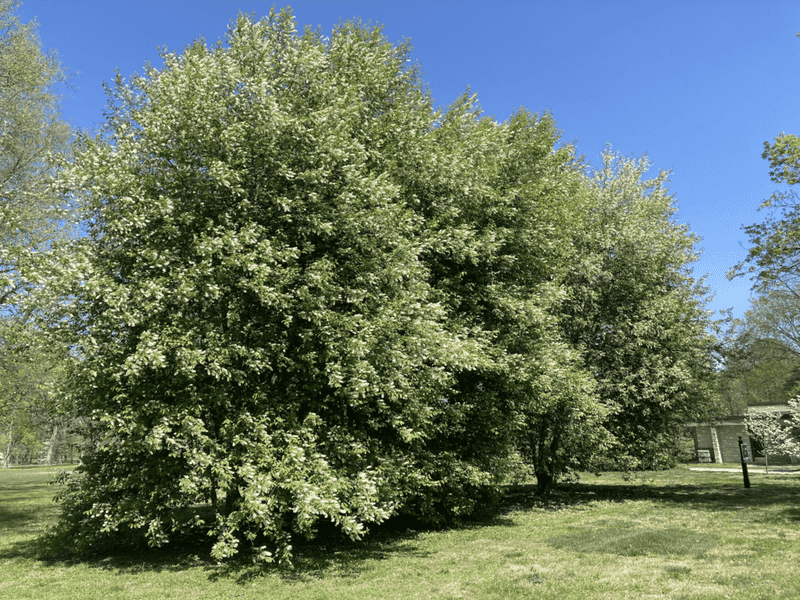
Long clusters of white flowers hang like elegant chandeliers from this native tree’s branches each May. Chokecherry creates a stunning vertical display that adds height and drama to any landscape design.
Reaching 20-30 feet tall, this tree adapts to poor soils and drought conditions with remarkable resilience. The dark purple cherries attract over 40 species of birds to your yard.
Plant several together for the best fruit production, and enjoy watching wildlife feast on the nutritious berries throughout late summer and early fall.
7. Lilac Tree
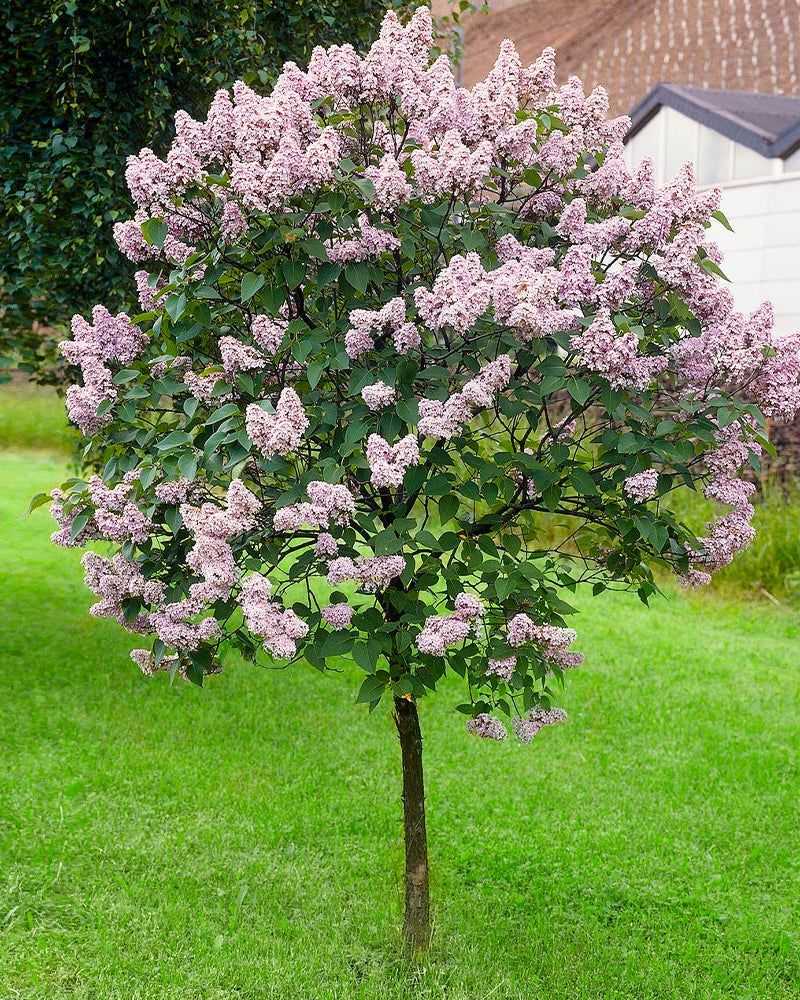
Nothing says spring like the intoxicating fragrance of lilac blossoms floating on warm breezes. Tree-form lilacs provide all the beauty of traditional shrub lilacs with the added height and presence of a small tree.
Growing 10-20 feet tall, these trees produce massive clusters of purple, white, or pink flowers. The heart-shaped leaves provide attractive summer foliage after the blooming period ends.
Choose cold-hardy varieties like President Grevy or Sensation for reliable blooming in South Dakota’s unpredictable spring weather patterns.
8. Honeylocust
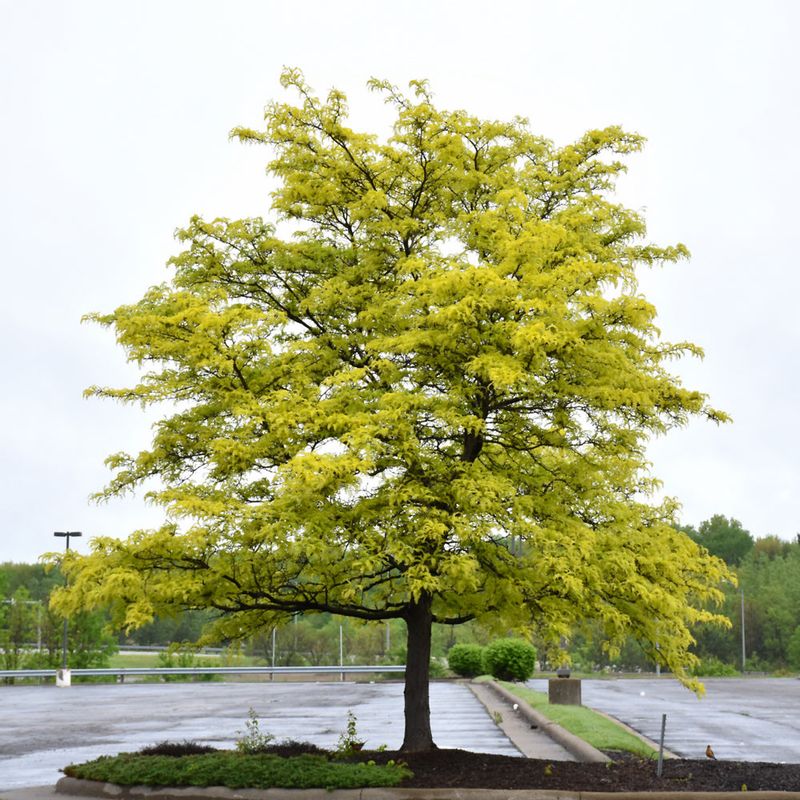
Delicate, feathery leaves and fragrant yellow-green flower clusters make Honeylocust a unique addition to South Dakota landscapes. This tree creates dappled shade that allows grass to grow underneath its canopy.
Growing 30-70 feet tall, this fast-growing tree handles urban pollution, salt, and drought with impressive tolerance. The small leaves decompose quickly in fall, reducing cleanup chores.
Choose thornless varieties like Sunburst or Shademaster for safer yard use while still enjoying the tree’s graceful form and interesting seasonal changes.
9. Mountain Ash
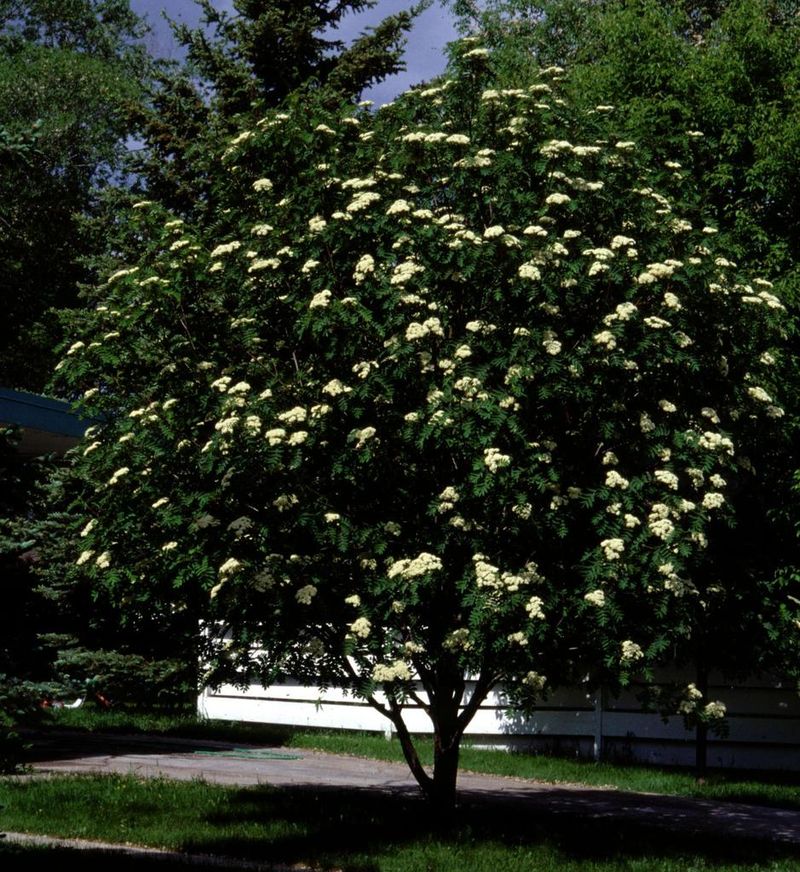
Flat-topped clusters of creamy white flowers cover this elegant tree each June, followed by brilliant orange-red berries that glow like tiny lanterns. Mountain Ash brings European charm to prairie landscapes.
Growing 20-40 feet tall, this tree prefers cooler climates and performs beautifully in South Dakota’s northern regions. The compound leaves turn golden-yellow in fall.
Birds go crazy for the colorful berries, making this tree a wildlife magnet that provides entertainment throughout the autumn months when other trees fade.
10. Catalpa
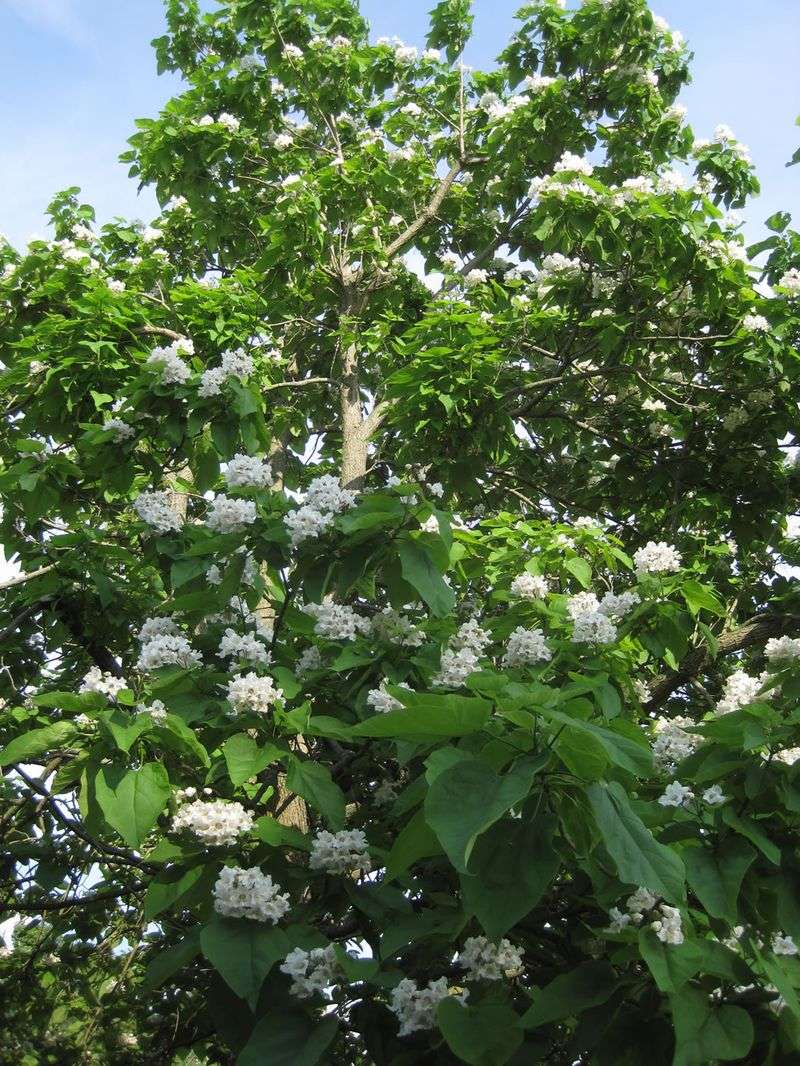
Enormous heart-shaped leaves and showy white flower clusters make Catalpa impossible to ignore in any landscape. The orchid-like blooms appear in late spring when most other trees have finished flowering.
This fast-growing tree reaches 40-60 feet tall and creates dense shade perfect for hot summer days. Long seed pods that follow the flowers add winter interest and architectural appeal.
Extremely hardy and drought-tolerant once established, Catalpa thrives in South Dakota’s challenging conditions while providing tropical-looking beauty that seems almost out of place.
11. Kentucky Coffee Tree
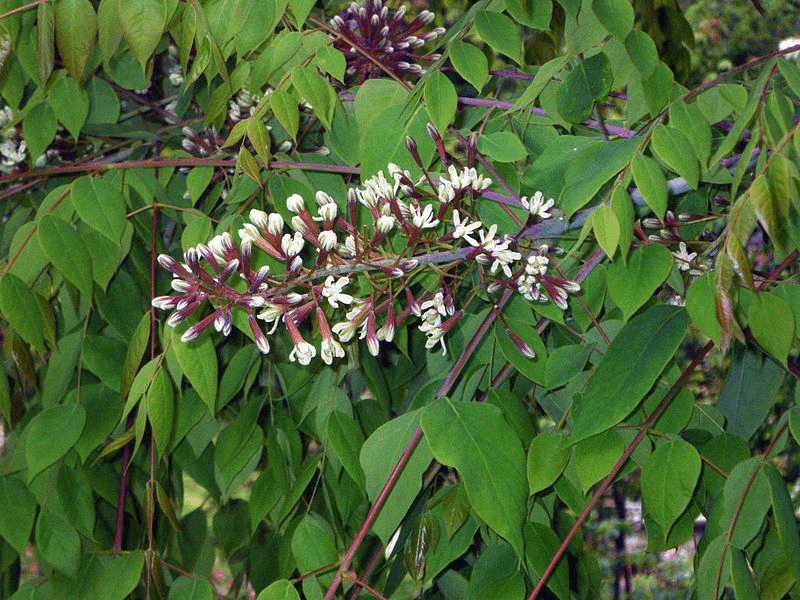
Massive compound leaves and fragrant greenish-white flower clusters make this native tree a conversation starter in any yard. Kentucky Coffee Tree creates bold architectural interest with its distinctive branching pattern.
Growing 60-75 feet tall, this tough tree handles extreme weather, poor soil, and urban stress without complaint. The large seed pods rattle in winter winds, earning it the nickname “rattle tree.”
Female trees produce the most interesting pods, but male trees bloom more prolifically, so plant both for the best overall display and landscape impact.
12. Basswood
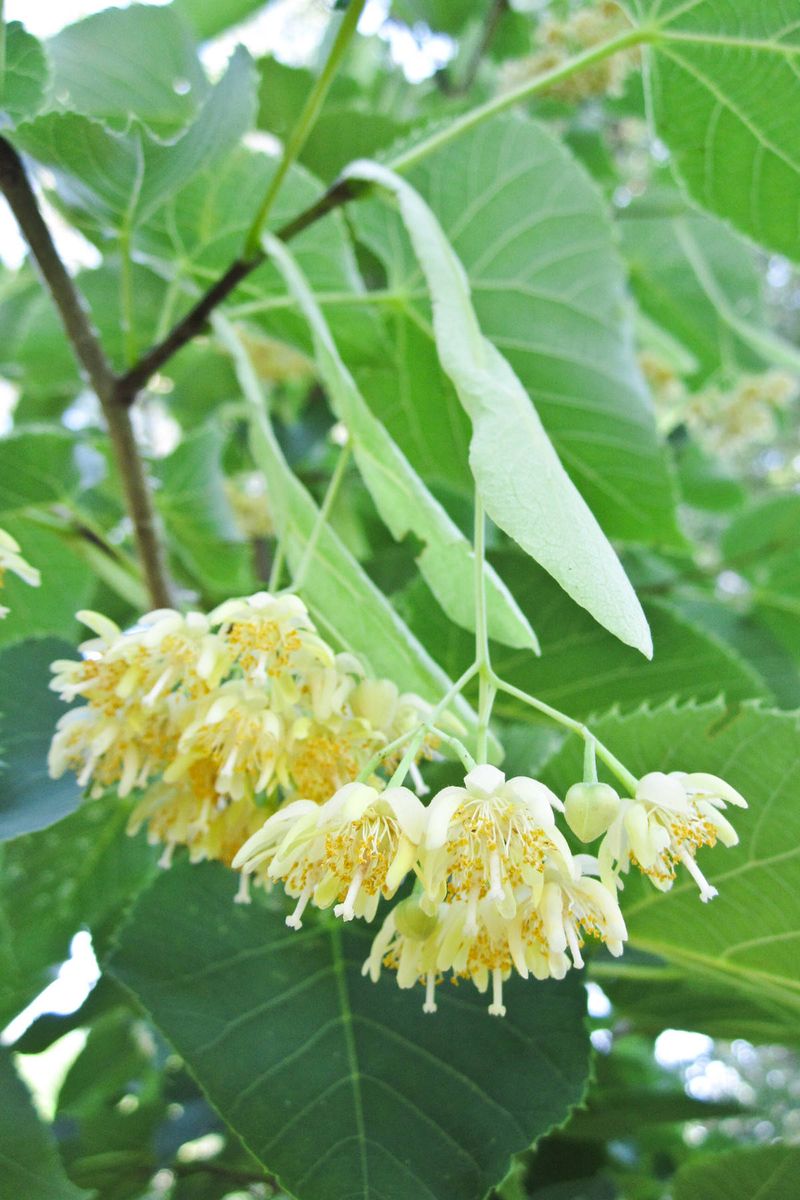
Heart-shaped leaves and clusters of small, intensely fragrant yellow flowers make Basswood a favorite among bees and gardeners alike. The sweet honey scent carries for blocks during peak bloom time.
This native giant grows 50-80 feet tall and provides excellent shade for large properties. The soft wood and heart-shaped leaves create a gentle, welcoming presence in any landscape design.
Basswood flowers later than most trees, extending your garden’s blooming season into mid-summer while supporting local bee populations and honey production in rural areas.