 Complete Gardening
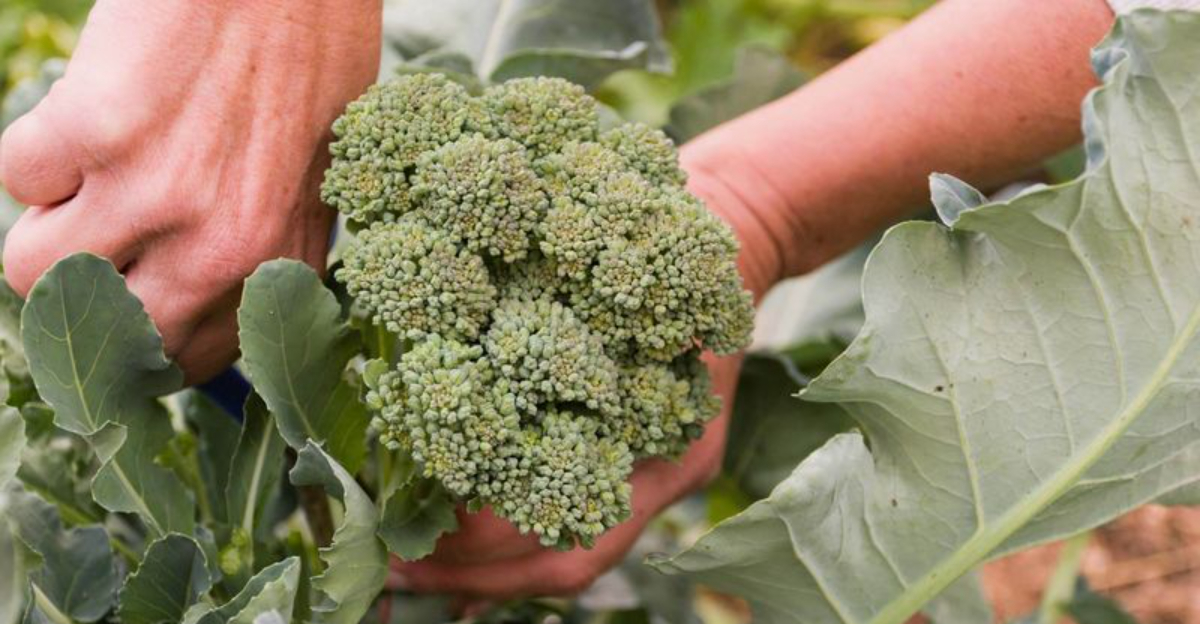
Michigan gardeners know the struggle of working with a shorter growing season than their southern neighbors. With frost arriving earlier than expected and spring taking its sweet time, choosing the right vegetables becomes crucial for a successful harvest. Fortunately, many vegetables actually thrive in cooler weather and can give you amazing results even when summer seems to fly by in a blink.
1. Lettuce – The Cool Weather Champion
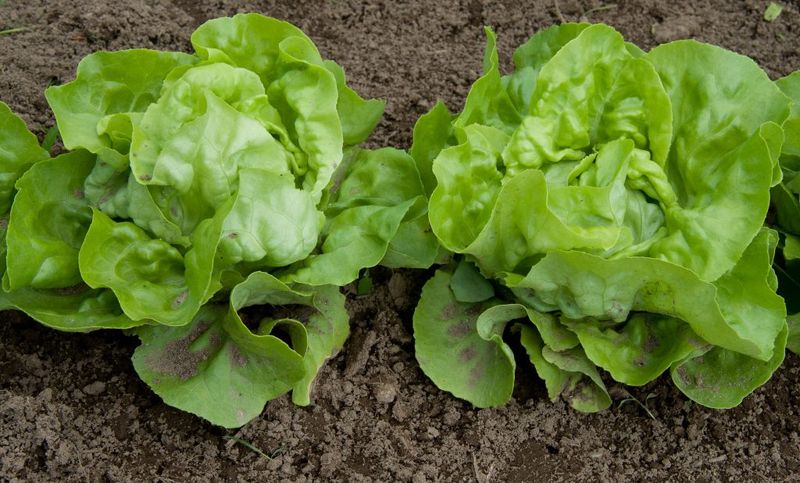
Fresh lettuce from your own garden tastes completely different from store-bought varieties, and Michigan’s climate makes it surprisingly easy to grow. Cool temperatures actually help lettuce leaves stay tender and prevent the bitter taste that comes from hot weather stress.
Plant lettuce seeds directly in your garden about two weeks before the last expected frost in spring. You can also start a second crop in late summer for fall harvesting when temperatures drop again.
Harvest individual outer leaves as needed, or cut the entire head when it reaches full size. This approach keeps your salad bowl full for weeks.
2. Kale – The Frost-Fighting Superfood
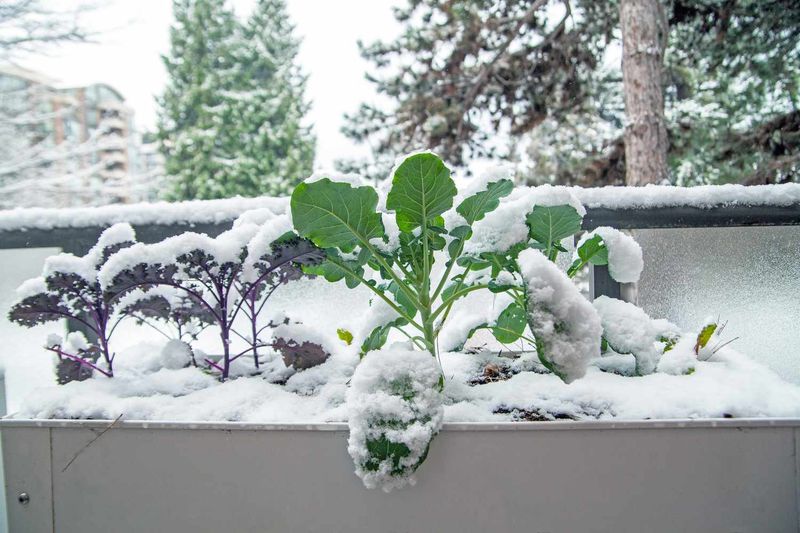
While other vegetables surrender to the first frost, kale actually becomes sweeter and more flavorful after experiencing cold temperatures. This hardy green laughs at Michigan’s unpredictable weather patterns and keeps producing well into winter months.
Start kale seeds indoors about six weeks before transplanting outside, or direct seed in early spring. The plants grow slowly at first but become incredibly productive once established in your garden.
Harvest outer leaves regularly while letting the center continue growing. Many Michigan gardeners enjoy fresh kale salads even when snow covers the ground, making it a true cold-weather warrior.
3. Radishes – The Speed Demons of the Garden
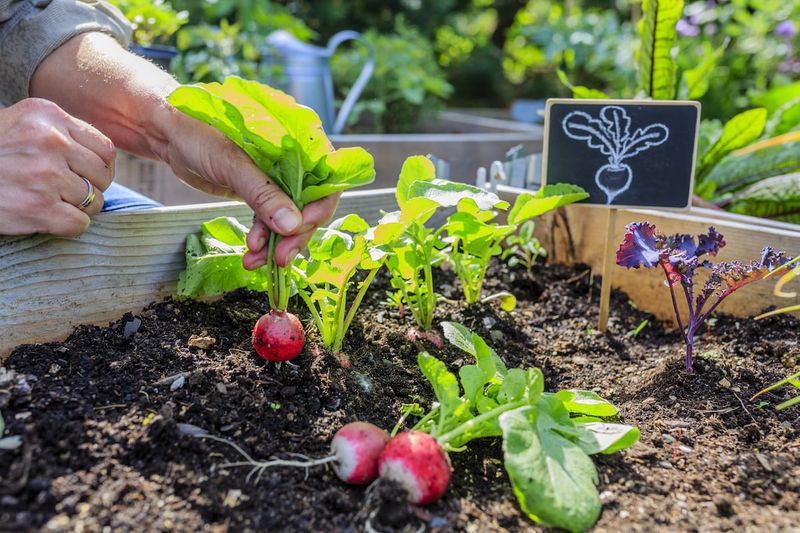
Ready to harvest in just three weeks, radishes are perfect for impatient gardeners and short growing seasons. These zippy little vegetables practically grow themselves and can fit into any empty garden space you have available.
Sow radish seeds directly in the garden every two weeks throughout the growing season for continuous harvests. They prefer cooler soil temperatures and actually develop better flavor when grown in spring and fall rather than hot summer months.
Pull radishes when they reach marble size for the best taste and texture. Leaving them too long in the ground makes them woody and overly spicy for most people’s taste preferences.
4. Carrots – The Underground Sweethearts
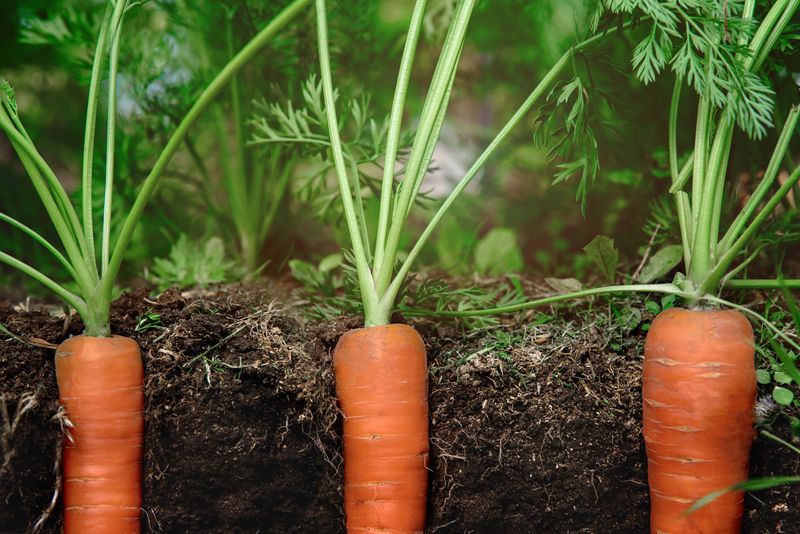
Carrots develop their sweetest flavor when grown in cool weather, making Michigan’s climate absolutely perfect for these orange gems. Cold temperatures actually convert starches to sugars, creating carrots that taste like candy straight from the earth.
Direct seed carrots in loose, well-prepared soil since they don’t transplant well due to their long taproots. Thin seedlings to proper spacing once they emerge to prevent overcrowding and misshapen roots.
Harvest begins about ten weeks after planting, but leaving carrots in the ground until after the first frost makes them incredibly sweet. Many gardeners store carrots right in the garden under mulch through early winter.
5. Broccoli – The Crown Jewel of Cool Seasons
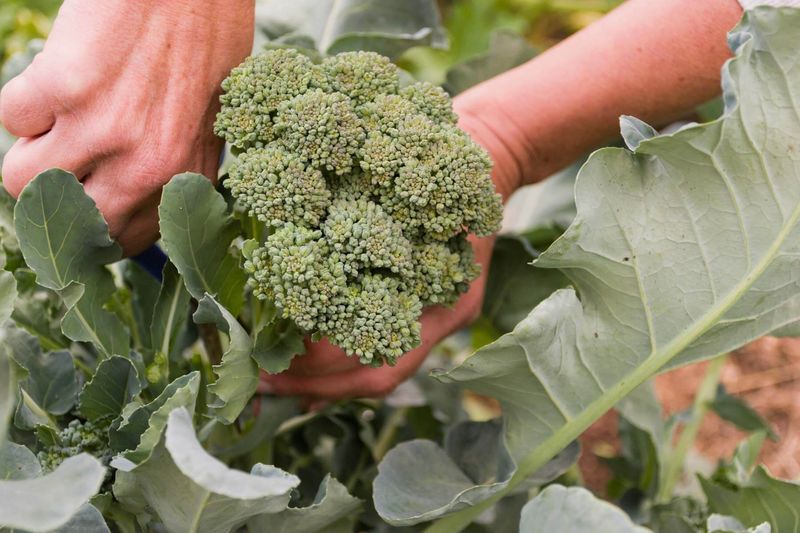
Restaurant-quality broccoli heads are absolutely achievable in Michigan gardens when you work with the weather instead of against it. Hot temperatures cause broccoli to bolt quickly, but cool conditions produce those perfect, tight green crowns everyone loves.
Start broccoli seeds indoors and transplant sturdy seedlings outside about four weeks before the last expected frost. Plants need consistent moisture and rich soil to develop properly sized heads.
Cut the main head when florets are tight and dark green, before any yellow flowers appear. Most varieties produce smaller side shoots after the main harvest, extending your broccoli season for several more weeks of fresh eating.
6. Spinach – The Iron-Rich Marathon Runner
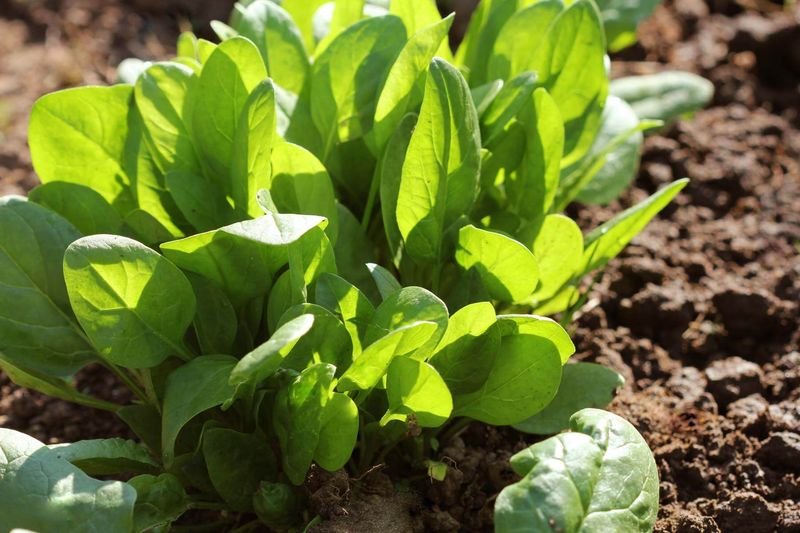
Spinach absolutely despises hot weather but thrives in Michigan’s cooler temperatures, producing tender leaves packed with nutrients throughout the growing season. This powerhouse green keeps producing new leaves even as you harvest the older ones.
Plant spinach seeds as soon as you can work the soil in spring, since it germinates well in cold conditions. Make successive plantings every two weeks until late summer for continuous harvests.
Pick individual leaves when they reach eating size, or cut entire plants when they become crowded. Spinach grown in cool weather stays tender and mild, unlike the bitter leaves produced in hot climates during summer months.
7. Peas – The Early Spring Performers
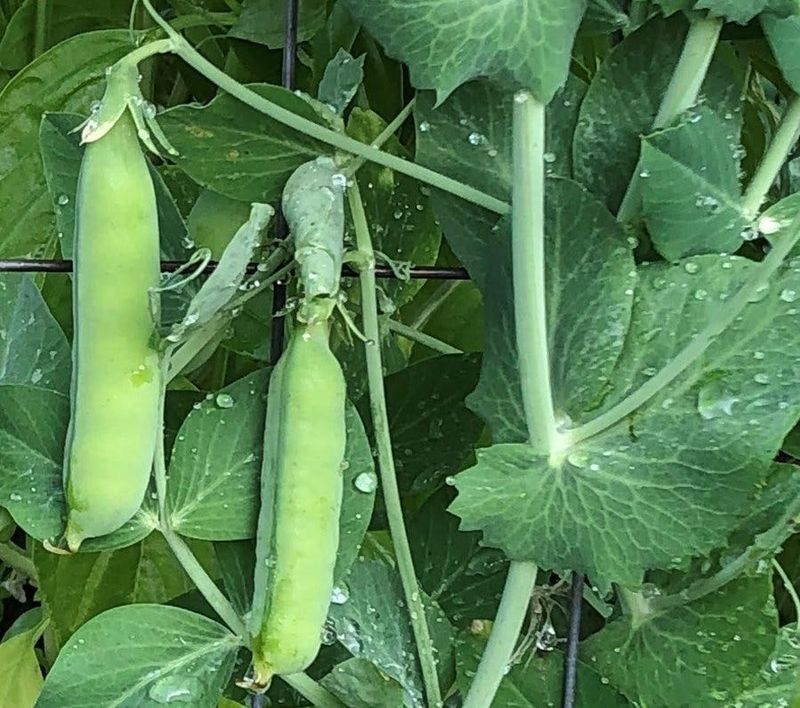
Garden peas signal the true start of growing season in Michigan, since they can handle light frosts and cold soil that would damage other vegetables. These climbing vines produce sweet pods that taste nothing like their frozen grocery store counterparts.
Plant pea seeds directly in the garden about four weeks before the last expected frost date in your area. Choose between shelling peas, snap peas, or snow peas based on your family’s preferences.
Provide support structures for climbing varieties to keep pods off the ground and make harvesting easier. Pick pods regularly to keep plants producing, and enjoy the sweet reward of homegrown peas that actually taste like spring.
8. Swiss Chard – The Colorful Cold Weather Artist
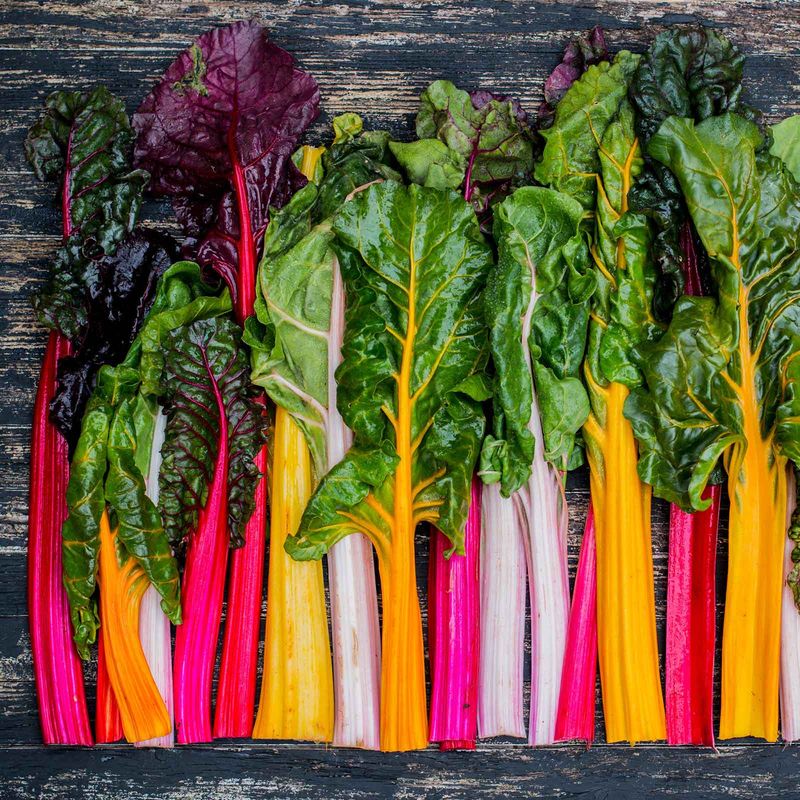
Swiss chard brings stunning colors to the garden while providing nutritious greens that handle Michigan’s temperature swings like a champion. Red, yellow, and white stems create a rainbow effect that makes your vegetable garden look almost ornamental.
Direct seed chard in early spring or start transplants indoors for earlier harvests. Plants tolerate both cool and warm weather better than most leafy greens, making them incredibly reliable for unpredictable Michigan seasons.
Harvest outer leaves regularly while allowing the center to keep producing new growth. Chard leaves work perfectly in stir-fries, soups, or fresh salads, and the colorful stems add crunch and visual appeal to any dish you create.