 Complete Gardening
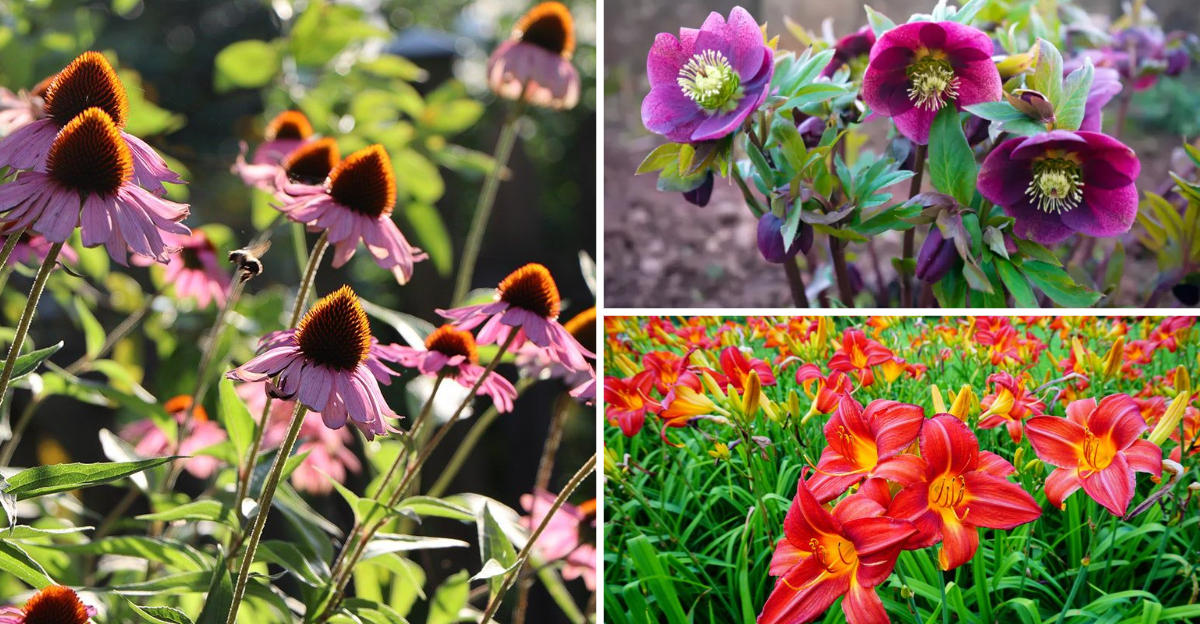
Climate change poses numerous challenges to gardeners, but some plants stand out for their resilience. These 17 perennials not only endure harsh conditions but often thrive, making them excellent choices for sustainable gardening. From blooms that withstand heat to foliage that resists drought, these plants offer beauty and toughness. Explore this guide to discover which perennials can enhance your garden while standing up to the elements.
1. Hellebore
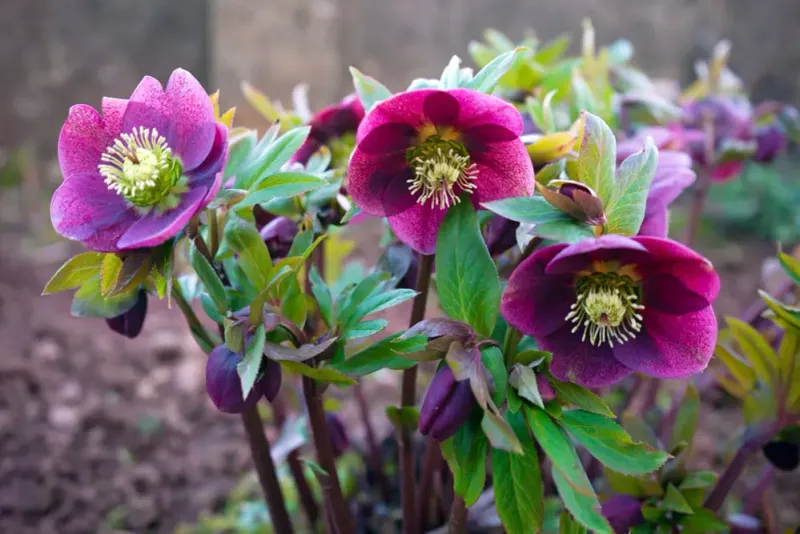
The hellebore, often called the “Christmas Rose,” is a perennial that defies the cold. Its delicate, nodding blooms appear in winter, brightening stark landscapes. Hellebores thrive in shaded, well-drained areas, adapting to various soil types.
Their deer-resistant nature makes them a garden favorite. With vibrant colors ranging from white to deep purple, they add a splash of color during the colder months. Known for their longevity, these plants can live for decades with minimal care.
This resilience, combined with their early flowering season, makes hellebores a symbol of hope and renewal.
2. Sedum
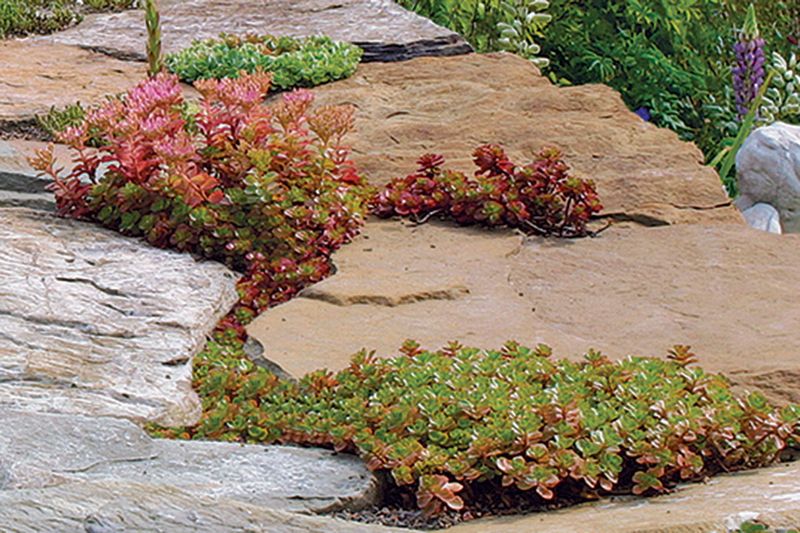
Sedum, with its thick, fleshy leaves, is an ideal plant for drought-prone areas. These succulents thrive in poor, rocky soils where other plants might struggle.
Their ability to store water in their leaves allows them to endure prolonged dry spells. Sedums come in various shapes and sizes, from ground covers to upright varieties.
Their late-summer blooms attract pollinators, adding life to any garden. Sedums are perfect for rock gardens or as border plants, offering color and texture with minimal maintenance.
3. Echinacea
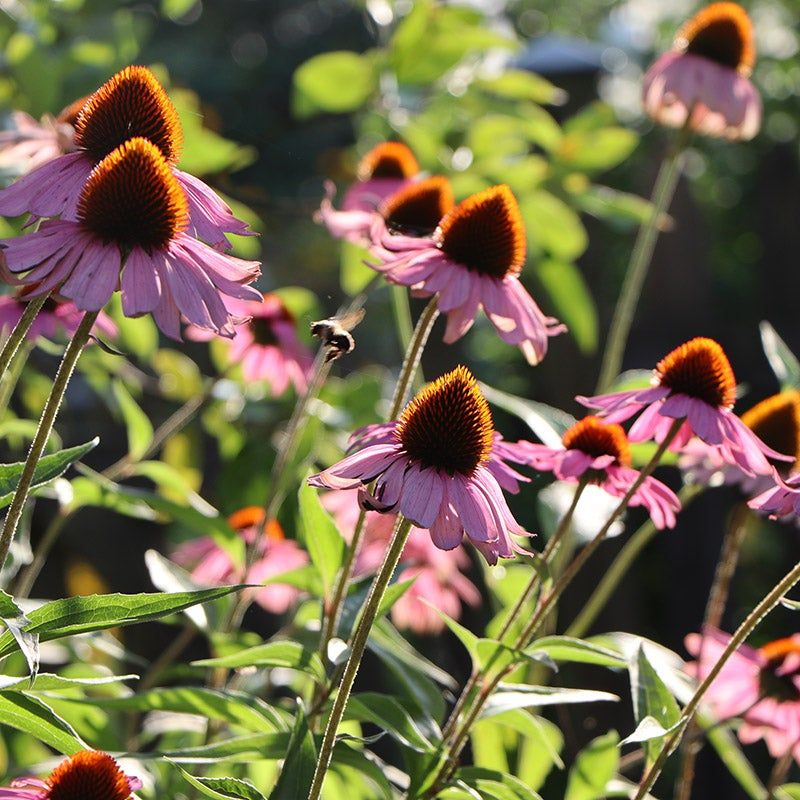
Echinacea, commonly known as coneflower, is renowned for its medicinal properties and striking appearance. Its daisy-like petals surround a distinctive cone, attracting bees and butterflies.
This hardy perennial thrives in full sun and tolerates poor soil conditions. Echinacea’s deep roots help it survive droughts, making it a reliable choice for sustainable gardens.
Beyond its beauty, echinacea is used in herbal remedies to boost immunity. Its resilience and utility make it a favorite among gardeners seeking both form and function.
4. Lavender
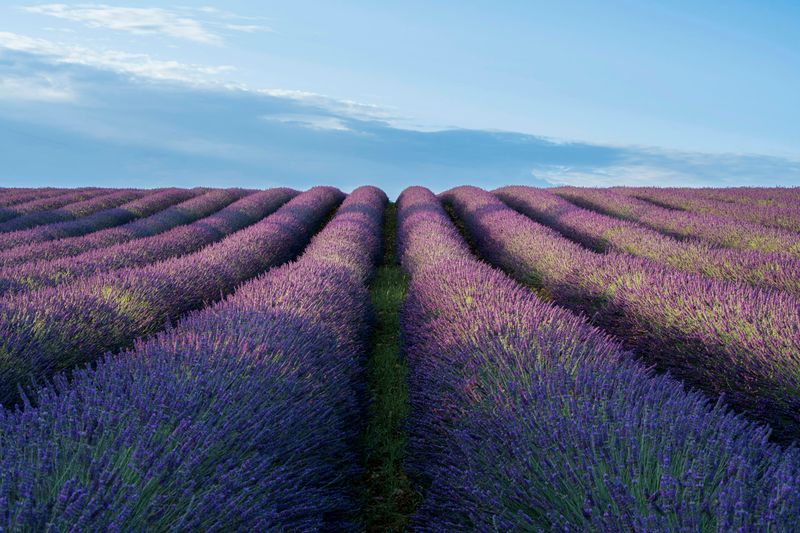
Lavender is celebrated for its fragrant blooms and calming properties. Its silvery foliage and purple flowers sway gracefully in the breeze, creating a soothing garden feature.
This Mediterranean native thrives in sunny, well-drained locations, requiring little water once established. Lavender is also known for its ability to repel pests, making it a companion plant.
Whether used in sachets, oils, or culinary dishes, lavender’s versatility is unmatched. Its drought tolerance and aromatic qualities ensure it remains a perennial favorite in various landscapes.
5. Black-eyed Susan
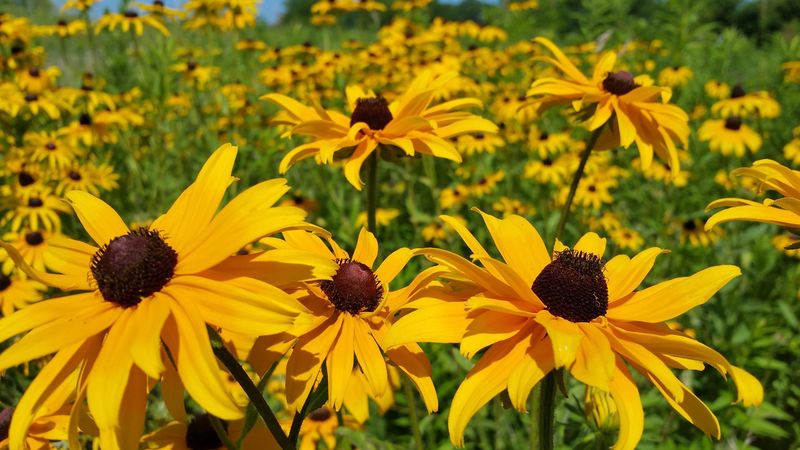
Black-eyed Susans, with their sunny disposition, brighten up any landscape. Their vivid yellow petals and dark centers create a striking contrast.
These hardy perennials thrive in full sun and adapt to different soil types, from clay to sandy soils. They are drought-tolerant once established, requiring minimal care.
Black-eyed Susans attract pollinators, supporting local ecosystems. Their resilience and vibrant blooms make them a staple in gardens aiming for sustainability and beauty.
6. Russian Sage
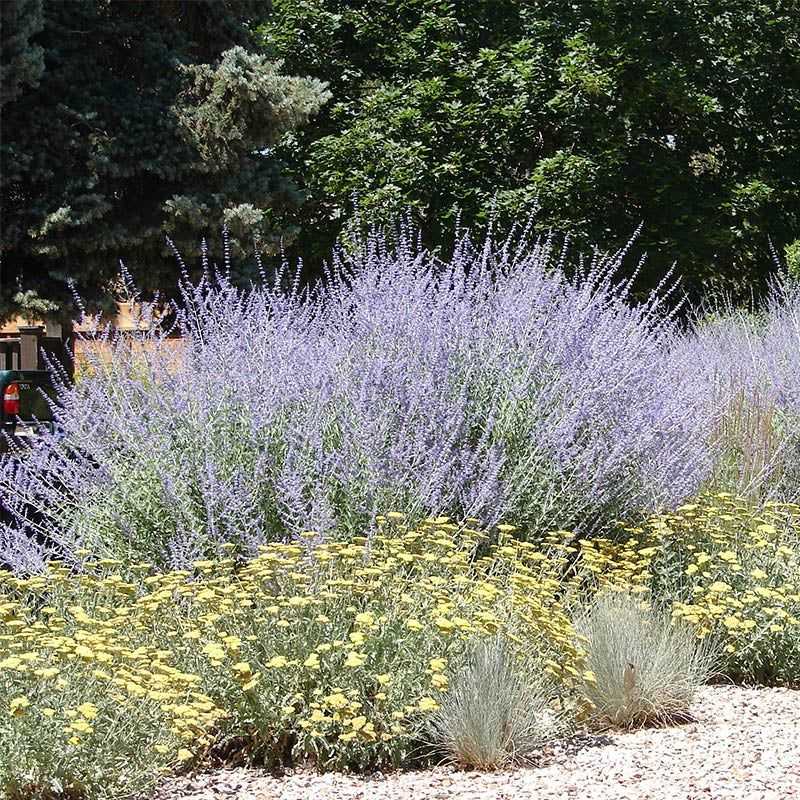
Russian sage, with its airy spikes of bluish-purple flowers, adds a touch of elegance to any garden. Its silvery foliage contrasts beautifully with its blooms.
This drought-tolerant perennial thrives in full sun and poor soils, making it perfect for xeriscaping. Russian sage is deer-resistant and attracts beneficial insects.
Its long-lasting flowers provide color from midsummer to fall, offering extended visual interest. This combination of beauty and resilience ensures Russian sage remains a gardener’s favorite.
7. Yarrow
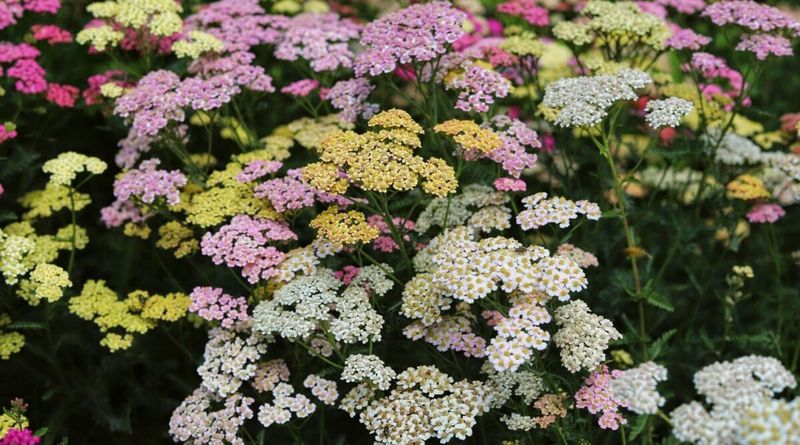
Yarrow is a versatile perennial known for its hardiness and medicinal use. Its feathery foliage and clusters of tiny flowers can be found in various colors.
This plant thrives in full sun and poor, well-drained soils, making it ideal for dry climates. Yarrow’s deep roots help prevent soil erosion, stabilizing landscapes.
Its flowers attract pollinators, enhancing biodiversity. Yarrow’s adaptability and utility make it a key player in gardens focused on resilience and ecological health.
8. Daylily
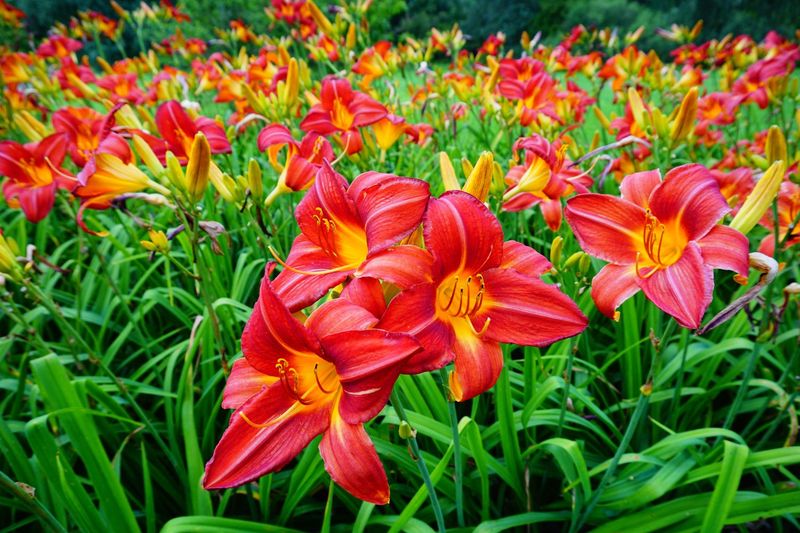
The daylily is a perennial favorite, known for its vibrant, trumpet-shaped blooms. Each flower lasts for just one day, but the plant produces many, ensuring constant color.
Daylilies thrive in various conditions, from full sun to part shade, and tolerate different soil types. Their drought resistance and pest resilience make them low-maintenance.
With countless cultivars, daylilies offer a range of colors and patterns. Their ability to adapt and thrive with minimal care makes them a go-to choice for gardeners seeking beauty and durability.
9. Hosta
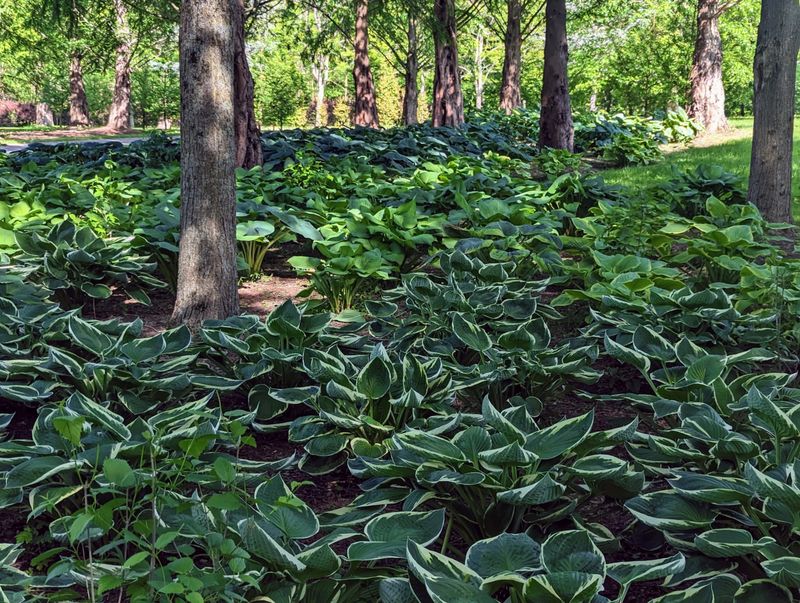
Hostas are known for their lush foliage and ability to thrive in shaded areas. Their large leaves range from deep green to bluish hues, adding texture to gardens.
These perennials adapt to different soil types, preferring moist, well-drained locations. They are shade-tolerant and can withstand brief dry spells.
Hostas are often used in border plantings and shade gardens. Their resilience and aesthetic appeal make them a staple in gardens that emphasize foliage over flowers.
10. Gaillardia
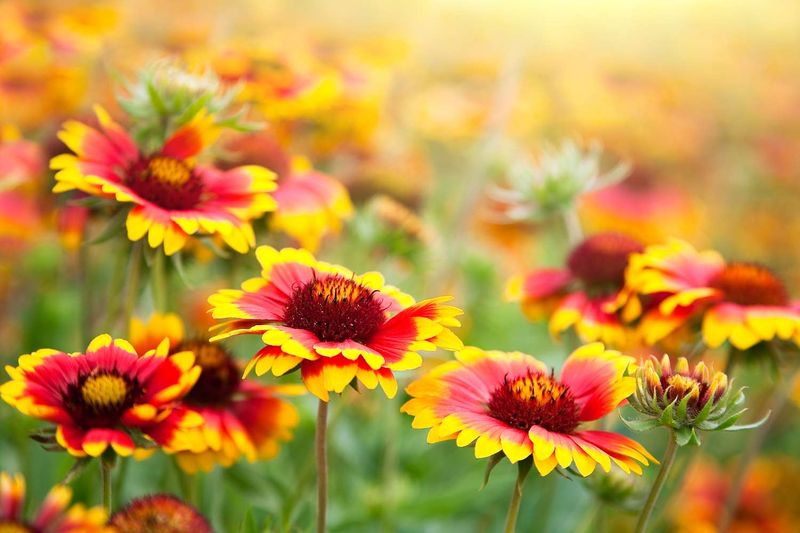
Gaillardia, or blanket flower, is known for its fiery red and yellow blooms. These perennials are heat-tolerant and thrive in full sun.
Gaillardias prefer well-drained soils and can withstand drought conditions, making them ideal for xeriscaping. Their long blooming season adds enduring color to gardens.
Pollinators, such as bees and butterflies, are attracted to their vibrant flowers. The combination of striking colors and resilience makes gaillardia a popular choice for gardeners seeking a bold statement.
11. Coreopsis
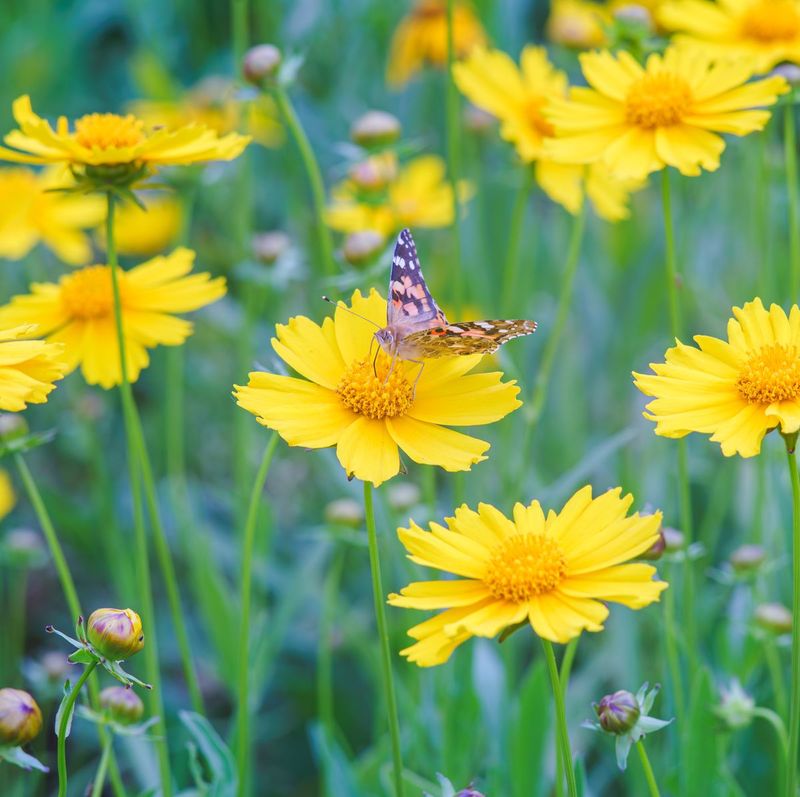
Coreopsis, with its cheerful yellow blooms, brings sunshine to the garden. These perennials are easy to grow and care for, thriving in full sun.
Coreopsis tolerates poor soils and drought, making it a perfect choice for low-maintenance gardens. Its long blooming period extends from early summer to fall.
This plant attracts pollinators and adds a splash of color to any landscape. Coreopsis’s adaptability and longevity ensure it remains a perennial favorite for vibrant, sustainable gardens.
12. Aster
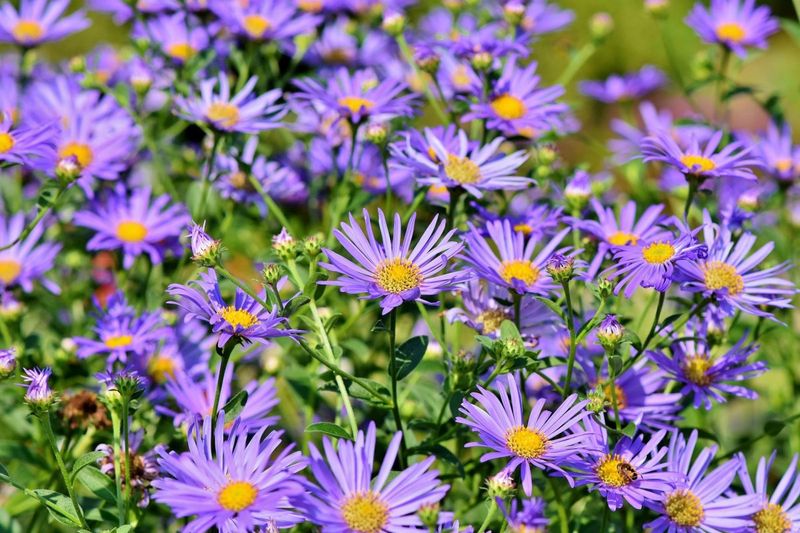
Asters are beloved for their star-like blooms that grace gardens in late summer and fall. These perennials come in shades of purple, pink, and white.
They thrive in full sun to partial shade, adapting to various soil types. Asters are drought-tolerant once established, making them a practical choice for eco-friendly gardens.
Their flowers attract butterflies, adding movement and life to the garden. Asters’ late-season blooms ensure color persists as other plants fade, maintaining visual interest.
13. Bee Balm
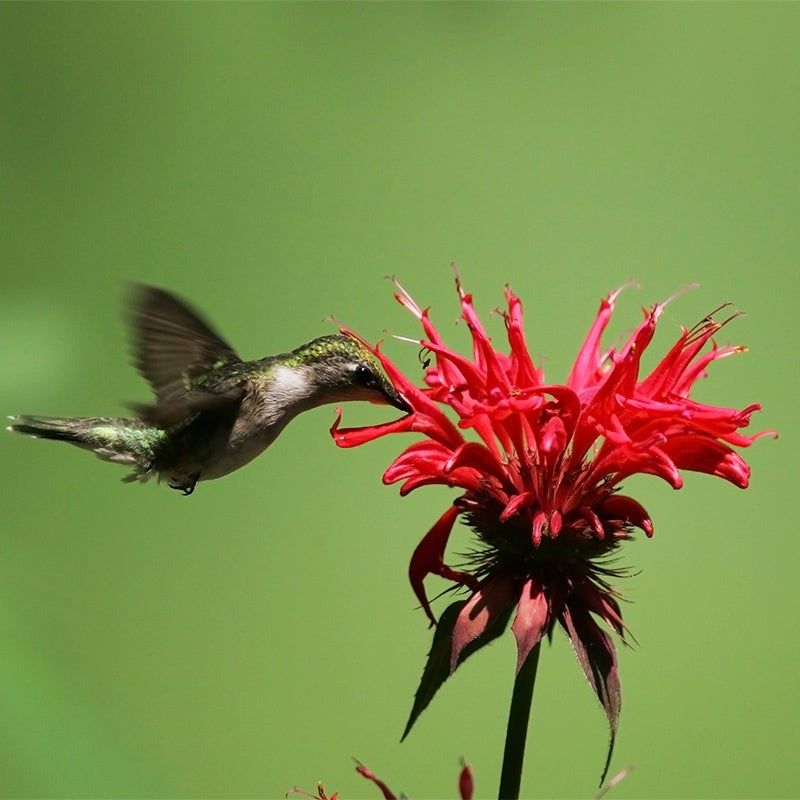
Bee balm, with its aromatic foliage and vibrant blooms, is a pollinator magnet. Its flowers come in red, pink, and purple, adding a splash of color.
This perennial thrives in full sun to partial shade, preferring moist, well-drained soils. Bee balm can tolerate drought once established, making it adaptable.
Its unique, tubular flowers attract bees, butterflies, and hummingbirds. Bee balm’s combination of beauty, aroma, and ecological value makes it a garden staple for those focused on biodiversity.
14. Salvia
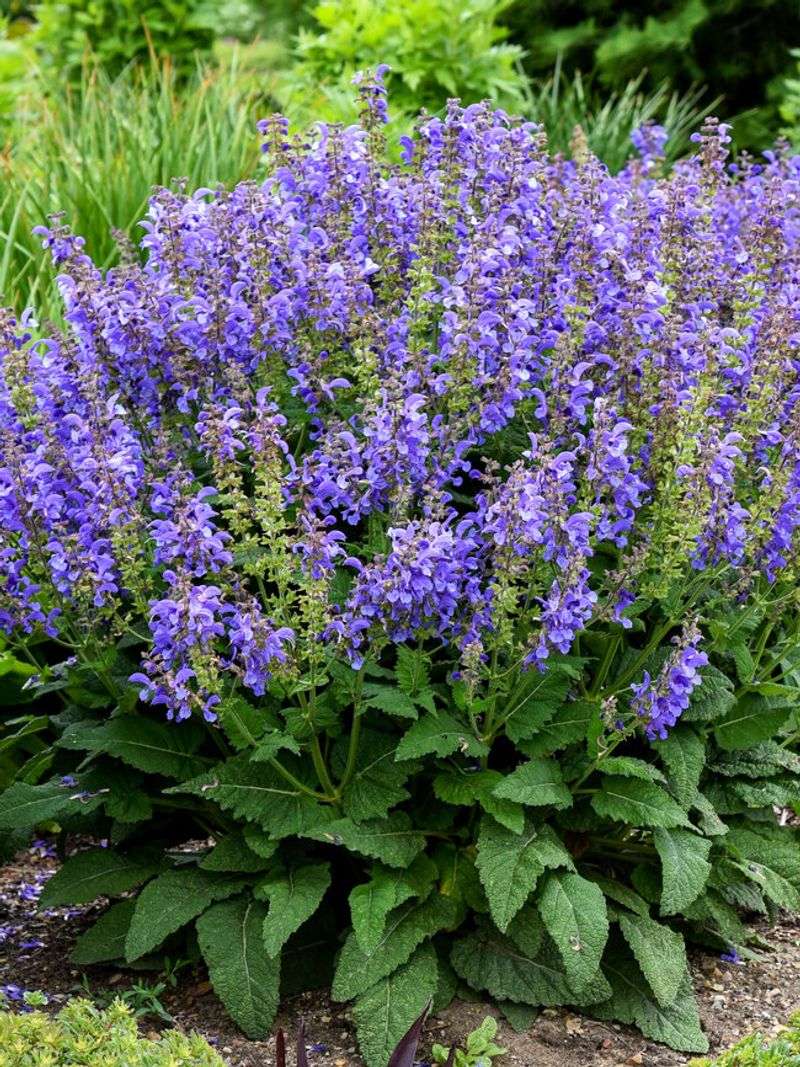
Salvia, known for its tall spikes of vibrant flowers, brings vertical interest to gardens. These perennials thrive in sunny locations and well-drained soils.
Salvias are drought-tolerant and require minimal maintenance once established. Their long blooming season extends from late spring to fall.
These plants attract pollinators, making them valuable for ecosystems. With various species and colors available, salvia is a versatile choice for gardeners seeking both aesthetics and resilience.
15. Shasta Daisy
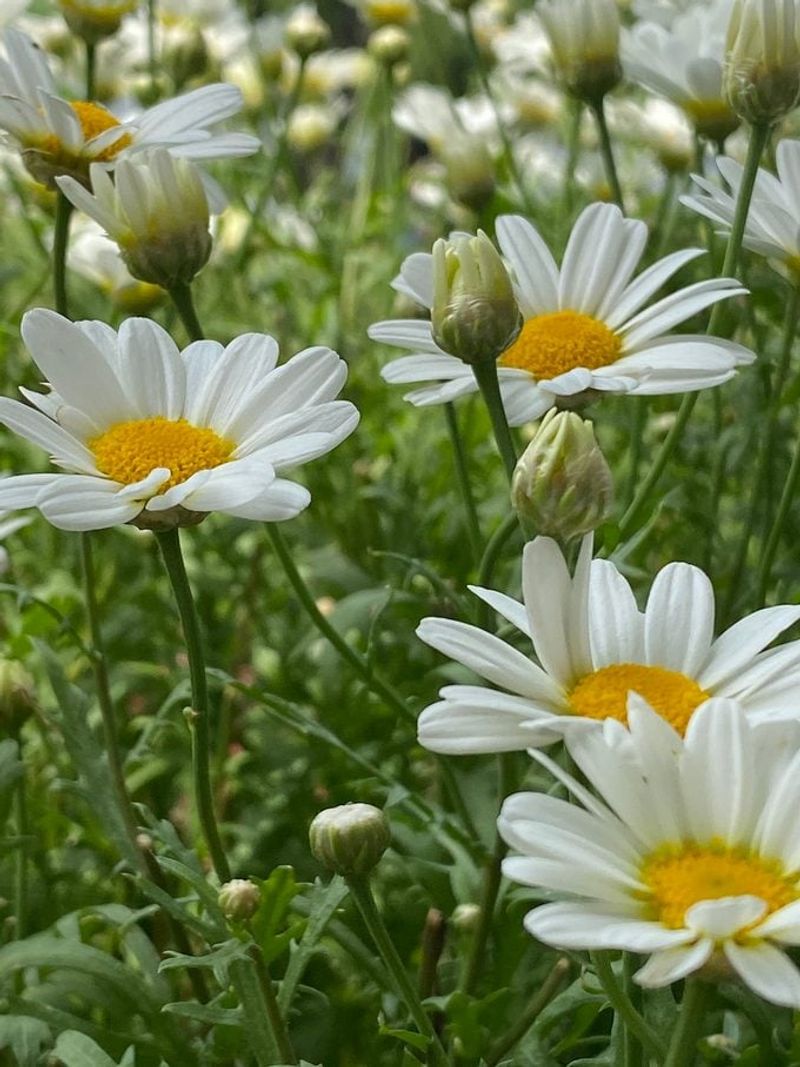
Shasta daisies, with their classic white petals and yellow centers, bring timeless beauty to gardens. These perennials thrive in full sun and well-drained soils.
They are drought-tolerant and require minimal care once established, making them ideal for low-maintenance landscapes. Shasta daisies are known for their long blooming period, adding lasting color.
Their cheerful appearance attracts pollinators, supporting garden biodiversity. Shasta daisies’ combination of elegance and hardiness ensures they remain a beloved choice for any garden.
16. Japanese Anemone
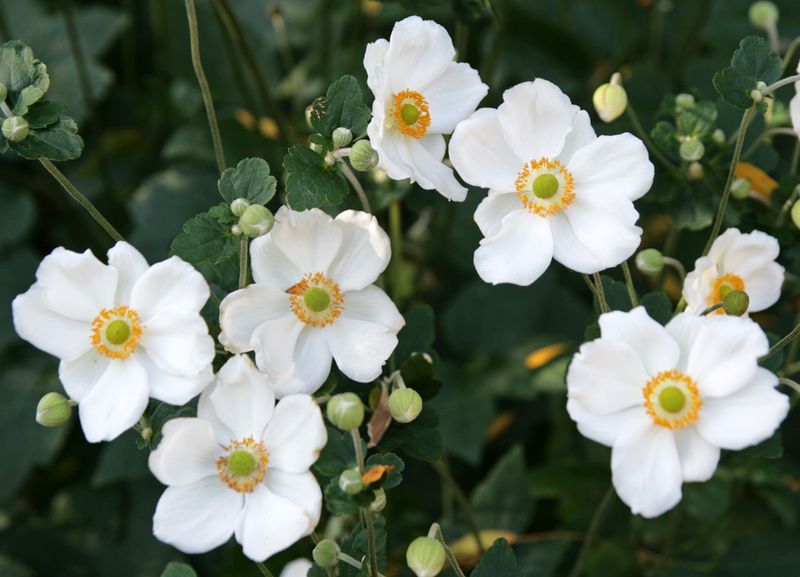
Japanese anemones are treasured for their graceful blooms that appear in late summer and fall. Their delicate petals come in shades of pink and white.
These perennials thrive in part shade and moist, well-drained soils, adapting to various garden conditions. Japanese anemones are deer-resistant and can tolerate brief dry spells.
Their flowers sway gently in the breeze, adding movement and charm. The combination of beauty and adaptability makes Japanese anemones a favorite for gardeners seeking elegance in shaded areas.
17. Penstemon
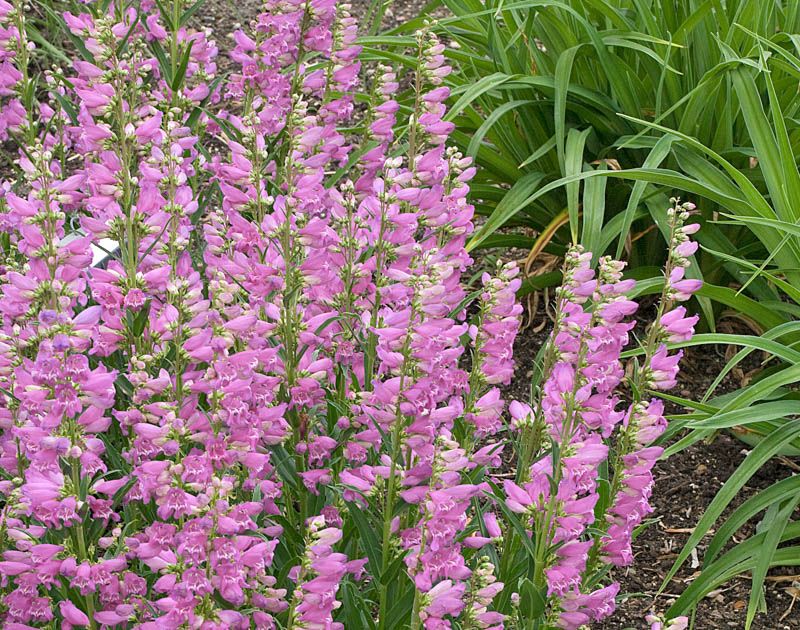
Penstemon, known for its striking tubular flowers, stands out in resilience. These perennials can withstand harsh conditions, thriving in both drought and heavy rain. With vibrant hues ranging from pink to deep purple, they attract hummingbirds and bees alike, adding life to any garden.
Interestingly, Penstemon’s adaptability is rooted in its native North American origins, where it grew in diverse climates. This adaptability makes it a gardener’s ally in an unpredictable world. Whether lining pathways or enhancing borders, Penstemon effortlessly combines beauty with practicality, ensuring gardens remain vibrant and full of life even as climates change.