 Complete Gardening
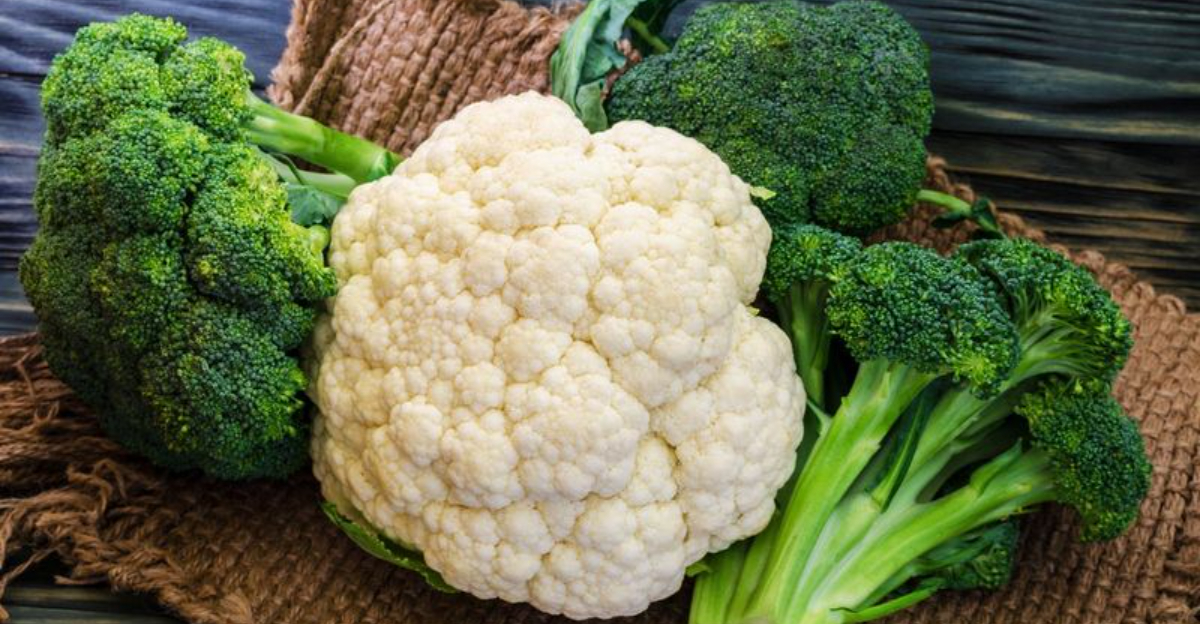
Broccoli and cauliflower, two cruciferous vegetables that look similar yet differ in a multitude of ways, have sparked debates among food enthusiasts and nutritionists alike. From their appearance and flavor to their nutritional content and culinary uses, each offers unique attributes that cater to different tastes and dietary needs. This article delves into the 13 key differences that matter when choosing between broccoli and cauliflower.
1. Appearance & Color 🎨
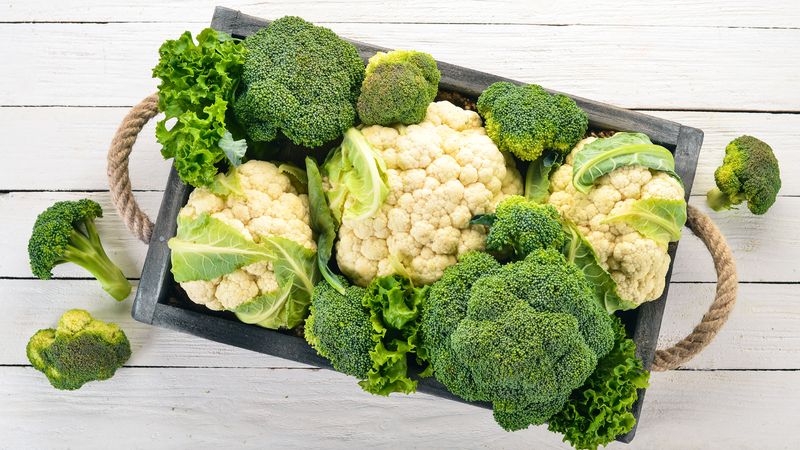
Broccoli boasts a robust green hue with dense clustered florets perched atop a sturdy stem, while cauliflower dazzles with its creamy white crown. This coloration isn’t just superficial; it influences how each vegetable is perceived and utilized in culinary arts. The rich green of broccoli often suggests nutrient richness and freshness.
Cauliflower, although primarily white, surprises with varieties in purple, orange, and green, each adding a splash of color to dishes and offering differing levels of antioxidants. This rainbow of options makes cauliflower an attractive choice for innovative chefs seeking visual appeal.
2. Flavor Profile 👅
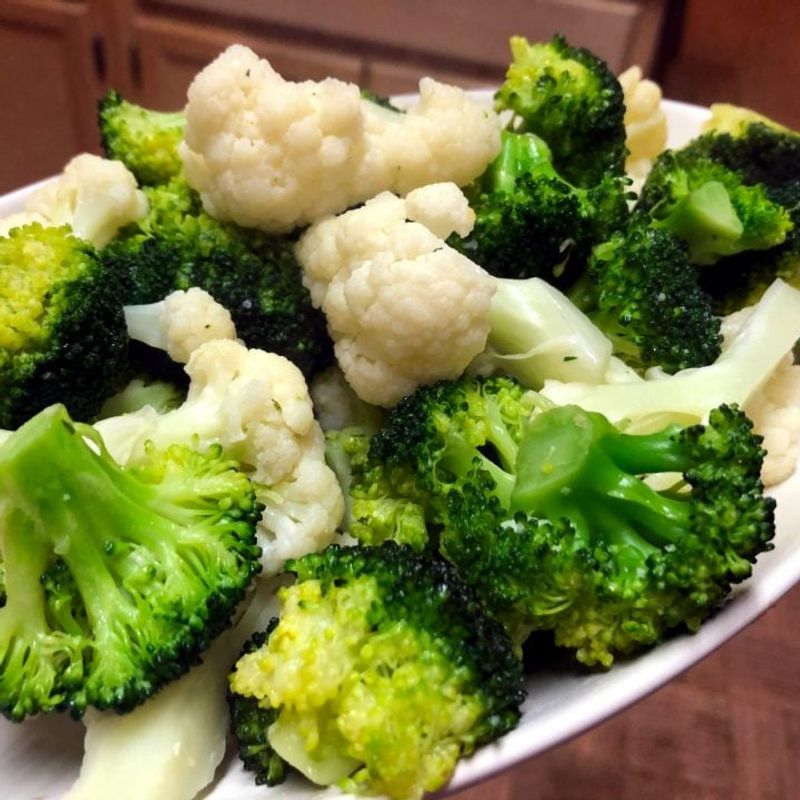
When biting into broccoli: a bold, earthy flavor hits, accompanied by a slightly bitter undertone reminiscent of crisp, fresh grass. This distinct taste makes it a staple for those who enjoy hearty, robust flavors.
In contrast, cauliflower offers a more subdued experience. Its flavor is delicate, with a nutty profile that enhances when roasted, providing a subtle sweetness. This gentle palate makes cauliflower versatile, allowing it to blend seamlessly into various culinary creations without overpowering other ingredients.
3. Texture 🍽️
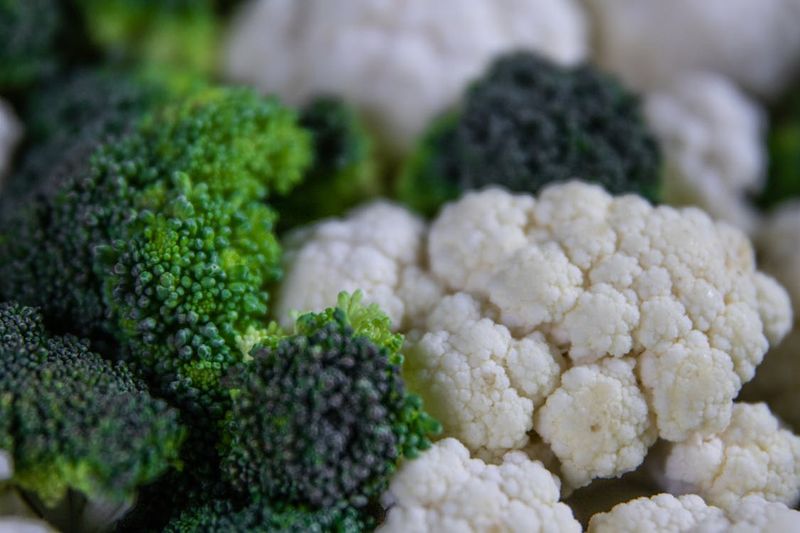
Broccoli presents a firm and crisp texture when raw, an ideal choice for salads and crudités. Cooking softens it slightly yet retains its fibrous nature, making it suitable for various dishes like stir-fries or steamed sides.
Cauliflower, on the other hand, is more delicate. When cooked, it transforms into a creamy consistency, perfect for mashing or creating a ‘rice’ alternative. Its pliability allows it to adapt into myriad dishes, appealing to those seeking softer, comforting food textures.
4. Nutritional Powerhouse? 💪
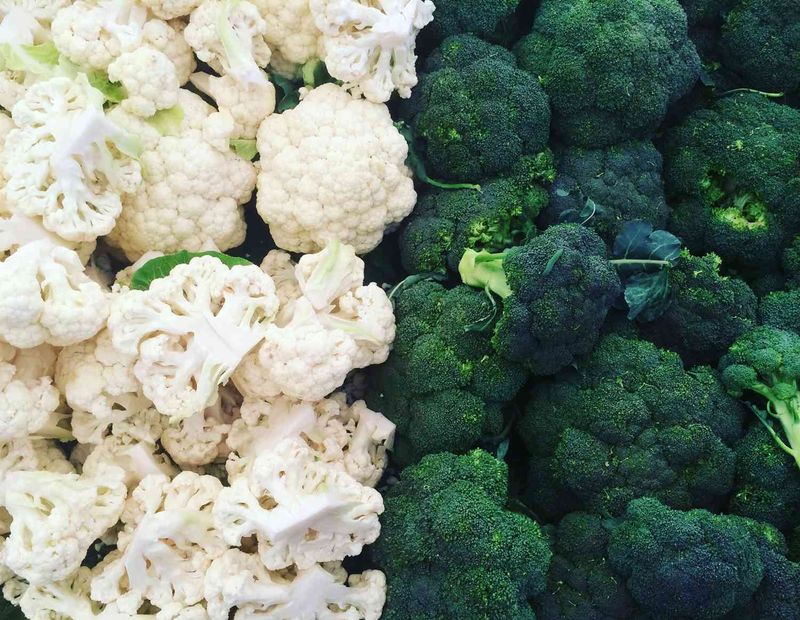
Broccoli is often hailed as a nutritional titan, loaded with vitamin C, K, and fiber, making it an excellent choice for those seeking a health boost. Its nutrient composition supports immune function, bone health, and digestion.
Cauliflower, while lower in calories and carbs, appeals to those following a ketogenic diet, offering a satisfying substitute for grain-based foods. Its subtle flavor and low caloric intake make it a dietary favorite for many looking to maintain or lose weight without sacrificing taste or texture.
5. Sulforaphane Content 🧪
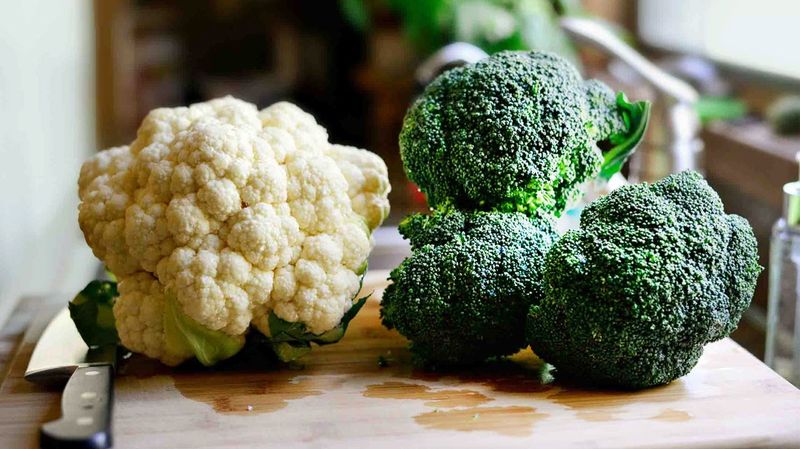
Broccoli takes the lead in sulforaphane content, a sulfur-rich compound famous for its anti-cancer properties. This compound emerges from chopping or chewing the vegetable, activating its health benefits.
Cauliflower, while containing sulforaphane, offers it in smaller quantities. Despite this, its contribution to a balanced diet remains valuable, supporting overall health. For those focusing on cancer prevention, incorporating broccoli into the diet could offer enhanced protective benefits, thanks to its superior sulforaphane levels.
6. Cooking Versatility 🔥

Broccoli shines in culinary flexibility, maintaining its shape and texture when steamed, stir-fried, or roasted. Its robust nature allows it to complement and enhance a variety of dishes without falling apart.
Cauliflower, however, is celebrated for its transformative abilities. It can be riced, mashed, or even turned into a low-carb pizza crust. This adaptability makes cauliflower a favorite among creative cooks who enjoy experimenting with textures and flavors in their meals, providing a canvas for culinary creativity.
7. Popularity in Diets 🥗

Broccoli enjoys widespread appeal in balanced and high-fiber diets, often included in meal plans aimed at improving digestive health and providing essential nutrients. Its substantial fiber content supports satiety and gut health.
Cauliflower, on the other hand, surges in popularity among low-carb, gluten-free, and paleo diets. Its low carbohydrate content and versatility as a grain substitute have made it a staple in modern, health-conscious eating plans. Both vegetables find their niche, catering to diverse dietary preferences and needs.
8. Smell When Cooked 👃

Cooking broccoli releases a potent aroma, a sulfur-like scent that is unmistakable and may not appeal to everyone. This strong smell is a result of its higher sulfur content, which becomes more pronounced when heated.
Cauliflower, in contrast, emits a milder aroma when cooked, though caution is needed as overcooking can lead to an unappealing pungency. Its scent is generally softer, making it more approachable for those sensitive to strong food odors. The aromatic differences can influence choice in recipes and meal planning.
9. Stem Edibility 🌱
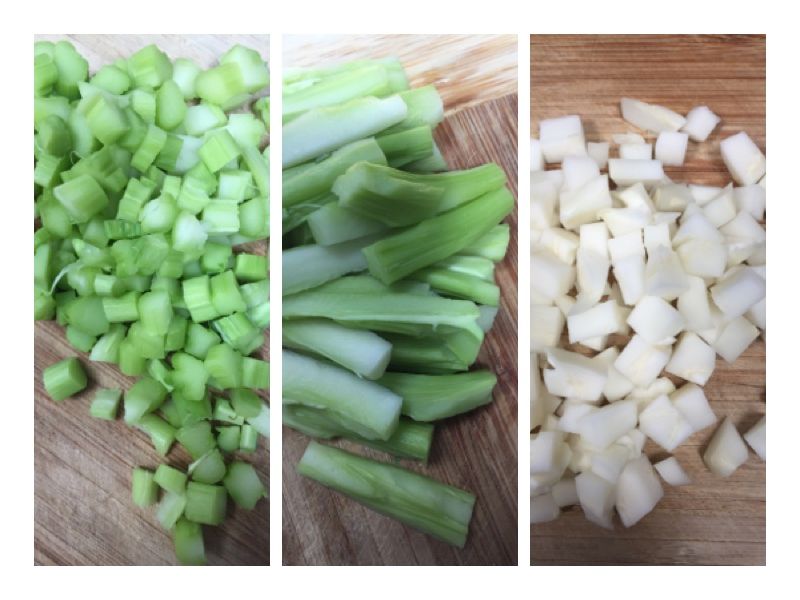
Broccoli stems, often overlooked, are edible and nutritious. When peeled, they reveal a tender interior that can be sliced and added to stir-fries or salads, offering a delightful, crunchy texture.
Cauliflower stems, in contrast, tend to be tougher and less frequently consumed. They are often discarded or blended for sauces and soups. The differences in stem texture and usability reflect in their culinary applications, where broccoli stems find more frequent use due to their tender quality.
10. Global Popularity 🌍
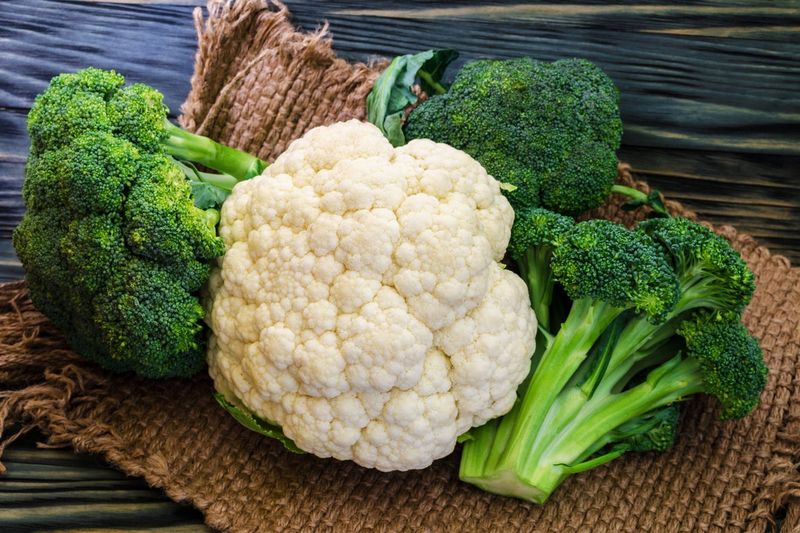
Broccoli has carved its place in American and European cuisines, often featured in salads, side dishes, and as a key ingredient in health-focused meals. Its global appeal is undeniable, reflecting its versatile uses and recognized health benefits.
Cauliflower, meanwhile, boasts immense popularity in Indian cuisine, starring in dishes like gobi masala and aloo gobi. These cultural preferences highlight how each vegetable adapts to regional tastes and culinary traditions, enriching a variety of global dishes.
11. Glycemic Index (GI) 📊
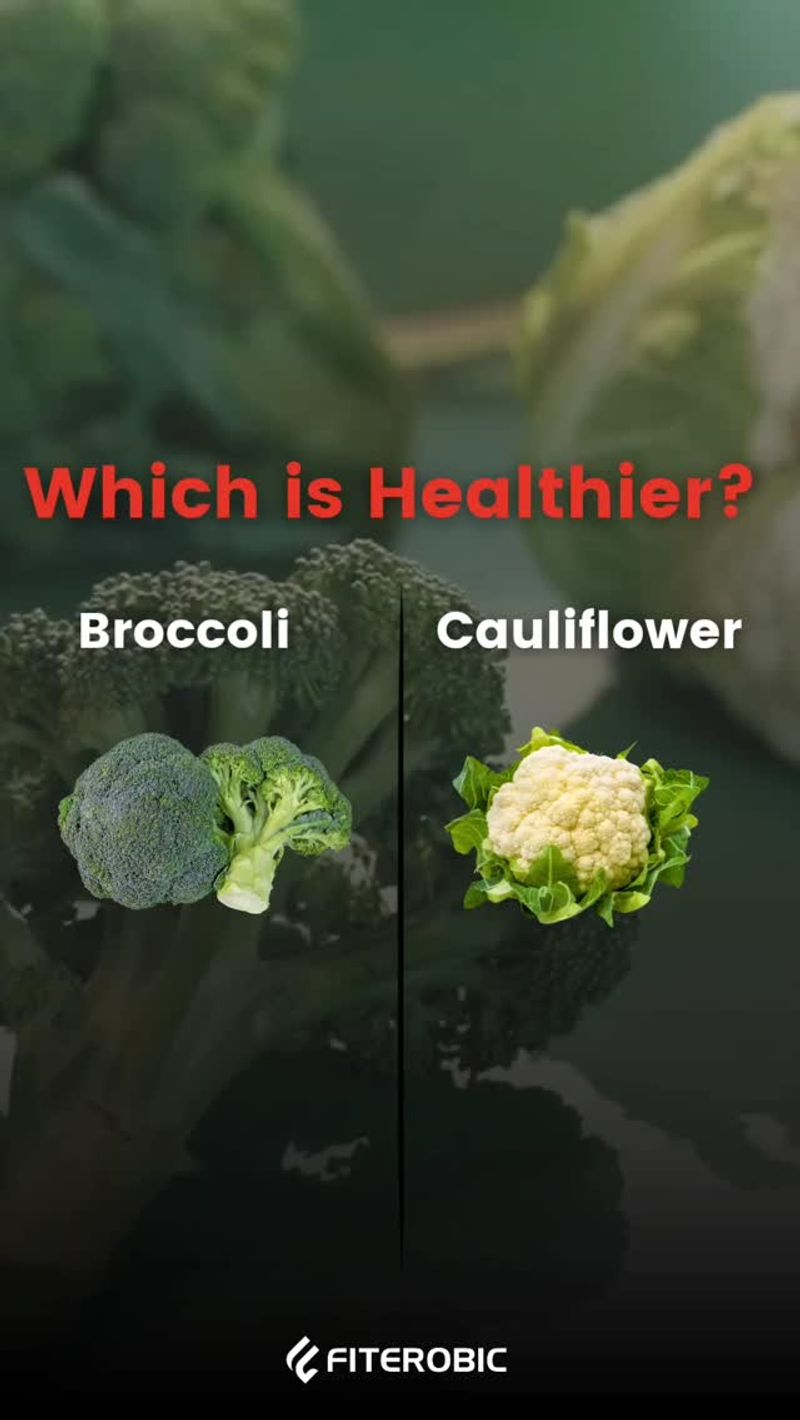
Broccoli, although having a slightly higher glycemic index (GI), is still considered low overall, making it a favorable choice for maintaining stable blood sugar levels. Its fiber content plays a crucial role in this, aiding in gradual digestion and absorption.
Cauliflower, with an even lower GI, is ideal for individuals looking to manage blood sugar levels more rigorously. Its ability to replace higher-GI foods makes it beneficial for those requiring strict glycemic control. Both vegetables contribute positively to blood sugar regulation, albeit at slightly different levels.
12. Price & Availability 💰
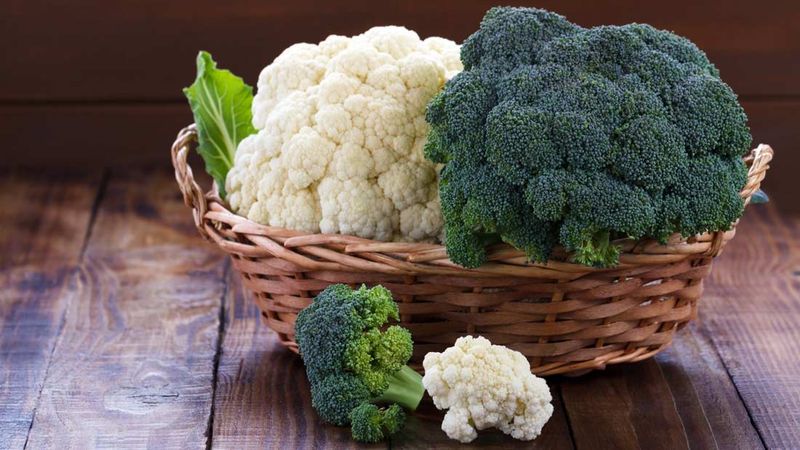
Broccoli generally enjoys a reputation for being more affordable and widely available throughout the year. Its consistent presence in grocery stores makes it a convenient choice for many households seeking nutritious options on a budget.
Cauliflower, while sometimes pricier, especially in organic or colored varieties, offers unique flavors and versatility that justify its cost for special occasions or specific dietary needs. The pricing and availability of both vegetables play a role in their selection for everyday cooking and special recipes.
13. Kid-Friendliness 👶
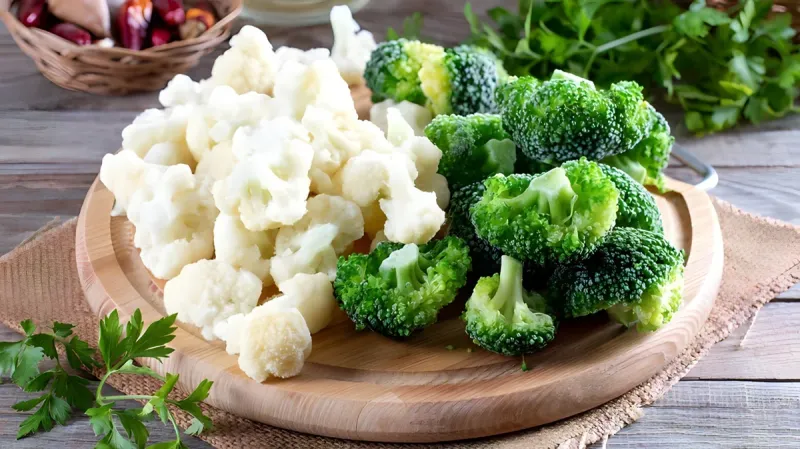
Broccoli often faces resistance from children, primarily due to its strong flavor and aroma, which can be off-putting to young, sensitive palates. Its reputation as a ‘dreaded’ vegetable in children’s meals is well-known yet often exaggerated.
Cauliflower, with its milder, more neutral taste, is easier to incorporate into dishes without raising suspicion. This makes it a clever choice for parents looking to sneak in vegetables. Balancing flavor profiles between these two can turn meal times into an enjoyable, nutritious experience for kids.