 Complete Gardening
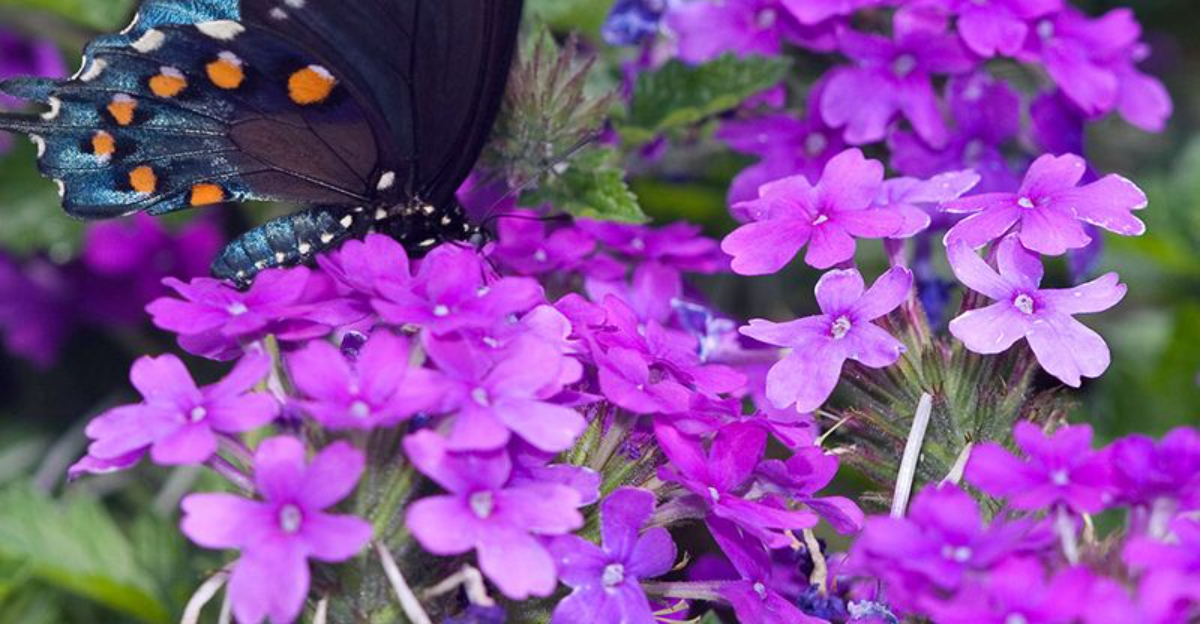
California’s sunny climate and ongoing water concerns have made drought-tolerant flowers a gardener’s best friend. Smart gardeners across the Golden State are discovering beautiful blooms that thrive with little water while adding stunning color to their landscapes. From vibrant native wildflowers to fragrant Mediterranean herbs, these hardy plants prove you don’t need constant watering to create a gorgeous garden that blooms year after year.
1. California Poppy
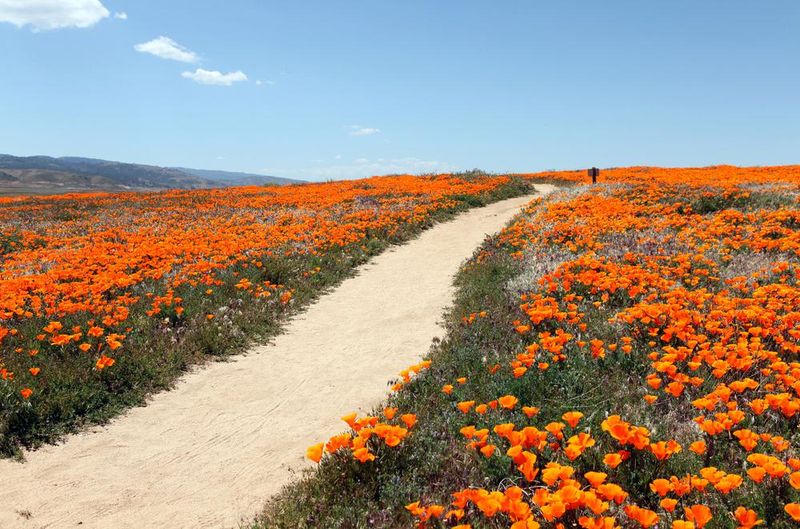
Golden orange petals dancing in the breeze make California poppies the crown jewel of drought-resistant gardens. As the official state flower, these cheerful blooms naturally thrive in sandy, well-draining soil with minimal water needs.
Plant seeds directly in fall or early spring for best results. Once established, they’ll reseed themselves each year, creating natural drifts of color throughout your garden.
Their papery petals close at night and on cloudy days, opening wide when sunshine returns. Perfect for wildflower meadows, rock gardens, or anywhere you want low-maintenance beauty.
2. Lavender
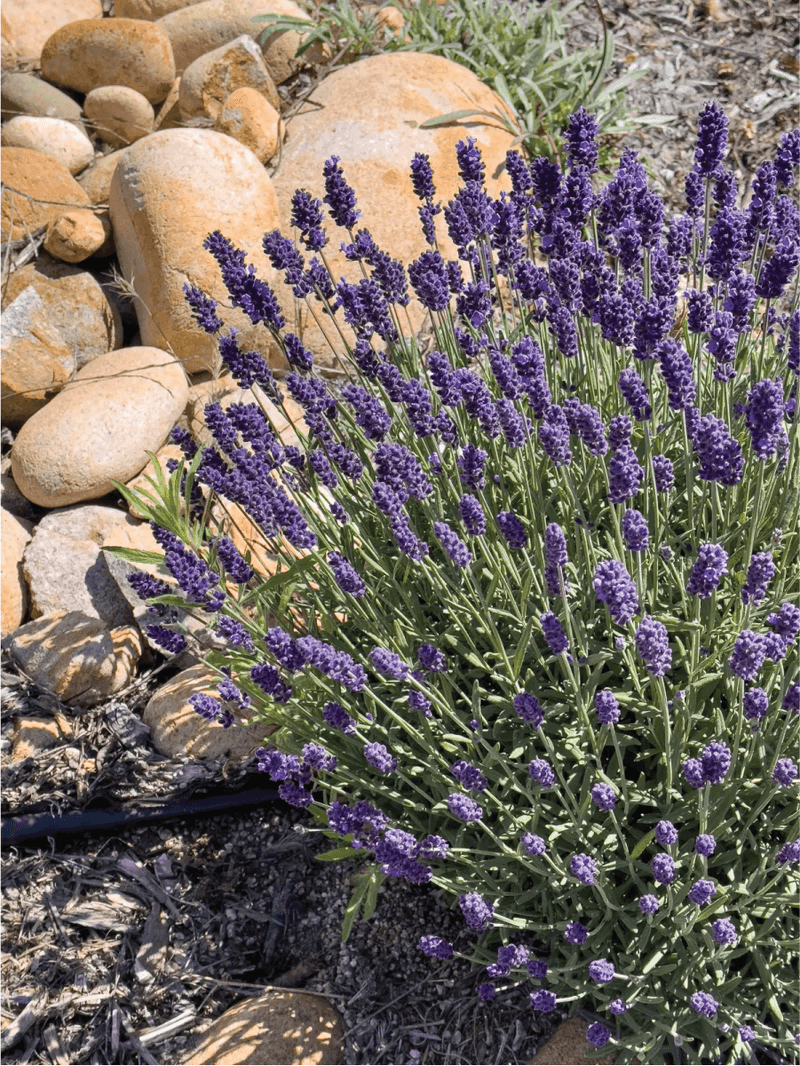
Purple spikes of heavenly scented flowers make lavender a must-have for water-wise gardens. Mediterranean by nature, this aromatic herb loves California’s dry summers and mild winters, requiring water only during establishment.
Bees and butterflies flock to lavender’s nectar-rich blooms from late spring through summer. The fragrant flowers can be harvested for sachets, cooking, or essential oils.
Choose varieties like English lavender for cooler coastal areas or Spanish lavender for hotter inland regions. Prune lightly after blooming to maintain compact, bushy growth and encourage more flowers next season.
3. Yarrow
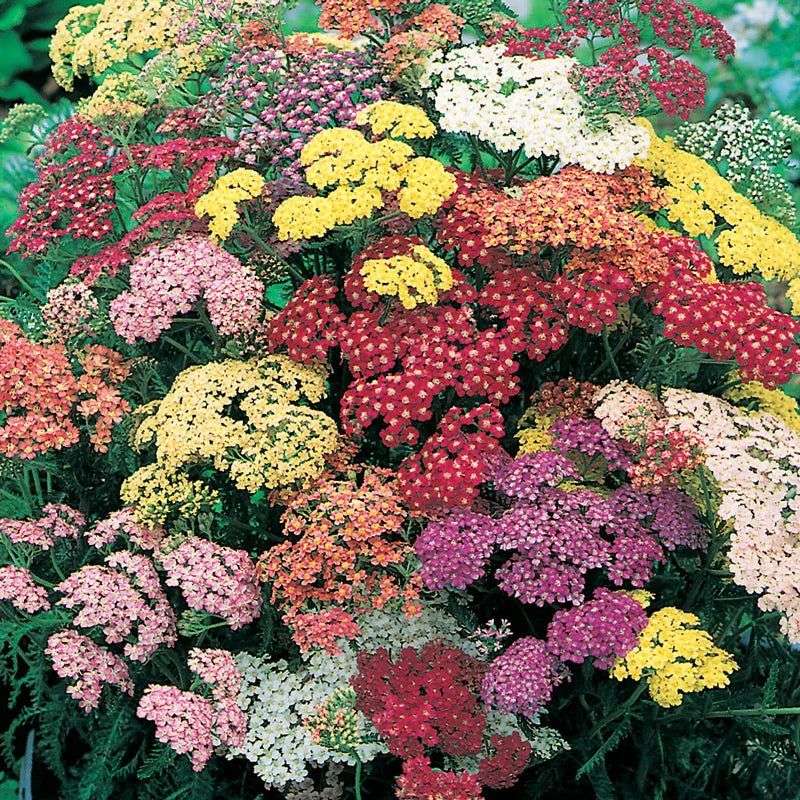
Flat-topped flower clusters in rainbow hues make yarrow a pollinator magnet that barely needs water once established. This tough perennial produces feathery, fern-like foliage topped with long-lasting blooms in white, yellow, pink, or red.
Native varieties adapt perfectly to California’s climate, spreading slowly to form attractive ground cover. Yarrow flowers make excellent cut flowers, lasting weeks in bouquets.
Plant in full sun with good drainage for best performance. Deadhead spent blooms to encourage continuous flowering throughout the growing season, or leave seed heads for winter interest and bird food.
4. Salvia
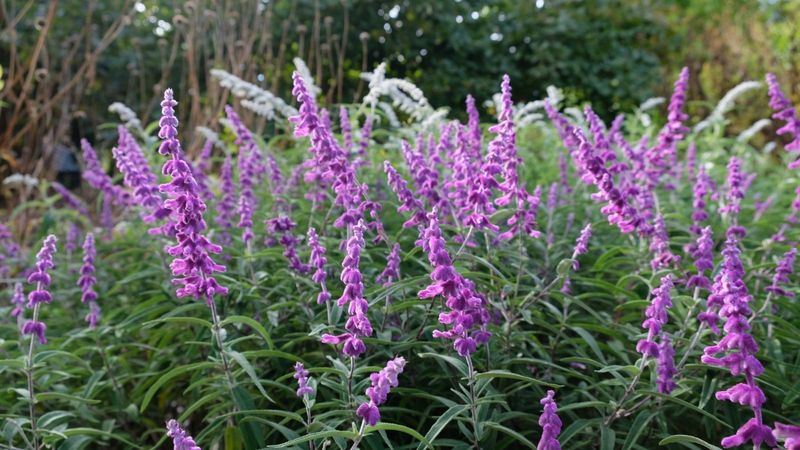
Spiky flower towers in jewel tones make salvias the backbone of water-smart gardens. Also known as sage, these versatile perennials bloom repeatedly with minimal care, attracting hummingbirds and butterflies to their tubular flowers.
Autumn Sage produces red, pink, or white blooms nearly year-round in mild climates. Mexican Bush Sage creates dramatic purple and white flower spikes in fall when many other plants fade.
Most salvias prefer full sun and well-draining soil. Pinch growing tips to encourage bushy growth, and cut back hard in late winter to promote vigorous spring growth and abundant flowering.
5. Sedum
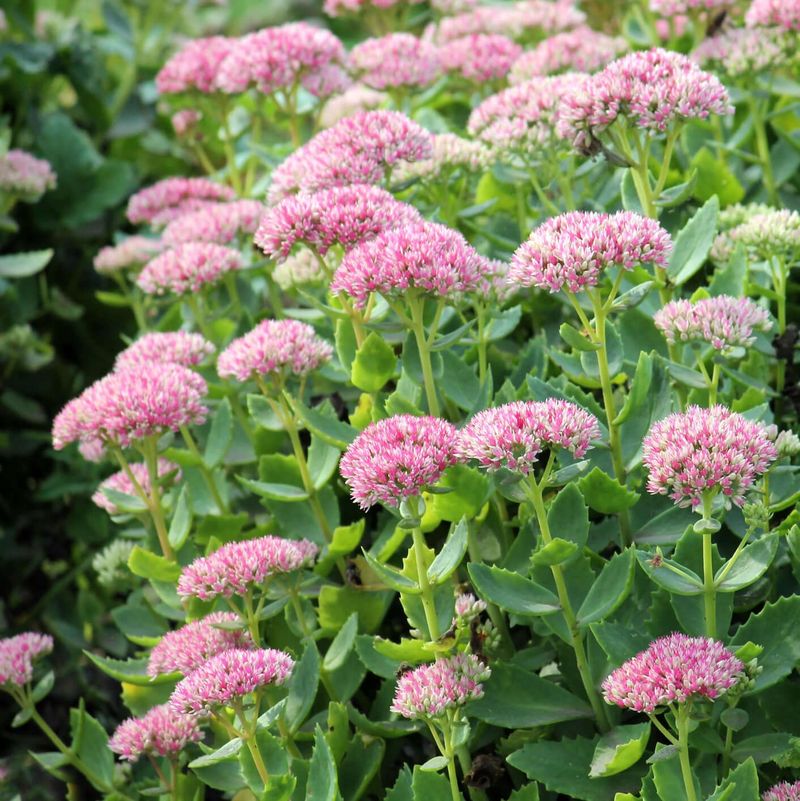
Succulent leaves and star-shaped flower clusters make sedum the ultimate low-water garden performer. These hardy perennials store water in their thick, fleshy leaves, making them virtually drought-proof once established.
Autumn Joy sedum produces pink flowers that deepen to rust-red, while Dragon’s Blood creates carpets of tiny red blooms. Most varieties attract beneficial insects and provide late-season nectar.
Plant in full sun with excellent drainage to prevent root rot. Sedum tolerates poor soil and neglect better than most plants, making it perfect for rock gardens, green roofs, or challenging slopes where other flowers struggle.
6. Blanket Flower
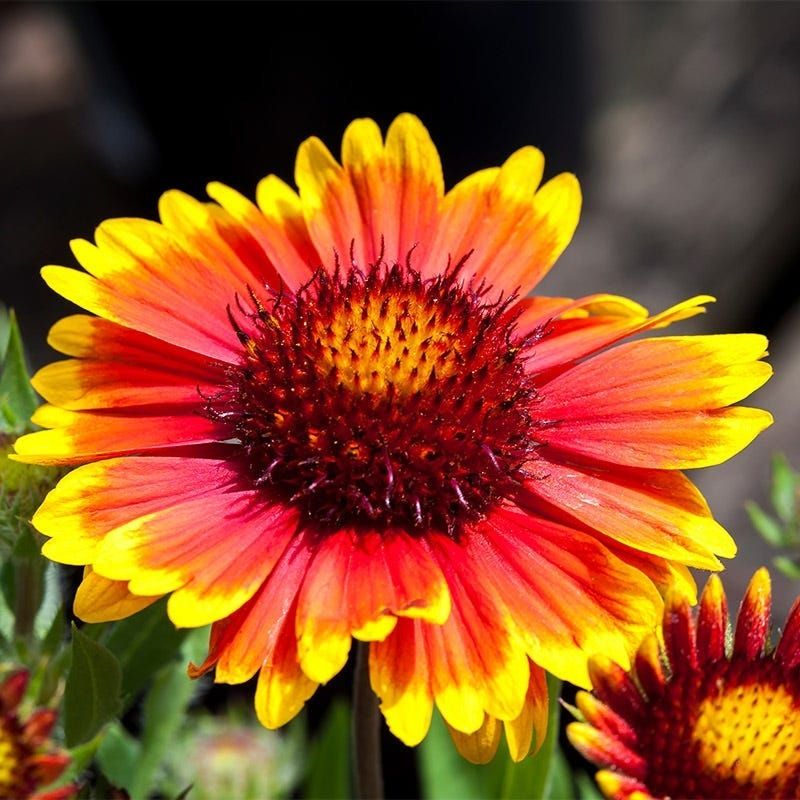
Fiery red and yellow petals with dark centers make blanket flowers look like miniature sunsets in your garden. These cheerful natives bloom from spring through fall with almost no supplemental watering needed.
Gaillardia flowers attract butterflies and make excellent cut flowers for indoor arrangements. Their daisy-like blooms continue producing even in extreme heat when other flowers wilt.
Deadhead regularly to encourage continuous blooming, or leave some seed heads for birds to enjoy. These short-lived perennials often reseed naturally, ensuring new plants for following seasons without any effort from the gardener.
7. Black-Eyed Susan
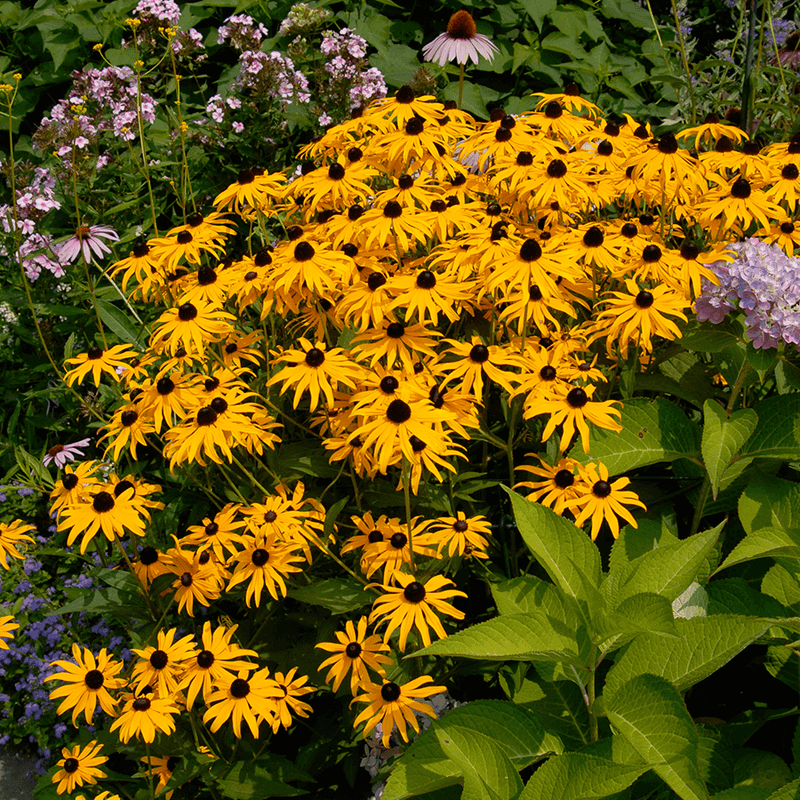
Cheerful yellow petals surrounding dark chocolate centers make Black-Eyed Susans the sunshine champions of drought-tolerant gardens. These tough perennials bloom for months with minimal water, creating bright spots in summer and fall landscapes.
Rudbeckia varieties range from compact border plants to tall background specimens. Their long stems make them perfect for cutting gardens, while their seeds feed goldfinches and other songbirds.
Plant in full sun to partial shade with average soil drainage. These adaptable flowers tolerate clay, sand, and everything in between, making them ideal for challenging garden spots where other plants fail to thrive.
8. Penstemon
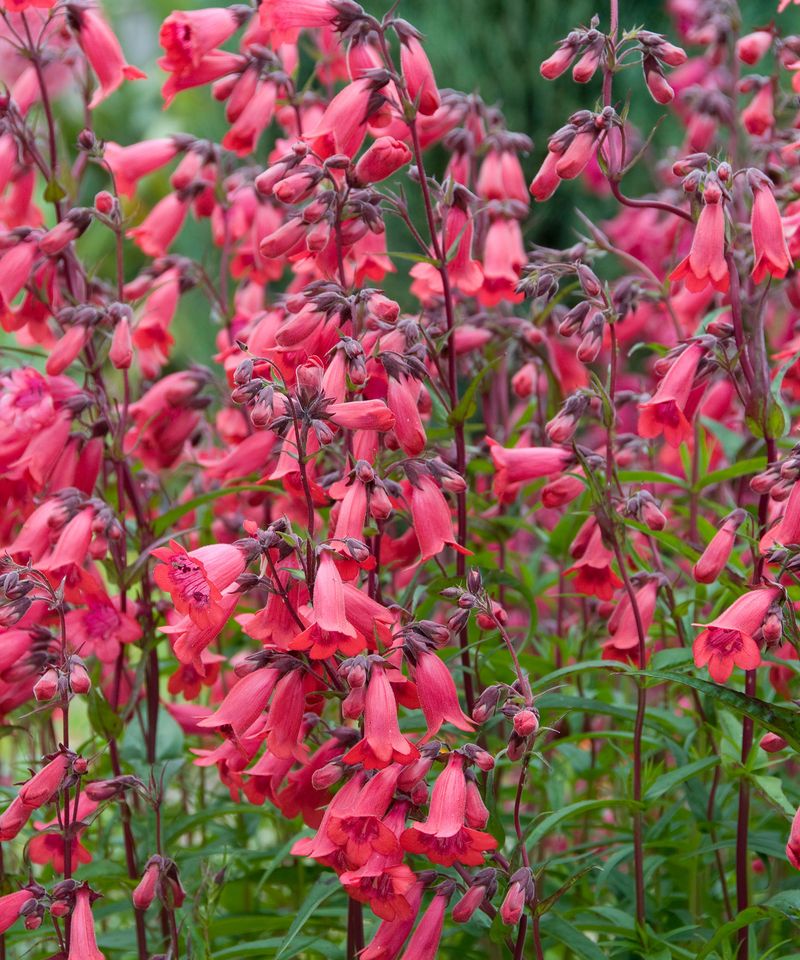
Tubular flowers in brilliant colors make penstemon a hummingbird’s dream come true. These native wildflowers produce spikes of red, pink, purple, or white blooms that thrive in California’s dry conditions without supplemental irrigation.
Beardtongue varieties adapt to different elevations and microclimates throughout the state. Their long blooming season extends from late spring through early fall with proper deadheading.
Choose species native to your specific region for best results. Plant in full sun with excellent drainage, as penstemon despises wet feet during winter months. Light pruning after flowering encourages compact growth and more blooms.
9. Catmint
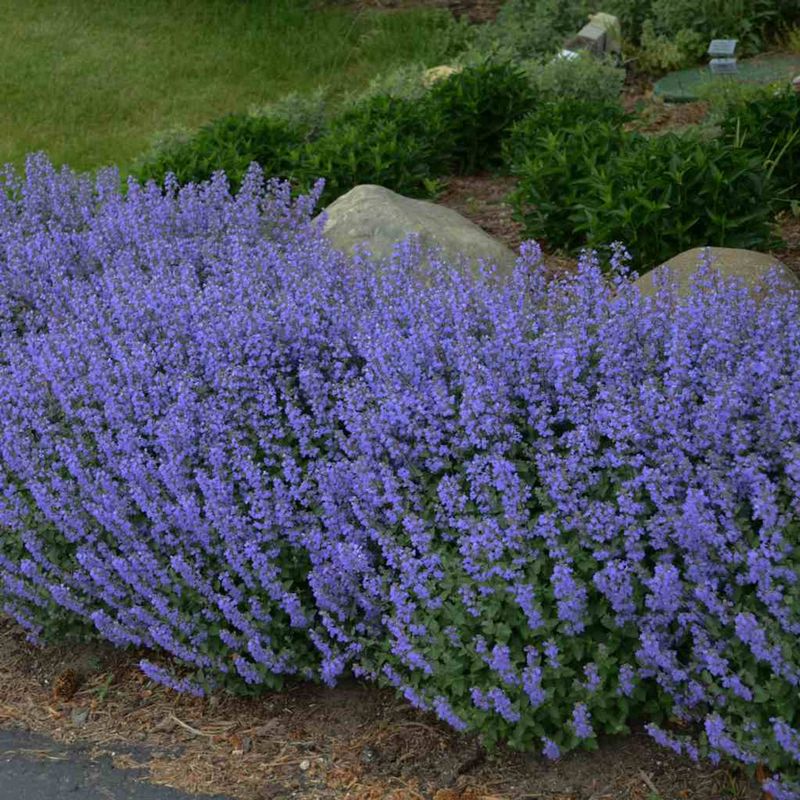
Soft gray-green foliage topped with lavender-blue flower spikes makes catmint a garden workhorse that laughs at drought conditions. This aromatic perennial blooms repeatedly throughout the growing season with just occasional deep watering.
Unlike catnip, most catmint varieties don’t drive cats crazy, making them safe for flower borders. Their minty fragrance repels deer and rabbits while attracting beneficial pollinators.
Shear plants back by one-third after the first flush of blooms to encourage a second wave of flowers. Catmint spreads gradually to form attractive clumps but rarely becomes invasive in garden settings.
10. Coreopsis
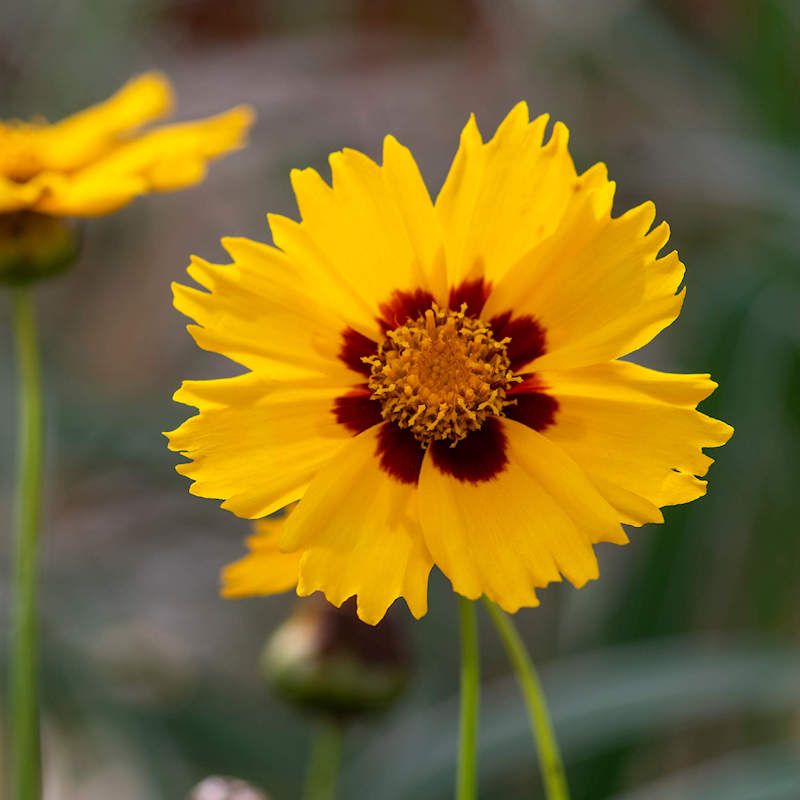
Bright daisy-like flowers in golden yellow create months of cheerful color with almost no water requirements. These native wildflowers self-seed readily, naturalizing in meadow gardens and providing continuous blooms from spring through fall.
Threadleaf coreopsis forms delicate, lacy mounds covered in tiny flowers, while lanceleaf varieties produce larger blooms on taller stems. Both attract butterflies and beneficial insects to the garden.
Regular deadheading extends the blooming period, though leaving some seed heads provides winter food for birds. These short-lived perennials often act like annuals but reseed so reliably that new plants appear each spring.
11. Russian Sage
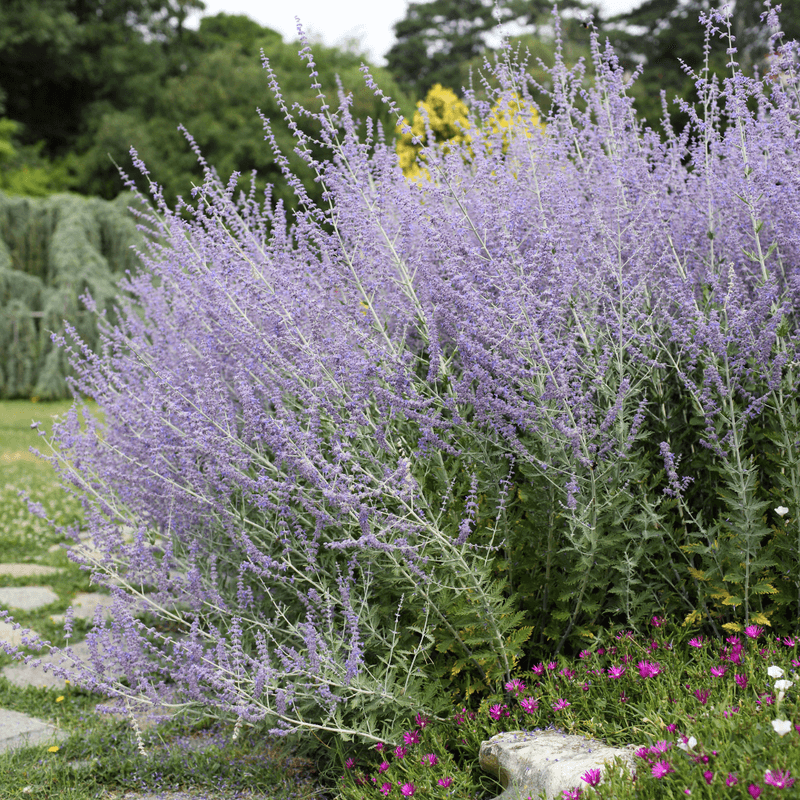
Silvery foliage and misty purple flower spikes create an ethereal presence in drought-tolerant gardens. This aromatic perennial develops into substantial shrub-like clumps that provide structure and late-season color when many other plants fade.
Perovskia’s fragrant leaves release their scent when brushed against, adding sensory appeal to garden paths. The flowers attract butterflies and bees throughout their long blooming period.
Cut stems back to 12 inches in late winter to encourage vigorous new growth. Russian sage tolerates poor soil, intense heat, and strong winds, making it perfect for challenging exposed locations in the garden.
12. Verbena
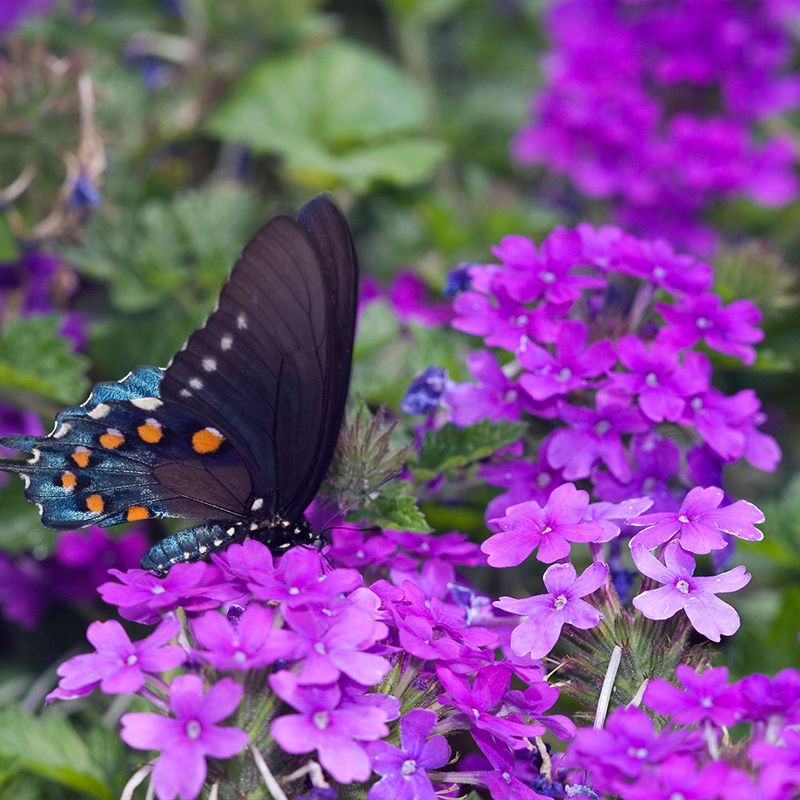
Clusters of tiny flowers in vibrant colors create a carpet of continuous bloom that butterflies absolutely adore. These heat-loving annuals and perennials thrive in California’s dry summers, producing flowers from spring until the first frost.
Purple top verbena creates tall, airy displays perfect for cutting, while creeping varieties make excellent ground cover for slopes and rock gardens. Their nectar-rich blooms support monarch butterflies during migration.
Deadhead spent flowers regularly to maintain continuous blooming, or choose self-cleaning varieties for lower maintenance. Most verbenas reseed readily, ensuring new plants appear in unexpected garden spots each year.
13. Desert Marigold
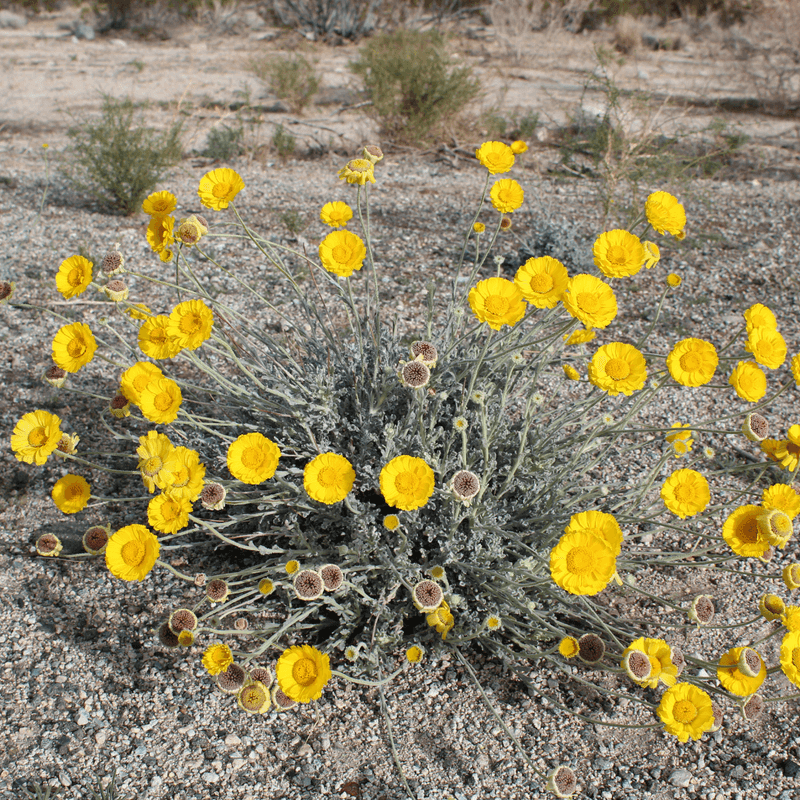
Golden daisy-like blooms shine like tiny suns in the hottest, driest garden spots where other flowers surrender. These tough natives can bloom nearly year-round in mild climates, requiring only occasional deep watering once established.
Baileya multiradiata tolerates extreme heat, poor soil, and neglect while producing cheerful flowers that attract native bees and butterflies. Their papery petals dry naturally on the plant, extending the colorful display.
Scatter seeds in fall for spring germination, or plant nursery starts in early spring. Desert marigolds work beautifully in xeriscapes, gravel gardens, and natural desert landscapes where water conservation is paramount.
14. Lantana
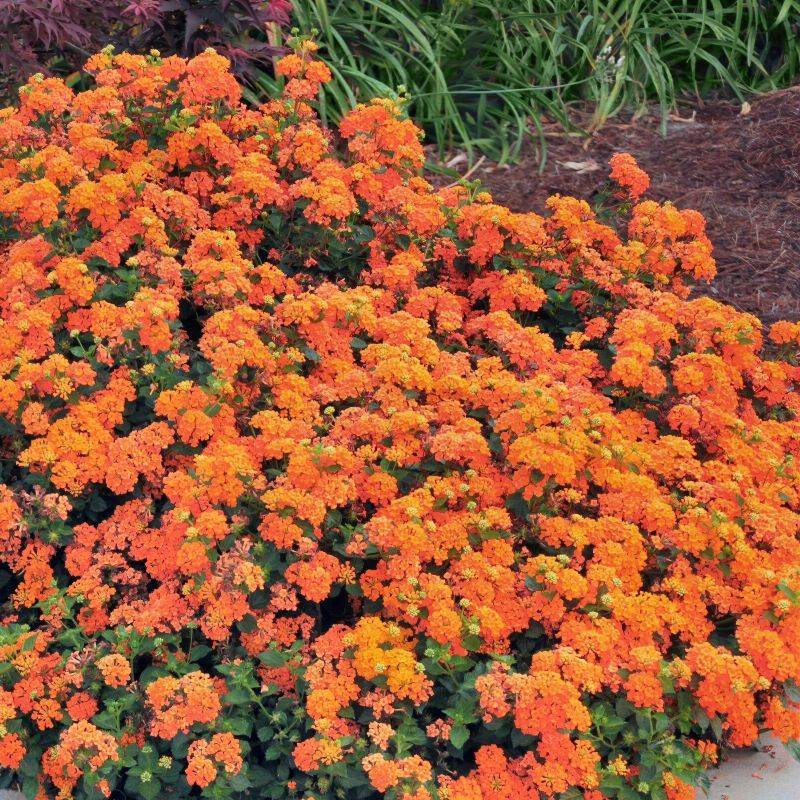
Clusters of tiny flowers in tropical colors create a non-stop butterfly buffet that thrives in California’s Mediterranean climate. These heat-loving shrubs bloom continuously from spring through fall, requiring minimal water once their roots establish.
Flower colors often change as they age, creating multicolored clusters on the same plant. Trailing varieties work well in containers and hanging baskets, while upright forms make excellent hedge plants.
Choose sterile cultivars to prevent unwanted spreading, as some lantana varieties can become invasive. Regular pruning keeps plants compact and encourages more flowers, while the spent blooms attract birds seeking the small berries.
15. Mediterranean Spurge
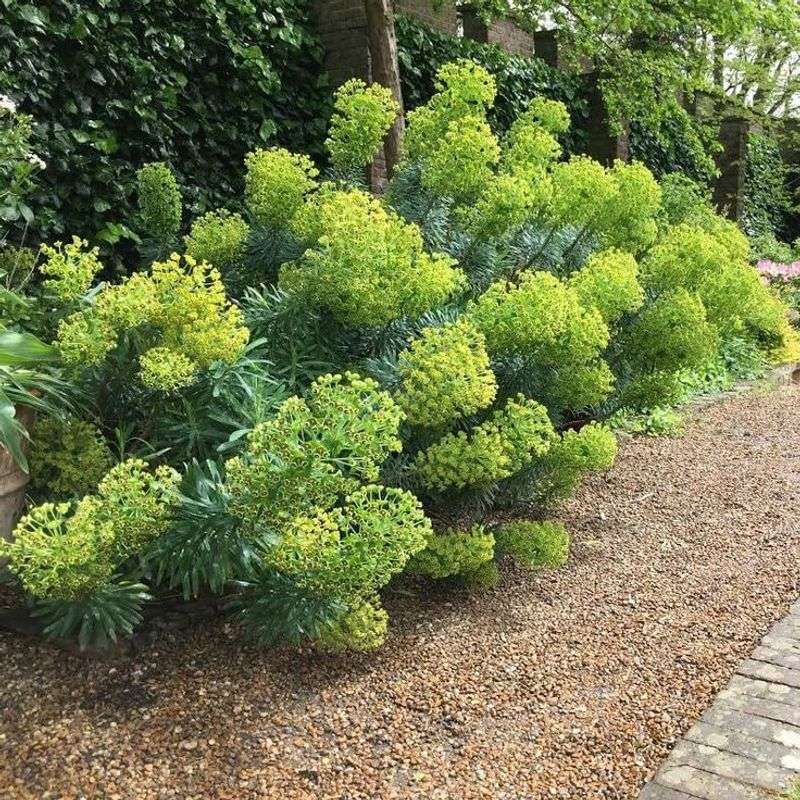
Chartreuse flower bracts create an unusual and striking display that glows in spring gardens with almost no water needed. This architectural perennial forms neat, rounded mounds of blue-green foliage topped with long-lasting colorful bracts.
Euphorbia characias wulfenii provides excellent structure in mixed borders and pairs beautifully with purple and pink flowers. The showy bracts last for months, transitioning from bright green to subtle cream tones.
Wear gloves when handling, as the milky sap can irritate skin and eyes. Plant in full sun with excellent drainage, and avoid overwatering, which can cause root rot in these Mediterranean natives adapted to dry conditions.