 Complete Gardening
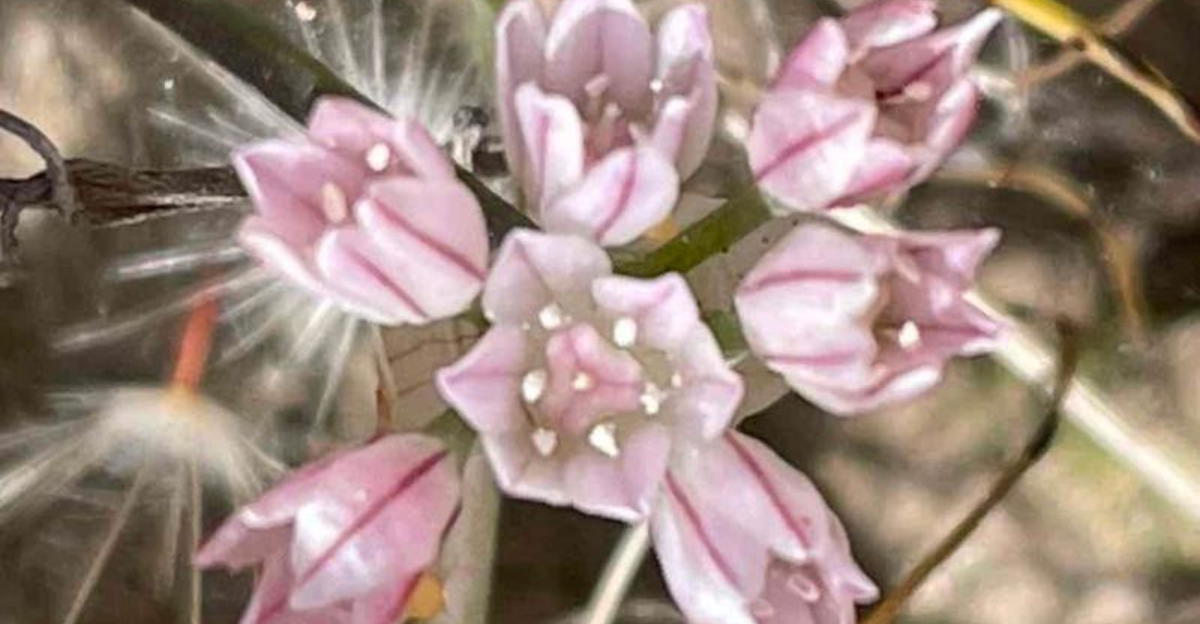
California stands as America’s botanical treasure chest, home to more unique plant species than any other state. From towering pines clinging to coastal cliffs to tiny wildflowers blooming in mountain meadows, the Golden State nurtures incredible plants that exist nowhere else on Earth. Many of these botanical gems face serious threats, making their protection more important than ever.
1. Torrey Pine (Pinus torreyana)
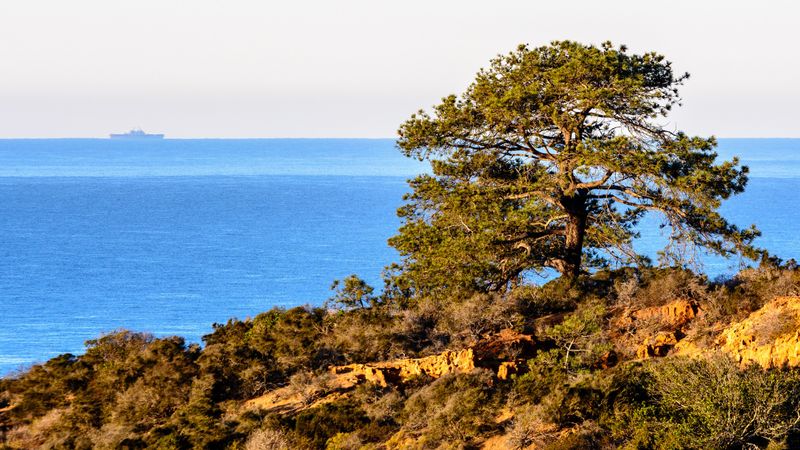
Standing like ancient guardians along California’s coast, Torrey Pines represent one of nature’s rarest success stories. North America’s rarest pine species survives in just two tiny locations: Torrey Pines State Natural Reserve near San Diego and Santa Rosa Island.
These magnificent trees can live over 100 years, developing twisted, sculptural shapes from constant ocean winds. Their large, nutritious pine nuts once fed Native American communities for thousands of years.
Scientists estimate fewer than 10,000 individual trees remain in the wild today. Climate change and development pressure threaten their survival, making conservation efforts absolutely critical for future generations.
2. Channel Islands Dudleya (Dudleya traskiae)
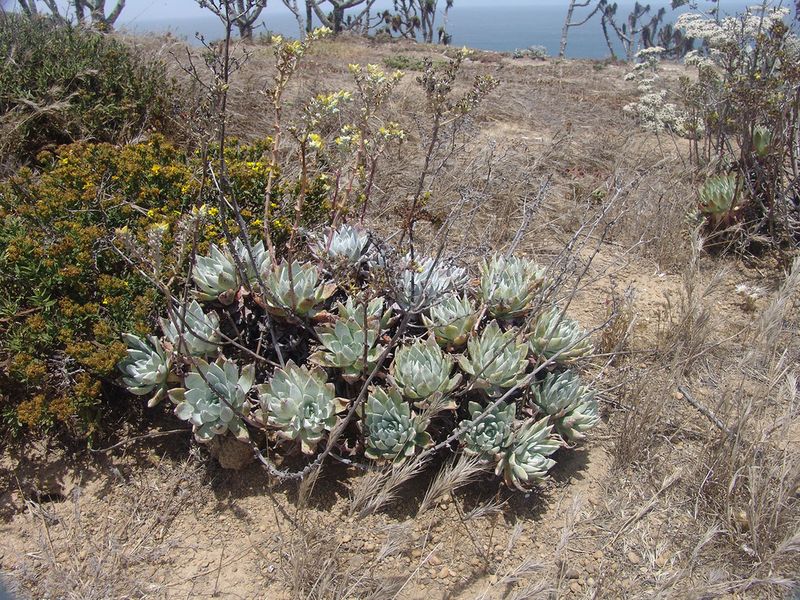
Perched on rocky clifftops of Santa Barbara Island, this remarkable succulent has mastered the art of survival in harsh conditions. Channel Islands Dudleya creates stunning rosettes of thick, fleshy leaves that store precious water during California’s dry summers.
Sadly, this botanical survivor faces a critical situation with fewer than 100 plants remaining in the wild. International plant smuggling has devastated populations, as collectors prize these rare succulents for private gardens.
Recovery efforts include growing plants in botanical gardens and replanting them on the island. Park rangers now patrol regularly to protect remaining populations from illegal collection and habitat damage.
3. Bishop Pine (Pinus muricata) – California Variety
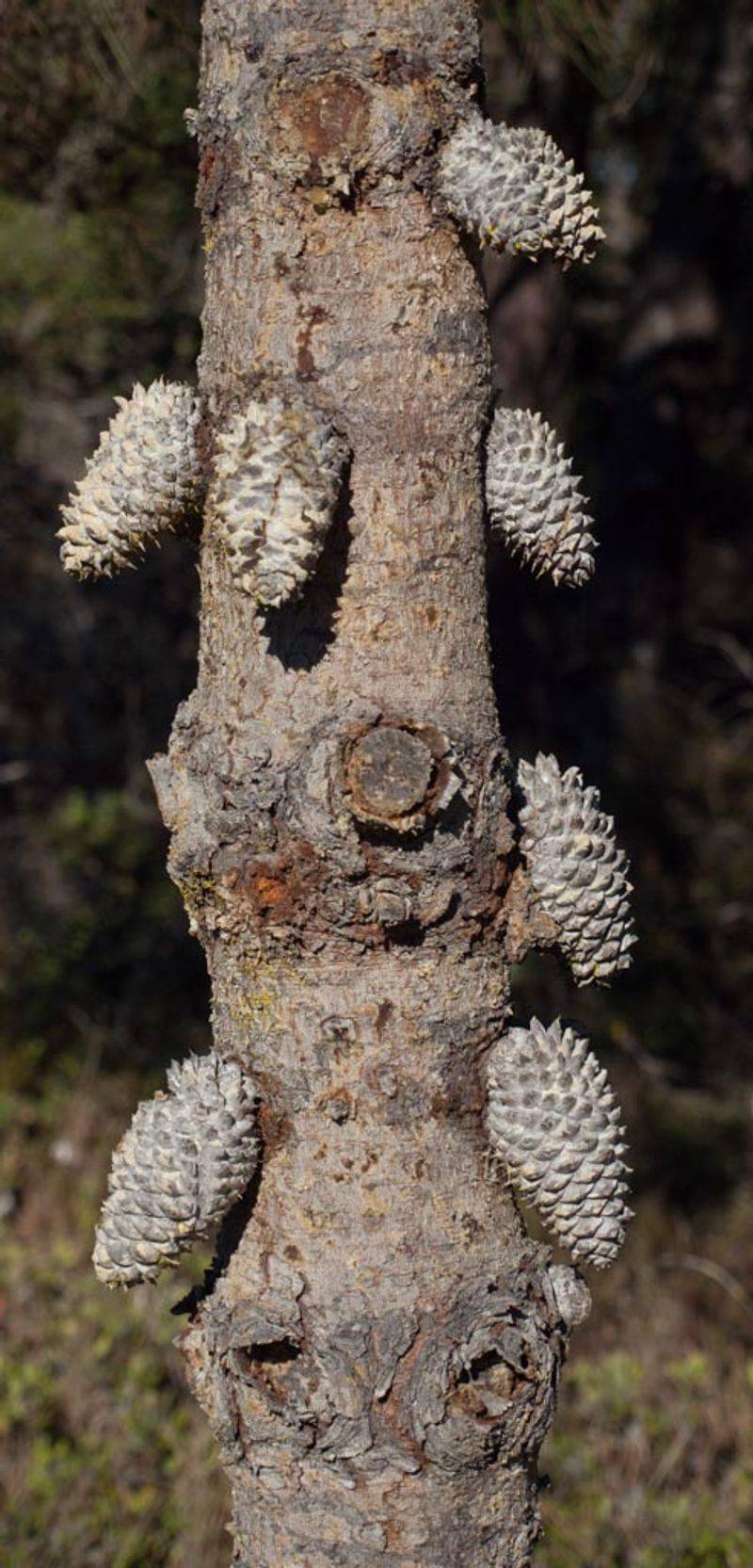
California’s Central Coast harbors a special variety of Bishop Pine that grows nowhere else in the world. Unlike its relatives found in other regions, var. remorata has adapted specifically to coastal fog and sandy soils.
These resilient trees develop distinctive cone clusters that remain closed for years until forest fires trigger their opening. Fire actually helps Bishop Pines reproduce by clearing competing vegetation and providing ash-rich soil for seedlings.
Coastal development threatens many Bishop Pine forests, but some communities now protect these groves as living landmarks. Walking through a Bishop Pine forest feels like stepping into California’s ancient past.
4. Santa Cruz Tarplant (Holocarpha macradenia)
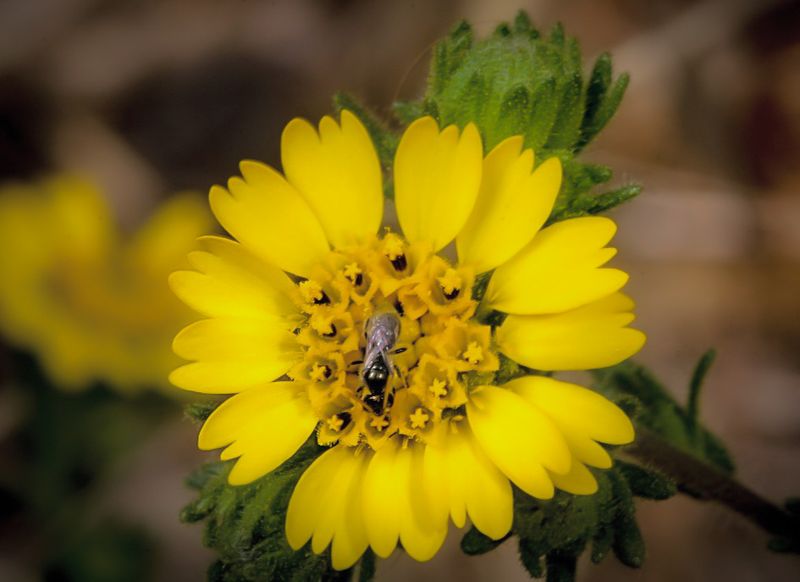
Bright yellow flowers dance across coastal prairies when Santa Cruz Tarplant blooms each summer. This cheerful wildflower earned its unusual name from sticky, tar-like resin coating its stems and leaves.
Originally, vast fields of tarplant painted California’s coastline golden each year. Today, urban development has reduced their habitat to small patches in Santa Cruz, Monterey, and Sonoma counties.
Native butterflies and bees depend heavily on tarplant nectar during late summer when few other flowers bloom. Conservation groups now work with landowners to preserve remaining tarplant prairies and restore degraded grasslands for future generations.
5. Sierra Nevada Bluegrass (Poa sierrae)
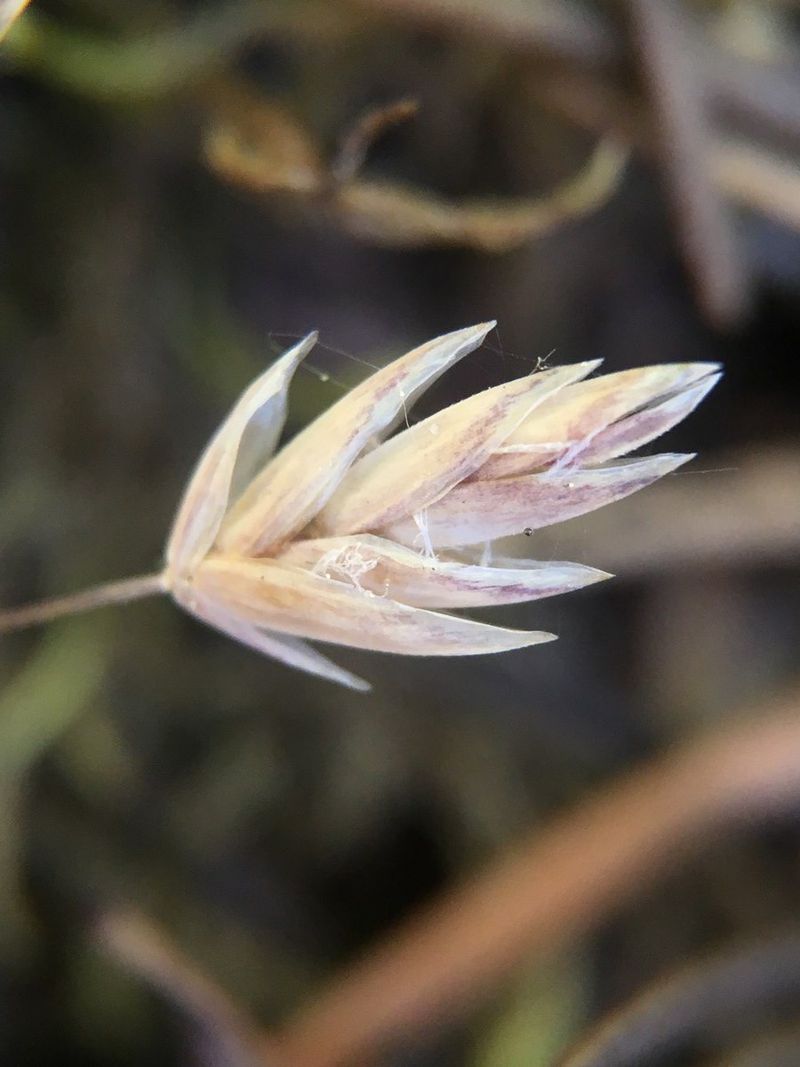
High in the Sierra Nevada mountains, where most plants struggle to survive, Sierra Nevada Bluegrass thrives in alpine meadows above 8,000 feet elevation. This tough grass endures freezing temperatures, intense sunlight, and short growing seasons.
Mountain hikers often overlook this humble grass, but it plays a crucial role in preventing soil erosion on steep slopes. Its deep root system holds mountainside soil together during heavy snowmelt and summer storms.
Climate change poses the biggest threat to Sierra Nevada Bluegrass, as warming temperatures push suitable habitat higher up mountains. Scientists monitor populations closely to understand how alpine plants adapt to changing conditions.
6. Shasta Snow-Wreath (Neviusia cliftonii)
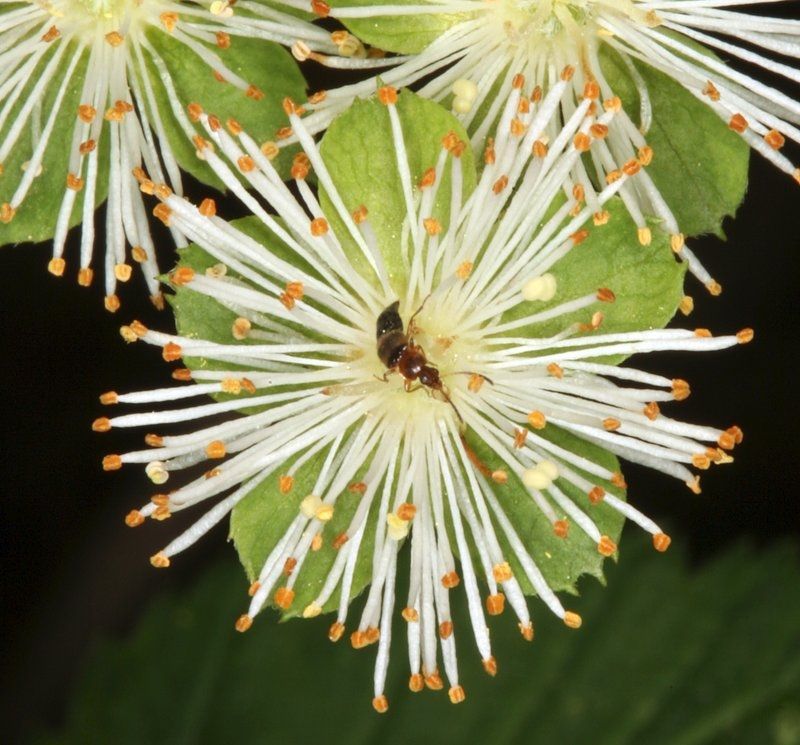
Discovered as recently as 1992, Shasta Snow-Wreath represents one of botany’s most exciting recent finds. This delicate shrub produces clusters of white, feathery flowers that resemble fresh snowfall against dark green leaves.
Scientists found this botanical treasure growing in just a few shaded canyons near Lake Shasta. Its late discovery shows how many secrets California’s wild places still hold for curious researchers.
Shasta Snow-Wreath belongs to an ancient plant family with relatives scattered across the globe. Protecting its limited habitat helps preserve millions of years of evolutionary history hidden in Northern California’s remote canyons.
7. Inyo Rock Daisy (Perityle inyoensis)
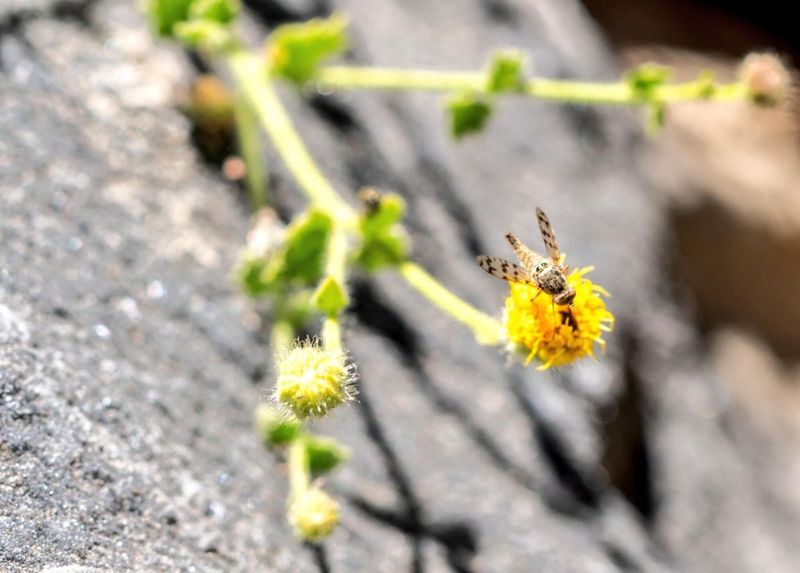
Clinging to vertical rock faces in the Inyo Mountains, this tiny daisy proves that life finds a way in the most impossible places. Inyo Rock Daisy sends roots deep into rock cracks, surviving on minimal water and nutrients.
Each plant produces dozens of small, white daisy flowers that brighten otherwise barren cliff faces. Desert bighorn sheep occasionally browse these hardy plants during their mountain travels.
Rock climbing and mining activities threaten some Inyo Rock Daisy populations, but their remote locations provide natural protection. These remarkable plants show how evolution creates specialists perfectly adapted to extreme environments throughout California’s diverse landscapes.
8. Mount Diablo Buckwheat (Eriogonum truncatum)
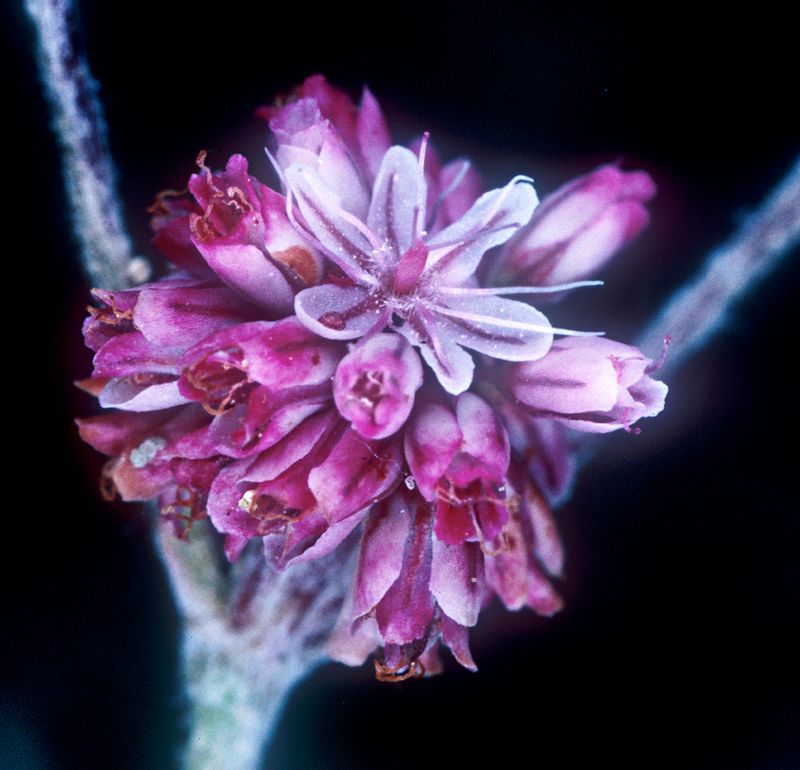
Once feared extinct, Mount Diablo Buckwheat made a miraculous comeback when researchers rediscovered it in 2005. This tiny wildflower produces clusters of pink flowers so small they’re easily missed among grasses and larger plants.
Mount Diablo’s unique soil conditions created the perfect home for this specialized buckwheat. The mountain’s ancient seafloor rocks provide minerals found nowhere else in the region.
Careful seed collection and greenhouse cultivation helped scientists grow new plants for reintroduction programs. Today, Mount Diablo Buckwheat populations slowly recover thanks to dedicated conservation efforts and protection of their mountain habitat.
9. Catalina Island Mountain Mahogany (Cercocarpus traskiae)
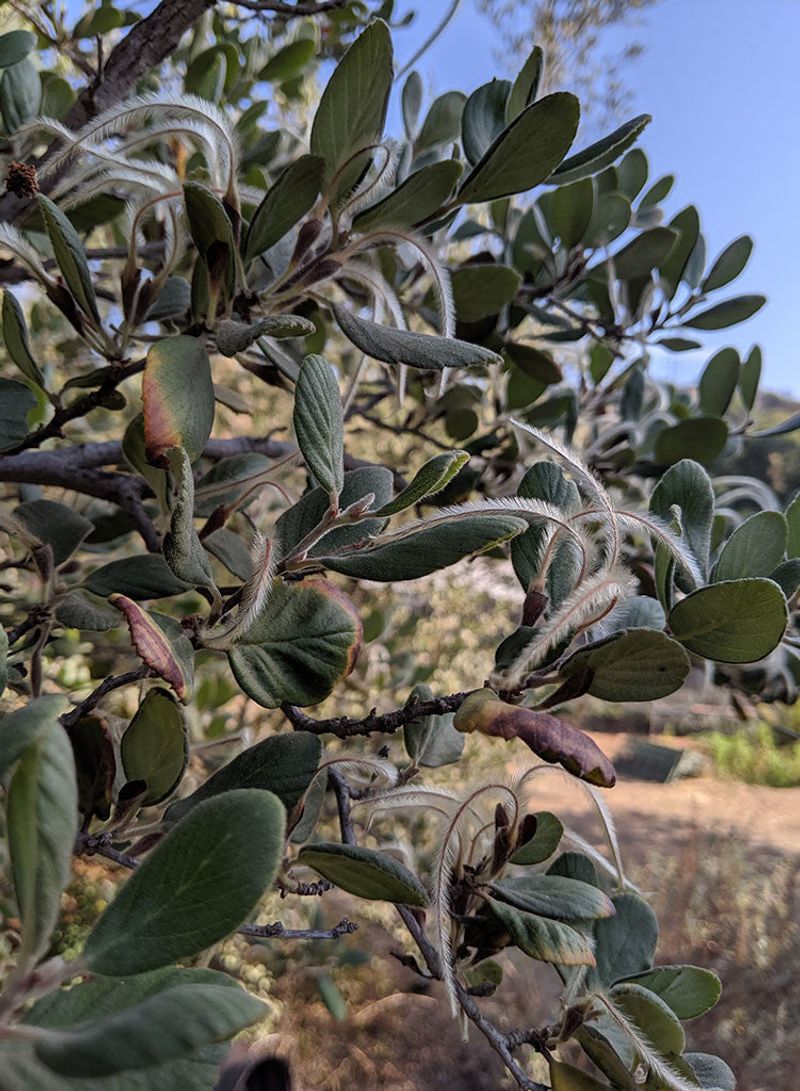
On Santa Catalina Island, fewer than 40 individual Mountain Mahogany trees represent one of America’s rarest tree species. Each surviving tree becomes incredibly precious when so few remain in the wild.
These small trees develop beautiful, twisted trunks and produce feathery seed plumes that spiral in ocean breezes. Island goats introduced long ago damaged many trees by eating young shoots and bark.
Removing invasive goats and protecting remaining trees has allowed some recovery. Botanical gardens now grow Catalina Island Mountain Mahogany from seeds, creating insurance populations against extinction while researchers work to restore island populations.
10. Mariposa Manzanita (Arctostaphylos mariposa)
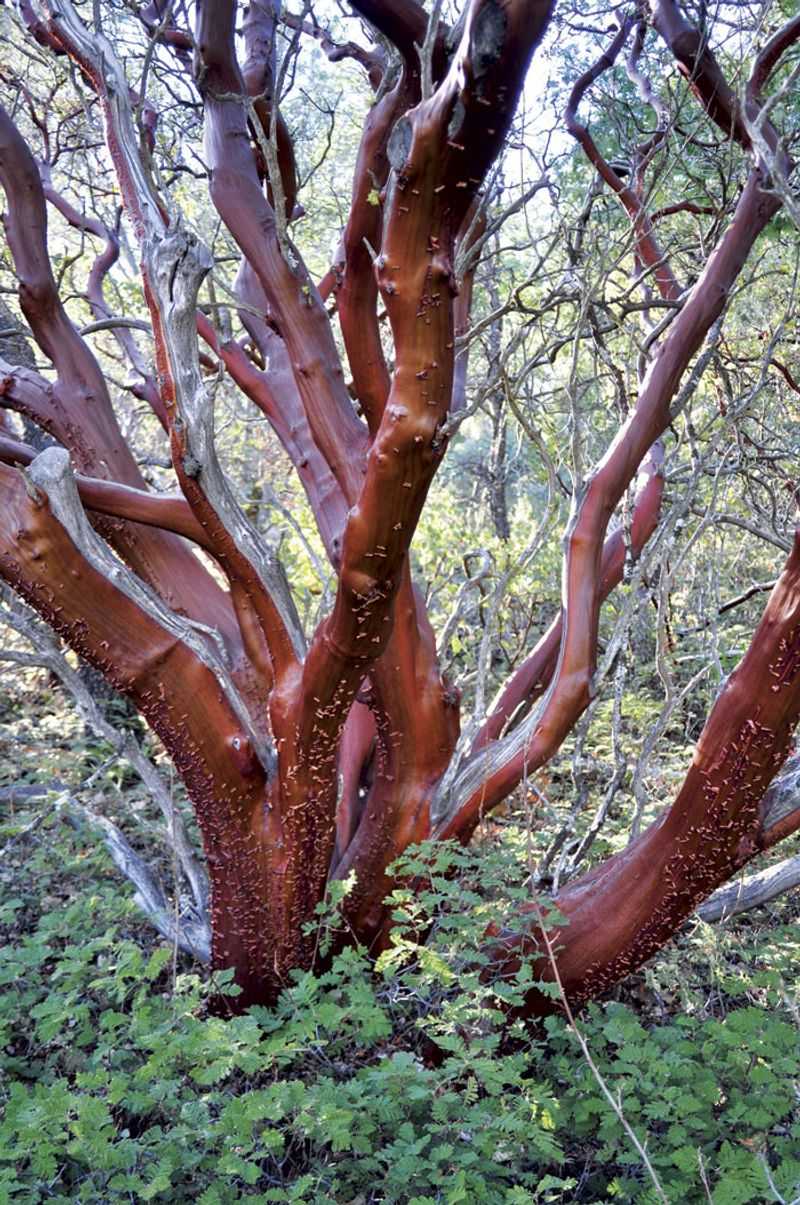
Hidden in Mariposa County’s oak woodlands, this rare manzanita species displays stunning reddish-brown bark that peels like paper. Mariposa Manzanita produces beautiful clusters of white and pink bell-shaped flowers that attract native bees and hummingbirds.
Gold mining and development destroyed much of this manzanita’s original habitat during California’s early history. Today, only scattered populations survive in protected areas and private lands.
Native plant gardeners prize Mariposa Manzanita for its drought tolerance and year-round beauty. Growing these shrubs in gardens helps preserve genetic diversity while reducing pressure on wild populations.
11. Hickman’s Onion (Allium hickmanii)
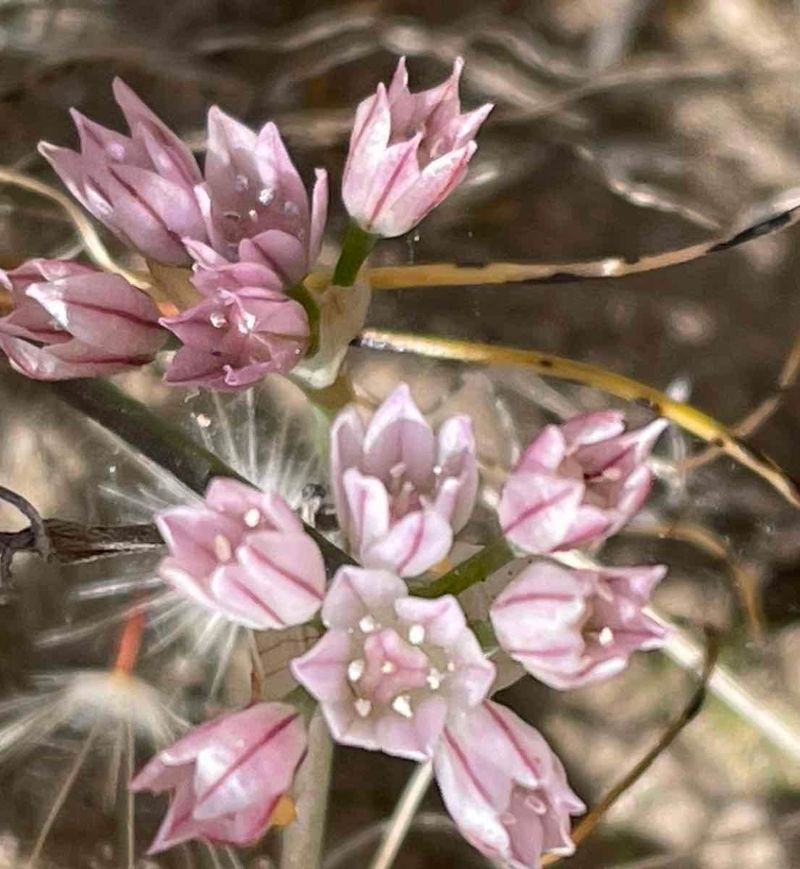
Delicate purple flowers crown this charming wild onion that grows in coastal grasslands from Monterey to San Luis Obispo counties. Hickman’s Onion emerges from underground bulbs each spring, creating magical displays in remaining native prairies.
Like many coastal plants, Hickman’s Onion faces pressure from urban development and invasive grasses that crowd out native species. Cattle grazing also impacts some populations by trampling plants during blooming season.
Conservation groups work with ranchers and developers to protect Hickman’s Onion habitat through careful land management. Spring wildflower walks often feature this lovely onion as an example of California’s unique coastal flora.
12. Santa Rosa Island Live-Forever (Dudleya blochmaniae ssp. insularis)
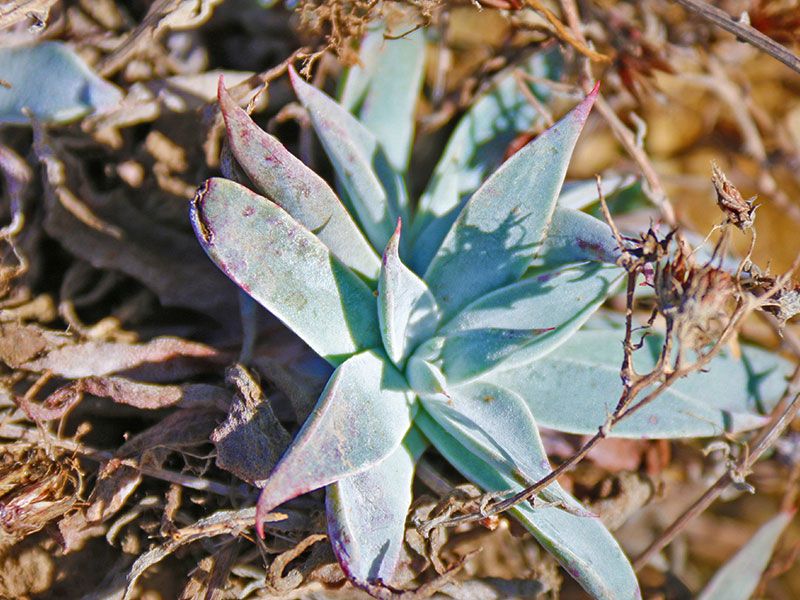
Santa Rosa Island’s windswept cliffs provide the only home for this remarkable succulent subspecies. Live-Forever creates perfect rosettes of thick, blue-green leaves that can survive months without rainfall.
Strong ocean winds and salt spray create harsh growing conditions that few plants can tolerate. Santa Rosa Island Live-Forever has evolved waxy leaf coatings and compact growth forms to thrive in this challenging environment.
Island restoration efforts, including removing invasive plants and protecting nesting seabirds, benefit Live-Forever populations. This hardy succulent reminds us that California’s islands harbor botanical treasures found nowhere else on Earth.