 Complete Gardening
California hides some amazing garden treasures that most people never discover. From coastal botanical wonderlands to desert oases filled with rare plants, these special places offer both beauty and inspiration for your own backyard. Many of these gardens also provide valuable lessons about growing plants successfully in California’s unique climate. Whether you’re a beginner gardener or someone who’s been growing plants for years, these hidden gems will teach you new tricks while showing you some of the most beautiful landscapes in the Golden State.
1. Mendocino Coast Botanical Gardens – Ocean Views and Native Wildflowers
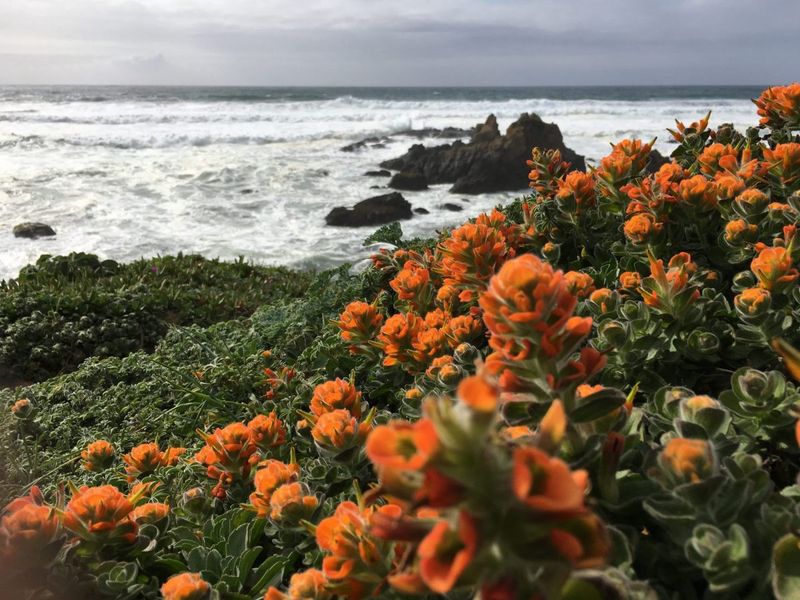
Perched dramatically on bluffs overlooking the Pacific Ocean, this 47-acre wonderland in Fort Bragg showcases California’s coastal beauty at its finest. The garden bursts with native wildflowers like bright orange California poppies and cheerful monkeyflowers that dance in the ocean breeze.
Bird watchers flock here to spot migrating species while plant lovers study how coastal plants adapt to salty air and strong winds. The key to growing coastal plants successfully involves choosing varieties that can handle wind and salt spray.
Pro tip: Visit during spring when wildflowers create colorful carpets across the landscape, and notice how plants are positioned to protect each other from harsh ocean winds.
2. The Huntington’s Desert Garden – Master the Art of Succulent Growing
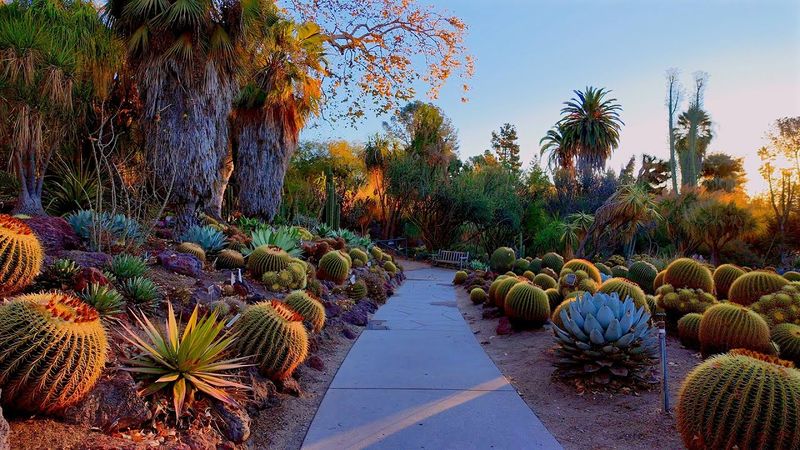
Home to one of the world’s largest collections of cacti and succulents, this San Marino treasure teaches visitors how drought-tolerant plants can create stunning landscapes. The Desert Garden spans 10 acres and houses over 2,500 species from around the globe.
Walking through feels like exploring different continents, from African aloes to Mexican barrel cacti. The secret to growing succulents successfully lies in understanding their water needs – most prefer deep, infrequent watering rather than daily sprinkles.
The garden’s design shows how grouping plants with similar water requirements creates both visual impact and easier maintenance. Notice how gravel mulch helps prevent root rot while adding texture.
3. Descanso Gardens Camellia Collection – Perfect Shade Garden Inspiration
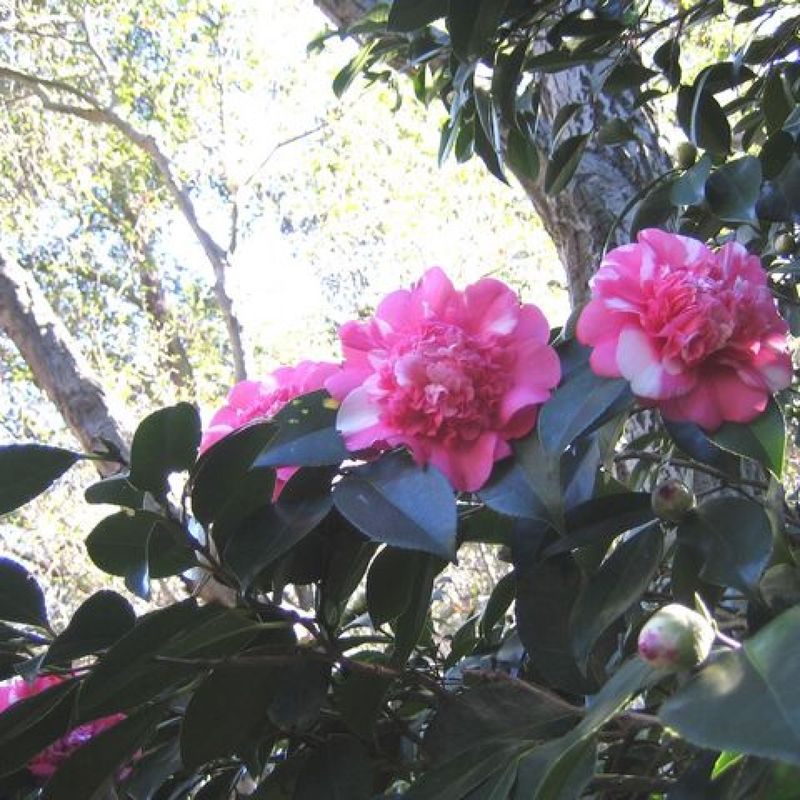
La Cañada Flintridge’s 150-acre paradise proves that shade gardens can be just as spectacular as sunny ones. The extensive camellia collection blooms from autumn through spring, providing color when most gardens look bare.
Smart gardeners study how these camellias thrive under oak trees, learning that dappled shade often works better than deep shade. The key involves choosing plants that naturally grow under forest canopies in the wild.
Beyond camellias, the Japanese Garden demonstrates how water features and carefully placed stones create peaceful spaces. The California Garden section shows which native plants actually prefer some shade, challenging the myth that all California plants need full sun.
4. Theodore Payne Foundation – Native Plant Growing Secrets Revealed
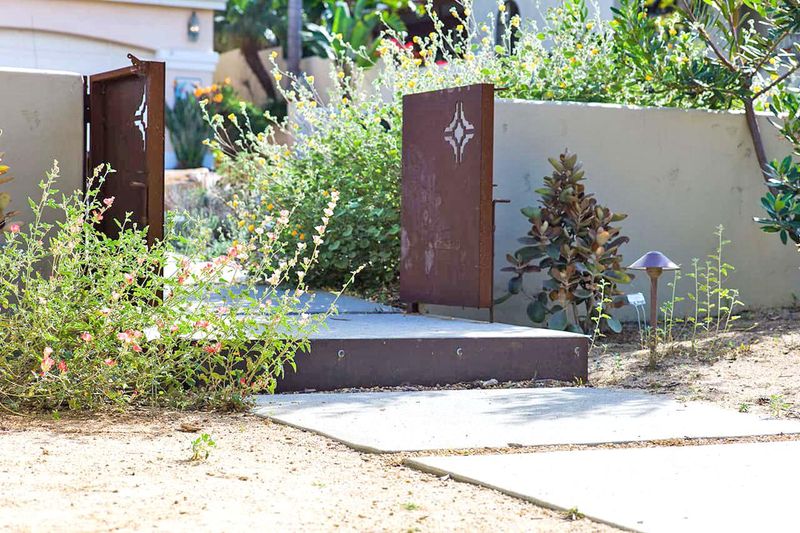
Sun Valley’s Theodore Payne Foundation gardens serve as living classrooms for sustainable landscaping practices. Here, California’s native flora takes center stage, showing how indigenous plants create low-maintenance, wildlife-friendly gardens.
The foundation’s annual garden tours reveal homeowner success stories and practical growing techniques. Visitors learn that native plants often struggle more from too much water and fertilizer than from neglect.
Professional tip: Many California natives prefer poor soil and actually become weak and floppy when given rich garden soil. The foundation demonstrates proper planting techniques, including how to gradually transition plants from nursery conditions to natural garden settings without shocking their systems.
5. UC Berkeley Botanical Garden – Rare Plant Growing Techniques
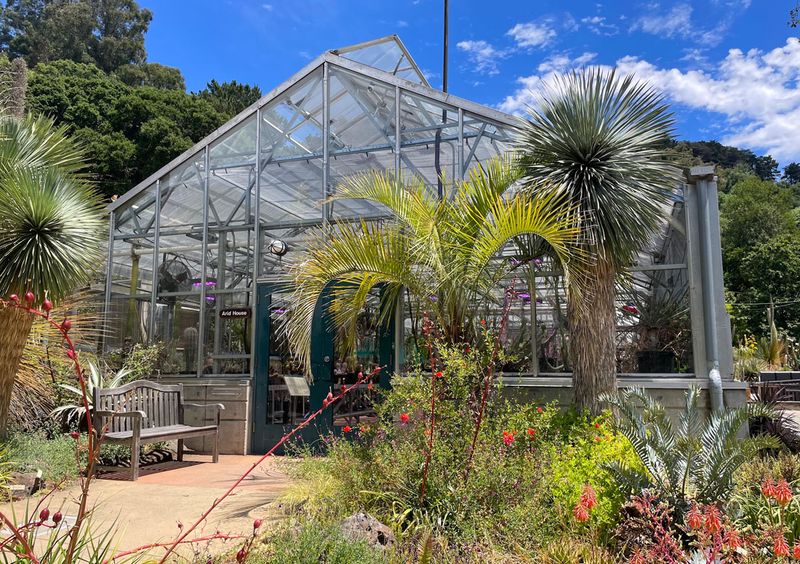
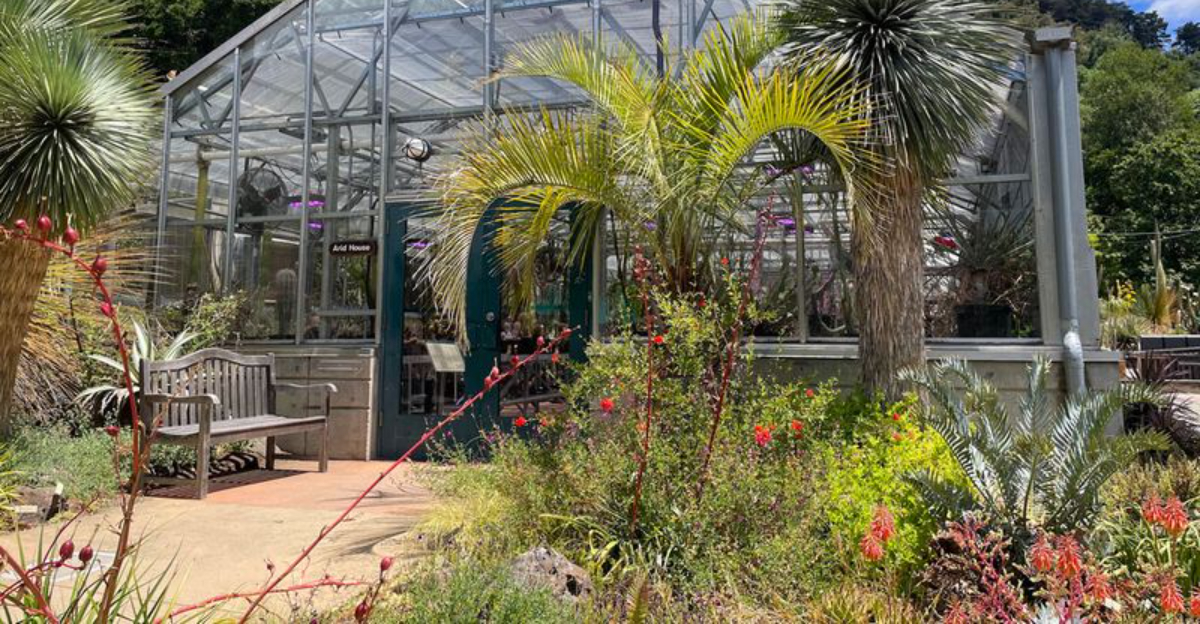
Strawberry Canyon’s 34-acre botanical wonderland houses over 1,214 rare and endangered species from around the world. The garden’s tropical house and carnivorous plant house demonstrate specialized growing environments that seem impossible in California’s climate.
Advanced gardeners study how microclimates work here, observing how strategic plant placement and structures create different growing conditions within the same space. The elevation provides natural temperature variations that benefit different plant groups.
Carnivorous plant enthusiasts learn that these unusual plants require distilled water and nutrient-poor soil. The greenhouse shows how humidity levels and air circulation can be managed to grow challenging species successfully in California’s dry climate.
6. Embrace Drought-Tolerant Landscaping – Water-Wise Garden Design
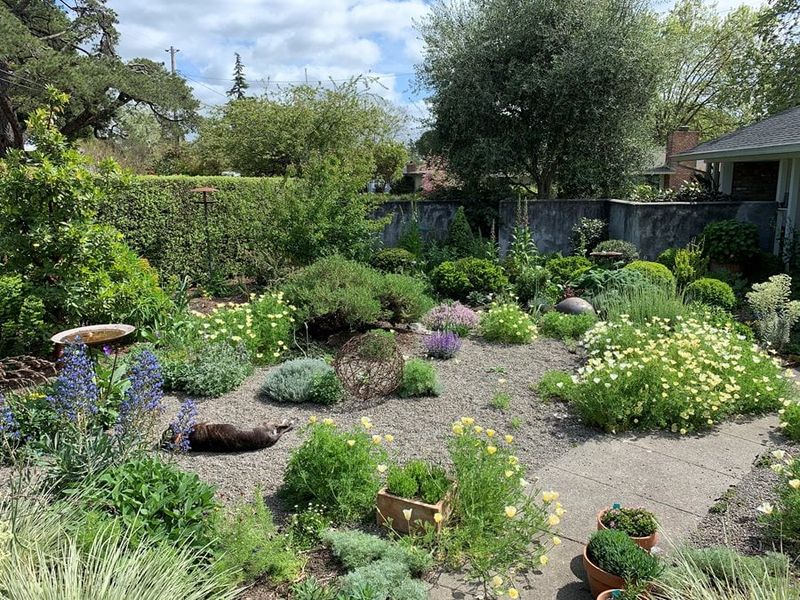
California’s water challenges make drought-tolerant landscaping essential rather than optional. Successful water-wise gardens combine beauty with practicality, using plants that thrive with minimal irrigation once established.
Grouping plants by water needs creates efficient irrigation zones and prevents overwatering drought-adapted species. Mediterranean plants like lavender, rosemary, and olive trees naturally complement California natives in these designs.
Professional landscapers recommend establishing plants during fall and winter when natural rainfall helps root development. Mulching with gravel or decomposed granite around drought-tolerant plants improves drainage while suppressing weeds. The key involves choosing plants that look lush and healthy with less water rather than struggling plants that barely survive.
7. Master Drip Irrigation Systems – Efficient Water Management
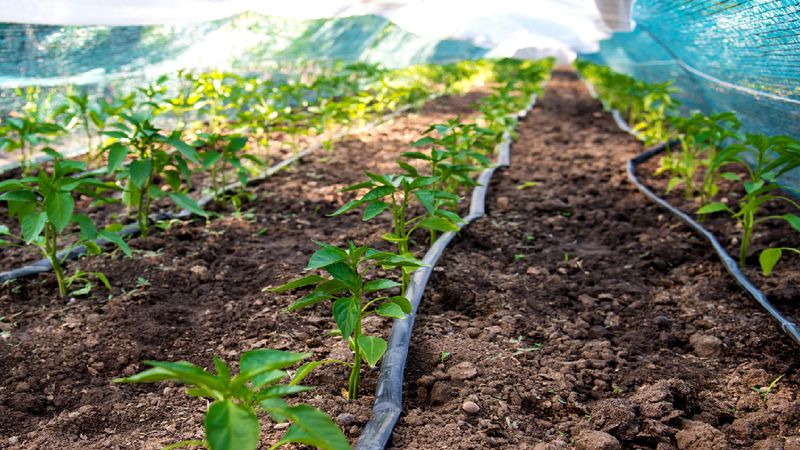
Drip irrigation revolutionizes California gardening by delivering water directly to plant roots while minimizing evaporation and runoff. This targeted approach uses 30-50% less water than traditional sprinkler systems.
Installing drip systems involves planning zones based on plant water requirements and sun exposure. Emitters can be adjusted for individual plants, giving thirsty vegetables more water while keeping drought-tolerant plants happy with less.
Maintenance stays simple with quality components and proper filtration to prevent clogging. Timer systems automate watering schedules, ensuring plants receive consistent moisture even during busy periods. Smart controllers adjust watering based on weather conditions, preventing waste during rainy periods while maintaining adequate moisture during heat waves.
8. Seasonal Planting Strategies – Timing Your Garden Success
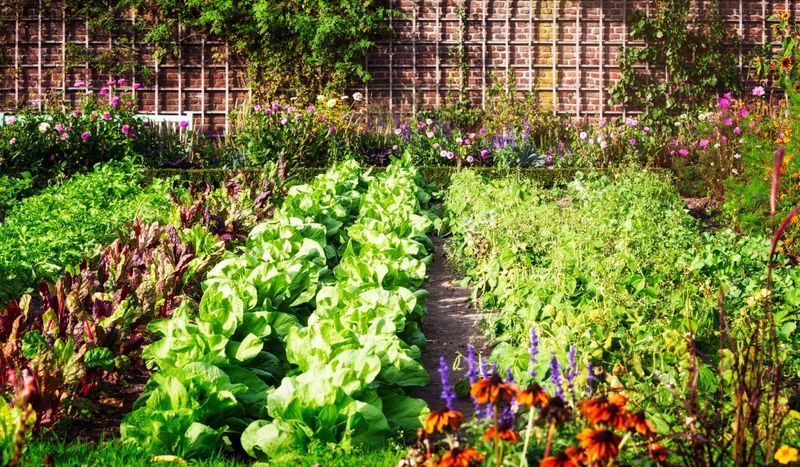
California’s diverse climate zones require different planting strategies, but understanding seasonal patterns dramatically improves garden success rates. Fall planting allows roots to establish during cooler, wetter months before facing summer heat.
Cool-season vegetables like lettuce, broccoli, and peas grow best from October through March in most California regions. Warm-season crops including tomatoes, peppers, and squash prefer May through September planting.
Perennial plants benefit from fall installation when soil stays warm but air temperatures cool down, reducing transplant shock. Spring planting works well for annuals and quick-growing vegetables, but requires more careful watering as weather warms. Understanding your specific microclimate and frost dates helps fine-tune timing for maximum success.
9. Create Wildlife-Friendly Garden Spaces – Supporting Local Ecosystems
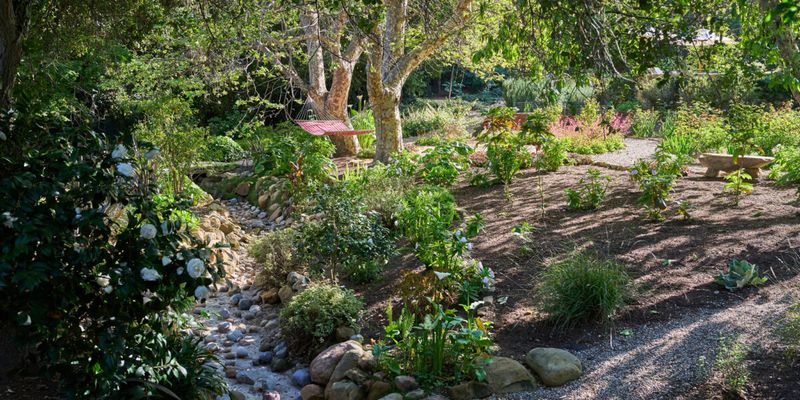
Wildlife-friendly gardens provide food, water, shelter, and nesting sites while creating dynamic, ever-changing landscapes. Native plants attract beneficial insects, birds, and other wildlife that help control pests naturally.
Birdbaths and shallow water features provide drinking and bathing opportunities for feathered visitors. Leaving some areas slightly wild with brush piles and native grasses creates habitat for beneficial creatures.
Avoiding pesticides protects the entire food web from insects to birds to larger wildlife. Planting flowers that bloom throughout different seasons ensures consistent food sources for pollinators. Hummingbird-friendly plants like salvias and penstemons create beautiful displays while supporting these tiny jeweled visitors year-round in California’s mild climate.
10. Soil Improvement Techniques – Building Healthy Garden Foundation
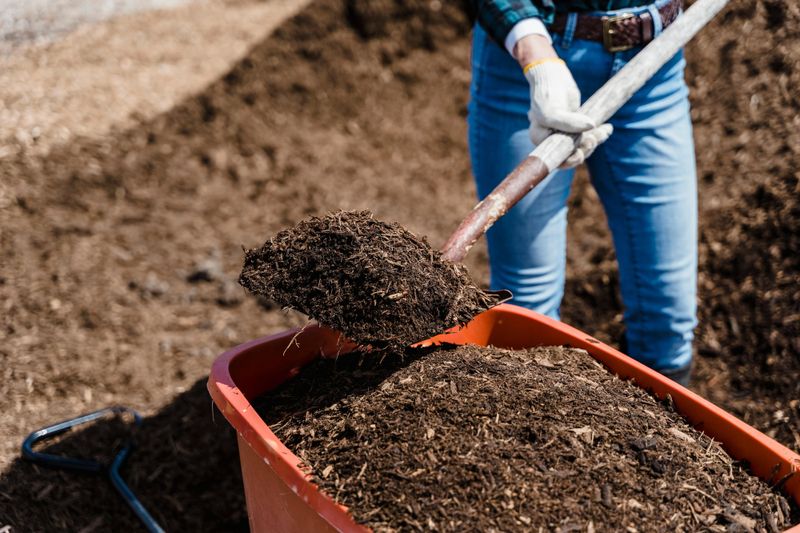
California’s diverse soil types range from heavy clay to pure sand, but most benefit from organic matter additions that improve structure and water retention. Compost remains the gold standard for soil improvement.
Clay soils need coarse organic matter like aged bark or rice hulls to improve drainage and prevent compaction. Sandy soils benefit from fine compost and leaf mold that increases water-holding capacity.
Cover crops planted during winter months add organic matter while preventing erosion and suppressing weeds. Green manure crops like crimson clover fix nitrogen naturally. Mulching with organic materials feeds soil organisms that create healthy soil structure. Testing soil pH helps determine if amendments like sulfur or lime are needed for optimal plant growth in your specific location.