 Complete Gardening
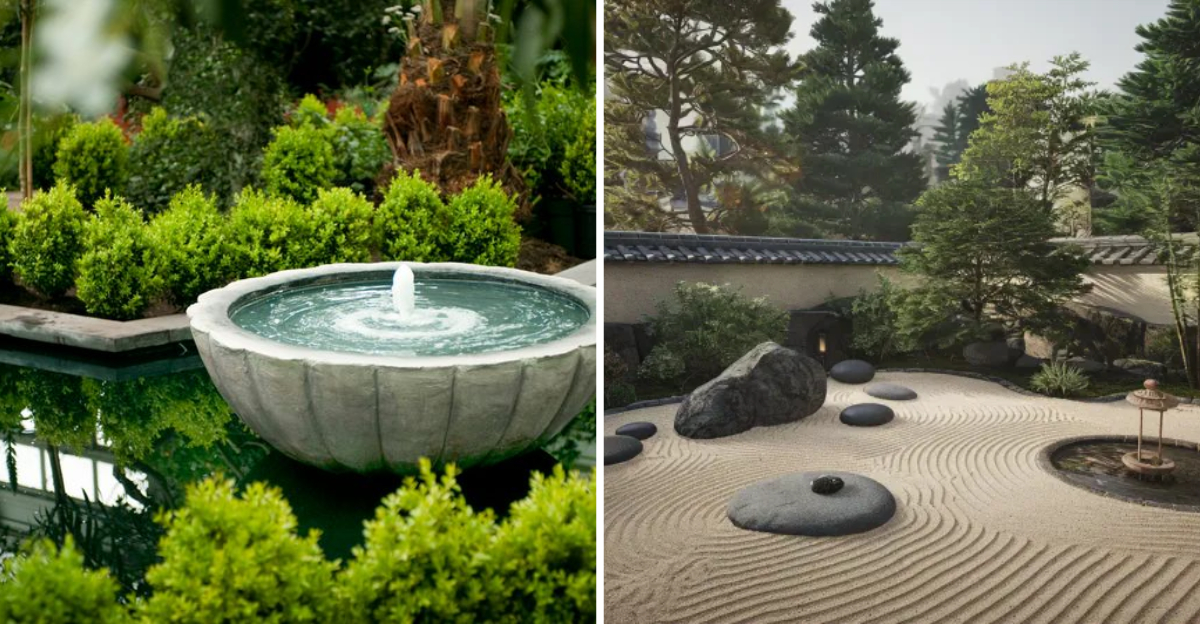
If you find yourself more laid-back than the average gardener, you’re in for a treat. Embrace a gardening style that matches your relaxed approach to life. These easygoing methods ensure your garden flourishes with minimal fuss. Dive into the world of Type-B gardening and discover how you can maintain a beautiful outdoor space without the stress of a rigid schedule.
1. Lazy Lawn Care
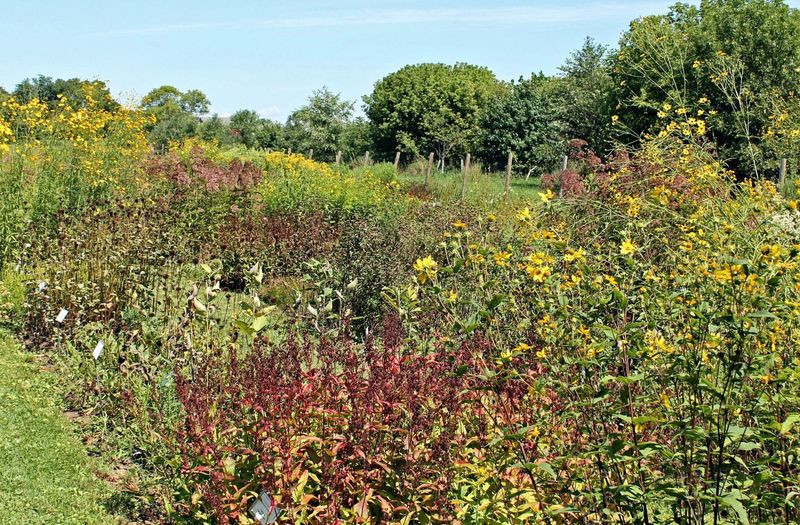
Imagine a lawn where nature takes the lead. Instead of the perfectly manicured turf, allow the grass to grow a bit longer and wildflowers to flourish. This approach not only enhances biodiversity but also saves you time and effort. With less frequent mowing, your weekends open up for leisure.
Why sweat over uniformity when a natural lawn can be a haven for bees and butterflies? This method reflects a mindset that values ecological balance over rigid order. Embracing imperfection in your yard can be surprisingly rewarding.
2. Effortless Edibles
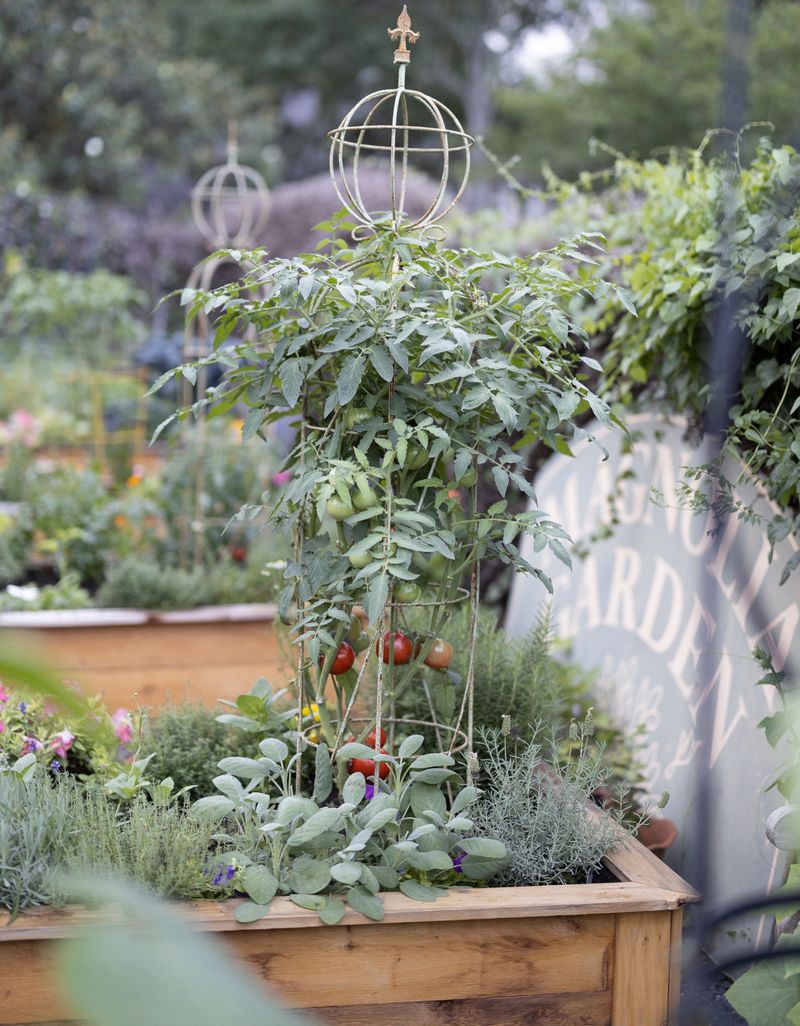
Growing your own food doesn’t have to be a chore. Choose low-maintenance plants like tomatoes and herbs that grow with little intervention. These edibles thrive in various conditions, making them perfect for the laid-back gardener.
Imagine plucking fresh tomatoes for your salad, all grown with minimal effort. This approach allows you to enjoy the fruits of your labor without feeling overwhelmed.
Adding a whimsical touch, like a garden gnome, can make your edible garden both productive and charmingly unique.
3. Casual Composting
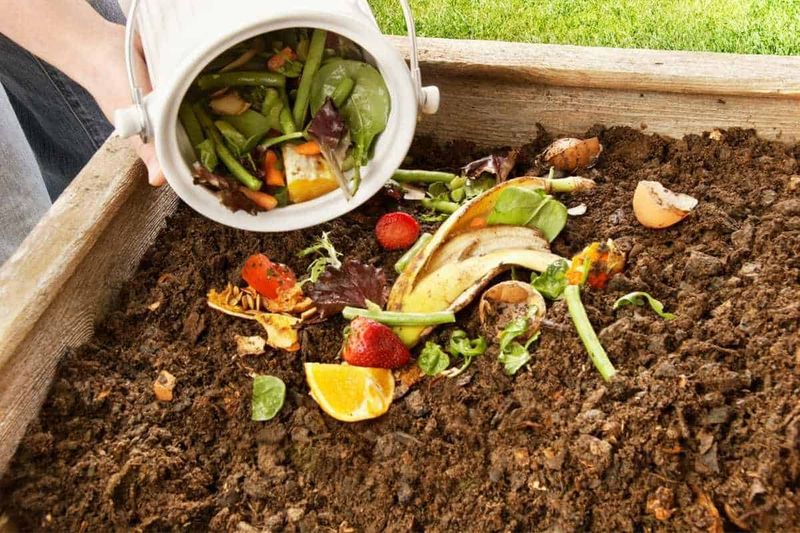
Turning waste into nourishment can be as simple as having a dedicated compost bin. No need for complex systems; just toss in kitchen scraps and let nature do the work. This method aligns with a sustainable lifestyle without demanding constant attention.
Casual composting reduces waste and enriches your soil, leading to healthier plants. It’s a low-pressure way to contribute to a greener planet. Plus, watching the transformation from scraps to rich compost can be oddly satisfying.
4. Relaxed Pruning Practices
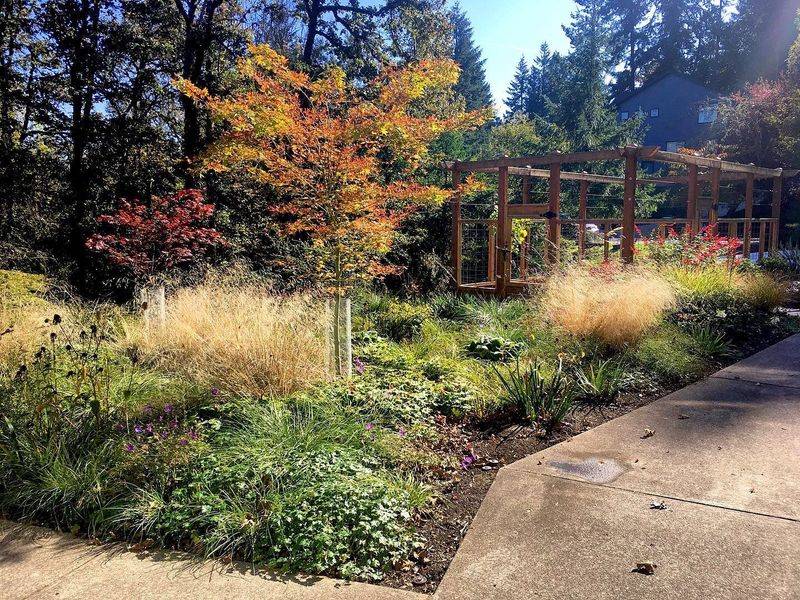
Pruning in the Type-B style means embracing a more natural look for your plants. Instead of shaping every branch, allow for a bit of wildness. Trim only when necessary, focusing on dead or diseased parts. This approach not only reduces workload but also promotes healthier growth by letting plants develop naturally.
The relaxed gardener knows that perfection isn’t the goal; vitality is. By allowing your plants to retain their character, you invite an organic beauty into your garden that is effortless yet captivating.
5. Serene Watering Techniques
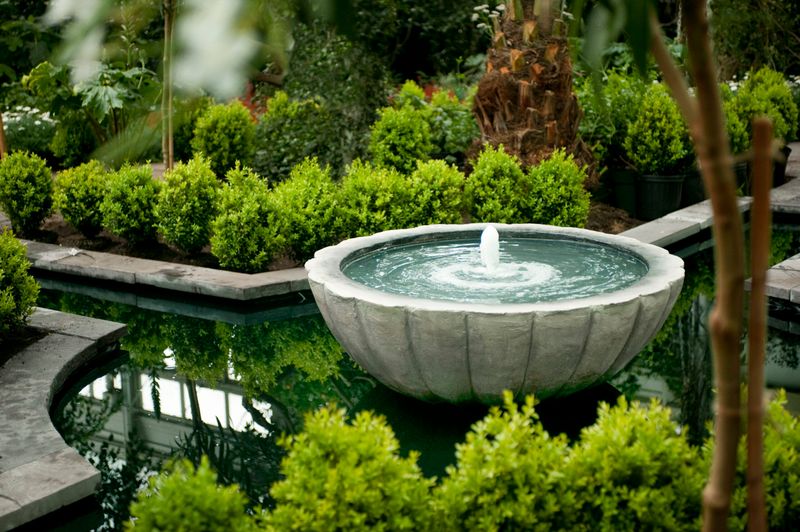
Efficient watering doesn’t require daily effort. Implementing a drip irrigation system ensures your plants receive consistent moisture without your constant presence. This system is ideal for those who prefer to spend mornings sipping tea instead of watering plants.
Adding a small fountain can enhance the tranquility of your garden, providing gentle background sounds. This hands-off approach to watering allows you to maintain a lush garden while enjoying a peaceful lifestyle.
Embrace serenity in both your garden and your daily routine.
6. Wildflower Meadows
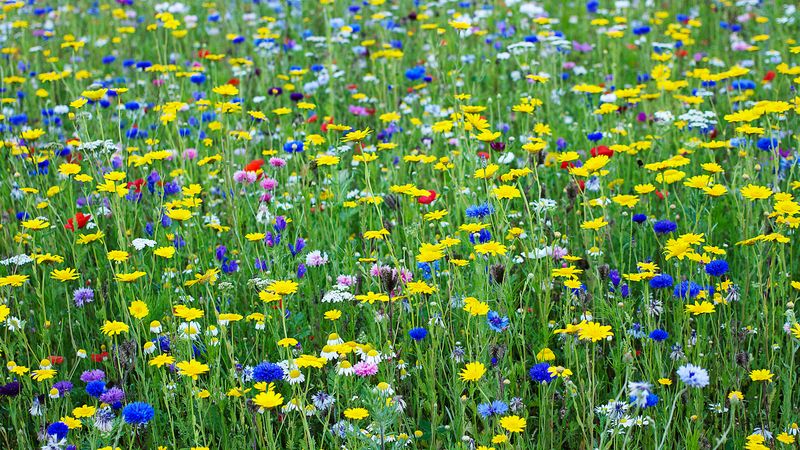
Wildflower meadows are nature’s own art. Instead of meticulously planting individual flowers, sprinkle a mix of seeds and let nature take its course. Imagine a canvas where every brushstroke tells a story, alive with color and buzzing with life. These meadows attract pollinators and require minimal upkeep. Just a few seasonal trims and you’re set. In a world full of structure, here’s your chance to let nature’s whimsy shine. Did you know? Wildflower meadows also help in controlling soil erosion. A serene escape right in your backyard.
7. Rock Gardens
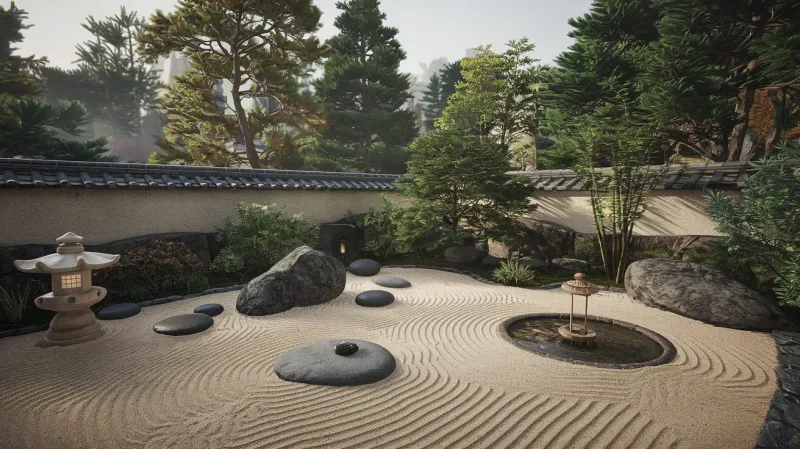
Rock gardens bring a touch of zen to any space. Their simplicity is their charm, needing only occasional weeding and watering. Imagine a peaceful retreat, where the earth’s bones create art in their own right. Perfect for those who love the minimalist aesthetic. Rock gardens thrive in areas with little rainfall, making them excellent for dry climates. The gentle trickle of a water feature can add to the tranquility. Fun fact: Rock gardens were originally developed in Japan and have been cherished for centuries.
8. Native Plant Beds
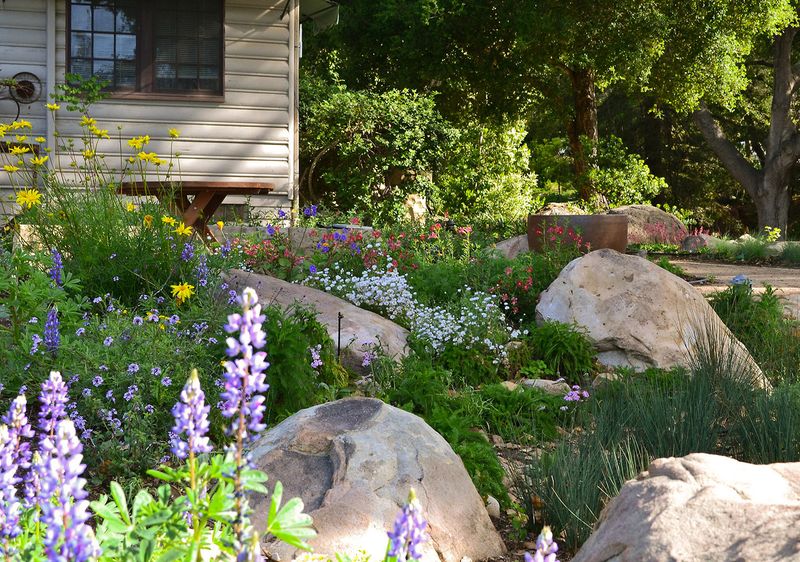
Native plant beds are a celebration of the local ecosystem. By planting species native to your area, you ensure a garden that thrives with minimal intervention. These plants are adapted to the local climate and pests, reducing the need for fertilizers and pesticides. It’s like offering a homecoming to plants that belong. Besides supporting local wildlife, native plant beds are a lesson in sustainable gardening. Curious fact: Native plants often have historical uses in local cultures. A nod to tradition in modern times.
9. Succulent Arrangements
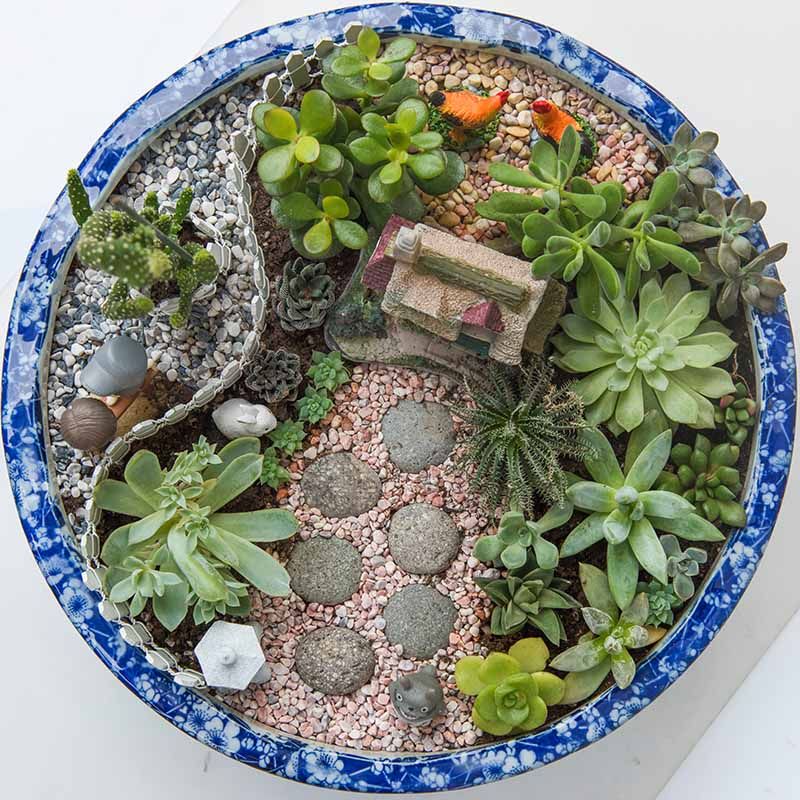
Succulents are the epitome of laid-back elegance. Their ability to store water makes them perfect for those who forget to water. Create your own mini desert landscape with an array of shapes, colors, and textures. They thrive indoors and outdoors, needing only a sunny spot. Succulents are forgiving and resilient, handling neglect with grace. Did you know? There are over 10,000 types of succulents to choose from. Each one offers a unique personality, making them a collector’s dream.
10. Herb Spirals
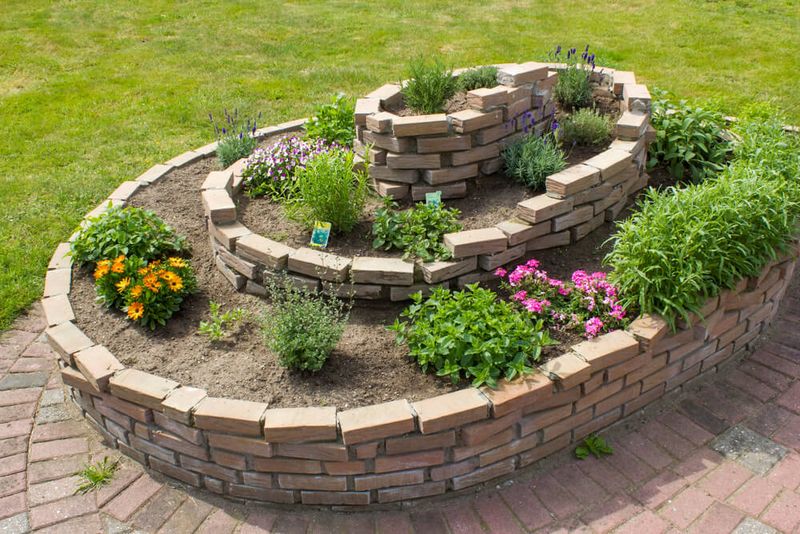
Herb spirals are a feast for the senses. These vertical gardens maximize space and create a microclimate for different herbs. Each tier supports herbs needing distinct levels of sunlight and moisture. Picture an aromatic haven, where the scent of basil mingles with rosemary. Herb spirals are not just functional but also a visual delight. They invite culinary creativity right to your doorstep. Fascinating fact: The spiral design is an ancient technique, optimizing space and water usage.
11. Perennial Borders
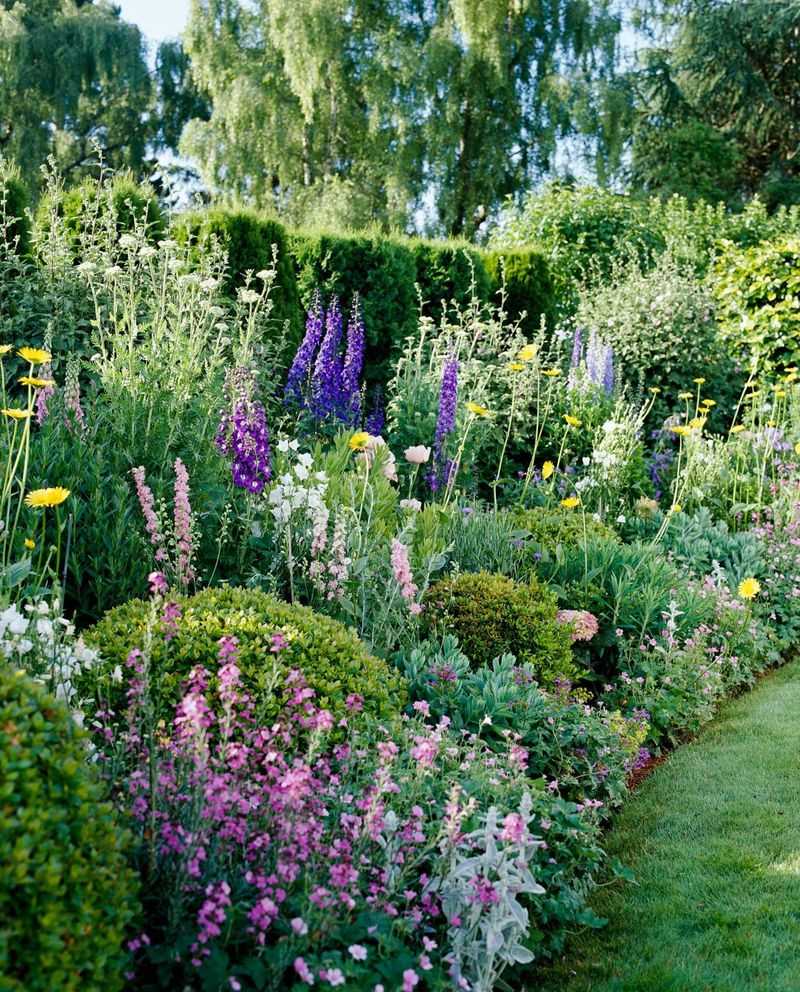
Perennial borders offer a tapestry of colors year after year. Unlike annuals, these plants return, bringing reliability to your garden. Their low maintenance nature is ideal for a relaxed gardener. Imagine a border where each season uncovers a new layer of beauty. With minimal pruning and feeding, they flourish with abandon. Fun fact: Some perennials can live for decades, becoming an enduring legacy. They offer a painterly touch to any landscape, year after year.
12. Moss Gardens
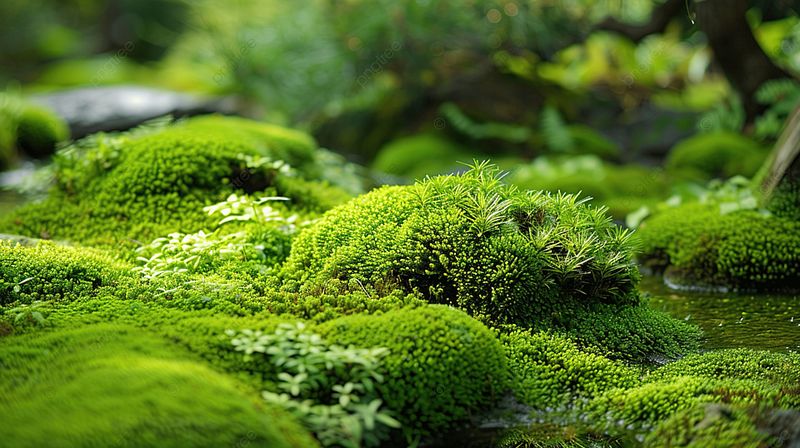
Moss gardens invite tranquility and a touch of the ethereal. These low-maintenance gardens thrive in shady spots, needing no mowing or fertilizing. Imagine a soft, green carpet that stays lush throughout the year. Moss absorbs moisture, keeping the garden cool and inviting. Perfect for creating a woodland retreat. Did you know? Moss has been used in gardens for centuries, especially revered in Japanese culture. It’s a living testament to nature’s quiet beauty.
13. Cottage Gardens
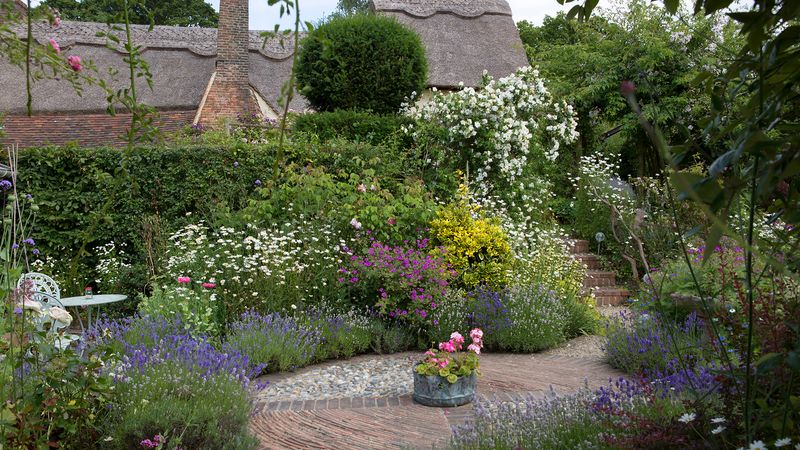
Cottage gardens are a blend of romance and rustic charm. These gardens, with their informal layout, seem to spill over with abundance. Imagine wandering down a winding path, surrounded by blossoms and fragrance. They embody the essence of casual gardening, requiring little more than seasonal tidying. Lovingly chaotic, they attract bees and butterflies, becoming a haven for wildlife. Fun fact: Cottage gardens originated in England, designed to be both ornamental and practical. They are a gardener’s delight, full of surprises.
14. Vertical Gardens
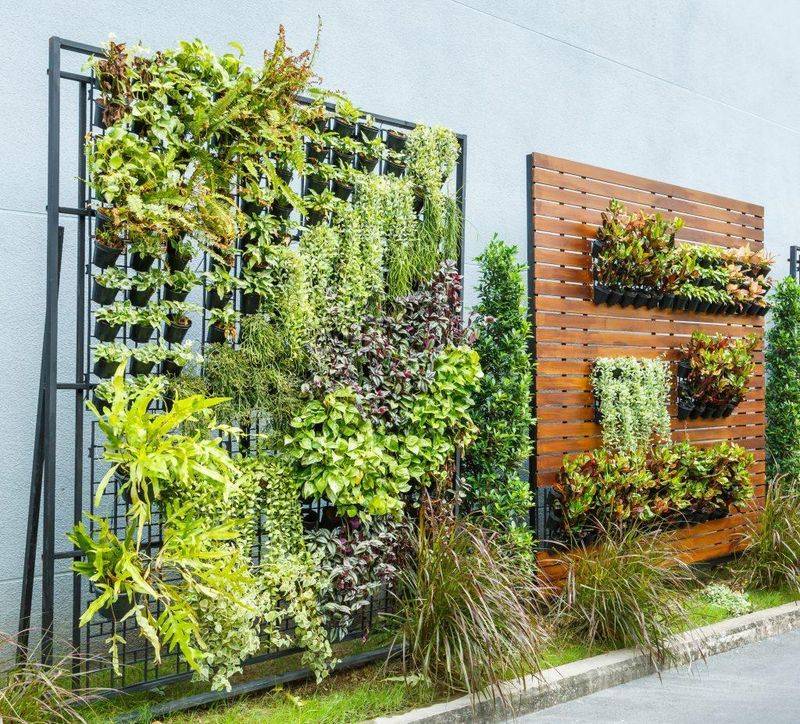
Vertical gardens bring nature to limited spaces. Perfect for urban living, they transform bare walls into vibrant ecosystems. Imagine living art, where plants cascade down with elegance. These gardens are a practical solution for small spaces, adding greenery without sacrificing floor area. They require minimal watering and maintenance, making them perfect for those on the go. Did you know? Vertical gardening dates back to ancient Babylon’s Hanging Gardens. A timeless idea now accessible to all.
15. Wildlife Habitats
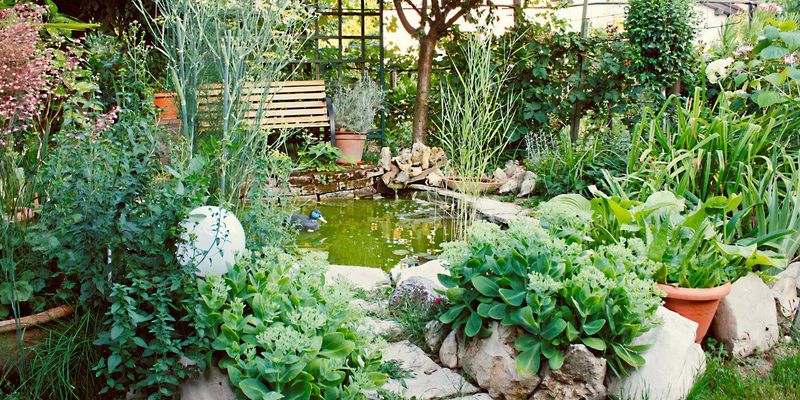
Wildlife habitats transform gardens into nature sanctuaries. By providing food, water, and shelter, you invite life into your space. Imagine a symphony of birdsong and the flutter of butterflies on a lazy afternoon. These gardens require little more than thoughtful planting and some bird feeders. A natural ecosystem thrives, giving back to the environment. Fun fact: Even small plots can support more wildlife than you might expect. A garden alive with activity and purpose.
16. Gravel Gardens
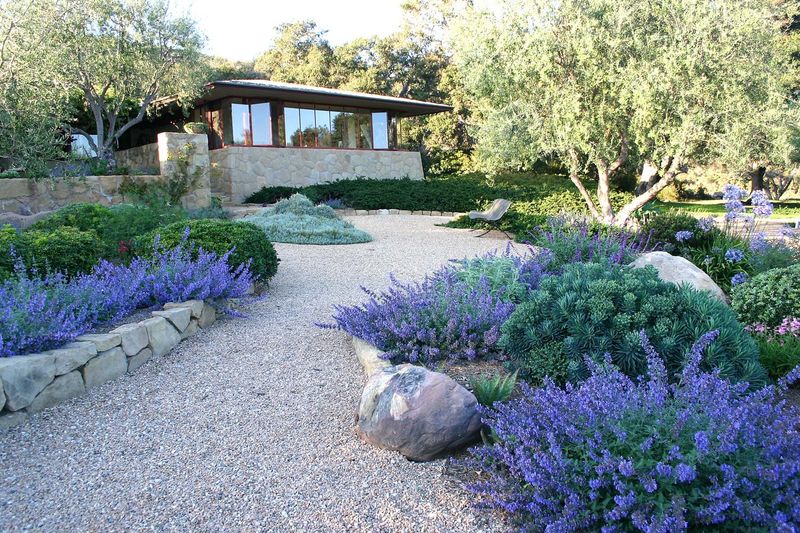
Gravel gardens are a modern gardener’s answer to drought. These gardens thrive with minimal water, using pebbles to retain moisture. Imagine a landscape where textures and subtle hues harmonize underfoot. Gravel gardens require little more than occasional weeding, making them perfect for those who prefer simplicity. They epitomize sustainable design, blending functionality with aesthetic appeal. Fun fact: Gravel gardens can reduce water usage by up to 80%. An eco-friendly choice for today’s world.
17. Easy-Care Ferns
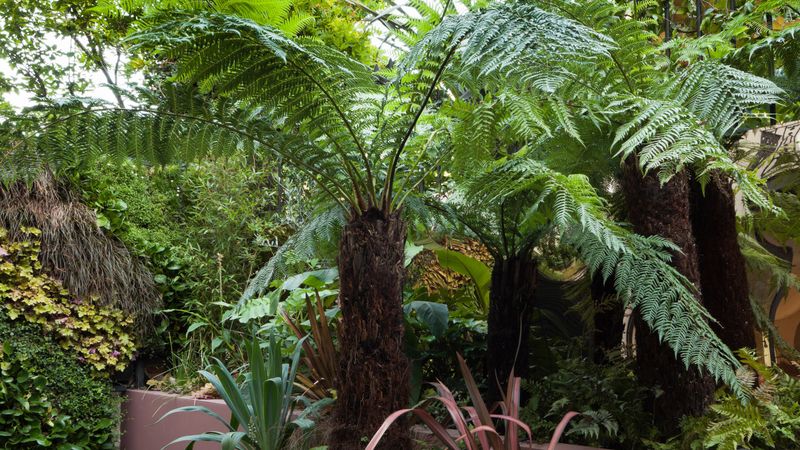
Ferns offer a touch of lushness without the fuss. These plants thrive in shade, adding texture and depth to any garden. Imagine a verdant oasis, where fronds unfurl with grace and elegance. Easy-care ferns require little more than moist soil to flourish. They are perfect for creating a cool retreat. Did you know? Ferns are among the oldest plants on earth, with a history dating back millions of years. They bring a timeless beauty to modern gardens.
18. No-Mow Lawns
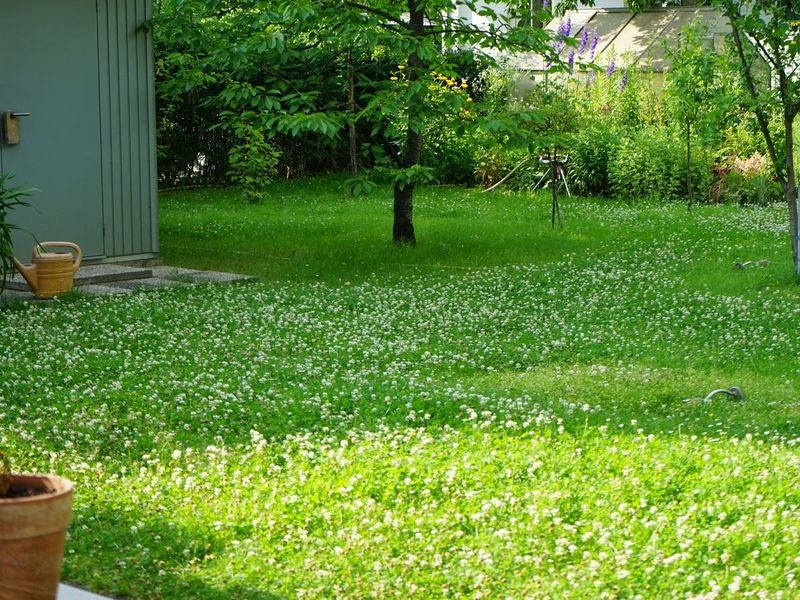
No-mow lawns are a revolution in garden care. Replace traditional grass with a mix of low-growing, resilient plants. Imagine a soft carpet that invites play and relaxation without the need for mowing. These lawns support biodiversity and reduce the carbon footprint of garden maintenance. Ideal for families and those who love spending time outdoors. Fascinating fact: No-mow lawns can increase soil health and support pollinators. A playful alternative to conventional lawns, full of life and freedom.