 Complete Gardening
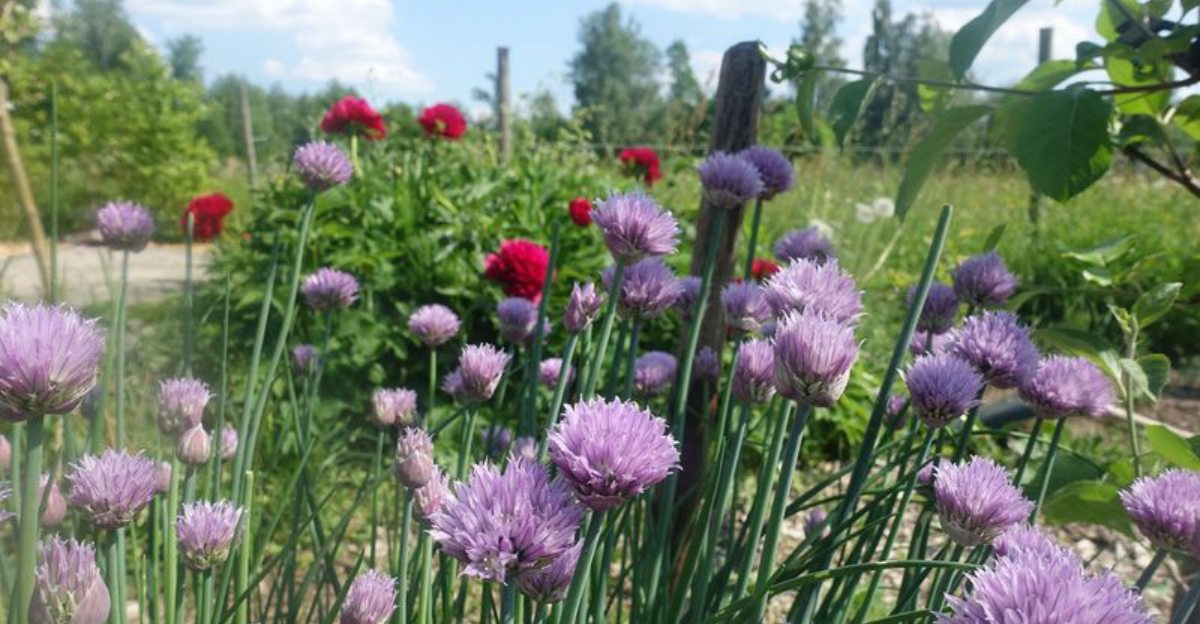
Chives, with their delicate onion-like flavor and pretty purple blossoms, are a popular choice for herb gardens. But did you know that chives can also play a significant role in supporting or hindering the growth of neighboring plants?
In this blog post, we’ll explore the best and worst companion plants for chives, offering insights into how this humble herb can benefit or conflict with other plants in your garden.
Read on to discover 12 specific plants and learn how they interact with chives, helping you make the most of your garden’s potential.
1. Carrots
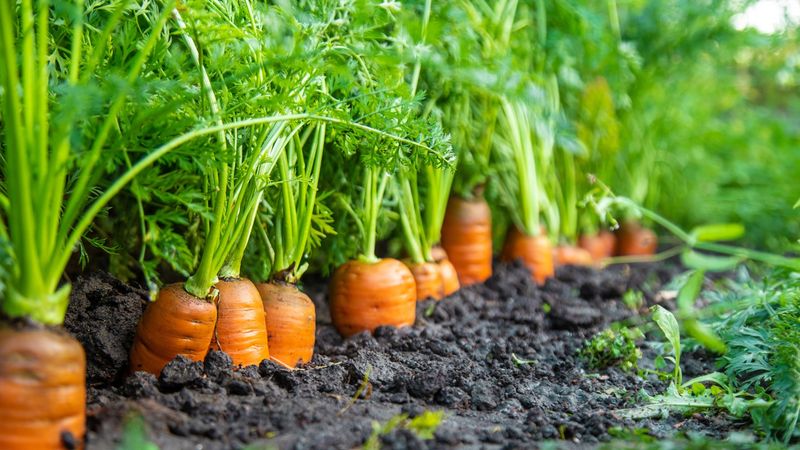
Chives and carrots make an excellent garden duo. Chives help repel carrot flies, which are notorious for damaging carrot roots. This natural pest control is invaluable in keeping your carrot patch healthy. Furthermore, the presence of chives can enhance the flavor of growing carrots, adding a subtle depth to their natural sweetness.
Gardeners have long praised this combination for its harmonious growth pattern. By planting chives near carrots, you create a mutually beneficial environment. Consider adding this pair to your garden for a flavorful and pest-resistant harvest.
2. Tomatoes

Tomatoes find themselves well-protected when chives are nearby. The pungent aroma of chives acts as a deterrent to aphids, tiny insects that can wreak havoc on tomato plants. Additionally, chives are known to combat fungal infections that may affect tomatoes, ensuring healthier growth.
The combination of chives and tomatoes not only aids in disease prevention but also contributes to a more vigorous tomato plant. This pairing is especially popular among organic gardeners looking to reduce reliance on chemical pesticides. Plant them together for a robust and fruitful garden.
3. Roses

In a delightful garden alliance, roses benefit greatly from chives. The presence of chives is said to reduce the incidence of black spot disease, a common rose affliction. Furthermore, chives can help repel Japanese beetles, insects known for feasting on rose foliage.
This charming partnership not only supports the health of roses but adds aesthetic appeal to any garden. With chives’ delicate blossoms complementing the grandeur of roses, this pairing is both functional and visually pleasing. For a garden that thrives with beauty and resilience, consider planting chives near your roses.
4. Apples

Apple trees may find an unexpected ally in chives. Planted near the base of apple trees, chives can help ward off apple scab, a fungal disease that affects apple tree foliage and fruit. Their protective nature makes them a valuable addition to any orchard.
For those cultivating apples, integrating chives into the orchard can lead to healthier, more resilient trees. This symbiotic relationship is cherished by orchardists looking to maintain robust trees without chemical interventions. Embrace this natural defense mechanism to enhance your apple-growing experience.
5. Lettuce
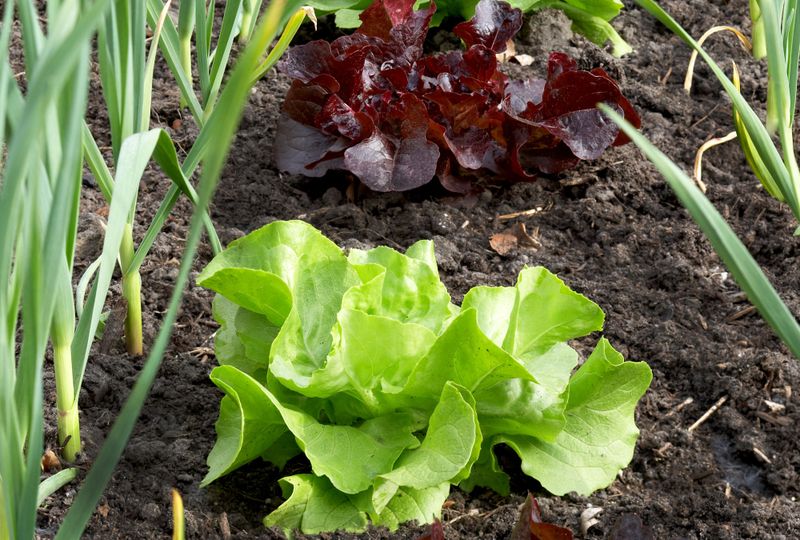
The leafy greens of lettuce find a natural companion in chives. Known for their ability to repel aphids and leafhoppers, chives offer a protective barrier that keeps lettuce healthy. This pairing is particularly beneficial for gardeners looking to grow organic, pest-free produce.
Chives’ presence ensures that lettuce leaves remain untouched by common pests, promoting lush and thriving growth. Gardeners appreciate the ease with which these plants coexist, making them a staple in many vegetable gardens. For crisp, delicious lettuce, consider adding chives to your planting strategy.
6. Cabbage Family (Broccoli, Kale, Cabbage)
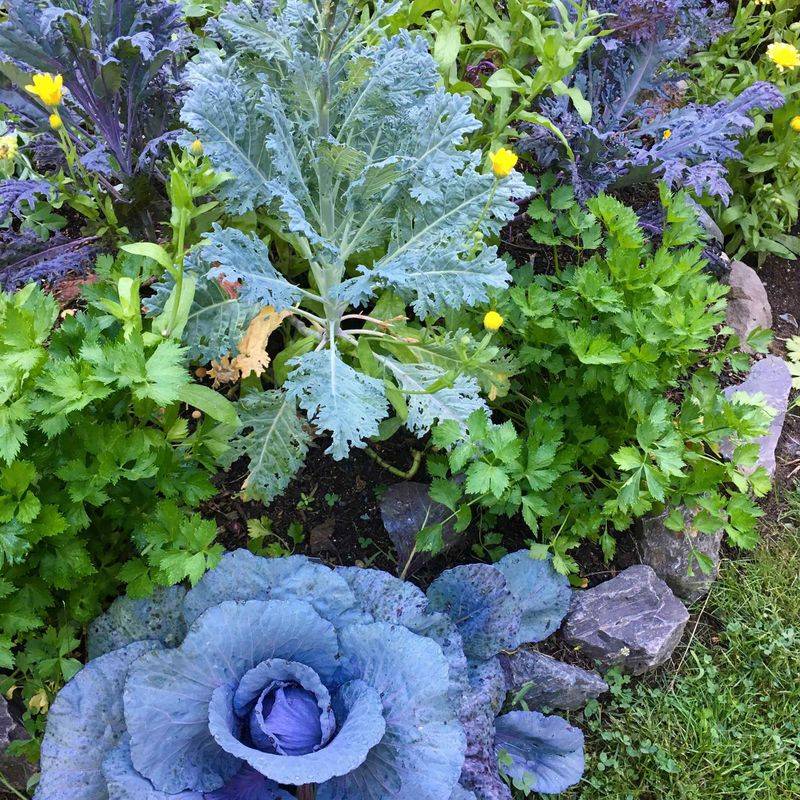
The cabbage family, including broccoli, kale, and cabbage, finds a worthy ally in chives. Known for deterring cabbage moths and worms, chives serve as a natural pest repellant that protects these leafy greens from damage.
This beneficial relationship enhances the vigor and yield of cabbage family plants. Gardeners appreciate the simplicity of this pairing, which requires little effort but offers substantial rewards. By planting chives near these vegetables, you safeguard your harvest from common threats while promoting a healthy garden ecosystem.
7. Strawberries
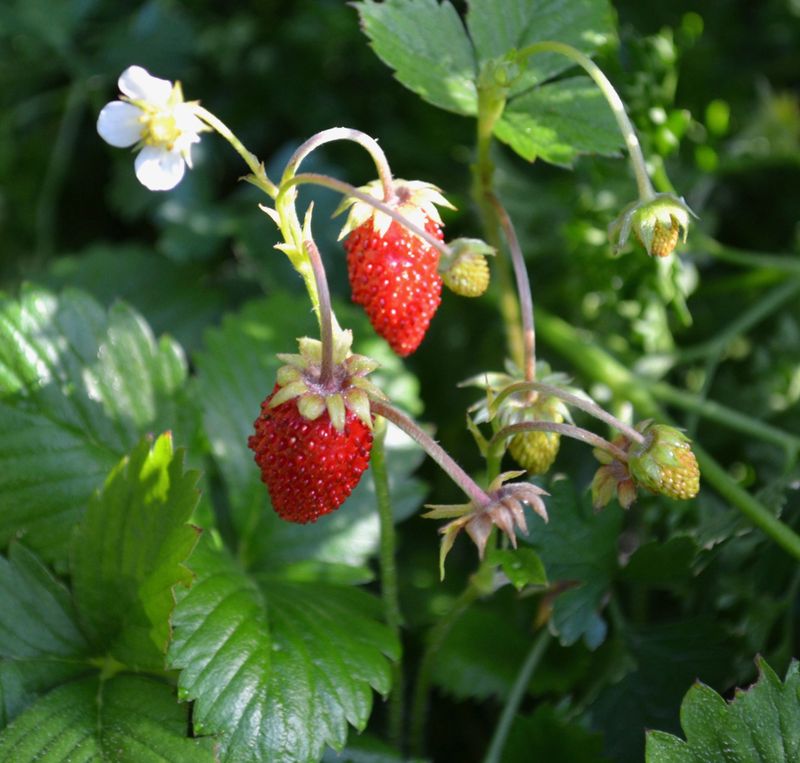
Strawberries and chives create an interesting garden combination. Chives are known to repel pests like spider mites, which can affect strawberry plants. Additionally, some gardeners believe that chives may improve the flavor of strawberries.
This dynamic pairing is an exciting option for those looking to experiment with their garden’s palate. By planting chives alongside strawberries, you not only protect your fruit but potentially enhance its taste profile. A garden that boasts both flavor and resilience is attainable with this strategic planting choice.
8. Peppers
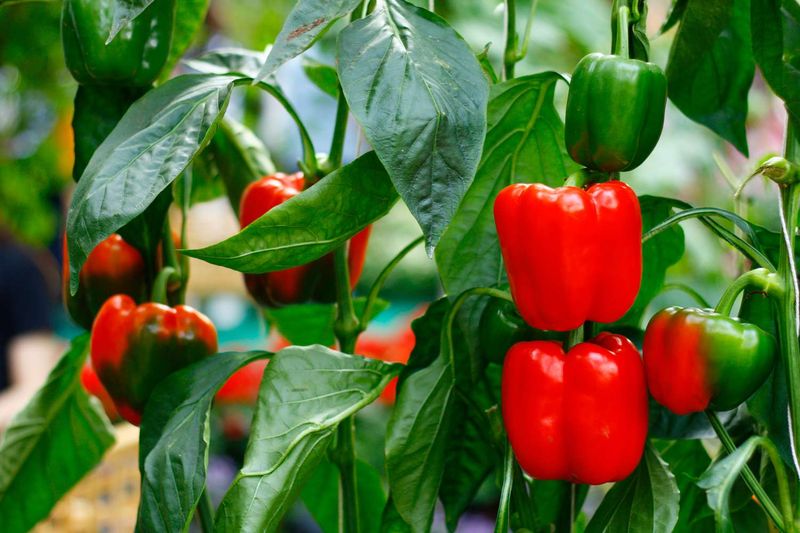
Chives offer a protective shield to pepper plants. Their strong, aromatic scent repels aphids and mites, pests that frequently target peppers. This natural defense is a boon for gardeners seeking to cultivate peppers organically.
The presence of chives ensures peppers grow without pest interference, leading to a healthier and more productive plant. Gardeners find this pairing an effective strategy for boosting pepper yield. By integrating chives into your pepper garden, you foster an environment that supports robust and flavorful growth.
9. Beans

Though chives offer companionship to many, they may inhibit the growth of beans. The root chemistry of chives can negatively impact beans, leading to stunted growth and reduced yield. This incompatibility is an important consideration for gardeners planning their crops.
Rather than benefiting from chives, beans may suffer, making it advisable to plant them at a distance. Understanding this dynamic allows gardeners to strategize effectively, ensuring that both chives and beans have the space they need to thrive independently. Keep them apart for a harmonious garden.
10. Peas

Peas, like beans, find themselves at odds with chives. Known for their sensitivity to allium plants, peas may experience stunted growth when chives are nearby. This delicate balance requires careful management in garden planning.
The close proximity of chives can undermine the health of pea plants, leading to reduced vitality and yield. For a flourishing pea patch, consider distancing them from chives. This awareness enables gardeners to cultivate a diverse garden while respecting the unique needs of each plant variety. Separate them for optimal growth.
11. Asparagus

Asparagus and chives compete for similar nutrients, resulting in a challenging coexistence. While both plants have their merits, planting them together can lead to struggles in nutrient absorption and overall growth.
Gardeners often find that separating these two allows each to thrive independently. This understanding is crucial for those looking to optimize their garden’s health and productivity. By giving asparagus and chives their own space, you promote a balanced and flourishing garden environment.
12. Spinach
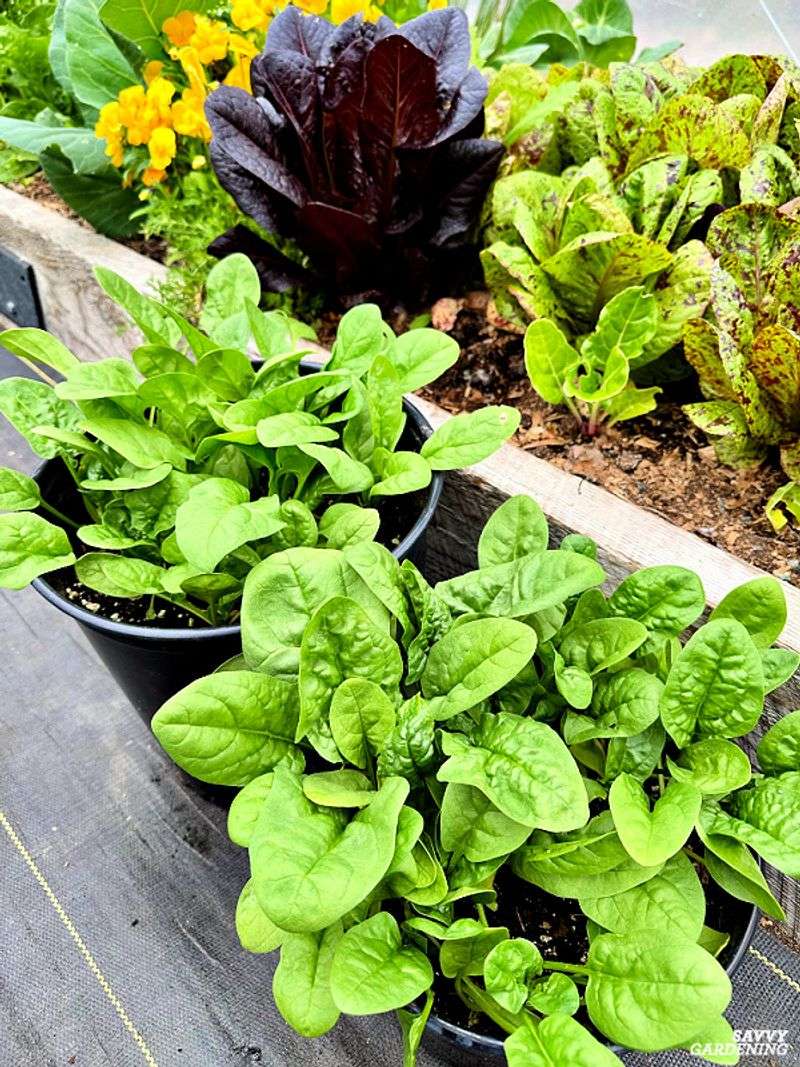
Spinach may encounter difficulties when grown near chives. Some gardeners report poor growth and vitality in spinach plants sharing space with chives, leading to lower yields.
This interaction highlights the importance of understanding plant compatibility in the garden. By acknowledging spinach’s sensitivity to chives, gardeners can make informed decisions to optimize plant health and production. Providing spinach its own area allows for a lush, thriving crop without interference. For a successful spinach harvest, separate it from chives.