 Complete Gardening
Gardening in clay soil can be a challenge, but it’s not impossible. Certain fruit trees have adapted to thrive even in the densest, heaviest soils. Here, we explore ten resilient fruit trees that can make your clay soil garden a fruitful oasis. From apples to pawpaws, each tree offers unique benefits and specific tips for cultivation. Discover which varieties are best suited for clay and learn how to care for them. Whether you’re an experienced gardener or a novice, these hardy trees can bring bountiful harvests to your home garden.
1. Apple Trees (Malus domestica)
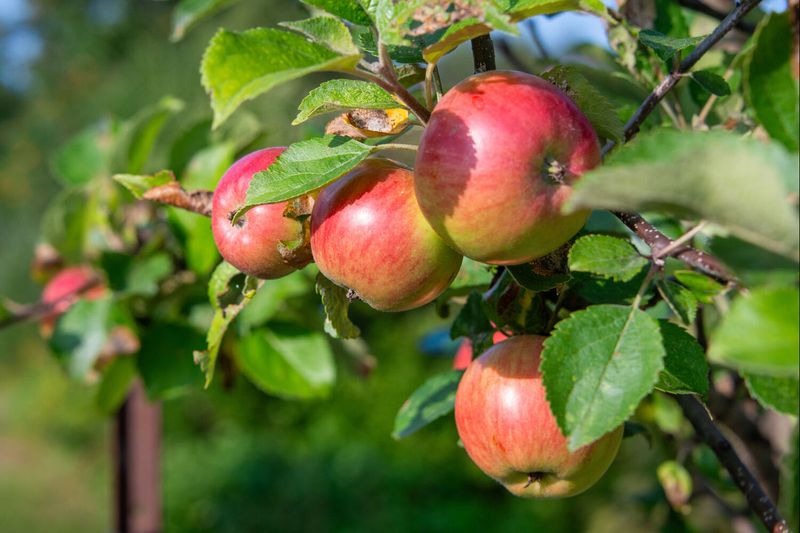
Apple trees are a classic choice for many gardeners. They can tolerate heavy clay soils when planted on a slight mound, improving drainage. Varieties like ‘Liberty,’ ‘Arkansas Black,’ and ‘Golden Delicious’ are particularly well-suited for these conditions. Planting them in dwarf forms can also be beneficial. With their striking blossoms in spring and juicy apples in fall, apple trees are both beautiful and practical. Remember to mulch around the base to retain moisture. Apples are not just for pies; they are a symbol of wholesome abundance in any garden.
2. Pear Trees (Pyrus spp.)
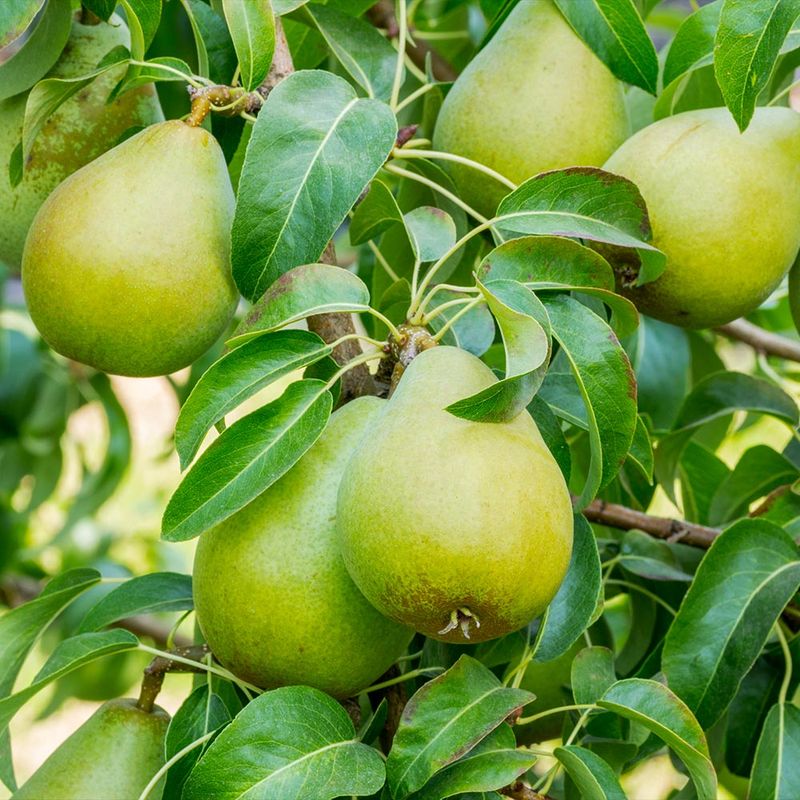
Pear trees are slightly more tolerant of clay soil than many other fruit trees. Varieties like ‘Kieffer,’ ‘Bartlett,’ and ‘Moonglow’ thrive in such conditions. It’s crucial to avoid waterlogged areas as pears dislike “wet feet.” Pruning is essential to encourage strong growth. These trees not only offer delicious fruit but also serve as an attractive garden feature. The blossoms are a delight in spring, and the fruit is perfect for fresh eating or canning. A pear tree is a sweet addition to any clay soil garden.
3. Plum Trees (Prunus domestica)
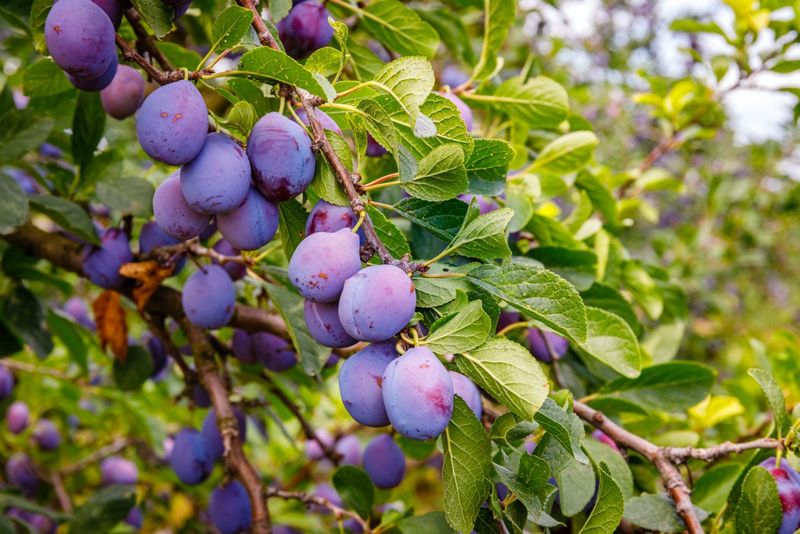
European plum trees are a resilient choice for heavy clay soils. Varieties like ‘Stanley,’ ‘Damson,’ and ‘Methley’ are excellent options. Regular pruning helps prevent disease, especially in humid conditions. The fruits are versatile, perfect for jams or fresh eating. Plums’ rich hues add beauty to your garden, and their sweet, juicy flavor makes them a favorite. Their adaptability and productivity make them a valuable addition. A plum tree is not just a tree; it’s a promise of late summer harvests and homemade treats.
4. Cherry Trees (Prunus avium / Prunus cerasus)
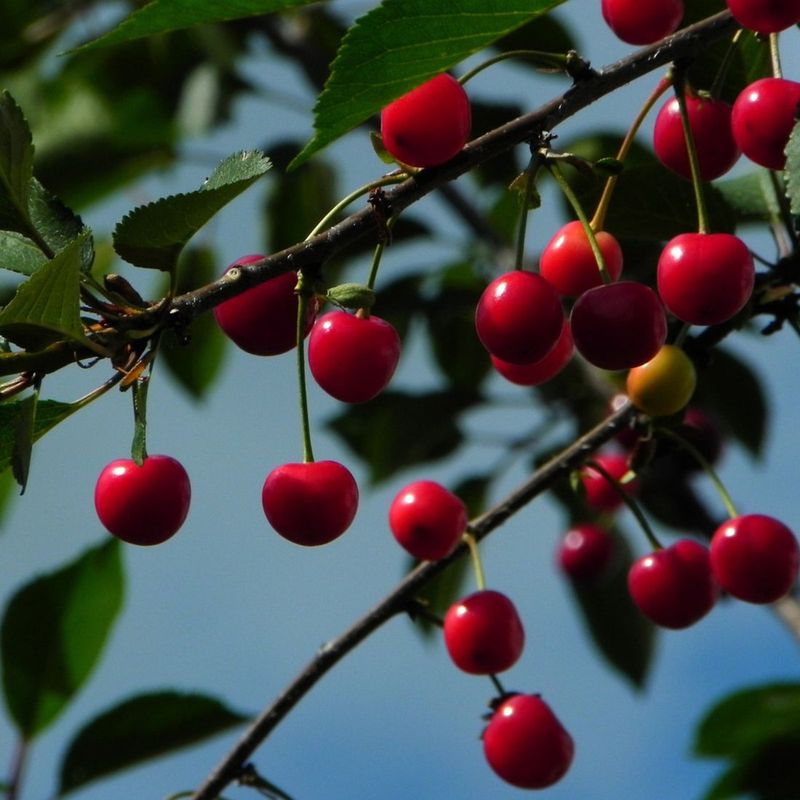
Sour cherry trees, such as ‘Montmorency,’ handle clay soils better than sweet varieties. Sweet cherries like ‘Stella’ require grafted rootstocks like ‘Colt’ or ‘Gisela’ for success in clay. These trees bloom beautifully in spring and offer a rich harvest in summer. They add not just fruit but ornamental value to your garden. Sour cherries are perfect for pies and preserves, while sweet cherries are delightful fresh. With the right rootstock and care, cherry trees can thrive and bring cheer to any garden.
5. Fig Trees (Ficus carica)
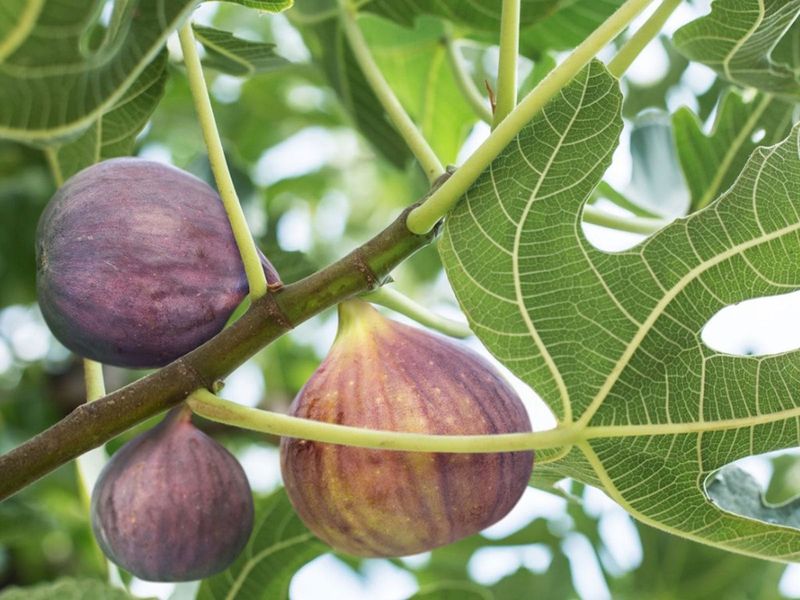
Fig trees are surprisingly adaptable to clay soils. Varieties like ‘Chicago Hardy,’ ‘Brown Turkey,’ and ‘Celeste’ do well with proper drainage. Planting them in raised beds can enhance growth. Figs offer lush foliage and sweet fruit, making them a dual-purpose plant. Their rich history and culinary versatility add to their appeal. Whether eaten fresh or dried, figs are a gourmet treat. In the right conditions, they flourish and provide a unique touch to any garden. Fig trees stand as a testament to resilience and adaptability.
6. Mulberry Trees (Morus spp.)
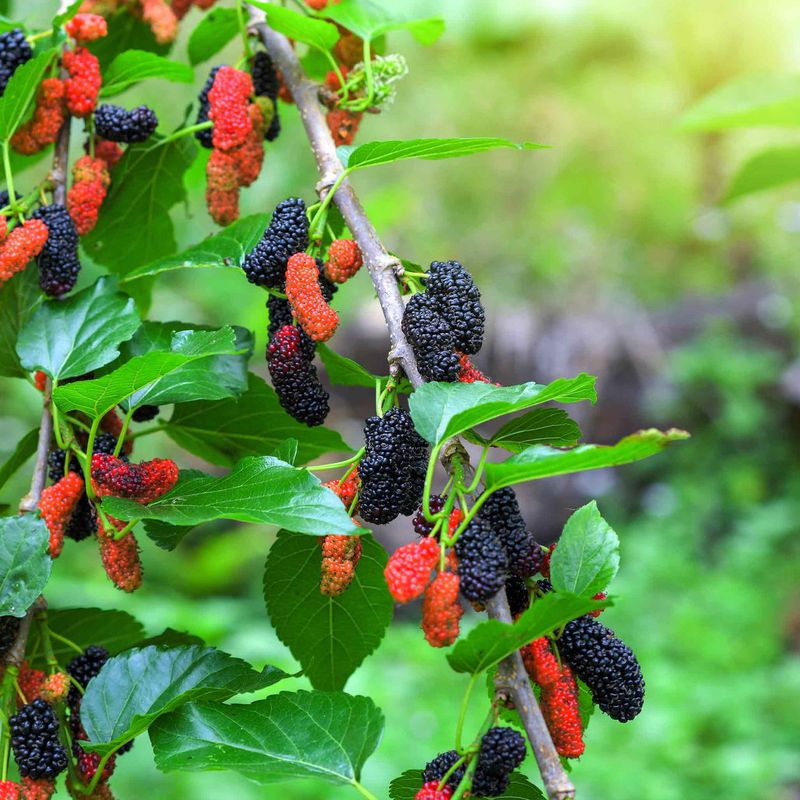
Mulberry trees are extremely hardy and unfussy about soil conditions. Varieties like ‘Illinois Everbearing’ and ‘Black Mulberry’ thrive in clay. Their growth can be vigorous, so consider planting where spreading is not an issue. Mulberries are a feast for birds and a unique fruit for gardeners. Their sweet, tangy flavor makes them ideal for jams and desserts. They bring biodiversity to gardens and are a nostalgic reminder of simpler times. Mulberry trees are not just a plant; they’re a legacy of abundance and life.
7. Persimmon Trees (Diospyros kaki / Diospyros virginiana)
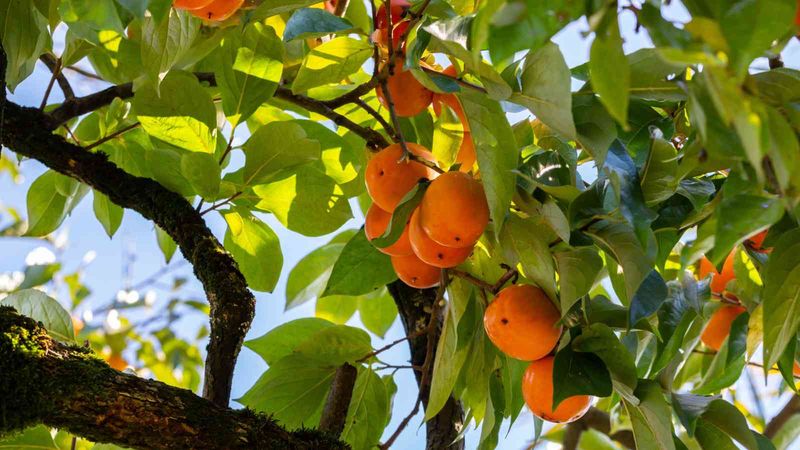
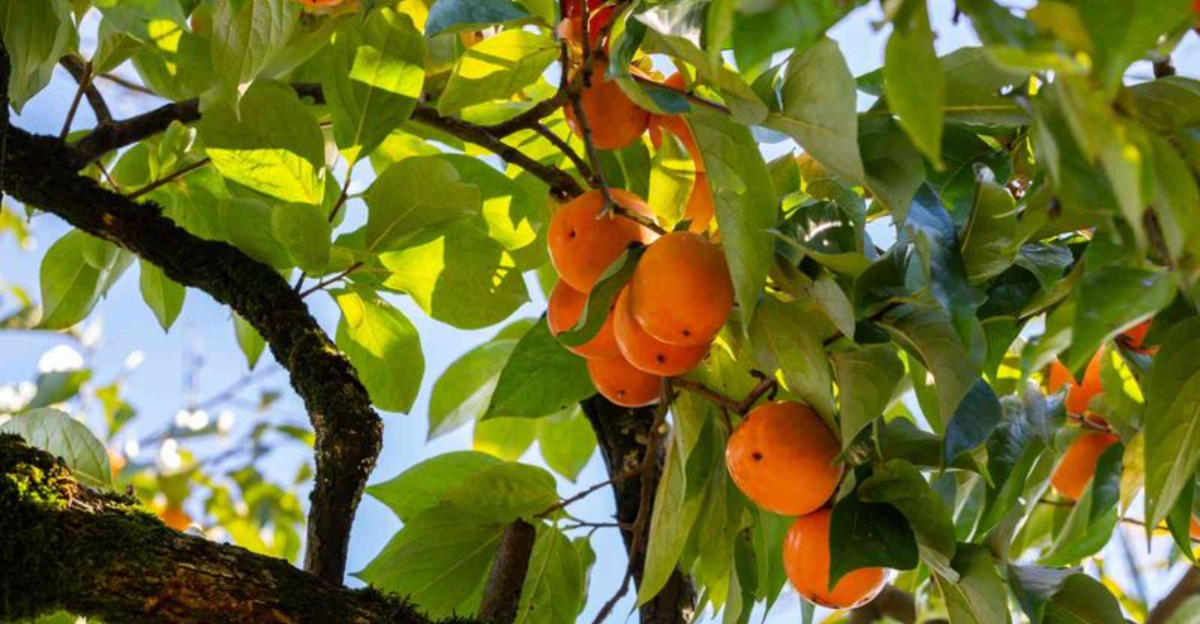
Persimmon trees thrive in clay soils, particularly American persimmons like ‘Prok.’ They do well in full sun and can tolerate wetter soils than most fruit trees. Asian varieties like ‘Fuyu’ are also adaptable. The trees produce distinctive orange fruit, rich in vitamins and sweetness. They require patience, as the fruit ripens late in the season, but the reward is worth it. Persimmon trees add an exotic touch to gardens and are a favorite for wildlife. Their unique taste and appearance make them a cherished choice.
8. Quince Trees (Cydonia oblonga)
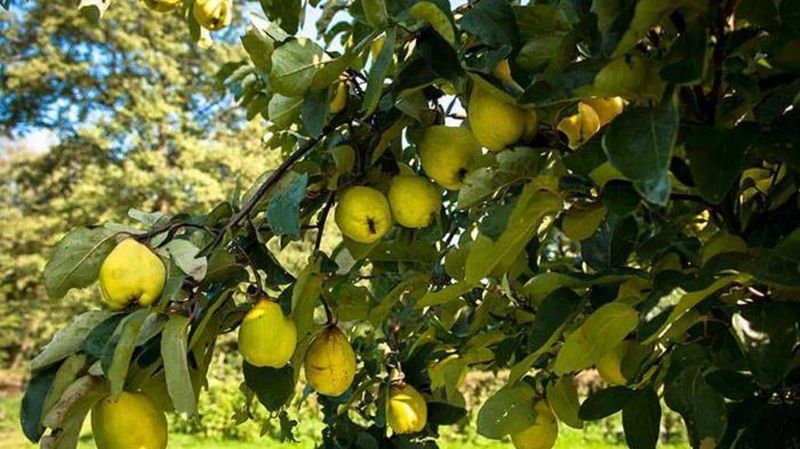
Quince trees flourish in heavy, moisture-retentive soils. Varieties like ‘Pineapple’ and ‘Champion’ are well-suited for such conditions. The fruit is astringent, so it’s best used in jams and jellies. These trees provide stunning spring blossoms and aromatic fruits. They are an old-world fruit with a rich history. Quince trees not only offer ornamental beauty but also a connection to culinary traditions. In the right setting, they stand as a testament to nature’s bounty and historical significance. A quince tree enriches both garden and kitchen.
9. Elderberry (Sambucus spp.)
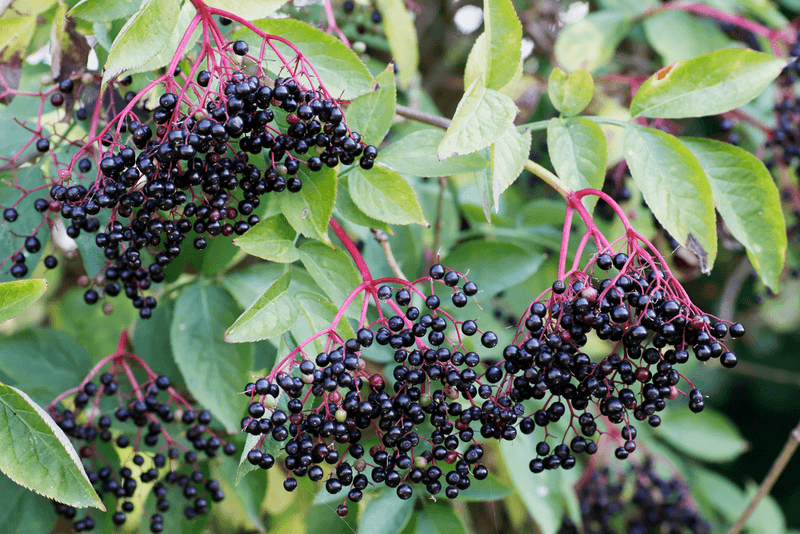
Elderberries thrive in wet clay soils and can handle poor drainage. Varieties like ‘Adams’ and ‘York’ are well-suited to these conditions. These bushes provide both beauty and utility, with delicate white flowers and dark berries. The berries must be cooked, as they are toxic when raw, but they are excellent for syrups and wines. Elderberries support wildlife and offer medicinal benefits. They embody resilience and are a gardener’s ally in challenging conditions. An elderberry bush is not just a plant; it’s a symbol of versatility and healing.
10. Pawpaw (Asimina triloba)
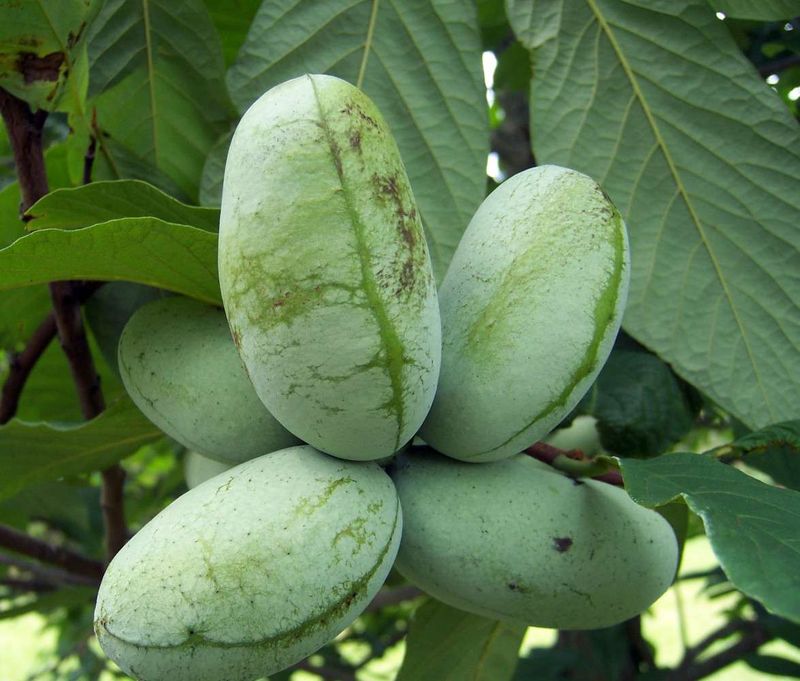
Pawpaw trees are native to floodplains and thrive in heavy clay soils. They require two trees for cross-pollination, but the effort is rewarded with unique, tropical-flavored fruit. Varieties like ‘Sunflower’ and ‘Susquehanna’ are excellent choices. These trees offer a lush, exotic appearance with their large leaves. Pawpaws are a hidden treasure, providing a taste unlike any other fruit. They bring biodiversity and intrigue to gardens. In a clay soil setting, pawpaw trees are a testament to nature’s adaptability and offer a taste of the tropics.