 Complete Gardening
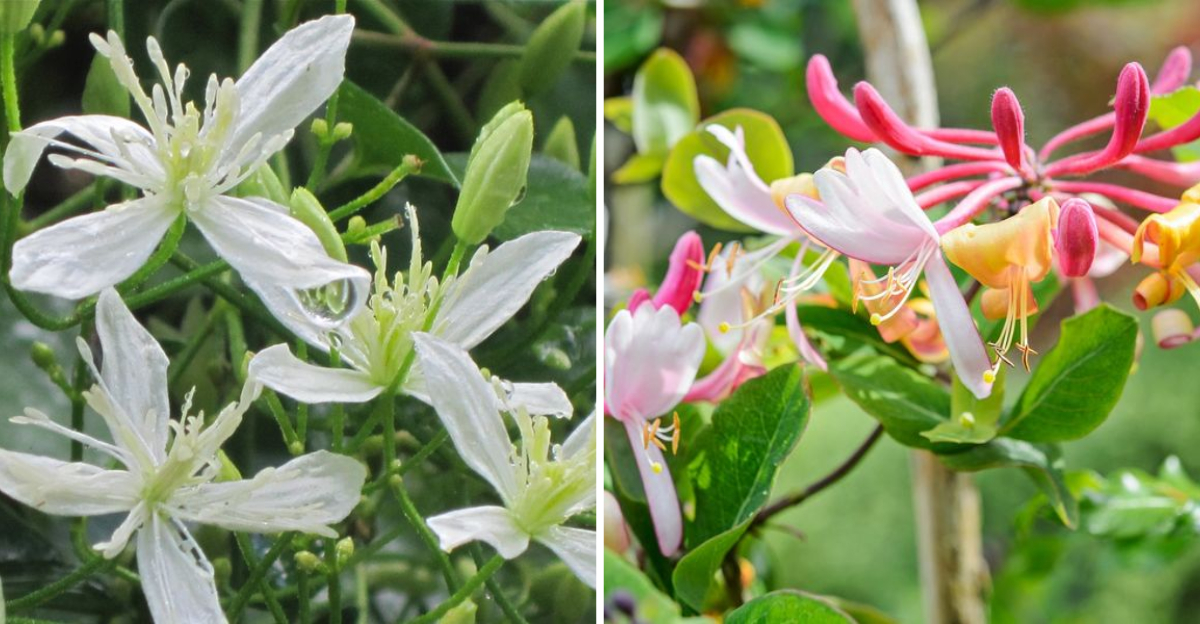
Gardening can be a time-consuming hobby, but not all plants demand constant attention. Climbing plants, in particular, offer a lush, green backdrop with minimal effort. For the time-short gardener, selecting the right vines that thrive on neglect means enjoying a vibrant garden without the continuous commitment. Here we explore 15 climbing plants that are not only low-maintenance but also add a splash of color and elegance to any outdoor space.
1. Virginia Creeper
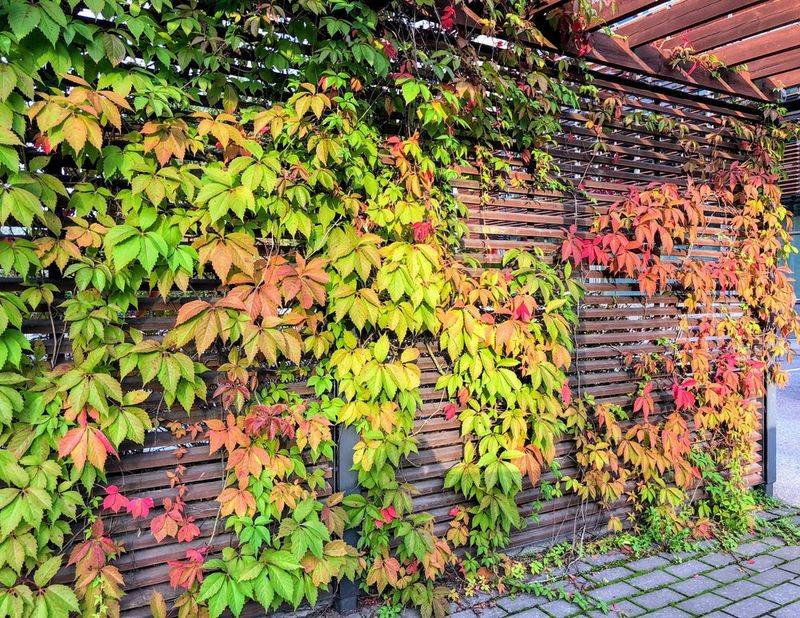
Known for its striking red foliage in the fall, Virginia Creeper is a beautiful addition to any garden. It doesn’t demand much attention, making it perfect for busy gardeners. This vine can cover large areas quickly, providing a natural privacy screen.
Its ability to thrive in various climates and soils adds to its appeal. While it grows rapidly, it’s easy to manage with occasional trimming.
Plant it along fences or trellises to enjoy its seasonal beauty. Fun fact: Virginia Creeper is often mistaken for poison ivy, but it’s harmless to touch.
2. Clematis ‘Sweet Autumn’
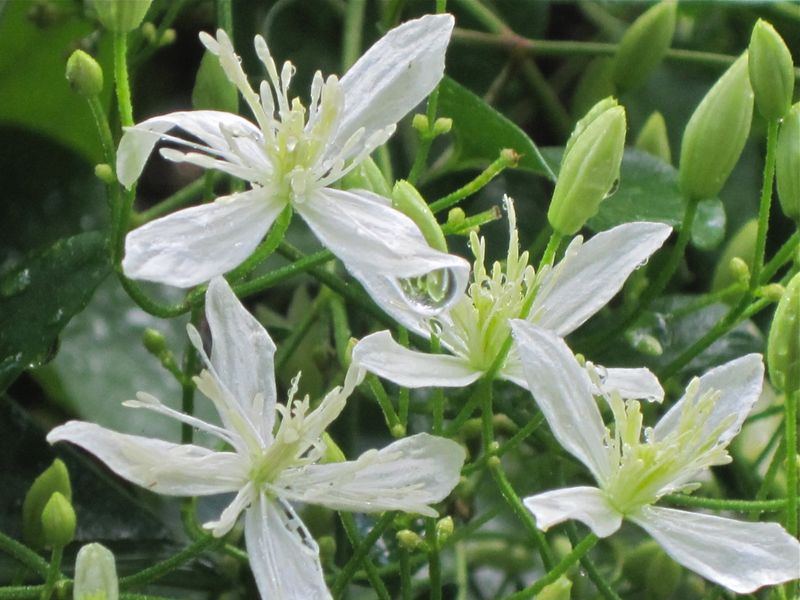
Clematis ‘Sweet Autumn’ enchants with its fragrant white flowers that bloom in late summer to fall. Its delicate scent is a pleasant surprise in the garden. Despite its elegant appearance, this vine requires little care.
It thrives in full sun to partial shade and adapts to most soil types. Once established, it can manage on its own with minimal watering.
Perfect for covering arbors or pergolas, its dense foliage provides shade and beauty. Historically, Clematis has been used in traditional medicine for its purported healing properties.
3. Boston Ivy
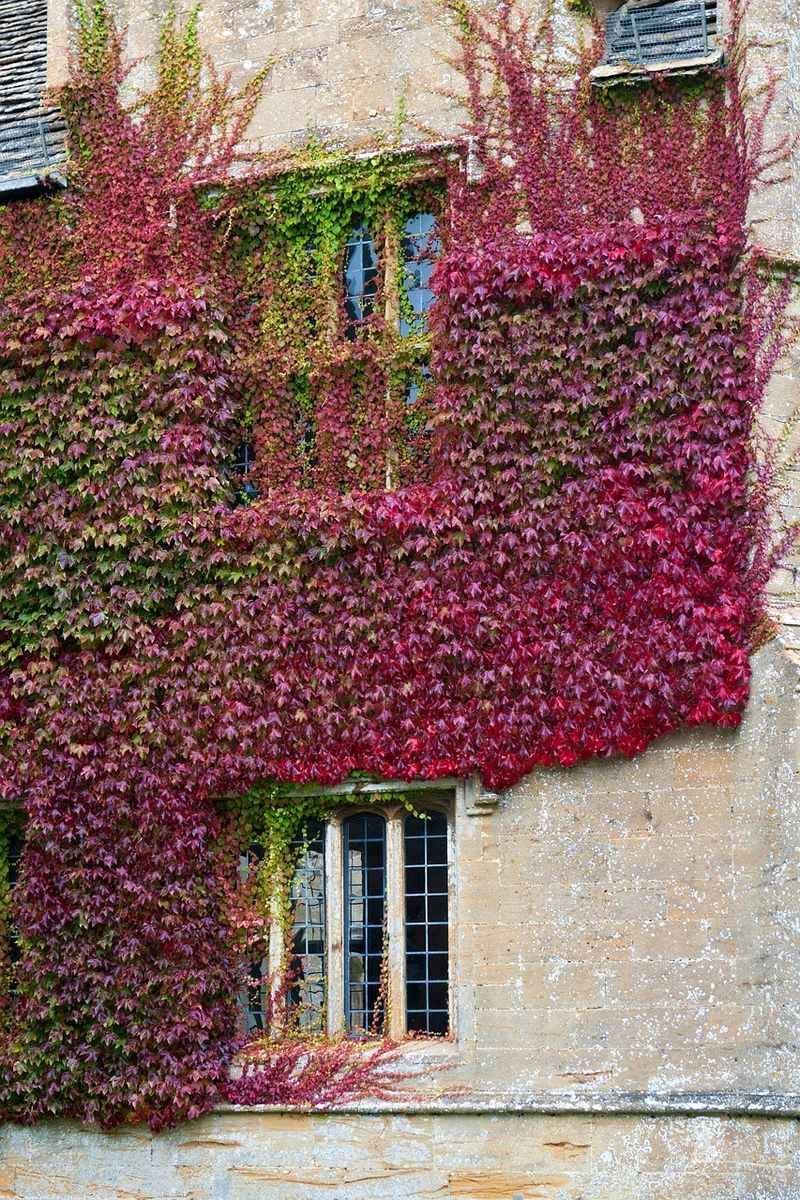
Boston Ivy, famous for its dynamic color changes, is a classic choice for covering walls and buildings. It starts with lush green leaves that turn brilliant shades of red and purple in the fall.
Low maintenance and fast-growing, it requires minimal intervention. Just plant it, and watch it climb!
It’s ideal for urban gardens where space is at a premium. Though not a true ivy, its name comes from its resemblance to English Ivy, and its ability to transform cityscapes with its vibrant hues.
4. Honeysuckle (Lonicera)
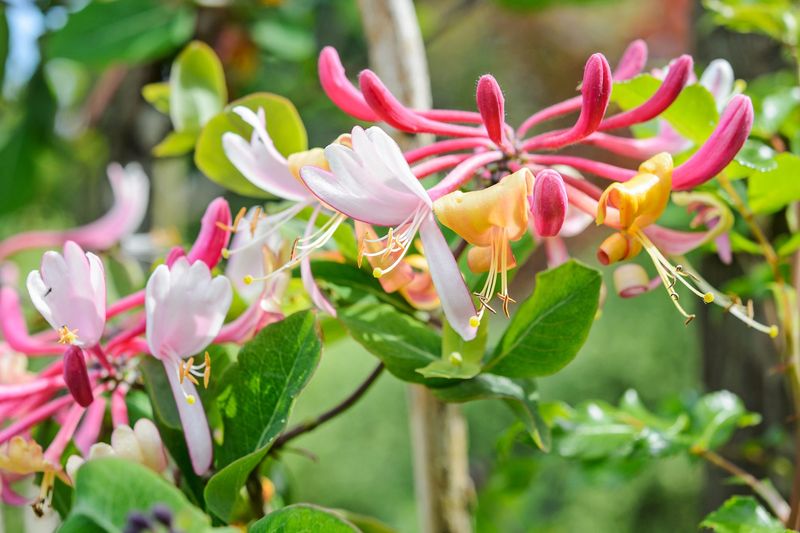
Honeysuckle offers an explosion of color and fragrance. Its tubular flowers attract hummingbirds and fill the air with a sweet aroma. This vine is perfect for those who love wildlife but lack time for garden upkeep.
Honeysuckle is robust and adaptable, thriving in various conditions. Plant it in full sun, and it will reward you with blooms from spring to fall.
Though it requires occasional pruning to prevent overgrowth, its charm is undeniable. Fun fact: Honeysuckle berries are often used in traditional medicine for their antioxidant properties.
5. Climbing Hydrangea
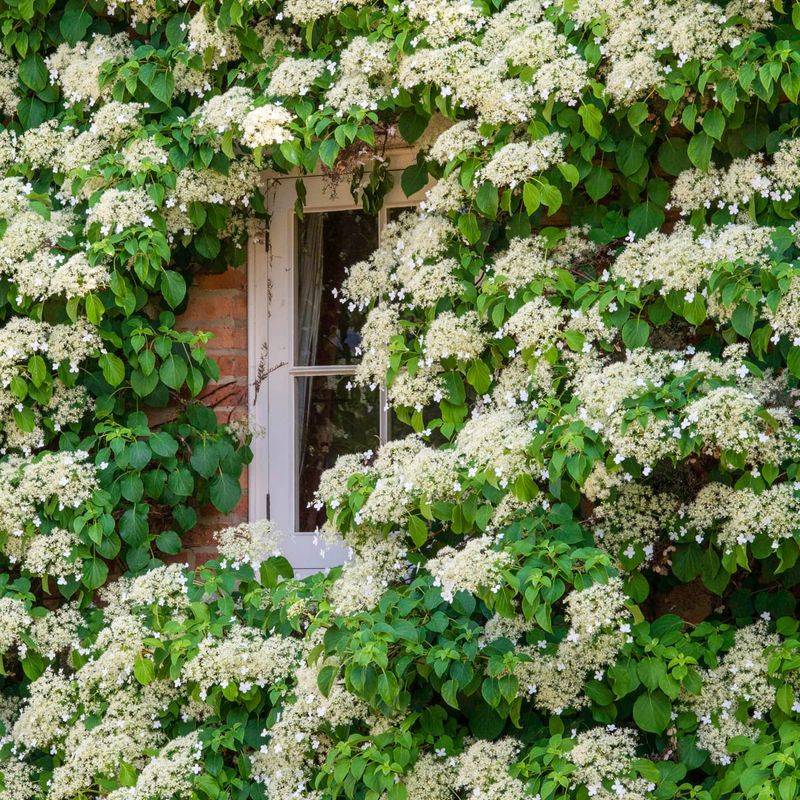
Climbing Hydrangea is the epitome of elegance in a garden. Its large, white flower clusters appear in late spring and add a touch of sophistication. Surprisingly, it thrives in shaded areas where other vines struggle.
This plant is a slow starter but needs little care once established. It clings to surfaces with aerial roots, covering walls and trellises beautifully.
A fun historical tidbit: Climbing Hydrangea is native to the woodlands of Asia and has been favored in Japanese gardens for centuries for its beauty and resilience.
6. Trumpet Vine
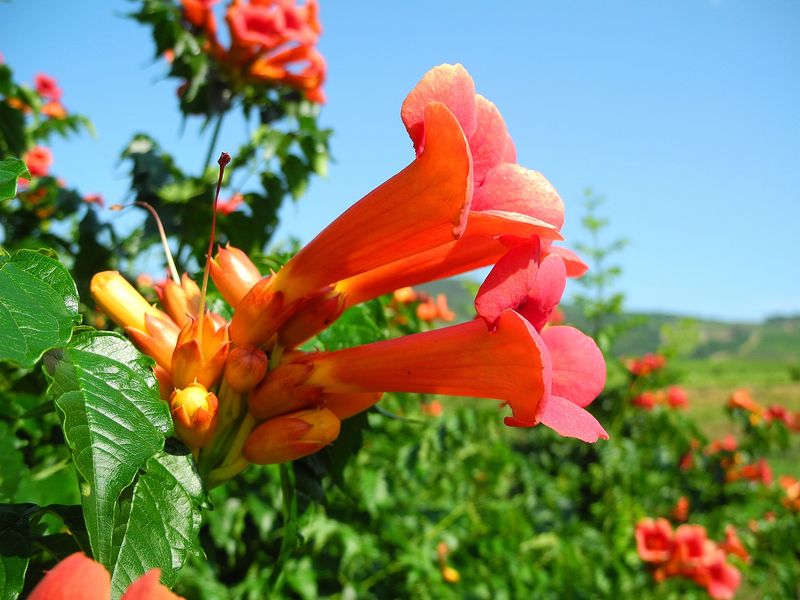
The Trumpet Vine demands attention with its striking orange flowers that resemble trumpets. Its bold presence in the garden makes it a favorite for adding color.
Once planted, this vine requires little assistance to flourish. It’s perfect for covering fences or arbors, providing a natural habitat for birds.
While fast-growing, it may need occasional pruning to keep in check. Did you know? The Trumpet Vine is native to the southeastern United States and has been a staple in American gardens for centuries.
7. Wisteria
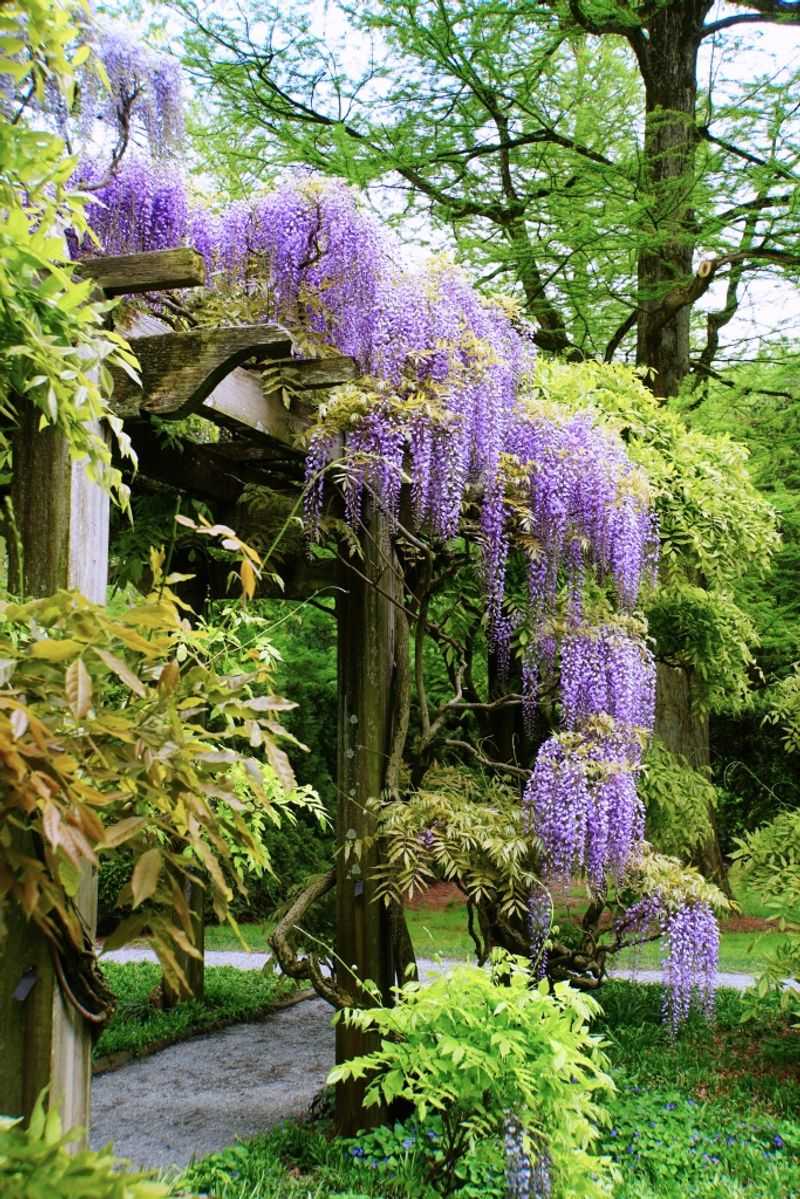
Wisteria is synonymous with romance, thanks to its cascading clusters of fragrant lavender flowers. It transforms any pergola into a fairy tale setting.
Though it requires initial support and guidance, once established, it thrives with minimal care. Plant it in full sun for the best blooms.
This vine can become quite large, so it may need occasional pruning. Fun fact: In Japan, Wisteria is celebrated in festivals, symbolizing love and longevity, and is a favorite subject in traditional art.
8. Jasmine
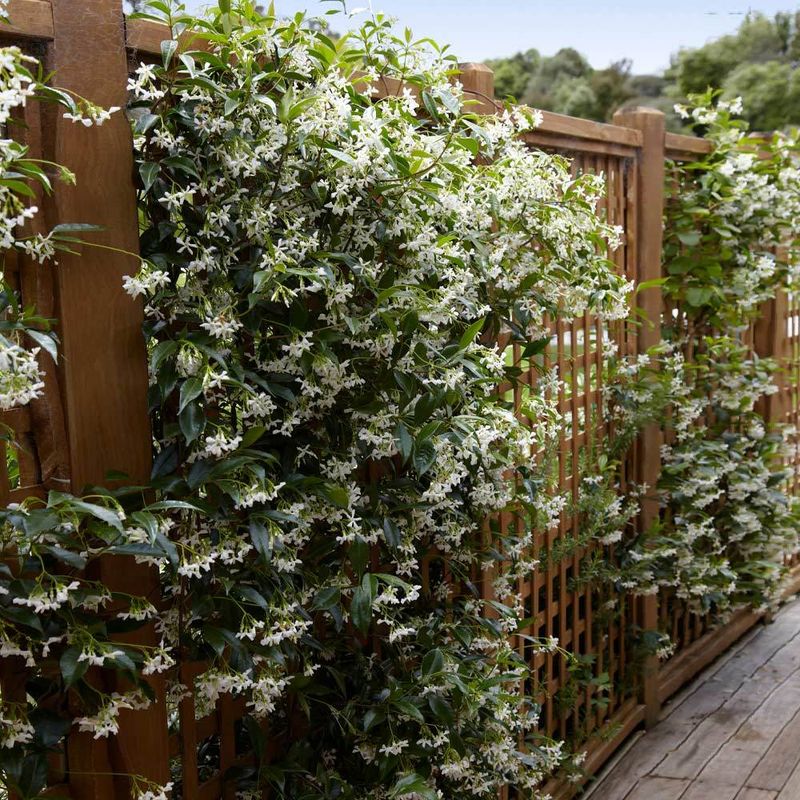
Jasmine enchants with its sweet fragrance and delicate white flowers. It’s perfect for creating a sensory garden experience with minimal effort.
This vine thrives in sunny locations and adapts to most soils. Once established, it needs little care, making it ideal for busy gardeners.
While it blooms primarily in summer, its evergreen nature provides year-round interest. A cultural note: Jasmine is often associated with love and purity, and its flowers are used in perfumes and herbal teas across the world.
9. Passionflower
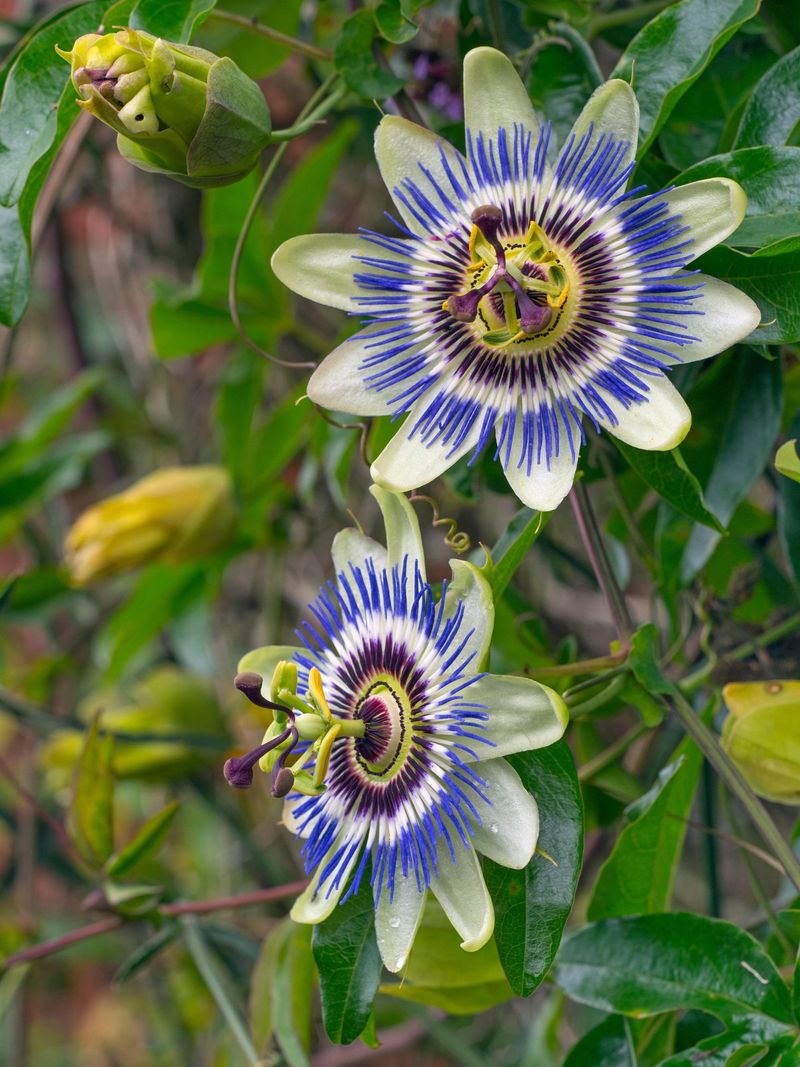
Passionflower captivates with its exotic and complex flowers. Each bloom is a masterpiece, inviting admiration in the garden.
Despite its delicate appearance, it’s surprisingly hardy and easy to grow. It flourishes in sun or partial shade, requiring little more than an occasional prune.
This vine is not just ornamental; it produces edible fruits used in various cuisines. Fun fact: The Passionflower was named by Spanish missionaries in the 16th century, who saw the flower as a symbol of the crucifixion of Christ.
10. Black-eyed Susan Vine
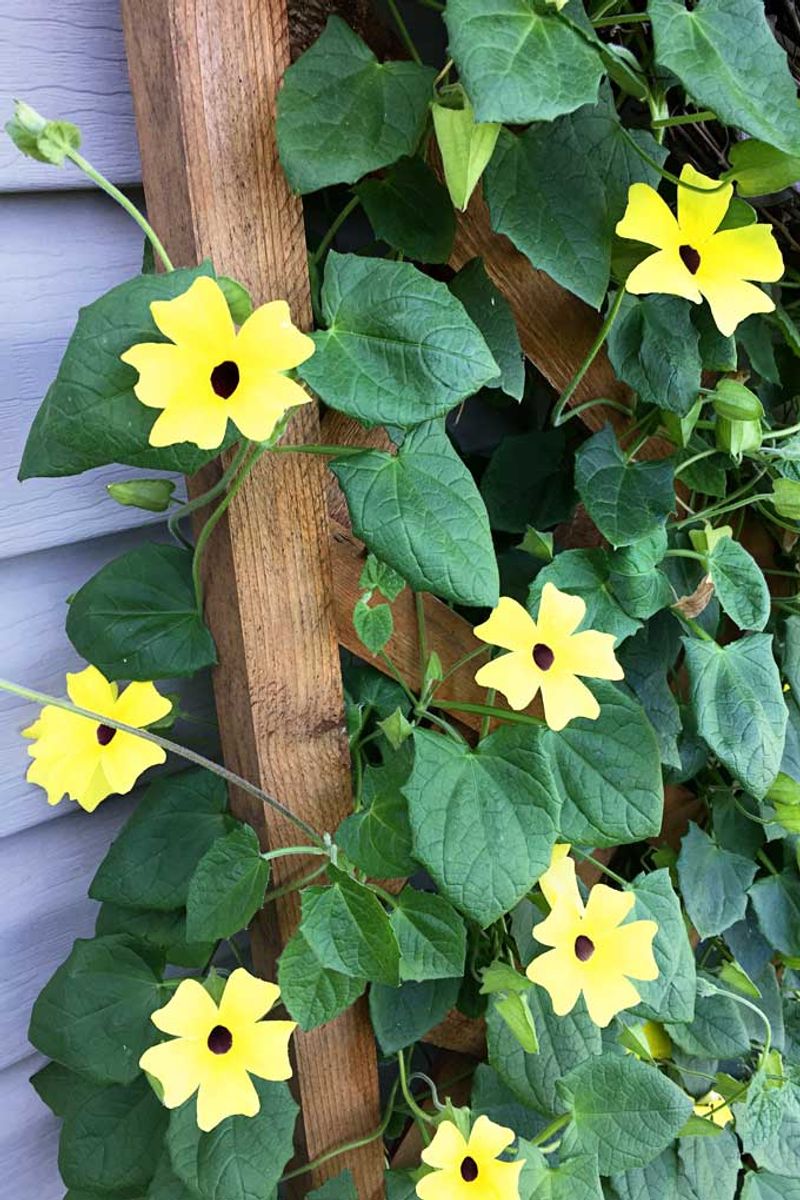
The Black-eyed Susan Vine brings cheer to any garden with its vibrant yellow flowers and distinctive dark centers. It’s an easygoing companion, requiring minimal care.
This vine grows quickly, making it perfect for annual displays in pots or up trellises. It thrives in full sun, lending a sunny disposition to the space.
Its blooms last from late spring through autumn, providing long-lasting color. A historical note: Named after the heroine of a traditional English ballad, the Black-eyed Susan has been a gardener’s favorite for centuries.
11. Bougainvillea
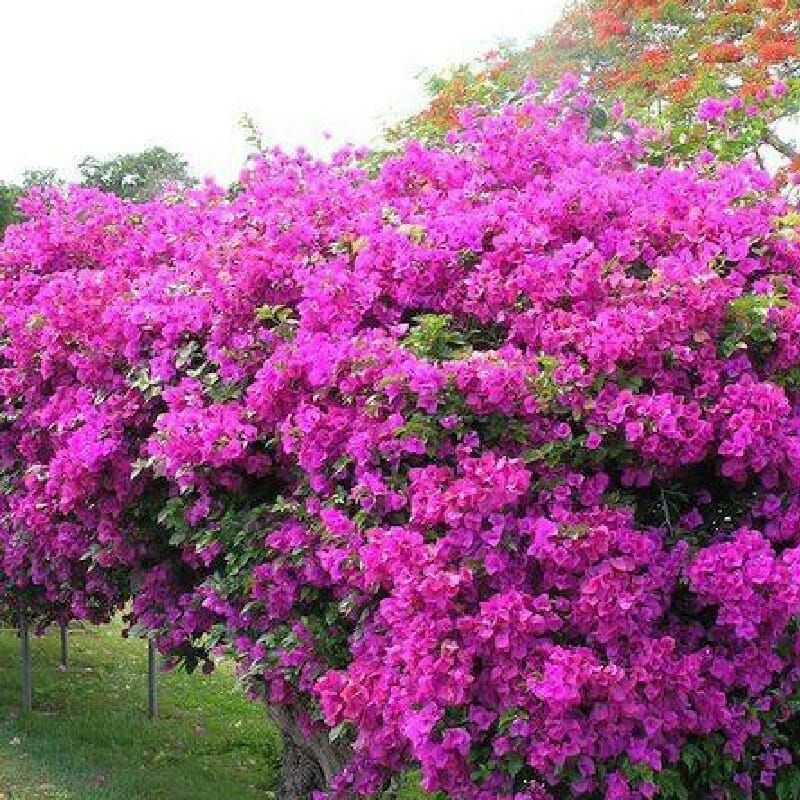
Bougainvillea dazzles with its vibrant, papery bracts in shades of pink, purple, and red. Its striking colors make it a standout in any garden.
This vine thrives in sunny, warm climates and is drought-tolerant once established. Minimal watering and pruning are needed to maintain its beauty.
Its resilience makes it ideal for hot, dry areas. Fun fact: Bougainvillea was named after a French admiral, Louis de Bougainville, who discovered the plant during his explorations in the 18th century.
12. Chocolate Vine (Akebia quinata)
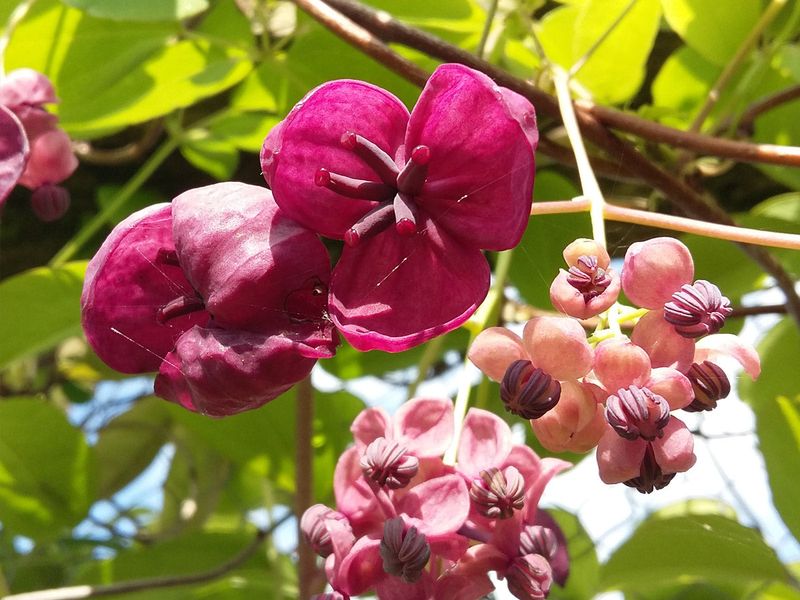
The Chocolate Vine intrigues with its unusual, chocolate-scented flowers. This vine adds an element of surprise and whimsy to the garden.
Adaptable and low-maintenance, it thrives in a variety of conditions, including shade. Its rapid growth requires occasional pruning.
Besides its ornamental appeal, it produces edible fruits with a sweet, subtle flavor. Historical tidbit: Native to Japan, the Chocolate Vine has been cultivated for both ornamental and culinary purposes for centuries.
13. Canary Creeper (Tropaeolum peregrinum)
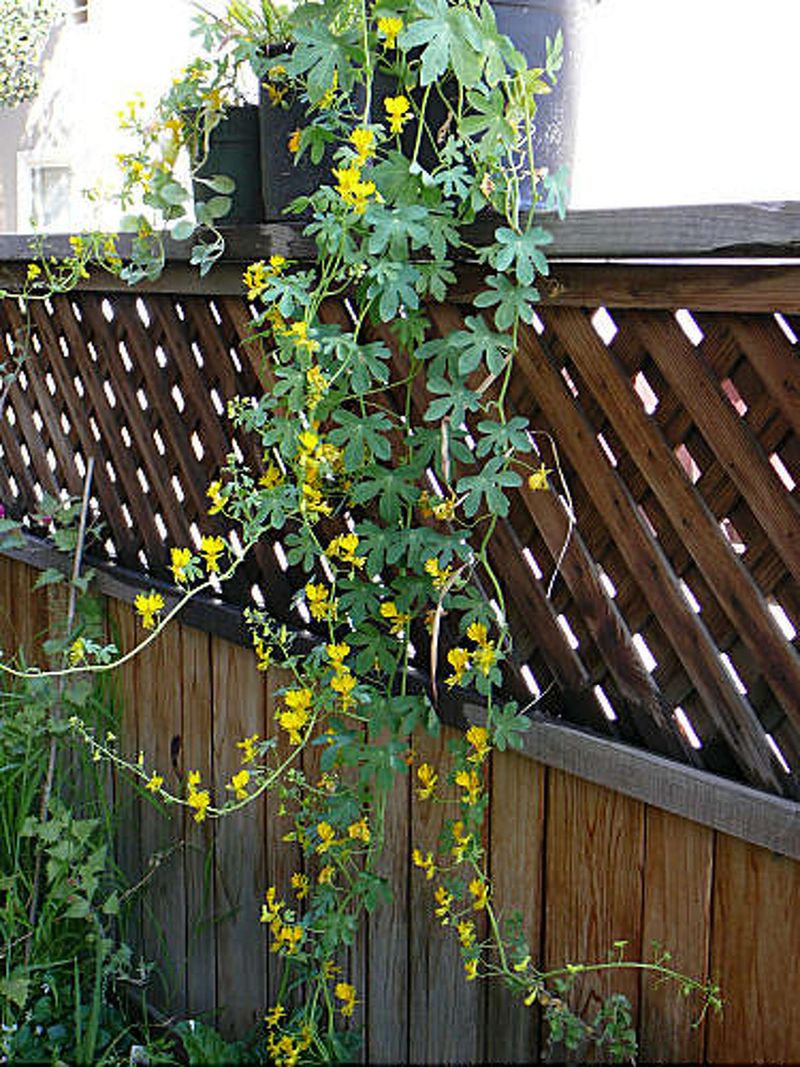
Canary Creeper delights with its bright yellow, fringed flowers that dance in the breeze. Its cheerful presence is perfect for bringing joy to a garden.
This vine is easy to grow, preferring sunny spots where it can cascade over fences or trellises. It requires minimal care and is fast-growing.
Blooms appear from summer to fall, providing a long-lasting display. Did you know? Despite its tropical appearance, the Canary Creeper is native to South America and has been a favorite in European gardens since the 19th century.
14. Star Jasmine
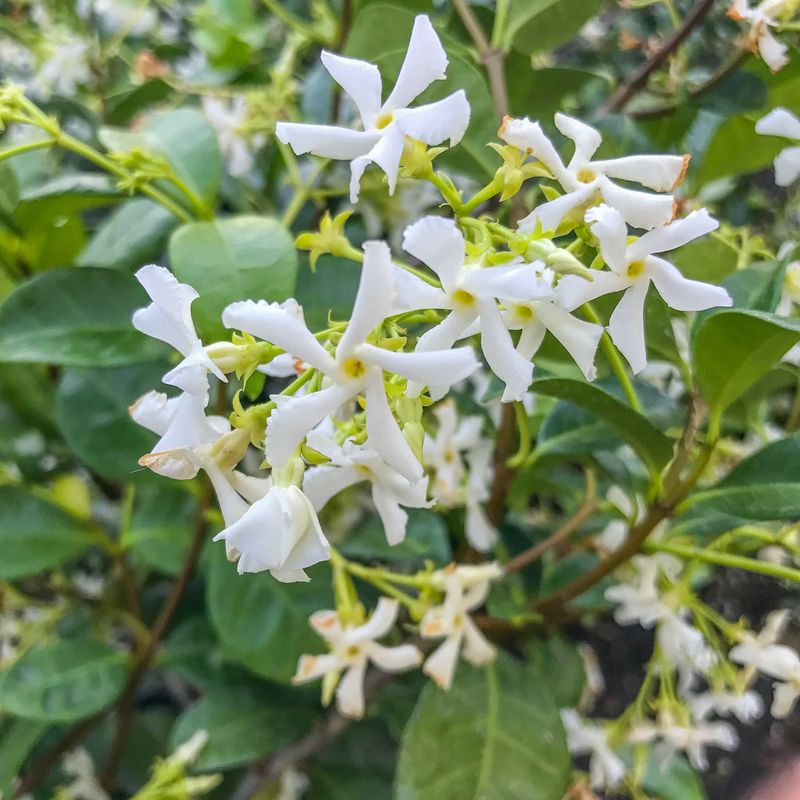
Star Jasmine enchants with its starry, white blooms and intoxicating fragrance. It’s perfect for creating a romantic, fragrant garden escape.
This vine is versatile, thriving in sun or partial shade. Once established, it requires little care, making it ideal for those with busy schedules.
Its evergreen nature ensures year-round greenery. Historical note: Star Jasmine has been cherished in Asian gardens for centuries, symbolizing purity and grace with its heavenly scent and elegant appearance.
15. Silver Lace Vine
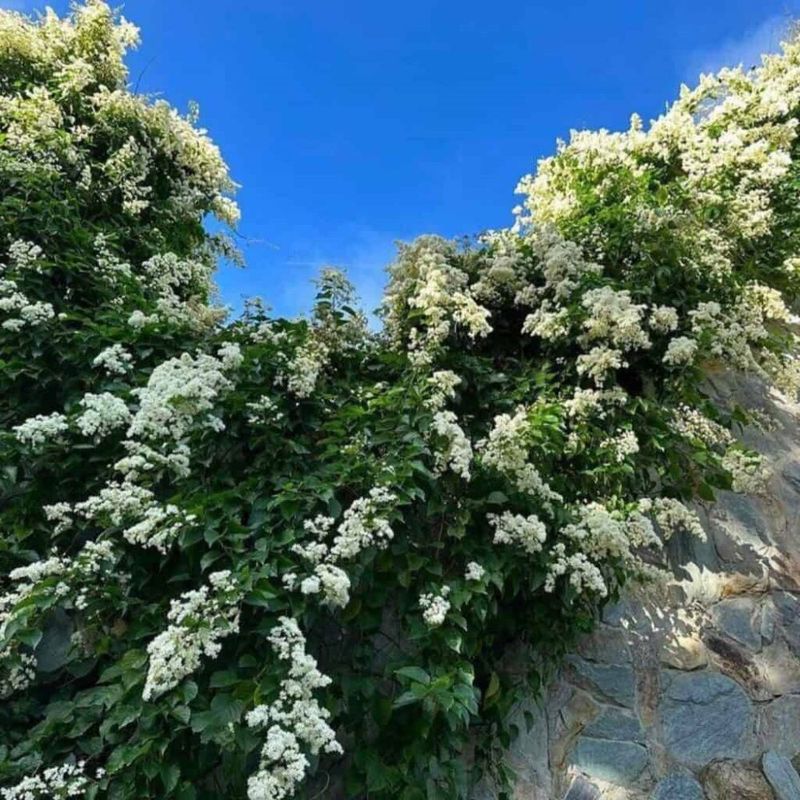
The Silver Lace Vine dances with the wind, its delicate white blooms a whisper against the sturdy trellis. Known for its vigorous growth, this vine can reach impressive heights, creating a lush green backdrop.
Its ability to withstand neglect makes it a favorite among busy gardeners. Resistant to pests and diseases, it thrives in poor soil, needing only occasional watering.
With its enchanting floral display and resilience, the Silver Lace Vine is a testament to nature’s ability to flourish with little human intervention. Its gentle beauty and adaptability set it apart.