 Complete Gardening
Living near Rhode Island’s beautiful coastline means dealing with salty air, strong winds, and sandy soil that can challenge most garden plants. Many flowers and shrubs that grow well inland simply can’t handle the tough conditions that come with ocean breezes. Fortunately, nature has provided us with amazing plants that actually thrive in these seaside environments, turning coastal challenges into gardening opportunities.
1. Beach Grass (Ammophila breviligulata)
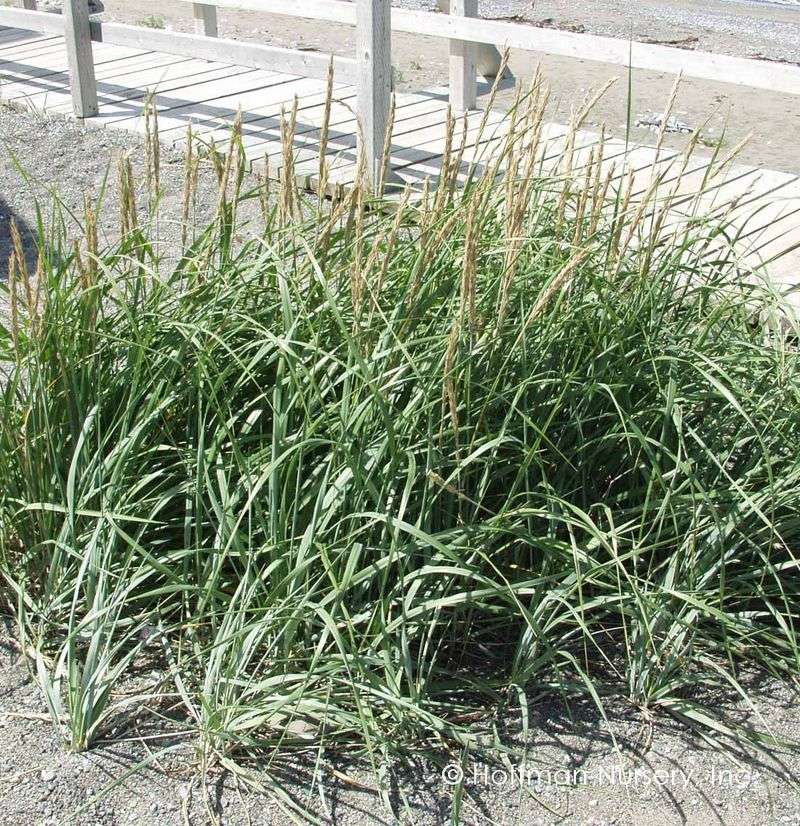
Nothing says “coastal garden” quite like the graceful swaying of beach grass in ocean winds. This native Rhode Island champion grows naturally along our shorelines and dunes.
Beach grass loves sandy soil and salty conditions that kill other plants. The deep root system prevents erosion while creating natural privacy screens.
Plant clumps three feet apart in spring for best results. Water regularly the first year, then watch it spread naturally into beautiful golden waves.
2. Rugosa Rose (Rosa rugosa)
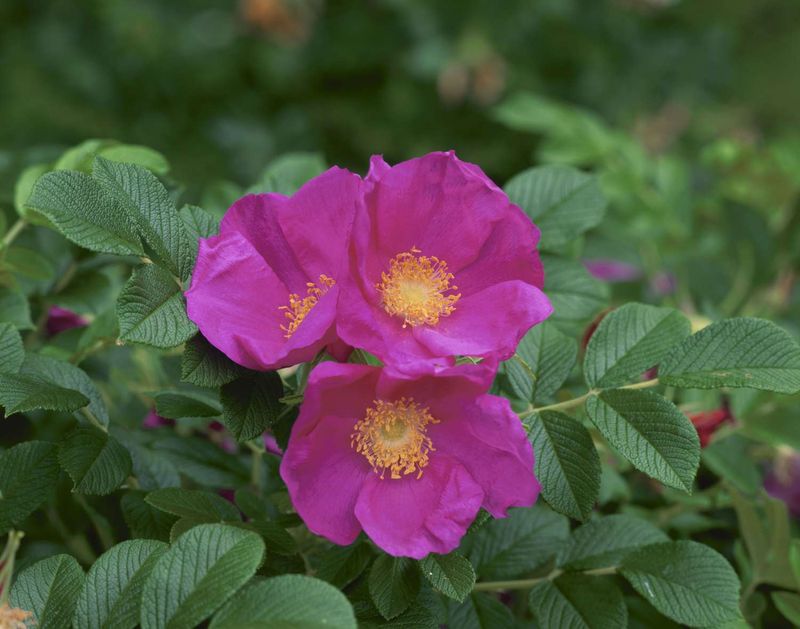
Tough as nails and twice as beautiful, rugosa roses bloom all summer long despite salt spray and harsh winds. These thorny beauties produce fragrant pink or white flowers followed by bright red hips.
Birds love the vitamin-rich hips, making your garden a wildlife haven. The thick, wrinkled leaves turn golden yellow in fall, adding seasonal interest.
Plant in well-draining soil and watch them spread into natural hedges. Minimal care required once established – perfect for busy coastal gardeners.
3. Bayberry (Myrica pensylvanica)
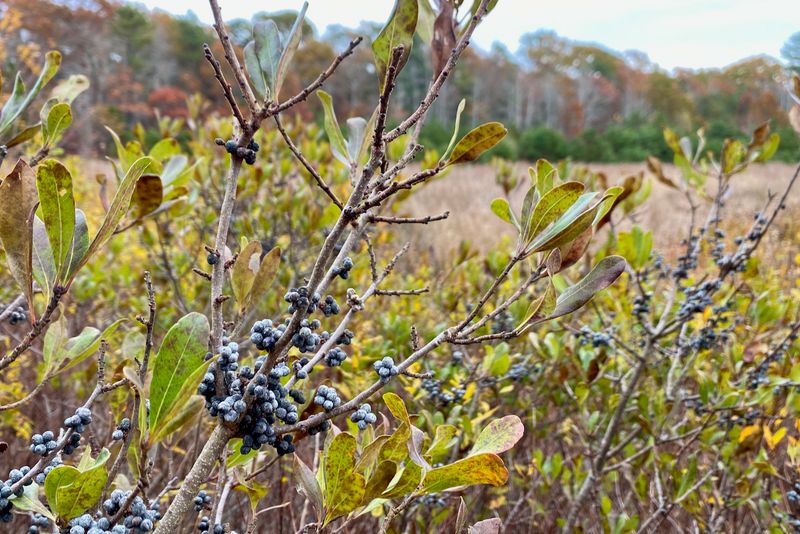
Colonial candle makers treasured bayberry’s waxy gray berries, and modern gardeners love this native shrub’s incredible toughness. Salt tolerance runs in its DNA after centuries of coastal living.
Fragrant leaves release a spicy scent when crushed, while clusters of berries feed winter birds. The silvery-green foliage looks great year-round.
Plant both male and female shrubs for berry production. Grows slowly but surely in poor, sandy soil where other plants struggle to survive.
4. Sea Lavender (Limonium carolinianum)
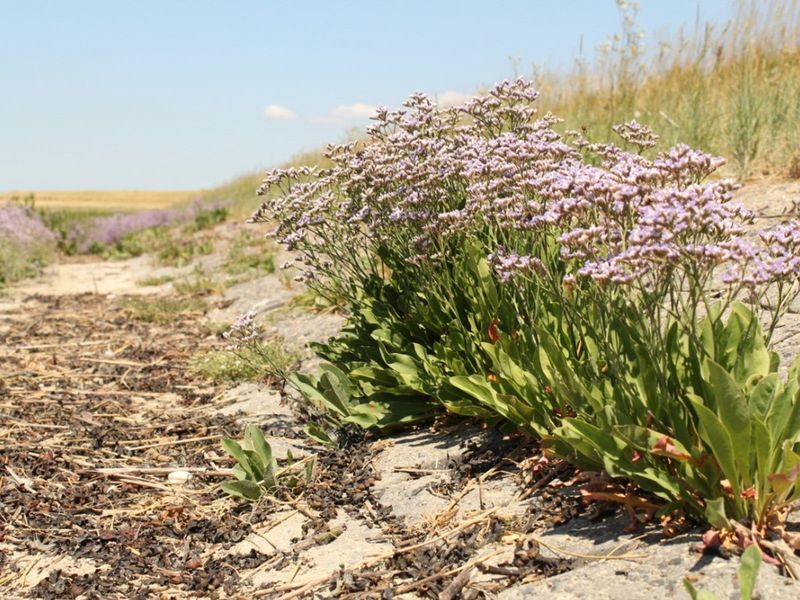
Delicate purple flower clouds float above thick, leathery leaves that laugh at salt spray. Sea lavender brings cottage garden charm to the harshest coastal conditions.
Blooms last from mid-summer through fall, attracting butterflies and beneficial insects. Cut flowers dry beautifully for indoor arrangements that smell like summer.
Plant in full sun and sandy soil for best performance. Once established, this perennial needs almost no water or care – just annual cleanup in spring.
5. Switchgrass (Panicum virgatum)
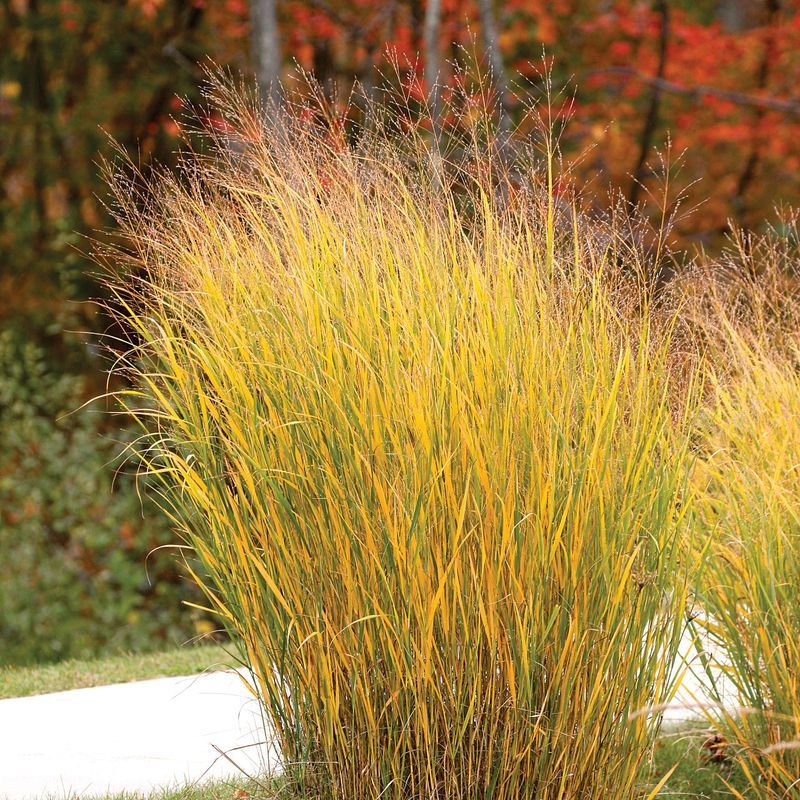
Prairie winds prepared switchgrass for coastal living, making it incredibly adaptable to Rhode Island’s seaside conditions. This native ornamental grass creates movement and sound in ocean breezes.
Blue-green summer foliage transforms to golden copper in fall, topped with airy seed heads that birds adore. Winter structure adds year-round garden interest.
Grows four to six feet tall in clumps that won’t spread aggressively. Cut back in early spring before new growth emerges for tidiest appearance.
6. Seaside Goldenrod (Solidago sempervirens)
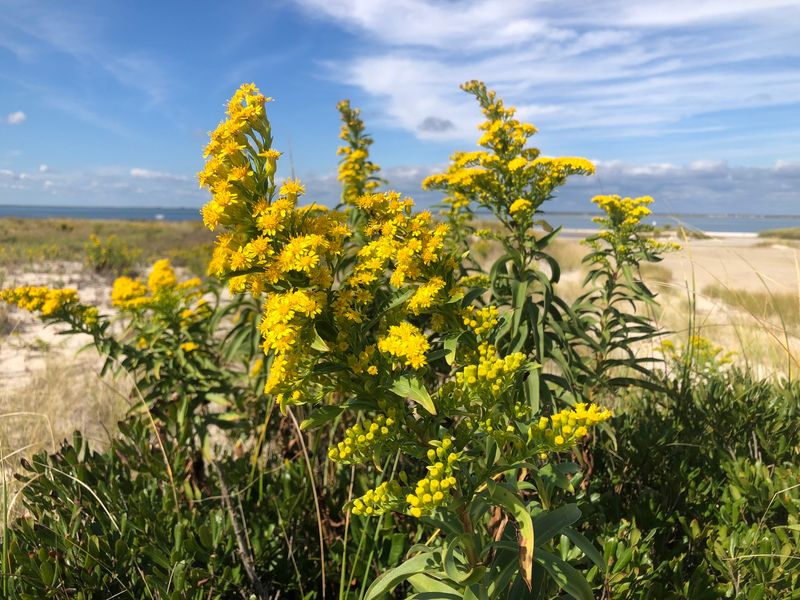
Bright yellow flower plumes light up fall gardens when most other plants are fading. Seaside goldenrod thrives where regular goldenrod would wither from salt exposure.
Monarch butterflies depend on goldenrod for late-season nectar during their southern migration. The thick, succulent-like leaves store water for drought tolerance.
Spreads slowly by underground runners but never becomes invasive. Pairs beautifully with asters and ornamental grasses for natural fall displays that support local wildlife.
7. Inkberry Holly (Ilex glabra)
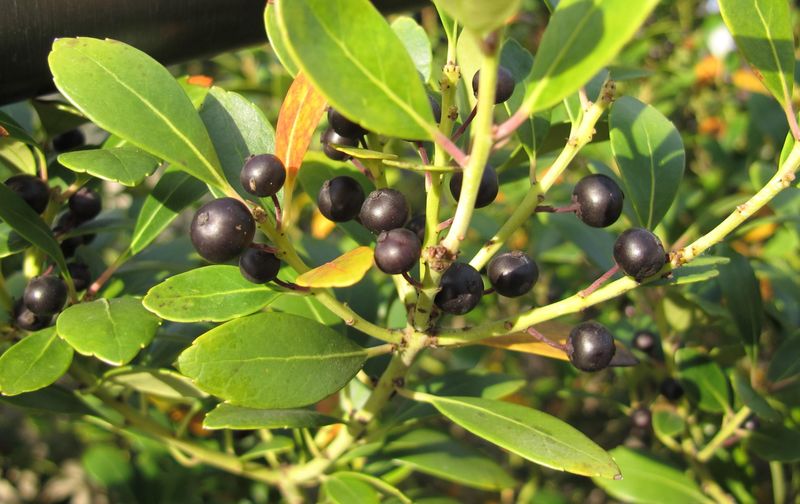
Evergreen elegance meets coastal toughness in this native holly that keeps gardens looking good all winter. Small white flowers attract pollinators, while black berries feed birds through cold months.
Dense, rounded growth habit makes excellent foundation plantings or privacy hedges. Glossy green leaves never look stressed despite salt spray and wind.
Grows three to eight feet tall depending on variety. Plant several for reliable berry production – both male and female plants needed for fruiting success.
8. Beach Pea (Lathyrus japonicus)
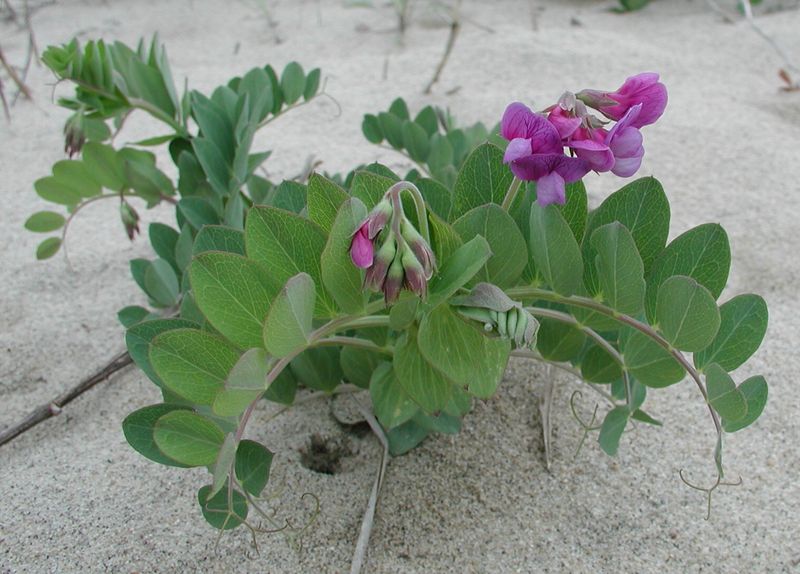
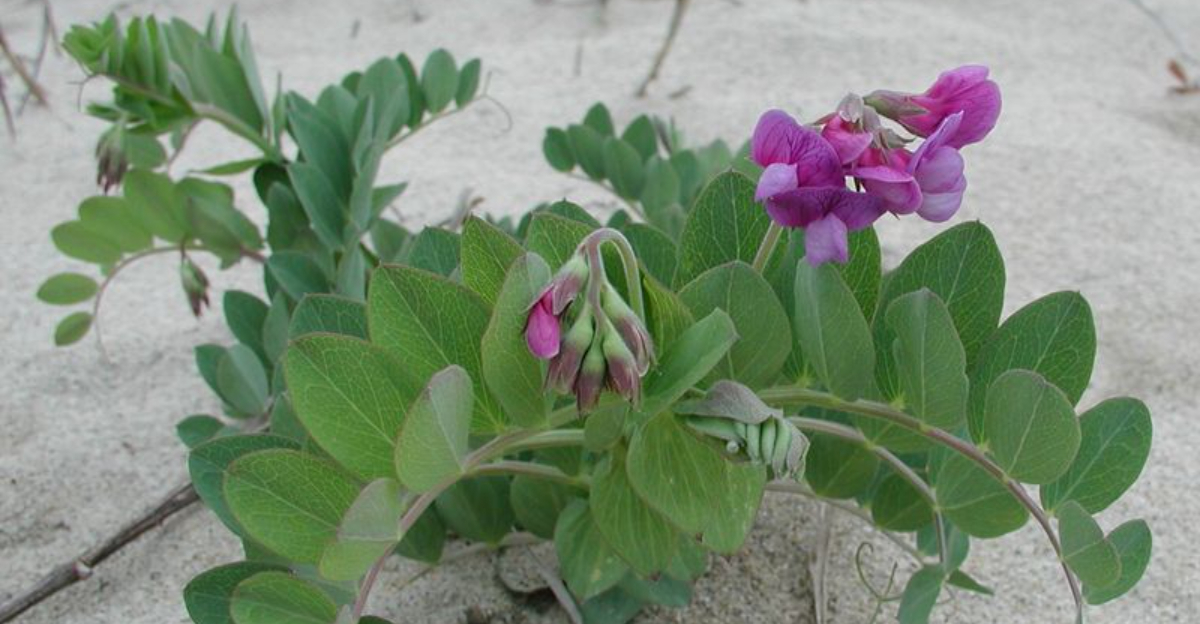
Purple pea flowers dance on trailing vines that hug sandy ground and rocky outcrops. This native groundcover fixes nitrogen in poor soils while creating colorful carpets.
Thick, blue-green leaves and stems resist both salt damage and drought stress. Edible pea pods provide emergency food for coastal foragers.
Spreads by underground rhizomes and self-seeding to fill bare spots naturally. Perfect for erosion control on slopes or challenging areas where grass won’t grow successfully.
9. Pitch Pine (Pinus rigida)
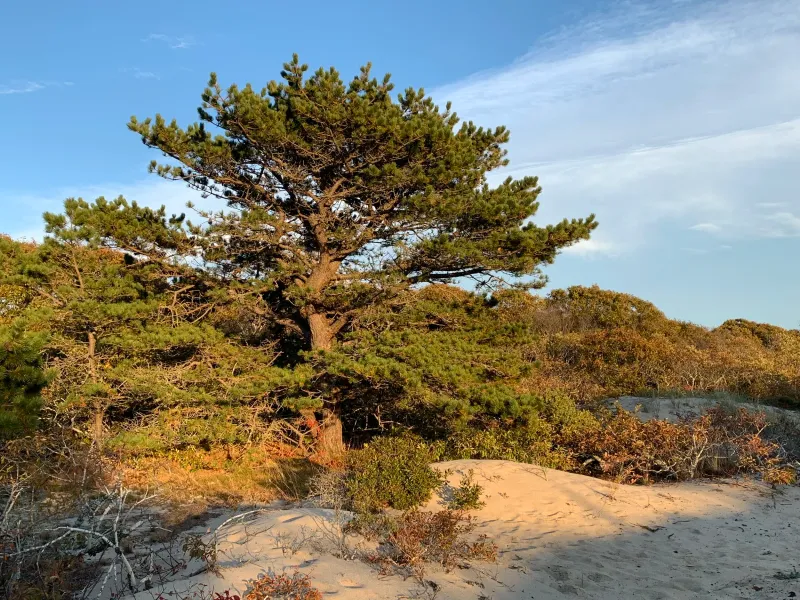
Gnarled and weathered by decades of ocean storms, pitch pines develop character that perfectly captures the rugged beauty of coastal New England. These native evergreens actually grow stronger in harsh conditions.
Unique ability to sprout new growth directly from the trunk after storm damage. Three-needle clusters and small cones add textural interest year-round.
Grows 40-60 feet tall but can be pruned smaller for residential landscapes. Extremely drought tolerant once roots establish in sandy coastal soils.
10. New England Aster (Symphyotrichum novae-angliae)
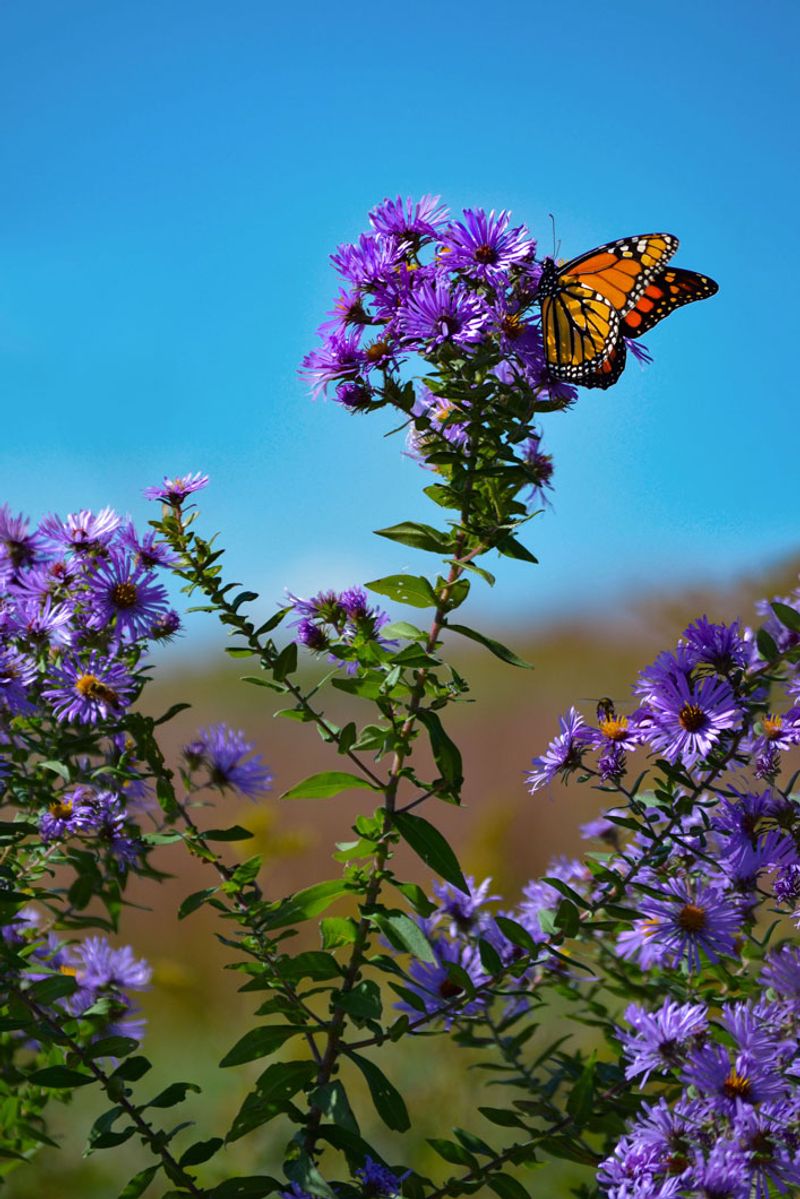
September gardens explode with purple when New England asters burst into bloom. Each plant produces hundreds of small flowers that create clouds of color lasting through October frosts.
Monarch butterflies time their fall migration to coincide with aster blooms. Native bees and other pollinators also depend on this late-season nectar source.
Grows three to six feet tall in full sun to partial shade. Pinch growing tips in early summer for bushier plants with more flowers.
11. Eastern Red Cedar (Juniperus virginiana)
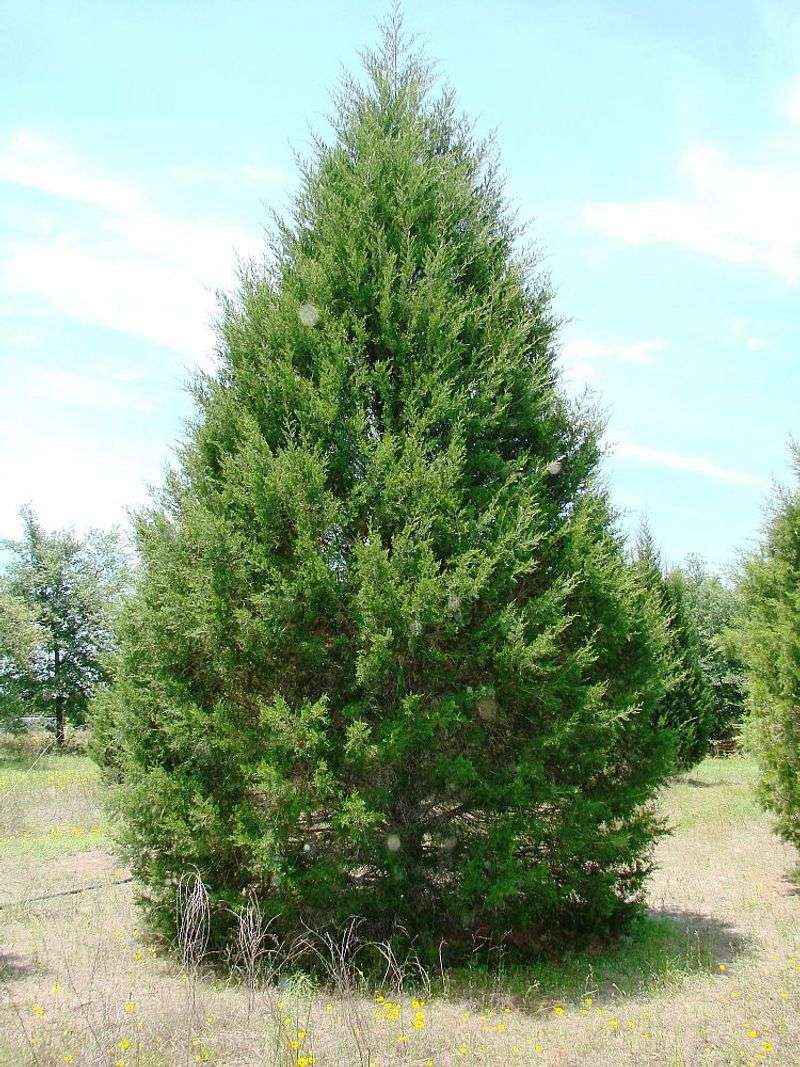
Salt-tolerant evergreen screening doesn’t get tougher than eastern red cedar. These native conifers create living windbreaks that protect more delicate plants from harsh ocean breezes.
Blue berry-like cones attract cedar waxwings and other songbirds. Fragrant, scale-like foliage ranges from green to silvery-blue depending on growing conditions.
Grows slowly but steadily to 40 feet tall and 15 feet wide. Extremely drought tolerant and requires no supplemental watering once established in coastal gardens.
12. Dusty Miller (Senecio cineraria)
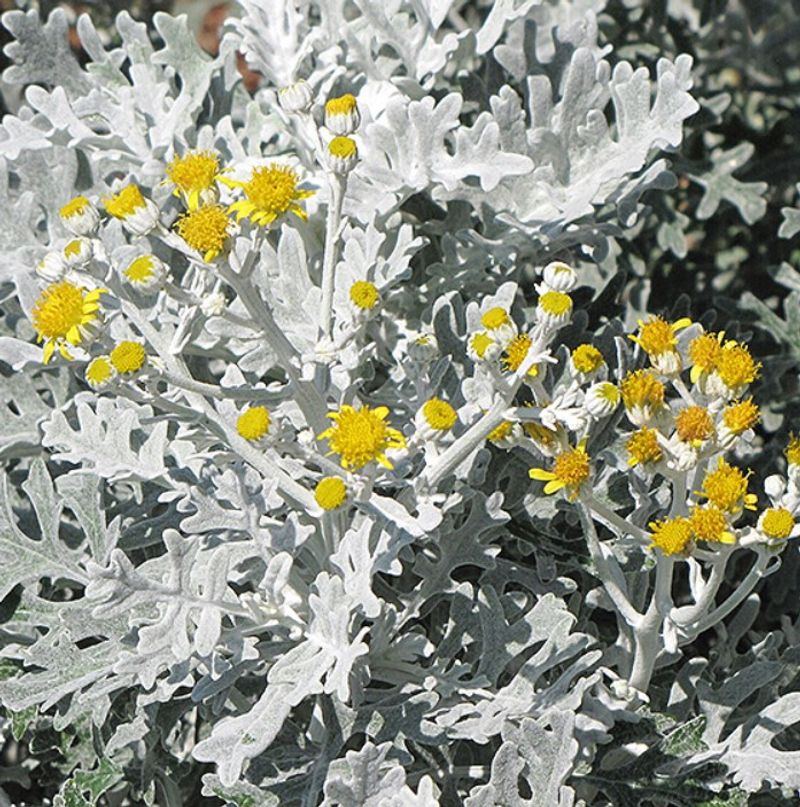
Silvery-white foliage glows like moonlight in coastal gardens, creating stunning contrasts with colorful flowering plants. This Mediterranean native adapted perfectly to seaside conditions worldwide.
Fuzzy, deeply-cut leaves resist salt damage while adding sophisticated texture to flower beds and containers. Cool gray color complements both hot and cool flower colors beautifully.
Treat as annual in Rhode Island or overwinter indoors in containers. Pinch flower buds to maintain compact, bushy growth and keep foliage looking its silvery best.
13. Sedum (Sedum spectabile)
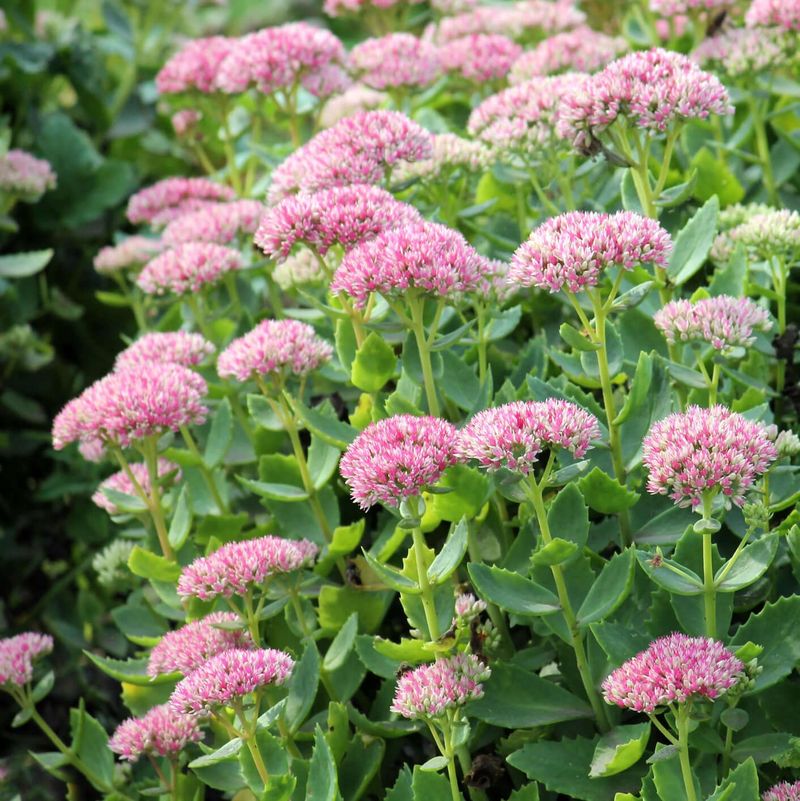
Succulent magic happens when sedums meet salty air – these fleshy-leaved perennials store water in their leaves and laugh at drought conditions. Pink flower clusters attract butterflies in late summer.
Thick, blue-green leaves on sturdy stems create architectural interest even when not blooming. Flowers dry to attractive seed heads that provide winter garden structure.
Plant in well-draining soil and full sun for best performance. Divide clumps every three to four years to maintain vigor and prevent overcrowding.
14. Beach Plum (Prunus maritima)
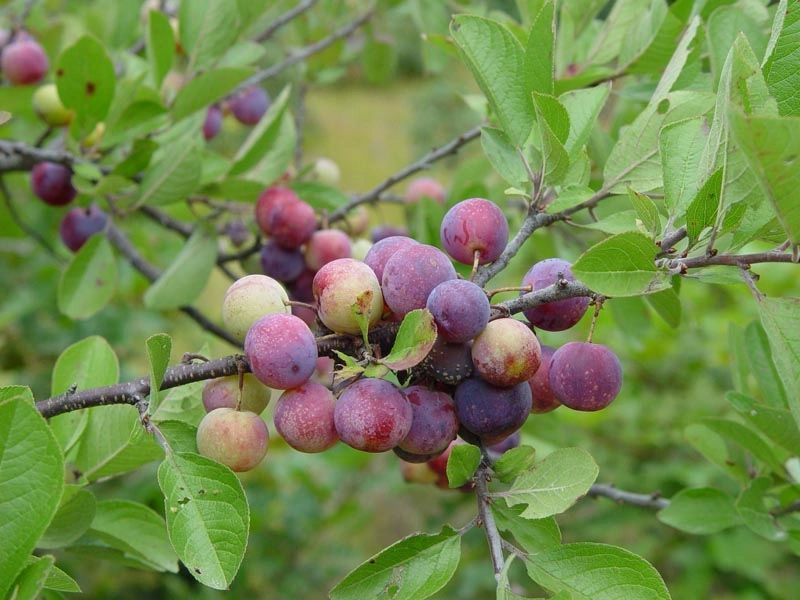
Native beach plums survived ice ages and countless coastal storms to become Rhode Island gardening treasures. Spring brings clouds of white flowers followed by purple fruits perfect for jams and jellies.
Low, spreading growth habit makes excellent groundcover for slopes and difficult areas. Fall foliage turns brilliant orange and red before dropping.
Plant multiple varieties for best fruit production and extended harvest season. Tolerates poor, sandy soil and salt spray that would damage most fruit trees completely.
15. Salt Marsh Aster (Symphyotrichum tenuifolium)
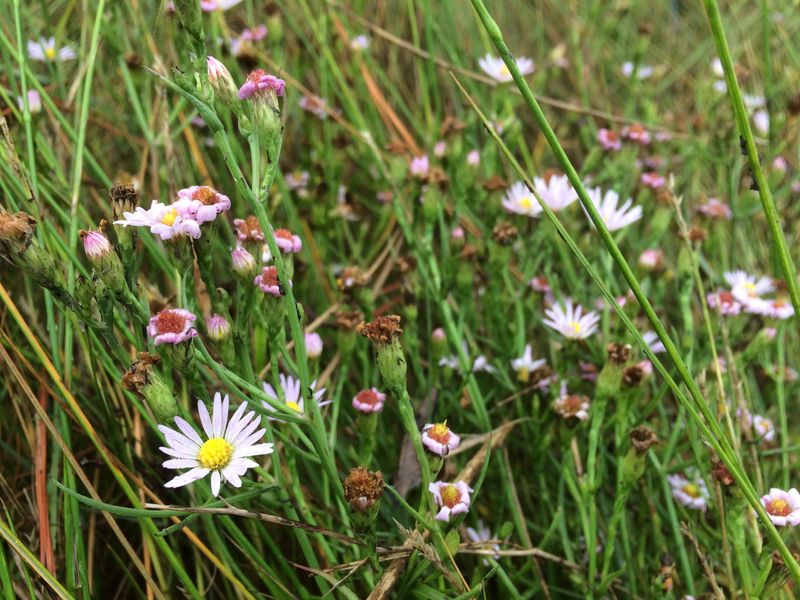
Tiny white flowers with yellow centers create delicate clouds of bloom in fall salt marshes and coastal gardens. This specialized native aster evolved specifically for Rhode Island’s toughest growing conditions.
Narrow, linear leaves resist salt damage while the deep root system finds water in sandy soils. Late blooms provide crucial nectar when few other flowers remain.
Grows two to four feet tall and spreads slowly by rhizomes. Perfect for naturalized areas or wildflower meadows where low maintenance and wildlife value matter most.