 Complete Gardening
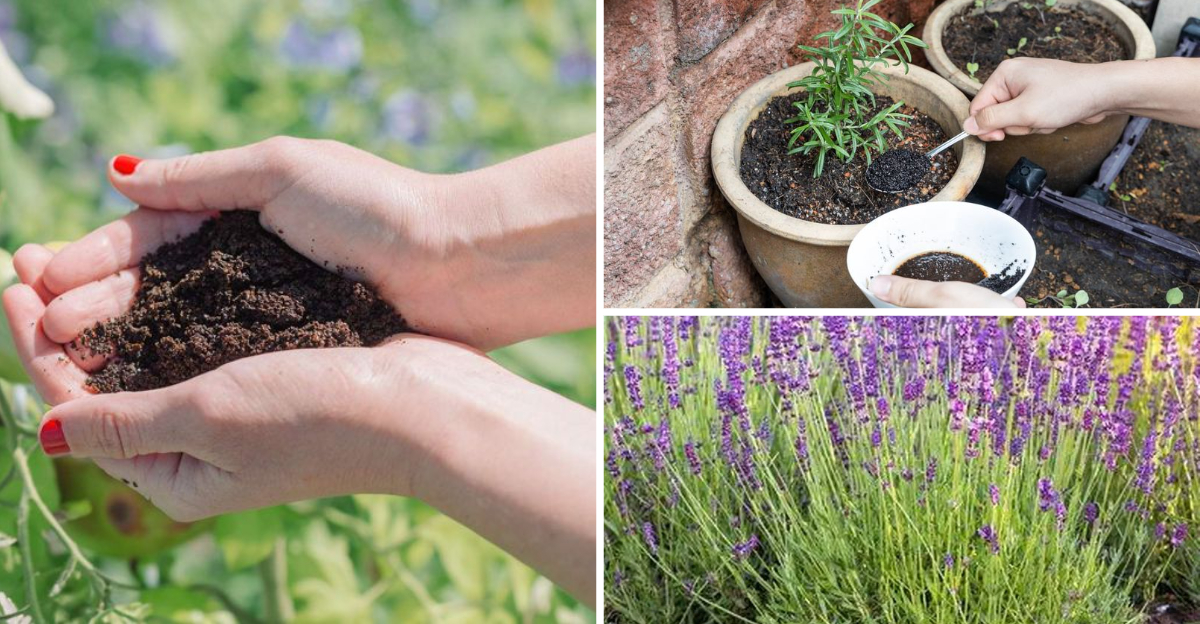
Coffee grounds are a popular organic material used in gardens for their nutrient content. However, not all plants benefit from them, and some may even be harmed. Below is a detailed list of 17 plants that you should avoid exposing to coffee grounds in your garden.
1. Tomato
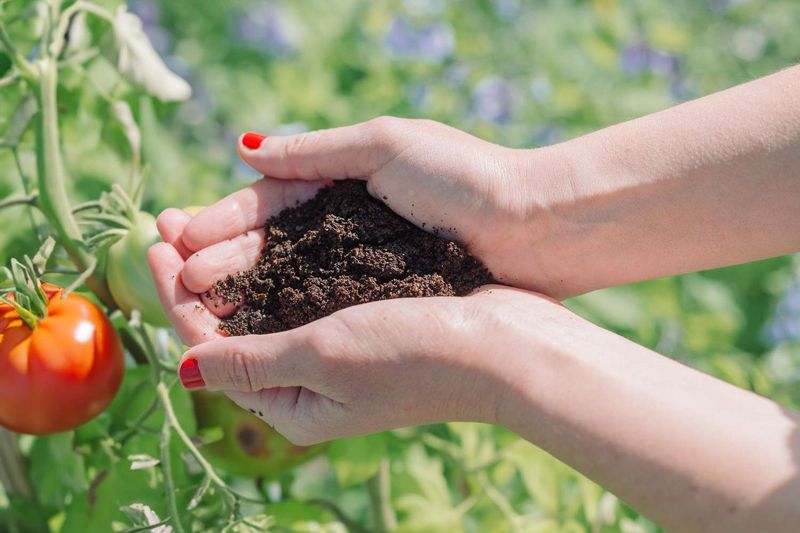
Tomatoes, with their juicy and vibrant fruits, might seem robust, but they have a delicate side. Coffee grounds can alter the soil’s acidity, which tomatoes are sensitive to. This change can impede their growth and reduce fruit production.
Additionally, the grounds can encourage fungal growth, not ideal for these loveable plants. Imagine waiting for that perfect tomato salad and ending up with withered vines instead.
If you treasure your tomato harvest, it’s best to keep coffee grounds at bay and find alternative ways to nourish your soil.
2. Lavender
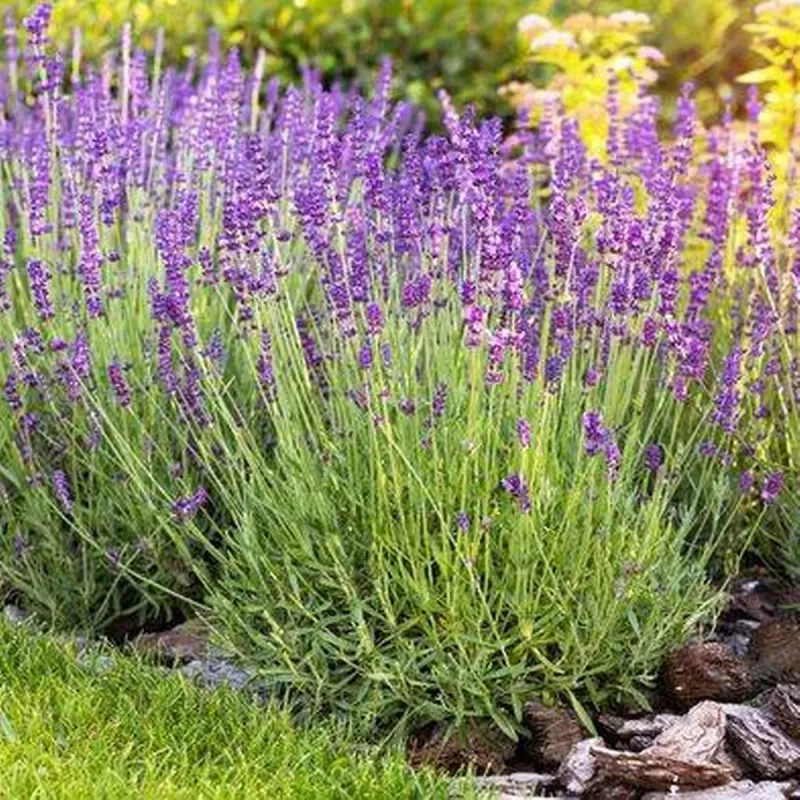
Known for its calming aroma, lavender thrives in well-drained soil with a neutral to alkaline pH. Coffee grounds, however, can increase acidity and retain moisture, creating an unfavorable environment for lavender.
This fragrant plant, often used for relaxation, may struggle to bloom when the soil conditions are disrupted.
To ensure your lavender remains lush and aromatic, keep those coffee grounds away and let them bask in their preferred soil conditions.
3. Rosemary
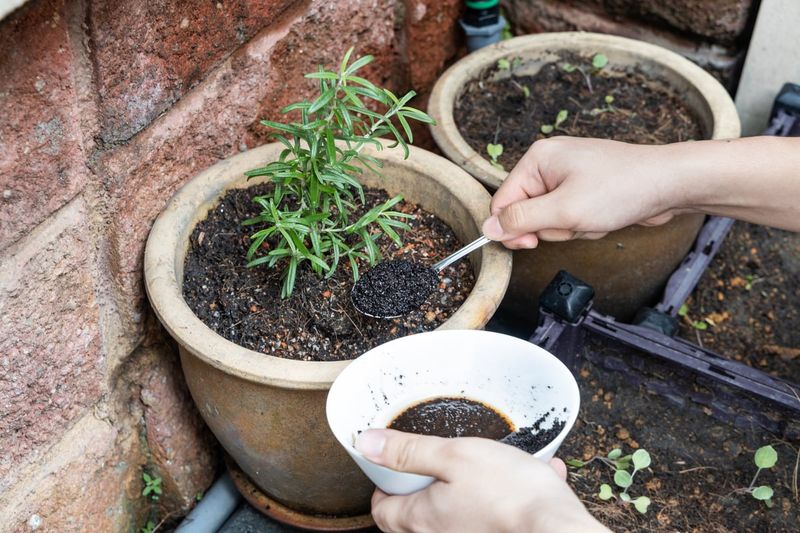
Rosemary, a staple in culinary gardens, prefers a dry, sandy soil. The moisture-retaining nature of coffee grounds can suffocate rosemary, causing root rot.
Imagine reaching for a fresh sprig and finding your robust rosemary weakened and drooping.
To keep your rosemary thriving and aromatic, avoid coffee grounds and opt for well-draining soil mixes instead.
4. Sage
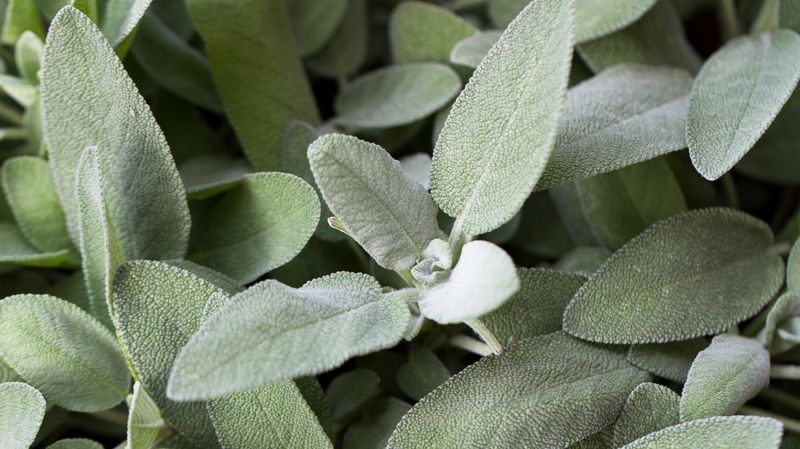
Sage, with its velvety leaves, is a gardener’s favorite for its hardiness. Yet, it doesn’t flourish with coffee grounds. The grounds’ acidity can stunt its growth and lead to leaf discoloration.
Picture your sage losing its vibrant color, a sad sight for anyone who loves its earthy aroma.
For a flourishing sage plant, steer clear of coffee grounds, ensuring it stays healthy and productive in your herb garden.
5. Aloe Vera
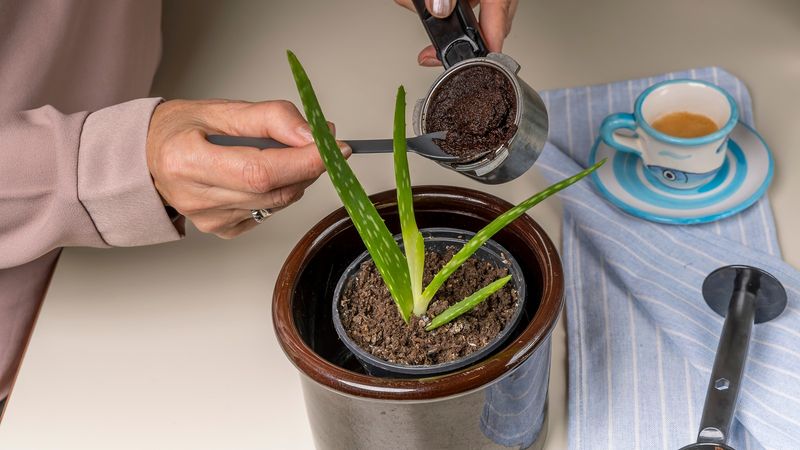
Aloe Vera, known for its medicinal qualities, thrives in well-drained soil. Coffee grounds hold moisture, creating a breeding ground for root rot.
The idea of a succulent drowning is a stark reminder of the wrong soil conditions.
Keep your aloe vera vibrant and healthy by avoiding coffee grounds and ensuring it has plenty of drainage to prevent any soggy situations.
6. Orchid
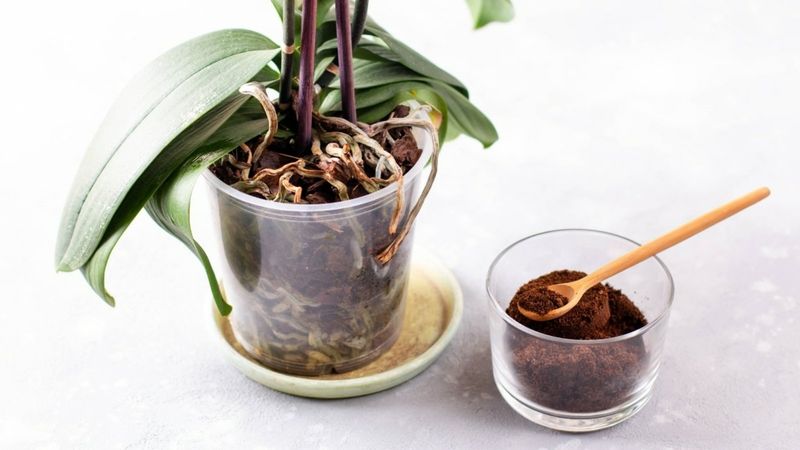
Orchids, with their exotic beauty, require careful attention to their unique needs. Coffee grounds can upset their growing medium, leading to poor drainage and nutrient imbalance.
Imagine these elegant flowers struggling due to unsuitable conditions.
To enjoy the full splendor of your orchids, maintain a specialized orchid mix and avoid using coffee grounds to keep their environment optimal.
7. Peony
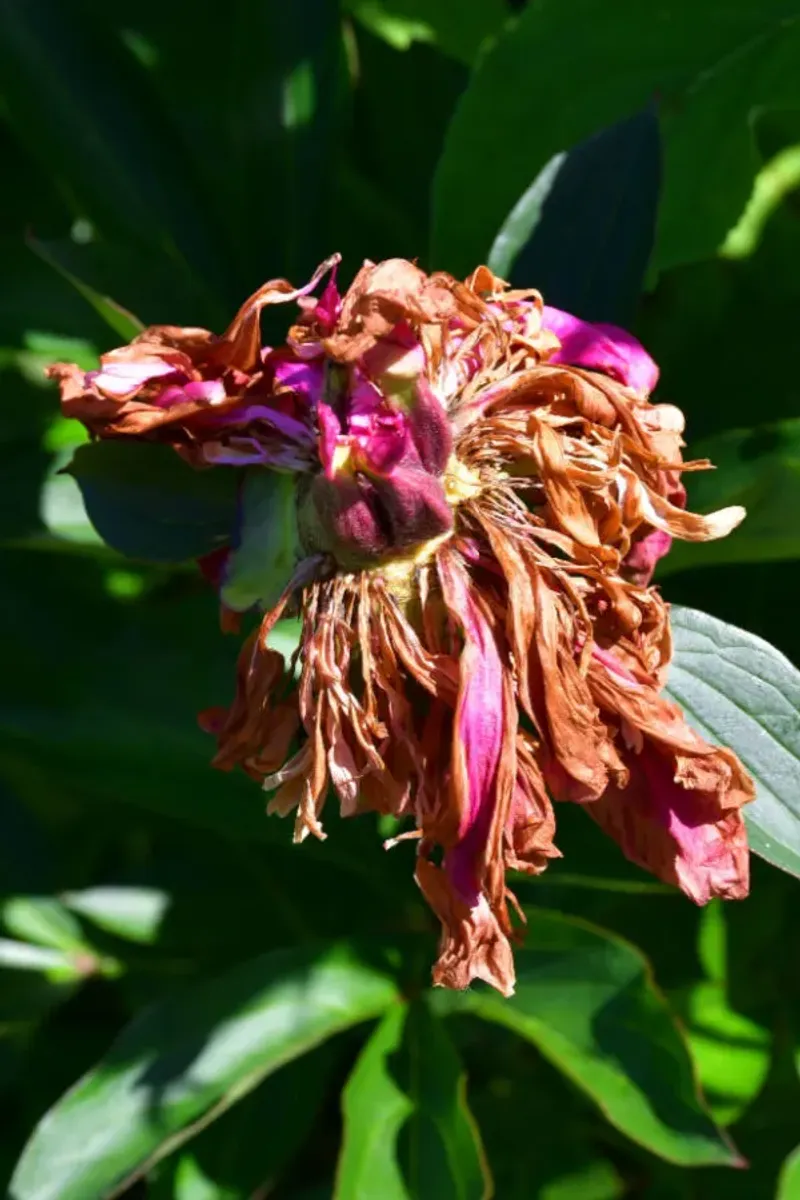
Peonies are cherished for their stunning blooms and longevity. They prefer neutral to slightly alkaline soil, which coffee grounds can disrupt by increasing acidity.
Visualize your peonies with fewer blooms and weakened vigor, a gardener’s disappointment.
To keep your peony blooms vibrant and plentiful, avoid coffee grounds and maintain the proper soil conditions they thrive in.
8. Cactus
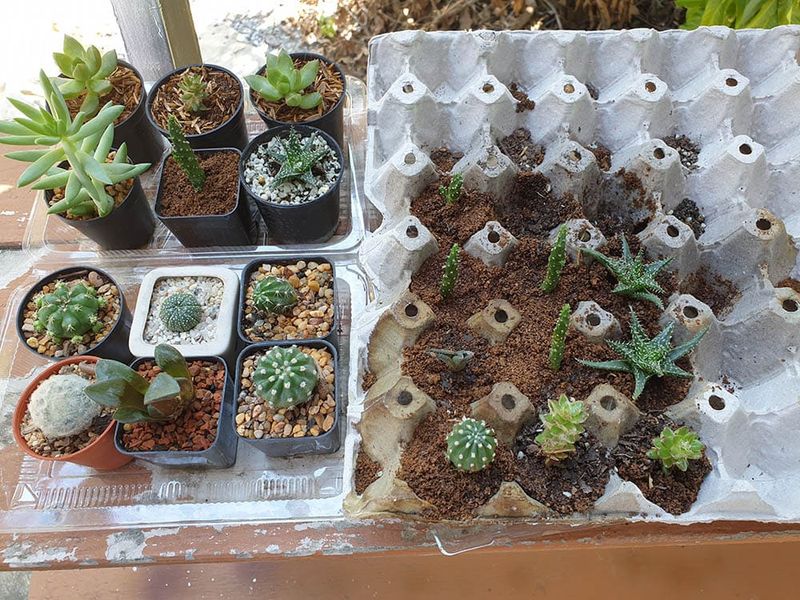
Cacti, well-suited to arid environments, suffer when exposed to coffee grounds. The grounds’ moisture retention properties can lead to rot in these succulents.
Picture your hardy cactus wilting, a scene no succulent lover wants to see.
To keep your cacti flourishing, avoid coffee grounds and ensure they’re in a well-draining and low-moisture environment.
9. Mint
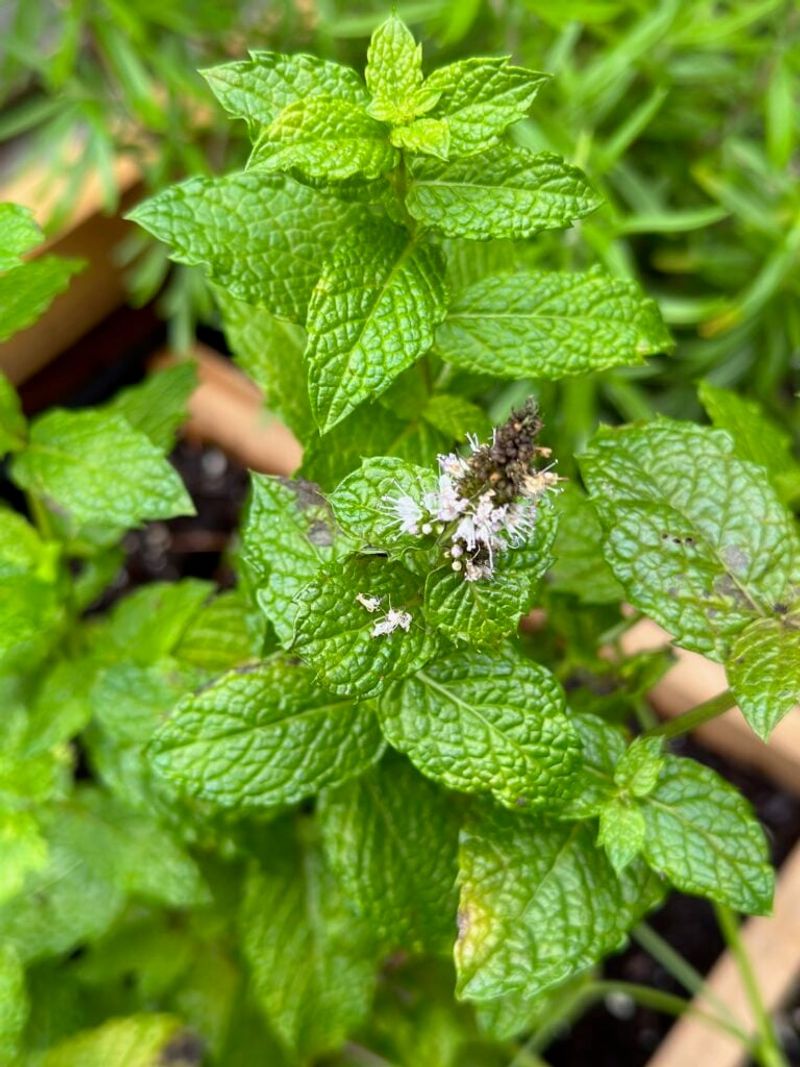
Mint is known for its vigorous growth and refreshing aroma. However, coffee grounds can hinder its progress by altering soil pH.
Imagine reaching for mint leaves only to find them yellowed and sparse. Not the aromatic experience you were hoping for!
To maintain that lush minty freshness, steer clear of coffee grounds and provide a nurturing environment for your mint plant.
10. Hydrangea
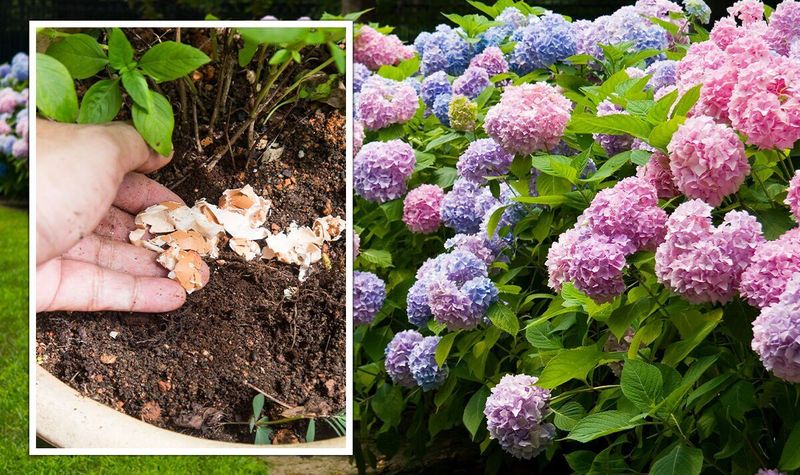
Hydrangeas are adored for their colorful blooms. While they can alter bloom color with soil pH, coffee grounds may lead to excessive acidity.
You might find your hydrangeas not blooming to their full potential, a disheartening sight for any gardener.
To preserve their beauty, manage soil pH carefully and avoid coffee grounds, ensuring your hydrangeas remain a garden highlight.
11. Basil
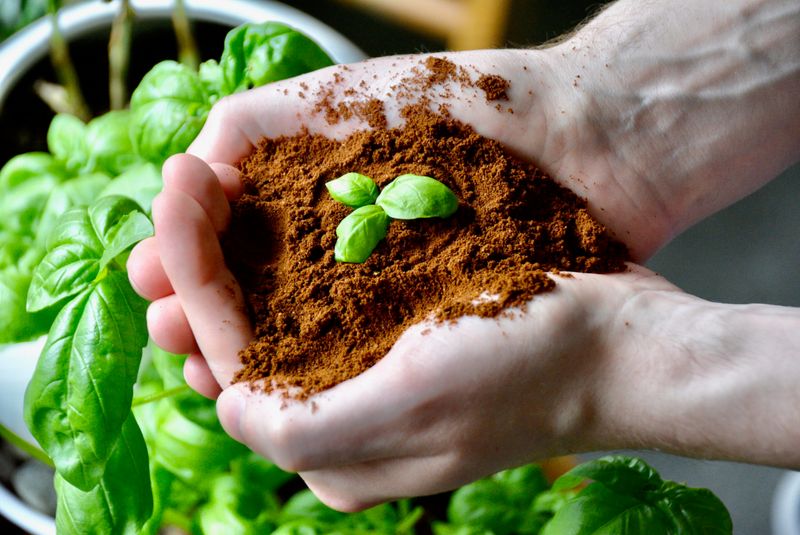
Basil, a favorite in kitchens, loves rich, well-drained soil. Coffee grounds can compact the soil and retain too much moisture, leading to root issues.
Imagine your basil not bouncing back after a quick pinch, a sad state for this culinary star.
For thriving basil, keep coffee grounds away and ensure the soil is light and airy.
12. Thyme
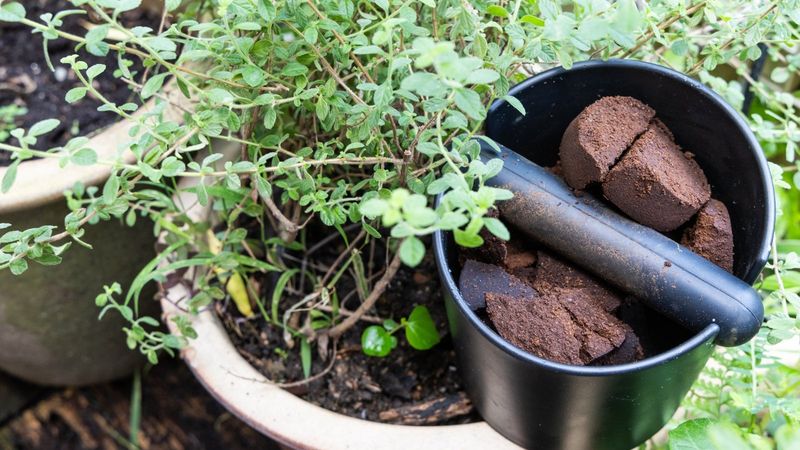
Thyme, with its tiny leaves and robust flavor, prefers well-drained soil. The moisture-retentive nature of coffee grounds can hinder its growth, leading to root problems.
Visualize a thyme plant that can’t spread and flourish, lacking the robust aroma it’s known for.
To keep thyme healthy, avoid coffee grounds and provide an environment where it can thrive naturally.
13. Parsley
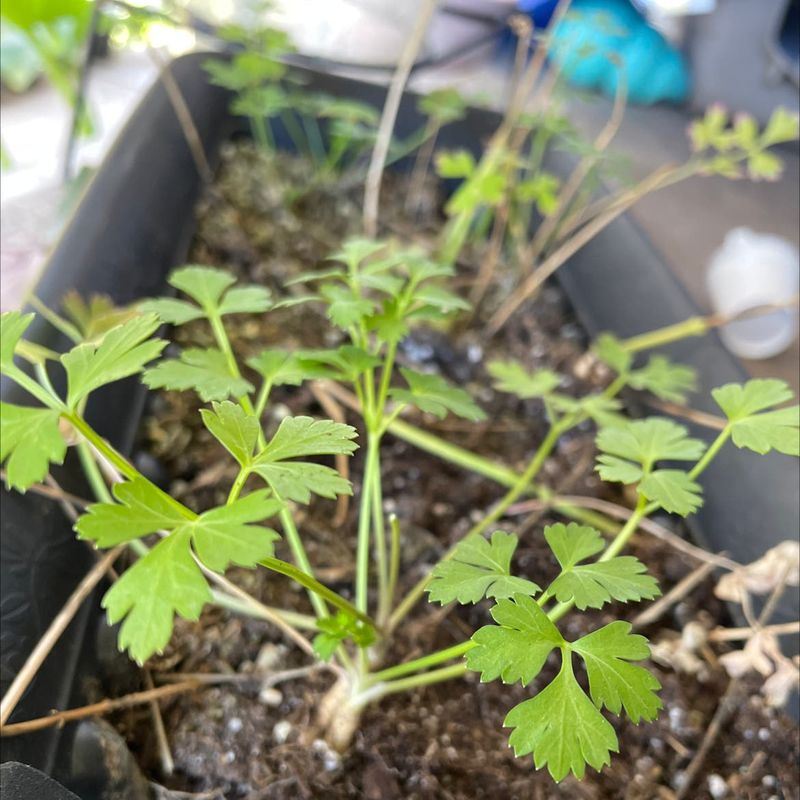
Parsley, often a garnish favorite, thrives in moist, well-drained soil. Coffee grounds can disrupt this balance, making the soil too acidic.
Picture a parsley plant with yellowed leaves, not the vibrant garnish you expected.
To keep your parsley lush and ready for the table, avoid coffee grounds and maintain a balanced soil environment.
14. Carnation
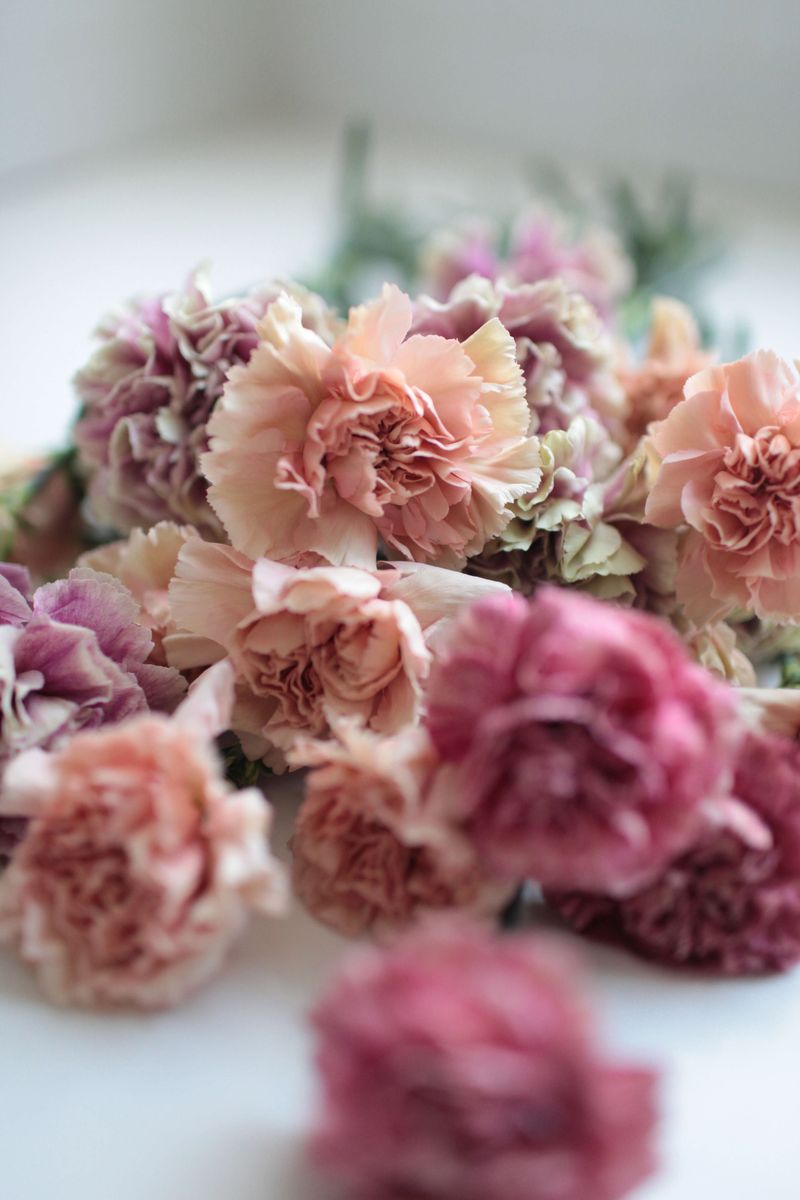
Carnations, with their frilled and delicate petals, prefer neutral to slightly alkaline soil. Coffee grounds can make the soil too acidic, affecting their growth.
Imagine fewer blooms and less vibrancy, a disappointing sight for carnation lovers.
Ensure your carnations thrive by steering clear of coffee grounds and maintaining the right soil conditions.
15. Chrysanthemum
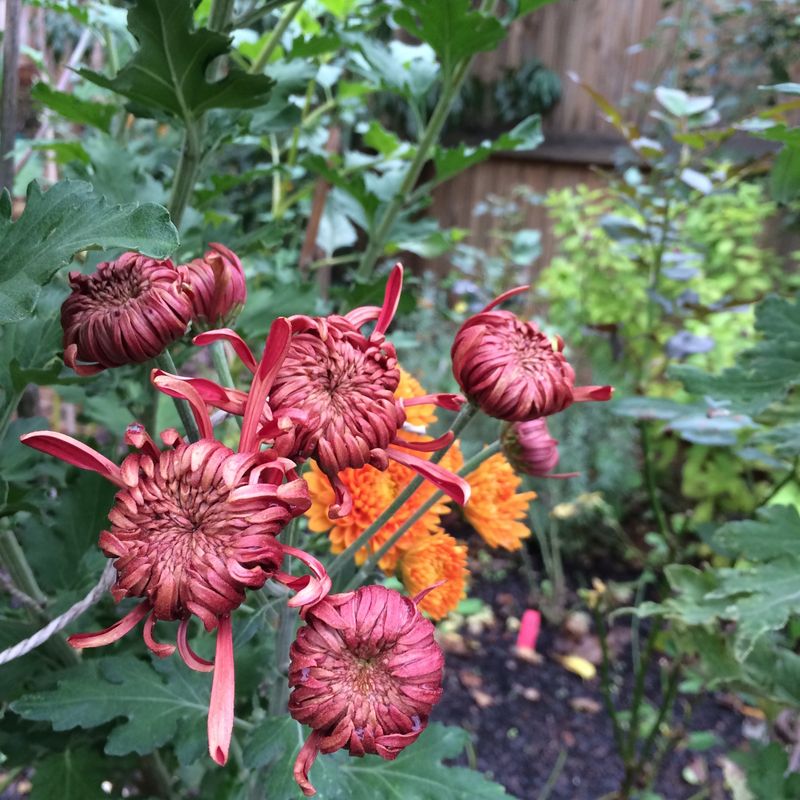
Chrysanthemums, celebrated for their autumnal display, prefer slightly acidic to neutral soil. Coffee grounds might disrupt this balance, affecting bloom quality.
Picture chrysanthemums with fewer blooms in a season meant for their splendor.
To enjoy their full array of colors, avoid coffee grounds and keep the soil conditions just right for these autumn favorites.
16. Sweet Pea
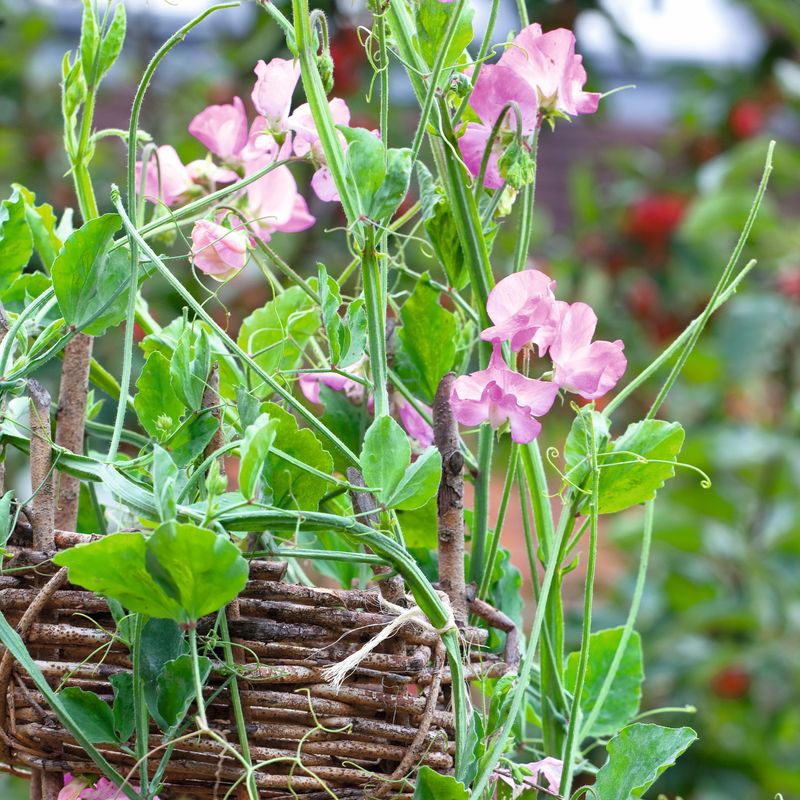
Sweet peas are known for their enchanting fragrance and colorful blooms. Coffee grounds can increase soil acidity, hindering their growth.
Visualize sweet pea vines lacking their usual vibrant blossoms, a missed garden delight.
To keep the fragrance and color alive, avoid coffee grounds and ensure their soil remains balanced and conducive to growth.
17. Lettuce
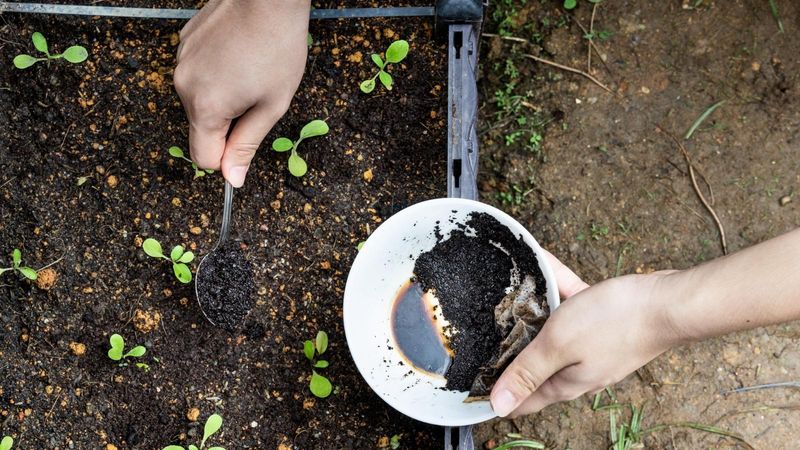
Lettuce, crisp and refreshing, thrives in balanced soil. Coffee grounds can alter the pH and moisture retention, affecting its growth.
Imagine your lettuce wilting before it’s ready for harvest, an unfortunate reality if soil conditions aren’t ideal.
To ensure a continuous supply of fresh lettuce, keep coffee grounds away and maintain the right balance in your vegetable garden.