 Complete Gardening
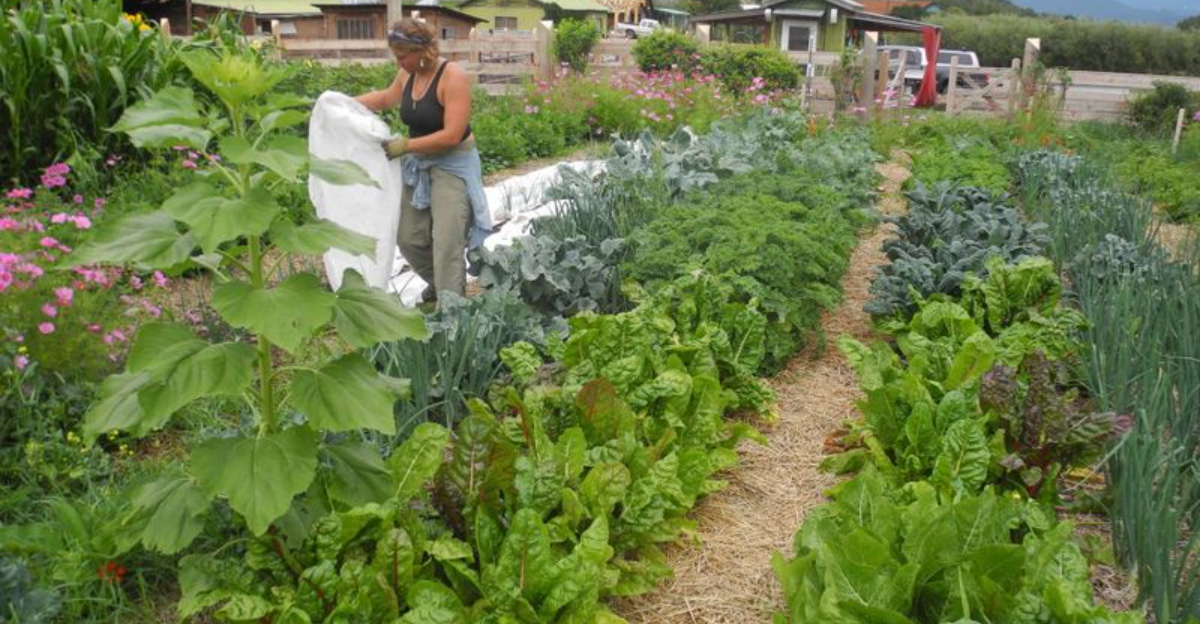
Growing a garden in Colorado’s mountains feels like trying to garden on another planet. The thin air, unpredictable weather, and short growing seasons create challenges that lowland gardeners never face. However, with the right knowledge and techniques, you can create a thriving mountain garden that produces beautiful flowers and delicious vegetables even at elevations above 7,000 feet.
1. Choose the Perfect Mountain Garden Location
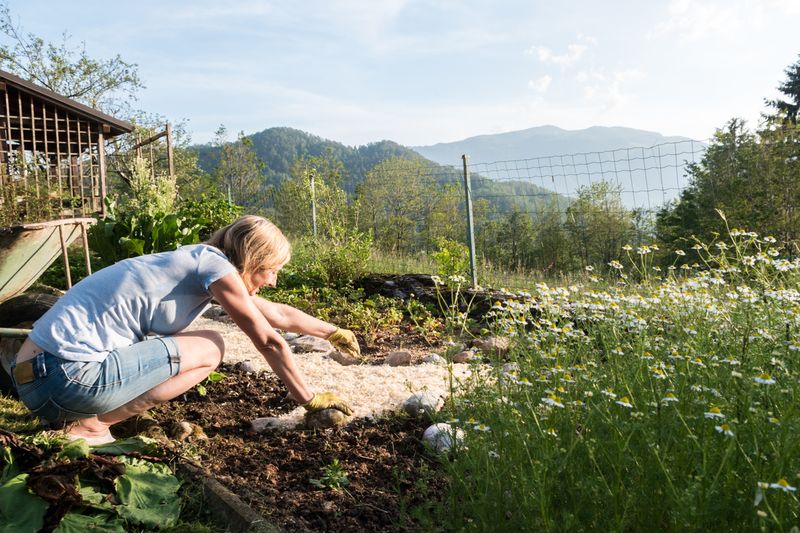
South-facing slopes become your best friend when gardening at high altitudes. These areas warm up faster in spring and stay warmer longer in fall, giving you precious extra weeks of growing time.
Look for spots that get six to eight hours of direct sunlight daily. Morning sun is especially important because it helps dry dew quickly, preventing fungal problems that love cool, wet conditions.
Avoid low-lying areas where cold air settles at night. These frost pockets can kill tender plants even during summer months when temperatures drop unexpectedly.
2. Build Wind Protection for Mountain Plants
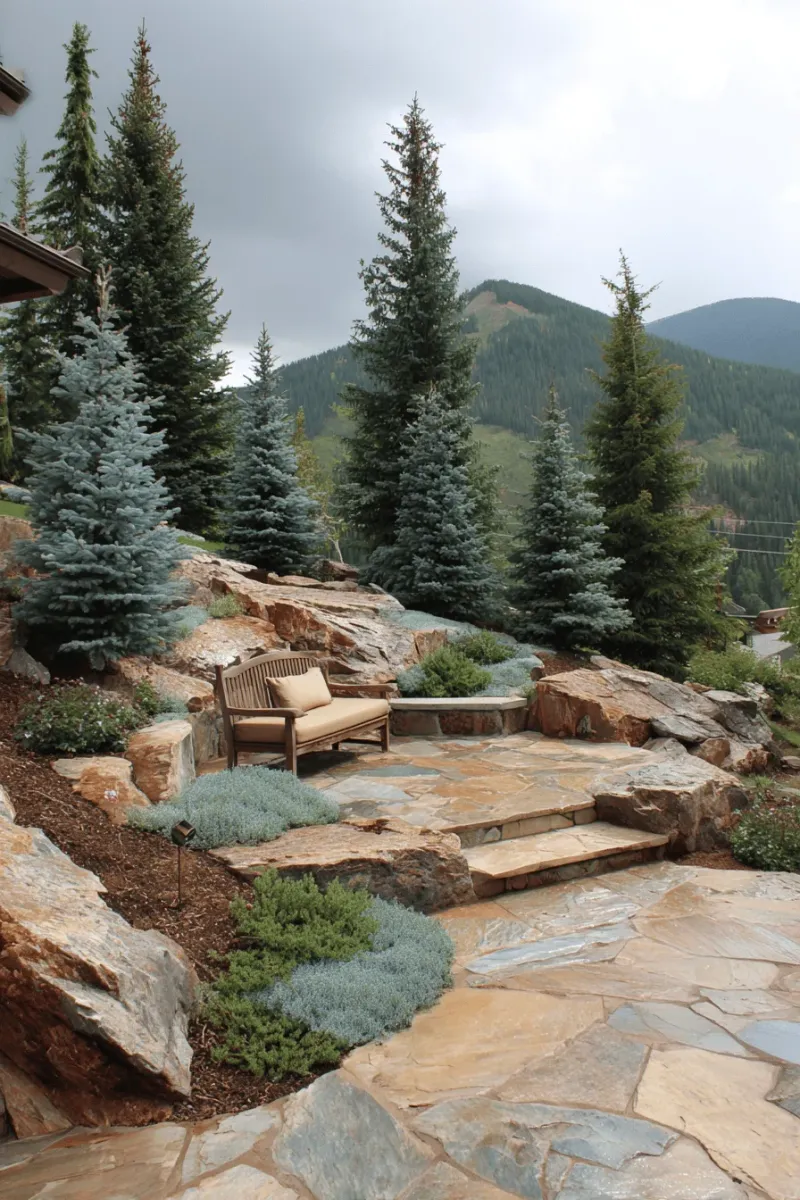
Mountain winds can turn your beautiful garden into a wasteland overnight. These fierce gusts dry out soil, break plant stems, and steal precious moisture from leaves faster than you can water.
Plant windbreak shrubs like serviceberry or chokecherry on the windward side of your garden. For immediate protection, install temporary fencing or use old sheets stretched between posts during windy periods.
Even a three-foot barrier can make a huge difference. The key is creating a buffer that slows wind without completely blocking air circulation, which plants need to stay healthy.
3. Transform Rocky Mountain Soil into Garden Gold
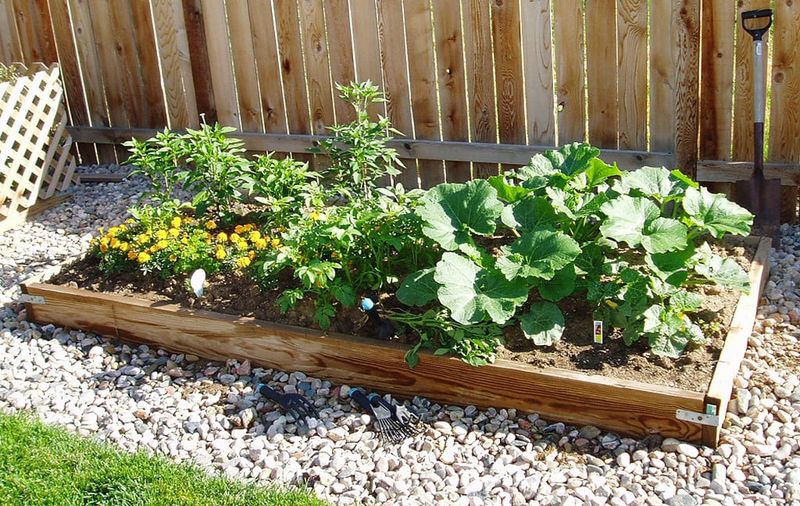
Mountain soil often looks more like gravel than anything plants would want to grow in. The good news is that you can turn this rocky challenge into rich, productive earth with some effort.
Mix two to three inches of compost into the top six inches of existing soil. Add aged manure, leaf mold, or any organic matter you can find to create the soft, nutrient-rich environment plants crave.
This process takes time, but your plants will reward you with stronger growth and better harvests. Think of it as feeding the tiny creatures that make soil come alive.
4. Master the Art of Raised Bed Mountain Gardening
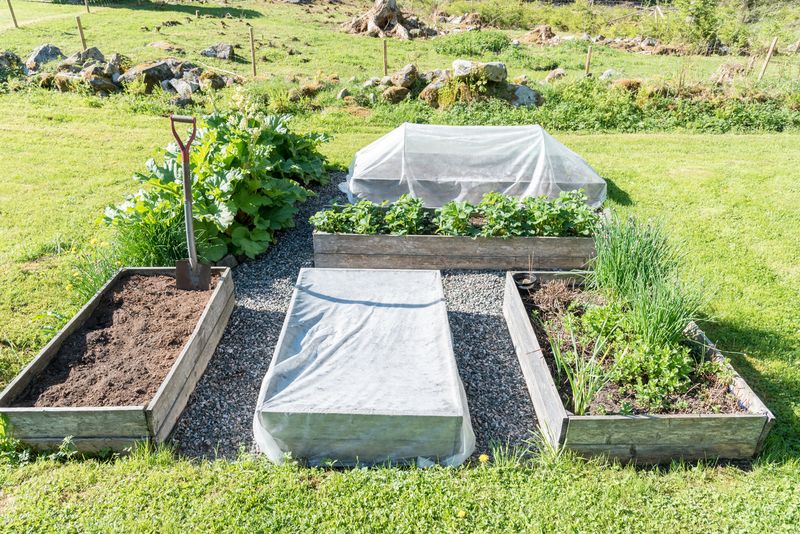
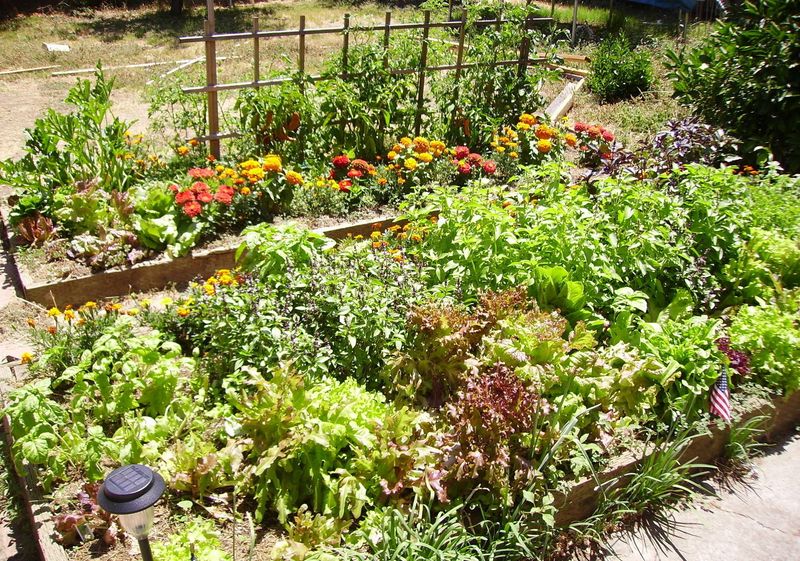
Raised beds work like magic in mountain gardens because they solve multiple problems at once. The elevated soil warms up faster in spring, drains better during heavy rains, and gives you complete control over soil quality.
Build beds eight to twelve inches high using untreated wood, stone, or recycled materials. Fill them with a mixture of quality topsoil, compost, and coarse sand for drainage.
Your back will thank you for the easier access, and your plants will love the improved growing conditions. Plus, raised beds look neat and organized in the rugged mountain landscape.
5. Select Cold-Hardy Plants That Thrive at Altitude
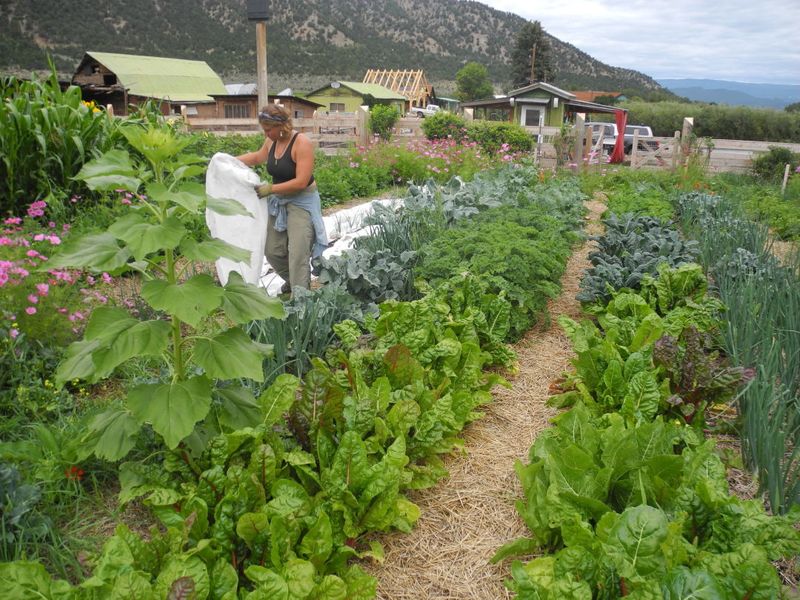
Forget about growing heat-loving tomatoes and peppers unless you have a greenhouse. Instead, embrace cool-season crops that actually prefer mountain conditions and will reward you with amazing flavors.
Lettuce, spinach, kale, and other leafy greens grow beautifully at high altitudes. Root vegetables like carrots, beets, and radishes also love the cool soil and crisp mountain air.
Native wildflowers and perennials adapted to your specific elevation will provide stunning color with minimal care. They’ve already learned how to survive mountain winters and short summers, so they’re your most reliable garden partners.
6. Time Your Planting with Mountain Weather Patterns
Mountain weather laughs at calendar dates, so forget everything you know about traditional planting schedules. Your last frost might come in June, and your first fall freeze could arrive in August.
Start seeds indoors six to eight weeks before your estimated last frost date. Keep detailed records of actual frost dates in your specific location because microclimates can vary dramatically even within a few hundred yards.
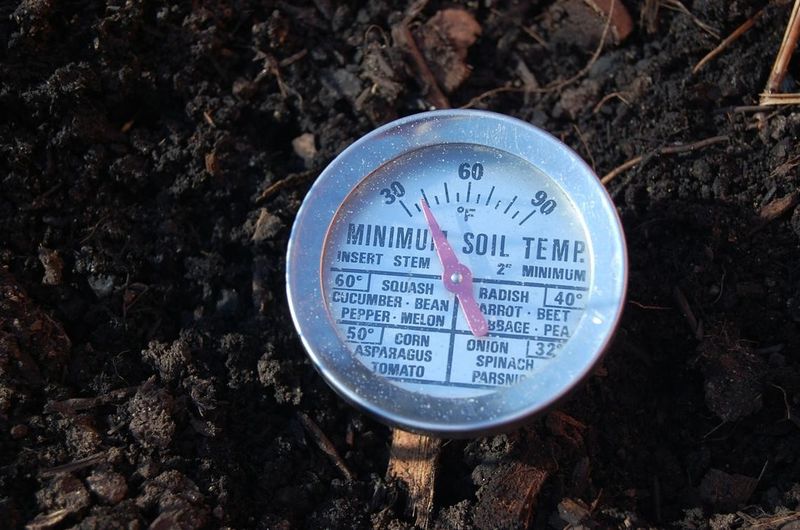
Plant cool-season crops as soon as soil can be worked, but wait until soil temperatures reach at least 60 degrees for warm-season plants. A soil thermometer becomes your most valuable gardening tool.
7. Create an Efficient Mountain Watering System
Water behaves differently at high altitudes, evaporating faster in the thin, dry air and intense UV radiation. Your plants will need consistent moisture, but overwatering in heavy clay soils can be just as deadly as drought.
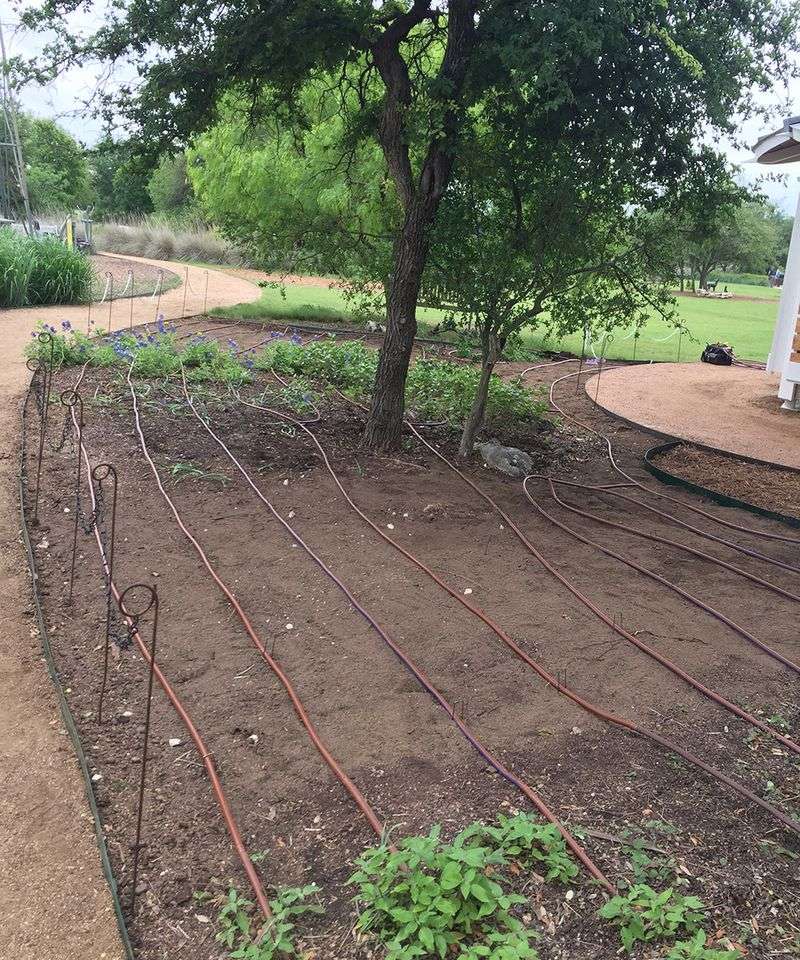
Drip irrigation systems work perfectly for mountain gardens because they deliver water directly to root zones while minimizing evaporation. Set timers to water early morning when winds are calmer.
Check soil moisture regularly by sticking your finger two inches deep. If it feels dry, water deeply rather than giving plants frequent shallow drinks that encourage weak root systems.
8. Use Mulch to Combat Extreme Mountain Conditions
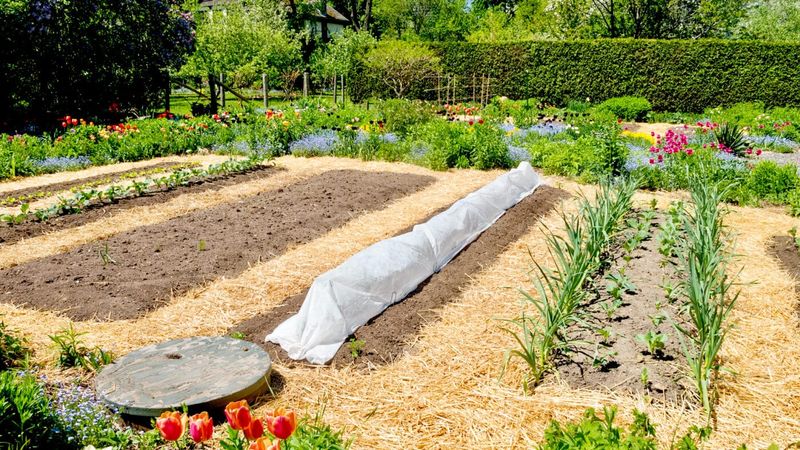
Mulch becomes your secret weapon against the harsh realities of mountain gardening. It moderates soil temperature swings, conserves precious moisture, and suppresses weeds that compete with your plants for nutrients.
Apply three to four inches of organic mulch like straw, shredded leaves, or grass clippings around plants, keeping it a few inches away from stems to prevent pest problems.
As mulch breaks down, it feeds soil organisms and improves soil structure. Replace it throughout the growing season as needed, and your plants will show their appreciation with healthier growth and better yields.
9. Protect Plants from Unexpected Mountain Frosts
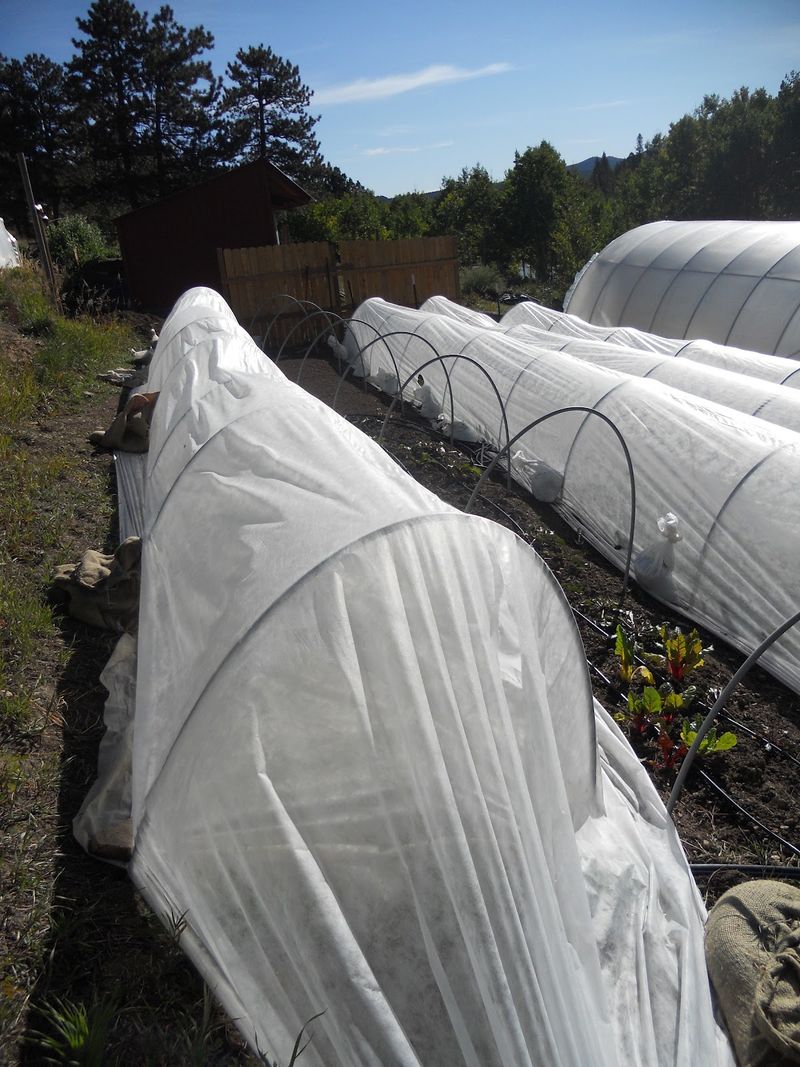
Mountain weather can surprise you with frost even in July, so always be prepared to protect your tender plants on short notice. Keep frost protection materials handy throughout the growing season.
Lightweight row covers, old sheets, or even large plastic containers can save plants during unexpected cold snaps. Remove covers during the day to prevent overheating and allow pollination.
Water plants thoroughly before a predicted frost because moist soil holds heat better than dry soil. The water releases heat slowly as it cools, creating a protective microclimate around your plants.
10. Extend Your Growing Season with Smart Techniques
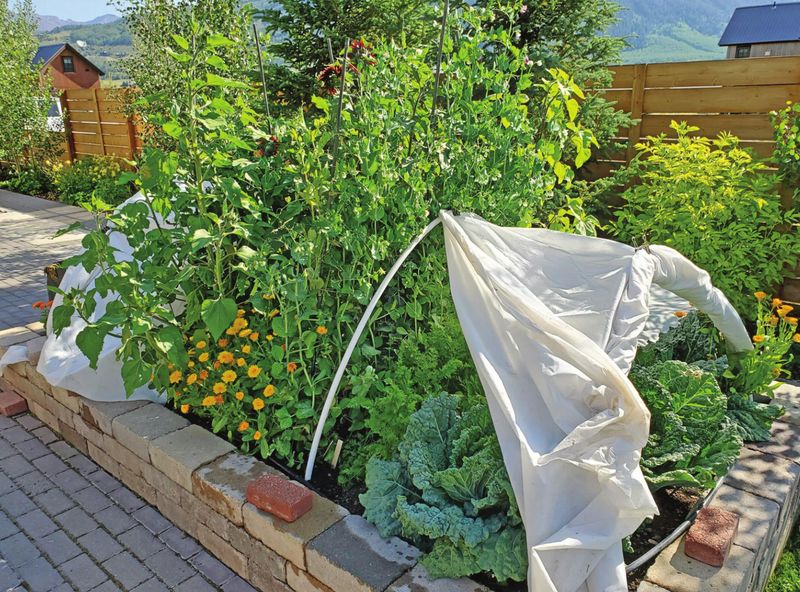
Mountain growing seasons feel criminally short, but you can steal extra weeks with season extension techniques that capture and hold heat around your plants.
Cold frames act like mini-greenhouses, using the sun’s energy to warm soil and air around plants. Build simple versions using old windows and scrap lumber, or invest in commercial models.
Wall-o-water plant protectors create warm microclimates around individual plants, letting you start tomatoes and peppers weeks earlier than normal. Even small greenhouses or hoop houses can add months to your productive gardening time.
11. Defend Your Garden from Mountain Wildlife
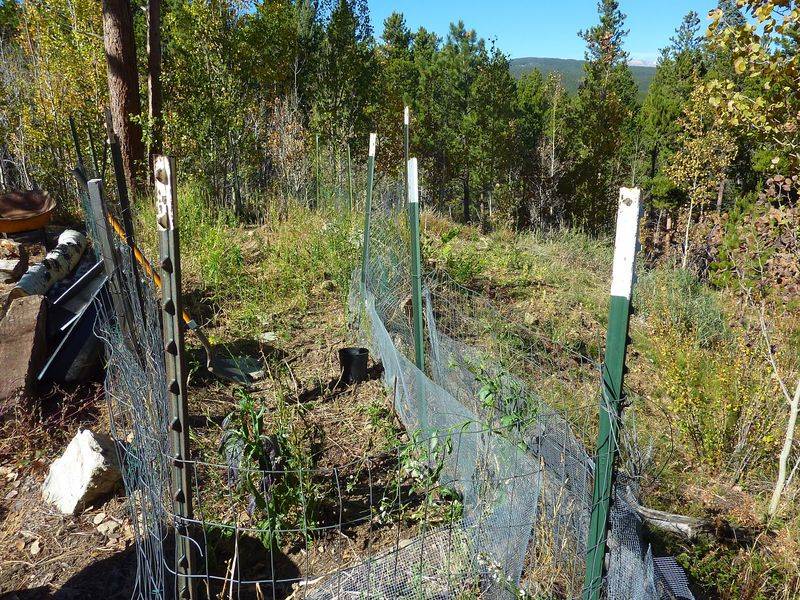
Mountain wildlife considers your garden an all-you-can-eat buffet, and they have no respect for your hard work. Deer, elk, rabbits, and ground squirrels will demolish months of effort in a single night.
Install sturdy fencing at least eight feet tall to keep out deer and elk. Bury hardware cloth two feet deep around garden perimeters to stop burrowing animals from tunneling under barriers.
Motion-activated sprinklers, reflective tape, and human hair scattered around plants can deter some animals. Rotate deterrent methods regularly because smart mountain critters quickly learn to ignore familiar scare tactics.
12. Plan for Success with Mountain Garden Record Keeping
Mountain gardening success comes from learning your specific microclimate through careful observation and record keeping. What works for your neighbor might fail completely in your garden just a few hundred feet away.
Track first and last frost dates, successful plant varieties, planting dates, and harvest yields in a simple notebook or phone app. Note which spots in your garden perform best and worst.
Record weather patterns, pest problems, and solutions that work. After a few seasons, you’ll have invaluable data that helps you make better decisions and avoid repeating expensive mistakes.