 Complete Gardening
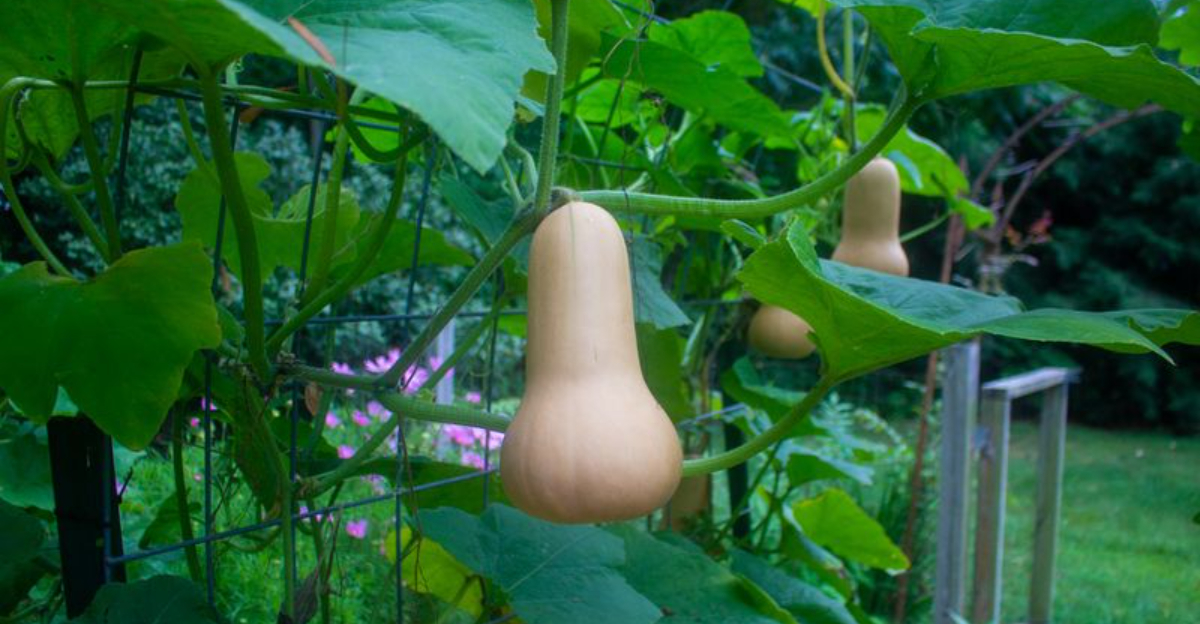
Connecticut’s unique climate offers both challenges and opportunities for home gardeners. Cool nights, wet springs, and shorter growing seasons might seem tricky, but they create perfect conditions for many delicious crops. Smart plant choices can turn your backyard into a productive garden that thrives in New England’s weather patterns.
1. Leafy Lettuce Varieties
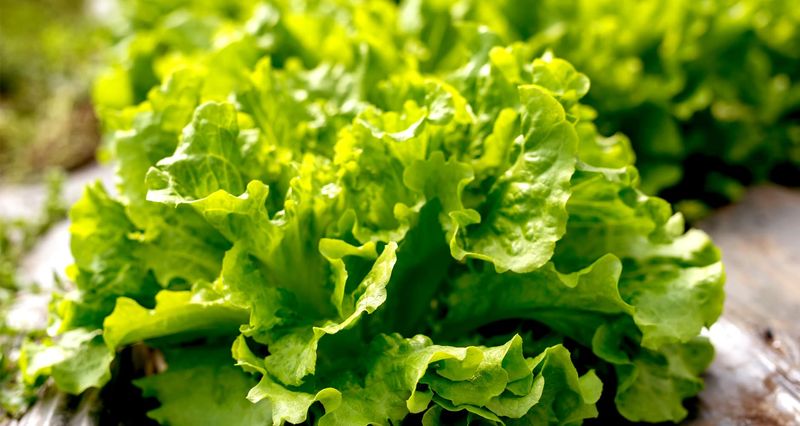
Crisp lettuce grows beautifully in Connecticut’s moderate temperatures. Plant seeds directly in sunny spots during spring and fall for best results.
Summer heat can stress lettuce plants, so provide shade using taller crops or garden structures. Cool weather actually makes leaves more tender and flavorful.
Try different types like romaine, butterhead, and leaf lettuce. Succession planting every two weeks ensures fresh salads throughout the growing season.
2. Hardy Spinach and Kale
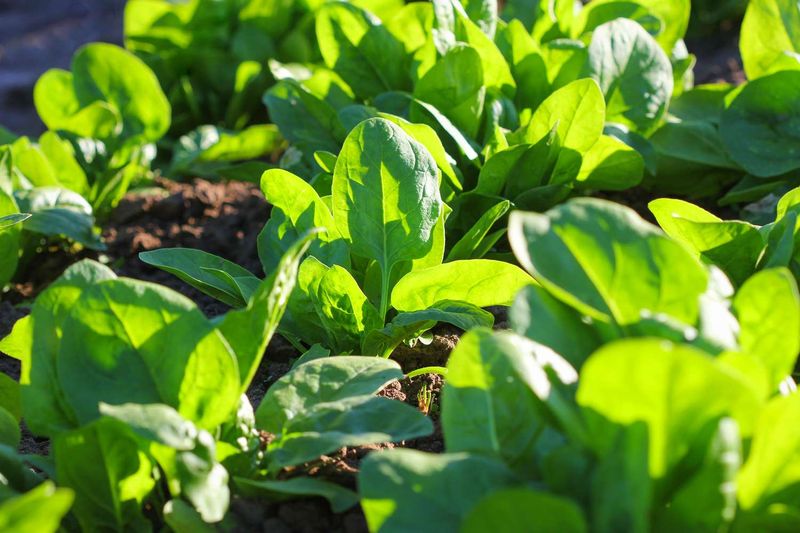
These super greens laugh at cold weather and actually taste sweeter after light frosts. Direct seed them into garden soil up to two months before the last frost date.
Spinach provides quick harvests in just 40 days, while kale keeps producing leaves all season long. Both pack incredible nutrition into every bite.
Harvest outer leaves regularly to encourage new growth. Winter varieties can survive under row covers, giving you fresh greens even in December.
3. Cool-Season Broccoli
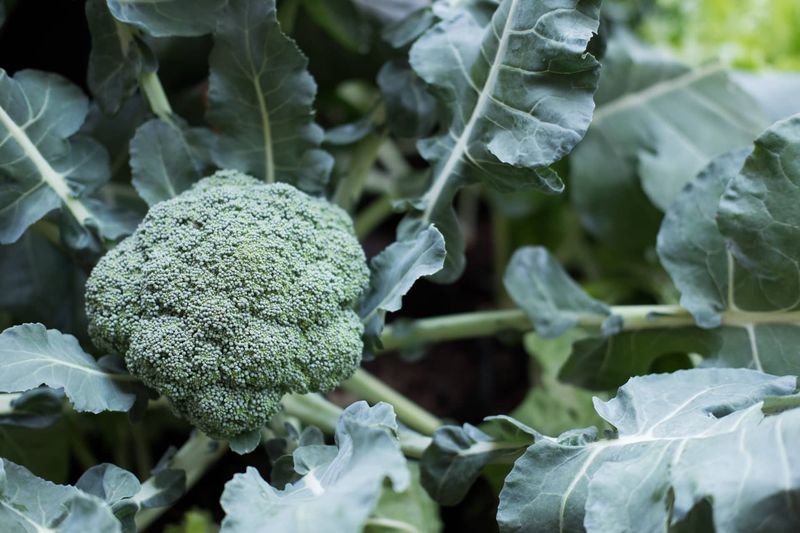
Broccoli absolutely loves Connecticut’s cool spring and fall temperatures. Start seeds indoors six weeks before transplanting outside for best head development.
Choose varieties bred for cool climates to avoid bolting in summer heat. Side shoots continue producing smaller heads after harvesting the main crown.
Rich soil and consistent moisture create the biggest, most tender heads. Fall plantings often produce better quality than spring crops in New England gardens.
4. Brussels Sprouts Excellence
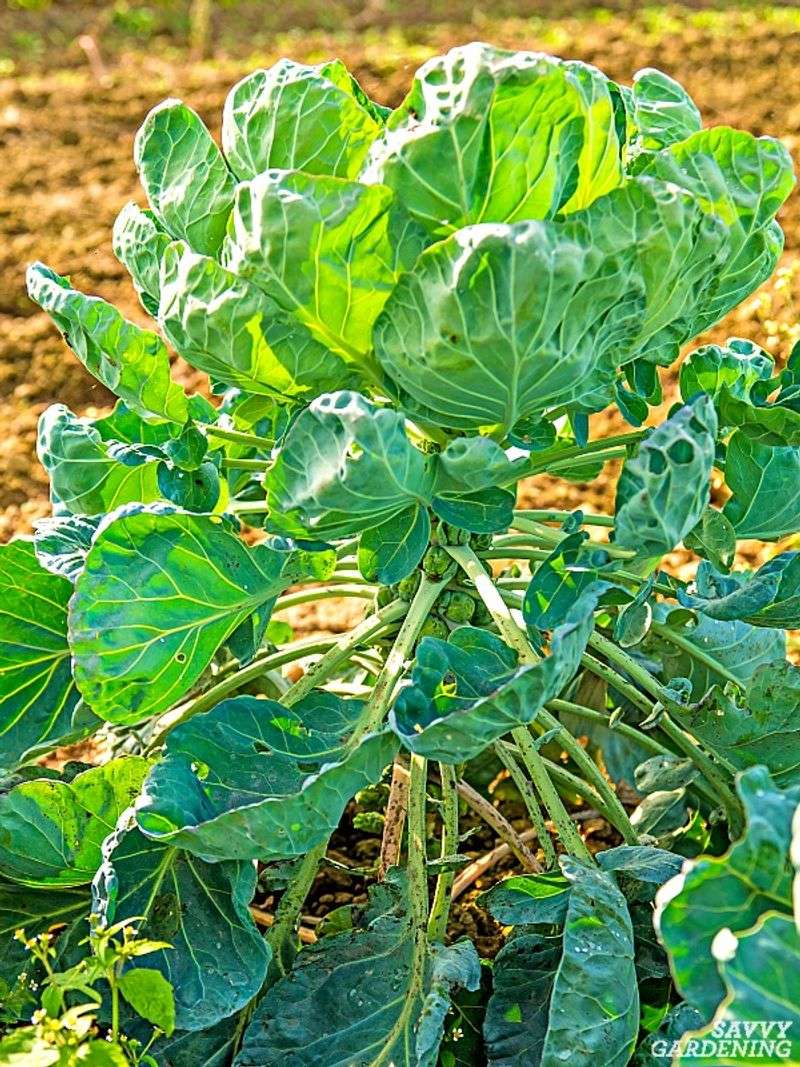
Nothing beats homegrown Brussels sprouts for fall harvests. These mini cabbages develop best flavor after experiencing several light frosts in autumn.
Start transplants in mid-summer for October harvests. Remove lower leaves as sprouts develop to encourage larger, firmer buttons.
Connecticut’s cool falls create perfect conditions for sweet, nutty sprouts. Harvest from bottom to top as they reach marble size for continuous production.
5. Reliable Cabbage Crops
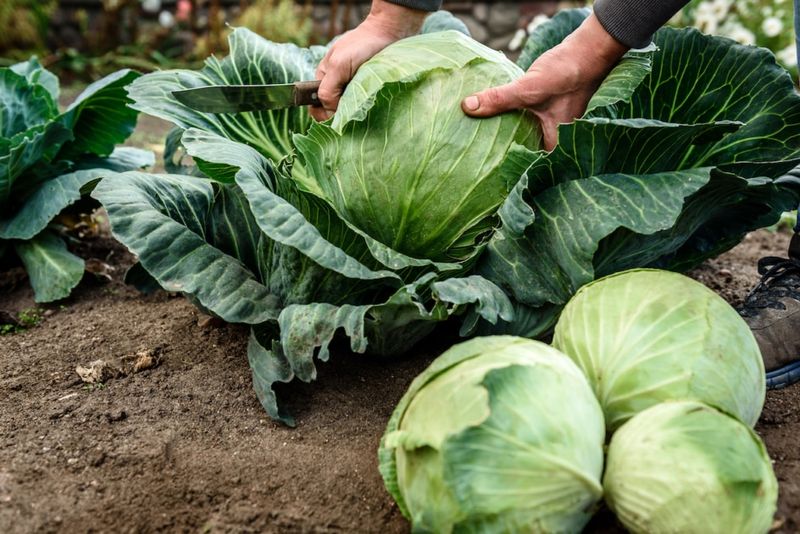
Cabbage thrives in Connecticut’s climate, forming solid heads in cool weather. Early varieties mature in spring, while storage types develop through fall.
Consistent watering prevents splitting and creates tender leaves. Mulch around plants to maintain soil moisture and suppress weeds naturally.
Choose disease-resistant varieties suited to New England conditions. Late-season cabbages can be stored in cool basements for winter meals and homemade sauerkraut.
6. Sweet Carrot Varieties
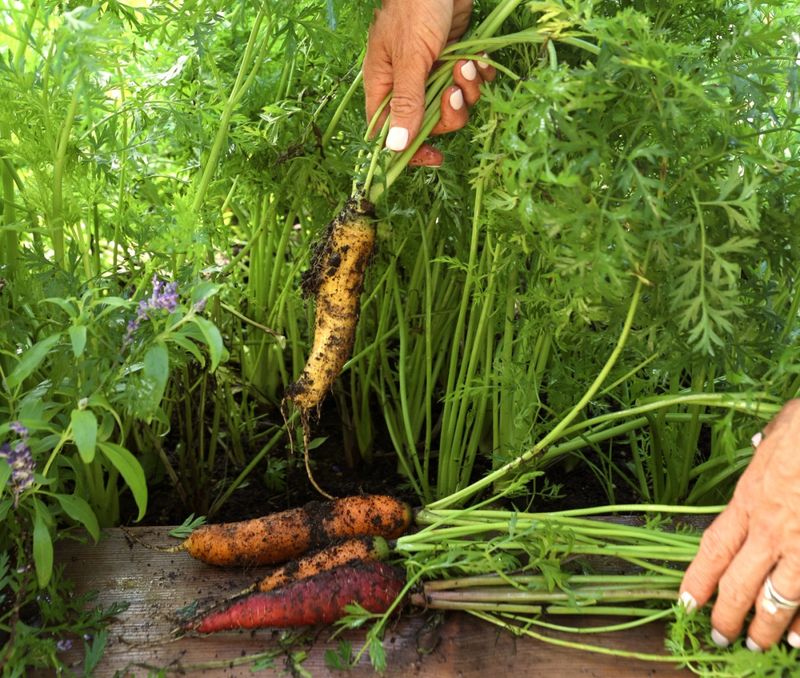
Connecticut’s rocky soil challenges carrot growing, but raised beds solve this problem perfectly. Loose, deep soil allows roots to develop straight and long.
Plant seeds in early spring or late summer to avoid peak heat. Cool weather concentrates sugars, making carrots incredibly sweet and crunchy.
Choose shorter varieties for clay soils or grow in containers. Fall carrots often taste better than spring crops in New England’s climate conditions.
7. Colorful Beet Harvests
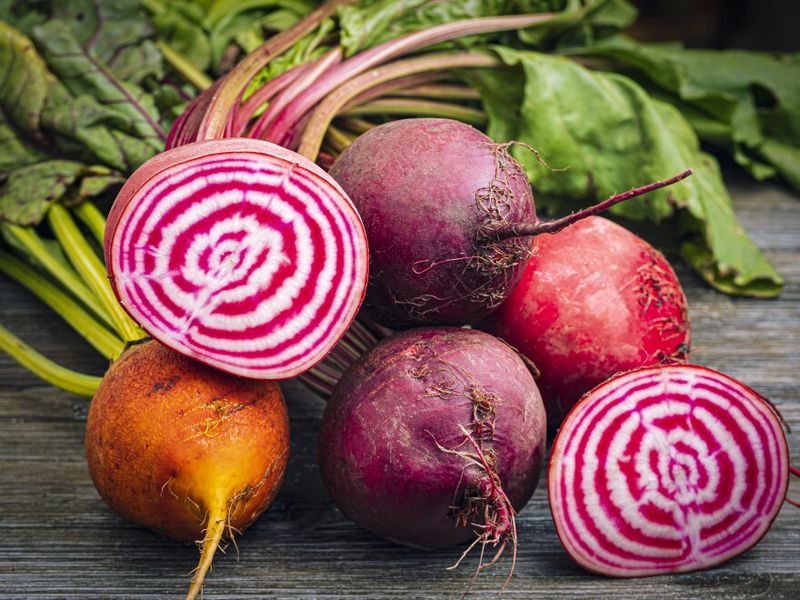
Beets offer double harvests – tender greens early and sweet roots later. These hardy vegetables tolerate Connecticut’s variable spring weather beautifully.
Soak seeds overnight for faster germination in cool soil. Thin seedlings to prevent crowding and allow proper root development.
Try golden, striped, and deep red varieties for colorful harvests. Both roots and greens provide excellent nutrition throughout the growing season.
8. Productive Green Beans
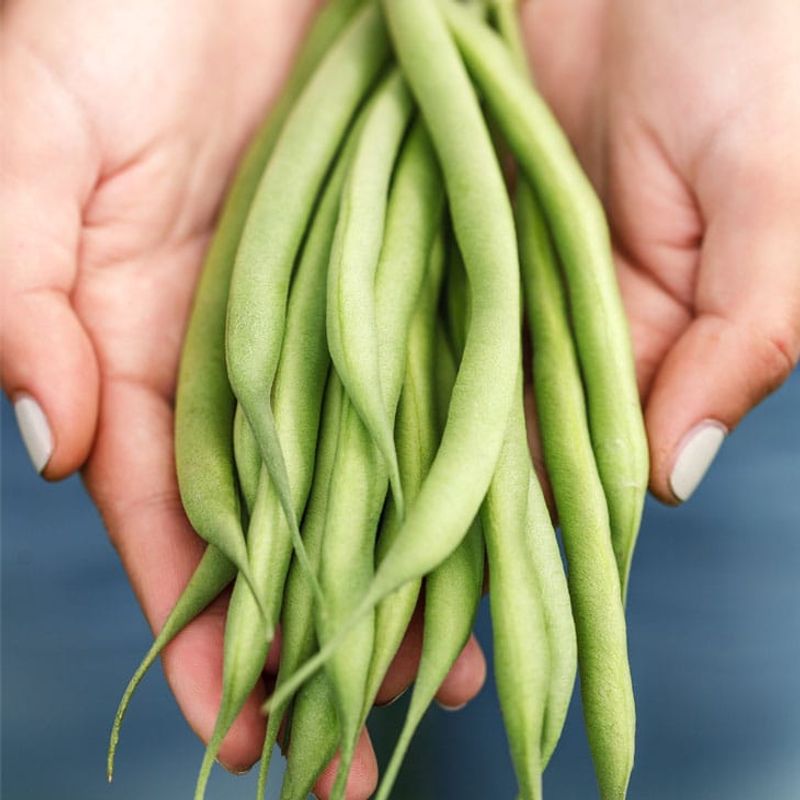
Both bush and pole beans flourish in Connecticut’s summer warmth. Wait until soil temperatures reach 60 degrees before planting to prevent rotting.
Bush varieties produce quick harvests, while pole beans climb supports and yield longer. Regular picking encourages continued pod production throughout summer.
Choose varieties with different maturity dates for extended harvests. French filet beans and purple varieties add gourmet touches to home gardens.
9. Early Spring Peas
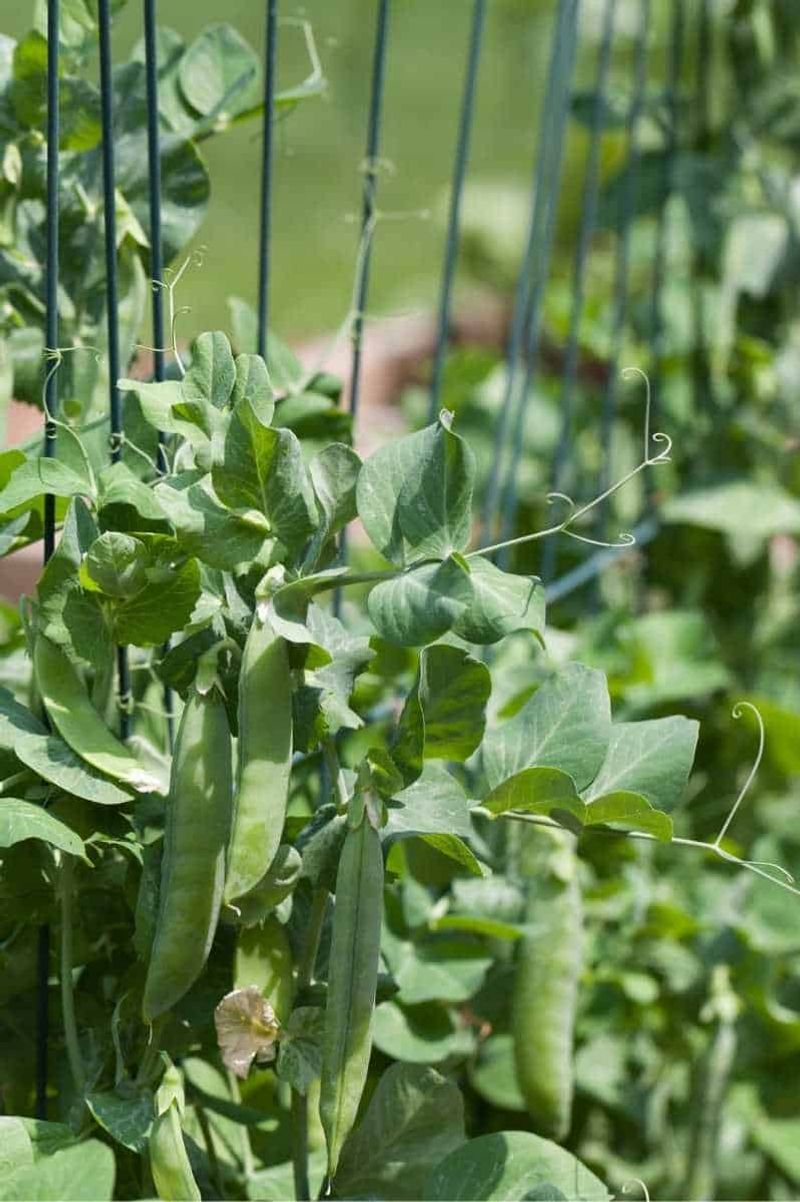
Plant peas around St. Patrick’s Day for early summer harvests. These cool-weather lovers actually prefer Connecticut’s chilly spring temperatures over summer heat.
Sugar snap and snow peas provide edible pods, while shelling peas offer sweet kernels. All varieties climb supports and add vertical interest.
Succession plant every two weeks through April for continuous harvests. Fall plantings work well too, maturing before hard frosts arrive.
10. Abundant Zucchini
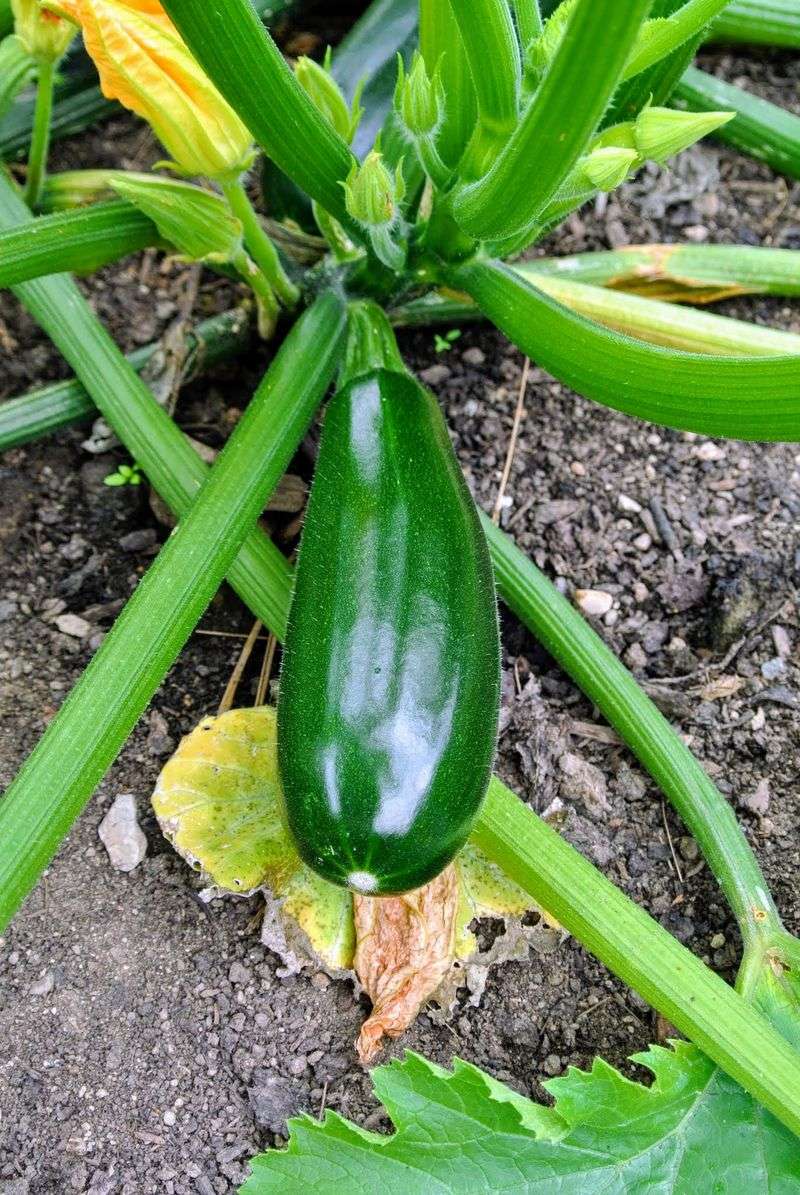
Zucchini plants produce enormous harvests in Connecticut’s warm summers. One plant often provides enough squash for entire families throughout the season.
Start seeds indoors for earlier harvests or direct seed after frost danger passes. Rich soil and regular watering create the most productive plants.
Harvest small fruits regularly to encourage continued production. Large leaves provide natural mulch and suppress weeds around garden beds effectively.
11. Storage Butternut Squash
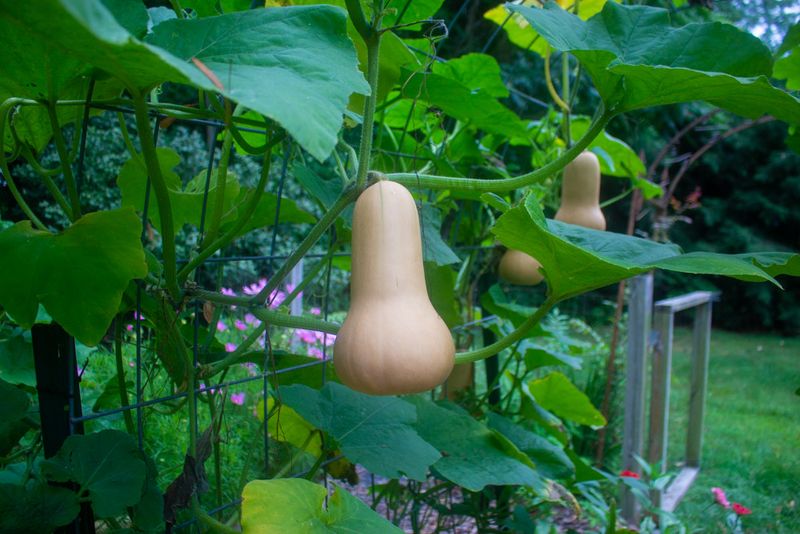
Butternut squash stores beautifully through Connecticut winters when properly cured. These vining plants need warm summers to develop sweet, dense flesh.
Start seeds indoors for longer growing seasons in New England. Harvest before hard frosts and cure in sunny locations for winter storage.
Properly stored butternut squash lasts six months or longer. Sweet flesh works perfectly in soups, roasted dishes, and baked goods throughout winter months.
12. Perennial Asparagus Spears
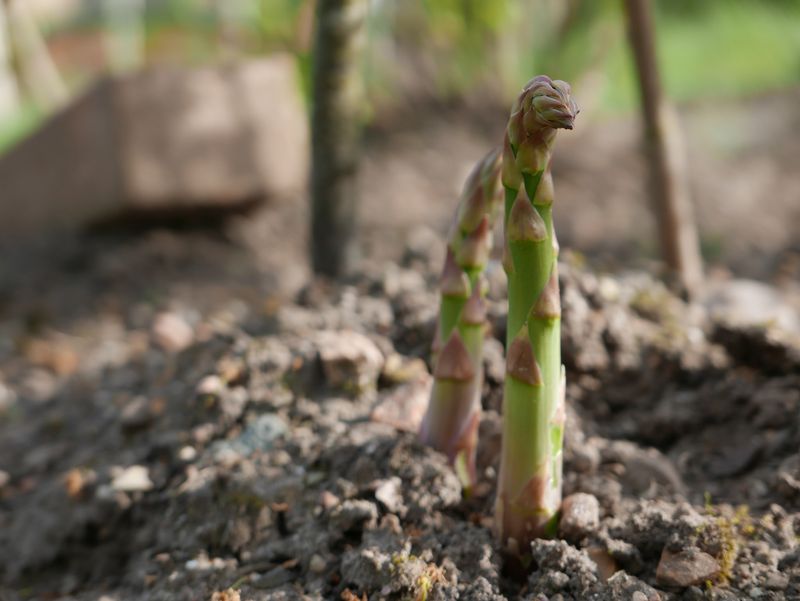
Asparagus crowns establish permanent beds that produce for decades. Connecticut’s cold winters provide necessary dormancy periods for healthy spring emergence.
Plant one-year crowns in well-prepared beds with excellent drainage. Wait two years before harvesting to allow strong root system development.
Harvest spears for six to eight weeks each spring, then allow ferns to grow. Established beds produce increasing yields for twenty years or more.