 Complete Gardening
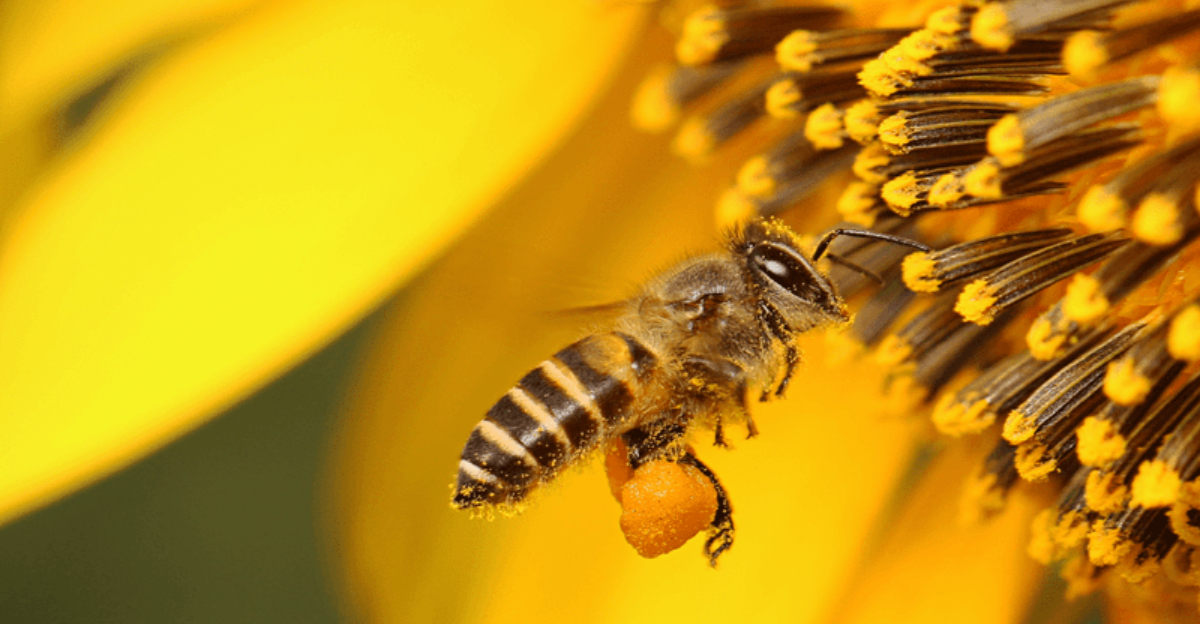
Kentucky’s rolling hills and diverse landscapes make it perfect for supporting our buzzing friends. Bees play a crucial role in pollinating the plants that produce our food, but their populations are declining. Creating a bee-friendly garden helps these important insects thrive while making your yard more beautiful and productive.
1. Plant Native Kentucky Wildflowers
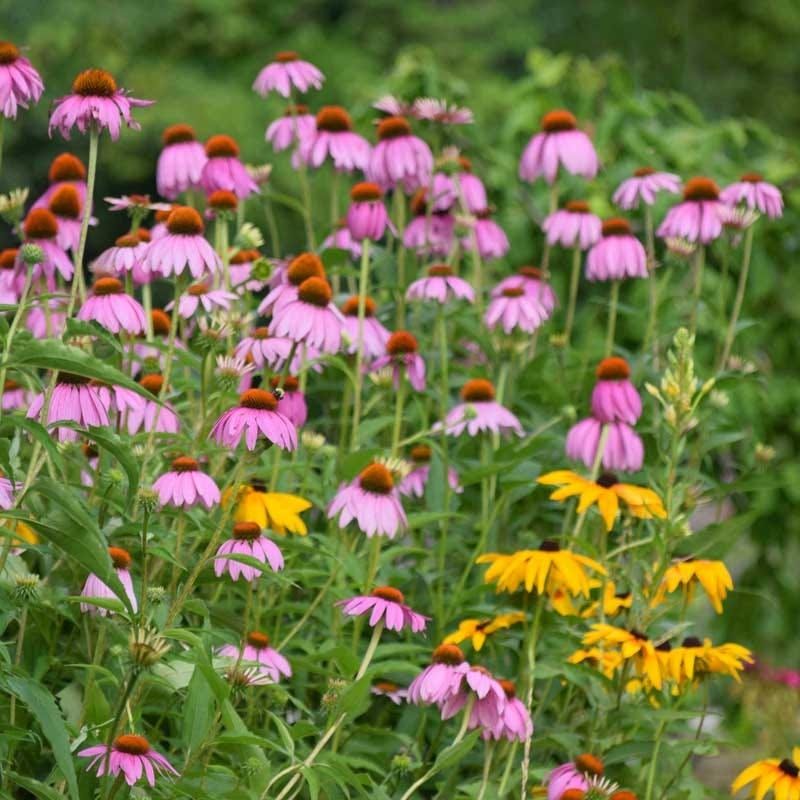
Wild bergamot, purple coneflower, and black-eyed Susan naturally grow across Kentucky’s meadows and prairies. Native plants have evolved alongside local bee species for thousands of years, creating perfect partnerships.
These flowers bloom at different times throughout the growing season. Plant them in sunny spots with well-draining soil for best results.
Seeds are often available from local conservation groups or native plant societies. Many wildflowers will self-seed, creating larger patches each year without extra work from you.
2. Choose Bee-Friendly Herbs for Your Kitchen Garden
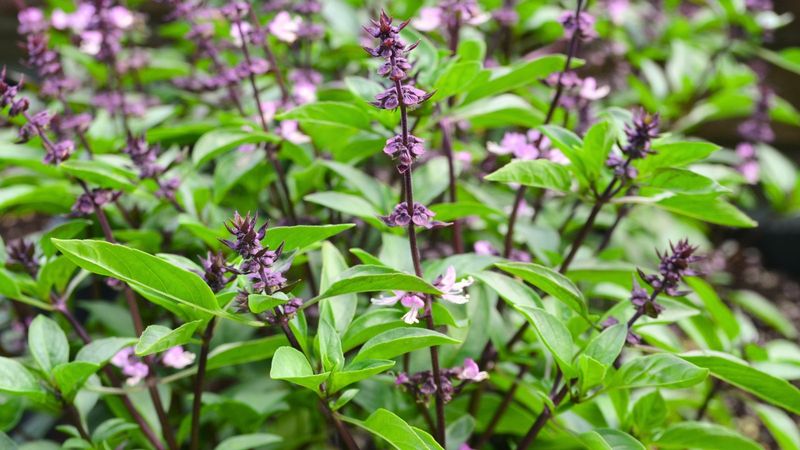
Basil, oregano, and thyme serve double duty in Kentucky gardens. While you harvest leaves for cooking, bees feast on the tiny flowers these herbs produce when allowed to bloom.
Rosemary blooms early in spring when few other flowers are available. Mint family herbs like lavender and sage produce nectar-rich flowers that bees absolutely love.
Allow some herbs to go to flower instead of harvesting all the leaves. The blooms are often edible too, adding color and flavor to salads and other dishes.
3. Create Shallow Water Sources
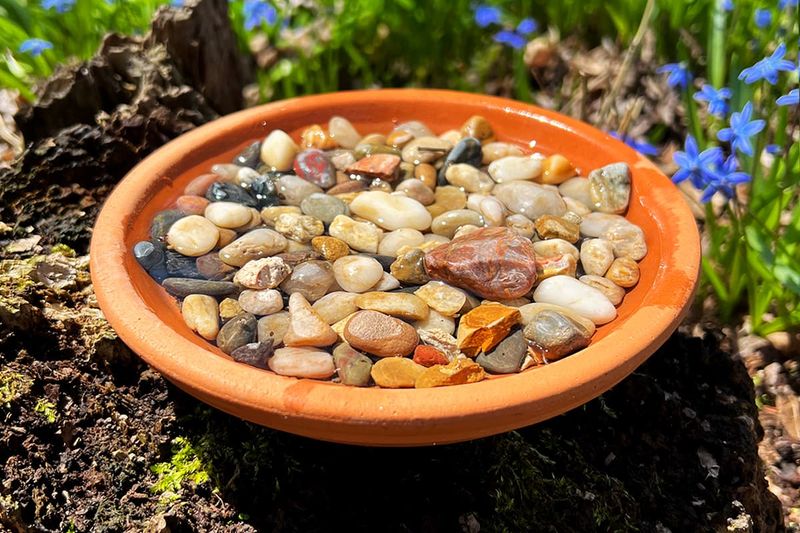
Bees need water for drinking and cooling their hives during Kentucky’s hot summers. A shallow dish filled with fresh water and small stones gives them safe landing spots.
Change the water every few days to prevent mosquito breeding. Bird baths work well if you add rocks or sticks for bee landing pads.
Position water sources near flowering plants but not directly underneath feeders. Bees prefer clean, still water over moving streams or deep containers where they might drown accidentally.
4. Build Simple Bee Nesting Sites
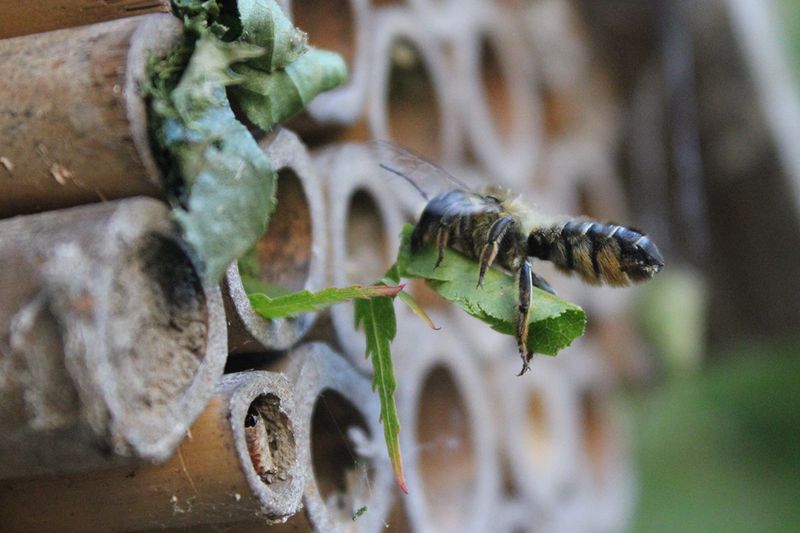
Most Kentucky bees don’t live in hives like honeybees do. Solitary bees need hollow stems, small holes in wood, or bare patches of soil for nesting.
Bundle bamboo tubes or drill holes in untreated wood blocks. Different hole sizes attract different bee species, so vary the diameters from 6mm to 12mm.
Leave some areas of your garden unmulched where ground-nesting bees can dig. Old logs and brush piles also provide natural nesting opportunities for many native bee species.
5. Plant Trees That Bloom Early
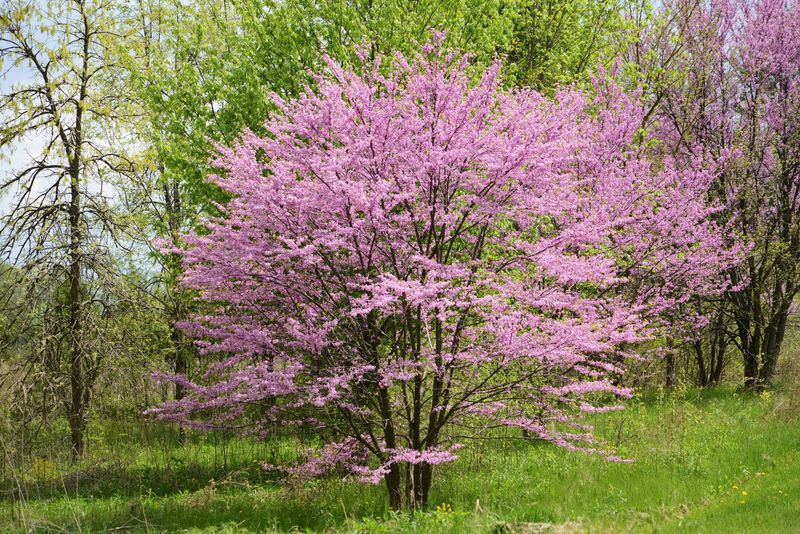
Redbud and serviceberry trees explode with flowers before most other plants wake up from winter. Early-blooming trees provide crucial food when bees first become active in spring.
Fruit trees like apples and cherries also bloom early and benefit from bee pollination. Kentucky’s climate supports many flowering trees that feed both bees and humans.
Willow trees produce both pollen and nectar when little else is available. Even small yards can accommodate dwarf varieties of these important early-season food sources.
6. Avoid Pesticides and Chemicals
Chemical pesticides kill beneficial insects along with pests, even when labeled as bee-safe. Kentucky’s diverse ecosystem relies on insects for balance, not chemical interventions.
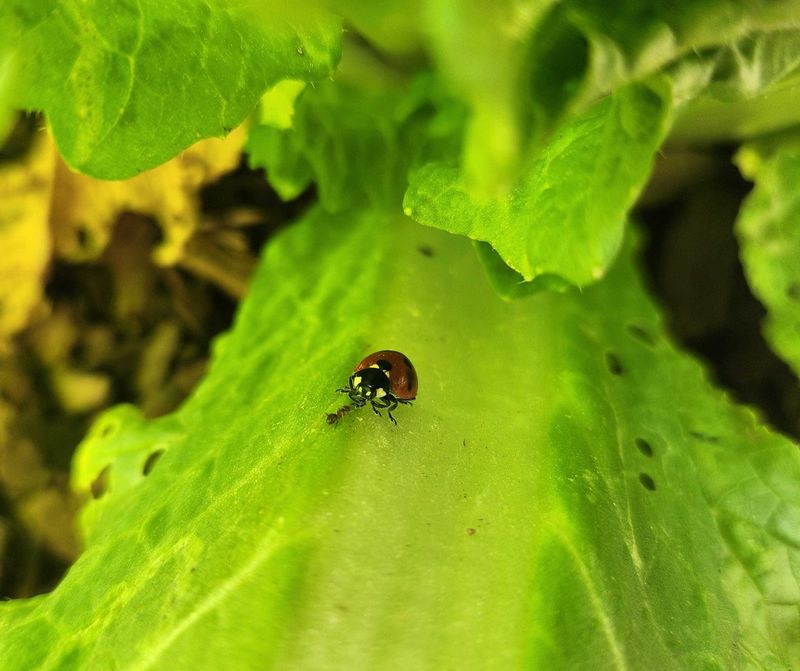
Encourage natural predators like ladybugs and birds to control harmful insects. Healthy soil and proper plant selection prevent most pest problems naturally.
If you must treat specific problems, use organic methods like neem oil or insecticidal soap. Apply treatments in evening when bees are less active, and only target affected areas.
7. Grow Sunflowers for Late Summer Blooms
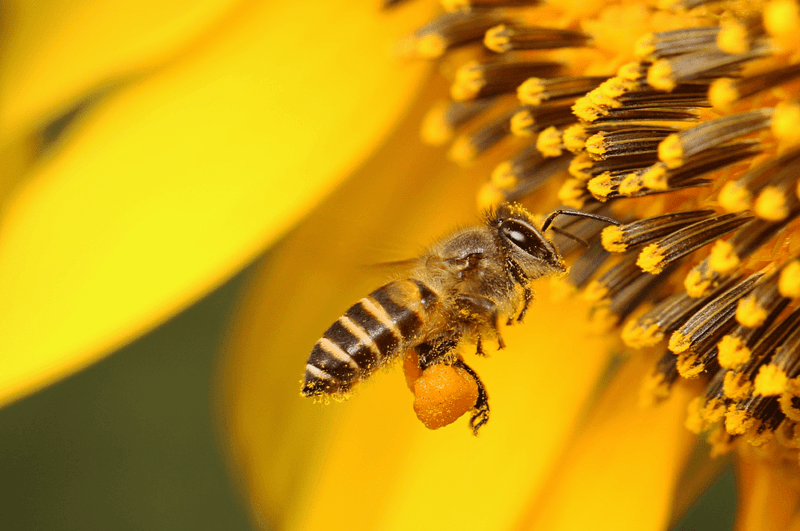
Sunflowers bloom when many spring flowers have faded, providing important late-season food. Their large flower heads contain hundreds of tiny individual flowers, each producing nectar and pollen.
Kentucky’s warm summers are perfect for growing both giant and dwarf sunflower varieties. Plant seeds directly in the garden after the last frost date.
Leave spent sunflower heads on plants through winter. Birds will eat the seeds, and native bees may use the hollow stems for nesting sites next year.
8. Establish a Pollinator Meadow Area
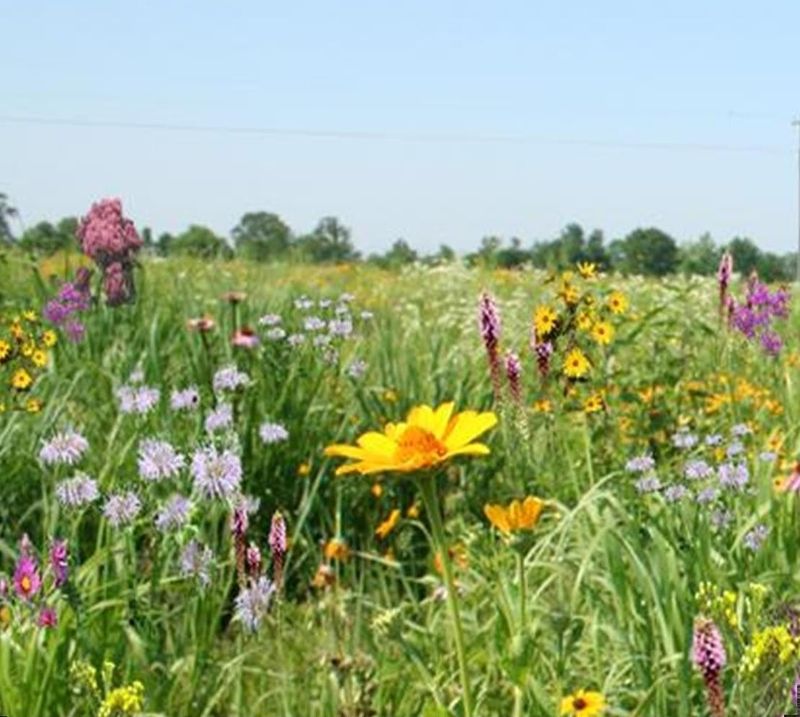
Convert part of your lawn into a mini-meadow with native grasses and wildflowers. This low-maintenance approach mimics Kentucky’s natural prairies that once covered much of the state.
Mow the area only once per year in late fall or early spring. This allows plants to complete their life cycles and provides overwintering habitat for beneficial insects.
Start small with a corner of your yard or a strip along property lines. Meadow areas become more diverse and beautiful each year with minimal intervention.
9. Plant Clover in Lawn Areas
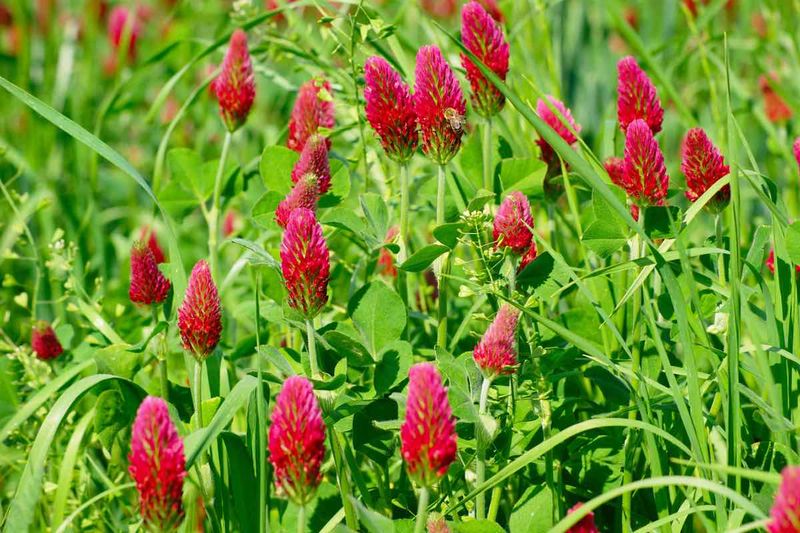
White and red clover fix nitrogen in soil while providing excellent bee food. These tough plants survive Kentucky’s variable weather and actually improve lawn health naturally.
Clover stays green during dry spells when grass goes dormant. The flowers bloom continuously from spring through fall, offering consistent food for bees.
Mix clover seeds with grass seed when overseeding your lawn. Many people are surprised by how attractive and functional a clover lawn can be compared to monoculture grass.
10. Time Your Garden for Continuous Blooms
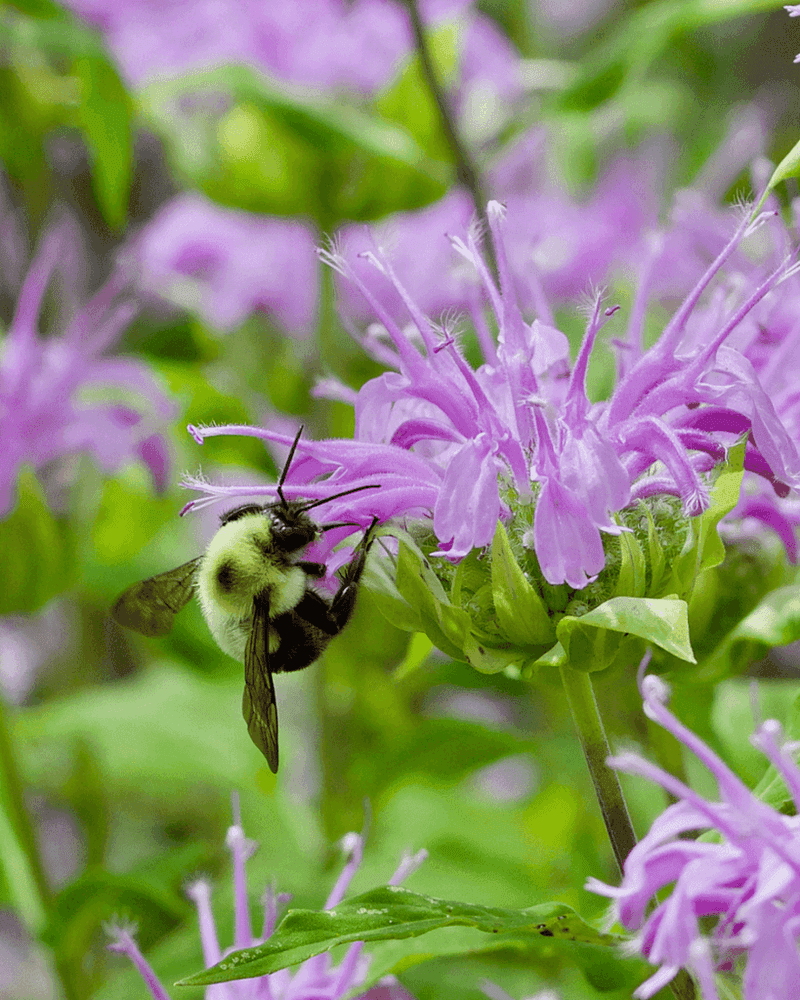
Plan plantings so something is always flowering from early spring through late fall. Bees need consistent food sources throughout their active season, not just peak summer blooms.
Early bloomers include crocuses and wild plum trees. Summer brings echinacea and bee balm, while asters and goldenrod finish the season strong.
Keep a garden journal noting when different plants bloom in your specific location. Kentucky’s varied elevations and microclimates can shift blooming times significantly across the state.
11. Include Native Shrubs for Structure
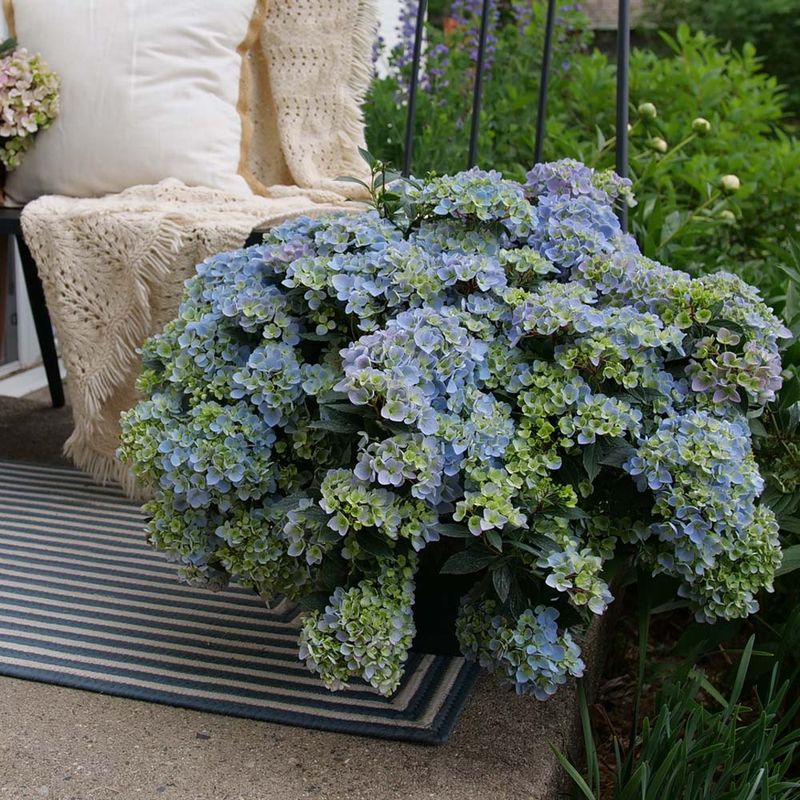
Spicebush, elderberry, and ninebark provide both flowers for bees and structure for your garden design. These Kentucky natives require minimal care once established in appropriate locations.
Shrubs bloom at different heights, creating layers of food sources. Many also produce berries that feed birds and other wildlife after the blooming period ends.
Native shrubs have deep root systems that help prevent erosion on slopes. They’re also more resistant to local pests and diseases than non-native alternatives.
12. Leave Garden Areas Undisturbed
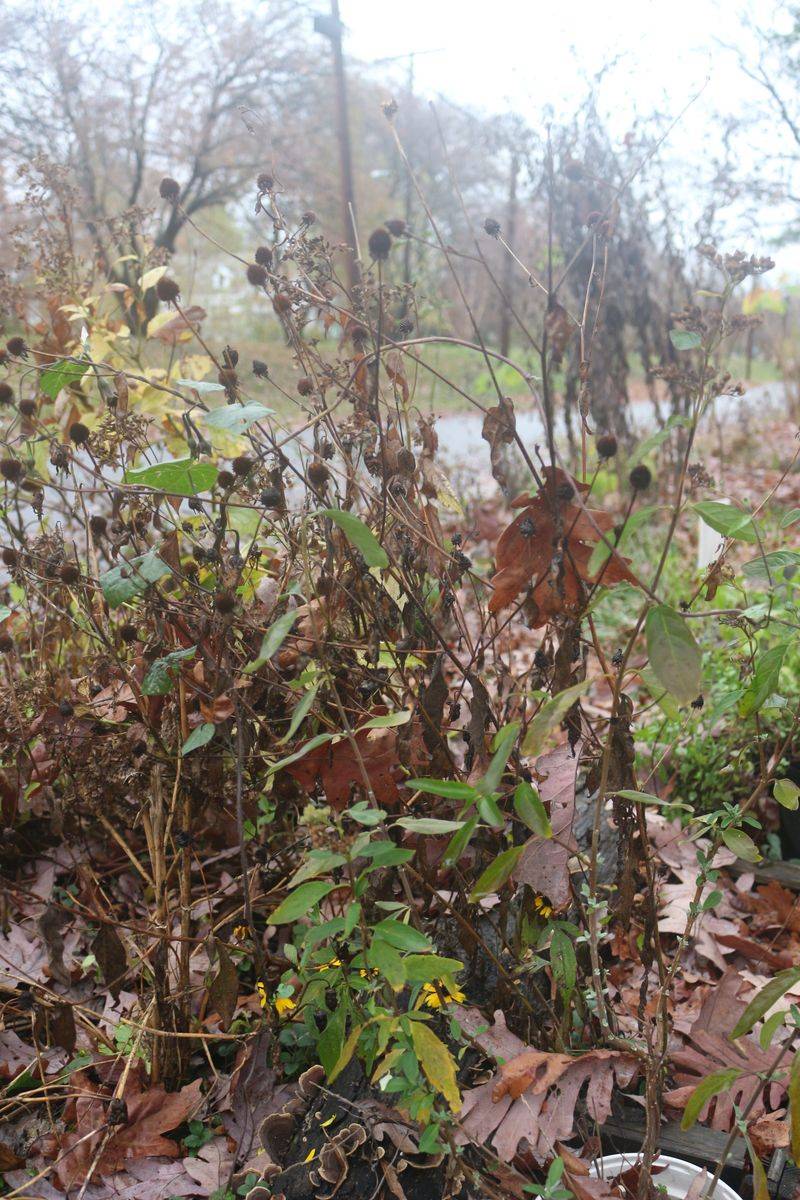
Resist the urge to clean up every corner of your garden. Many beneficial insects, including native bees, overwinter in plant stems, leaf litter, and soil.
Wait until late spring to cut back perennial stems. Early emerging bees may still be using hollow stems for shelter during cool morning temperatures.
Leaf piles under shrubs provide habitat for ground-dwelling insects that become food for birds. A slightly messy garden supports much more wildlife than a perfectly manicured landscape.