 Complete Gardening
Delaware’s unique climate creates perfect growing conditions for many beautiful plants. From coastal areas to inland regions, the First State offers gardeners amazing opportunities to grow both native species and adapted varieties. Smart plant choices can help your garden flourish year-round while supporting local wildlife and creating stunning outdoor spaces.
1. Eastern Redbud Trees
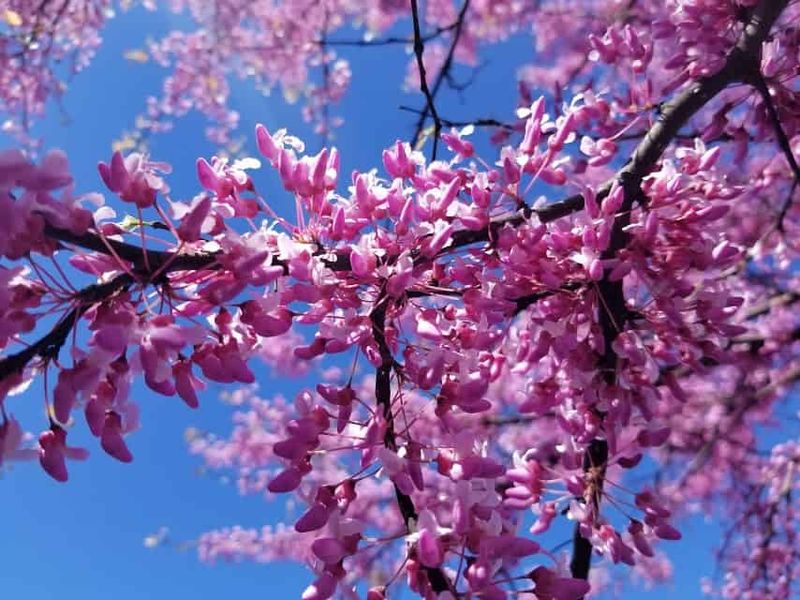
Spring magic happens when Eastern Redbuds burst into brilliant pink blooms before their heart-shaped leaves appear. These charming native trees adapt to various soil types and provide early nectar for hungry pollinators emerging from winter.
Growing 15-30 feet tall, they fit perfectly in smaller yards while creating dramatic seasonal interest. Plant them in partial shade to full sun for best flowering results.
2. Red Maple for Wet Areas
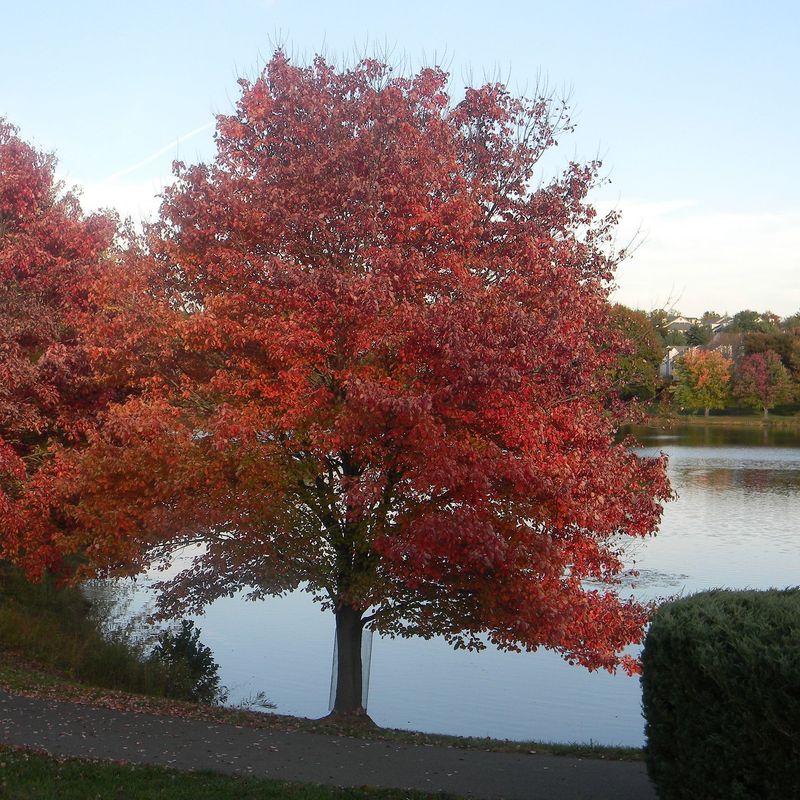
When other trees struggle in soggy soil, Red Maples thrive and celebrate with spectacular fall colors. Their brilliant red and orange autumn display makes them Delaware garden superstars, especially in areas prone to flooding or poor drainage.
Wildlife loves these versatile natives for shelter and food. They grow quickly and tolerate both wet and dry conditions once established.
3. Virginia Sweetspire Shrubs
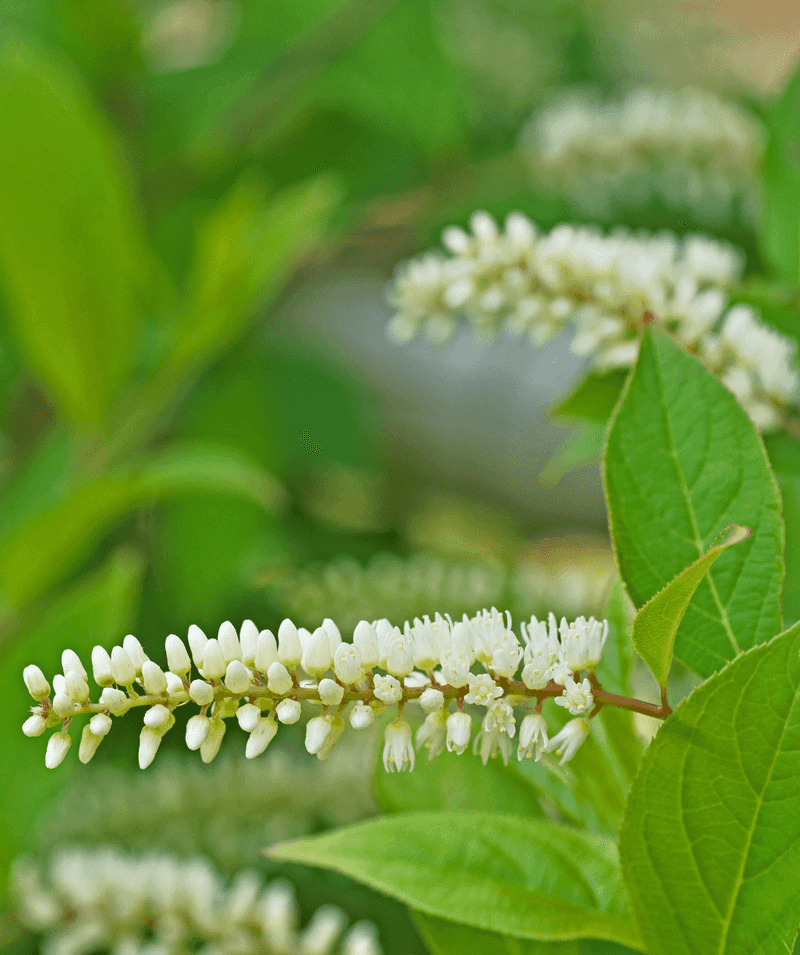
Fragrant white flower spikes in spring give way to stunning red fall foliage, making Virginia Sweetspire a two-season showstopper. This adaptable shrub handles both sunny spots and shady corners with equal grace.
Growing 3-5 feet tall, it works beautifully as foundation plantings or natural borders. The sweet fragrance attracts beneficial insects while the colorful autumn leaves add warmth to cooling weather.
4. Spicebush for Early Pollinators
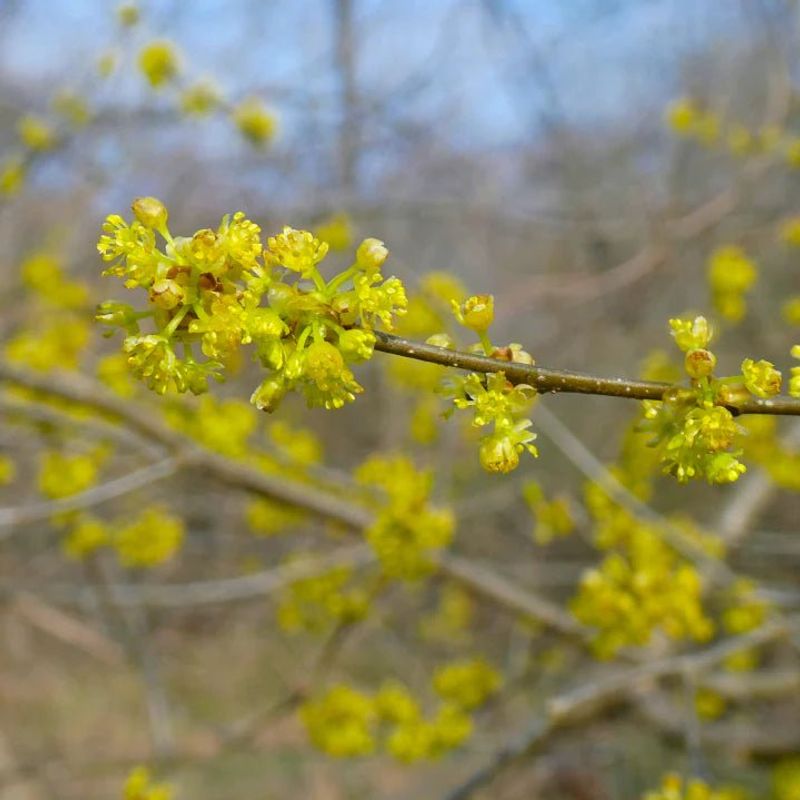
Before most plants wake up, Spicebush offers tiny yellow flowers to early spring pollinators desperate for food. This fast-growing native shrub supports over 40 butterfly and moth species throughout its lifecycle.
Bright red berries follow the flowers, feeding birds during fall migration. The aromatic leaves release a spicy scent when crushed, earning this woodland favorite its common name.
5. Black-Eyed Susan Perennials
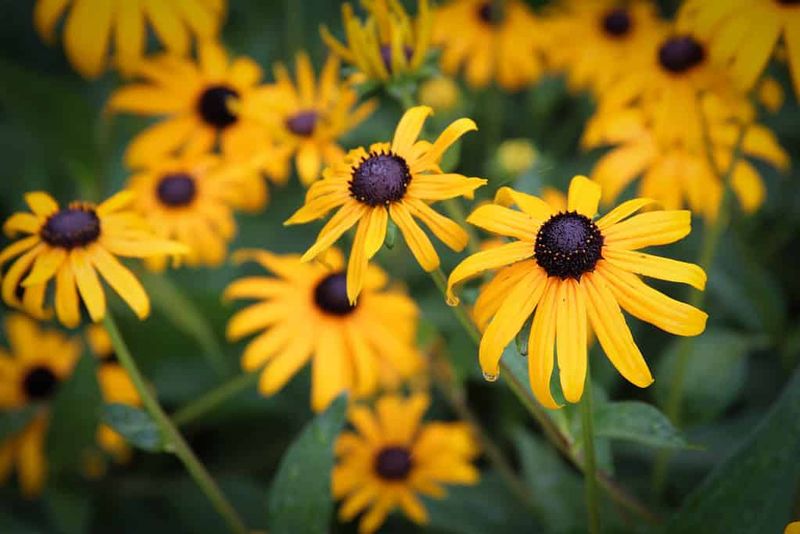
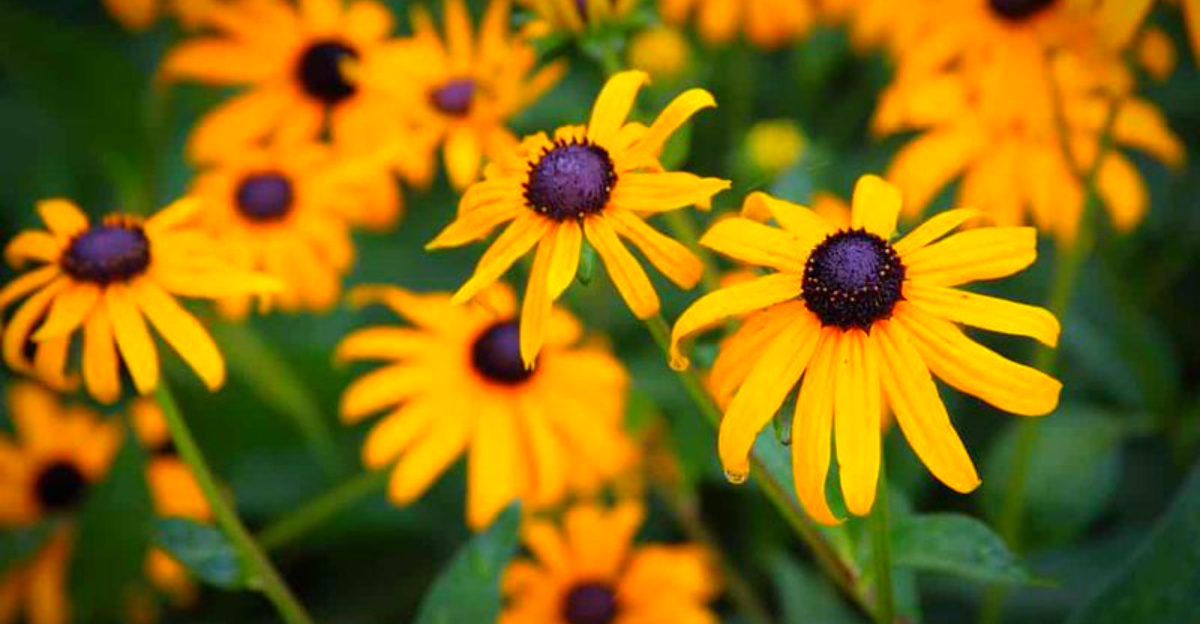
Cheerful golden petals surrounding dark centers make Black-Eyed Susans the sunshine of Delaware gardens. These hardy perennials bloom from early summer through fall, providing consistent color when other flowers fade.
Butterflies and bees flock to their nectar-rich blooms. They spread naturally to fill garden spaces and tolerate drought once established, making maintenance minimal for maximum beauty.
6. Purple Coneflower Power
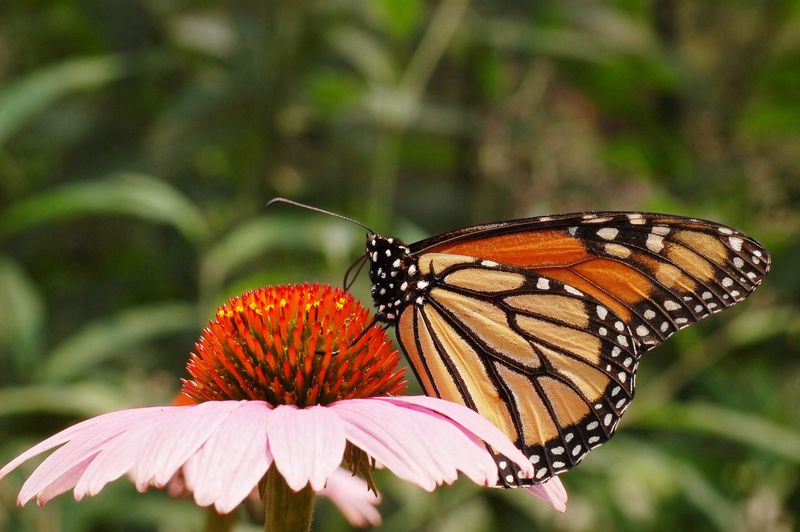
Monarch butterflies can’t resist the nectar-rich blooms of Purple Coneflowers, making them essential for pollinator gardens. The distinctive raised centers and drooping purple petals create architectural interest even after flowers fade.
Birds love the seed heads through winter, providing natural food sources. These tough perennials handle Delaware’s variable weather while returning stronger each year with minimal care required.
7. Switchgrass for Texture
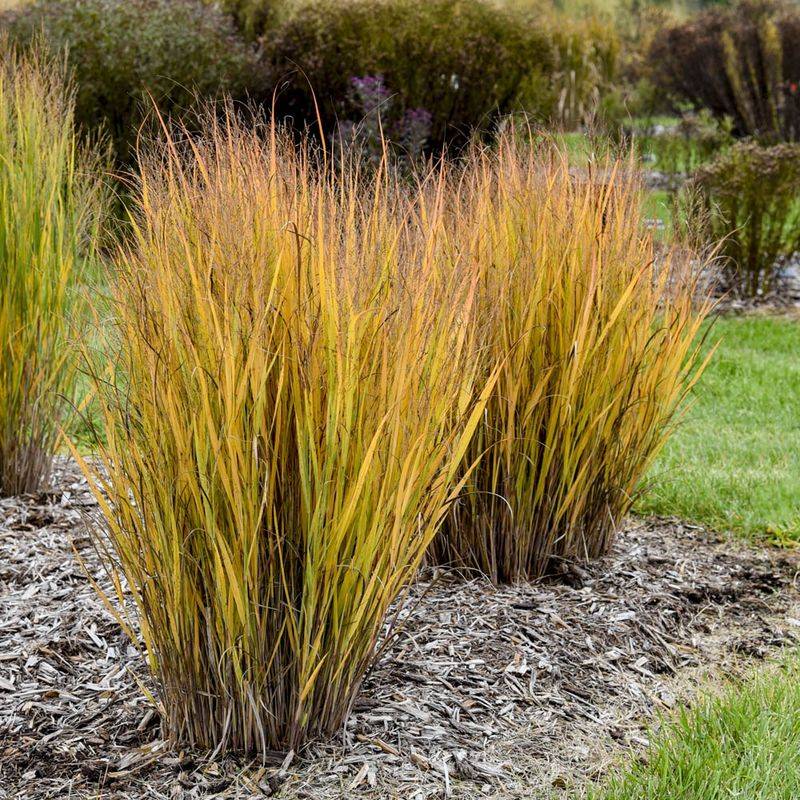
Graceful seed heads dancing in autumn breezes make Switchgrass a dynamic addition to Delaware landscapes. This native grass adds vertical interest and movement while requiring virtually no maintenance once established.
Birds feast on the seeds while the sturdy clumps provide winter shelter for beneficial insects. The golden fall color and attractive plumes create year-round visual appeal in modern and natural garden designs.
8. Cool-Season Lettuce Success
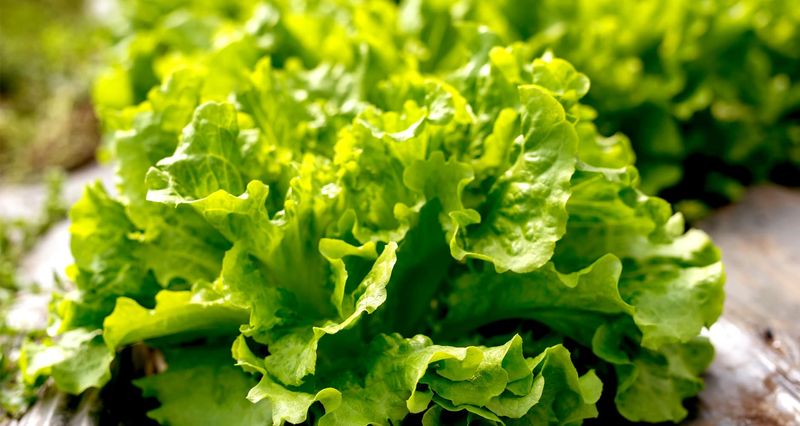
Delaware’s mild springs and falls create perfect lettuce-growing weather when summer heat would wilt these tender greens. Multiple harvests from the same plants extend your fresh salad season significantly.
Plant seeds every two weeks for continuous harvests. Choose heat-resistant varieties for longer spring growing periods, and enjoy fresh greens well into winter with simple protection methods.
9. Year-Round Kale Growing
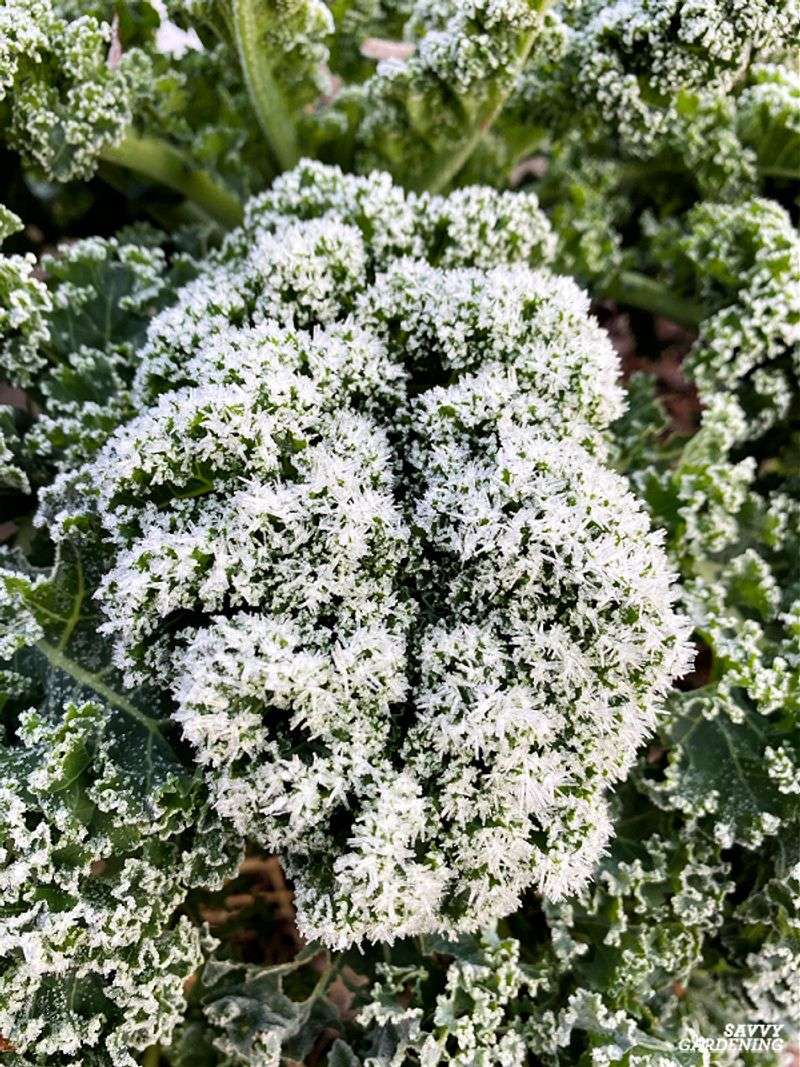
Frost actually improves kale’s flavor, making Delaware’s variable winter weather a blessing for this superfood green. Unlike tender vegetables, kale keeps producing through cold snaps and light snow.
Plant succession crops for continuous harvests. The colorful varieties add ornamental value to vegetable gardens while providing nutritious leaves. Even beginner gardeners find success with this forgiving, cold-hardy crop.
10. Native Beach Grass Stabilizers
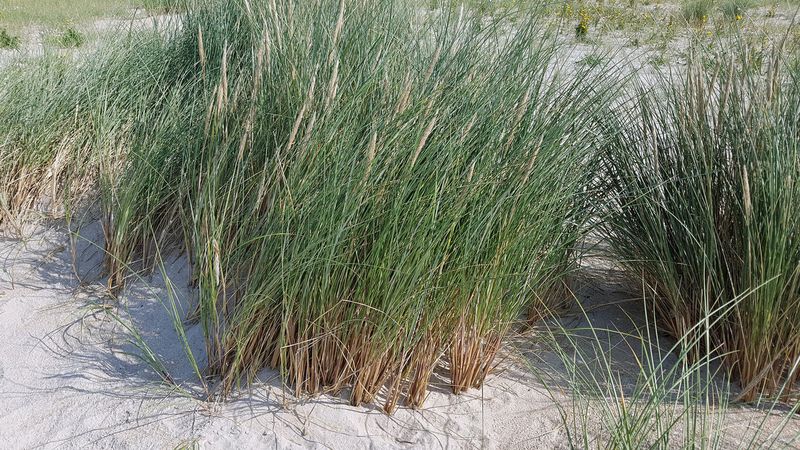
Along Delaware’s coastline, American Beach Grass performs the crucial job of holding sand dunes together while creating natural beauty. These tough grasses handle salt spray, wind, and shifting sands that would kill most plants.
Their extensive root systems prevent erosion while providing nesting sites for shore birds. Coastal gardeners can use these grasses to create natural-looking landscapes that thrive in challenging seaside conditions.
11. Wild Bergamot for Butterflies
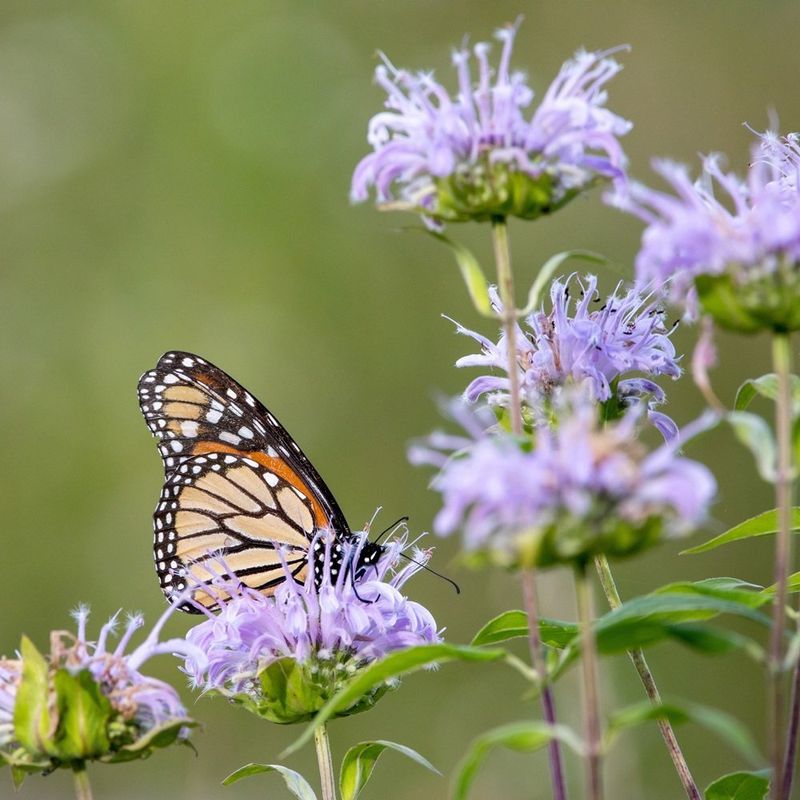
The spicy-sweet fragrance of Wild Bergamot flowers fills summer air while attracting clouds of butterflies and hummingbirds. This native perennial spreads to form colorful colonies that support diverse pollinator populations.
Historical uses include tea-making from the aromatic leaves. The lavender-pink flower clusters bloom for weeks, and the dried seed heads provide winter interest while feeding birds throughout the cold months.
12. Serviceberry Trees
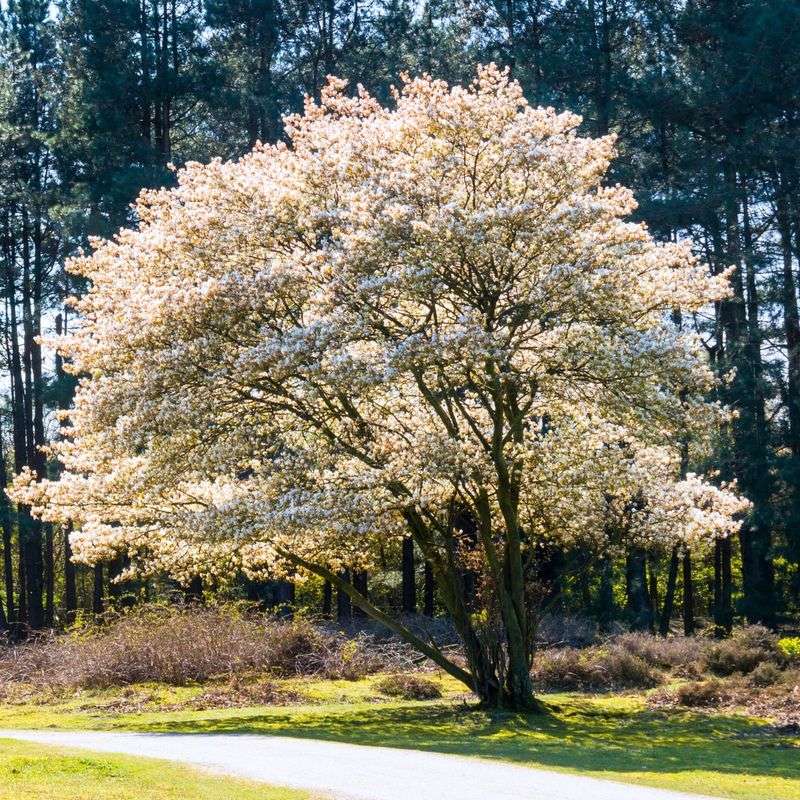
Three seasons of beauty make Serviceberries outstanding Delaware natives: white spring flowers, sweet summer berries, and brilliant orange fall foliage. Wildlife and humans both enjoy the edible fruits that taste like blueberries.
These small trees work perfectly under power lines or in tight spaces. Early spring blooms provide nectar when few other sources exist, supporting emerging pollinators during critical feeding periods.
13. Cardinal Flower Drama
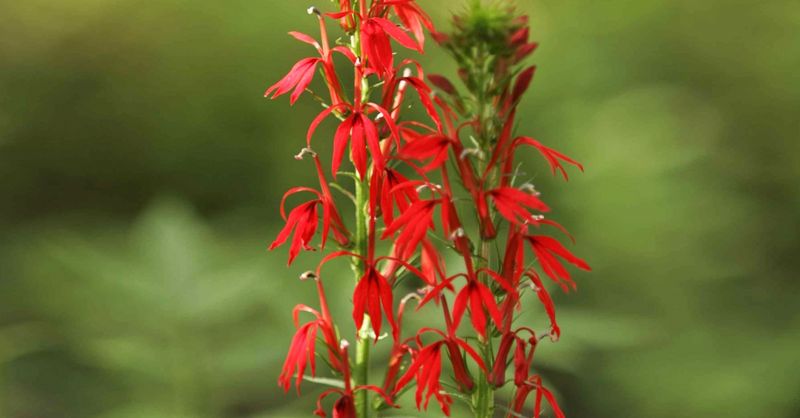
Brilliant red spikes of Cardinal Flowers create stunning focal points in moist Delaware garden areas. Hummingbirds travel great distances for these nectar-rich blooms that perfectly match their feeding preferences.
Plant them near water features or in naturally wet spots where other perennials struggle. The intense scarlet color provides dramatic contrast against green foliage while supporting hummingbird populations during their long migrations.
14. New Jersey Tea Shrubs
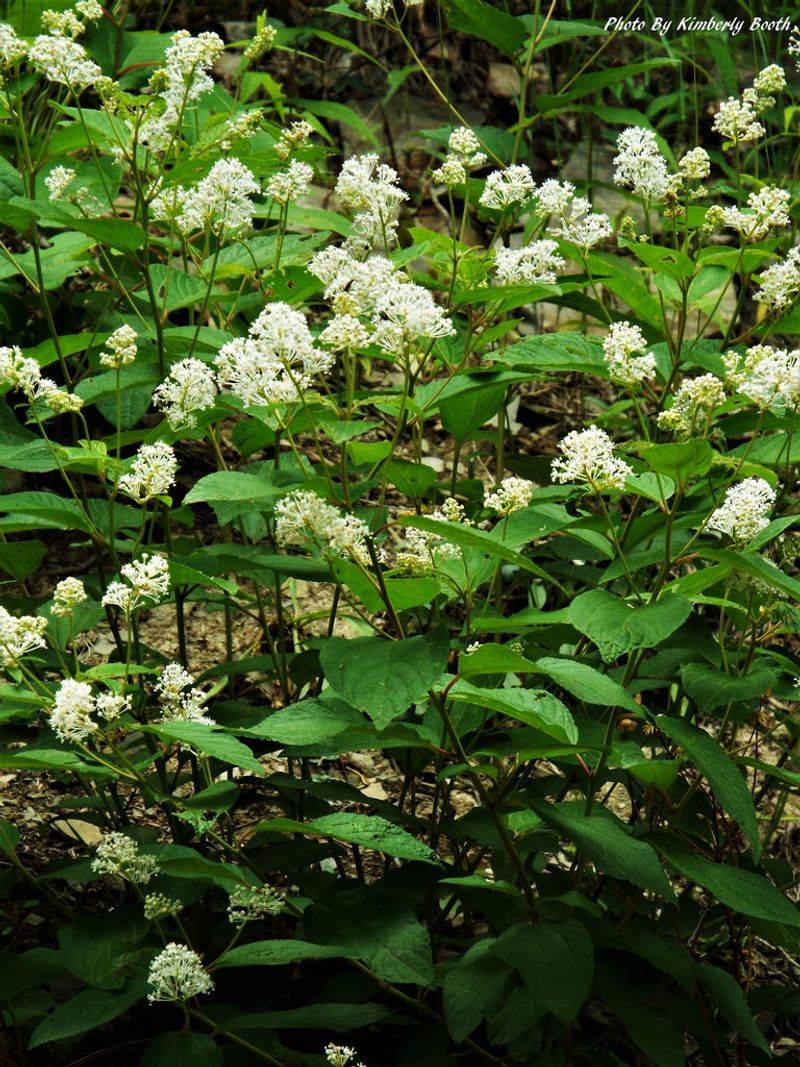
Clusters of tiny white flowers create foam-like displays on New Jersey Tea shrubs, earning them the nickname ‘soap bush.’ This drought-tolerant native thrives in Delaware’s sandy soils where other shrubs struggle.
Revolutionary War colonists actually brewed tea from the leaves when imported tea became unavailable. The deep root system helps prevent soil erosion while providing late-season nectar for butterflies and beneficial insects.
15. Wild Ginger Groundcover
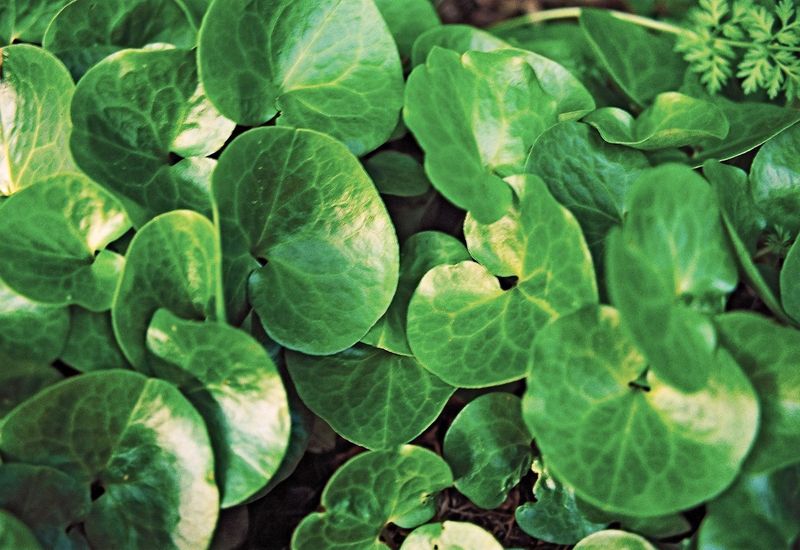
Heart-shaped leaves create lush carpets in shady Delaware garden spots where grass won’t grow. Wild Ginger spreads slowly through underground rhizomes, forming dense colonies that suppress weeds naturally.
Hidden maroon flowers bloom at ground level, pollinated by beetles and flies. The aromatic roots smell like culinary ginger when crushed, though they’re not edible. This native groundcover thrives in woodland conditions with minimal care.