 Complete Gardening
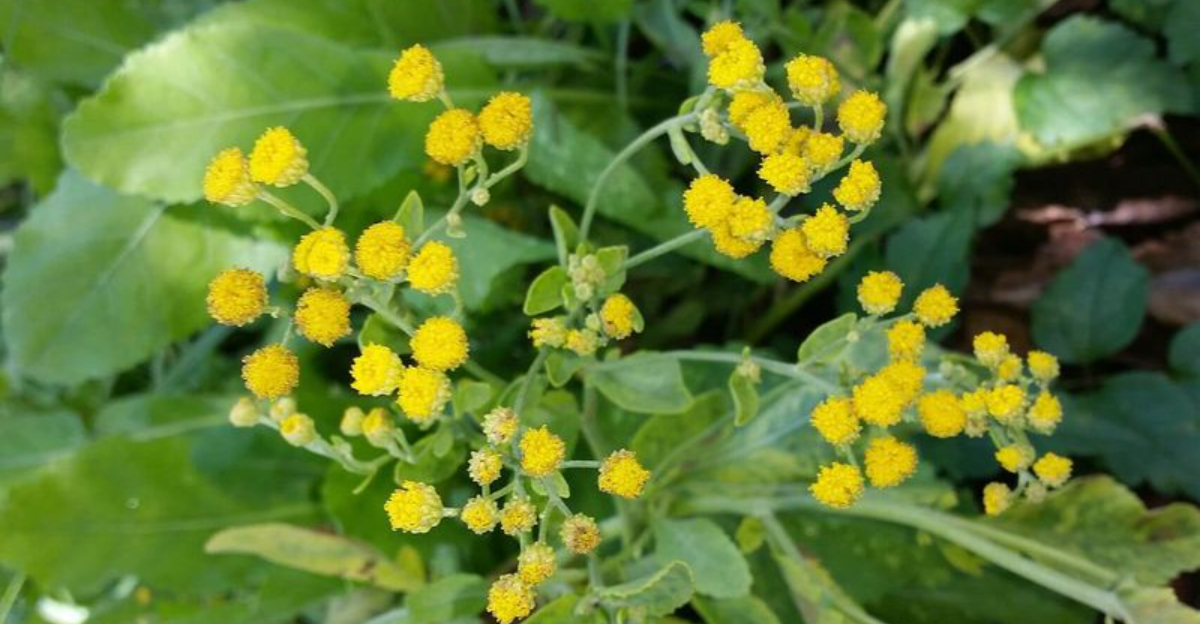
Explore the intriguing world of uncommon herbs that not only elevate your culinary dishes but also offer medicinal benefits. From the intense flavors of Lovage to the tangy crunch of Purslane, these herbs provide unique tastes and health advantages that make them a must-have in your kitchen and medicine cabinet. Discover how these 13 distinctive herbs can transform your cooking and contribute to your well-being.
1. Lovage (Levisticum officinale)
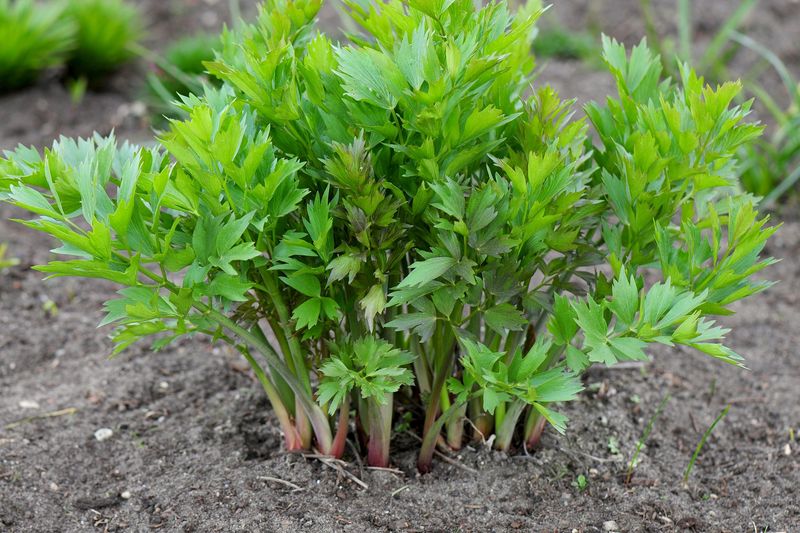
With a flavor reminiscent of celery but packing a more intense punch, Lovage adds a peppery kick to any dish. Often found enhancing the depth of soups, stews, and potato dishes, its culinary versatility is matched by its digestive benefits. For those who experience bloating, Lovage offers a natural remedy, soothing the digestive tract. Historically, this herb has been cherished for both its taste and medicinal properties, making it a staple in many traditional kitchens. Its vibrant green leaves are not only a visual delight but also a source of relief for those seeking natural remedies.
2. Epazote (Dysphania ambrosioides)
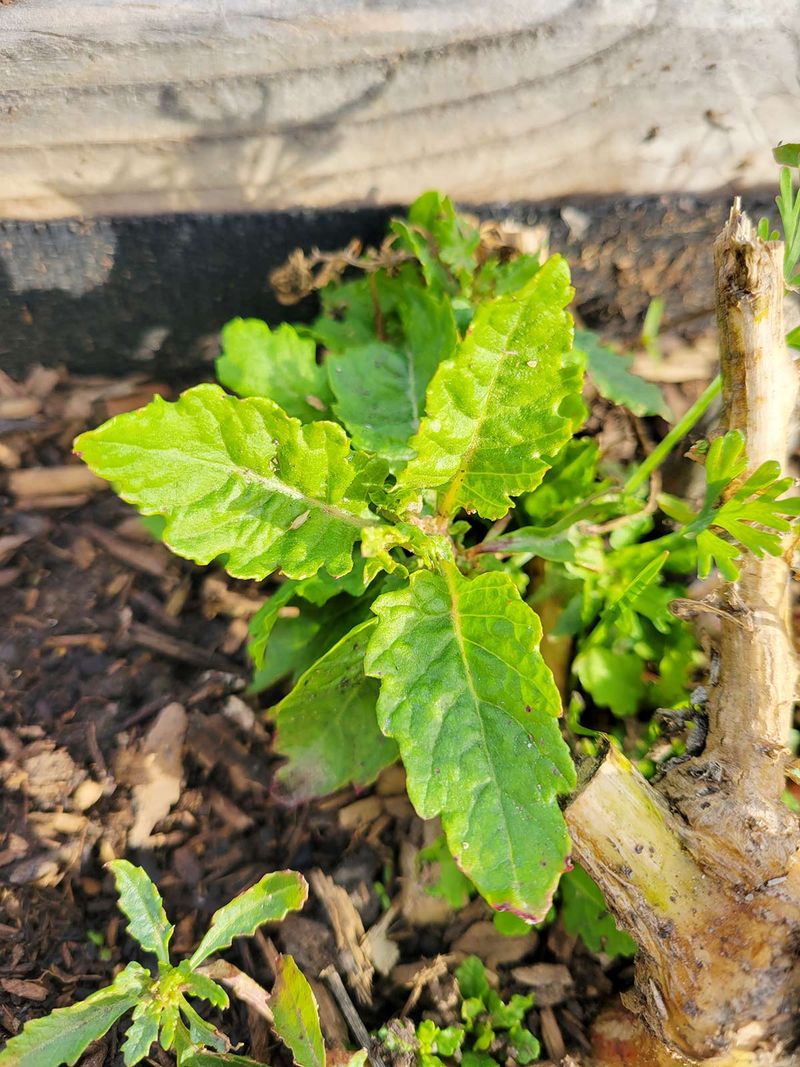
Epazote’s distinct pungent and citrusy flavor is a staple in Mexican cuisine, particularly in black beans, where it is valued for reducing gas. Its slightly medicinal taste sets it apart, adding complexity to quesadillas and moles. Beyond the kitchen, Epazote is recognized for its anti-parasitic properties and ability to relieve stomach cramps. This herb stands as a testament to the blend of culinary artistry and health awareness, bringing unique, bold flavors to traditional dishes. Its cultural significance in Mexican cooking makes it a must-try for adventurous cooks.
3. Salad Burnet (Sanguisorba minor)
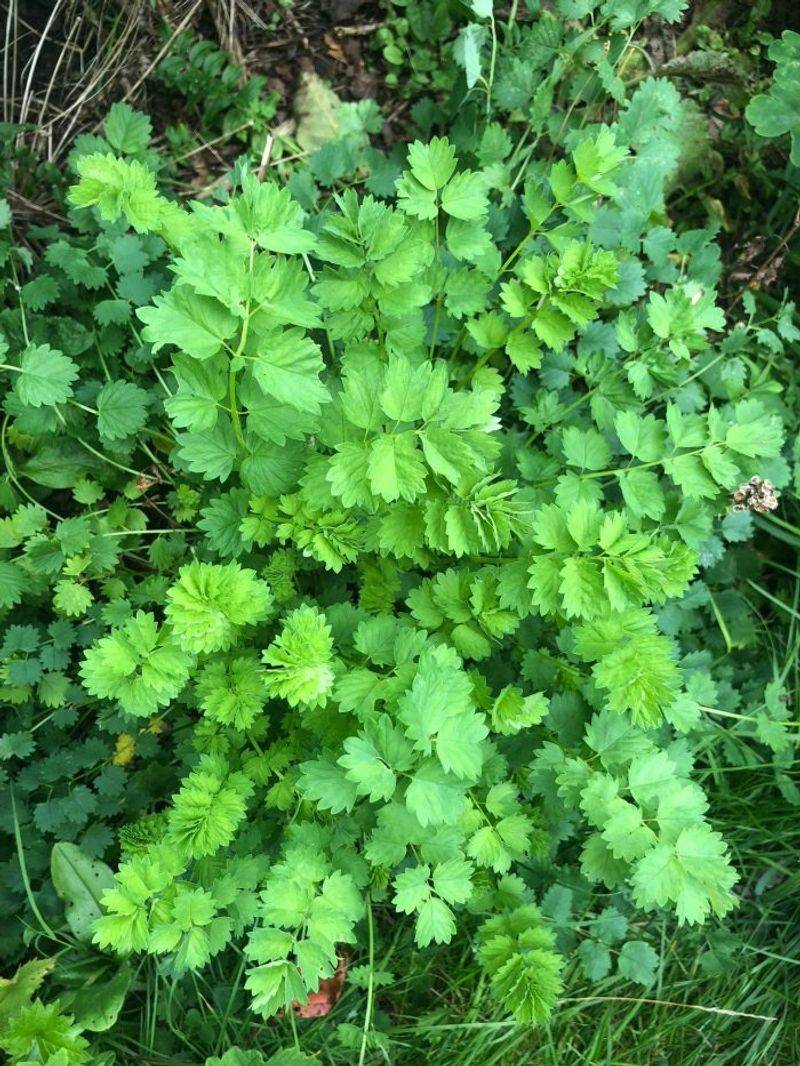
Salad Burnet boasts a mild cucumber flavor with a subtle nuttiness, making it a refreshing addition to fresh salads and garnishes. Its ability to infuse vinegar with a crisp, fresh taste highlights its versatility in the kitchen. Rich in vitamin C, this herb also supports anti-inflammatory responses in the body, offering both flavor and health benefits. Its delicate leaves add a touch of elegance to any dish, inviting both taste and visual appeal. The herb’s gentle flavor complements various dishes, enhancing them without overpowering.
4. Lemon Verbena (Aloysia citrodora)
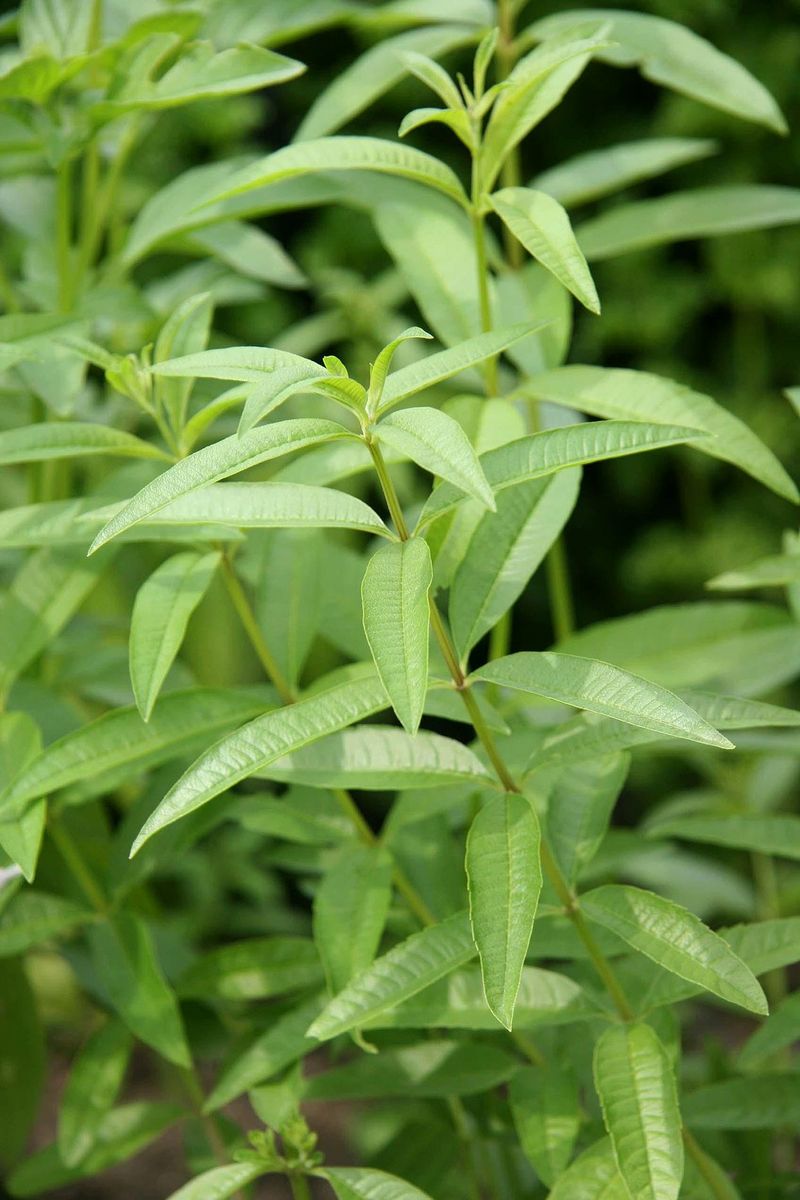
Bright and lemony, Lemon Verbena’s slightly floral notes create a unique taste profile that enhances teas, desserts, and marinades. Known for its calming effects on anxiety and aiding sleep, it also soothes digestion, making it a cherished herb in both culinary and medicinal applications. Homemade liqueurs benefit from its fresh, vibrant essence, offering a zestful twist. The herb’s fragrant leaves bring a touch of sunshine to any recipe, uplifting the senses with their invigorating aroma and taste.
5. Hyssop (Hyssopus officinalis)
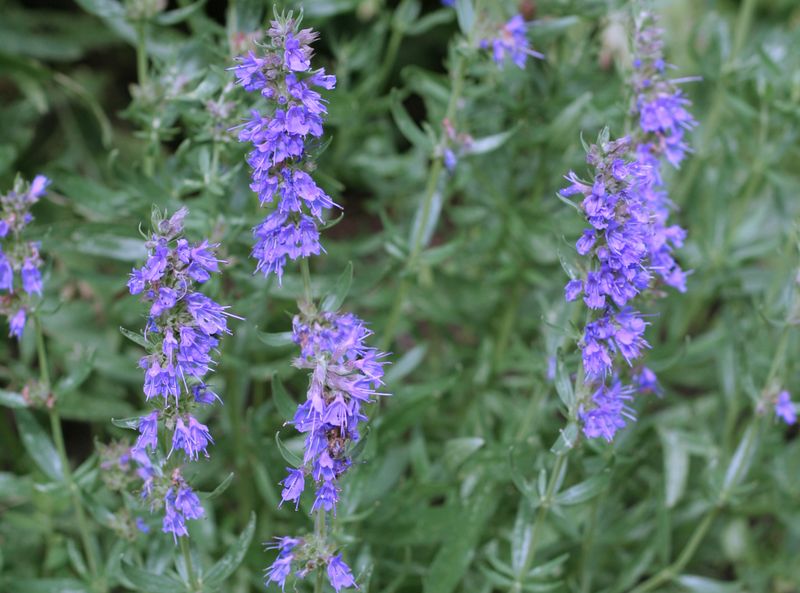
With a minty, slightly bitter flavor touched by licorice, Hyssop adds a distinctive character to Middle Eastern and Mediterranean dishes. Its support for respiratory health and antiseptic qualities add to its appeal, making it a favored ingredient in herbal liqueurs like Chartreuse. The herb’s historical significance in traditional medicine highlights its dual role as both a culinary and healing agent. Its vibrant blossoms and aromatic leaves infuse dishes with a unique, earthy charm, captivating both the palate and the senses.
6. Wood Sorrel (Oxalis spp.)
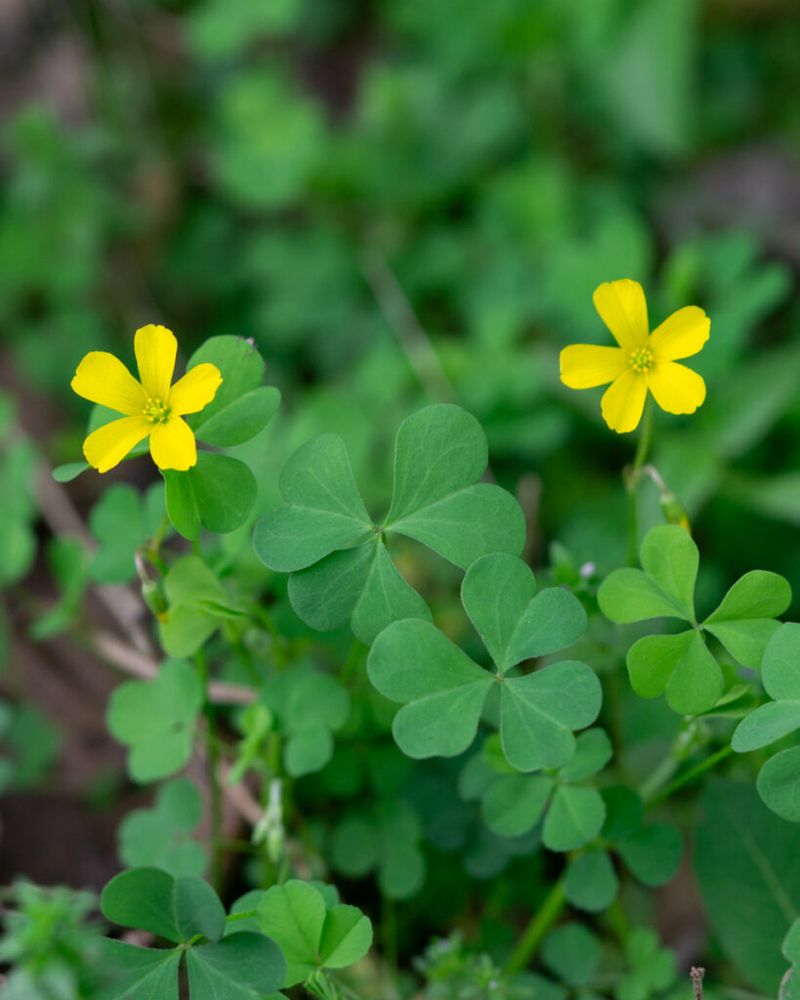
Tart and lemony, Wood Sorrel offers a flavor akin to clover, making it a delightful garnish for fish, salads, or syrups. Its high vitamin C content and diuretic properties contribute to its popularity in both culinary and health circles. The herb’s trifoliate leaves and charming yellow flowers bring a touch of nature’s elegance to dishes, enhancing them with a fresh zest. Its crisp, lemony taste invigorates the palate, transforming ordinary recipes into extraordinary culinary experiences.
7. Costmary (Tanacetum balsamita)
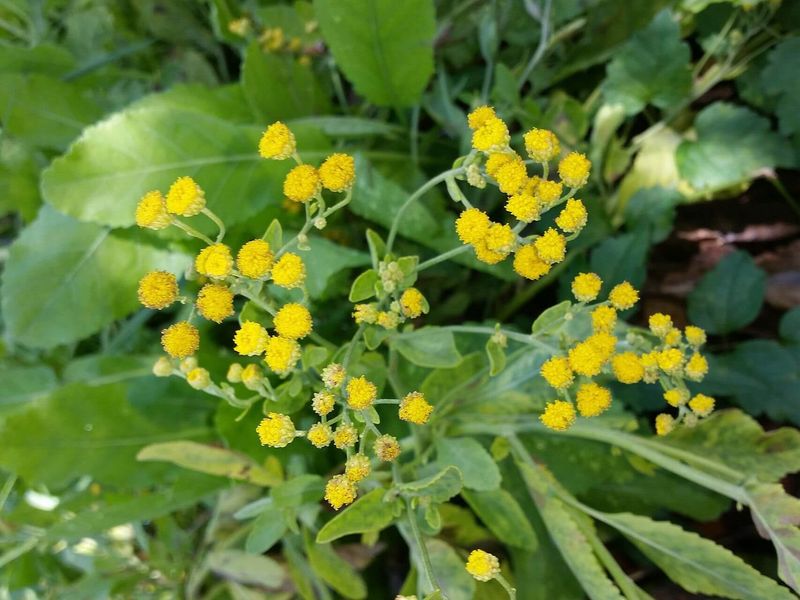
Historically used to flavor beer, Costmary now finds its place in the kitchen as a delightful addition to teas and potpourri. Its minty-balsamic flavor, with hints of citrus, offers a unique taste experience. Known for its anti-inflammatory and digestive aid properties, Costmary serves as both a culinary delight and a natural remedy. The herb’s aromatic leaves infuse spaces with a soothing scent, creating an inviting atmosphere. Its historical charm lends a nostalgic, comforting touch to modern culinary and wellness practices.
8. Shiso (Perilla frutescens)
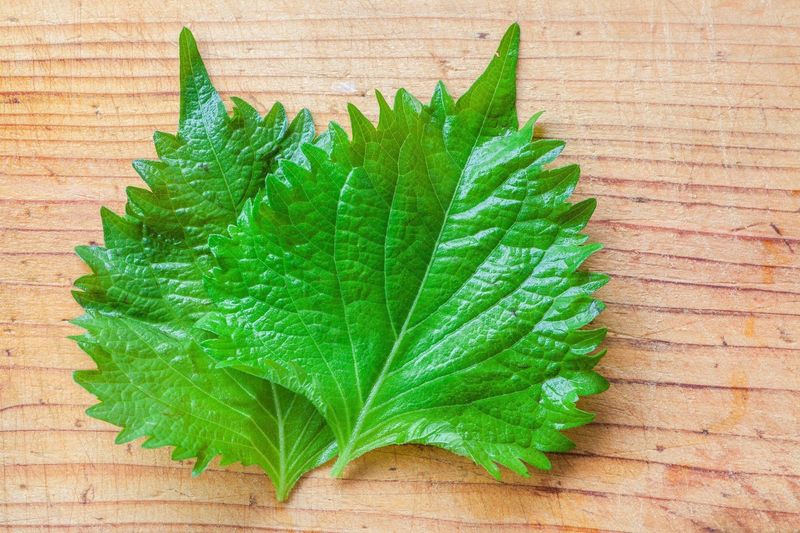
Shiso’s flavor melds mint, basil, and anise, creating a unique taste that elevates dishes like sushi, pho, and umeboshi. Rich in antioxidants, it supports immunity, offering health benefits alongside its culinary appeal. The broad, colorful leaves of Shiso add a visual pop to dishes, making them as delightful to the eye as they are to the palate. Its intriguing taste and healthful properties make Shiso a staple in various Asian cuisines, providing an exotic twist to traditional recipes.
9. Sweet Cicely (Myrrhis odorata)
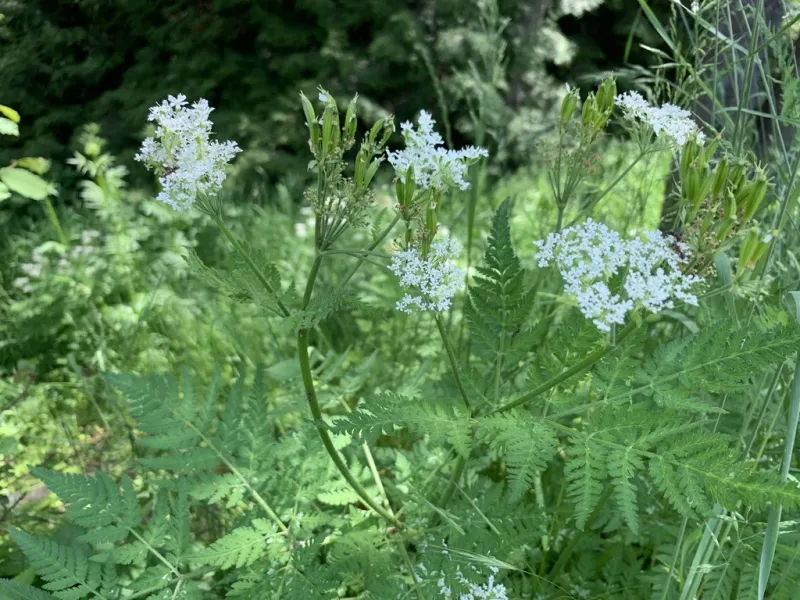
Sweet Cicely’s sweet anise-like flavor reduces the need for sugar, making it a valuable addition to fruit salads and diabetic-friendly desserts. It helps regulate blood sugar, making it a favorite for health-conscious cooks. The herb’s delicate white flowers and feathery leaves bring an aesthetic grace to gardens and dishes alike. Its ability to naturally sweeten foods without added sugar highlights its practicality and appeal, offering a healthier alternative for sweet treats.
10. Vietnamese Coriander (Persicaria odorata)
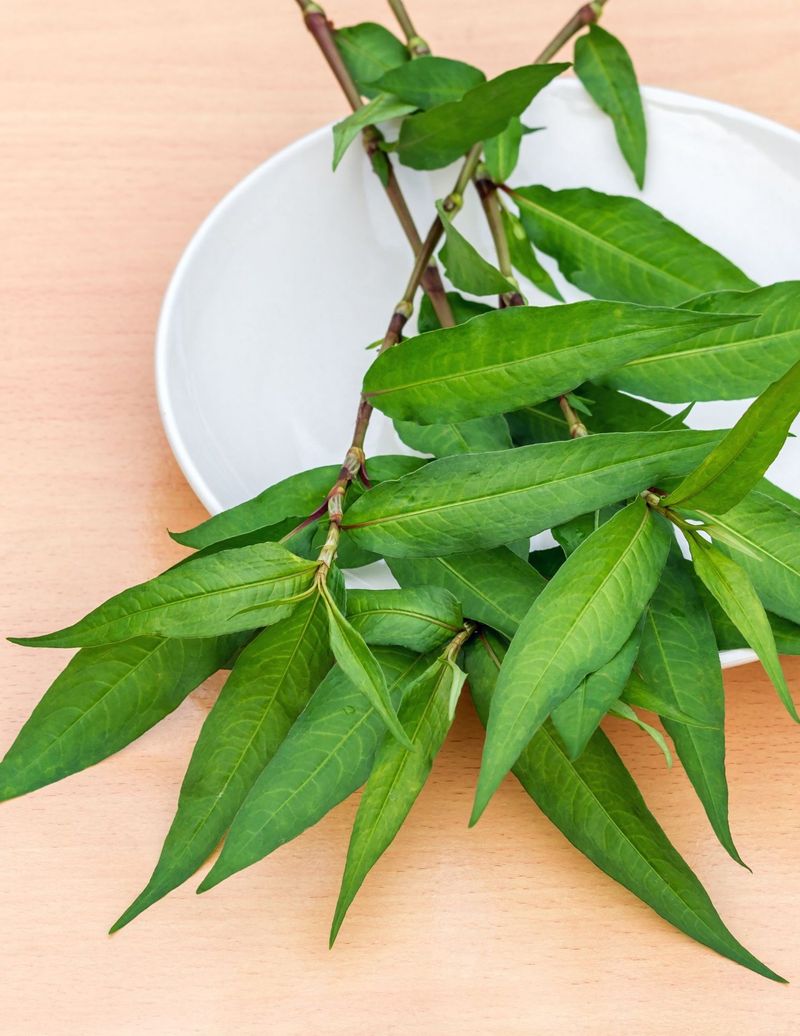
Peppery and citrusy, Vietnamese Coriander is stronger than regular cilantro, adding a zesty kick to pho, spring rolls, and laksa. Its anti-microbial properties and digestive support make it a favored ingredient in Southeast Asian cuisine. The herb’s striking leaves and bold flavor profile offer a sensory delight, enhancing both the taste and health benefits of dishes. Vietnamese Coriander’s vibrant essence captures the spirit of tropical gardens, infusing culinary creations with its distinctive charm.
11. Angelica (Angelica archangelica)
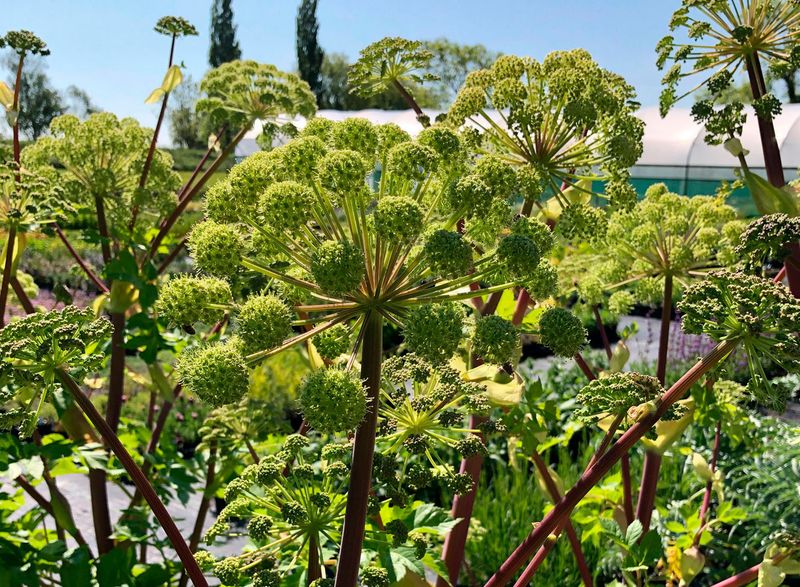
Angelica’s earthy, herbal flavor with a slightly musky undertone makes it a unique addition to culinary creations. Often used in gin and candied for cake decoration, it offers both taste and visual charm. Known for relieving colds and coughs, Angelica’s medicinal properties complement its culinary versatility. The plant’s towering structure and umbrella-like flowers add a majestic presence to gardens and dishes, offering both aesthetic and practical benefits. Its historic use in traditional medicine underscores its enduring appeal.
12. Bee Balm (Monarda spp.)
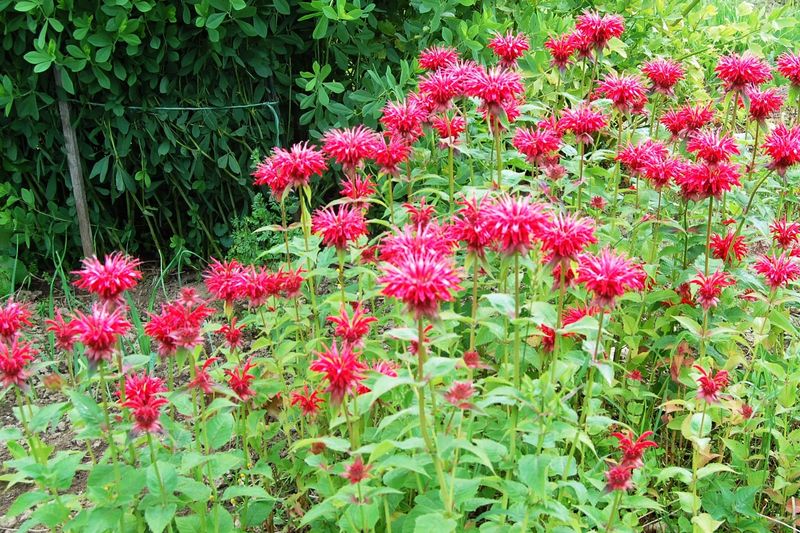
Citrusy and oregano-like, Bee Balm’s floral notes create a distinct flavor profile for teas, salads, and honey infusions. Its antiseptic properties and use for sore throats highlight its medicinal value alongside culinary uses. The striking red and pink blossoms of Bee Balm not only attract pollinators but also bring vibrant color to gardens and dishes. Its fragrant leaves infuse recipes with a unique, aromatic charm, capturing the essence of summer in every bite.
13. Purslane (Portulaca oleracea)
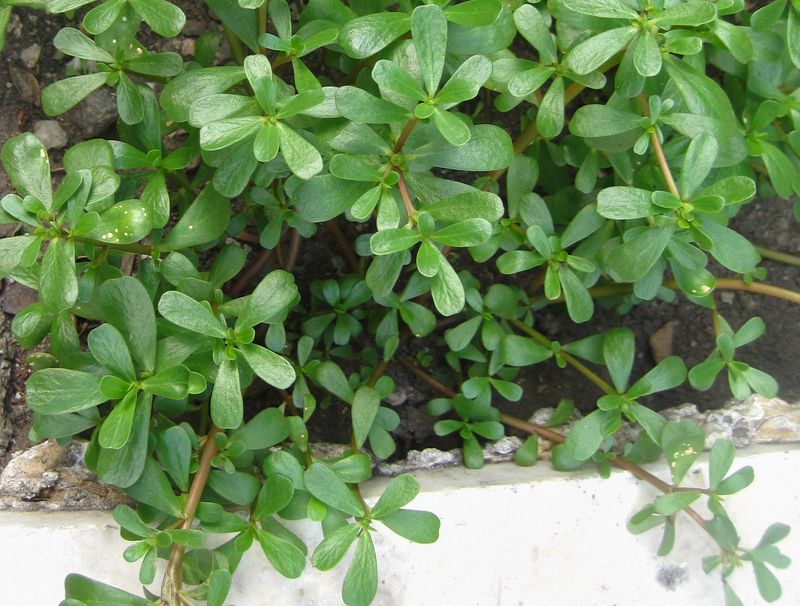
Purslane’s slightly tangy, crunchy leaves offer a lemony flavor that enhances salads, stir-fries, and pickles. As one of the richest plant sources of omega-3s, it offers significant health benefits, supporting heart and brain health. The succulent nature of Purslane adds a refreshing texture to dishes, making it a versatile ingredient for creative culinary explorations. Its bright green leaves and cheerful yellow flowers bring a touch of garden freshness to any meal, delighting both the palate and the eye.