 Complete Gardening
In the world of gardening, the tradition of planting in neat, straight rows is being challenged by the more natural and space-efficient method of scattering seeds. This approach not only maximizes garden space but also enhances the growth and health of many plants. Discover the benefits of scattered planting with these 13 vegetables and 7 herbs that thrive when allowed to grow more freely.
1. Arugula
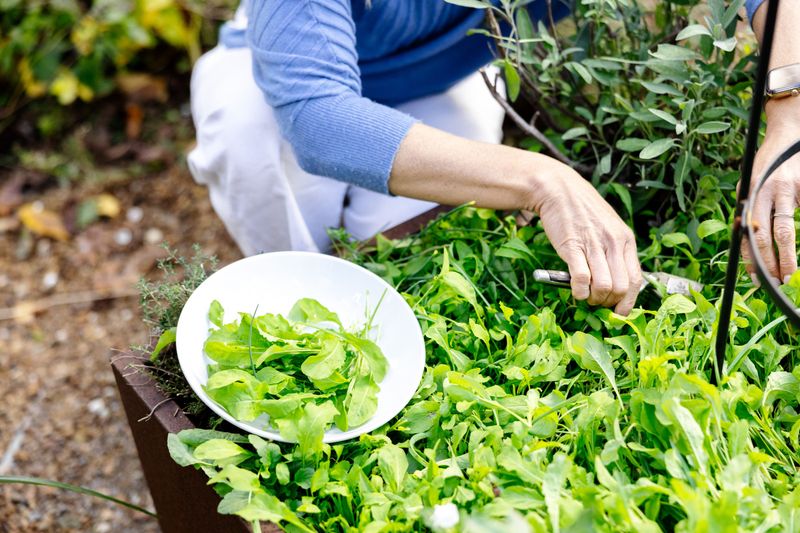
With its peppery leaves, arugula is a lively addition to any salad. By scattering its seeds over the soil, gardeners can mimic its natural growth pattern, encouraging a more robust plant. This method allows the arugula to self-seed, providing continuous harvests throughout the growing season. Additionally, when grown in scattered patches, arugula can help suppress weeds, making it a favorite for both novice and experienced gardeners. The scattered planting method helps maintain soil moisture and reduces the need for thinning, offering a bountiful and hassle-free harvest all season long.
2. Spinach
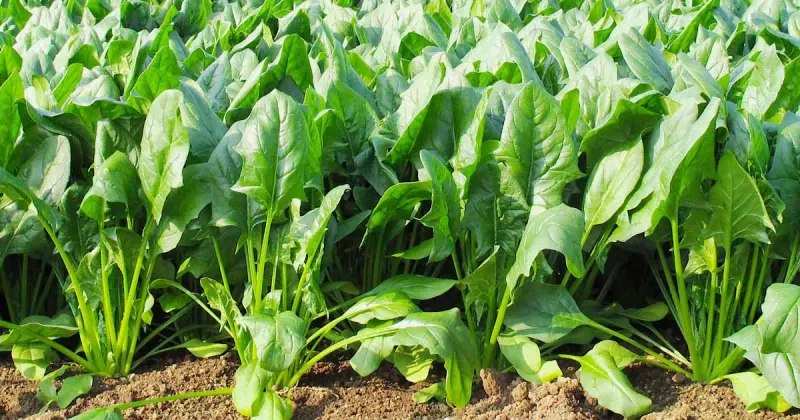
Spinach, with its nutrient-rich leaves, flourishes when its seeds are scattered across the garden. This method results in a dense growth pattern that naturally shades the soil, keeping it cooler and preventing the spinach from bolting prematurely. The scattered planting also acts as a natural mulch, helping retain soil moisture and suppressing weeds. These benefits make spinach an excellent choice for those looking to maximize their garden yield while minimizing maintenance. As the plants grow, they create a lush green carpet, ready to be harvested leaf by leaf or in bunches.
3. Lettuce (Leaf Varieties)
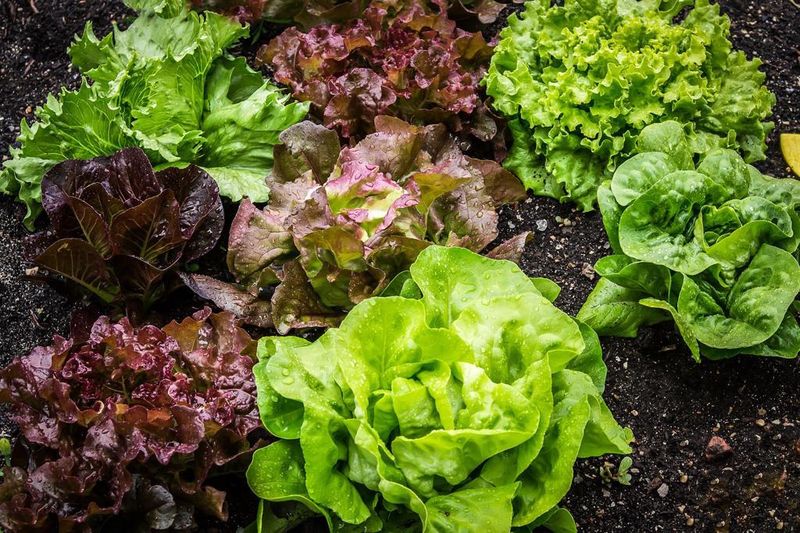
Leaf lettuce varieties are perfect for creating a vibrant and colorful garden patch when scattered. This planting style allows for a “cut-and-come-again” approach, where leaves can be harvested as needed without disturbing the plant. By mixing different types of lettuce, gardeners can enjoy a diverse range of flavors and colors, making each salad a unique experience. Scattering also eliminates the need for thinning and reduces weed competition. This method encourages healthier plants and ensures a steady supply of fresh greens throughout the growing season.
4. Radishes
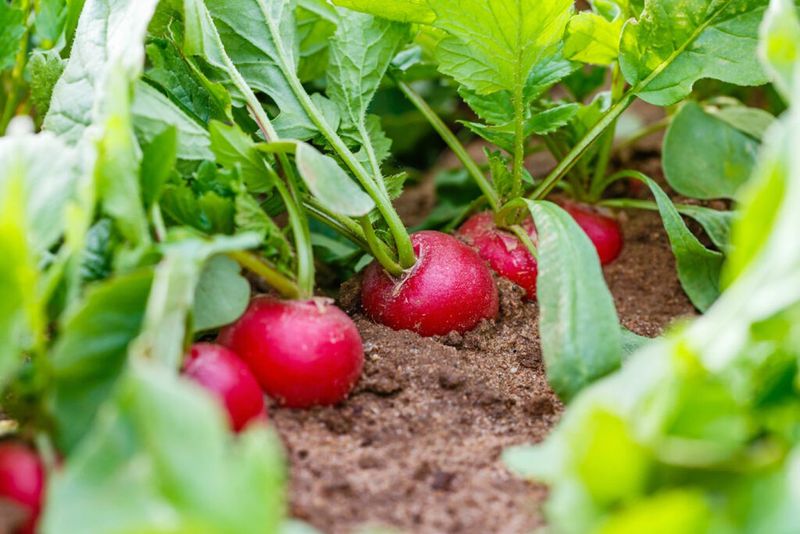
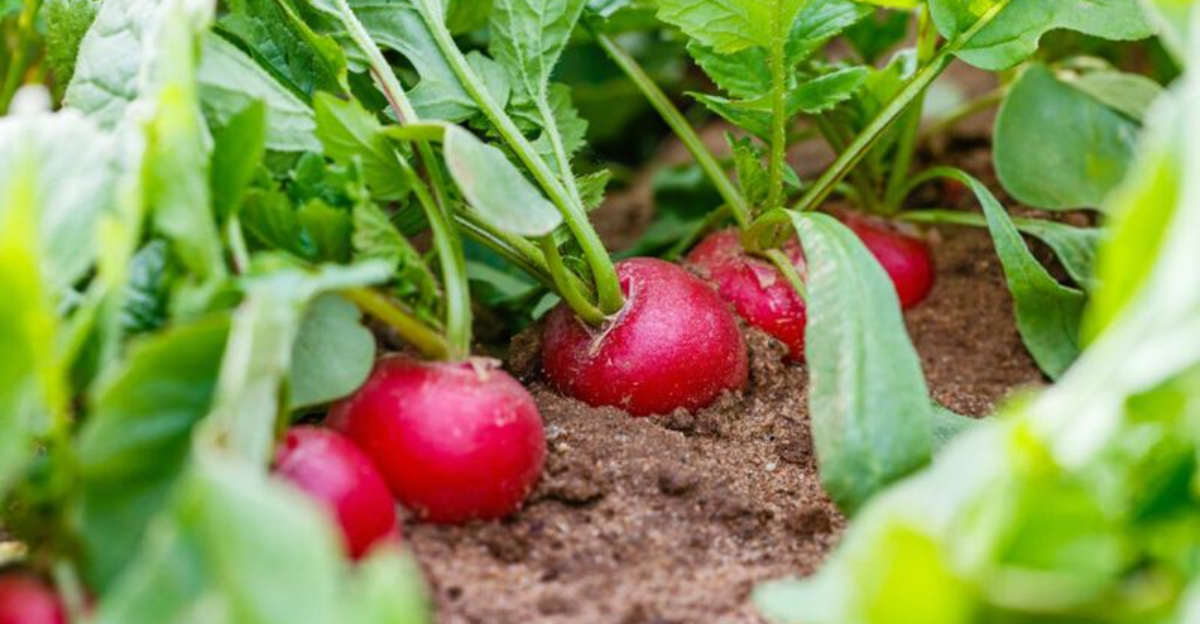
Radishes are quick to grow, making them ideal for scattering among slower-growing plants. This technique maximizes space in the garden and allows radishes to break up the soil, benefiting neighboring crops. The vibrant red tops of radishes not only add a splash of color but also indicate when they’re ready for harvest. When scattered, radishes require less thinning and help improve soil structure. As they grow rapidly, they provide an early harvest while the rest of the garden develops. Radishes are a gardener’s secret weapon for improving both aesthetics and productivity.
5. Carrots
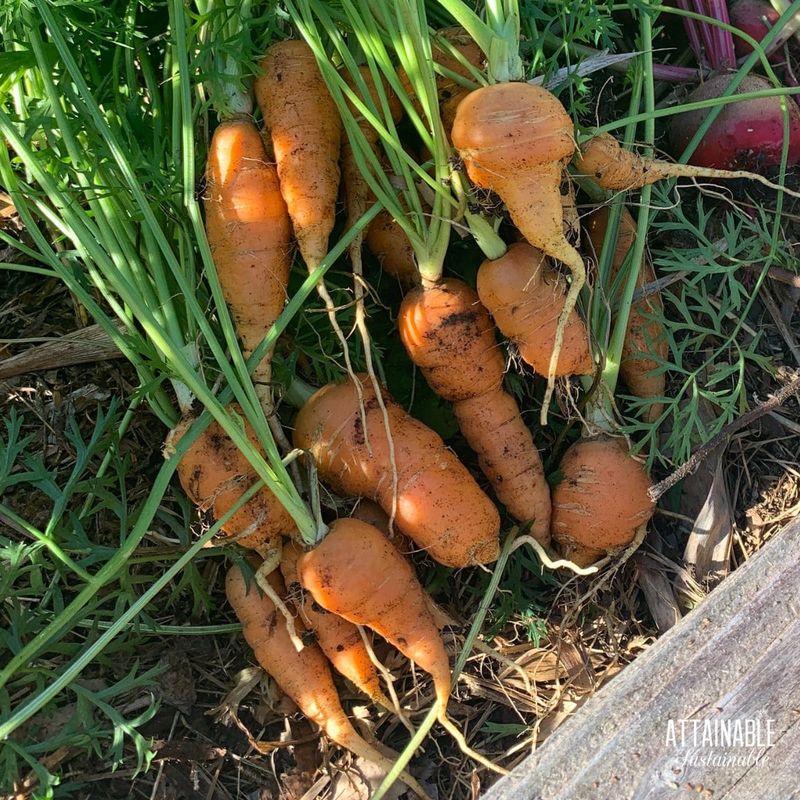
Carrots, known for their sweet and crunchy roots, benefit greatly from scattered planting. This method avoids the tedious task of thinning and allows each carrot to grow straight and strong without overcrowding. Scattered seeds result in a more natural growth pattern, helping to prevent pest infestations common in tightly packed rows. As the carrots develop, their feathery green tops create a lush, green cover that enhances garden aesthetics. By allowing more space, scattered planting promotes healthier roots and a more plentiful harvest.
6. Beets
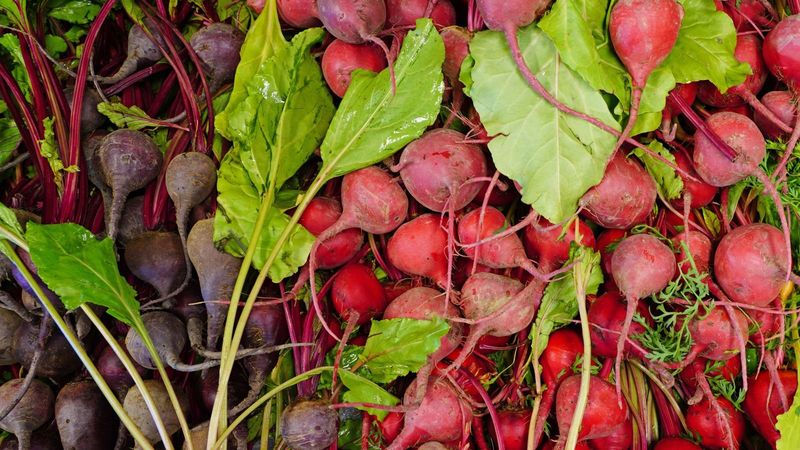
Beets thrive when grown in clusters, as each “seed” is actually a multi-germ pod. Scattering these pods allows multiple plants to grow closely together, producing both roots and edible greens. The dense planting provides a bonus harvest of beet greens, which are delicious and nutritious. This method reduces the need for thinning and promotes better root growth. The rich, earthy flavor of beets is enhanced through scattered planting, making them a favorite among gardeners seeking both beauty and bounty in their vegetable patch.
7. Turnips
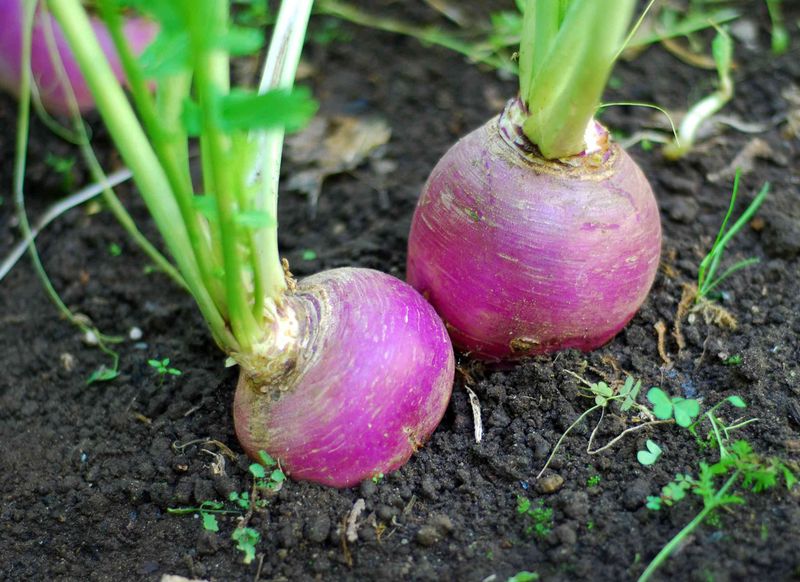
Turnips, with their dual-purpose of roots and greens, excel when seeds are scattered. This approach creates a living mulch, enriching the soil and protecting it from erosion. Turnips grow quickly and can be harvested at various stages, providing a versatile crop for the kitchen. The scattered method encourages strong root development and minimizes competition from weeds. With their mild flavor and crunchy texture, turnips are a versatile addition to any garden seeking to optimize space and yield. Their greens can also be used in salads or cooked dishes.
8. Kale
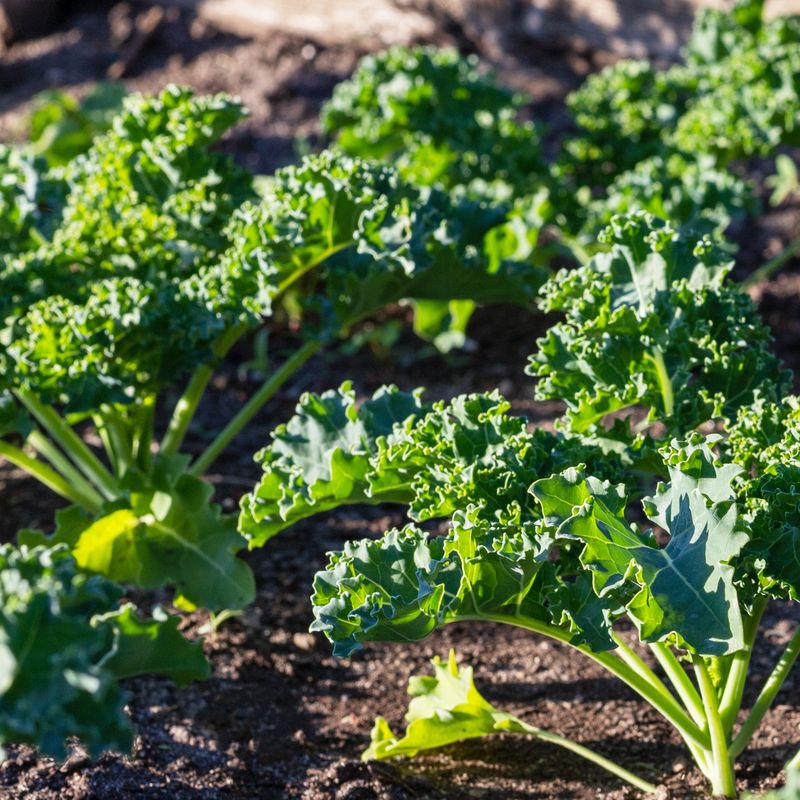
Kale is more resilient to pests and diseases when grown in a mixed and scattered patch. By allowing kale to self-seed and grow freely, gardeners can enjoy a diverse range of leaf shapes and colors. This method reduces the risk of pest infestations and provides a continuous harvest, as kale can regrow from the same plant. The robust leaves offer a powerhouse of nutrients, making kale an essential addition to any health-conscious gardener’s plot. As the plants mature, they create a stunning visual display with their curly and textured foliage.
9. Mustard Greens
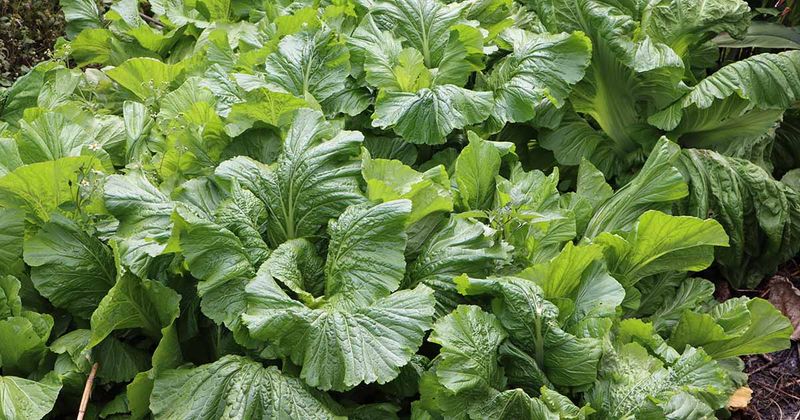
Mustard greens, known for their spicy leaves, grow aggressively when seeds are broadcast over the soil. This scattered planting technique allows for a dense cover that helps deter pests from nearby plants, acting as a natural pest repellent. The spicy aroma and flavor of mustard greens add a unique twist to salads and cooked dishes. When left to flower, these plants attract beneficial insects that contribute to a healthy garden ecosystem. Scattered mustard greens provide a bold and flavorful addition to any garden, thriving in a range of conditions.
10. Swiss Chard
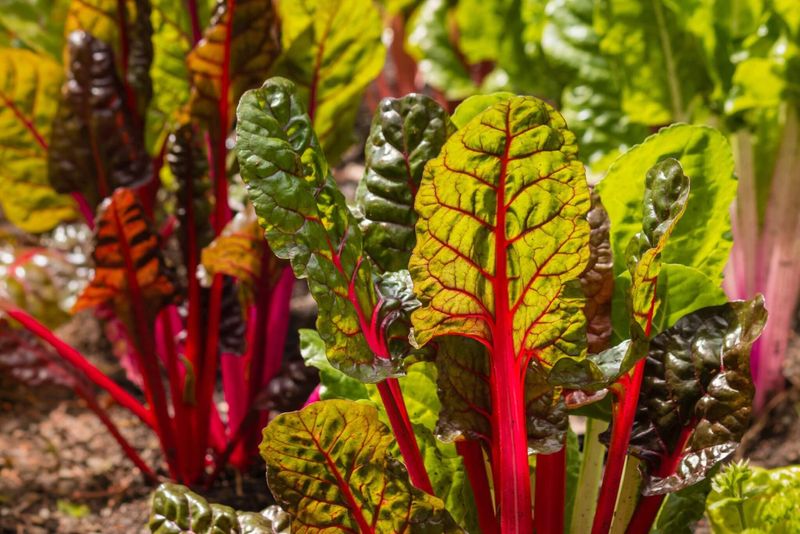
Swiss chard, with its strikingly colorful stems, looks stunning when grown in a scattered pattern. This planting method ensures continuous regrowth, as leaves can be harvested lightly without harming the plant. The vibrant colors of the stems add visual appeal to the garden, while the nutritious leaves provide a frequent harvest for culinary use. Scattered planting allows Swiss chard to thrive, as it can adapt to various soil conditions and requires minimal maintenance. This versatile green is a favorite for gardeners seeking beauty and sustenance.
11. Peas
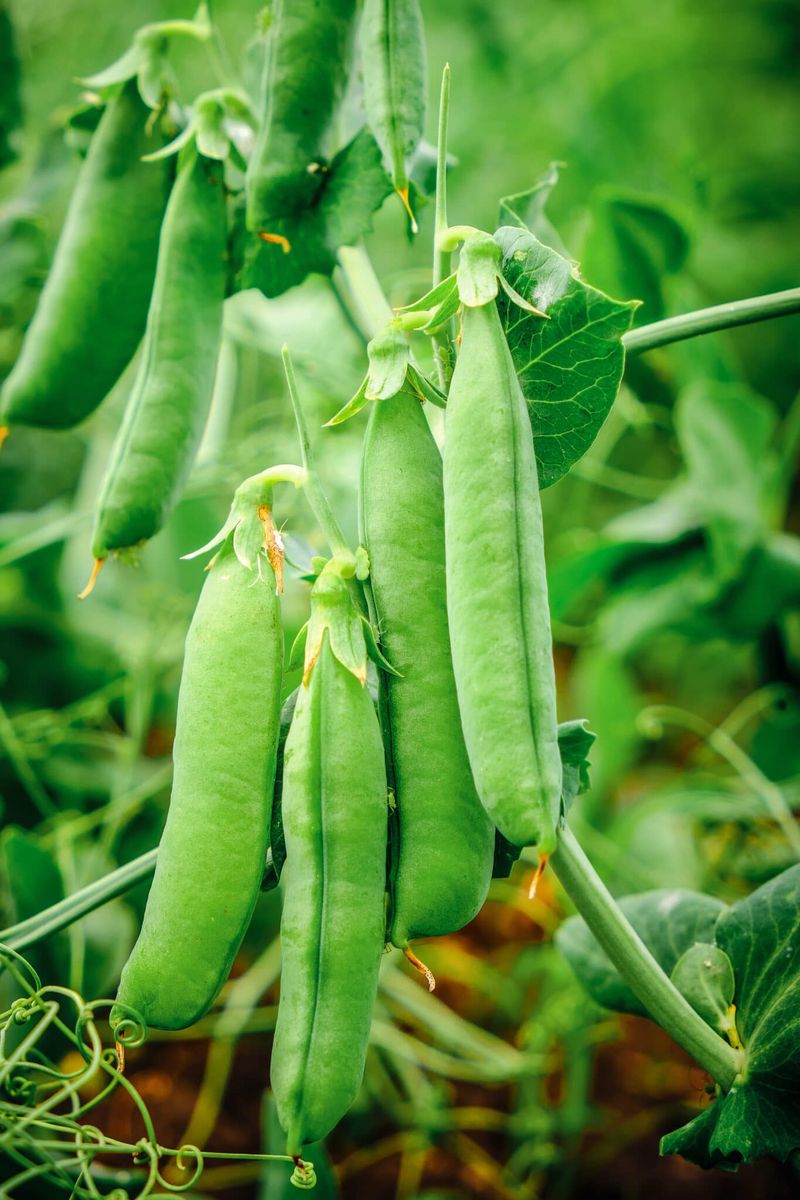
Peas, typically grown on trellises, can be successfully cultivated in wide patches through scattered planting. This method allows peas to grow more naturally, fixing nitrogen in the soil and benefiting surrounding plants. As peas grow, their tendrils seek support, intertwining with neighboring vegetation and creating a cohesive garden space. The scattered approach reduces the need for artificial supports and encourages a more organic growth pattern. Peas provide a sweet and tender harvest, perfect for fresh eating or adding to various dishes.
12. Bush Beans
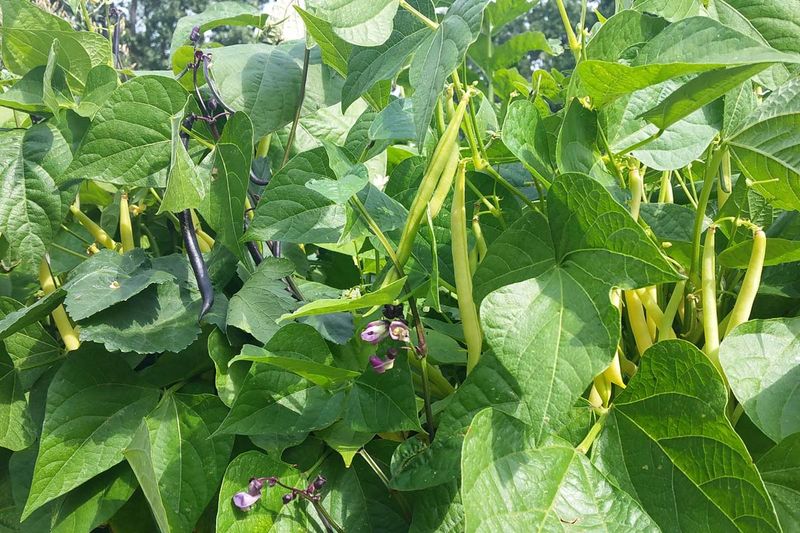
Bush beans thrive when grown in scattered groups or “hills,” creating a natural shade for the soil. This method helps retain moisture and reduces the need for frequent watering. The clustered planting encourages robust growth and maximizes yield, as beans mature together for a plentiful harvest. Bush beans are versatile and can be used in a variety of culinary dishes. Their ability to fix nitrogen in the soil makes them an excellent companion plant, enhancing the overall health of the garden ecosystem. The scattered approach offers both beauty and bounty.
13. Microgreens (All Types)
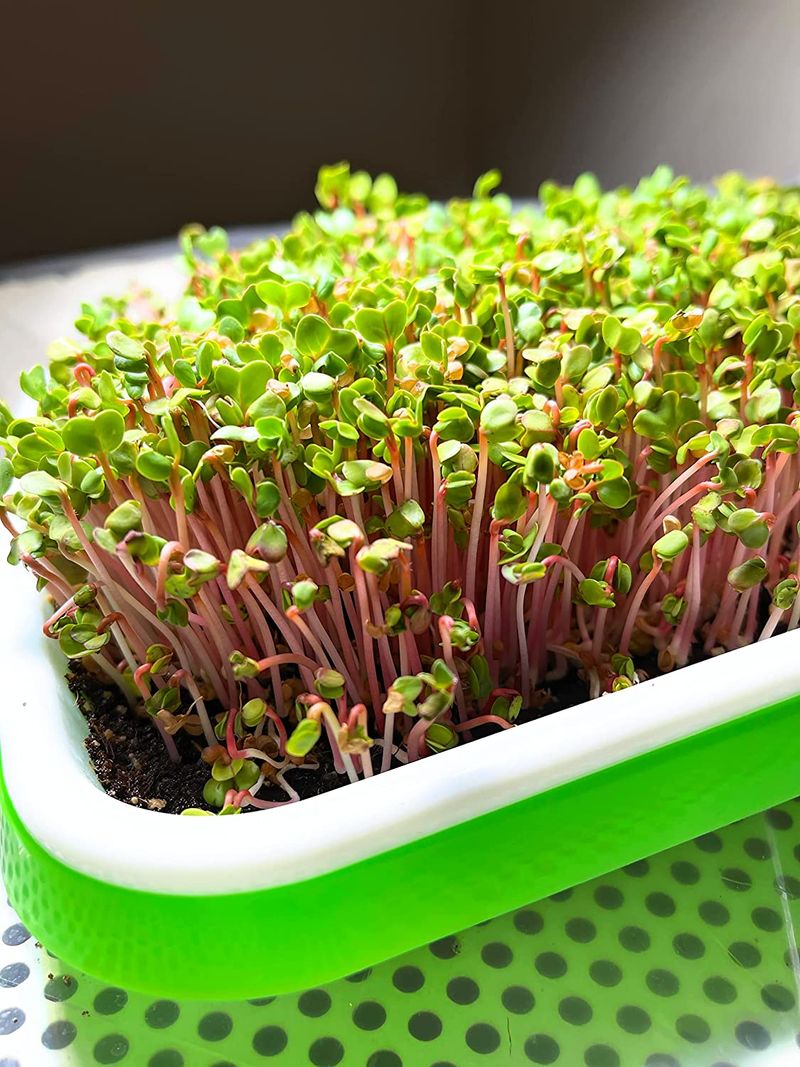
Microgreens, with their concentrated flavors and nutrients, are best grown densely in scattered trays. This technique allows for a quick and abundant harvest, perfect for adding a fresh, healthy touch to meals. The variety of microgreens, from spicy radishes to mild lettuces, offers a range of flavors and textures. Growing them in a scattered fashion ensures an efficient use of space and resources. Microgreens are a favorite for urban gardeners and those with limited space, providing a miniature garden with maximum impact in both taste and nutrition.
1. Cilantro
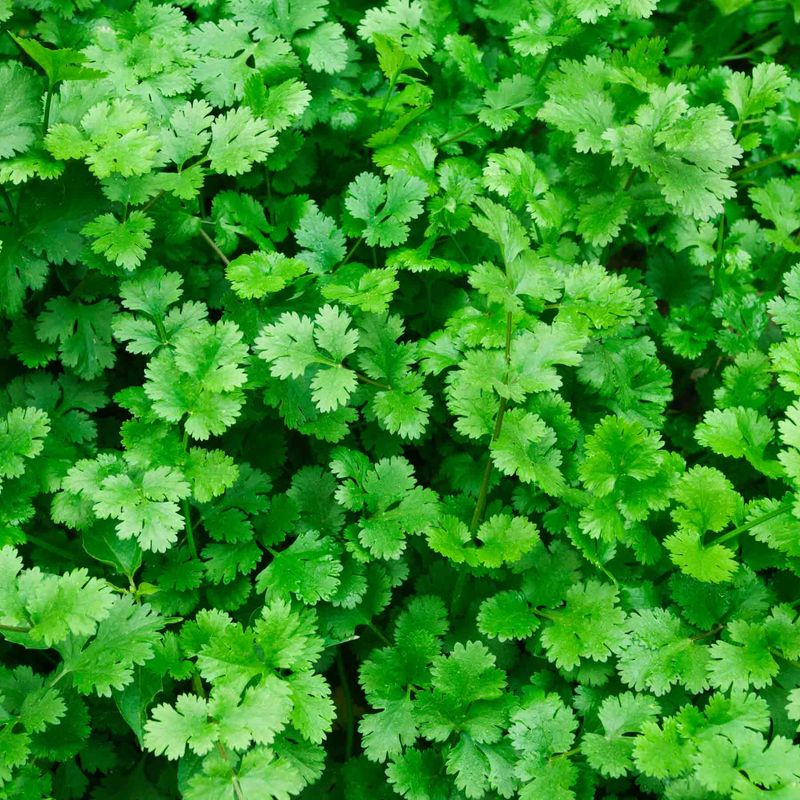
Cilantro, known for its fresh and citrusy flavor, thrives when allowed to grow freely in scattered patches. This method mimics its natural growth, reducing stress and preventing premature bolting. The scattered planting encourages a lush, dense cover of foliage, perfect for frequent harvesting. Cilantro’s vibrant green leaves are a staple in many cuisines, adding a burst of freshness to dishes. By allowing it to grow in a more natural pattern, gardeners can enjoy a prolonged harvest and a healthier plant. The scattered approach enhances both yield and flavor.
2. Dill
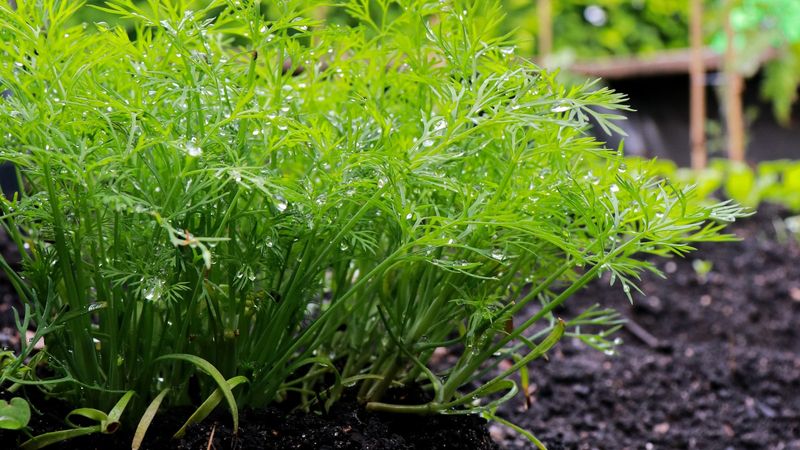
Dill, with its tall and feathery fronds, supports beneficial insects when grown in a scattered pattern. This natural growth method encourages dill to thrive, providing both delicious foliage and seeds for culinary use. The fragrant aroma of dill attracts pollinators, enhancing the garden’s biodiversity. By allowing dill to grow freely, gardeners can enjoy a continuous supply of its flavorful leaves and seeds. This method reduces the risk of disease and pest infestations, making dill a resilient and valuable addition to any herb garden.
3. Parsley
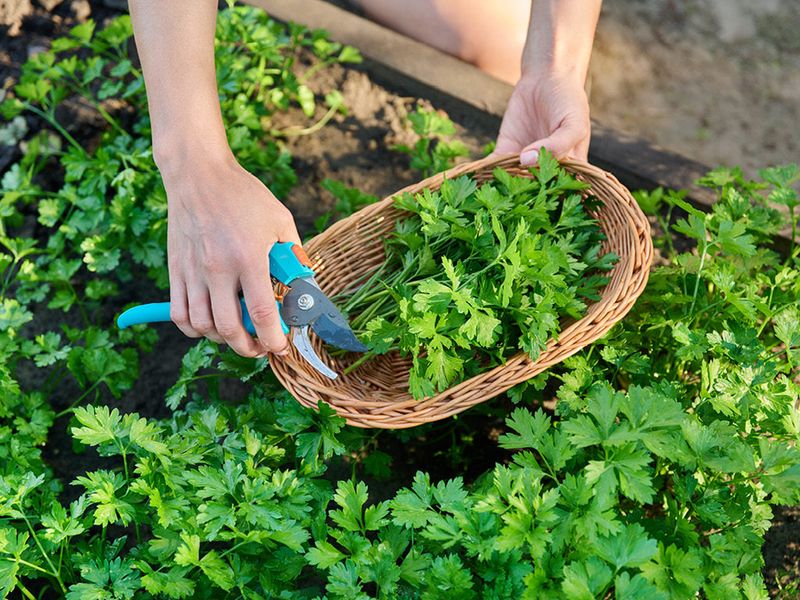
Parsley, with its vibrant green leaves, thrives in loose clusters that mimic its natural growth habit. This scattered planting approach encourages a fuller plant and reduces competition from weeds. By allowing parsley to grow in dense patches, gardeners can enjoy a continual harvest of its flavorful leaves. Parsley’s rich, earthy taste complements a wide array of dishes, making it a versatile addition to any culinary garden. The scattered method enhances both the plant’s health and its yield, providing fresh greens throughout the growing season.
4. Basil
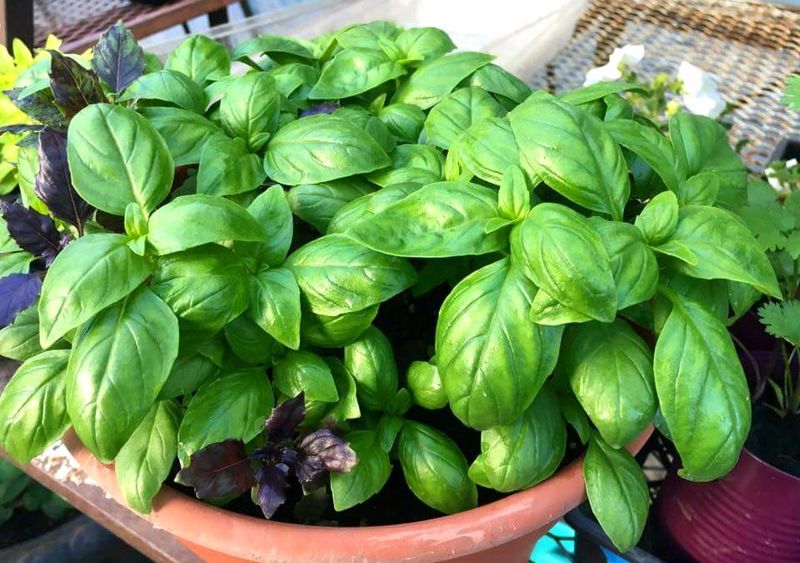
Basil, with its aromatic and flavorful leaves, grows bushier when planted in groups rather than single-file rows. This scattered approach allows basil to thrive, providing a plentiful harvest of its fragrant foliage. The lush growth of basil in clusters creates a beautiful and aromatic garden display. By planting basil in this manner, gardeners can enjoy a continuous supply of fresh leaves for culinary use. The method also reduces the risk of pest infestations and enhances the plant’s overall health, making it a must-have herb for any garden.
5. Chives
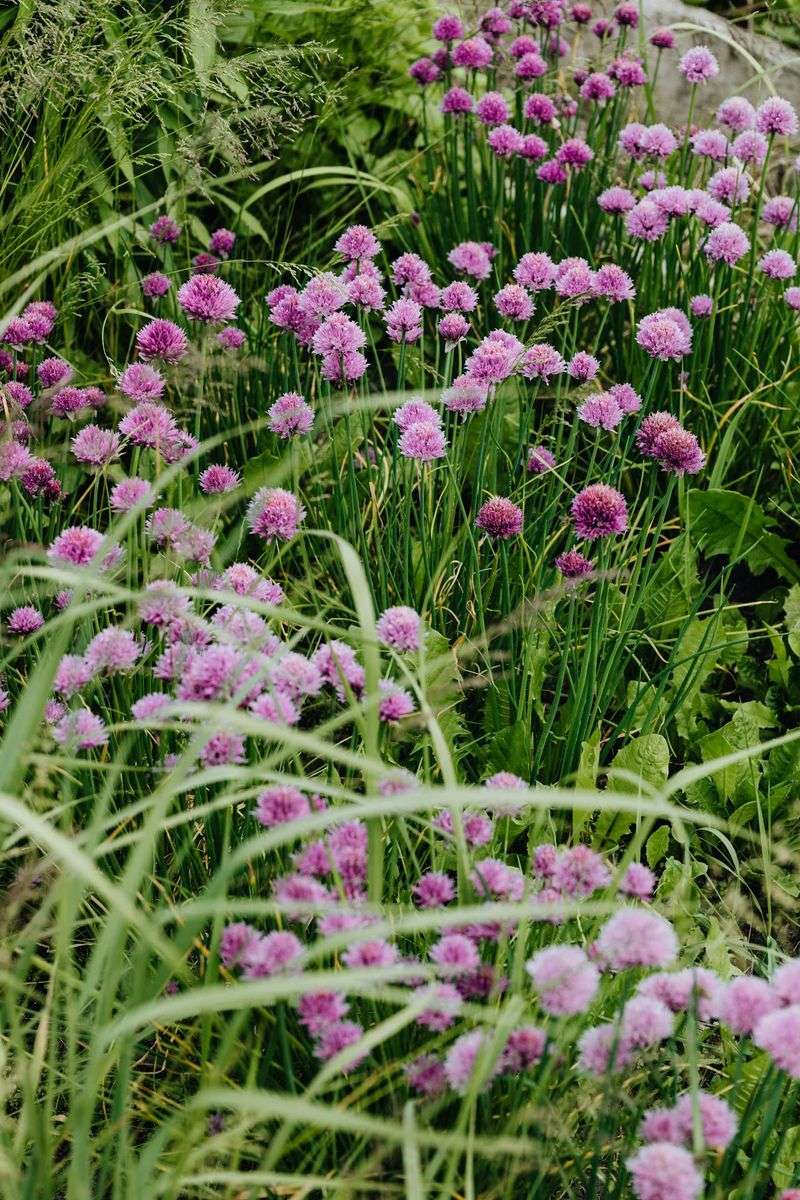
Chives, known for their mild onion flavor, spread naturally when seeds are scattered, creating a perennial patch. This method encourages vibrant growth and reduces competition from weeds. The delicate purple flowers of chives add a splash of color to the garden, attracting beneficial insects. By allowing chives to grow freely, gardeners can enjoy a continuous supply of their flavorful leaves, perfect for garnishing dishes. The scattered method enhances both the health and beauty of the chive patch, making it a favorite for culinary gardeners.
6. Oregano
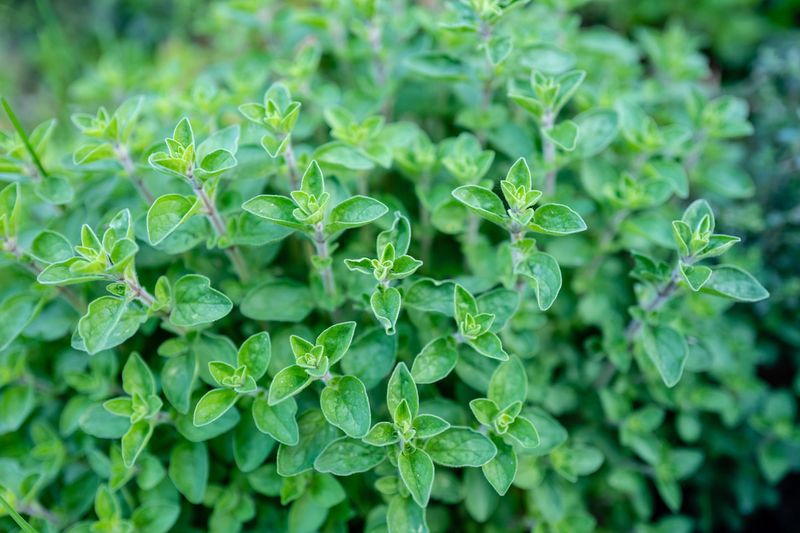
Oregano, with its robust and earthy flavor, grows like a ground cover when allowed to sprawl. This scattered planting technique encourages a dense and healthy growth pattern, reducing weed competition. The tiny leaves of oregano provide a burst of flavor to many dishes, making it a staple herb in the kitchen. By allowing oregano to grow freely, gardeners can enjoy a continuous harvest throughout the season. The scattered method enhances both the plant’s vigor and its culinary use, making oregano an essential addition to any herb garden.
7. Thyme
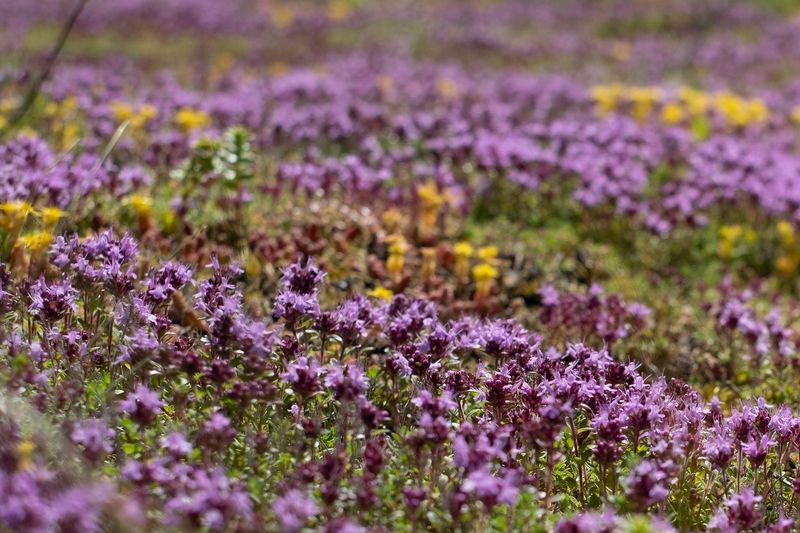
Thyme, known for its aromatic and versatile leaves, is perfect for filling gaps in scattered plantings. This low-growing herb thrives in a natural, sprawling pattern, reducing the need for maintenance and weed control. Thyme’s fragrant leaves add depth to a variety of dishes, making it a popular choice for culinary gardens. By allowing thyme to grow freely, gardeners can enjoy a continuous supply of its flavorful foliage. The scattered planting approach enhances both the plant’s health and its utility in the kitchen.