 Complete Gardening
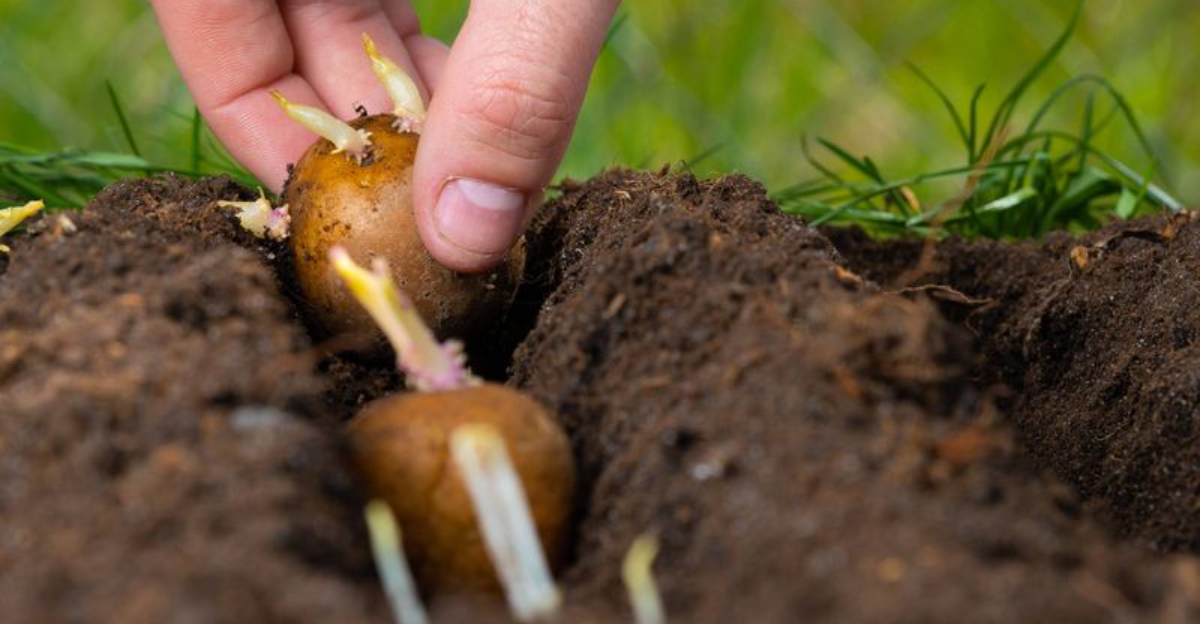
Planting potatoes at the right time is vital for a successful harvest. While the temptation to plant early may be strong, knowing the precise conditions can lead to a bountiful yield.
Experts have identified key strategies to ensure your potatoes thrive. Here are seven essential tips to achieve a big harvest.
1. Wait Until Soil Temps Reach 45–50°F
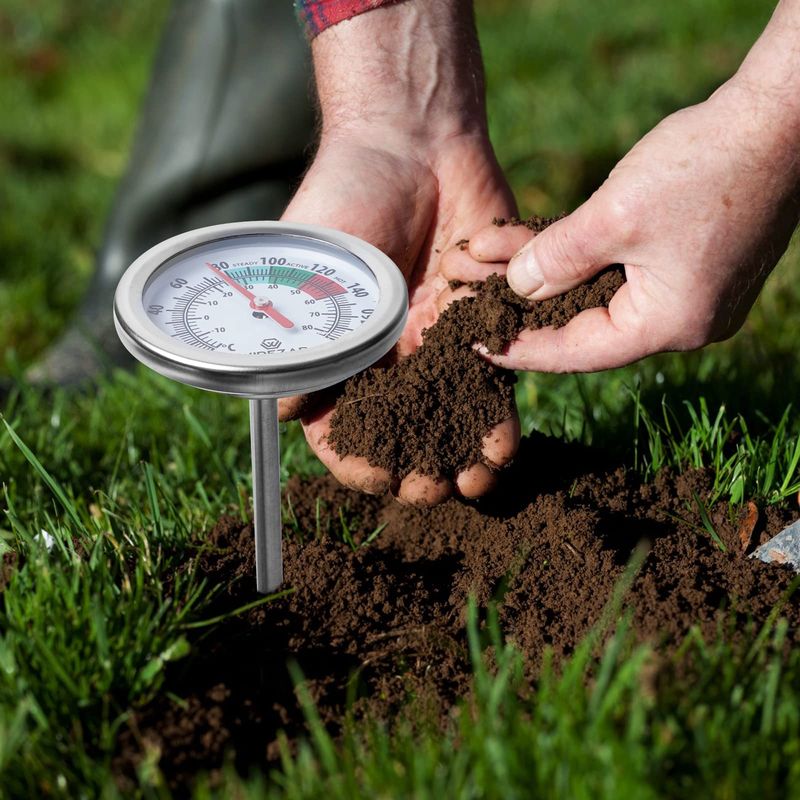
A gentle reminder from nature: wait until the soil warms to 45–50°F before planting. The earth should feel welcoming, not frigid and harsh. Cold soil can cause your seed potatoes to rot, wasting your effort and time. Use a soil thermometer for accuracy.
Patience in gardening often leads to more fruitful outcomes, akin to waiting for a good friend to arrive before starting the party.
2. Avoid Planting Too Soon in Early Spring
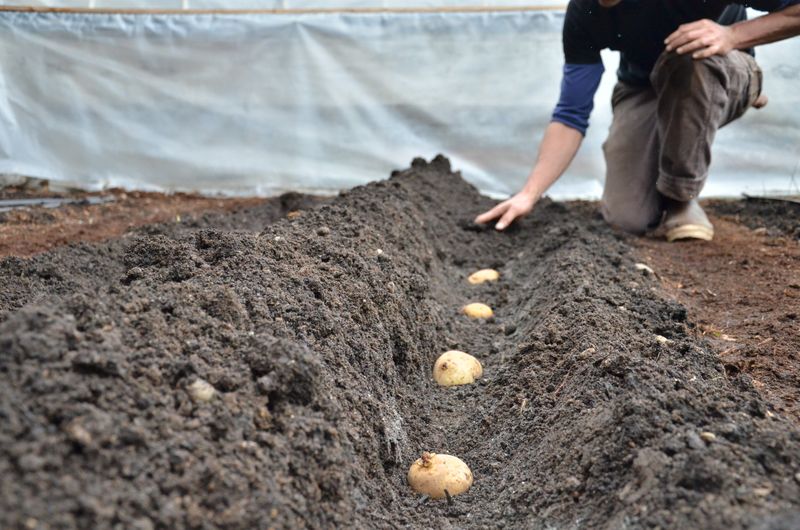
As spring whispers its arrival, resist the early planting urge. The air may feel mild, but the ground might still shelter winter’s chill. Too soon, and you risk growing disappointment instead of crops.
A soil’s embrace needs warmth and dryness to cradle your seeds. Timing, like comedy, is everything. Nature’s rhythm carries wisdom, urging patience for those who listen.
3. Watch the Weather Forecast
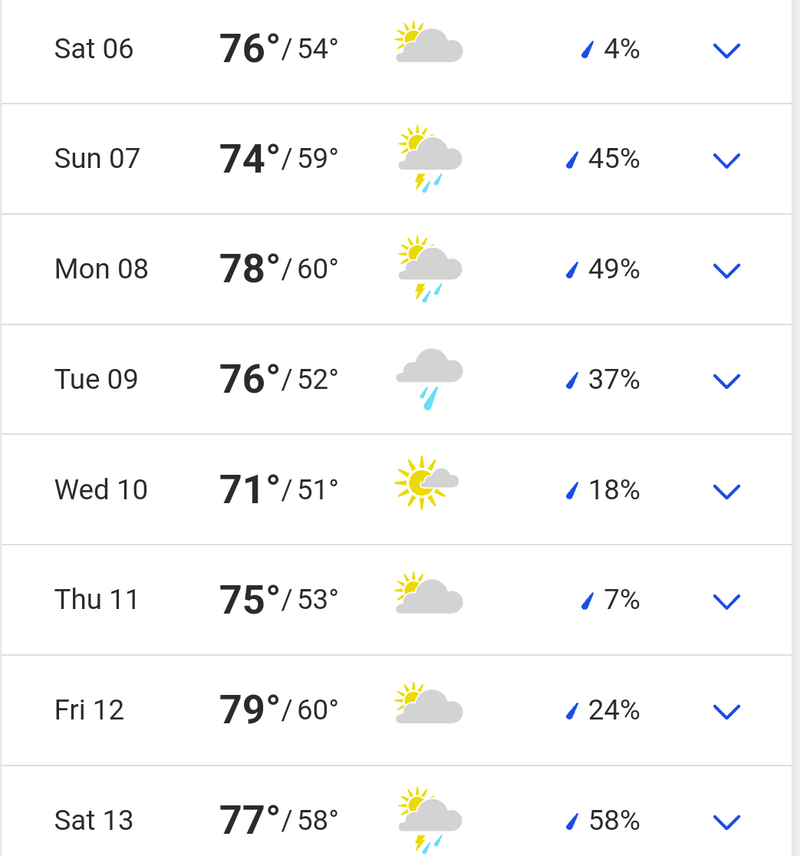
In the dance of planting, weather holds the rhythm. Watch forecasts closely; late frosts can damage tender shoots, turning hope into hardship.
Safety comes by waiting until frost threats have passed. The gardener’s heart beats in tune with the skies, seeking signs and sounds of a stable spring. This awareness makes keen gardeners adept at the art of timing.
4. Use the “2 Weeks Before Last Frost” Rule
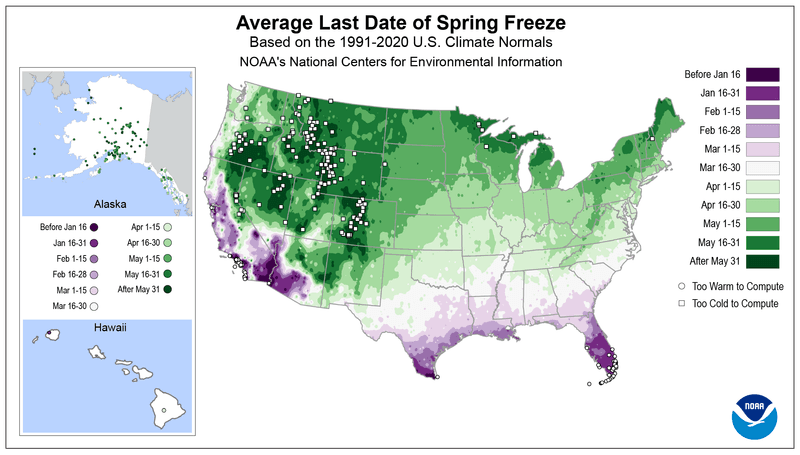
Two weeks before the last frost, a secret window opens. In most climates, this is the earliest safe planting moment, provided the soil is ready.
Gardeners who heed this rule find success in the balance between frost and fertile soil. This wisdom, passed through generations, acts as a compass for the keen cultivator, guiding them towards a fruitful endeavor.
5. Chit Your Seed Potatoes First
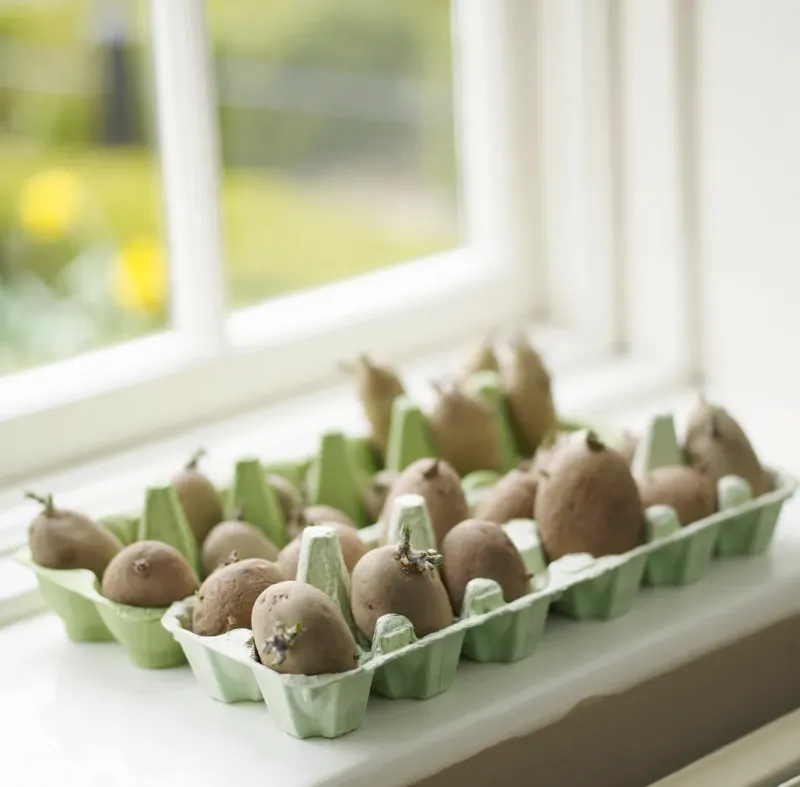
Before they touch the earth, give your seed potatoes a head start. Chitting involves sprouting them indoors 2-4 weeks ahead.
This preparatory step allows them to awaken early, ready to leap into the soil. A sprout indoors transforms into a robust plant outside, much like a child nurtured by love and learning before facing the world.
6. Warm, Loose Soil Is Ideal
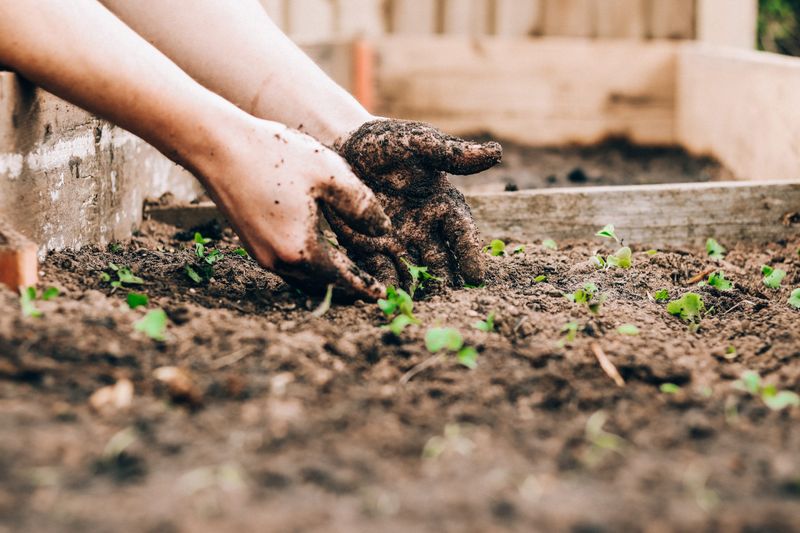
A gardener’s touch knows the soil. Warmth and looseness are signs of readiness, welcoming potatoes to thrive.
Heavy, compacted soil stifles growth, whereas a well-drained bed invites prosperity. Like a craftsman caressing wood, feel for the right texture. This tactile dance between hands and earth is where success is sown.
7. In Warmer Zones, Plant in Late Winter
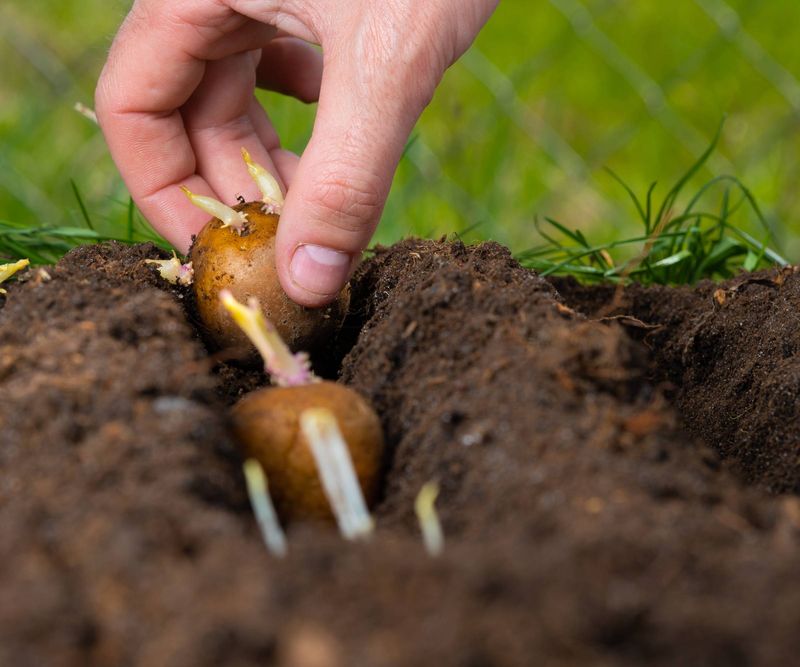
In USDA Zones 8–10, winter whispers opportunities unknown to colder counterparts. January and February might greet gardeners with open arms.
For those in chillier climes, the call comes in March to May. Know your zone and its secrets; the dance of planting shifts with latitude. Embrace this knowledge, and the earth shall reward your understanding heart.