 Complete Gardening
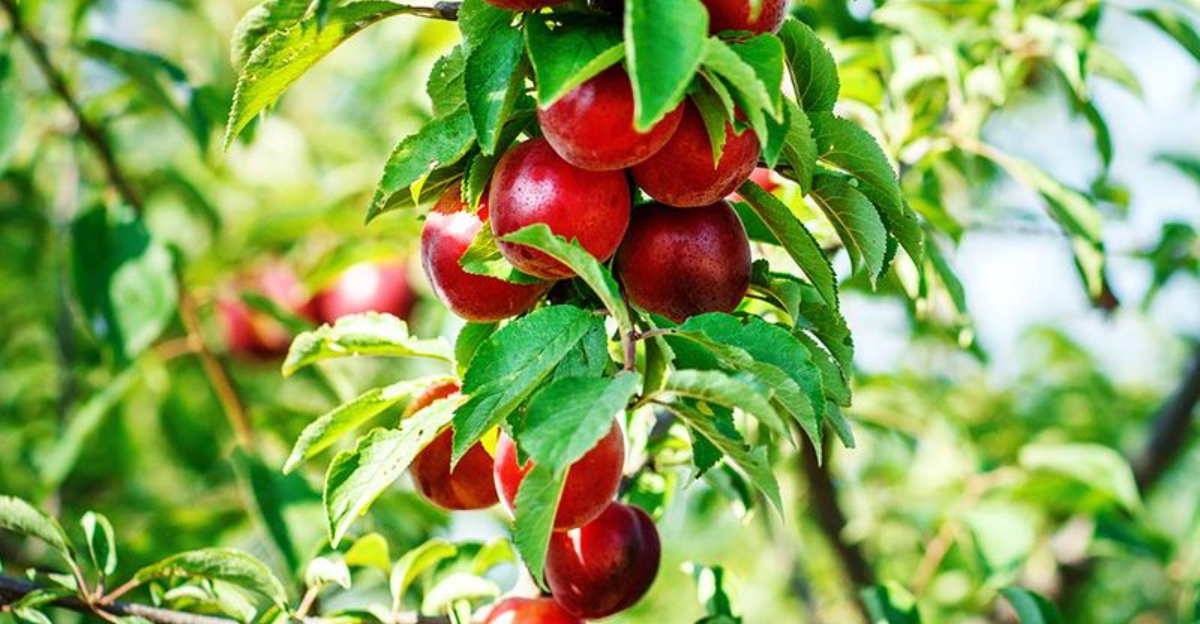
Choosing the right fruit trees for your backyard can make a world of difference in maintenance and satisfaction. While some trees require constant care and may still succumb to disease, others thrive with little intervention.
This guide explores both types, helping you decide which options are best for your garden. Discover 15 high-maintenance fruit trees to avoid and 15 alternatives that promise bountiful harvests with minimal effort.
1. Sweet Cherry (standard varieties)
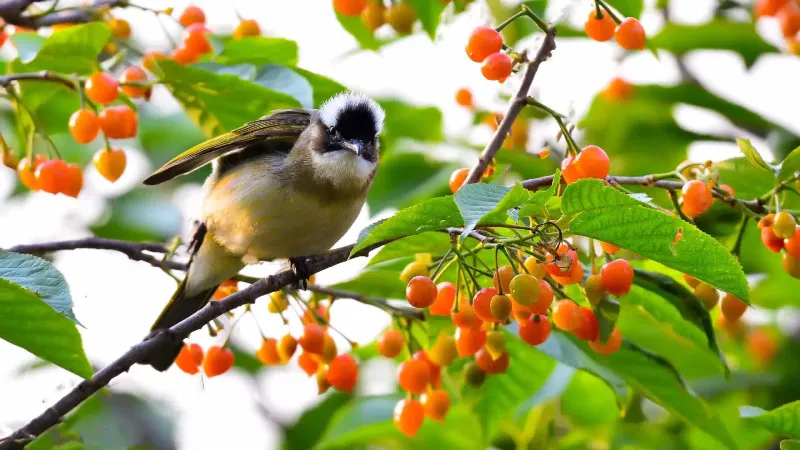
Sweet cherries, though delightful, often suffer from splitting and bird damage. Their sensitivity to rain causes the fruit to crack, making it less appealing. Birds, attracted to the bright cherries, often feast on them before you can. This makes sweet cherry trees a challenging choice for home gardeners looking for an uncomplicated fruit tree. Consider alternatives if you want less hassle and more reliable fruiting.
2. Bartlett Pear
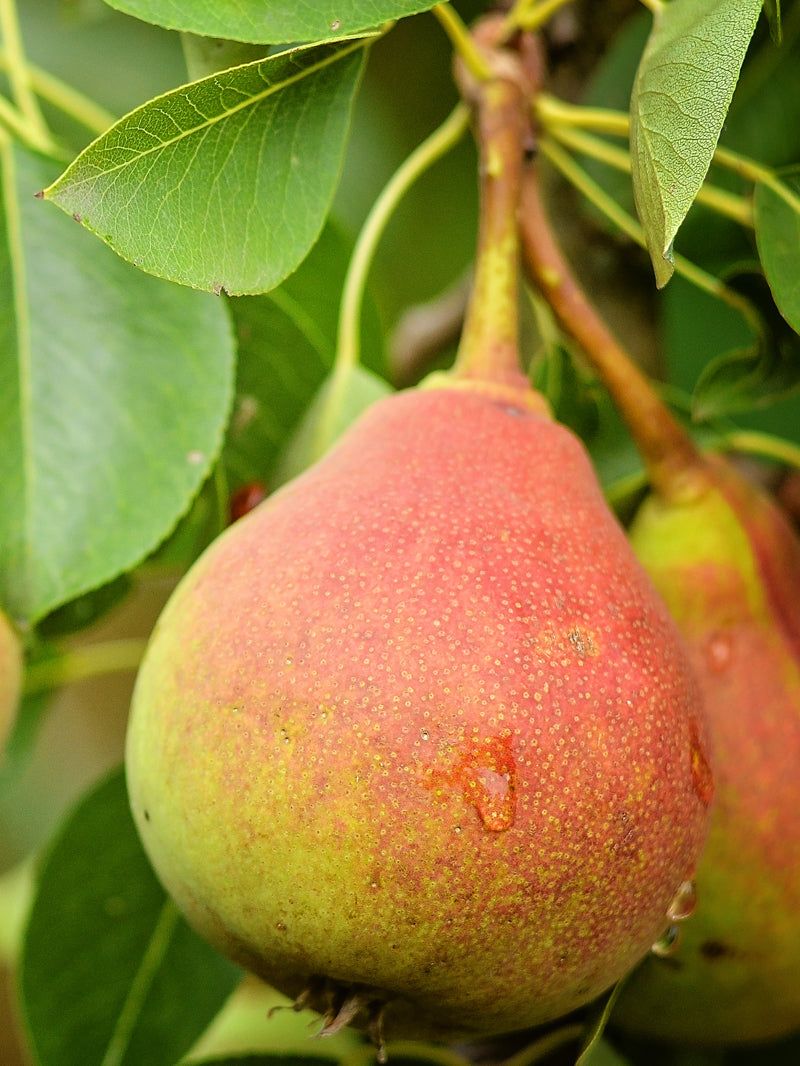
The Bartlett pear, beloved for its juicy fruit, is unfortunately highly susceptible to fire blight. This bacterial disease blackens branches and can devastate entire trees. For those seeking an easy-care garden, the high risk of disease with Bartlett pears can be a daunting challenge. Opting for more resistant pear varieties can save time and heartache, ensuring a healthier harvest with less intervention.
3. Standard Apple (non-dwarf)
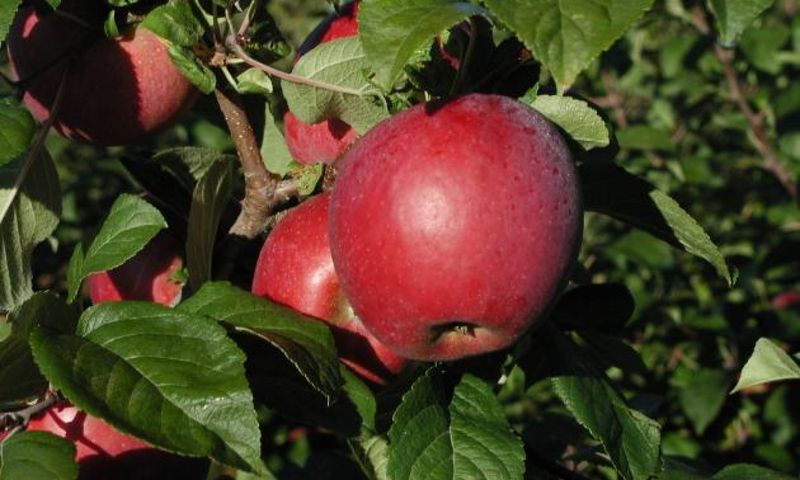
Standard apple trees, while iconic, require intensive care. They demand regular heavy pruning and constant pest control to ensure healthy fruit production. The significant upkeep needed deters many backyard enthusiasts. Dwarf or disease-resistant varieties might offer a more manageable alternative for those seeking the joy of fresh apples without the overwhelming chores.
4. Apricot (in humid climates)
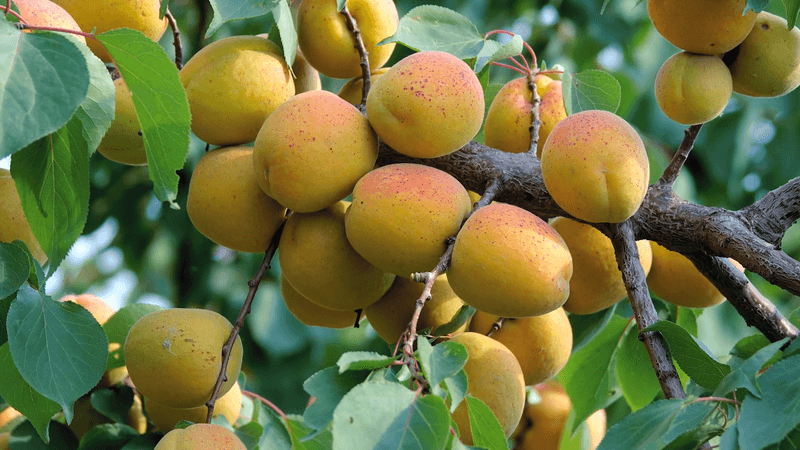
Apricots in humid climates face a tough battle against fungal diseases and frost-sensitive blooms. Frequent wet conditions invite unwanted fungi, devastating the trees. Furthermore, apricot blossoms are vulnerable to late frost, often resulting in poor fruit yields. This makes apricots a risky choice for gardeners in such regions, urging them to seek hardier, more adaptable fruit-bearing options.
5. Nectarine
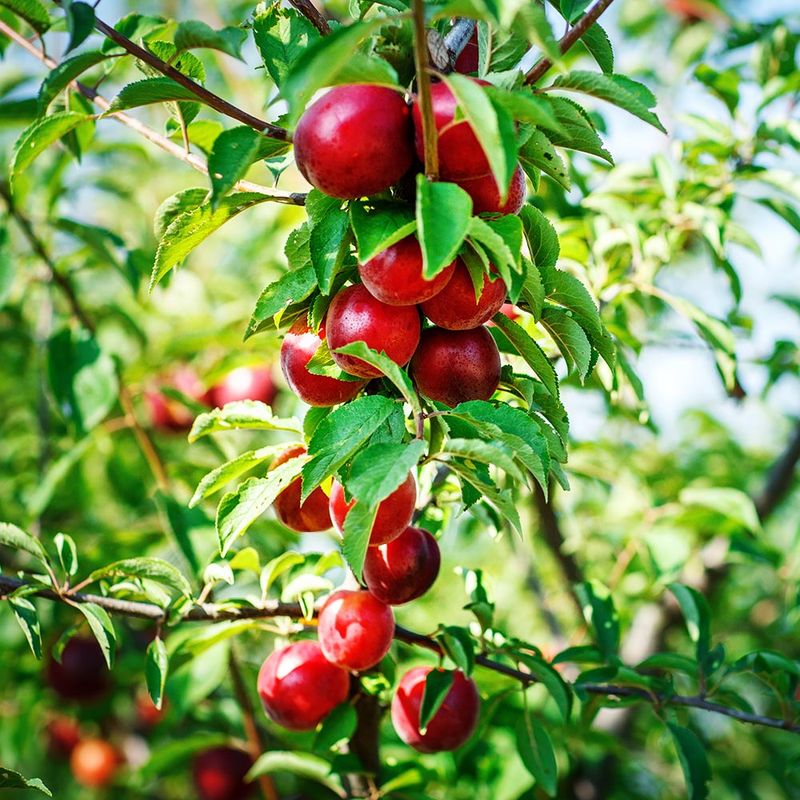
Nectarines, known for their smooth skin, unfortunately attract numerous pests. Their susceptibility necessitates frequent spraying, turning gardeners away from these fruits. The constant vigilance and maintenance required can exhaust even the most dedicated fruit enthusiasts. Exploring less demanding fruit trees might offer a more enjoyable and sustainable gardening experience.
6. Fig (in cold climates)
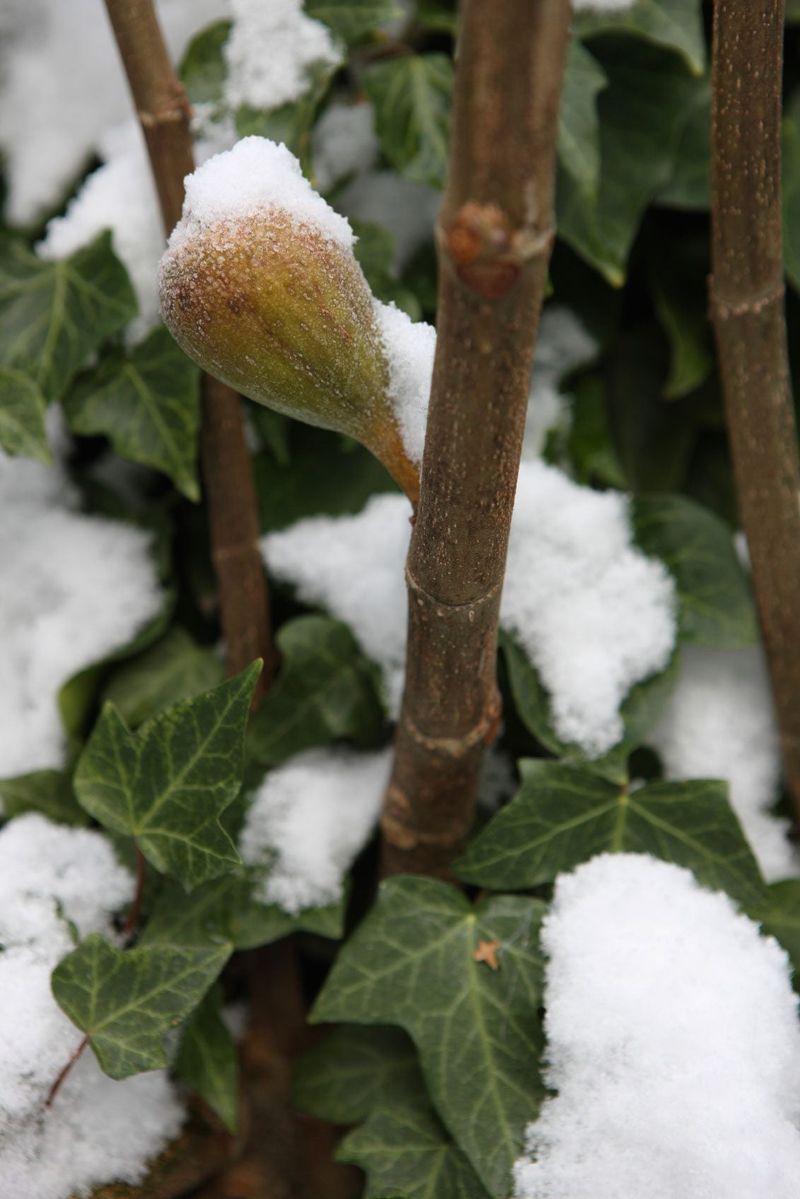
Figs in cold climates often suffer winter dieback, struggling to thrive. The chilly conditions cause them to retreat, with parts of the tree dying back each year. This continuous battle against the elements can discourage those seeking reliable fruit production. Considering location-appropriate alternatives ensures successful growth and fruiting without constant worry about survival.
7. Persimmon (astringent types)
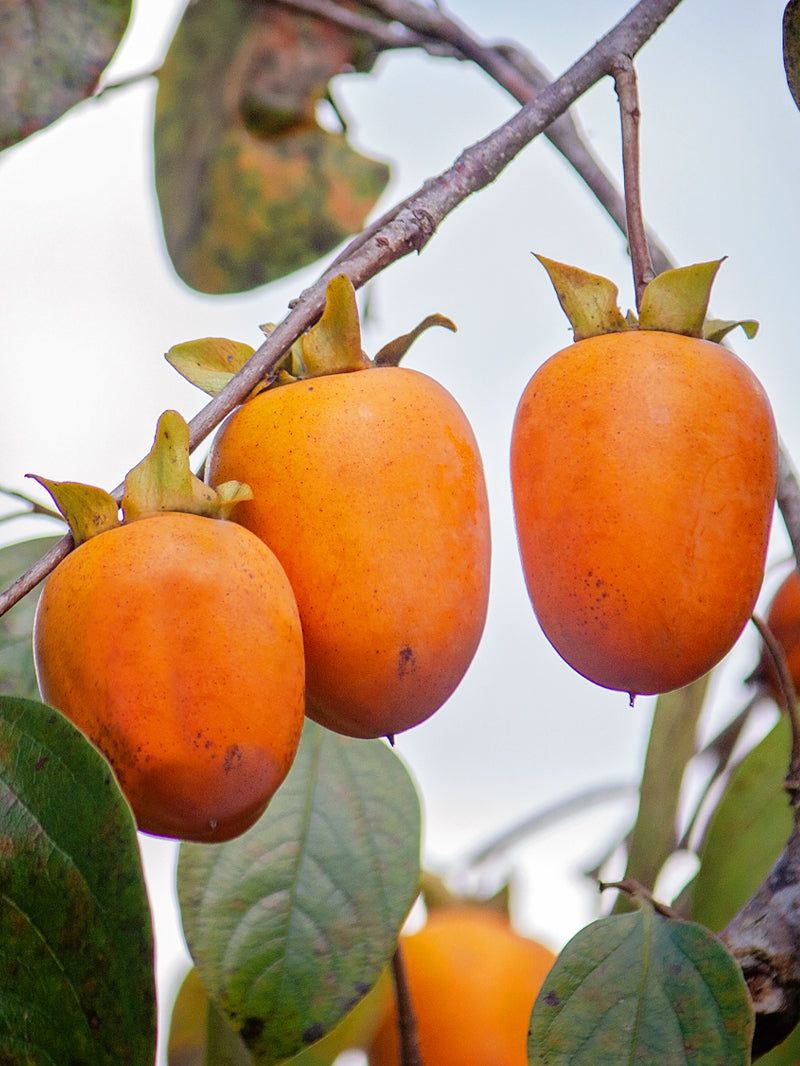
Astringent persimmons pose ripening challenges for home growers. These types require careful handling and precise conditions to ripen properly, which can be frustrating. Harvesting them at the wrong stage results in an unpleasant, tannic taste, turning many away. Opting for non-astringent types offers a smoother experience, providing sweet and ready-to-eat fruits with less guesswork.
8. Quince
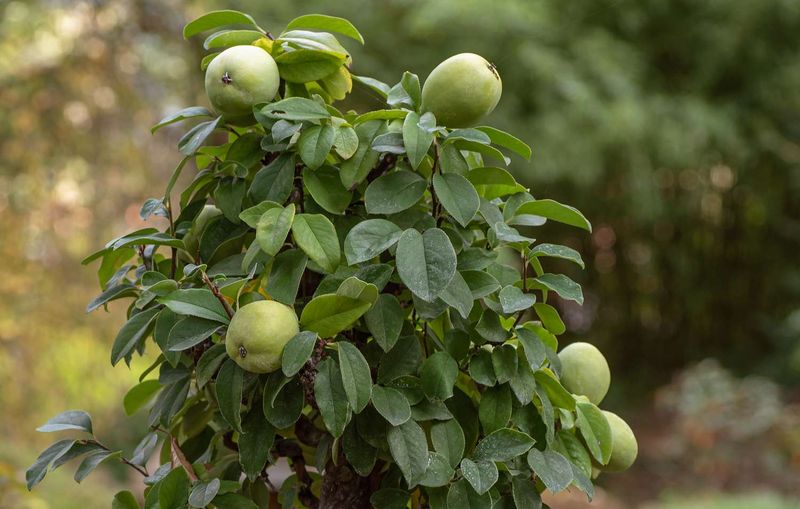
Quince trees, while attractive, grow slowly and are vulnerable to leaf blight. This fungal disease affects their leaves, potentially reducing the tree’s vitality. The slow growth and disease susceptibility make them less appealing for those seeking quick and bountiful harvests. Choosing more disease-resistant fruit trees offers a more rewarding gardening journey.
9. Pawpaw
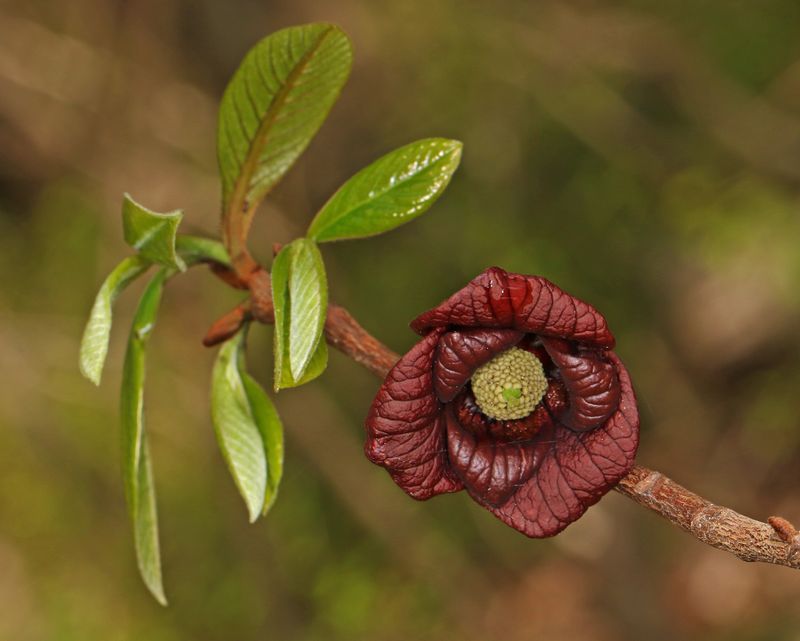
Pawpaw trees require hand-pollination, making them a labor-intensive choice. Natural pollinators are scarce, necessitating human intervention for successful fruiting. This added effort can be a hurdle for gardeners looking for ease. Exploring fruit trees that naturally attract pollinators or require minimal assistance can lead to more fruitful and enjoyable gardening experiences.
10. Plum (European varieties)
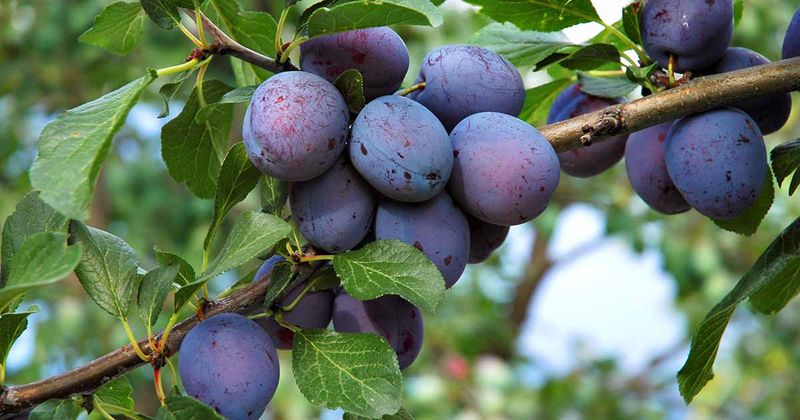
European plum trees are prone to black knot disease and pest infestations. This fungal disease forms unsightly, hard black swellings on branches, making management difficult. Combined with significant pest issues, these plums require considerable attention, often deterring home growers. Opting for disease-resistant plum varieties can alleviate some of these challenges, offering reliable fruit production.
11. Almond
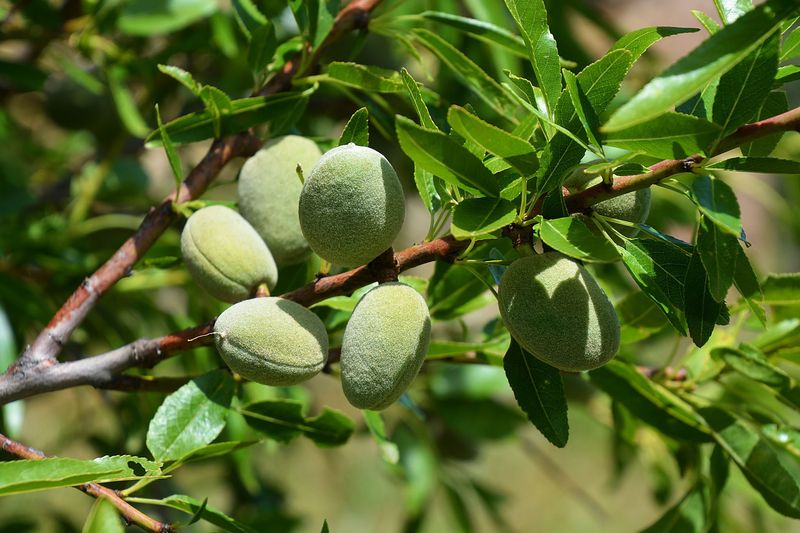
Almond trees demand significant water and are sensitive to diseases. Their high water needs make them less suitable for regions facing water constraints. Moreover, their susceptibility to various ailments requires proactive management. For those seeking sustainable fruit production, considering less water-intensive and disease-resistant alternatives ensures healthier and more consistent yields.
12. Avocado (in non-tropical areas)
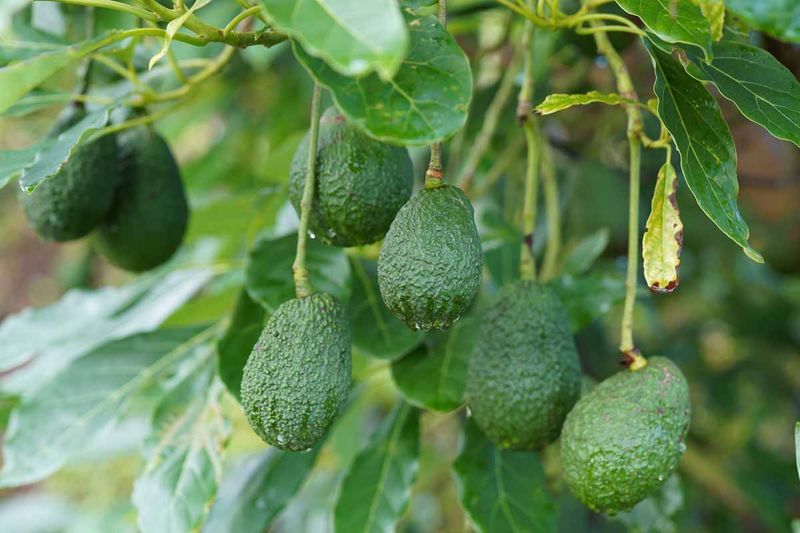
Avocados in non-tropical areas face challenges due to cold sensitivity. These trees thrive in warm environments, making them ill-suited for colder regions. Additionally, they often need a mate for successful pollination, complicating backyard cultivation. Exploring more climate-appropriate fruit trees ensures fruitful harvests without the stress of maintaining unsuitable growing conditions.
13. Citrus (in cool zones)
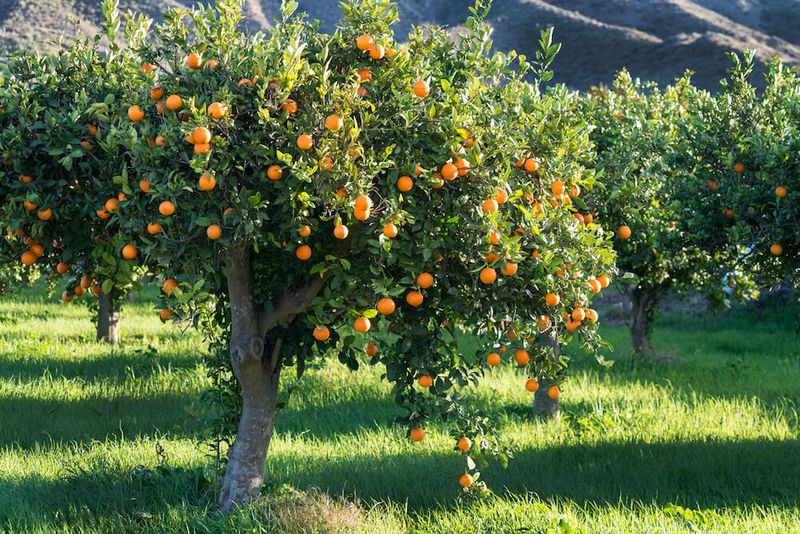
Citrus trees struggle in cool zones, where frost can cause significant damage. Maintaining them often requires greenhouse care, adding complexity and cost. For those with limited resources or space, this additional requirement can be prohibitive. Choosing hardier fruit trees suitable for cooler climates provides an easier and more rewarding gardening experience, free from frost anxiety.
14. Pomegranate (in wet areas)
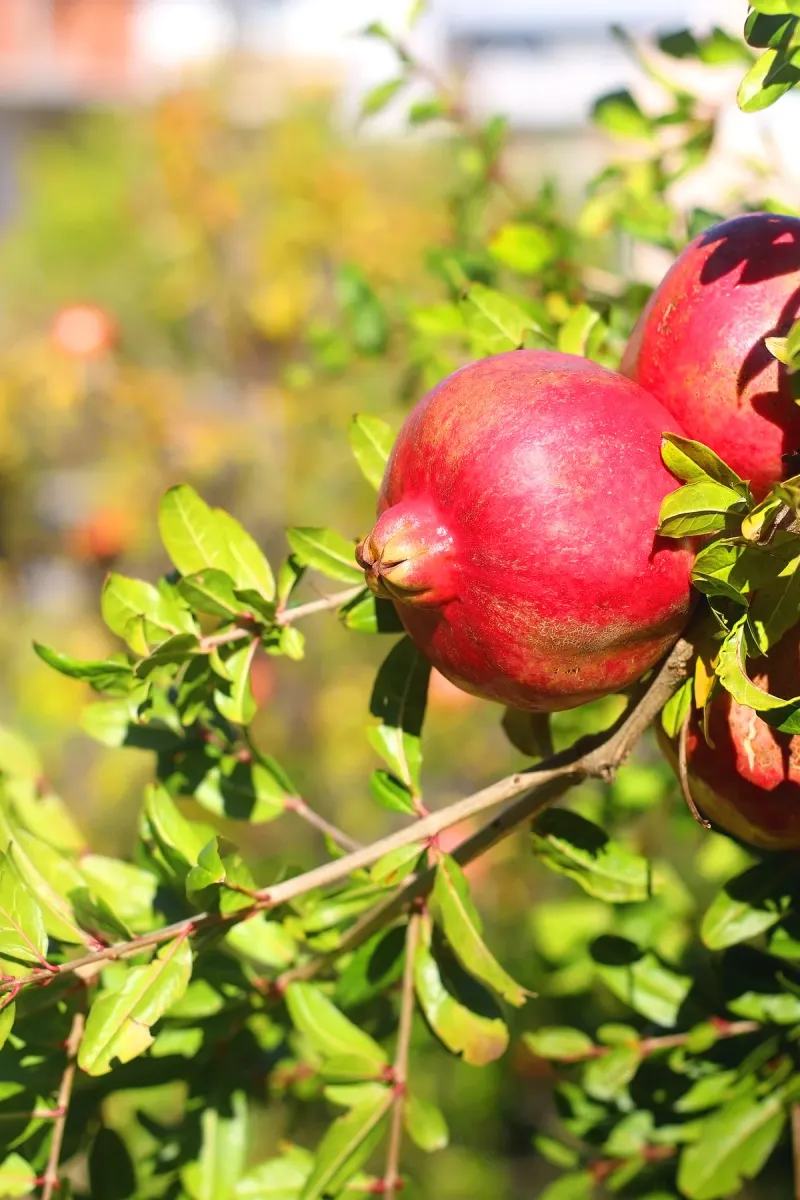
Pomegranates in wet areas often face root rot, a condition detrimental to their health. The excessive moisture in such climates fosters this disease, threatening the tree’s vitality. For gardeners in damp regions, this makes pomegranates a less appealing choice. Opting for fruit trees that thrive in wet conditions ensures a robust and trouble-free gardening journey.
15. Mulberry (fruiting type)
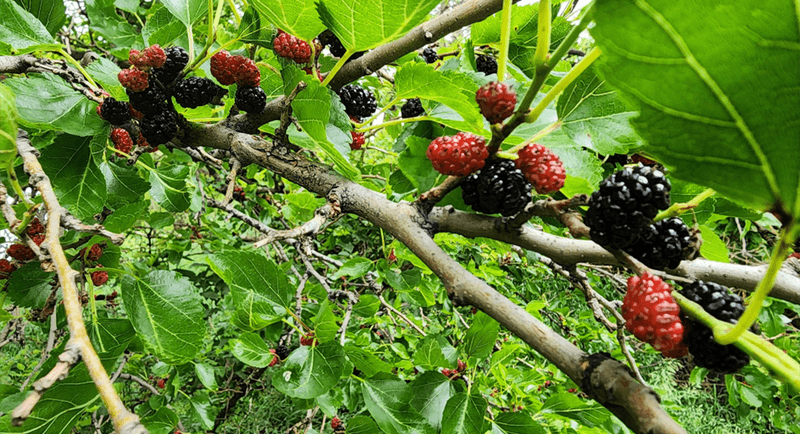
Fruiting mulberry trees can be messy, with berries that attract wildlife. Their prolific fruiting results in fallen berries that quickly create a sticky, colorful mess. Additionally, the fruit attracts various animals, creating a chaotic environment. For those seeking a cleaner and more controlled garden, exploring less fruit-crazy alternatives can offer a more peaceful coexistence.
1. Dwarf Apple (disease-resistant types)
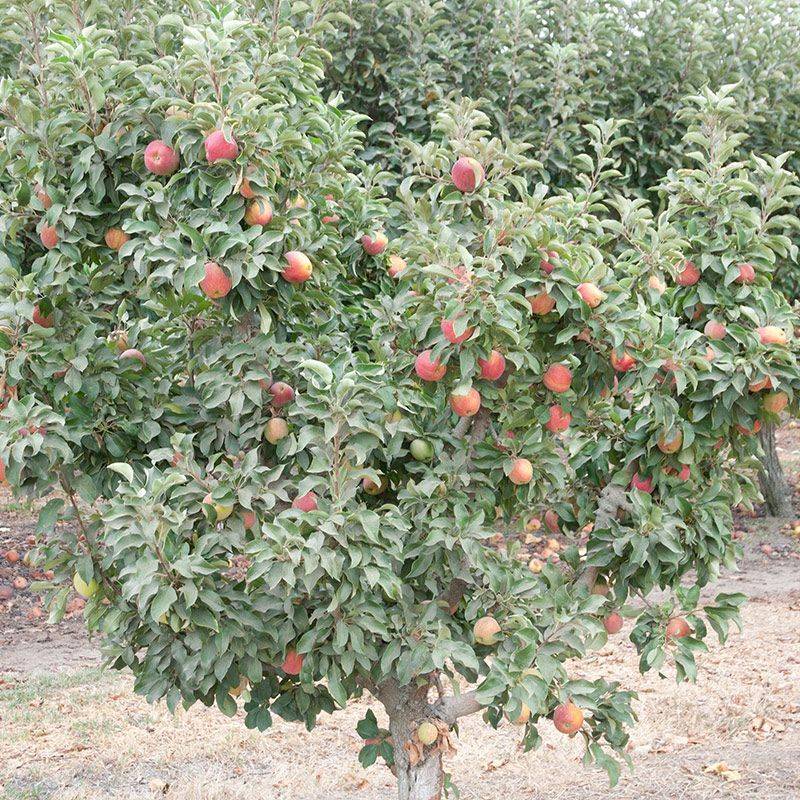
Dwarf apple trees are compact and hardy, offering an easier alternative to standard varieties. Their smaller size makes them perfect for limited spaces, while disease-resistant types reduce maintenance. This combination allows gardeners to enjoy fresh apples without the intensive care required by larger trees. Dwarf apples provide a sweet reward with minimal effort, suitable for any garden size.
2. Asian Pear
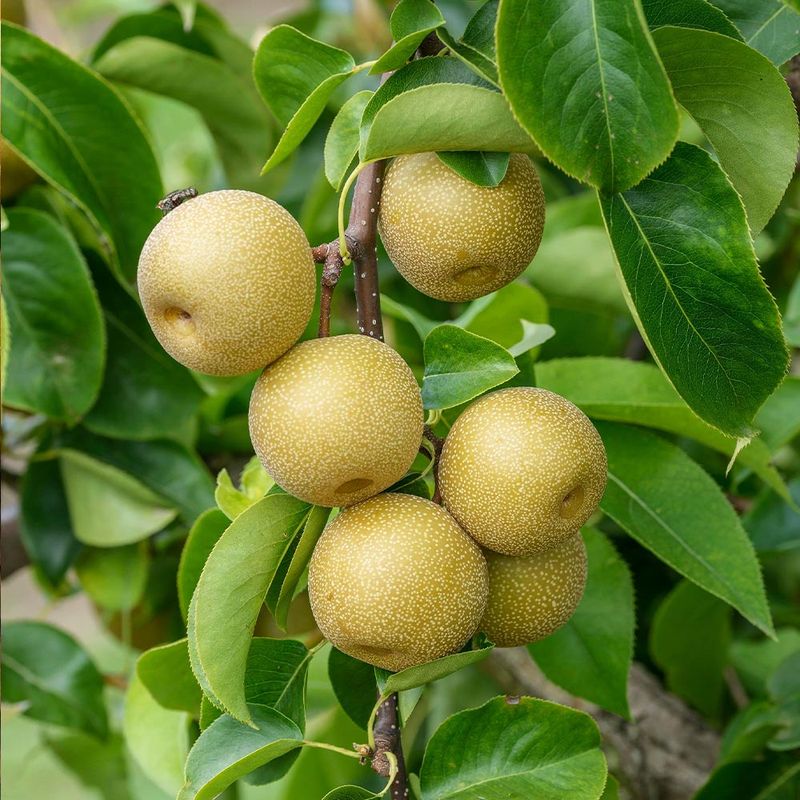
Asian pear trees are known for their crisp, refreshing fruit and low disease pressure. These trees thrive with minimal intervention, making them a gardener’s delight. Their unique, round pears are both tasty and visually appealing, offering a satisfying harvest each season. With little fuss, Asian pears bring joy to fruit enthusiasts, promising abundant yields without the typical challenges of pear cultivation.
3. Serviceberry
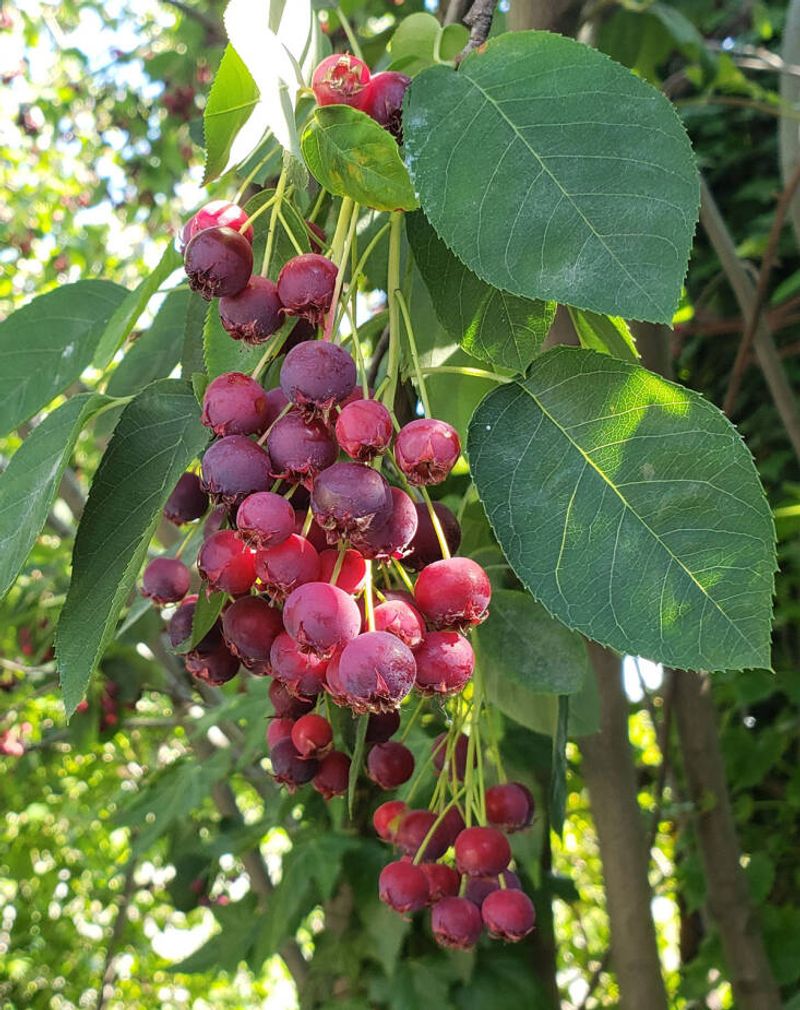
Serviceberries, native to many regions, are low-maintenance and delicious. These versatile trees or shrubs produce small, sweet berries ideal for fresh eating or baking. Their adaptability to various conditions makes them a favorite among gardeners. With minimal care, serviceberries offer beauty and bounty, supporting a healthy ecosystem while delighting taste buds each year.
4. Cherry Bush (like Carmine Jewel)
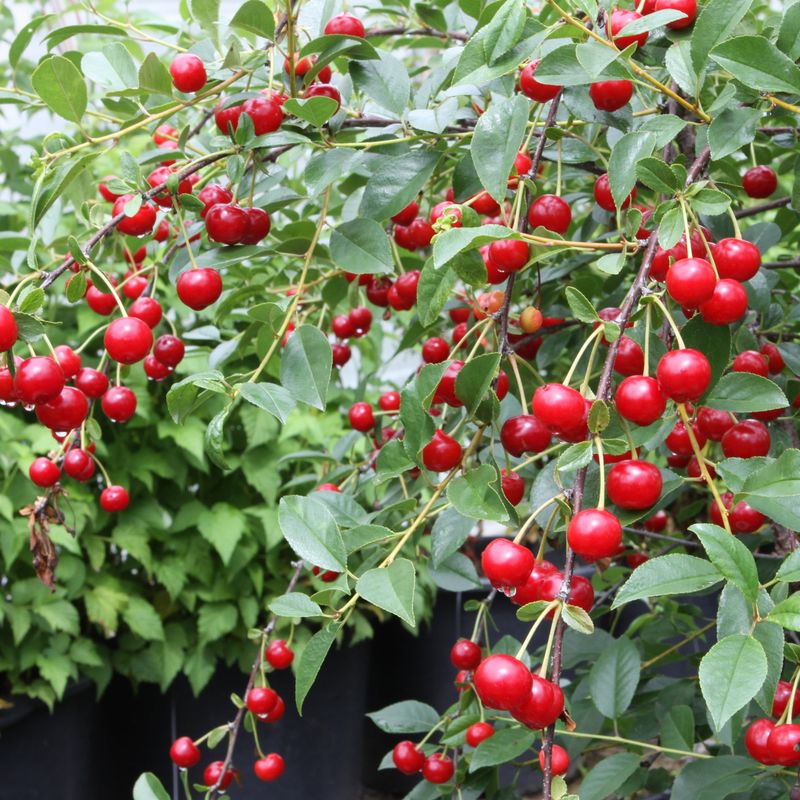
Cherry bushes, like Carmine Jewel, simplify cherry growing with their manageable size. Unlike standard cherry trees, these bushes are easier to care for and less prone to splitting. Their compact form makes harvesting straightforward, providing a bountiful cherry crop with less labor. For those wanting the joys of cherries without the headache, cherry bushes present a delightful and practical option.
5. Hardy Kiwi (female/male pair)
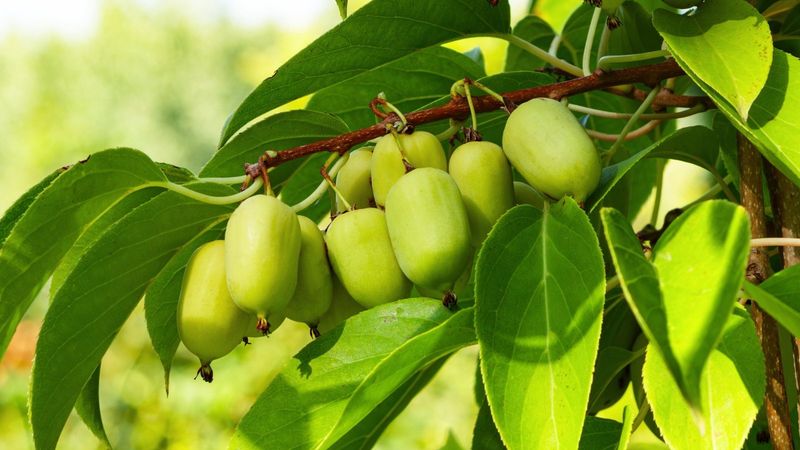
Hardy kiwi vines, thriving in temperate zones, produce small, fuzzless kiwis when planted in female/male pairs. These vigorous vines offer a rewarding yield, with fruit sweeter than typical kiwis. Their robust nature ensures minimal fuss, making them ideal for dedicated gardeners. With proper support and pairing, hardy kiwis transform gardens into lush, productive spaces bursting with exotic flavors.
6. Elderberry
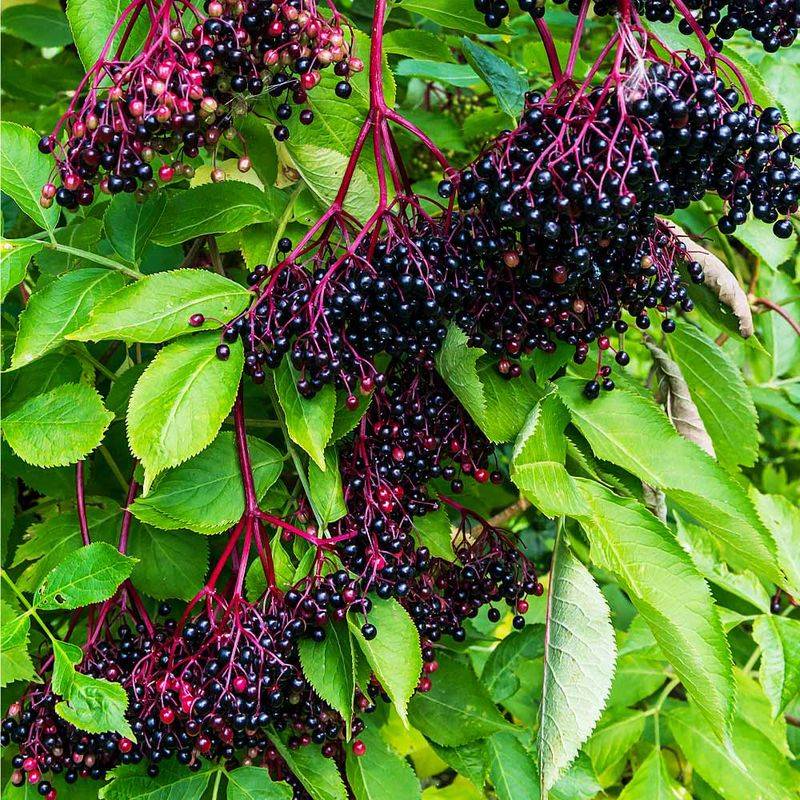
Elderberries grow rapidly, offering a bounty of pest-resistant fruit. These vibrant plants not only provide delicious berries but also support wildlife and pollinators. Their resilience and adaptability make them a gardener’s ally, requiring little maintenance for maximum reward. When planted, elderberries enrich gardens with their beauty and bountiful harvest, perfect for preserves or wildlife support.
7. Blueberry (acidic soil)
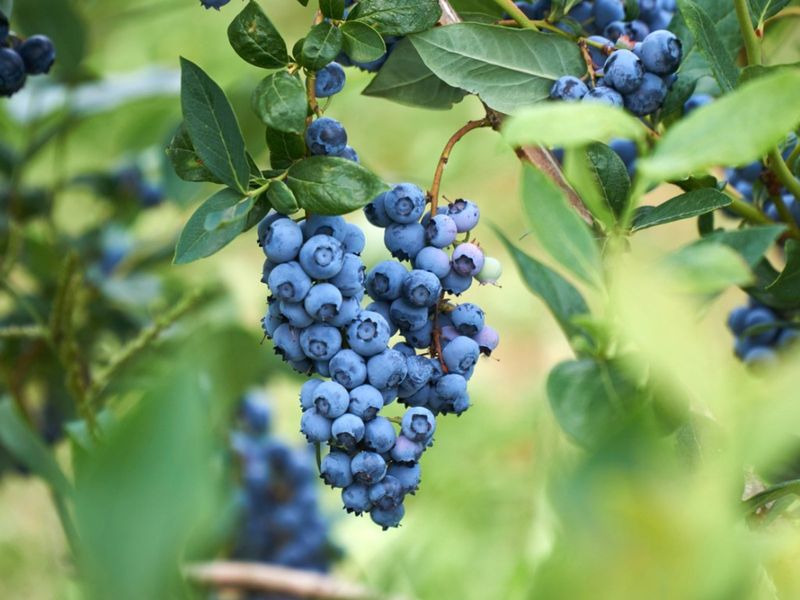
Blueberries thrive in acidic soil, offering compact, productive, and ornamental bushes. These charming plants produce sweet, juicy berries, making them a favorite among home gardeners. With their low-maintenance nature and stunning foliage, blueberries provide both beauty and bounty. For those with the right soil, these bushes promise a delightful harvest, perfect for fresh eating or baking.
8. Goji Berry
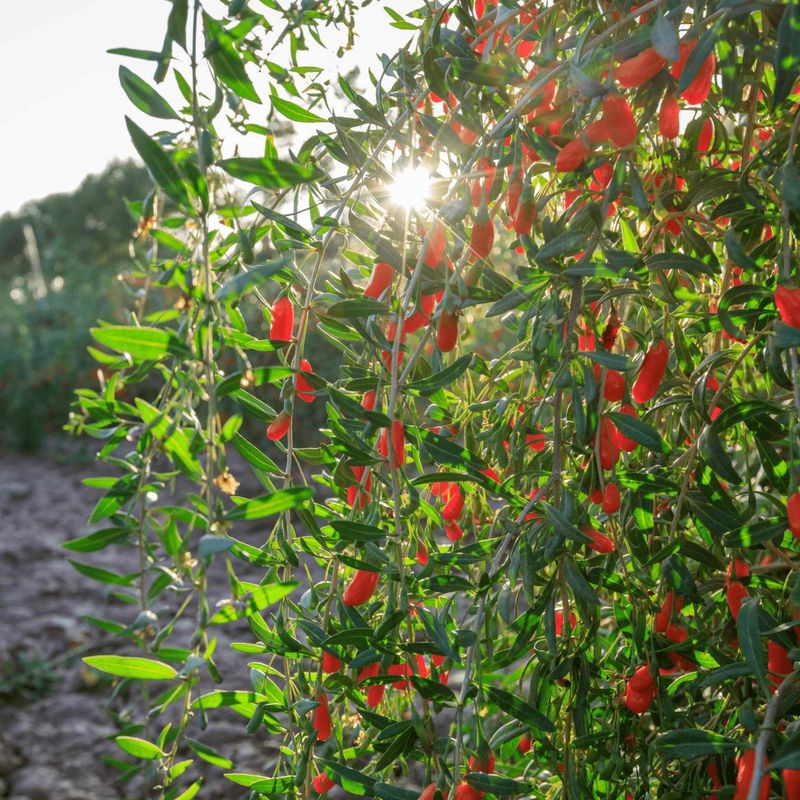
Goji berries, known for their drought tolerance, are fast to fruit and easy to grow. These bushes produce vibrant red berries, celebrated for their health benefits. Their hardy nature makes them suitable for various climates, providing a reliable source of fruit with minimal care. For health-conscious gardeners, goji berries present a rewarding and manageable option, enriching gardens with their beauty and bounty.
9. Jujube (Chinese Date)
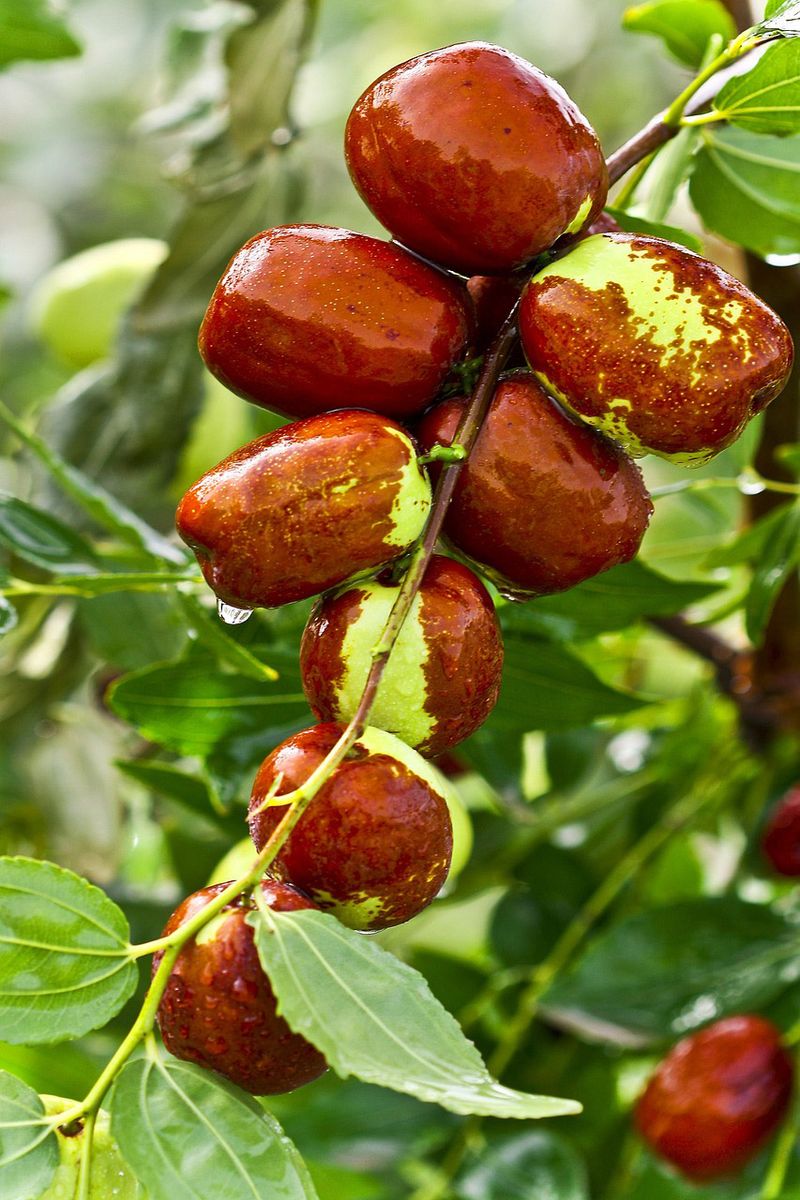
Jujube trees, also known as Chinese Dates, are tough, productive, and sweet. These resilient trees thrive in a variety of conditions, offering small, delicious fruits with a hint of apple flavor. Their low-maintenance nature appeals to those seeking reliable harvests without fuss. Jujubes provide a unique addition to gardens, promising abundant crops with minimal effort, perfect for fresh snacking or cooking.
10. Blackberry (thornless varieties)
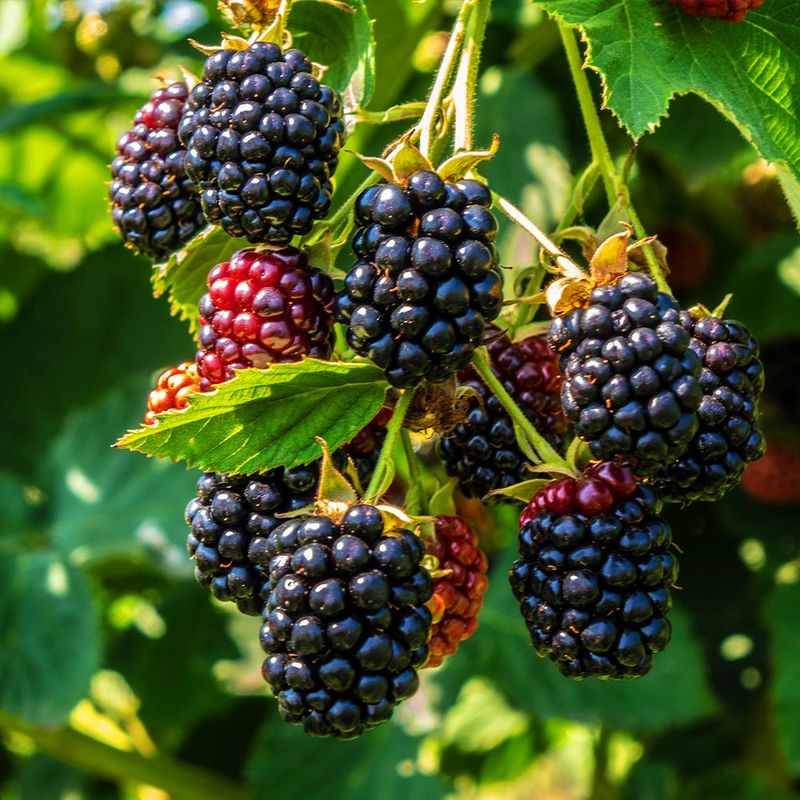
Thornless blackberry bushes offer easy training and harvesting, free from the pain of thorns. These user-friendly varieties produce plentiful, juicy blackberries, satisfying berry lovers without the usual challenges. Their adaptability and ease of care make thornless blackberries a popular choice for home gardens, promising sweet rewards with minimal hassle, perfect for fresh eating or preserves.
11. Raspberry (everbearing types)
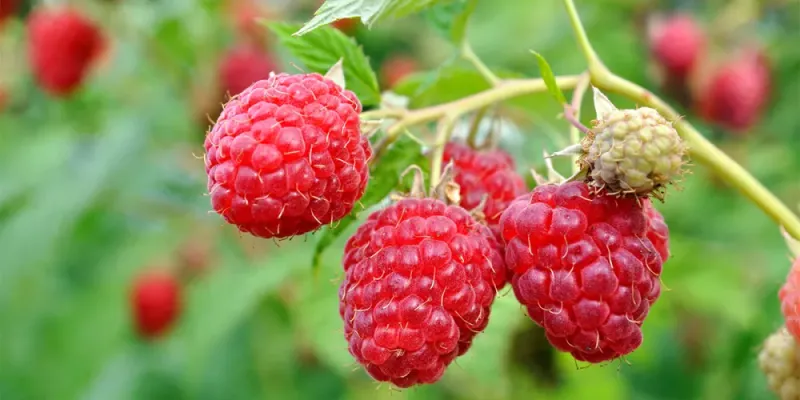
Everbearing raspberry bushes delight with fruits twice a year, offering little fuss for gardeners. These robust plants produce abundant, sweet raspberries, rewarding enthusiasts with continuous harvests. Their resilience and prolific nature make them a staple in backyard gardens, providing fresh fruit for months. Everbearing raspberries promise a delightful, low-maintenance experience, perfect for snacks or desserts.
12. Currants (red or black)
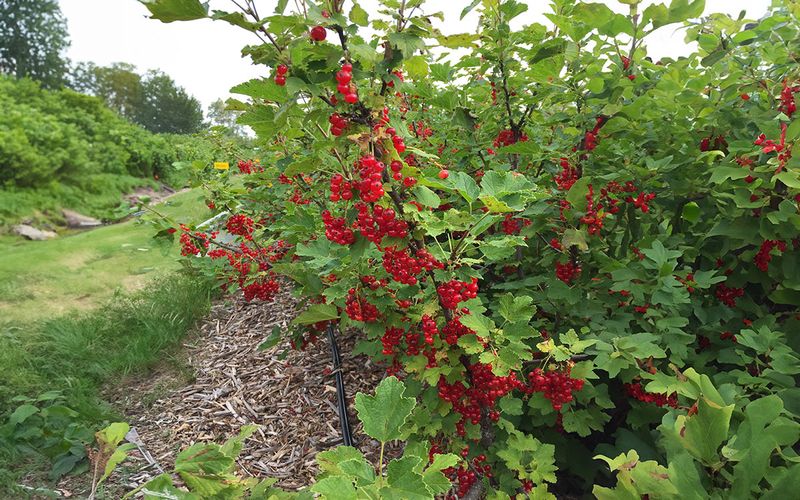
Currant bushes, whether red or black, are shade-tolerant and require minimal pruning. These compact plants produce tart, flavorful berries, ideal for jellies or fresh eating. Their ability to thrive in less ideal conditions makes them a versatile choice for gardeners. Currants offer a reliable and rewarding experience, enriching gardens with their vibrant fruit and minimal care requirements.
13. Figs (in warm zones or containers)
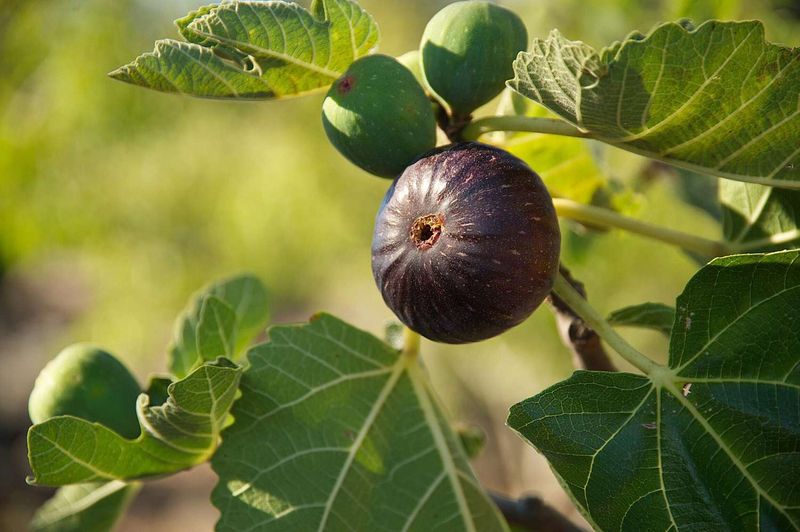
Figs thrive in warm zones or containers, offering low-input, high-reward cultivation. These trees produce sweet, luscious figs, beloved by many. Their adaptability to container planting makes them suitable for various spaces. With minimal care, figs promise abundant harvests, bringing a taste of the Mediterranean to gardens. Their delicious fruits provide a delightful treat, perfect for fresh eating or cooking.
14. Strawberry Guava
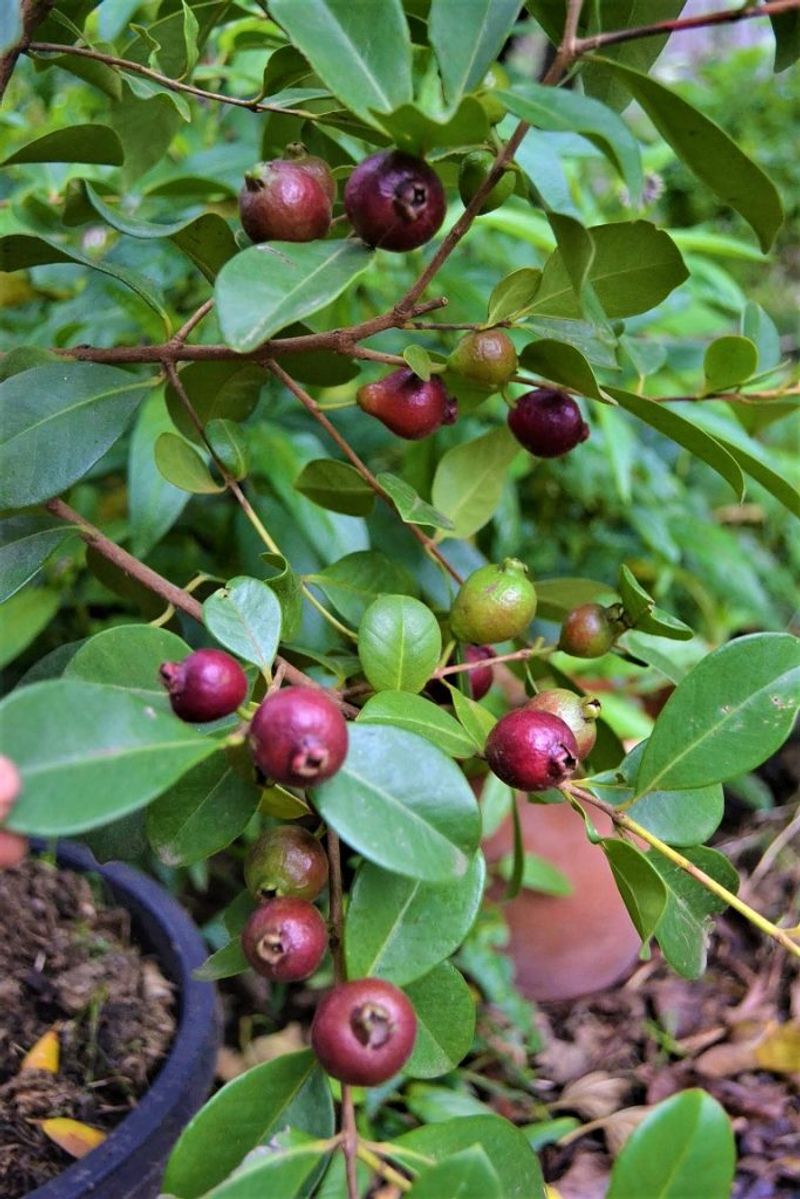
Strawberry guava bushes, compact and delicious, thrive in warm regions. These versatile plants produce small, red fruits with a unique, sweet flavor. Their low-maintenance nature and adaptability make them a gardener’s delight, offering a tropical touch in suitable climates. With minimal care, strawberry guavas promise an exotic and rewarding experience, perfect for fresh snacking or culinary adventures.
15. Aronia (Chokeberry)
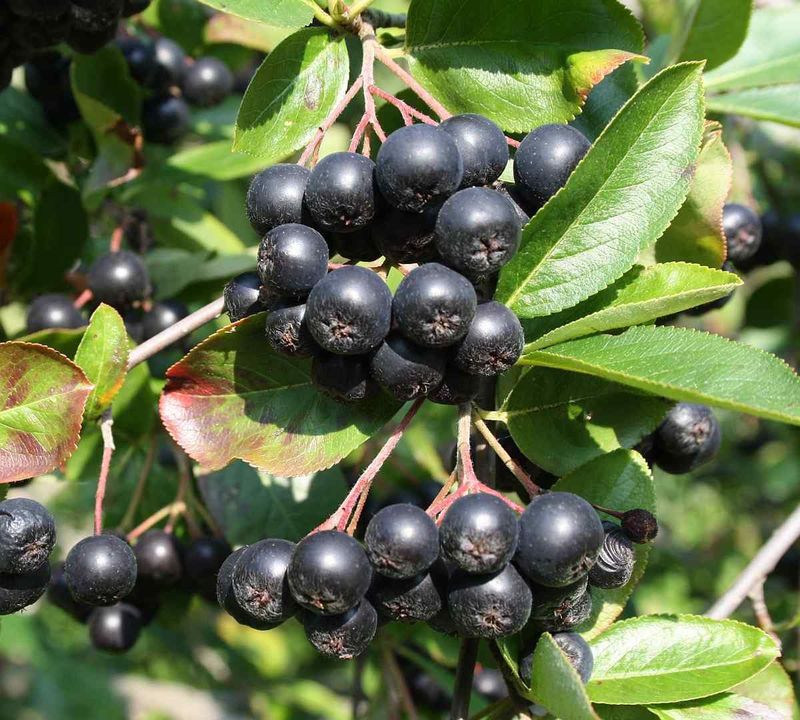
Aronia bushes, known as chokeberries, are native and hardy, great for wildlife support. These resilient plants produce stunning clusters of dark berries, rich in antioxidants. Their adaptability to various conditions makes them a valuable addition to gardens. Aronia provides a low-maintenance, fruitful experience, enhancing gardens with their beauty and supporting local ecosystems.