Complete Gardening
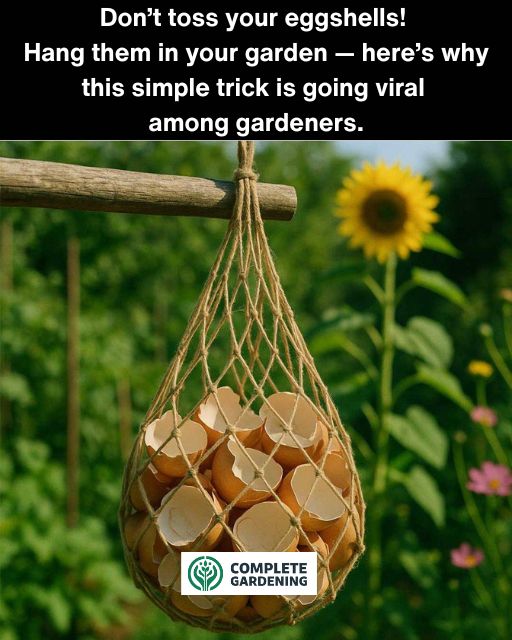
Most people throw away their eggshells without a second thought, but in the gardening world, these fragile shells are secret powerhouses. Packed with calcium and other essential nutrients, eggshells can work wonders for your plants, your soil, and even your pest problems. Instead of tossing them, start hanging eggshells in your garden — it’s an easy, natural, and surprisingly effective way to boost your garden’s health.
The Hidden Nutritional Power of Eggshells
Eggshells are made primarily of calcium carbonate — the same compound that helps plants build strong cell walls. This makes them an excellent natural fertilizer that slowly releases calcium into the soil as they decompose. Each shell also contains trace amounts of magnesium and phosphorus, helping your plants develop strong roots and vibrant growth.
How Eggshells Improve Soil Structure
Crushed eggshells help loosen compacted soil, improving both aeration and drainage. This is especially useful in heavy clay soils where water tends to pool. As the shells break down, they also add organic matter, enhancing soil texture and creating a healthy environment for beneficial microbes to thrive.
A Natural Pest Deterrent That Actually Works
Soft-bodied pests like slugs and snails hate crawling over rough, sharp surfaces — and crushed eggshells make a perfect barrier. Scatter them around plants that tend to attract pests, such as lettuce or strawberries. The shells don’t just repel pests; they also discourage cutworms and other harmful insects from damaging your garden.
Eggshells as a Calcium Source
If you’ve ever battled blossom end rot in tomatoes or peppers, eggshells might be your solution. The calcium they release prevents this common issue by strengthening fruit development. For the best results, crush your shells into a fine powder — this increases the surface area, helping nutrients reach your plants faster.
Adding Eggshells to Compost
Don’t forget your compost pile! Eggshells are an excellent addition because they balance acidity and supply valuable minerals. Rinse them first, crush them up, and mix them into your compost. Over time, they’ll enrich your compost with calcium and trace nutrients, giving your future garden soil a healthy boost.
Preparing Eggshells for Use
Before using eggshells, clean them thoroughly to remove any egg residue that might attract pests. Let them dry completely, then crush or grind them. You can use a mortar and pestle, blender, or coffee grinder to make a fine powder. Store your crushed shells in a jar until you’re ready to use them.
Creative Ways to Hang Eggshells in the Garden
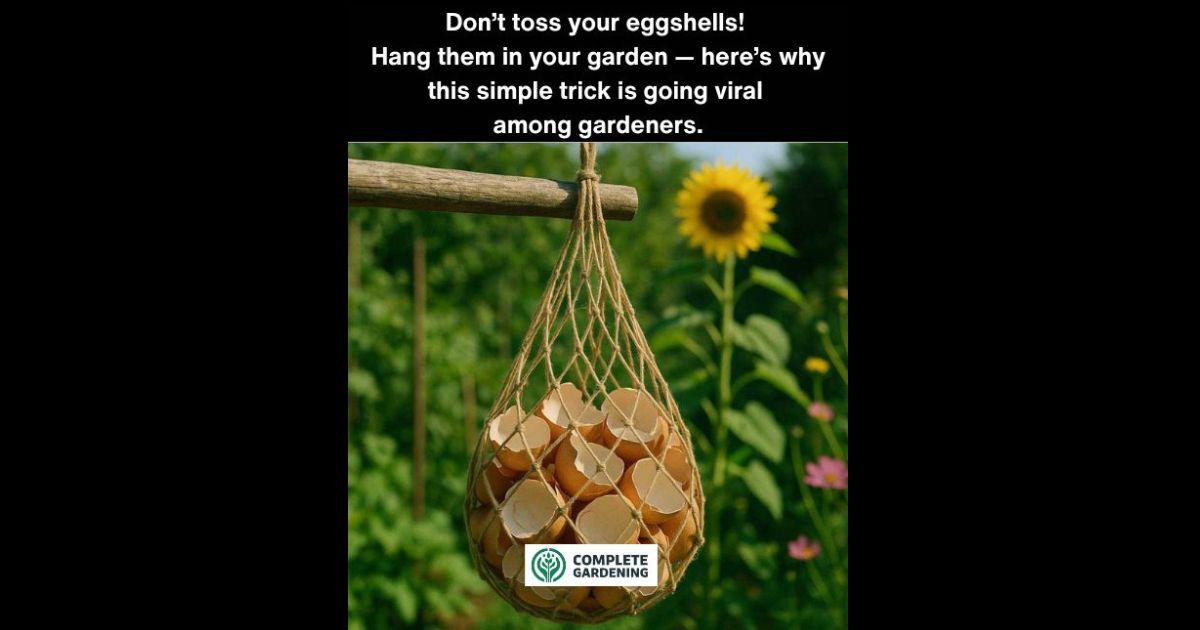
One of the most creative ways to use eggshells is by hanging them! Thread small holes in the tops of clean shells, string them together, and hang them around your garden. The gentle clinking sound and reflective surfaces can deter birds and some pests, while slowly releasing calcium as rain and humidity break them down.
Another fun idea is to use eggshell halves as biodegradable seed starters. Fill each half with soil, plant a seed, and when it’s ready, transplant the whole thing into the ground — shell and all. It’s cute, practical, and waste-free.
Viral Eggshell Hacks from Gardeners
Social media has been buzzing with creative ways to reuse eggshells. Some gardeners blend them into a fine powder to sprinkle directly on the soil as fertilizer, while others use crushed shells as mulch around the base of plants. Eggshell tea — made by soaking shells in water for a few days — is another trending hack that delivers a nutrient boost when used as a natural liquid fertilizer.
Eco-Friendly and Sustainable Gardening
Recycling eggshells reduces kitchen waste and helps cut down on landfill contributions. It’s a small step that makes a big environmental impact. Using natural alternatives like eggshells also reduces reliance on chemical fertilizers and pesticides, promoting a more balanced, eco-friendly garden ecosystem.
Mistakes to Avoid When Using Eggshells
Avoid tossing whole shells into the garden — they decompose too slowly. Always crush or grind them first. Also, never use dirty shells, as leftover egg residue can attract unwanted pests. Finally, remember that eggshells alone won’t solve every problem; they work best when combined with good soil care and consistent watering.
Success Stories from Gardeners
Many gardeners swear by the results of using eggshells. One tomato grower in California saw a dramatic drop in blossom end rot after adding crushed shells to the soil. Another gardener from Oregon found that sprinkling crushed eggshells around lettuce beds completely stopped slug damage. Simple, natural, and proven — eggshells truly are a gardener’s best-kept secret.
Conclusion — Turn Waste into Garden Gold
Before you toss your next batch of eggshells, think again. These everyday kitchen scraps can nourish your plants, protect them from pests, and help you garden more sustainably. Whether you hang them, crush them, or compost them, eggshells are a small change that can make a big difference in your garden’s health and beauty.