 Complete Gardening
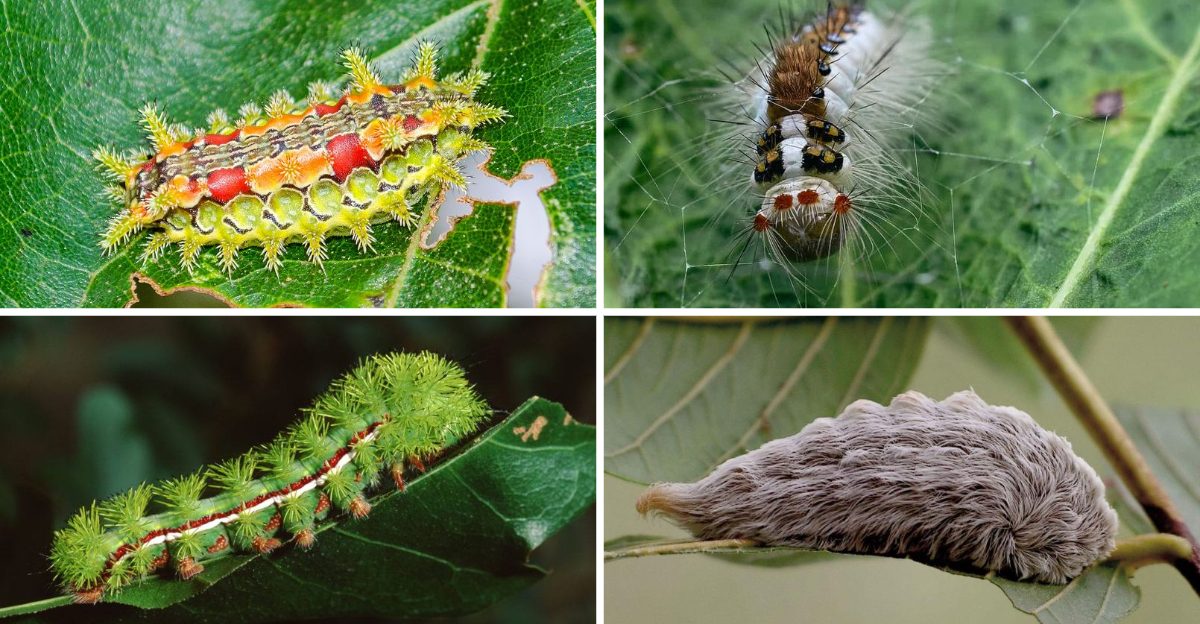
Caterpillars, with their vibrant hues and fuzzy exteriors, often allure curious eyes. However, beneath some of these colorful appearances lie toxic threats to both humans and plants. This piece explores twenty such caterpillars that are not only harmful to touch but can wreak havoc on gardens and natural foliage. Each brings its own story of deception and danger. Let’s uncover these fascinating yet perilous creatures and understand why they should be admired from afar.
1. Puss Caterpillar
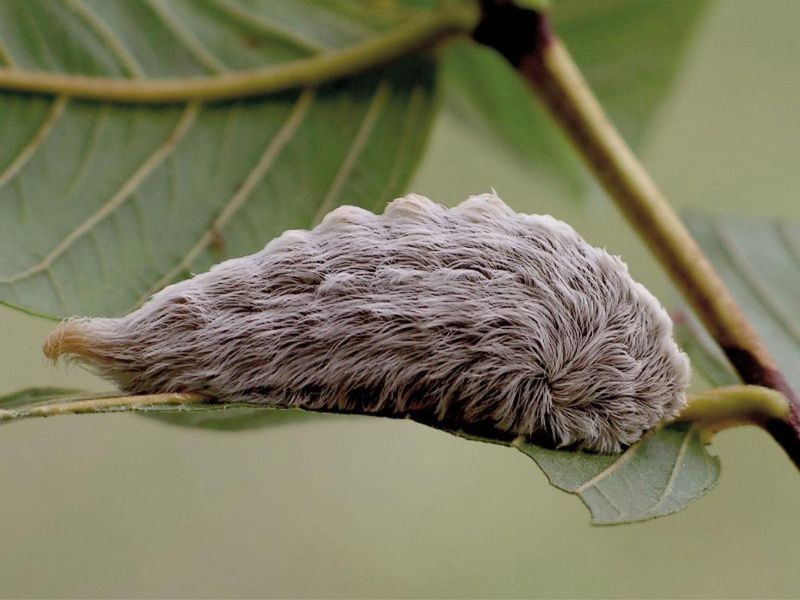
With an appearance reminiscent of a furry friend, the Puss Caterpillar conceals a painful secret. Beneath its soft, orange and white exterior lie venomous spines capable of inflicting severe pain. Encountering this caterpillar can result in symptoms akin to a bee sting, but often more intense. The striking colors serve as a vivid warning to potential predators. Surprisingly, this seemingly harmless creature turns into a moth once mature. It’s critical to exercise caution around this deceptive beauty to avoid a painful surprise. Avoid handling and admire its unique look from a safe distance.
2. Saddleback Caterpillar
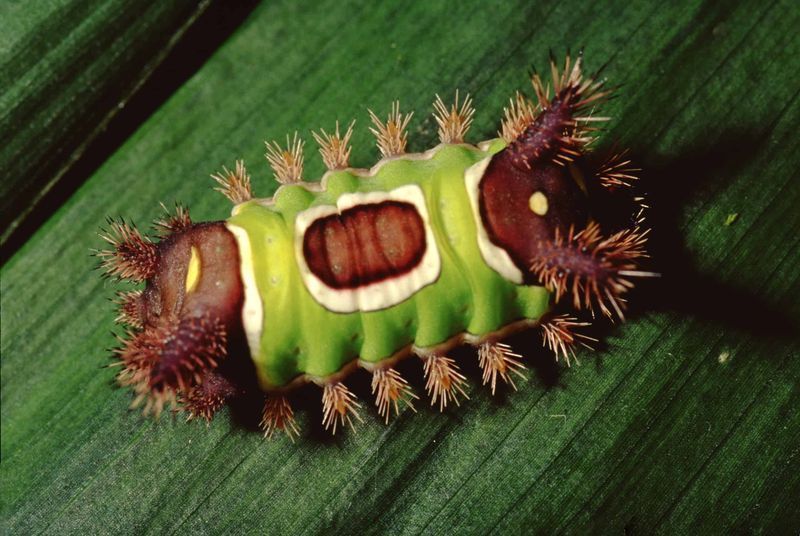
A tiny terror in the world of caterpillars, the Saddleback Caterpillar boasts a distinctive brown ‘saddle’ mark. This caterpillar’s bold colors are a warning to stay away, as its spines contain venom that causes painful reactions. Found primarily in eastern forests, this caterpillar isn’t just a menace to humans but also feasts on the leaves of its host plants. Its defense mechanism includes irritating hairs that can penetrate the skin, creating a burning sensation. Admire this caterpillar’s unique design, but avoid physical contact to prevent skin irritation.
3. Io Moth Caterpillar
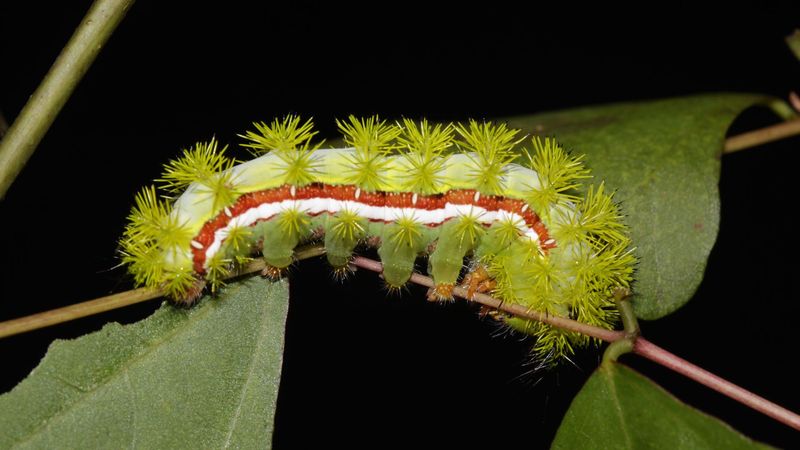
Draped in striking green with red and white stripes, the Io Moth Caterpillar is a sight to behold. Yet, its beauty conceals venomous spines that deliver painful stings. Widely distributed across North America, this caterpillar poses a threat to those unaware of its toxic nature. The Io Moth Caterpillar uses its colors to ward off predators, signaling danger. Despite its intimidating defenses, this caterpillar transforms into a beautiful moth, showcasing nature’s dual character of allure and threat. Handle with care, or better yet, not at all.
4. Lonomia Caterpillar
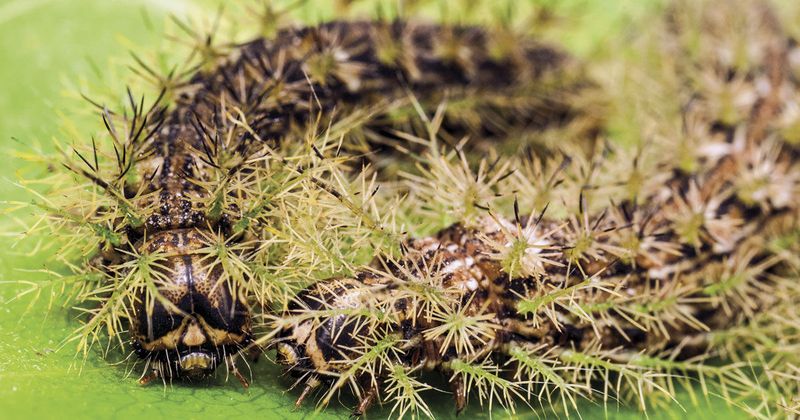
The Lonomia Caterpillar, native to the rainforests of South America, is notorious for its deadly reputation. Clothed in camouflage hues of brown and green, it blends seamlessly into its leafy environment. However, contact with its spines can lead to severe reactions, including hemorrhaging. Known as the “Assassin Caterpillar,” its venom has even caused fatalities. The risk associated with this caterpillar underscores the importance of recognizing and avoiding it in the wild. Its transformation into a moth marks a less threatening phase of its life cycle.
5. Hickory Tussock Moth Caterpillar
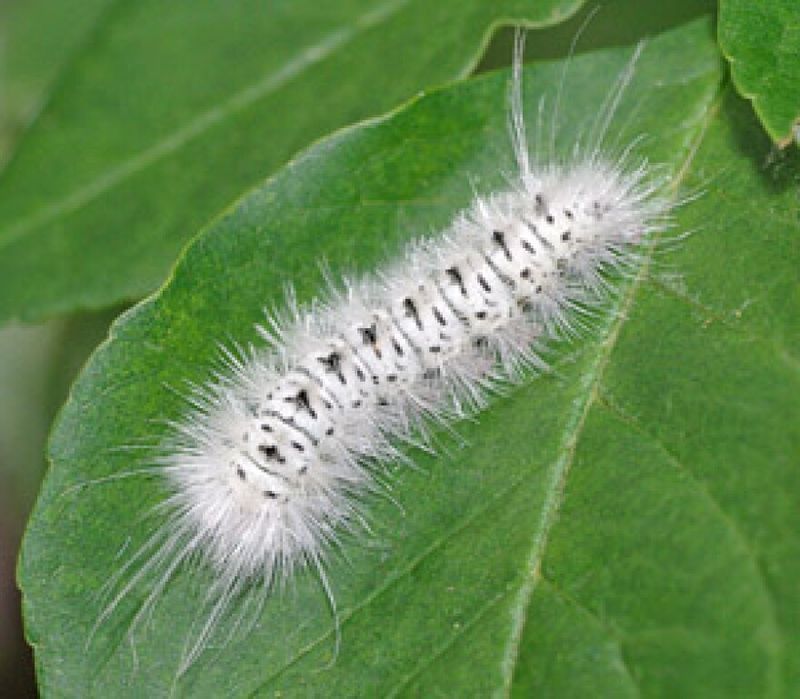
With its fluffy white appearance, the Hickory Tussock Moth Caterpillar might seem inviting. However, this caterpillar is armed with spines that cause skin irritation upon contact. Found on hickory and walnut trees, it uses its white and black markings as a defense strategy. The hairs can embed into the skin, producing a rash similar to poison ivy. As a herbivore, it contributes to the defoliation of its host plants. This caterpillar’s dual threat to both skin and foliage makes it a notable member of the caterpillar community.
6. Spiny Oak Slug Caterpillar
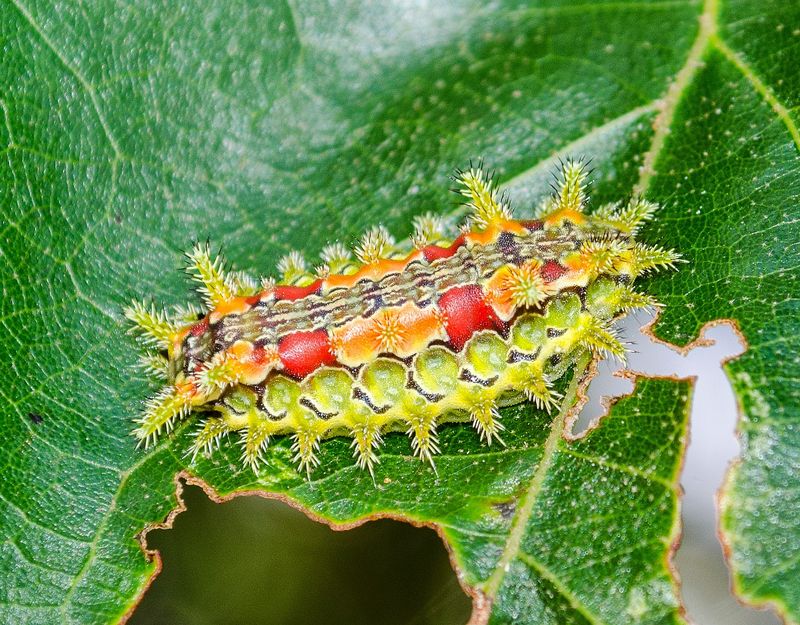
The Spiny Oak Slug Caterpillar dazzles with its vibrant colors of red, orange, and green. Despite its beauty, this caterpillar’s spines can inject venom that causes intense stinging sensations. Found mainly on oak trees, it poses a threat to both humans and the foliage it inhabits. Its spines, though charming, are designed to deter predators and curious observers. Observing this caterpillar can be an enchanting experience, but it should be appreciated without touch. Its eventual transformation into an unassuming moth belies its perilous larval stage.
7. White-marked Tussock Moth Caterpillar
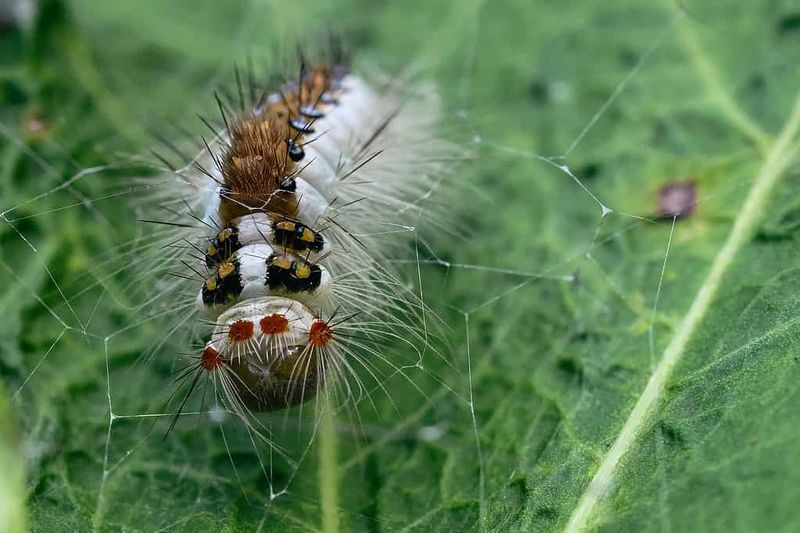
The White-marked Tussock Moth Caterpillar is an eye-catching creature with its bright yellow and white tufts. Despite its appealing appearance, caution is advised when near this caterpillar. Its hairs can irritate the skin and cause allergic reactions in sensitive individuals. This caterpillar’s vibrant colors serve as a warning to predators. Found on various trees, it feeds on leaves, impacting plant health. Its eventual development into a moth signifies a less hazardous stage, but in its caterpillar form, it remains a formidable entity in the insect world.
8. Io Moth Caterpillar
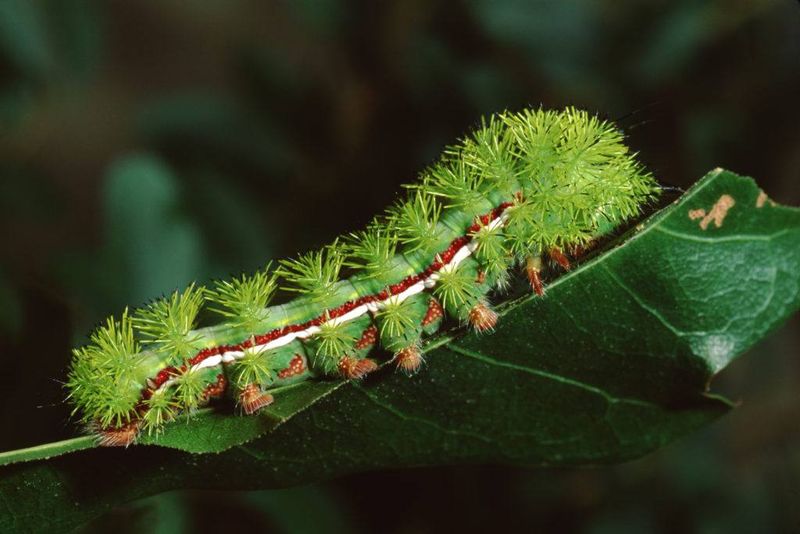
Adorned with vibrant green and accented by red stripes, the Io Moth Caterpillar captivates both attention and caution. Its spiky tufts contain venom that can deliver a painful sting. These caterpillars are common in North America and serve as a natural deterrent to predators. While its colors offer a visual treat, they also signal danger lurking beneath. Despite its intimidating defense, it eventually becomes a moth, losing its stinging capabilities. Its presence in gardens requires awareness to prevent unpleasant encounters and to protect plant life.
9. Bag Shelter Caterpillar
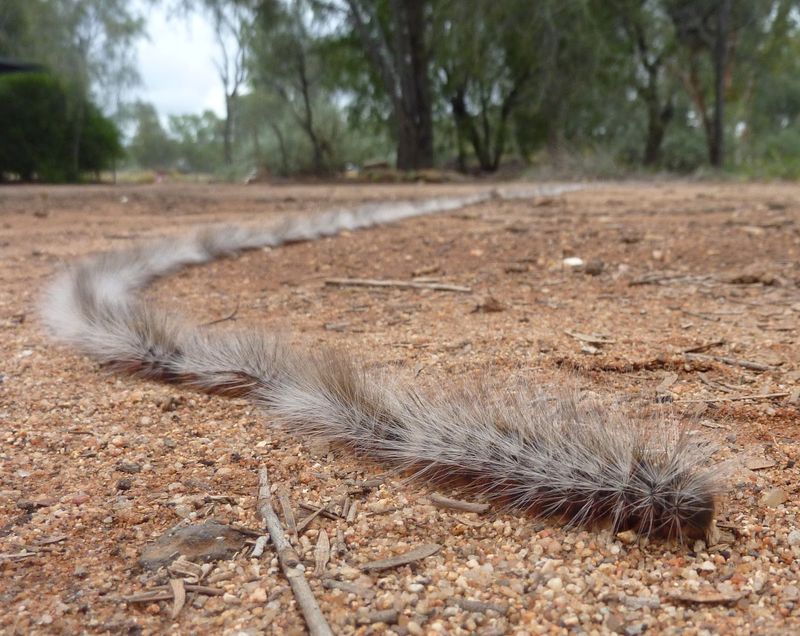
The Bag Shelter Caterpillar is known for its communal lifestyle, often found in clusters. This caterpillar’s brown and black stripes provide a deceptive sense of safety. However, its hairs release toxins that can cause severe skin irritation. Native to parts of Australia, they are notorious for defoliating trees and posing health risks to humans and animals. These caterpillars construct silken nests resembling bags, hence their name. Encountering them can lead to unpleasant skin reactions, emphasizing the importance of keeping a safe distance from their intriguing assemblies.
10. Flannel Moth Caterpillar
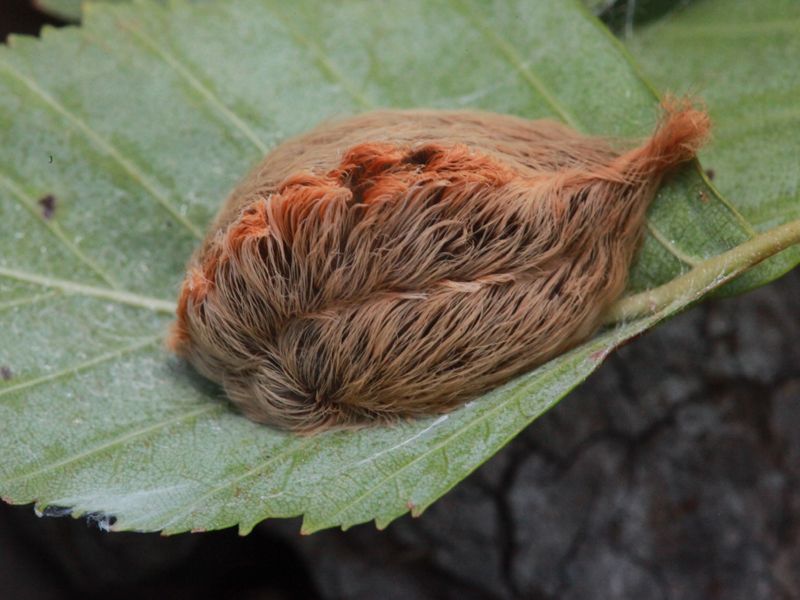
The Flannel Moth Caterpillar, with its opulent golden-brown fur, exudes a false sense of warmth. Beneath its furry exterior lie venomous spines capable of delivering a painful sting. Known in the southern United States, this caterpillar’s luxurious appearance can deceive unsuspecting admirers. Its sting can result in a rash and swelling, mimicking the effects of more notorious insects. Despite its beauty, it’s crucial to avoid contact. This caterpillar eventually matures into a moth, shedding its deceiving fur coat but leaving behind memories of its sting.
11. Buck Moth Caterpillar
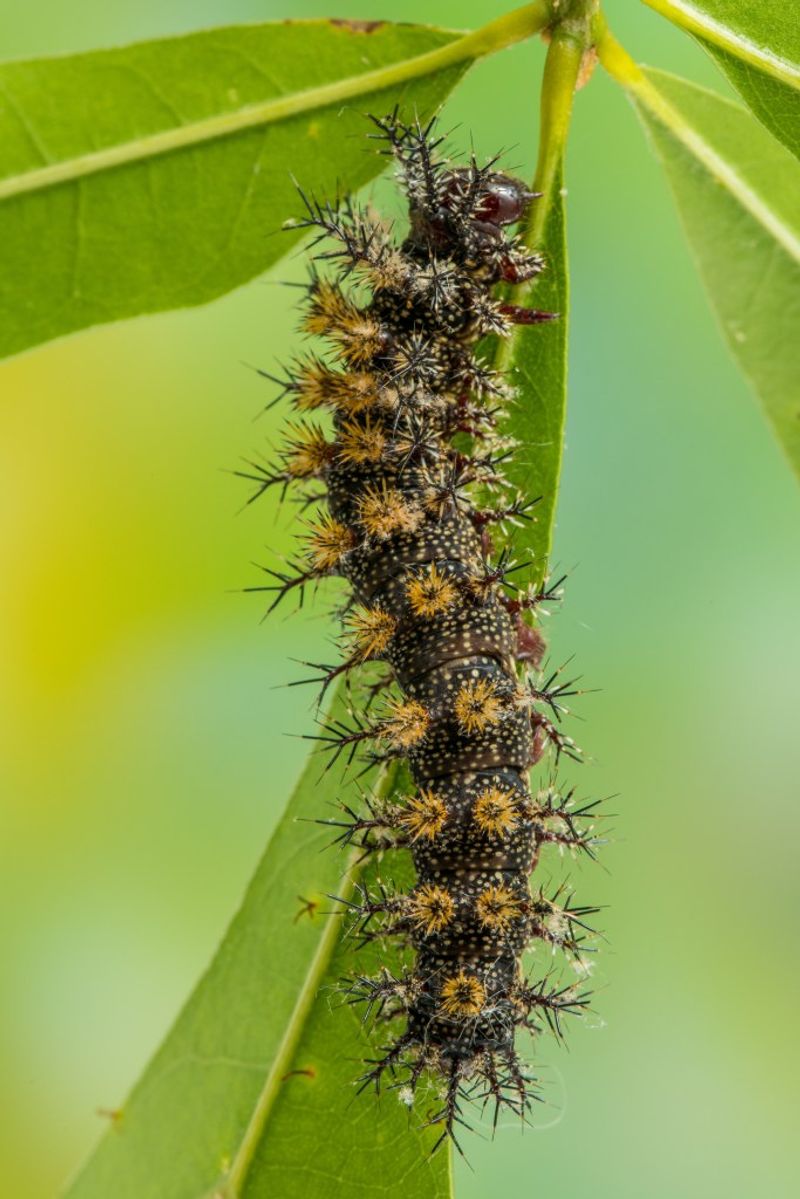
Distinguished by its black body and white spiky tufts, the Buck Moth Caterpillar is a formidable presence. Its spines are known to inject venom that can cause intense pain and discomfort. Found across the southeastern United States, this caterpillar is a master of deception. The stark contrast of its colors acts as a visual deterrent to predators and humans alike. It consumes foliage from various trees, impacting plant health. While it eventually turns into the Buck Moth, in its larval stage, it remains a creature best admired from a distance.
12. Slaty Grey Moth Caterpillar
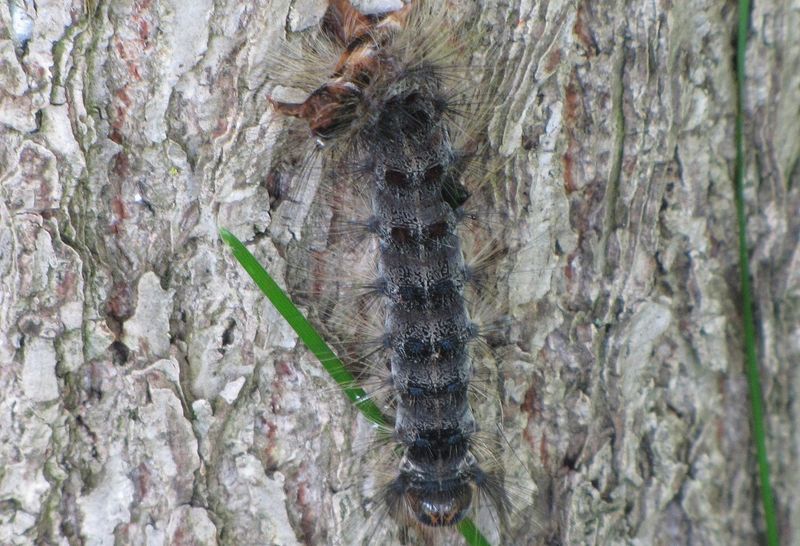
The Slaty Grey Moth Caterpillar, with its understated grey and white coloration, blends effortlessly into its environment. However, its appearance belies its toxic nature. Contact with this caterpillar can lead to skin irritation and discomfort. Primarily found on eucalyptus trees, it is a significant defoliator in its native habitat. The caterpillar’s modest colors serve as a disguise from potential threats. Its eventual metamorphosis into a moth marks a new phase, shedding its toxic defense. Until then, its presence is a reminder of nature’s hidden dangers.
13. Giant Silkworm Moth Caterpillar
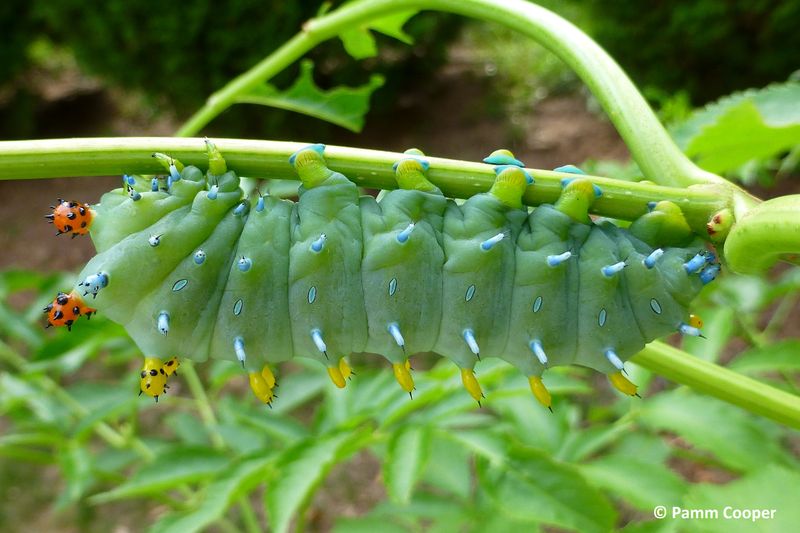
The Giant Silkworm Moth Caterpillar, native to South America, is a creature of paradoxes. Its large, green body adorned with spiky protrusions is both captivating and hazardous. The caterpillar’s venomous spines can cause severe reactions, including bleeding and coagulopathy. This caterpillar’s impressive size complements its intimidating defense mechanism. In tropical regions, it is a significant pest, affecting both flora and human health. As it evolves into the Giant Silkworm Moth, its dangerous phase concludes. However, its caterpillar form remains a potent symbol of nature’s duality.
14. Automeris Caterpillar
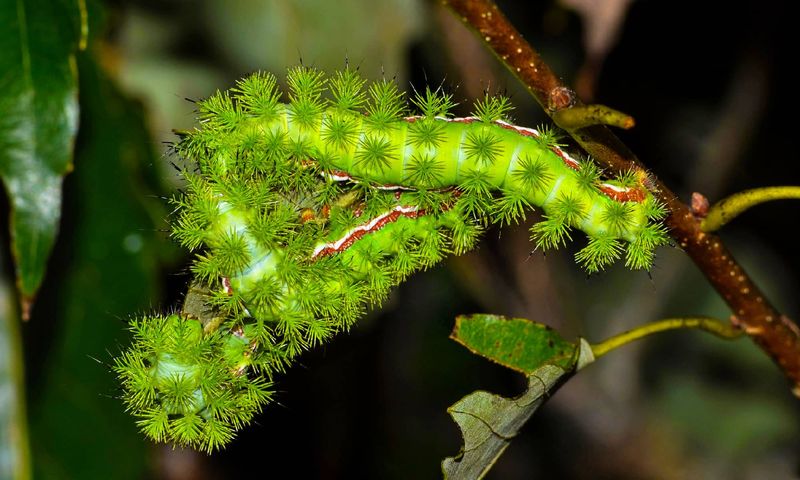
The Automeris Caterpillar is a striking figure with its green and black stripes and hairy body. Yet, these features conceal a potent venom capable of causing intense pain and swelling. Found in the rainforests of Central and South America, this caterpillar is a master of deception. Its colors serve as a warning to those who might mistake it for a harmless creature. While it is an important part of the ecosystem, its interactions with humans can be less than pleasant. Its transformation into the Automeris Moth lessens its threat.
15. Pine Processionary Caterpillar
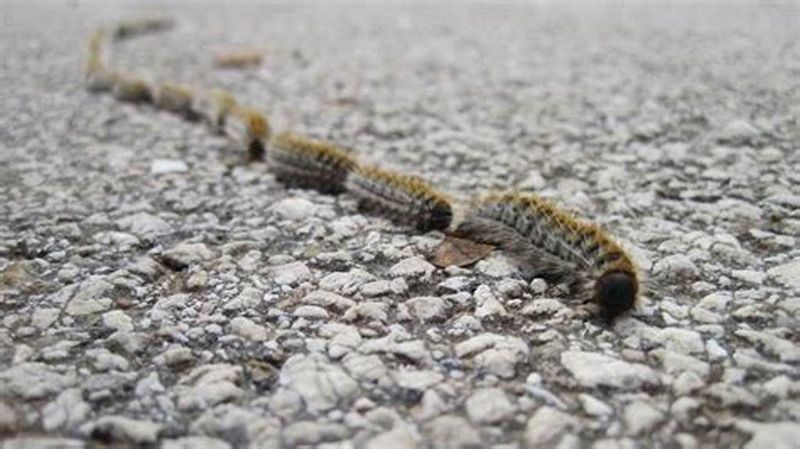
Marching in distinctive chains, the Pine Processionary Caterpillar is a sight to behold. Its orange and white stripes are not just for show; they signal the presence of irritating hairs. Found primarily in Europe, these caterpillars are known for their destructive effect on pine trees and their potential to cause allergic reactions in humans and animals. Their unique procession is a survival strategy, but getting too close can result in unpleasant encounters. As they mature into moths, their procession ceases, marking the end of their hazardous march.
16. Megalopyge Opercularis Caterpillar
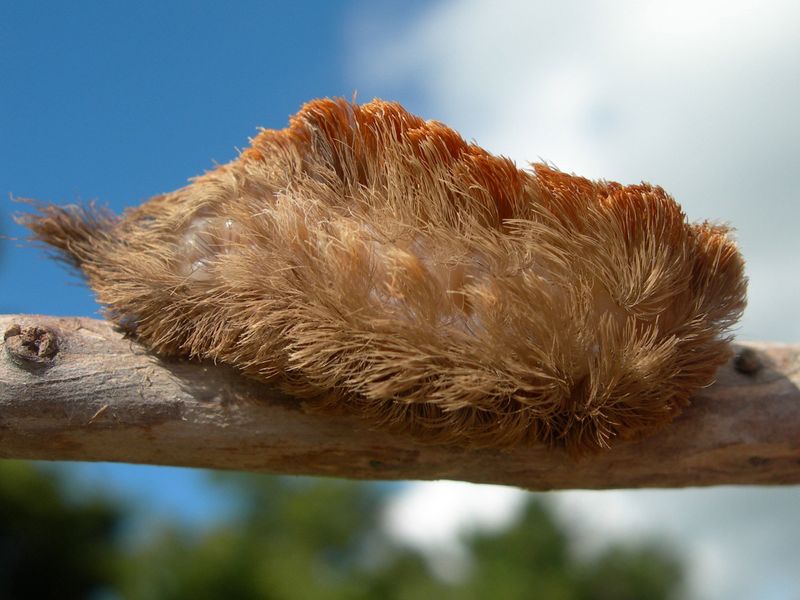
The Megalopyge Opercularis Caterpillar, also known as the “Asp,” is cloaked in fluffy yellow fur that invites curiosity. However, this exterior hides venomous spines that can deliver painful stings. Found in the southern United States, its sting can cause a range of reactions, from mild irritation to severe pain. Despite its soft appearance, it is a formidable opponent in the insect world. Its eventual transformation into a moth sees it shedding its deceptive coat. Until then, it remains a creature best appreciated from a distance, avoiding its concealed sting.
17. Green Oak Slug Caterpillar
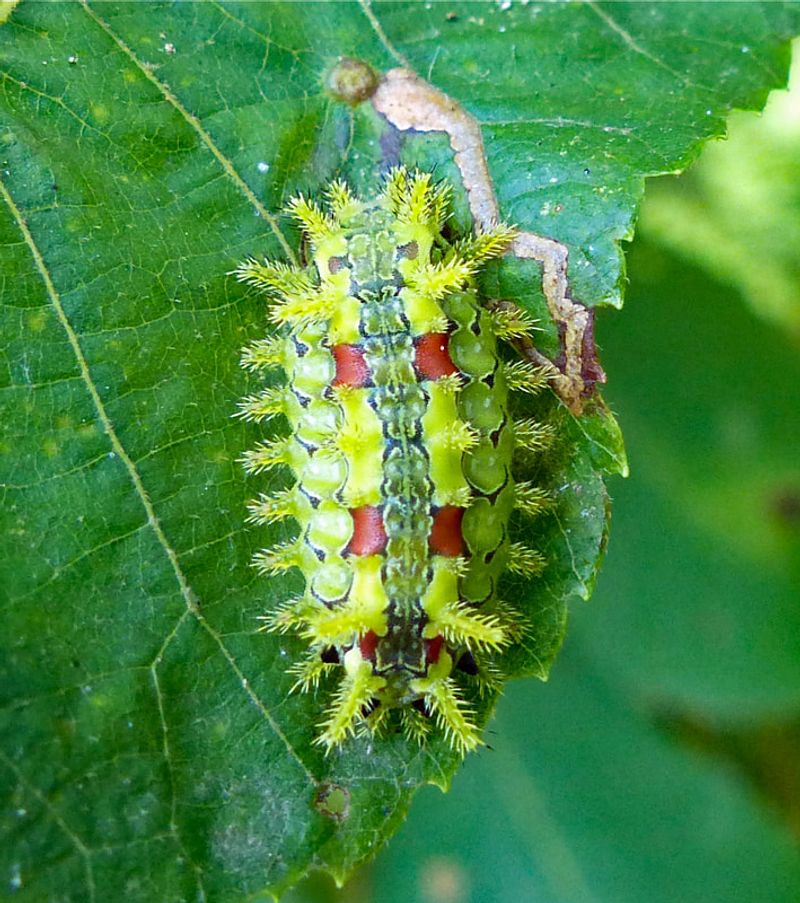
The Green Oak Slug Caterpillar is a captivating sight with its bright green hue and translucent spines. However, its beauty is deceptive, as contact with its spines can cause a painful rash. Found primarily on oak trees, this caterpillar is both a threat to humans and its host plants. Its spines serve as a defensive mechanism, deterring predators and curious hands. While its eventual metamorphosis into a moth marks a harmless phase, during its larval stage, it remains a vivid reminder of nature’s concealed threats.
18. Asp Caterpillar
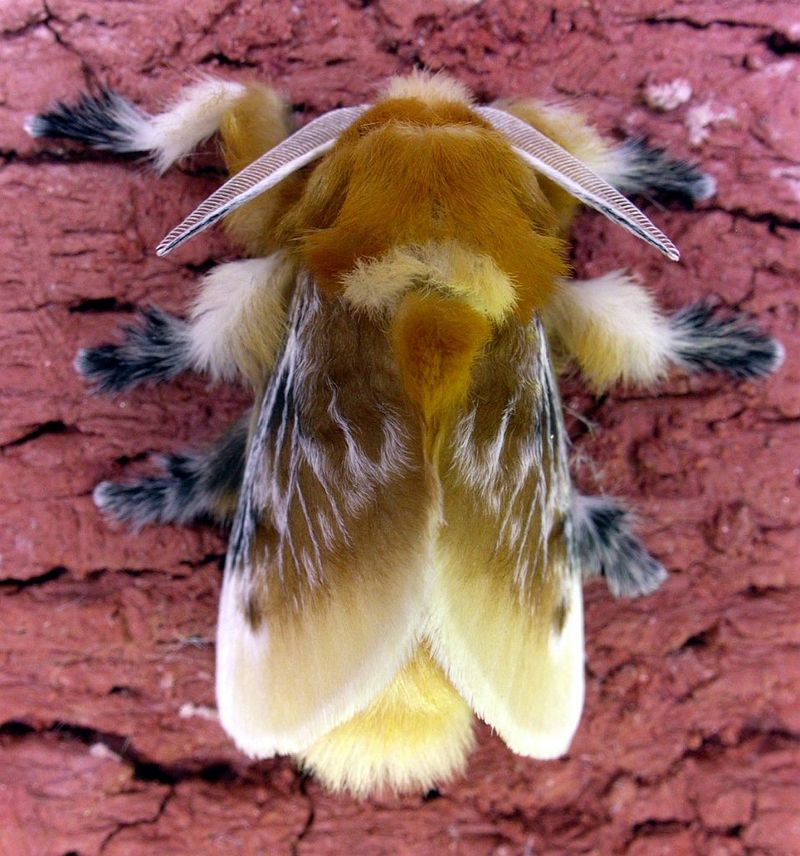
The Asp Caterpillar, with its luxurious, silky fur, presents a beguiling facade. Yet, beneath this inviting exterior lie venomous spines capable of causing intense pain. Commonly found in suburban areas of the southern United States, its sting can lead to severe reactions. This caterpillar’s appearance can easily deceive those unfamiliar with its nature. Its transformation into a moth signifies the end of its dangerous phase. In its caterpillar form, it serves as a stark reminder of the unexpected threats lurking in seemingly benign environments.
19. Stinging Rose Caterpillar
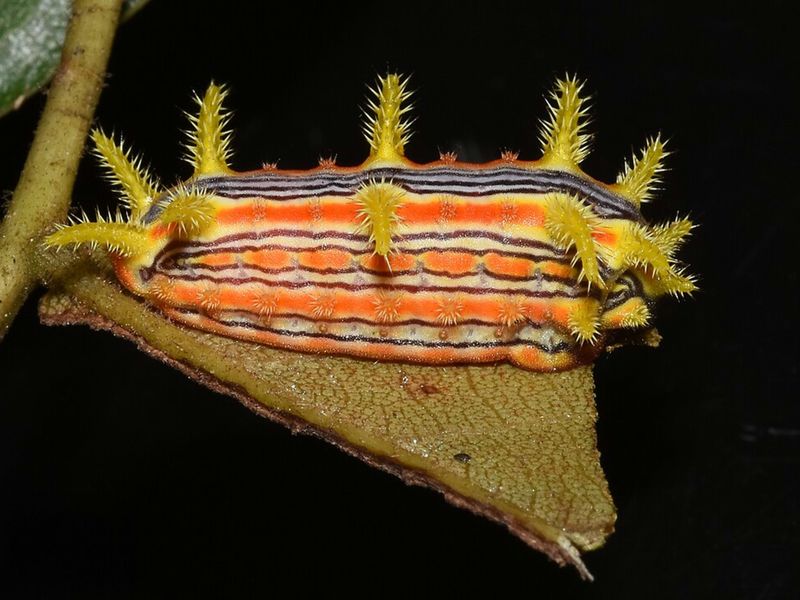
The Stinging Rose Caterpillar is a vibrant creature with red and yellow stripes that stand out against its green surroundings. Its spines contain venom that can cause painful stings, making it a threat to both gardeners and plants. Found on rose bushes, this caterpillar uses its bright colors as a warning to potential predators. Its name is a testament to its dual nature as both a beauty and a hazard. As it matures into a moth, it sheds its spines, leaving behind a legacy of its perilous larval stage.
20. Spotted Apatelodes Caterpillar
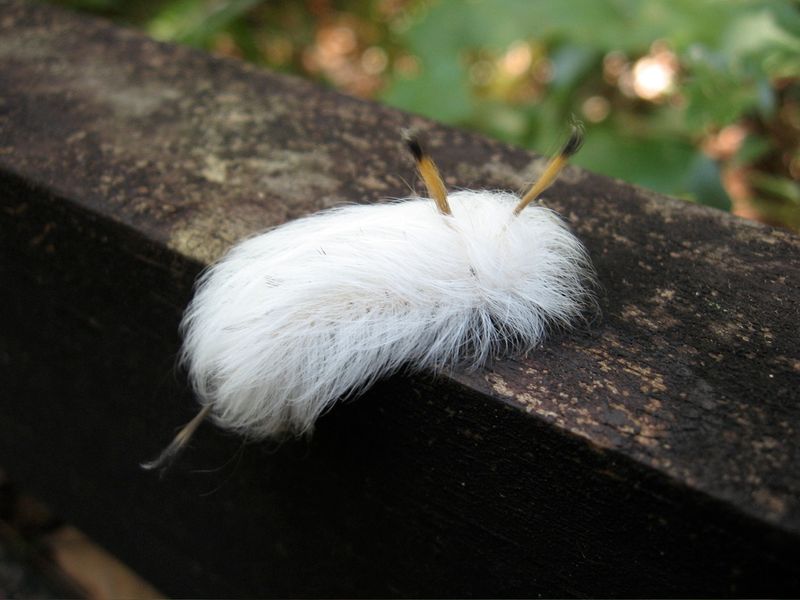
The Spotted Apatelodes Caterpillar, with its distinctive white and black spots, is a master of disguise. Yet, this caterpillar is more than just a visual marvel. Its furry exterior hides venomous spines that can cause irritation and discomfort. Found in tropical regions, it is part of a diverse ecosystem, contributing to both plant defoliation and natural beauty. Its eventual transformation into a moth signifies a less threatening phase. Until then, it remains a vivid representation of the hidden dangers in the natural world.