 Complete Gardening
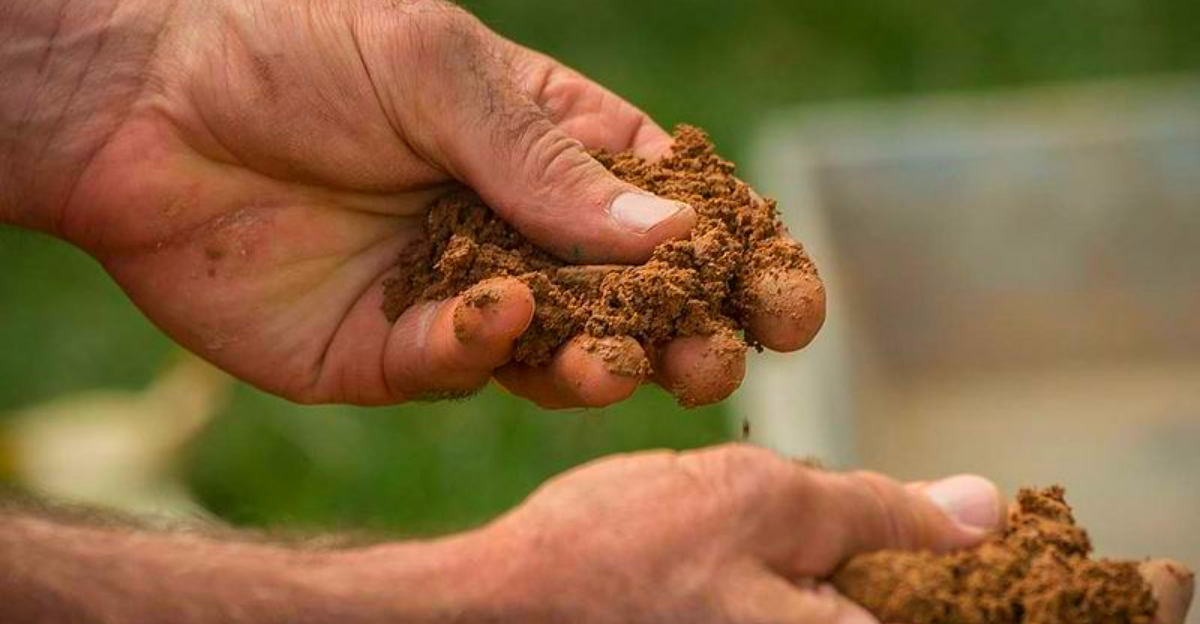
Gardening in Alabama clay soil presents unique challenges and opportunities for both novice and experienced gardeners. The rich, dense clay is known for its ability to retain nutrients and water, but it can also lead to drainage and compaction issues. Understanding how to work with this soil is crucial for a flourishing garden. Here we provide ten essential do’s and don’ts that will guide you in cultivating a vibrant garden in the Heart of Dixie.
1. Test Your Soil
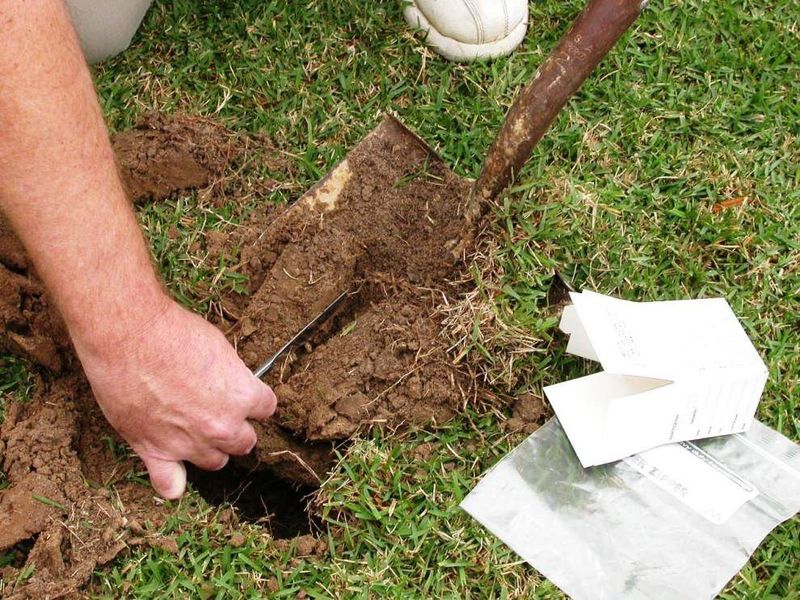
Start your gardening journey by knowing your soil’s needs. Testing for pH and nutrient levels helps tailor your approach to improve soil health. Use a simple home test kit to measure acidity, which plays a critical role in plant growth.
By understanding these basic metrics, you can better decide on necessary amendments. Knowing what your soil lacks or has in abundance prevents unnecessary application of fertilizers, saving time and resources.
This step, though often overlooked, lays the foundation for successful gardening in any type of soil, especially in dense Alabama clay.
2. Incorporate Organic Matter
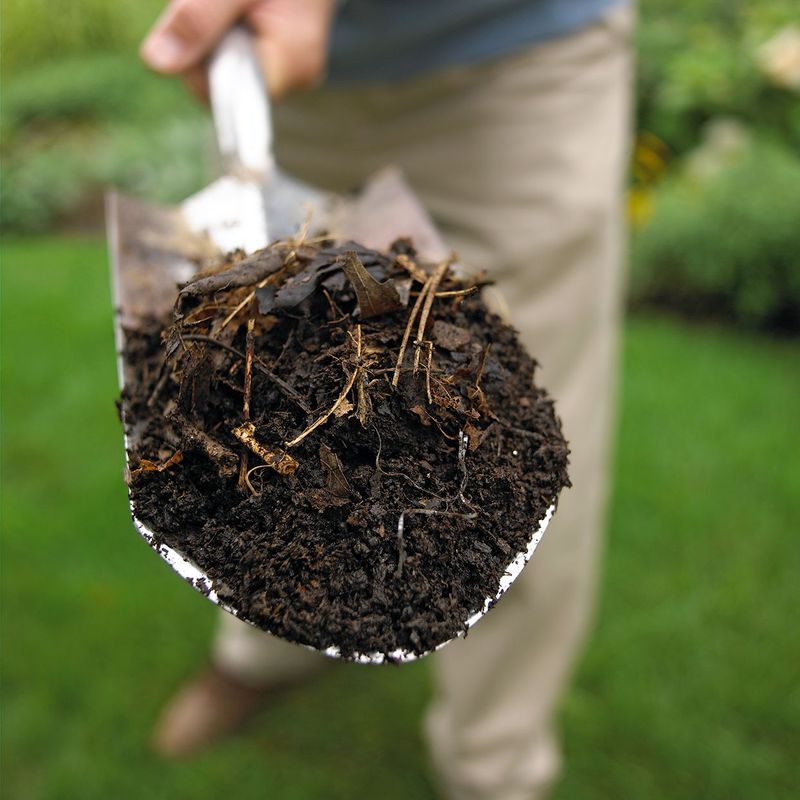
Enhancing clay soil requires the addition of organic matter like compost or well-rotted manure. These materials improve soil structure, aiding in drainage and aeration. This practice not only loosens compact clay but also enriches it with beneficial nutrients.
Regular incorporation of organic matter can transform your garden. It creates a thriving ecosystem for plant roots, encouraging deeper growth and healthier plants. Organic amendments also support beneficial microorganisms essential for soil vitality.
By committing to this practice, you ensure a more manageable and productive garden environment.
3. Avoid Overwatering
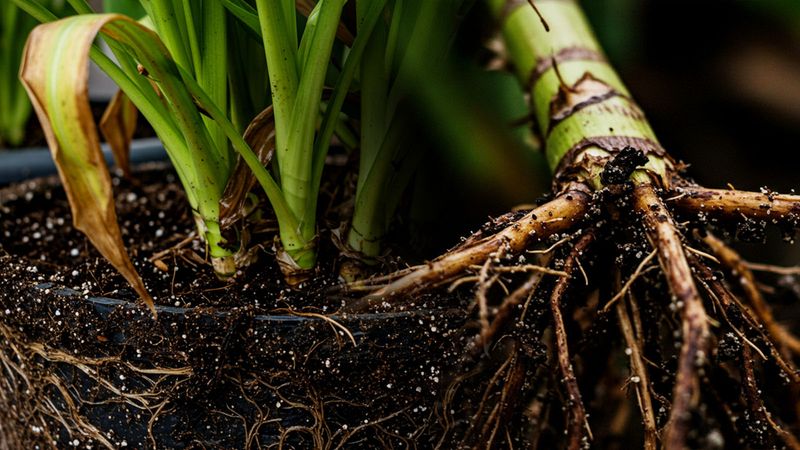
Clay’s ability to retain water can be both a blessing and a curse. Overwatering leads to waterlogged roots, depriving plants of oxygen and promoting root rot. Learning to gauge moisture levels is key.
Use a moisture meter to assess whether your plants truly need water. This tool helps avoid the common mistake of overwatering, which is particularly detrimental in clay soils. Moisture meters provide an accurate reading, preventing guesswork and ensuring proper hydration.
Smart watering practices not only conserve water but also protect your plants from unnecessary stress.
4. Use Raised Beds
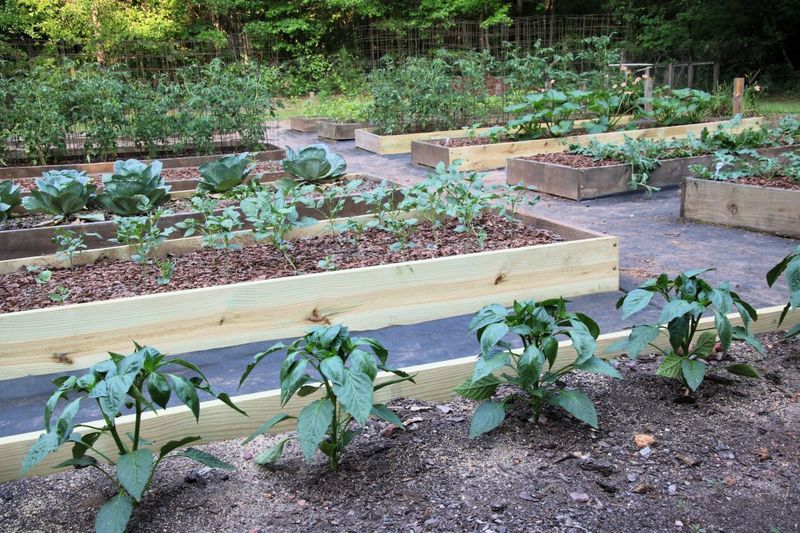
Raised beds offer an innovative solution to clay soil challenges. By elevating the soil, you can enhance drainage and control soil composition. This design is particularly beneficial in areas prone to heavy rain.
Raised beds allow you to customize the soil mix, combining clay with other materials for optimal growth conditions. This setup minimizes compaction and provides a more stable environment for plant roots.
Embrace raised beds if you’re looking to expand your gardening techniques and tackle clay soil issues effectively.
5. Select Clay-Friendly Plants
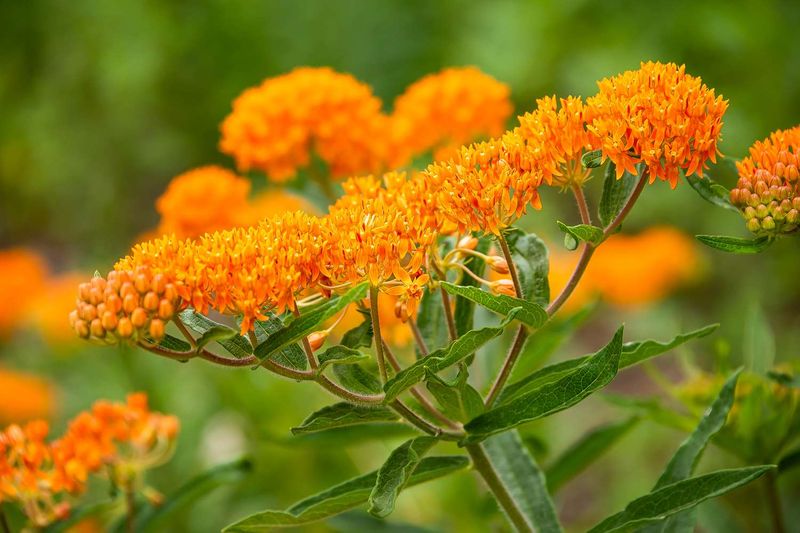
Choosing the right plants for clay soil is half the battle won. Many native Alabama plants are naturally adapted to these conditions, offering beauty with minimal fuss. Consider options like Baptisia or Purple Coneflower, known for their resilience.
Clay-friendly plants thrive where others struggle, adding color and texture to your garden. By selecting species with deep roots or those accustomed to dense soils, you reduce maintenance and enhance garden sustainability.
Researching and planting these varieties ensures a harmonious garden that complements Alabama’s natural landscape.
6. Avoid Compacting the Soil
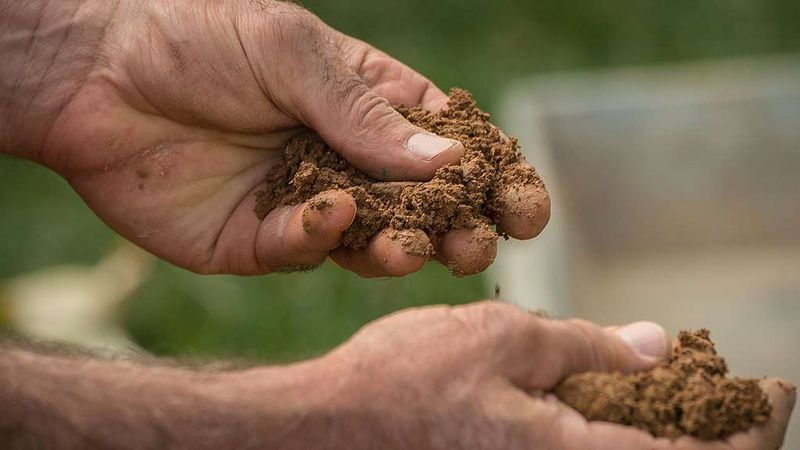
Compaction is a gardener’s nemesis when dealing with clay. Walking on wet clay can turn it into a hard, impenetrable barrier. Plan your garden layout to minimize foot traffic on vulnerable areas.
Consider installing stepping stones or designated pathways to preserve soil integrity. These practical additions prevent compaction and maintain necessary air pockets within the soil.
Understanding the impact of compaction helps maintain a healthy, productive garden, allowing roots to breathe and plants to flourish.
7. Monitor Soil pH Regularly
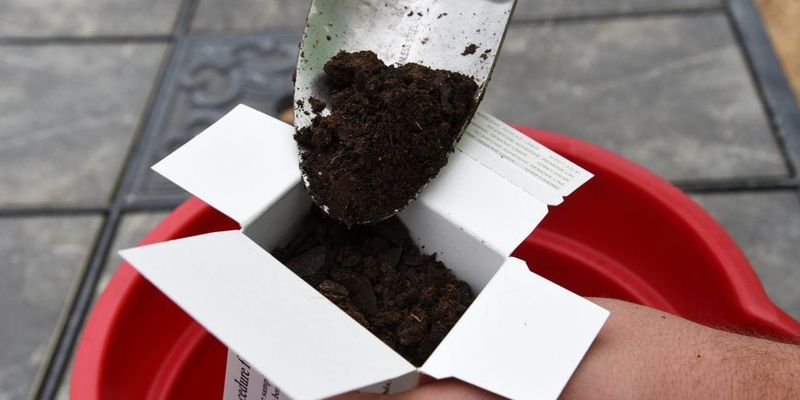
Soil pH affects nutrient availability and plant health. Regular monitoring allows you to adjust amendments for optimal growth. A pH that is too high or low can limit plant nutrient uptake, leading to poor growth.
Use a reliable pH meter to keep tabs on your soil’s acidity. Adjusting pH levels with lime or sulfur helps maintain balance, crucial for healthy plant development.
Consistent monitoring ensures your garden remains a hospitable environment for a wide range of plants, reflecting the dynamic needs of Alabama clay.
8. Avoid Chemical Overload
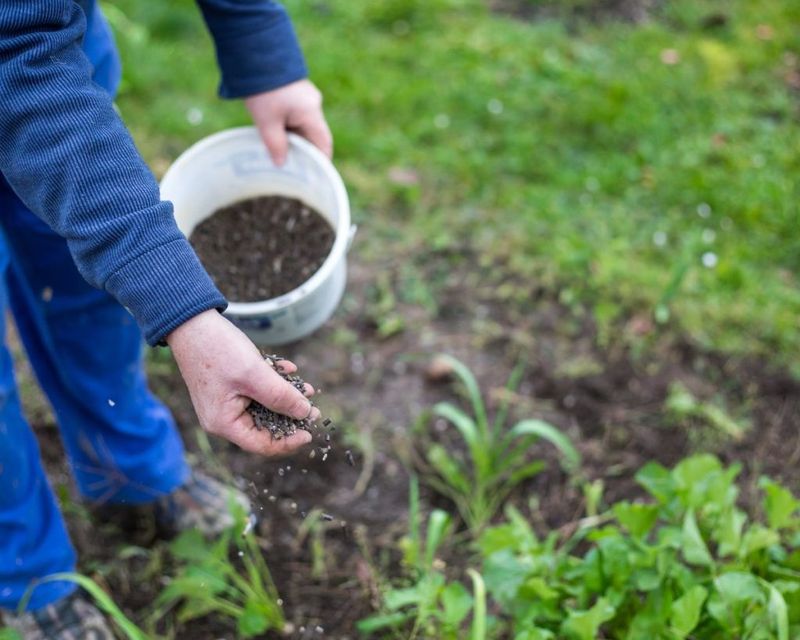
Alabama clay tends to hold onto chemicals longer than sandy soils. Excessive use can lead to toxic buildup, harming plants and soil life. Opt for organic solutions whenever possible.
Chemical fertilizers offer a quick fix but can disrupt the natural soil ecosystem. Organic options like fish emulsion or bone meal provide nutrients without the harsh effects of synthetic products.
By choosing organic, you support a balanced garden environment, fostering long-term health and productivity.
9. Foster Soil Microorganisms
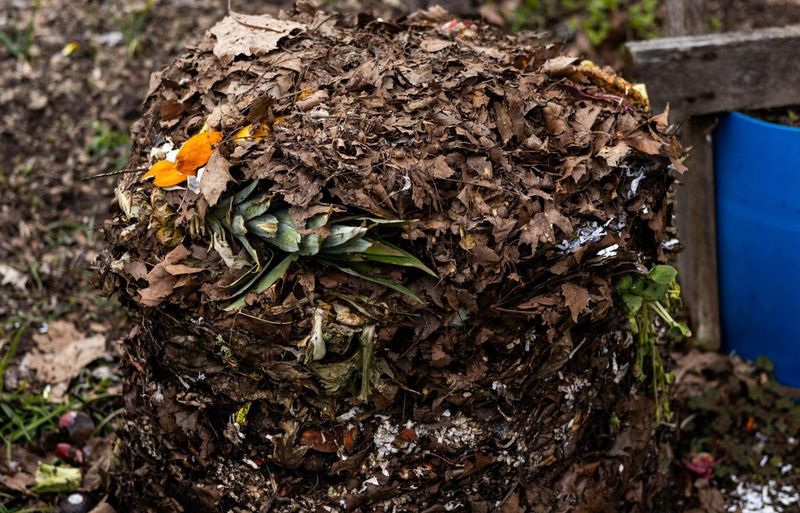
Healthy soil teems with life, including vital microorganisms that break down organic matter and cycle nutrients. Encouraging this biological activity is especially important in heavy clay soils.
Incorporate cover crops like clover to boost organic content and feed soil organisms. These plants add organic matter back into the soil, promoting a vibrant ecosystem.
By nurturing these microscopic allies, you enhance soil structure and fertility, creating a robust environment for plant growth.
10. Implement Mulching Techniques
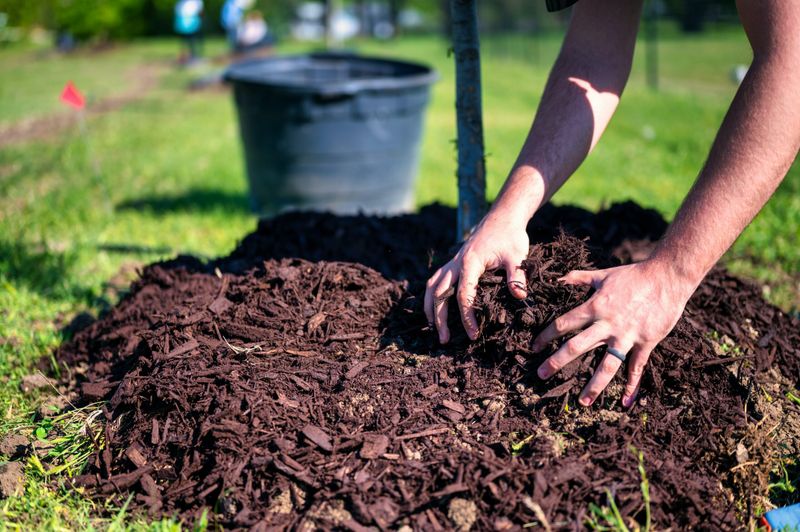
Mulching offers multiple benefits, from moisture retention to temperature regulation. It acts as a protective blanket over clay soil, reducing erosion and nutrient loss.
Choose organic mulches like straw or wood chips to enrich the soil as they decompose. Mulch also suppresses weeds, saving you time and effort in maintenance.
By implementing mulching techniques, you provide essential protection and nourishment, fostering a thriving garden environment in Alabama’s challenging clay.