 Complete Gardening
Tennessee’s lush landscapes and diverse climate conditions make it an excellent place for cultivating a variety of shade-loving plants. Homeowners seeking to enhance their backyard with greenery that thrives in less sunlight can find beautiful and low-maintenance options. This guide provides a curated list of ten easy-to-grow shade plants perfect for Tennessee backyards, each bringing unique textures, colors, and scents to your garden.
1. Hosta
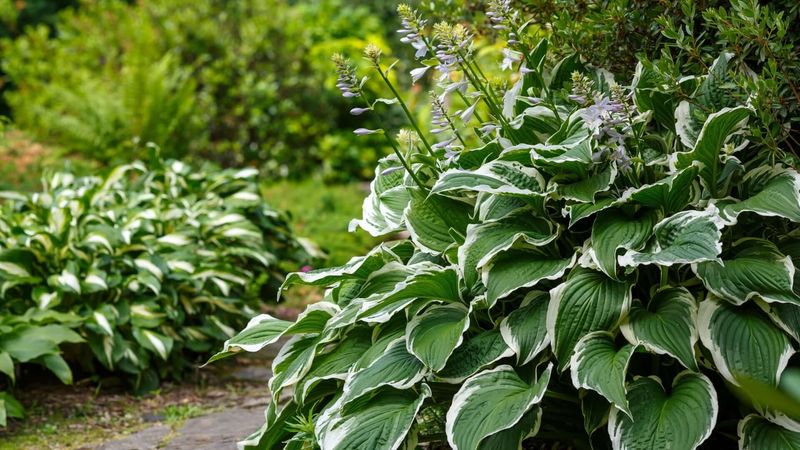
With its broad, heart-shaped leaves and vibrant green hues, the Hosta is a quintessential shade plant beloved by gardeners. Its appeal lies not just in its beauty but in its hardiness and ability to thrive in shaded areas where other plants might struggle.
The Hosta’s foliage comes in a variety of colors, from lush greens to blues and even variegated patterns, providing a stunning visual feast. This plant is a perennial favorite in Tennessee backyards, often used to border pathways or fill spaces under trees.
Did you know? Hostas are native to Northeast Asia and have been cultivated in gardens for centuries. Their adaptability makes them a top pick for those looking to add some greenery without the fuss. With minimal care, they return year after year, growing more robust with each season.
2. Ferns
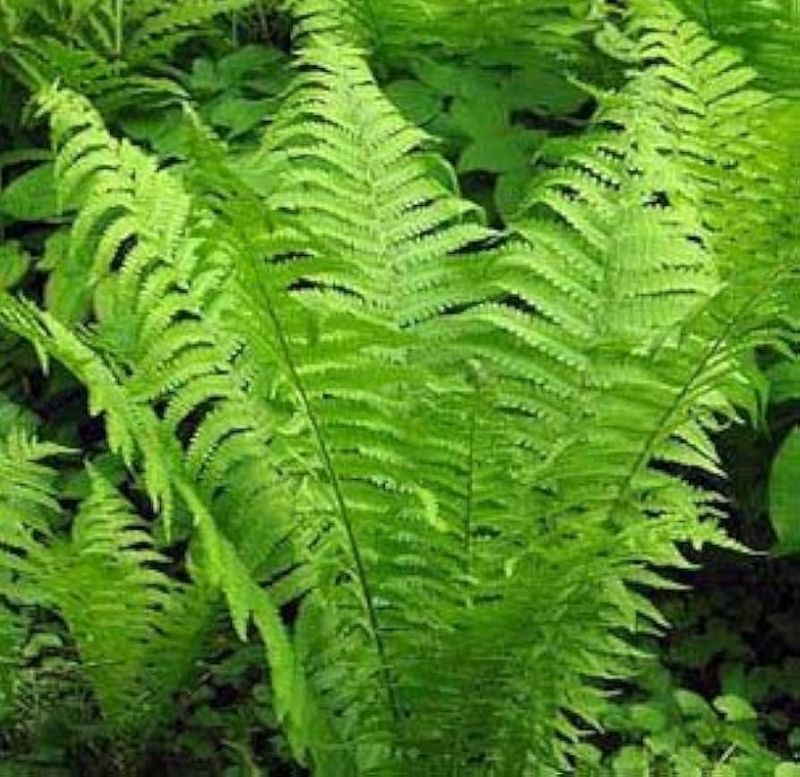
Ferns bring a touch of prehistoric charm to any garden, and their feathery fronds are a delight to behold. These plants have been around for millions of years, a testament to their resilience and adaptability.
In Tennessee, ferns are a natural choice for shaded areas, flourishing in the dappled light filtered through tree canopies. They are perfect for adding layers and texture to a garden, with species like the Maidenhair and Lady Fern offering delicate beauty.
A fun fact: Some ferns can even be used in floral arrangements to add a touch of elegance. Their low maintenance needs and ability to thrive in shade make them ideal for gardeners seeking a lush, green landscape with minimal effort.
3. Astilbe
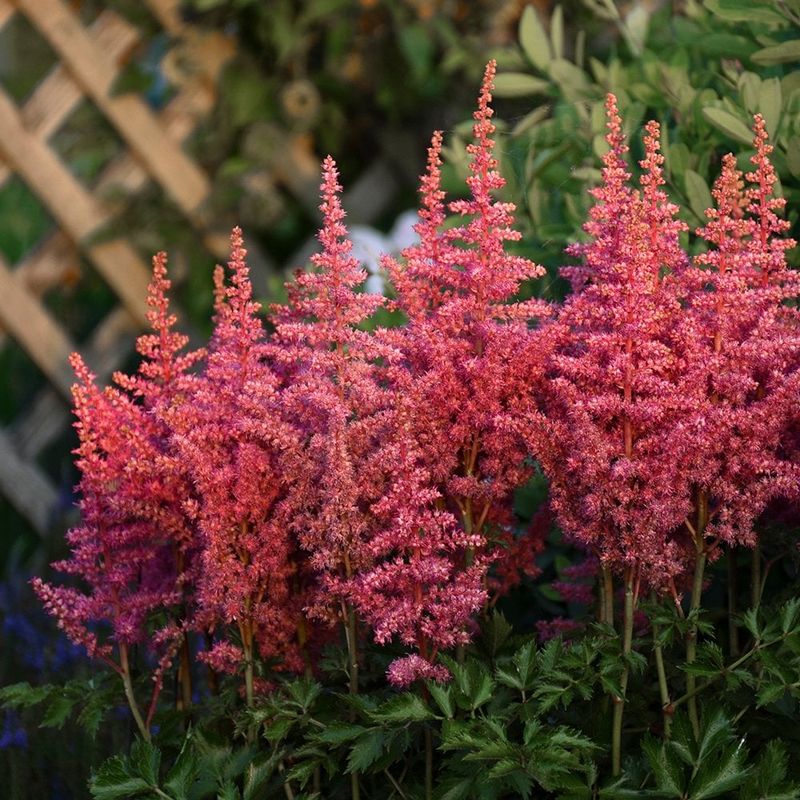
Astilbe is renowned for its plume-like flowers that rise majestically above its fern-like foliage, creating a striking contrast in any shaded garden. These blooms, available in shades of pink, white, and red, are not only beautiful but also attract pollinators like bees and butterflies.
In Tennessee, Astilbe thrives in moist, shaded areas, making it a perfect addition to gardens that encounter both humidity and shade. With regular watering, this plant will reward you with spectacular floral displays throughout the summer months.
Did you know? Astilbe originates from Asia and North America and has been bred to produce a range of flower colors and sizes. Its vibrant blooms and ease of growth make it a popular choice for gardeners looking to add a splash of color to shaded spots.
4. Coral Bells
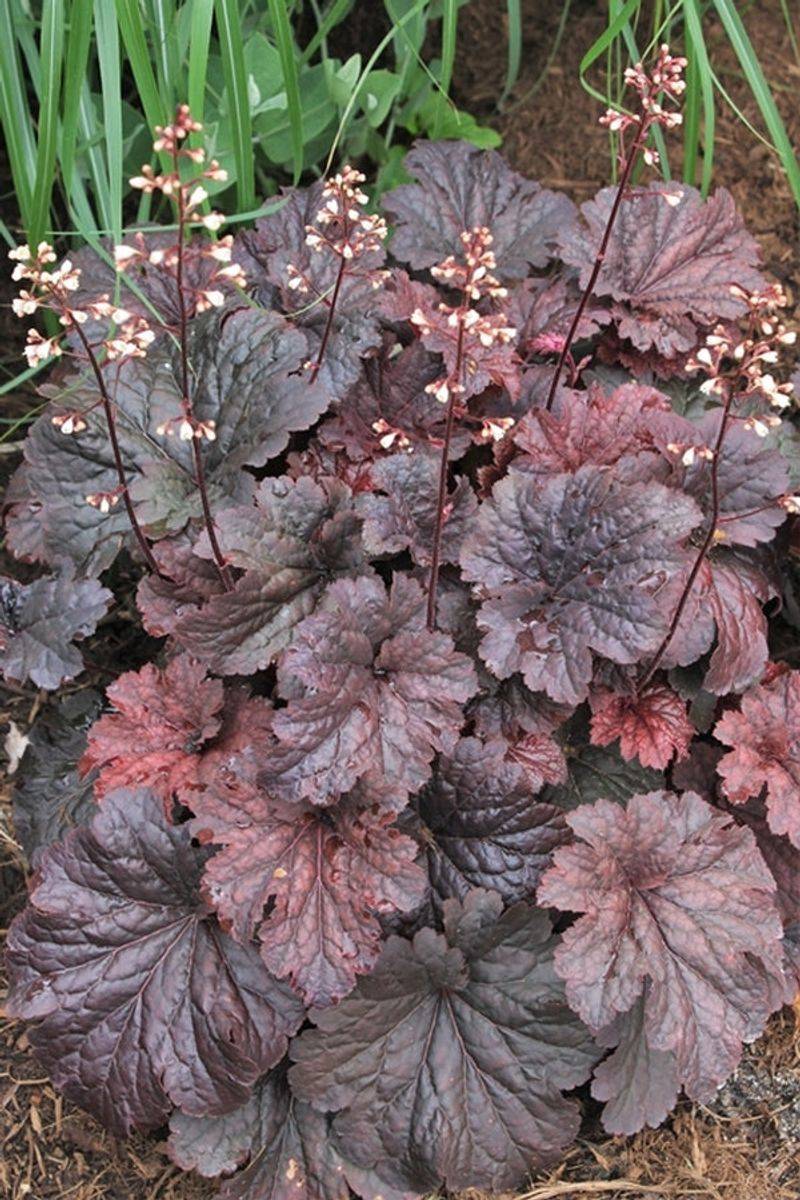
Coral Bells, known for their stunning foliage, add a burst of color to any shaded garden. The leaves can range from deep burgundy to bright lime green, providing a vivid palette that changes with the seasons.
These plants are not just about looks; they are also incredibly hardy and easy to grow. In Tennessee’s shaded backyards, Coral Bells can flourish with minimal care, making them a favorite among busy gardeners.
A quirky fact: Coral Bells are named for their small, bell-shaped flowers that dangle from long stems, attracting hummingbirds and other pollinators. This makes them a delightful addition to gardens seeking both visual appeal and wildlife visitors.
5. Japanese Maple
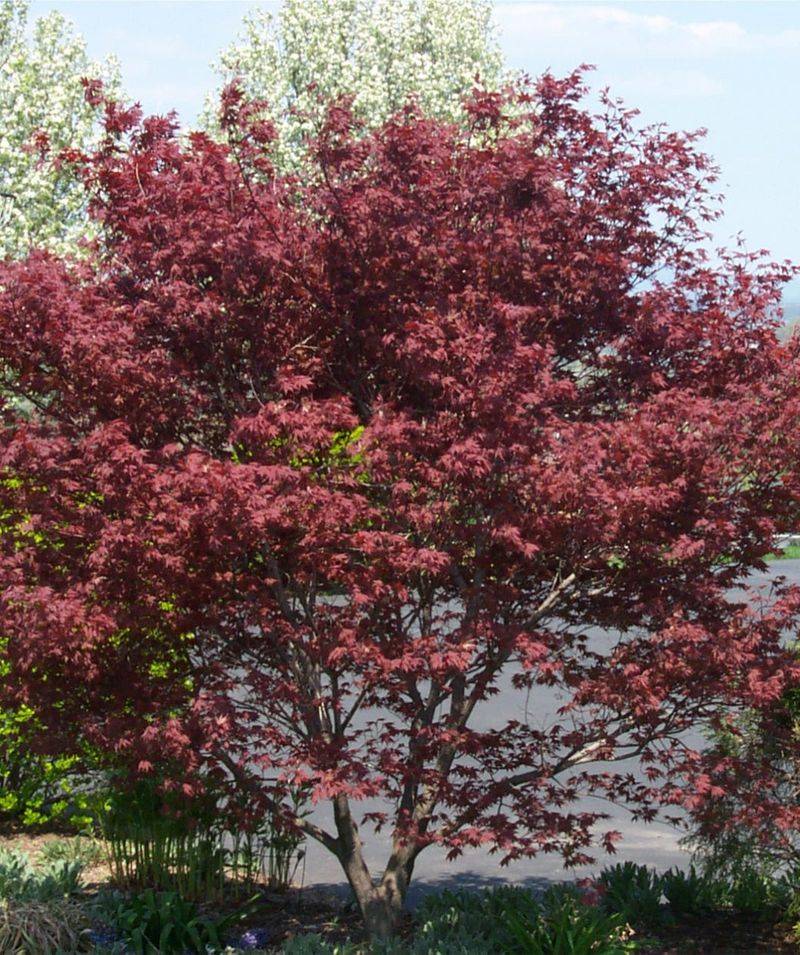
Japanese Maple trees are celebrated for their exquisite leaf shapes and stunning colors that change with the seasons. These trees bring an element of elegance to any garden, thriving in the shade and adding height and structure.
In Tennessee, Japanese Maples can be the centerpiece of a shaded garden, with their fiery autumn hues providing a breathtaking display. Their adaptability to shade and their aesthetic appeal make them a cherished choice among garden enthusiasts.
Interesting tidbit: Japanese Maples have been cultivated in Japan for centuries, often seen in traditional gardens and bonsai art. Their unique beauty and manageable size make them perfect for enhancing both small and large garden spaces.
6. Bleeding Heart
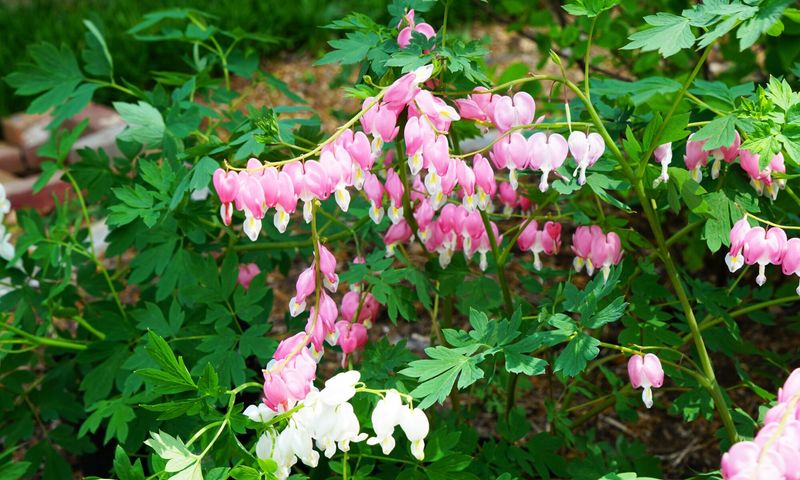
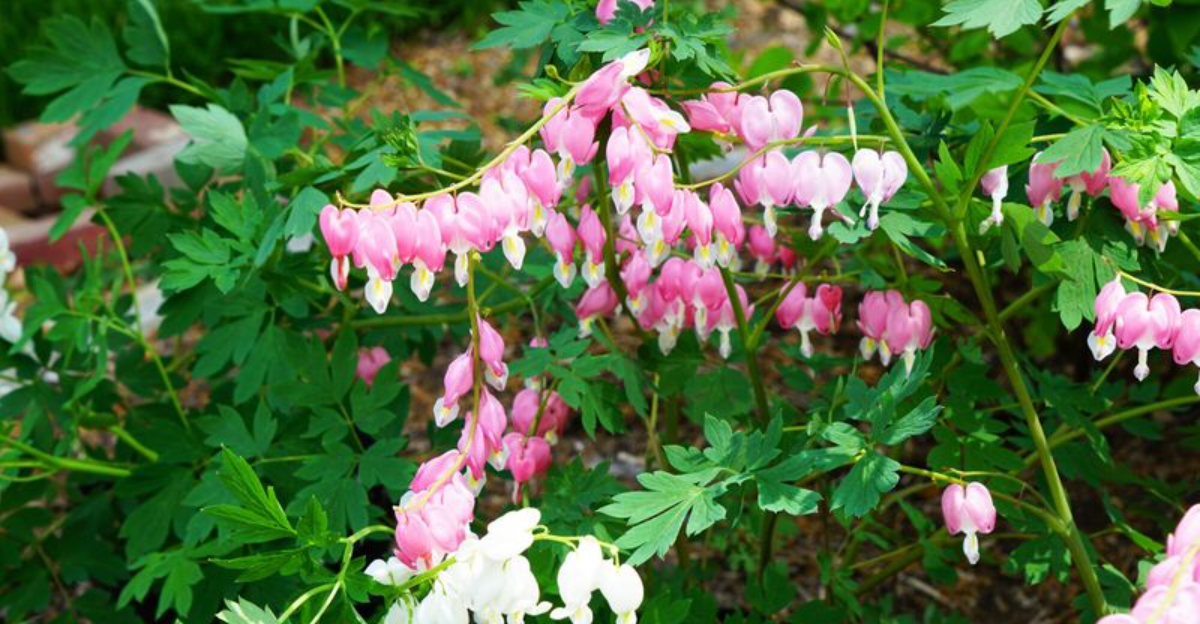
The Bleeding Heart plant captures attention with its unique, heart-shaped pink or white flowers that dangle gracefully from arching stems. This plant’s delicate appearance belies its robust nature, thriving in the cool shade of Tennessee gardens.
Bleeding Hearts bloom in the spring, providing a romantic touch to shady areas. Their foliage remains attractive even after the flowers have faded, ensuring continued visual interest throughout the growing season.
Did you know? The Bleeding Heart is native to Asia and has inspired folklore and stories due to its distinctive flower shape. Gardeners cherish it for its beauty and the sense of whimsy it adds to shaded spaces.
7. Brunnera
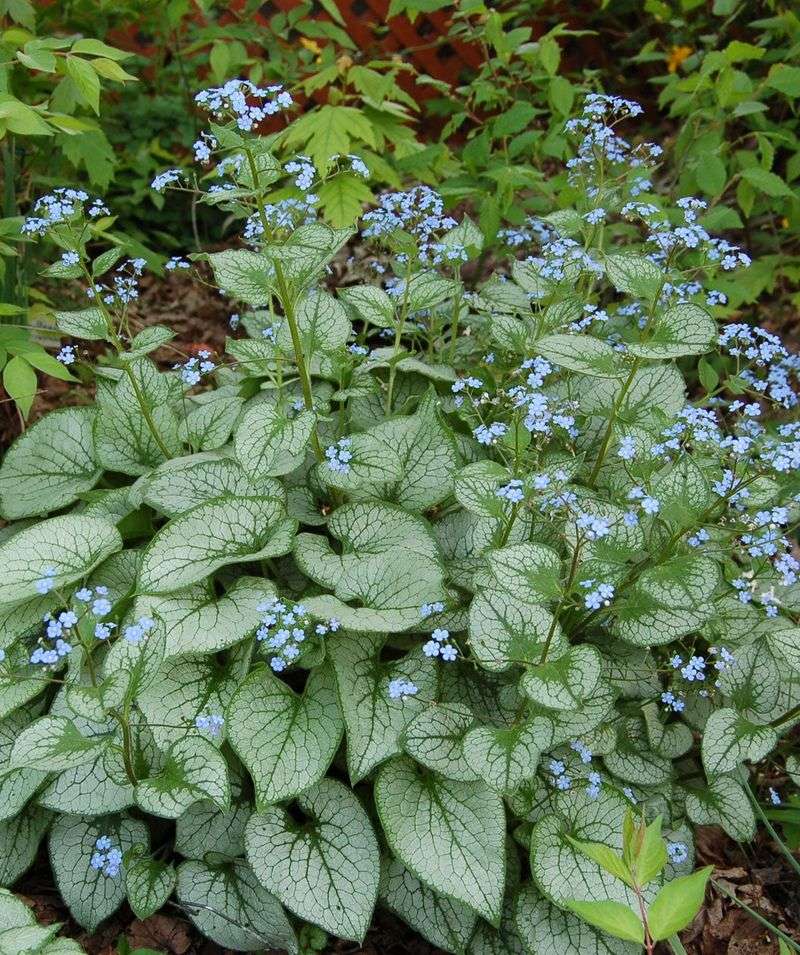
Brunnera, often referred to as False Forget-Me-Not, is adored for its heart-shaped, silvery leaves and clusters of tiny blue flowers. This plant thrives in shaded areas, offering a delightful pop of color and texture.
In Tennessee, Brunnera’s low maintenance needs make it a perfect fit for gardeners seeking an easy-to-grow, yet visually appealing plant. Its foliage remains attractive throughout the season, providing a consistent decorative element.
A fascinating fact: Brunnera’s common name comes from the resemblance of its flowers to those of the true Forget-Me-Not, despite being unrelated. This plant’s charm and durability make it a staple in shaded garden designs.
8. Lungwort
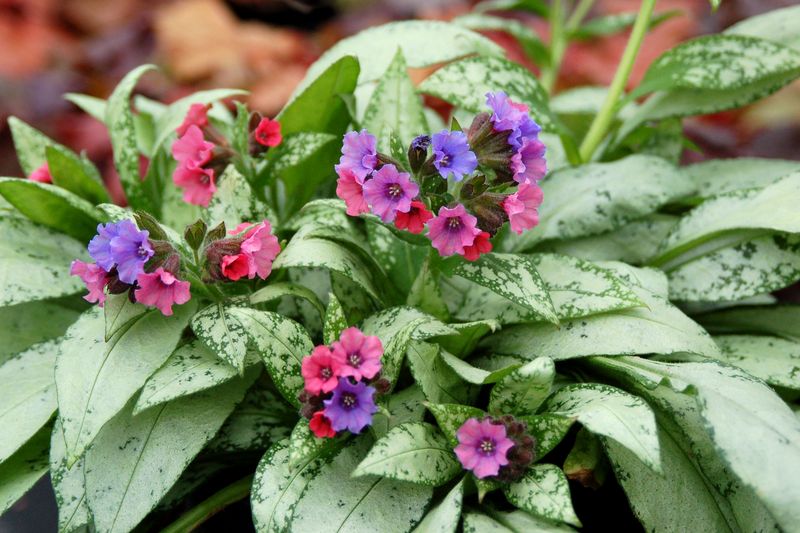
Lungwort is a unique and hardy shade plant known for its striking spotted leaves and clusters of pink and blue flowers. This plant’s unusual name comes from its historic use in herbal medicine, believed to treat lung ailments.
In Tennessee gardens, Lungwort thrives in shaded areas, often blooming early in spring and providing color before many other plants awaken. Its hardiness and ability to grow in challenging conditions make it a reliable choice for gardeners.
Did you know? Despite its medicinal name, Lungwort is more famous today for its ornamental value. Its ability to attract pollinators and resist pests ensures that it remains a beloved feature in shade gardens.
9. Foamflower
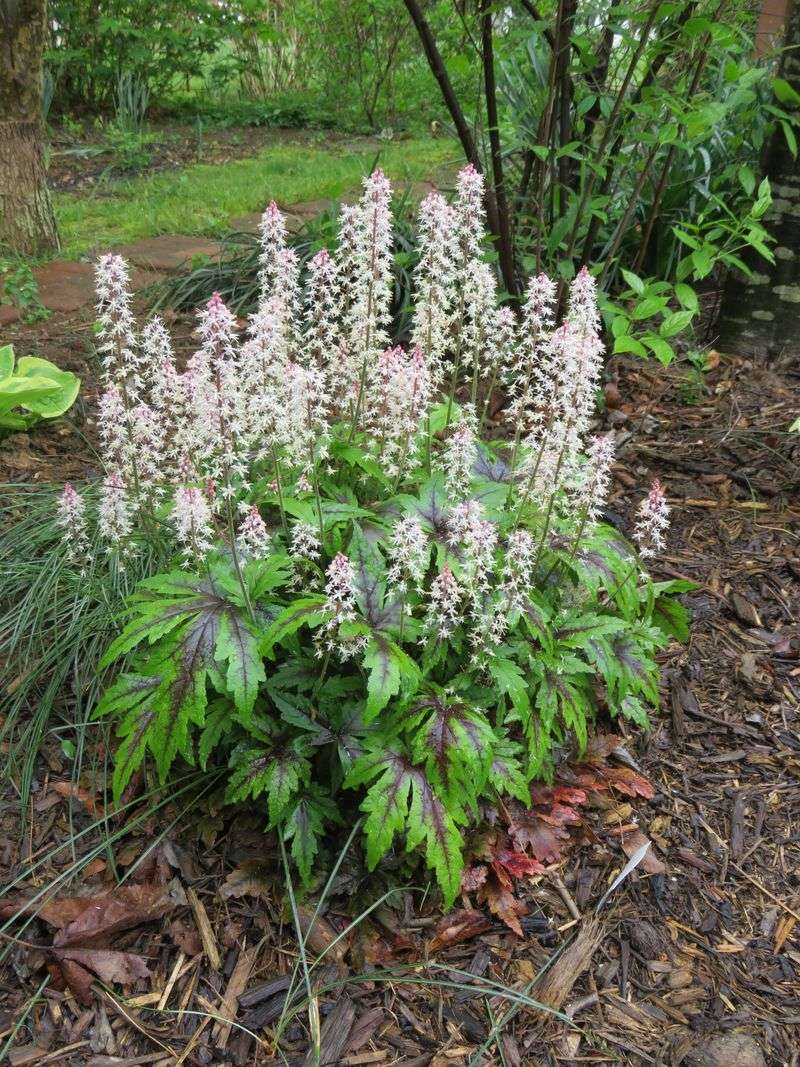
Foamflower, with its frothy white blooms and lush foliage, adds a touch of elegance to shaded garden areas. This plant is easy to grow and requires minimal care, making it ideal for busy gardeners.
In Tennessee, Foamflower thrives in the shade, where its delicate flowers can brighten up darker corners of a garden. Its foliage remains attractive throughout the growing season, offering continuous visual appeal.
A fun tidbit: The name “Foamflower” comes from the appearance of its blooms, which resemble a sea of foam. This plant’s charm and ease of growth make it a favorite for those looking to enhance their shade garden with minimal effort.
10. Liriope
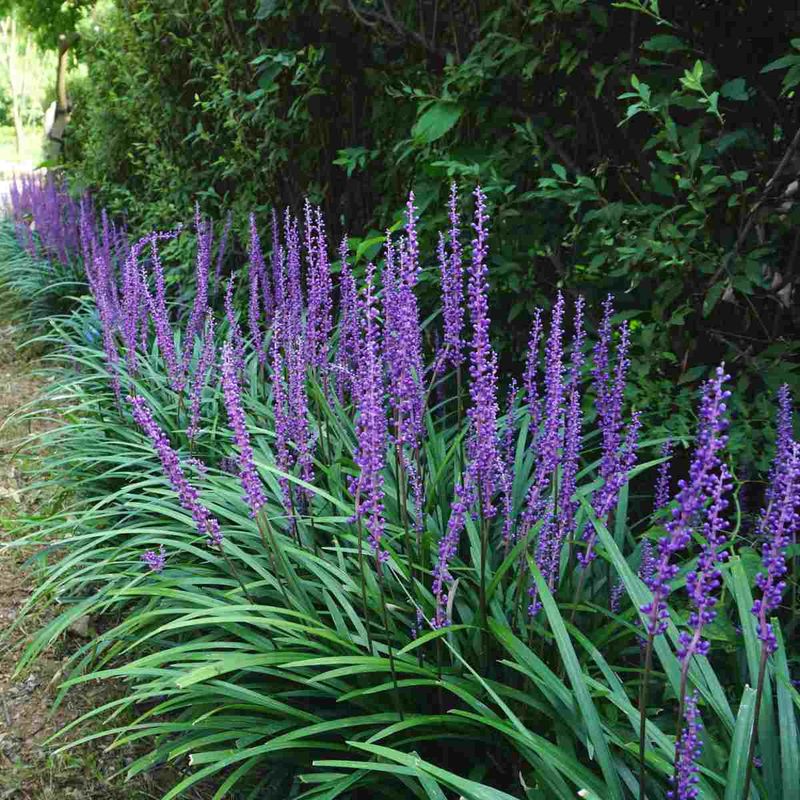
Liriope, also known as Monkey Grass, is a versatile plant often used as a ground cover or border in shaded gardens. Its grass-like leaves and purple flower spikes add both texture and color to garden landscapes.
In Tennessee, Liriope’s adaptability to shade and minimal maintenance needs make it a practical choice for gardeners looking to fill spaces with greenery. Its ability to thrive in various soil conditions further enhances its appeal.
Intriguing fact: Liriope is not only tough but also resistant to many common garden pests, making it a reliable choice for those wanting a low-maintenance, yet attractive, garden feature. Its resilience and beauty ensure it remains a popular option for shaded areas.