 Complete Gardening
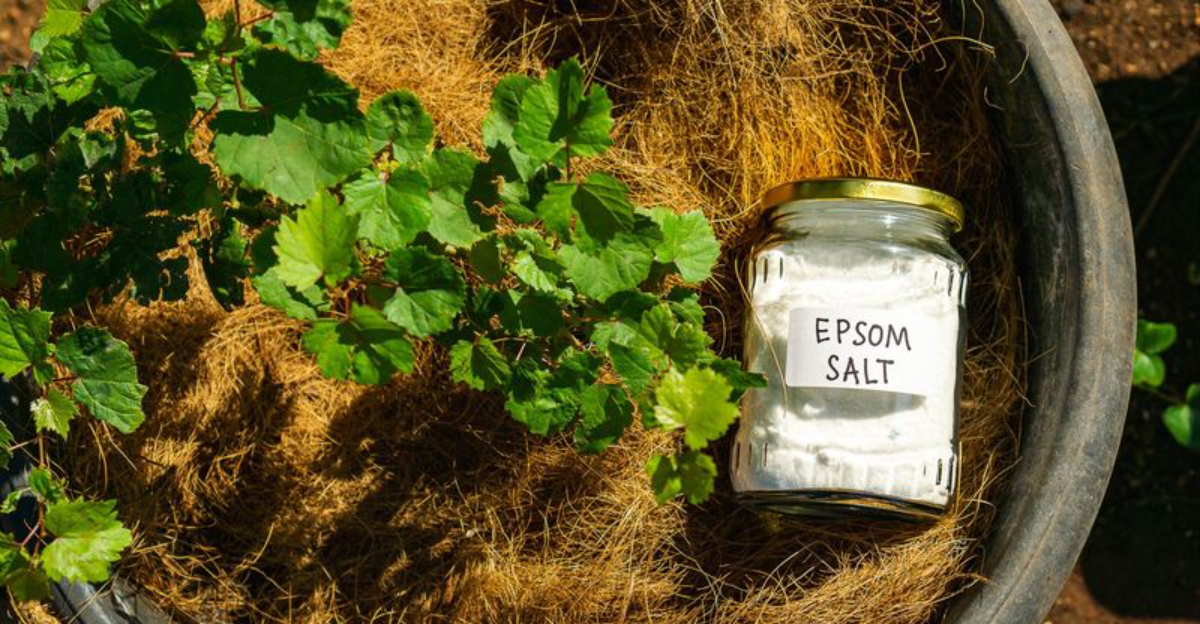
In recent years, Epsom salt has gained popularity among gardeners for its supposed benefits. However, many claims surrounding its use are actually myths. Utah gardeners, having experimented with Epsom salt extensively, have unveiled the truth behind these misconceptions. This blog post explores seven common myths and provides insights based on real experiences.
Myth: Epsom Salt Cures Blossom End Rot
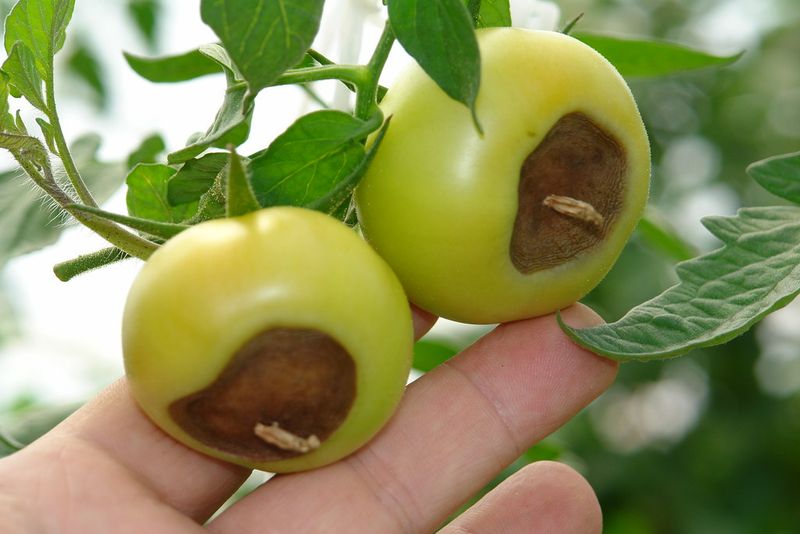
Many people believe that Epsom salt can cure blossom end rot, a common tomato plant problem. However, Utah gardeners have found that this condition is not caused by magnesium deficiency. Instead, it’s often a result of calcium imbalance or irregular watering. Applying Epsom salt, which is magnesium sulfate, can exacerbate the issue by increasing magnesium levels without addressing the root cause. To truly remedy blossom end rot, focus on consistent watering and ensuring adequate calcium levels in the soil.
Myth: Epsom Salt Enhances Seed Germination
The idea that Epsom salt boosts seed germination is widely circulated. Gardeners in Utah have tested this theory and found no significant difference in germination rates. Although magnesium is essential for plant growth, excessive amounts during germination can hinder the process. A well-balanced soil with appropriate moisture and nutrients is more beneficial for seeds. Thus, relying on Epsom salt at this stage might not yield the desired results.
Myth: Epsom Salt as a Pest Deterrent
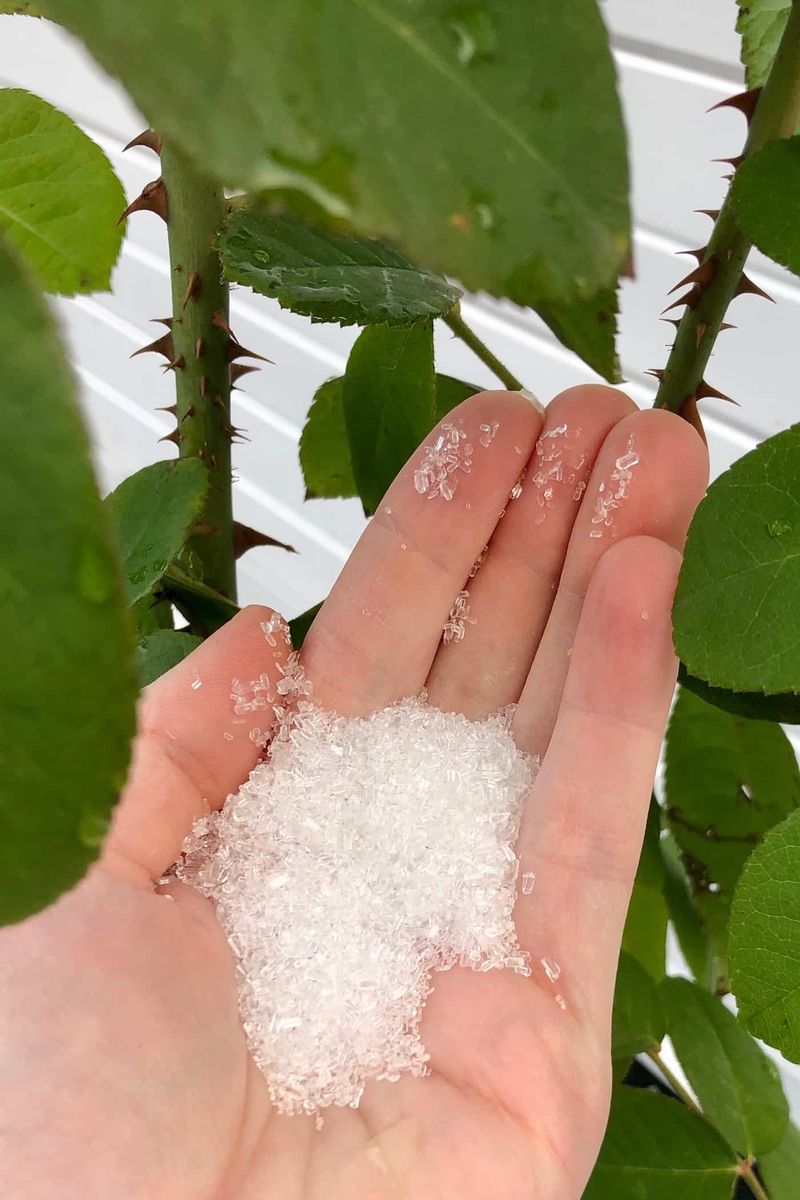
Some gardeners swear by Epsom salt as a natural pest deterrent, claiming it repels slugs and other garden nuisances. However, experiences from Utah suggest otherwise. While Epsom salt may have a brief effect on certain pests, it does not offer a long-term solution. To effectively manage pests, consider integrated pest management strategies, including beneficial insects and proper plant care. Epsom salt alone is not the magical pest solution it’s often purported to be.
Myth: Epsom Salt Improves Vegetable Flavor
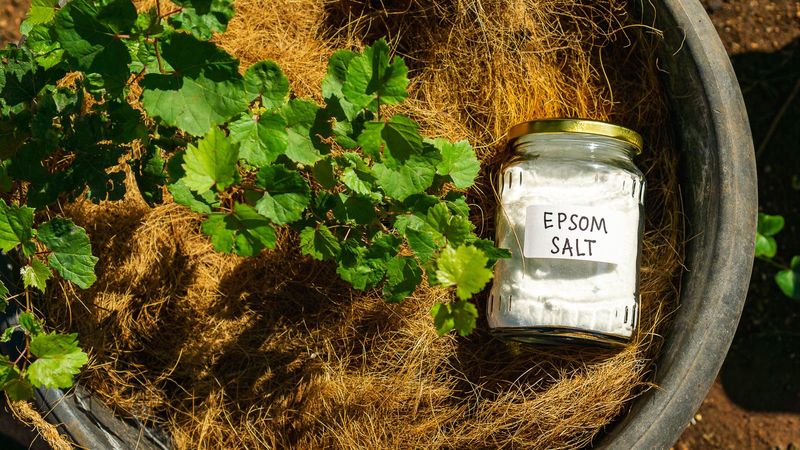
Enhancing vegetable flavor with Epsom salt is another popular myth. Utah gardeners have conducted taste tests and found no noticeable improvement in flavors. While magnesium plays a role in chlorophyll production, which affects plant health, it does not directly enhance taste. Flavor is more influenced by factors like soil quality, climate, and plant variety. Those seeking better-tasting vegetables should focus on these elements rather than relying on Epsom salt.
Myth: Epsom Salt Increases Flower Bloom
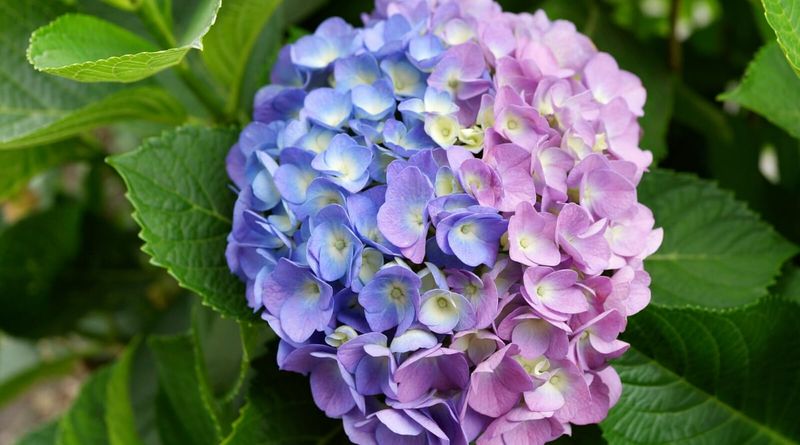
The belief that Epsom salt promotes flower blooming has been widely challenged in Utah. Gardeners observed no significant increase in blooms when using Epsom salt. While magnesium sulfate can address magnesium deficiencies, it’s not a guaranteed bloom enhancer. Flowers thrive on a balanced diet of nutrients, proper sunlight, and watering schedule. The key to vibrant blooms lies in overall plant health, rather than a single additive like Epsom salt.
Myth: Epsom Salt Prevents Yellowing Leaves
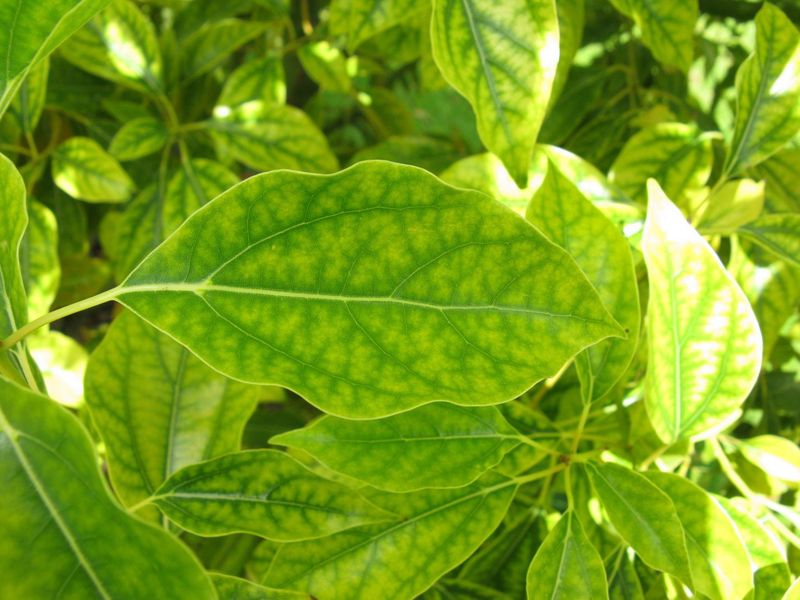
Preventing yellowing leaves with Epsom salt is a common gardening tip, yet Utah gardeners report mixed results. While magnesium deficiency can cause yellowing, it isn’t always the culprit. Over-reliance on Epsom salt might neglect other nutrient imbalances or environmental factors. A comprehensive soil test can help identify the true cause of yellowing leaves, allowing for a tailored approach to plant care. Epsom salt should be used judiciously, if at all.
Myth: Epsom Salt Promotes Overall Plant Health
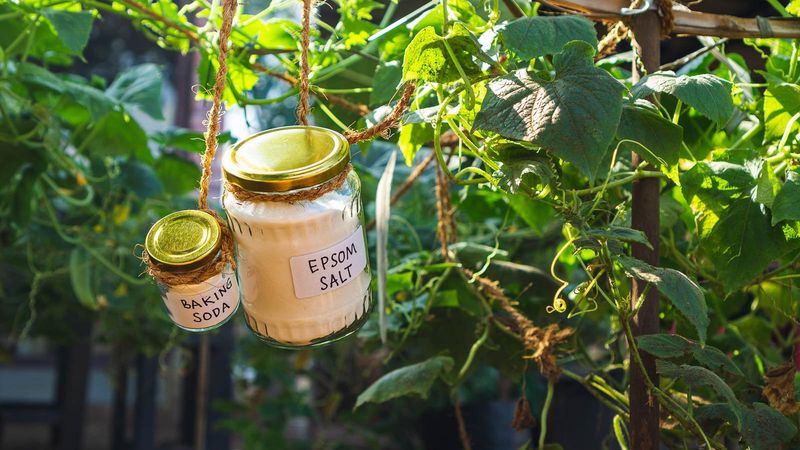
The notion that Epsom salt is a cure-all for plant health is unfounded. Utah gardeners have learned that while Epsom salt can address specific deficiencies, it doesn’t replace the need for a well-rounded fertilization plan. Each plant has unique nutritional needs, and relying solely on Epsom salt overlooks this diversity. For optimal plant health, a comprehensive approach considering soil composition, plant type, and environmental conditions is essential.