 Complete Gardening
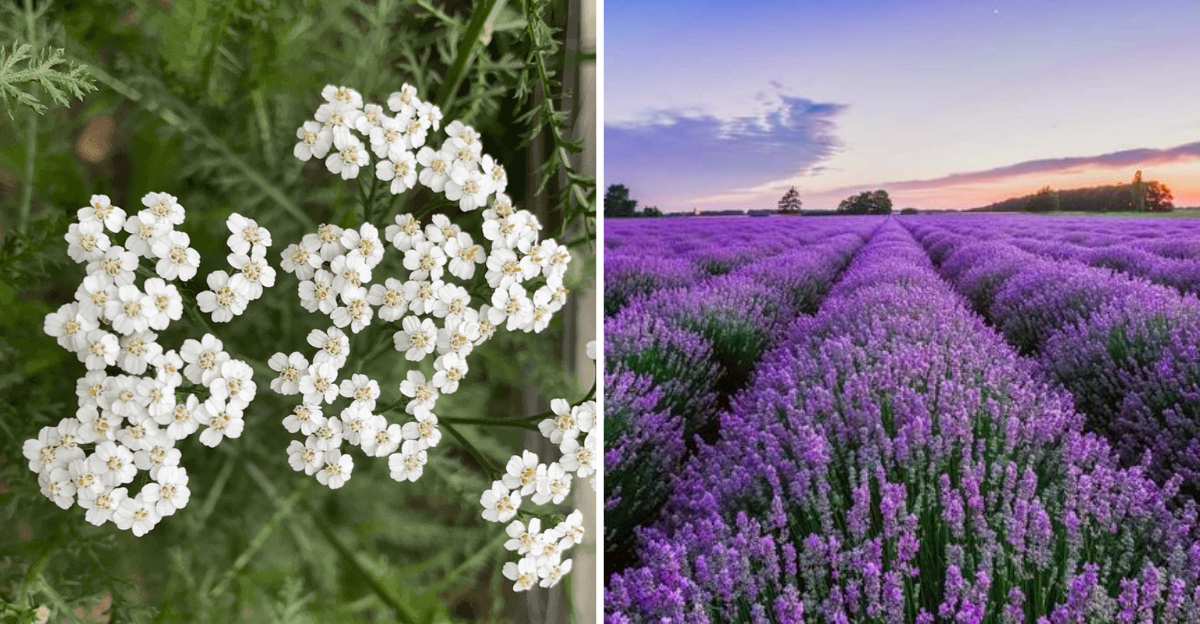
In the realm of gardening, soil quality often dictates the success of plant growth. However, some plants defy the odds, thriving even in less-than-ideal conditions. This article explores 25 resilient plants that can flourish in poor soil, offering gardeners a diverse selection to enhance their gardens. From vibrant flowers to robust shrubs, these plants not only survive but thrive, proving that nature’s tenacity knows no bounds. Whether you’re an experienced gardener or just starting, these selections promise to bring life and color to any landscape, regardless of the soil quality.
Yarrow
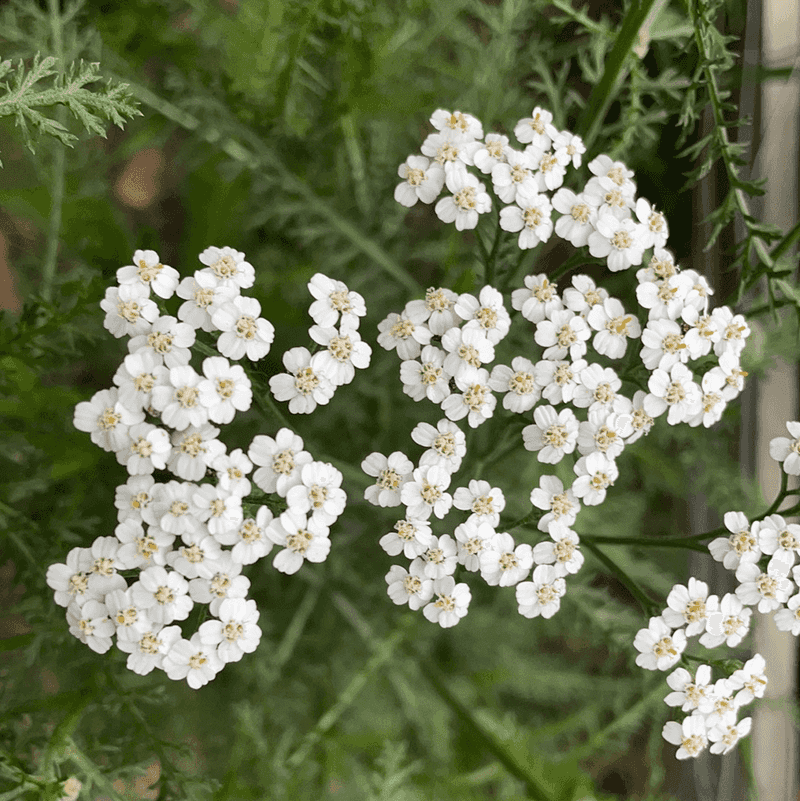
Yarrow is a stalwart in the world of resilient plants. Known for its feathery foliage and clusters of tiny flowers, it thrives without much attention. Its ability to grow in rocky, poor soil makes it a favorite among gardeners.
One might wonder about its history; yarrow has been used in traditional medicine for centuries. Its charm lies in its adaptability and hardiness, enduring harsh conditions with grace.
Did you know? Yarrow attracts pollinators, enhancing biodiversity in your garden. A true warrior, yarrow stands firm where others wilt.
Lavender
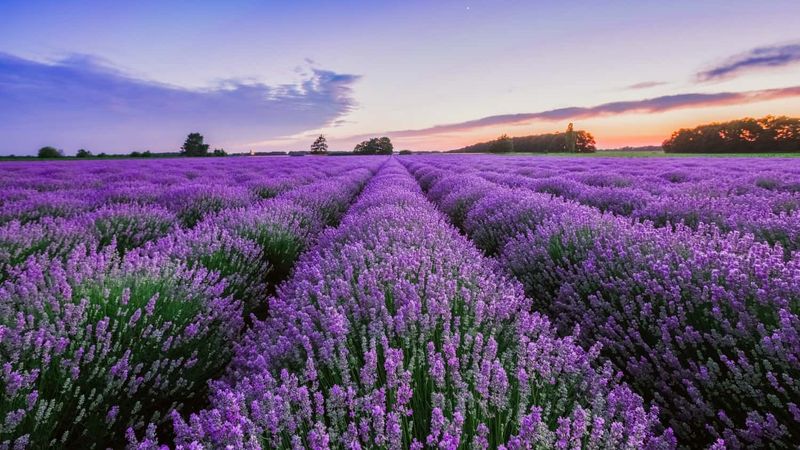
With an aroma that captivates, lavender is both a sensory delight and a gardening miracle. Despite its Mediterranean origins, it flourishes in dry, sandy soils. Its resilience is paired with beauty, offering delicate purple spikes that sway in the breeze.
Lavender’s essential oils have been cherished for relaxation and healing.
Interestingly, it requires little water, making it an eco-friendly choice. Its presence in the garden brings a sense of calm and an invitation to bees, ensuring a lively ecosystem. Lavender proves that beauty can thrive in simplicity.
Sedum
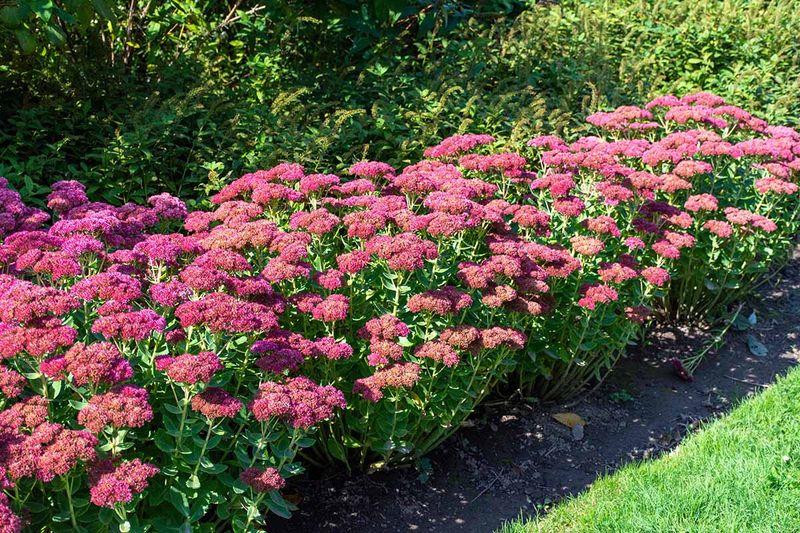
Sedum, with its succulent leaves and vibrant hues, is a master of survival. These plants are perfect for those who prefer a low-maintenance garden. Their ability to store water allows them to endure droughts exceptionally well.
Originating from rocky regions, sedum thrives where other plants struggle. Its flowers attract butterflies, adding a whimsical touch to landscapes.
A fun fact: Sedum is often used in green roofs to improve urban environments. Their robust nature makes them ideal for covering large areas with minimal care, embodying resilience and beauty.
Russian Sage
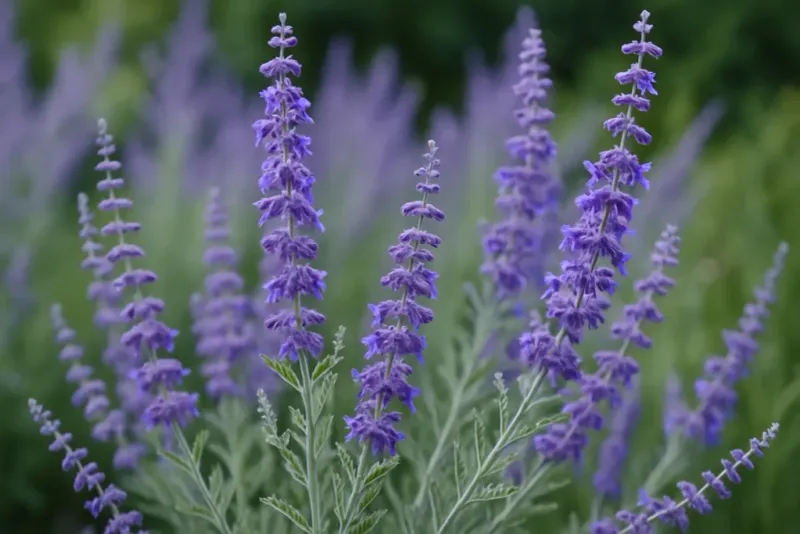
Russian Sage, with its silvery foliage and lavender-blue flowers, is a sight to behold. It’s known for its ability to withstand drought and poor soil conditions. The plant’s aromatic leaves add an extra layer of interest.
Perfect for adding height to garden borders, Russian Sage thrives in full sun with minimal water.
Historically, it’s been used for medicinal purposes, though its primary appeal lies in its rugged beauty and resilience. This plant is a testament to nature’s ability to adapt and flourish in adversity, bringing elegance to any space.
Coneflower
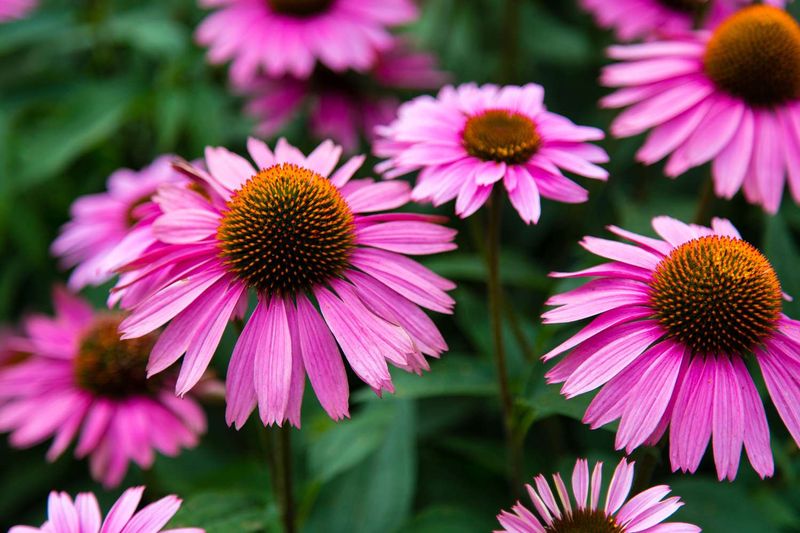
Coneflowers, renowned for their bright, daisy-like appearance, are both tough and beautiful. These flowers are native to North America and adapt well to various soil types, even those less than ideal.
They attract birds and butterflies, contributing to a vibrant garden ecosystem. Coneflowers are drought-tolerant and require minimal care, making them a gardener’s dream.
A quirky tidbit: Coneflowers are often used in herbal remedies for immune support. Their bold colors and robust nature reflect a spirit of resilience and vitality, thriving where others falter.
Black-eyed Susan
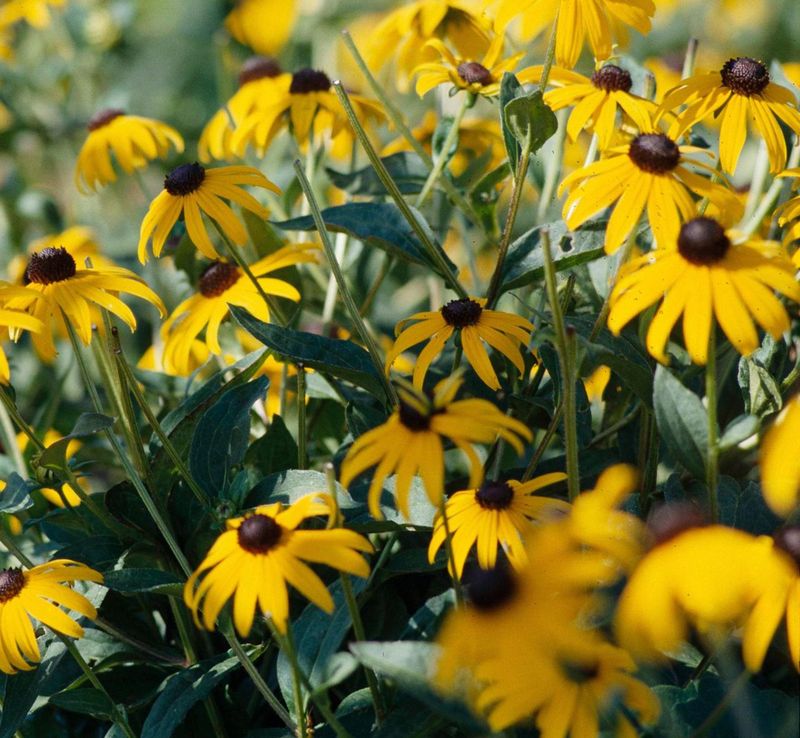
The Black-eyed Susan is an iconic perennial, celebrated for its cheerful yellow blooms. This plant’s adaptability is remarkable, flourishing in dry, sandy soils where others might perish.
Its vibrant flowers create a striking contrast with their dark centers, adding visual interest to gardens. Black-eyed Susans are not just beautiful; they’re also resilient to pests and diseases.
Did you know? These flowers represent justice and encouragement in the language of flowers. Their sunny disposition and steadfast nature make them a beloved staple in gardens across various climates.
Catmint
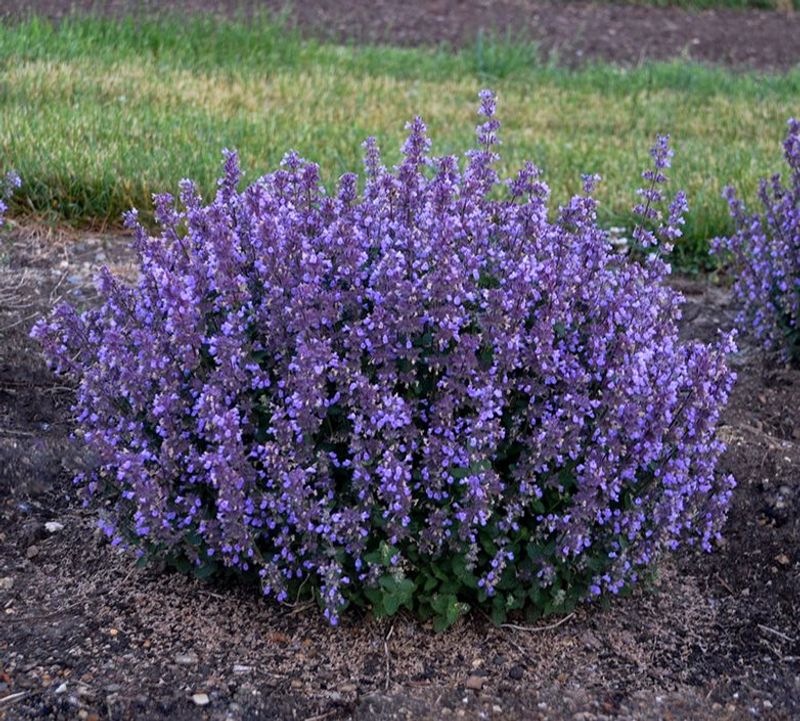
Catmint, often mistaken for its cousin lavender, offers delightful clusters of violet-blue flowers. Its grey-green, aromatic leaves are a charming addition to any garden, especially in challenging soils.
Known for attracting bees and butterflies, catmint is an excellent choice for creating a lively garden. Its drought tolerance and hardiness are key attributes, requiring minimal care.
Fun fact: Catmint is related to catnip, which is adored by cats worldwide. Its soothing aroma and graceful appearance make it a favorite among gardeners looking for beauty without fuss.
Santolina
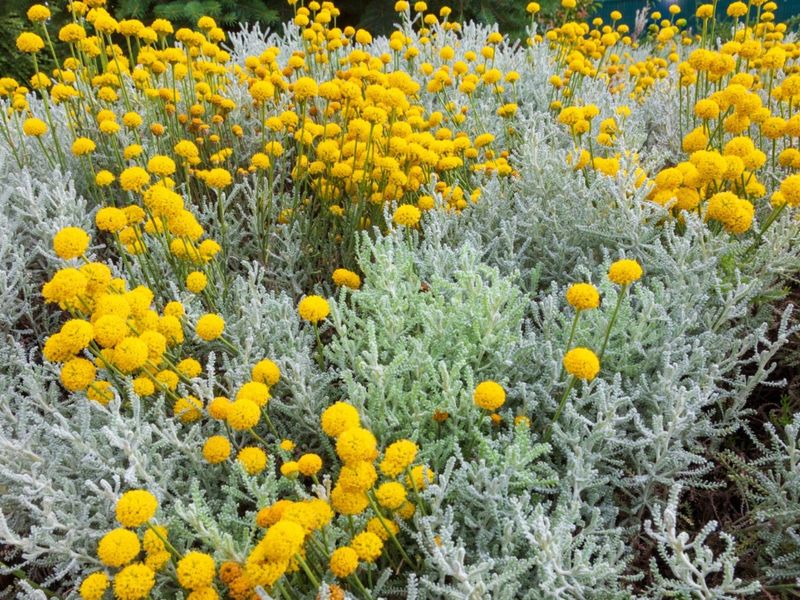
Santolina, also known as cotton lavender, is a hardy shrub with a distinctive appearance. Its silver-gray foliage and bright yellow blooms offer a striking contrast in any garden.
This plant is incredibly drought-tolerant and thrives in poor, sandy soils. Its history of use in potpourris and herbal remedies adds to its charm.
Santolina’s aromatic leaves and compact form make it ideal for edging or as a focal point. It stands as a symbol of resilience and adaptability, bringing color and texture where others might struggle.
Coreopsis
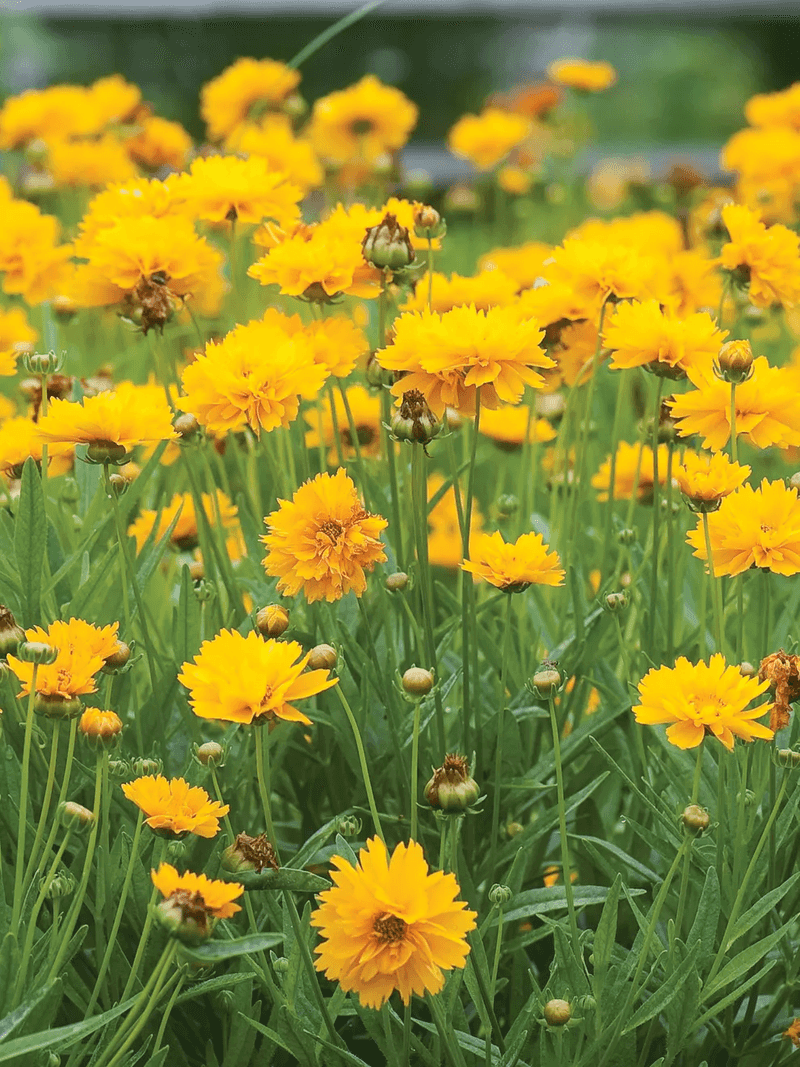
Coreopsis, often referred to as “tickseed,” is a sun-loving plant that brings cheer to any garden. Known for its bright yellow blooms, it thrives in poor, rocky soils with ease.
These flowers attract butterflies, creating a lively garden space. Coreopsis is low-maintenance, requiring little water once established.
A fun tidbit: Coreopsis is the state wildflower of Florida, celebrated for its vibrant display. Its unwavering spirit and sunny disposition make it a popular choice for gardeners seeking color with minimal effort.
Gaura
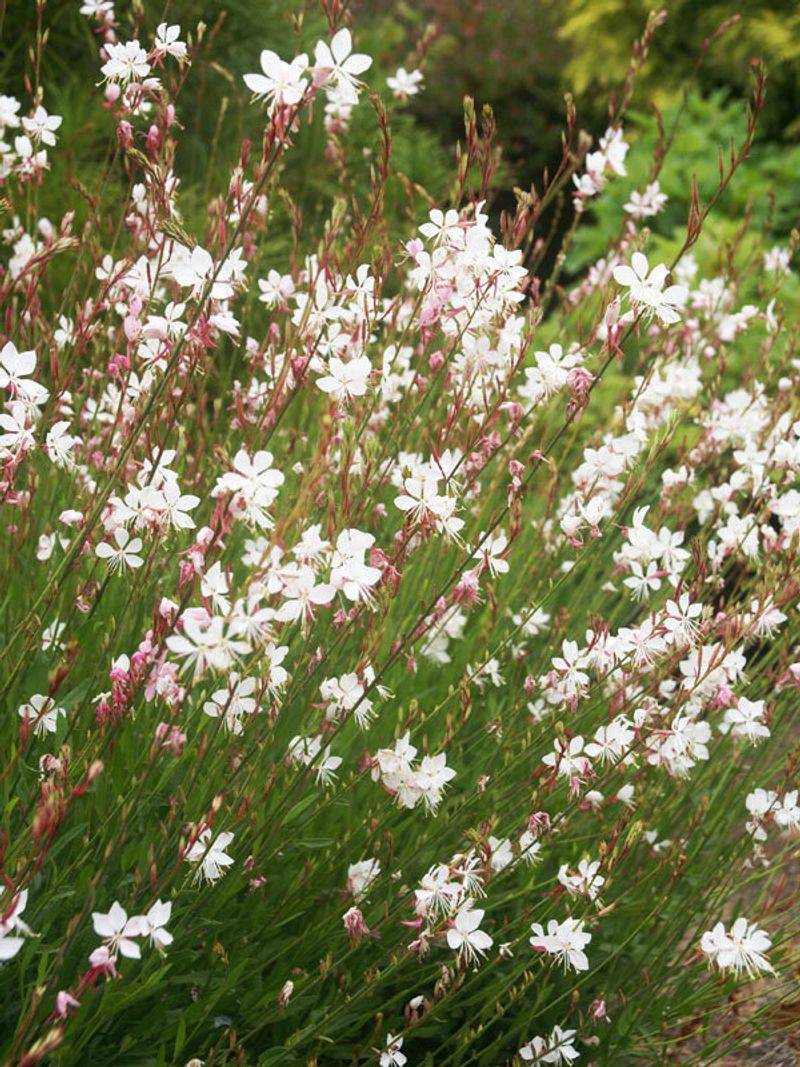
Gaura, with its delicate flowers resembling butterflies, adds a whimsical touch to any garden. This plant thrives in sandy, nutrient-poor soil, requiring little maintenance.
Its long-lasting blooms sway gracefully in the wind, creating a dynamic landscape. Gaura’s resilience lies in its deep root system, which allows it to survive drought conditions.
Did you know? Gaura is often called “whirling butterflies” due to its fluttering flowers. Its gentle presence and tenacity make it a charming addition to gardens seeking beauty and ease.
Zinnia
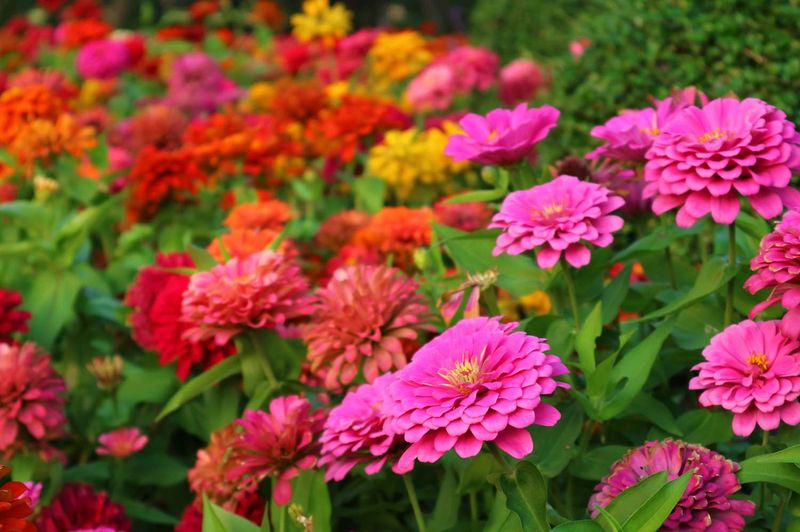
Zinnias are the epitome of summer joy, bursting with color and vitality. Known for their bright, daisy-like flowers, they flourish in dry, cracked soils.
These annuals are beloved for their long blooming season, bringing continuous color to gardens. Zinnias are also a favorite among pollinators, adding life to any space.
A quirky fact: Zinnias were the first flowers to bloom in space! This feat is a testament to their hardiness and ability to thrive in challenging conditions. Their cheerful presence makes them a garden staple.
Blanket Flower
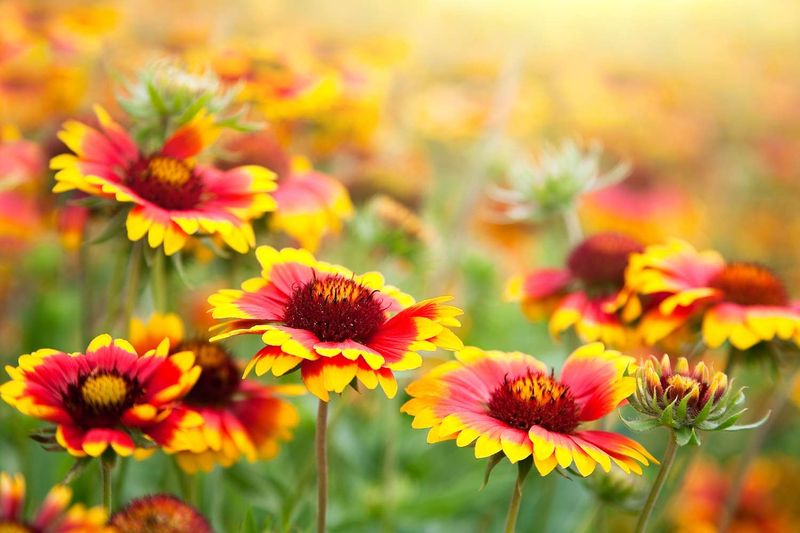
Blanket flowers, with their warm, fiery hues, create a vibrant tapestry in any garden. Known for their resilience, they thrive in sandy, poor soils.
These perennial blooms are drought-tolerant and attract a plethora of pollinators. Their long-lasting flowers provide continuous beauty throughout the growing season.
Fun fact: Blanket flowers are native to North America and are named for their resemblance to the colorful patterns of Native American blankets. Their robust nature and striking appearance make them a favorite among gardeners seeking vibrant, low-maintenance plants.
Lamb’s Ear
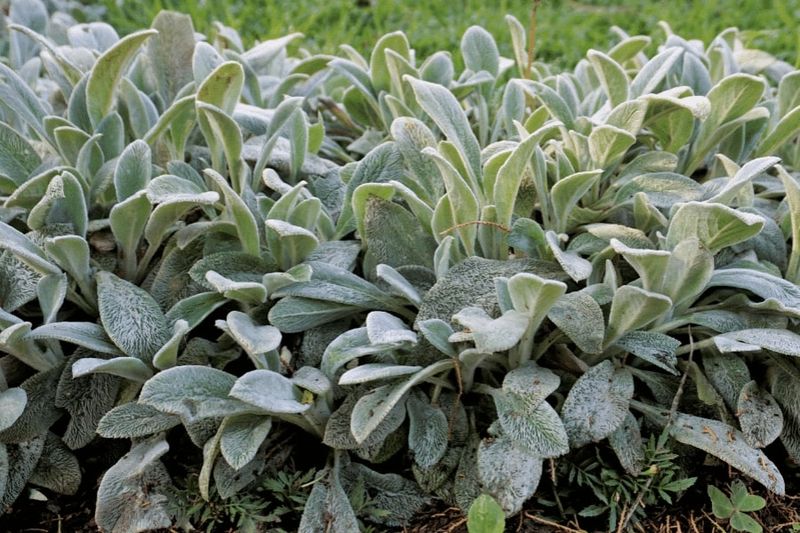
Lamb’s Ear, with its velvety silver leaves, is both tactile and visually appealing. This plant is a favorite for sensory gardens, inviting touch with its soft foliage.
It thrives in dry, rocky soils, requiring minimal water and care. Lamb’s Ear is often used as ground cover, adding texture and interest to landscapes.
Did you know? Lamb’s Ear is not just ornamental; its leaves have been used traditionally for medicinal purposes, including wound dressing. Its resilient nature and unique appearance make it a cherished addition to any garden.
Daylily
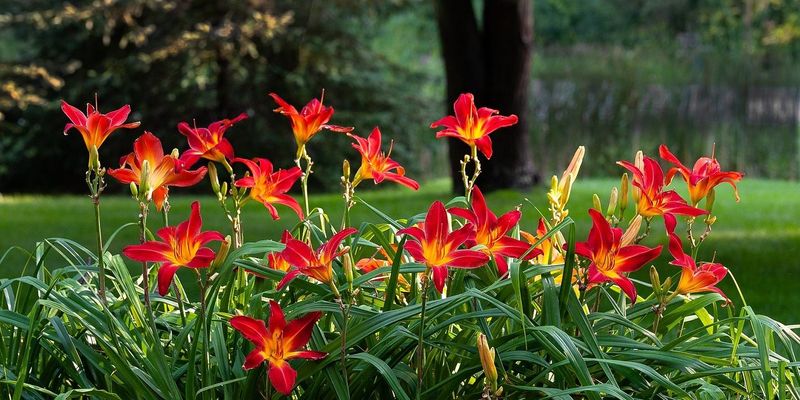
Daylilies are a gardener’s delight, known for their vibrant blooms and low maintenance needs. These perennials thrive in neglected, nutrient-poor soils, offering a burst of color throughout the summer.
Their trumpet-shaped flowers are not only beautiful but also attract pollinators, enhancing garden biodiversity. Daylilies require little attention, making them ideal for busy gardeners.
A fun tidbit: Despite the name, each daylily flower lasts only one day, but the plant itself blooms prolifically. Their resilience and beauty make daylilies a popular choice for adding color to any landscape.
Echinacea
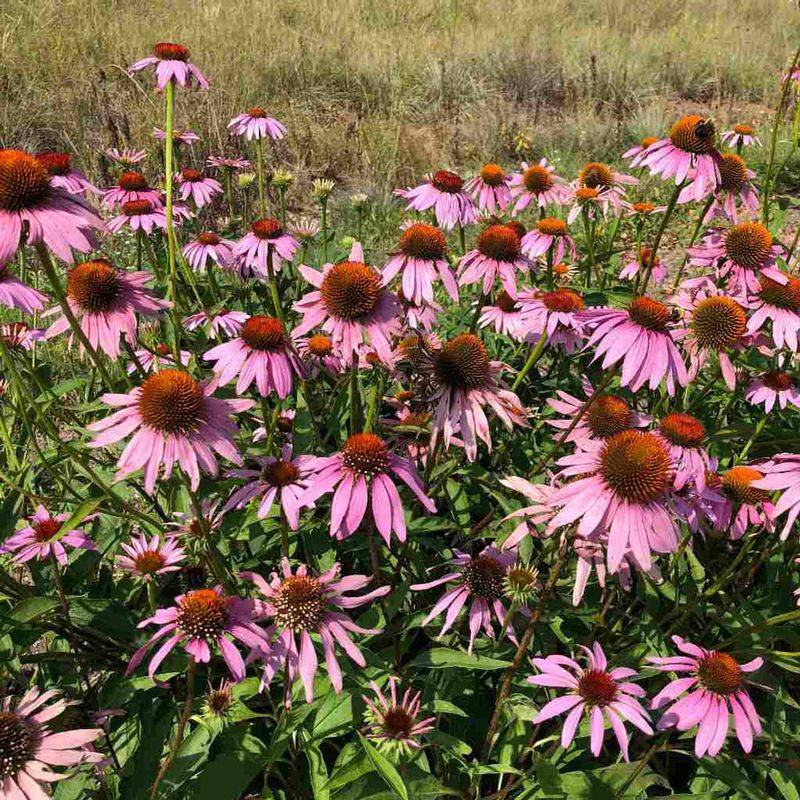
Echinacea, or coneflower, is celebrated for its striking beauty and medicinal uses. These plants are hardy survivors, flourishing in tough, dry soils.
Their daisy-like flowers attract pollinators, creating a lively garden atmosphere. Echinacea is known for its immune-boosting properties, adding value beyond aesthetics.
Did you know? Echinacea has been used for centuries in traditional medicine. Its vibrant blooms and resilient nature make it a beloved addition to gardens, offering both beauty and health benefits. This plant stands as a testament to nature’s endurance.
Dusty Miller
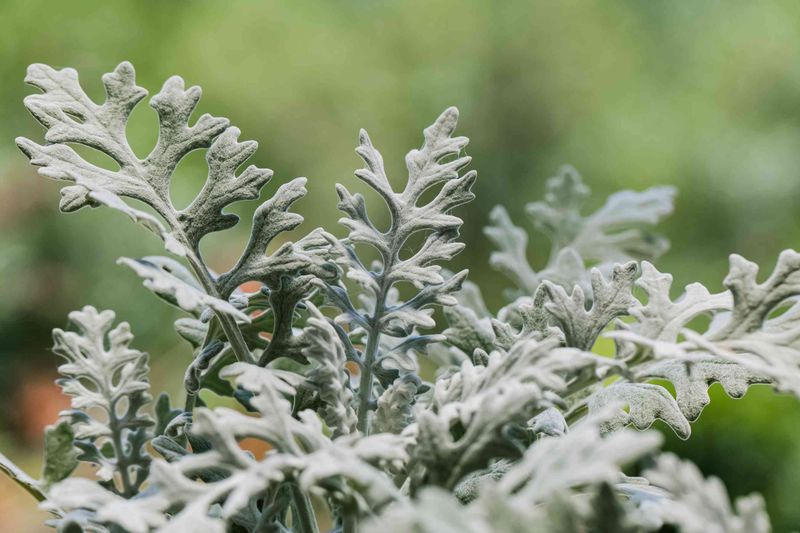
Dusty Miller is known for its striking silver foliage, adding elegance to any garden. Its lace-like leaves create a unique texture, complementing vibrant blooms around it.
This plant thrives in dry, poor soils, requiring minimal water and maintenance. Its drought tolerance makes it a reliable choice for challenging landscapes.
A fascinating fact: Dusty Miller is often used in floral arrangements for its contrasting color and texture. Its enduring nature and sophisticated appearance ensure it remains a staple in gardens seeking low-maintenance beauty.
Red Valerian
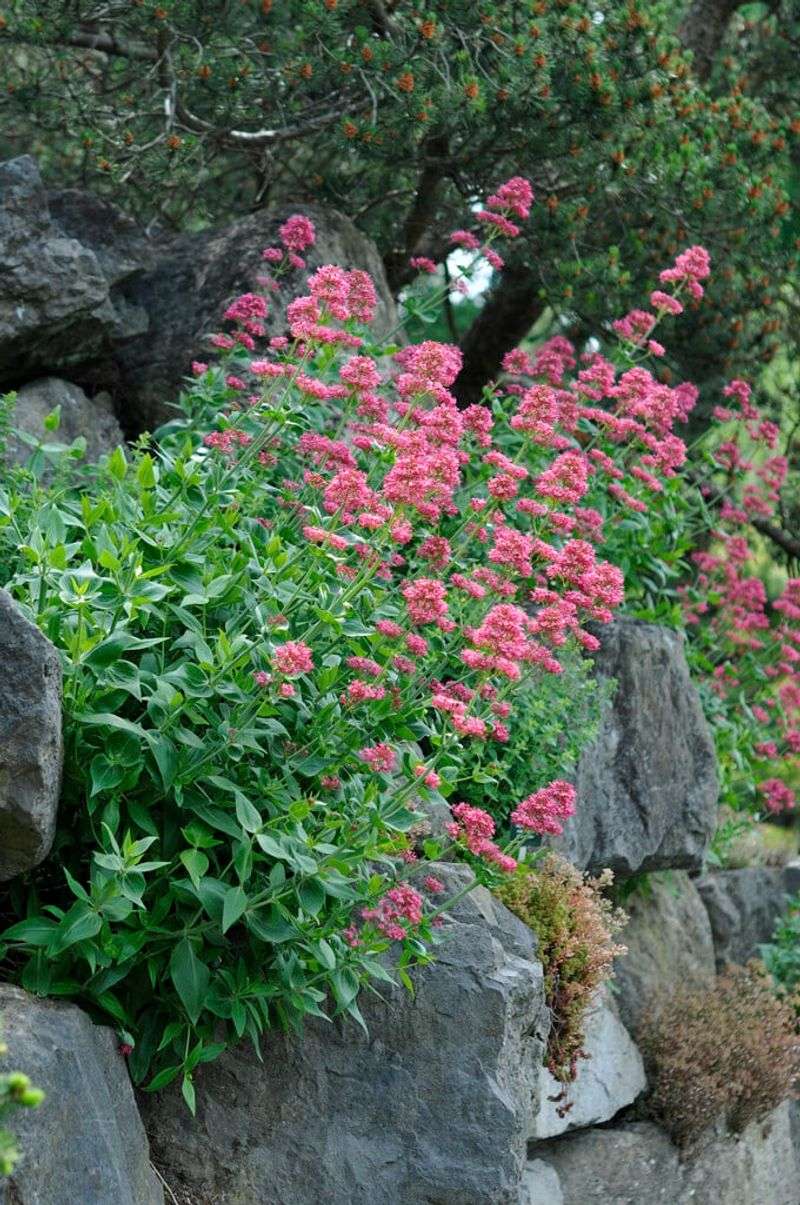
Red Valerian, also known as Jupiter’s Beard, brings a burst of color to gardens with its vibrant pink and red flowers. This plant is remarkably adaptable, thriving in rocky, arid soils.
Its long blooming season and ability to attract butterflies make it a favorite among gardeners. Red Valerian’s resilience is matched by its beauty, requiring little care once established.
Did you know? This plant has a history of use in traditional medicine, believed to promote relaxation. Its charming blooms and hardy nature make it a delightful addition to any garden.
Yucca
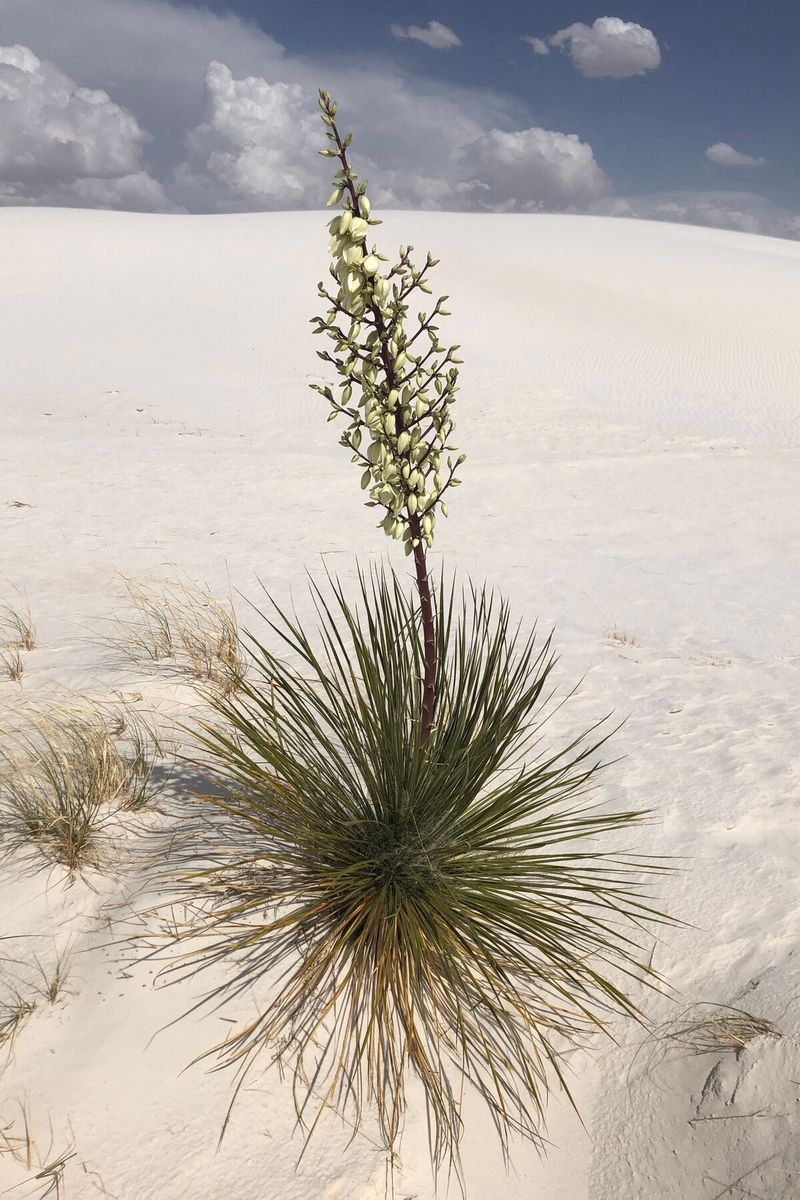
Yucca plants are synonymous with resilience, known for their spiky leaves and towering flower stalks. These hardy perennials thrive in dry, barren soils, often found in desert landscapes.
Their architectural form adds a dramatic element to gardens, requiring minimal water and care. Yucca’s ability to withstand harsh conditions makes it a symbol of tenacity.
Fun fact: Yucca has been used for centuries by Native Americans for its fibers and as a food source. Its unique appearance and survival skills make it a fascinating choice for gardeners seeking bold, low-maintenance plants.
Shasta Daisy
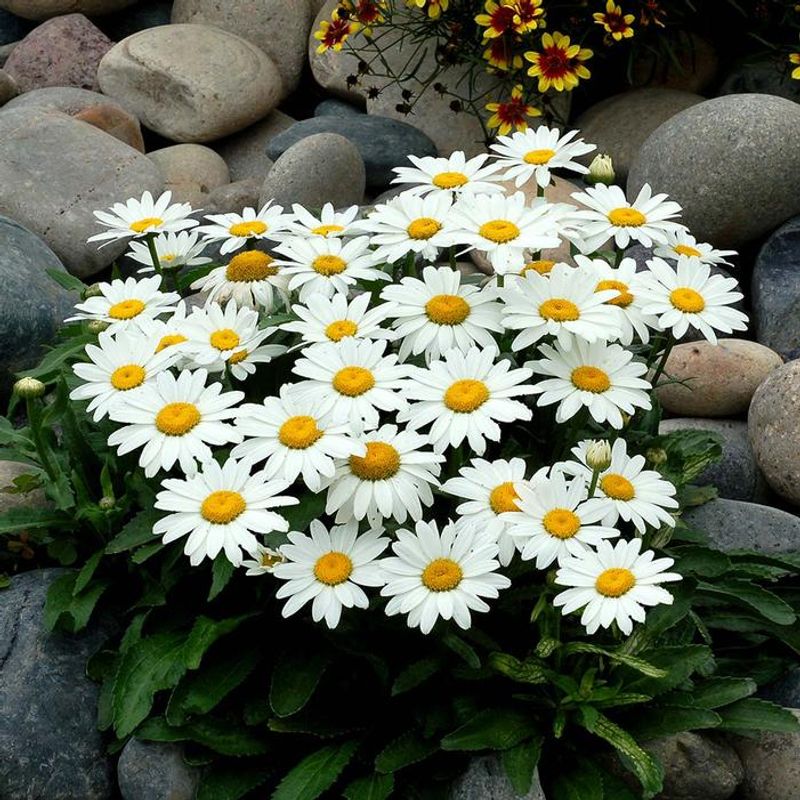
Shasta Daisies are a classic garden favorite, known for their bright white petals and sunny yellow centers. These perennials thrive in poor, rocky soils, offering a cheerful presence.
Their ability to attract pollinators enhances garden life, while their low maintenance needs make them ideal for all gardeners. Shasta Daisies bloom profusely, providing continuous beauty throughout the season.
Did you know? The Shasta Daisy is a hybrid, created by renowned horticulturist Luther Burbank. Its delightful appearance and robust nature make it a timeless addition to any garden.
Verbena
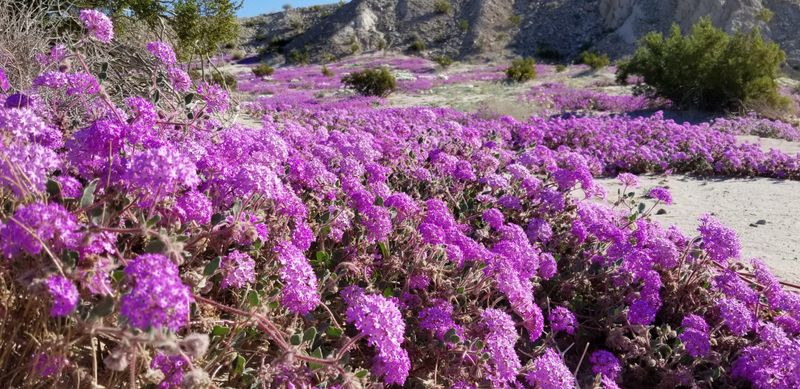
Verbena, with its clusters of small, vibrant flowers, adds a splash of color to any garden. Known for its drought tolerance, it thrives in dry, sandy soils with ease.
This plant is a magnet for butterflies, creating a lively garden environment. Verbena’s long blooming season ensures continuous color throughout the year.
A quirky fact: Verbena has been used in folklore as a protective charm. Its vivid blooms and resilience make it a favorite among gardeners looking for bright, low-maintenance plants. Verbena thrives where others hesitate.
Creeping Thyme
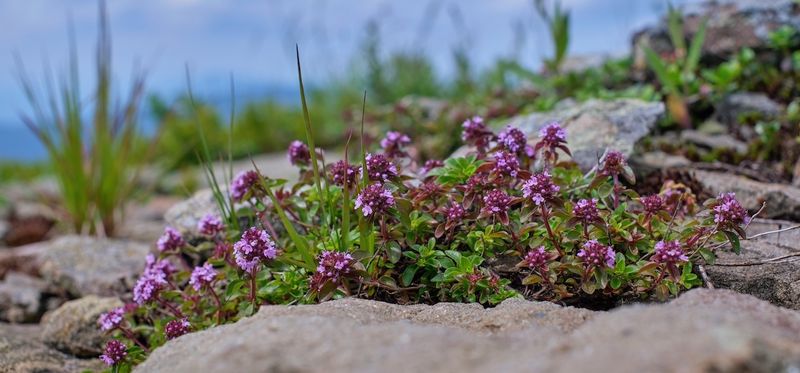
Creeping Thyme is a versatile ground cover, known for its aromatic foliage and delicate purple flowers. This plant thrives in dry, rocky soils, perfect for filling gaps between stepping stones.
Its low-growing nature and resilience make it ideal for rock gardens and pathways. Creeping Thyme’s ability to withstand foot traffic adds to its appeal.
Did you know? Creeping Thyme is often used in culinary dishes for its flavor. Its charming blooms and hardy nature make it a delightful choice for gardeners seeking beauty and utility in one package.
California Poppy
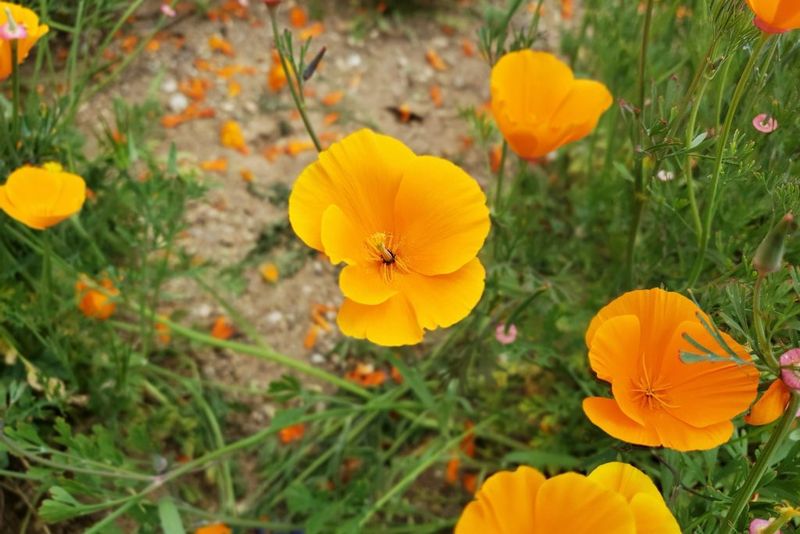
California Poppies are a symbol of resilience, known for their bright orange blooms. These annuals thrive in sandy, nutrient-poor soils, bringing a burst of color to any landscape.
Their drought tolerance and ability to self-seed make them a low-maintenance choice for gardeners. California Poppies attract pollinators, enhancing garden biodiversity.
Fun fact: The California Poppy is the state flower of California, celebrated for its vibrant display. Its enduring nature and cheerful appearance make it a popular choice for adding color to gardens with challenging soils.
Sea Holly
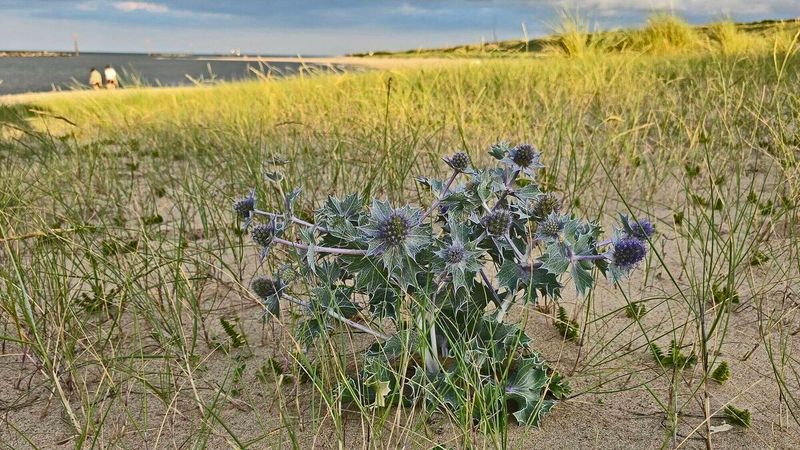
Sea Holly, with its spiky blue flowers and silver foliage, is a standout in any garden. This plant thrives in sandy, poor soils, often found in coastal landscapes.
Its architectural form and unique appearance add interest and texture to gardens. Sea Holly attracts pollinators, bringing life to barren spaces.
Did you know? Sea Holly has been used in traditional medicine and is believed to have aphrodisiac properties. Its striking looks and resilience make it a fascinating choice for gardeners seeking something different.