 Complete Gardening
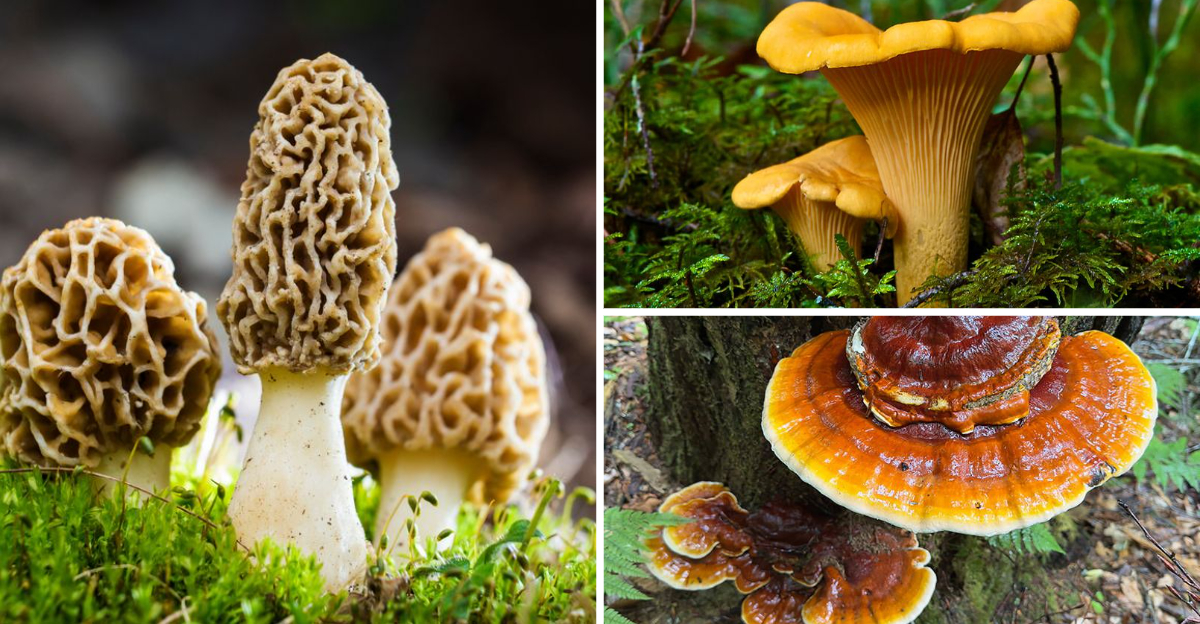
Home gardening has taken a delightful turn with the surge in mushroom cultivation. Not only are mushrooms delicious and versatile in the kitchen, but they also offer an engaging hobby that can be done with minimal space and resources. Whether you’re a seasoned gardener or a complete novice, the world of home-grown mushrooms offers something for everyone. From the joy of watching them sprout to savoring their fresh taste, there’s a unique satisfaction in growing your own. Here are five compelling reasons why you should start growing mushrooms at home today.
Magic of the Oyster Mushroom
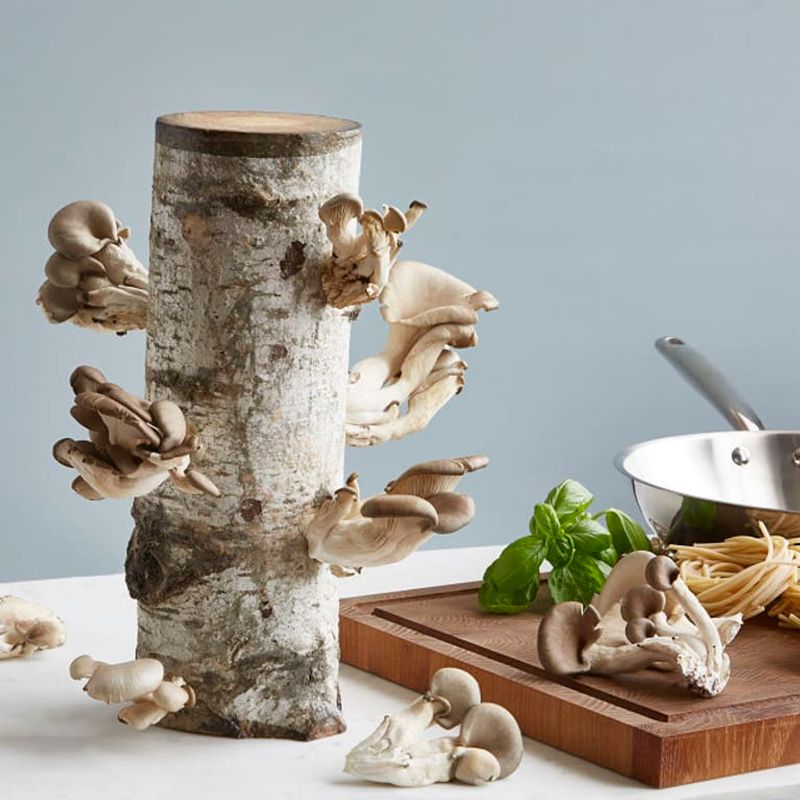
Imagine a cascade of velvety oyster mushrooms gracefully sprouting from a log. These beauties are not only visually stunning but also packed with nutrients. Oyster mushrooms are known for their mild, savory taste and can be used in a variety of dishes, from stir-fries to soups. Their rapid growth and resilience make them perfect for beginners.
Did you know that oyster mushrooms can actually help clean up environmental pollutants? Their mycelium has the ability to break down toxins, making them an eco-friendly choice for your garden.
Enchanting Shiitake Experience
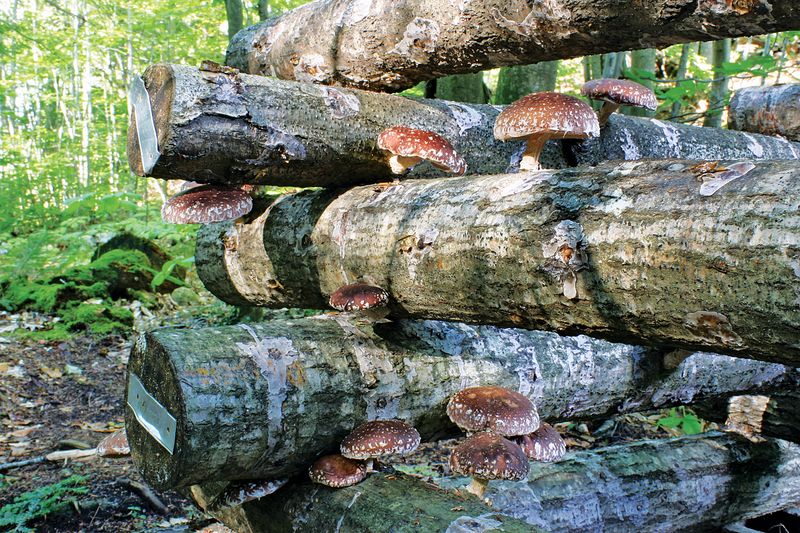
Shiitake mushrooms bring a rich, umami flavor that enhances any meal. Growing them at home allows you to enjoy this gourmet taste fresh from the source. Shiitakes thrive on hardwood logs, adding a rustic charm to your garden space. Known in traditional medicine, they also offer health benefits, such as boosting the immune system.
Historically, shiitakes have been cultivated in Asia for centuries. Their legacy as a culinary staple continues to grow worldwide, making them a beloved choice for home gardeners.
The Charm of Cremini
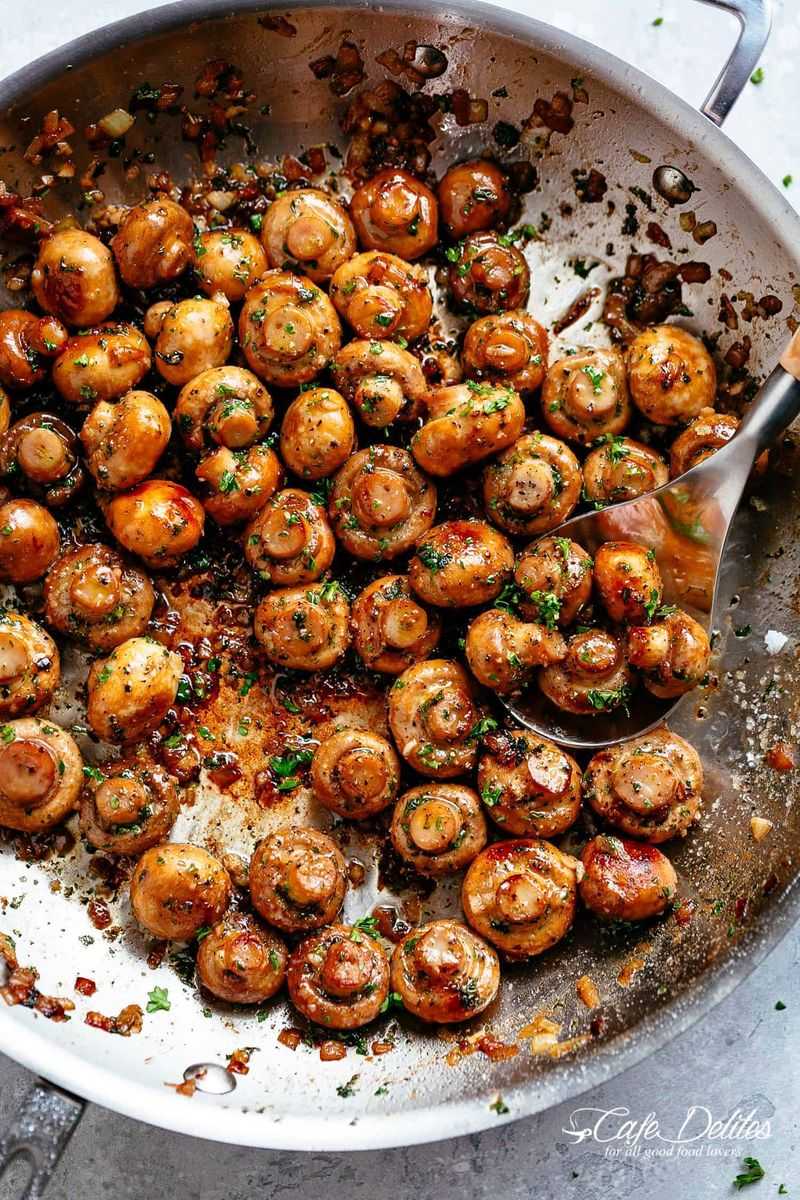
Cremini mushrooms, often called baby bellas, add a robust flavor to any dish. Their dense texture and earthy taste make them a versatile ingredient in the kitchen. Growing them is a rewarding experience, as they flourish in controlled environments like a dark cupboard or basement.
With their rich taste and ease of cultivation, creminis are a favorite among mushroom enthusiasts. They bridge the gap between the mild white button and the mature portobello, offering a delightful culinary adventure.
Mysterious Morels
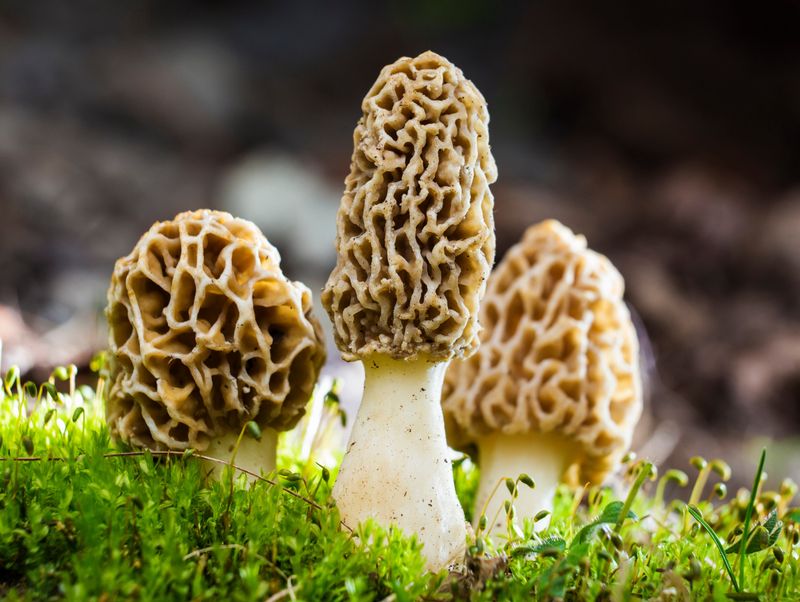
The morel mushroom is a prized find for any mushroom hunter. Its honeycomb appearance and nutty flavor make it a culinary treasure. Morels grow best in damp, wooded areas, and their seasonal availability adds to their allure. Many enthusiasts embark on annual morel hunts, delighting in the challenge of finding these elusive fungi.
Interestingly, morels have a symbiotic relationship with trees, which aids their growth. This fascinating partnership showcases the interconnectedness of nature.
King of the Garden: Portobello
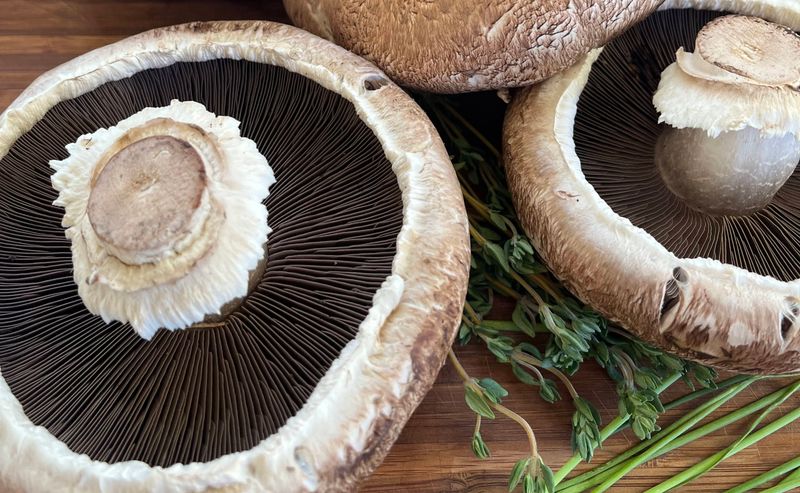
Portobello mushrooms reign supreme in the mushroom world, with their large, meaty caps perfect for grilling or stuffing. Growing portobellos is a straightforward affair, requiring minimal space and effort. Their robust flavor and texture make them a staple in vegetarian cuisine, often used as a meat substitute.
Evidence suggests that portobellos have been enjoyed for centuries, with their origins tracing back to ancient civilizations. Today, they continue to be a favorite in kitchens around the globe.
Lion’s Mane
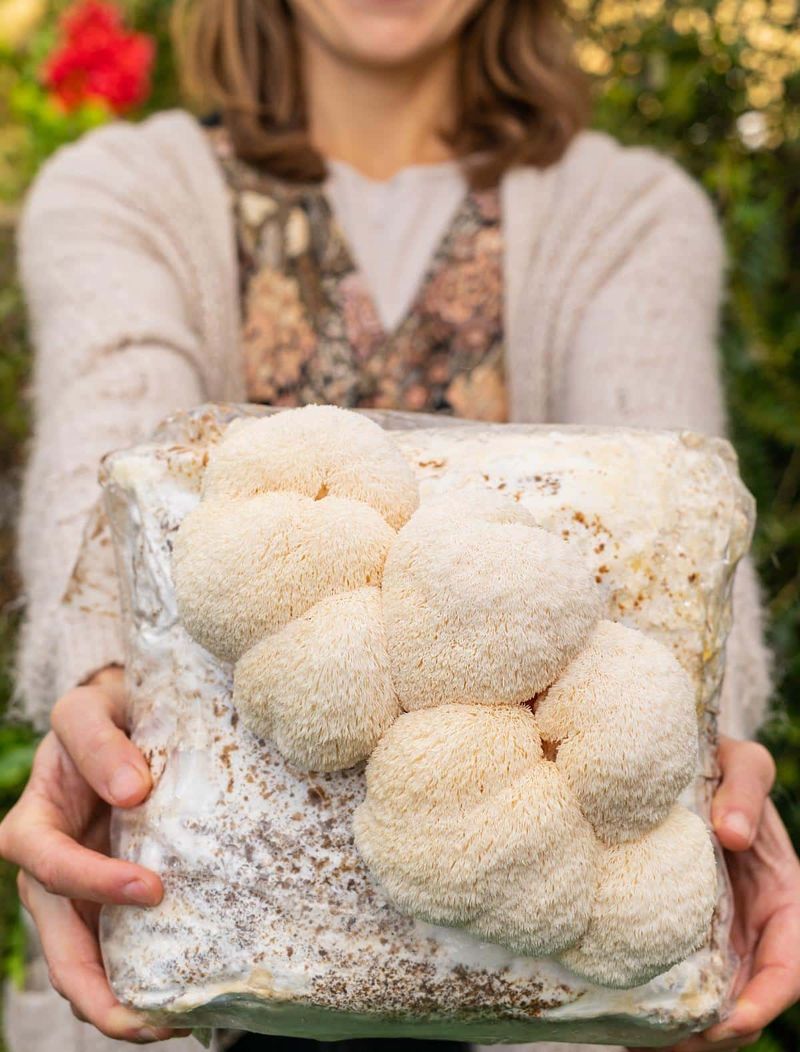
Imagine a mushroom that looks like a lion’s mane—fuzzy, white, and curious. Lion’s Mane mushrooms are known for their brain-boosting abilities. Their unique texture makes them a perfect substitute for seafood in vegan dishes.
Cooking them brings out a lobster-like flavor, delighting taste buds in an unexpected way. Historically, they were used in Chinese medicine for improving cognitive function.
Today, they’re a popular choice for those seeking both flavor and health benefits. Would you dare to try a mushroom that might make you smarter?
Enoki Mushrooms
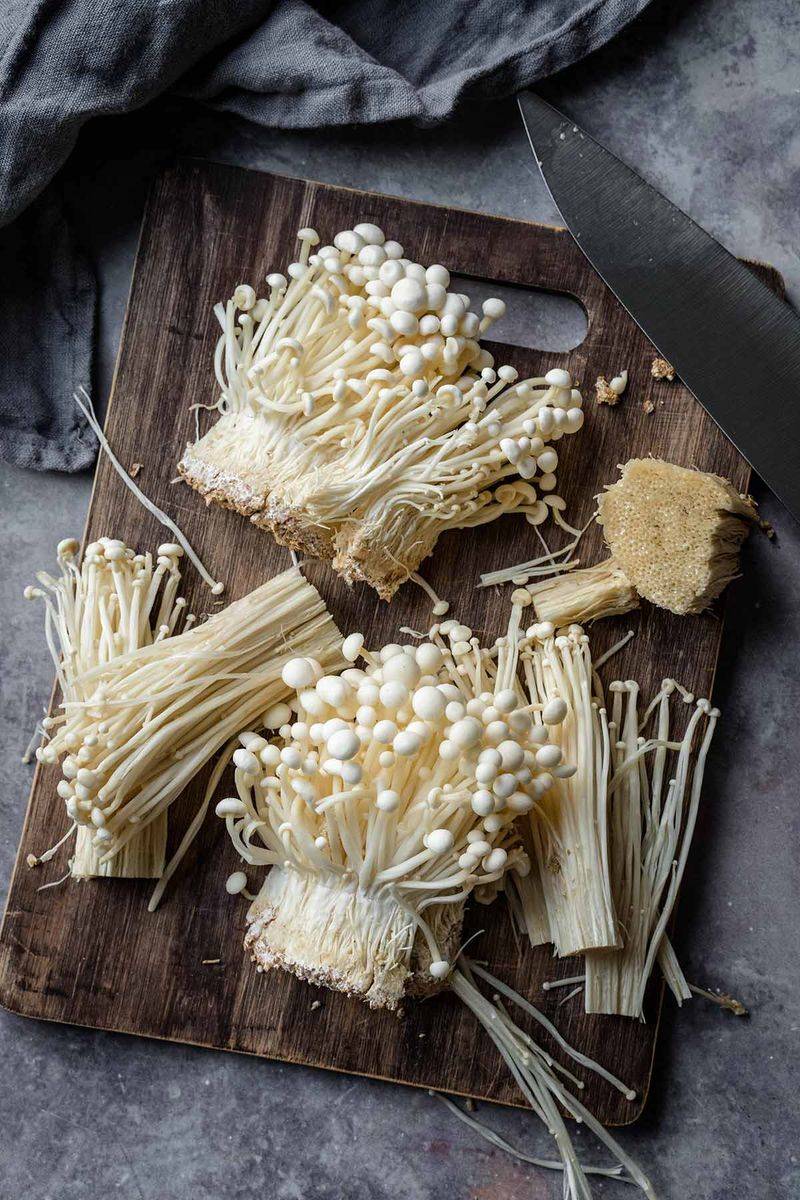
Long, thin, and delicate—Enoki mushrooms might remind you of noodles. Their mild flavor and crunchy texture make them a staple in Asian cuisine. Whether in soups, salads, or hot pots, they add a delightful crunch.
These mushrooms grow in tightly packed clusters, giving them their distinct appearance.
In Japan, Enoki symbolizes longevity and strength, a fitting tribute for such a resilient fungus. Are you ready to add a touch of elegance to your meals?
Chanterelle
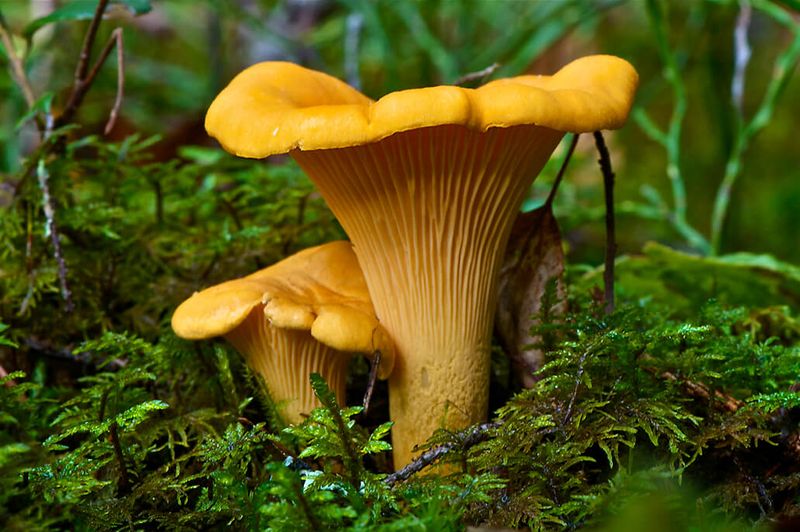
Golden, trumpet-shaped, and aromatic—Chanterelles are a forager’s dream. These mushrooms are renowned for their fruity aroma and peppery flavor.
Their striking yellow color makes them easy to spot on forest floors. Cooking them releases a delightful apricot scent, perfect for gourmet dishes.
European folklore often associates them with fairies and woodland spirits. Do you have the imagination to see magic in your meals?
Reishi
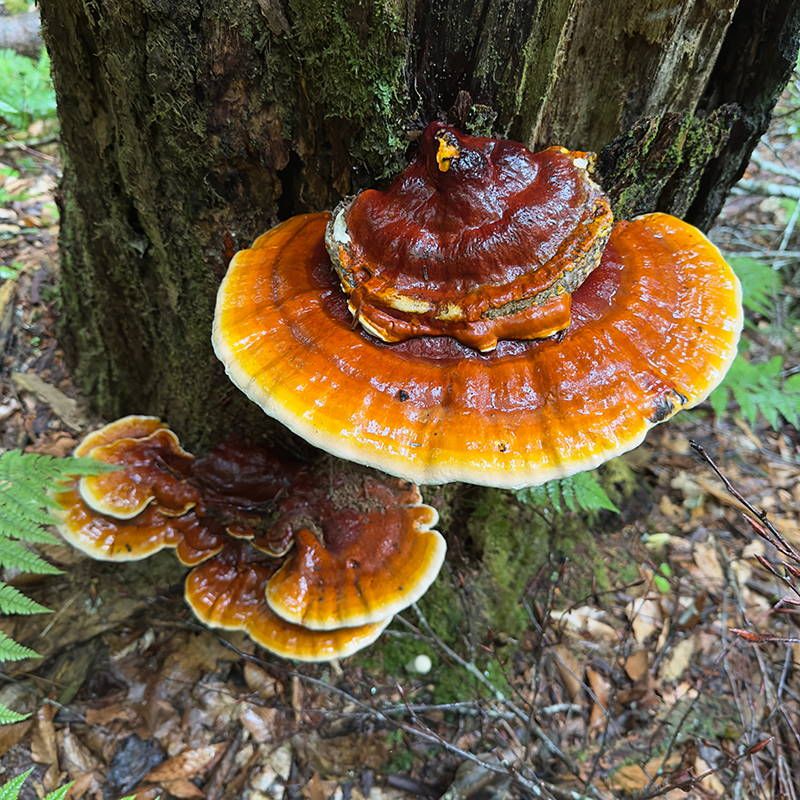
Known as the ‘mushroom of immortality,’ Reishi is revered in traditional Chinese medicine. Its glossy red surface and fan-like shape make it visually striking.
Though not typically eaten due to its bitter taste, it’s often brewed into teas.
Believed to enhance longevity and spiritual grounding, Reishi is more than just a mushroom—it’s a lifestyle. Are you curious about ancient wellness practices?
Maitake
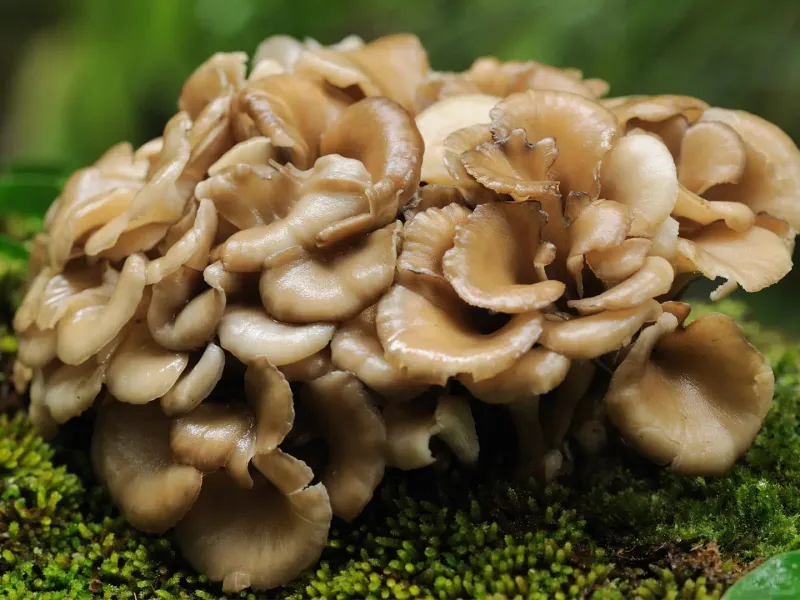
Maitake, or ‘hen of the woods,’ is a forest gem with feathery fronds resembling a ruffled skirt. It’s celebrated for its rich umami flavor and potential health benefits.
Maitake grows in symbiosis with oak trees, adding a rustic touch to dishes.
In folklore, finding Maitake meant striking it lucky, as they were as valuable as silver. How about inviting a bit of fortune into your home?
Turkey Tail
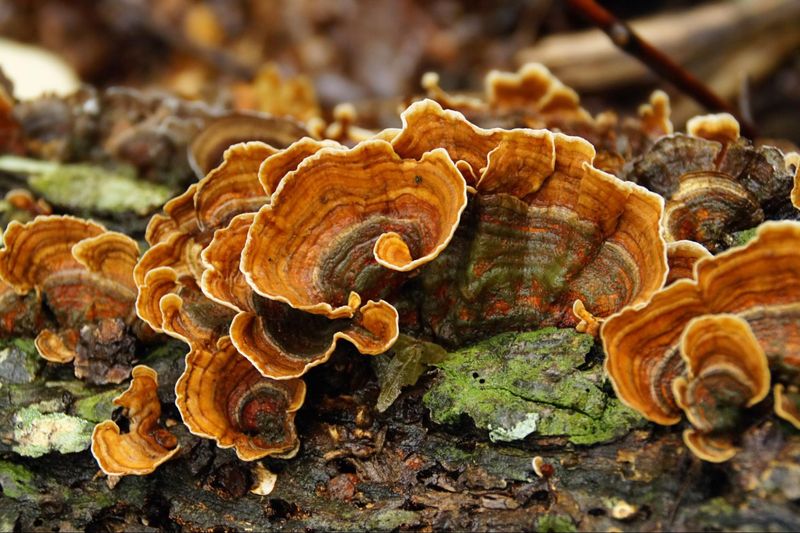
With its colorful, banded appearance, Turkey Tail is a feast for the eyes. This mushroom is prized for its immunity-boosting properties.
Its tough texture means it’s usually made into teas or supplements rather than cooked.
In nature, it grows on decaying wood, playing a crucial role in nutrient cycling. Is your immune system ready for a natural boost?
Cordyceps
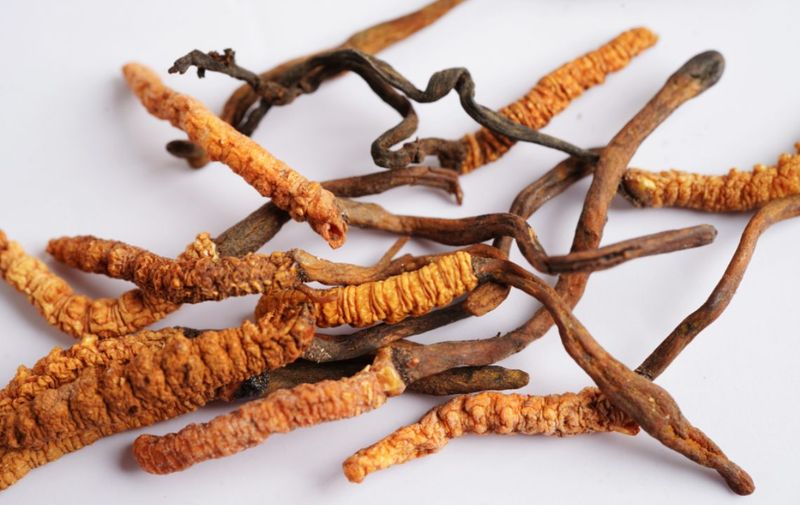
Cordyceps might just be the most intriguing mushroom, with a life cycle that borders on the bizarre. Known for boosting energy and athletic performance, it’s a favorite among athletes.
The mushroom parasitizes caterpillars, growing from their bodies in the wild.
Traditionally harvested in the Himalayas, it’s as much a part of cultural lore as it is health science. Would you welcome a little intrigue into your wellness routine?
Shimeji
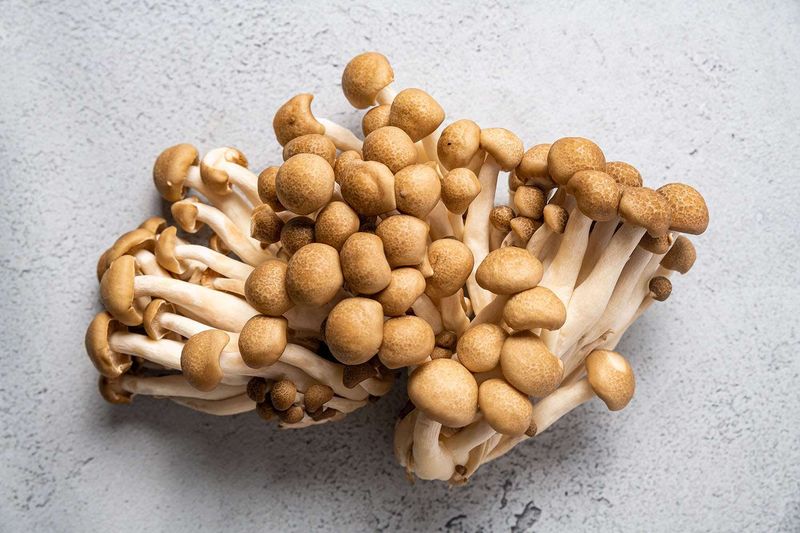
Shimeji mushrooms are small, clustered, and perfectly adorable. With a firm texture and nutty flavor, they’re a favorite in Japanese dishes.
These mushrooms require cooking to develop their flavor, turning chewy and savory.
In the wild, they grow on fallen beech trees, adding an earthy touch to their cultivation. Are you eager to bring a taste of the forest to your table?
Wood Ear
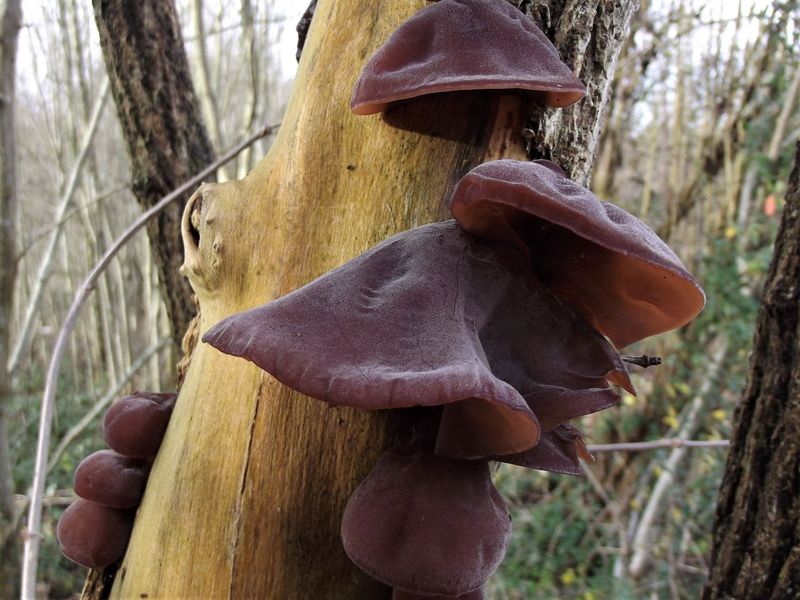
The name might sound unappealing, but this mushroom’s unique texture is sought after in Asian cuisines. Known for its jelly-like consistency, Wood Ear is perfect for soups and stir-fries.
Its dark, ear-shaped form blends seamlessly into forest landscapes.
In Chinese culture, it symbolizes good fortune and health. Are you ready to explore new culinary textures?
Button Mushrooms
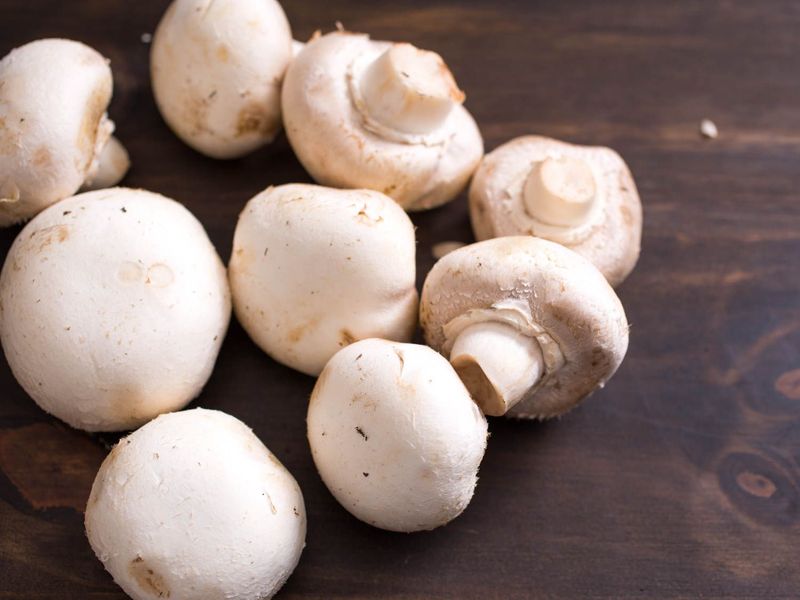
The humble Button mushroom is a staple in many households. With a mild flavor and smooth texture, they’re incredibly versatile.
Whether grilled, sautéed, or raw, they perfectly complement countless dishes.
Their simplicity belies their nutritional value, packed with vitamins and minerals. Have you underestimated the potential of these everyday fungi?
Black Trumpet
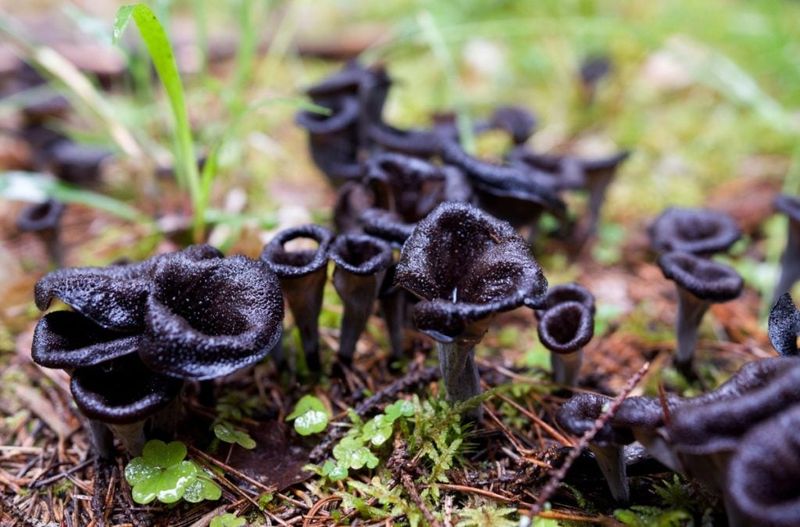
Black Trumpet mushrooms might be elusive, but they’re worth the hunt. Known for their smoky flavor, they’re a gourmet delight.
Their dark, hollow form blends into forest floors, making them a forager’s challenge.
Often called the “truffle of the poor,” they bring richness to any dish. Can you picture the culinary adventure they promise?
Beech Mushrooms
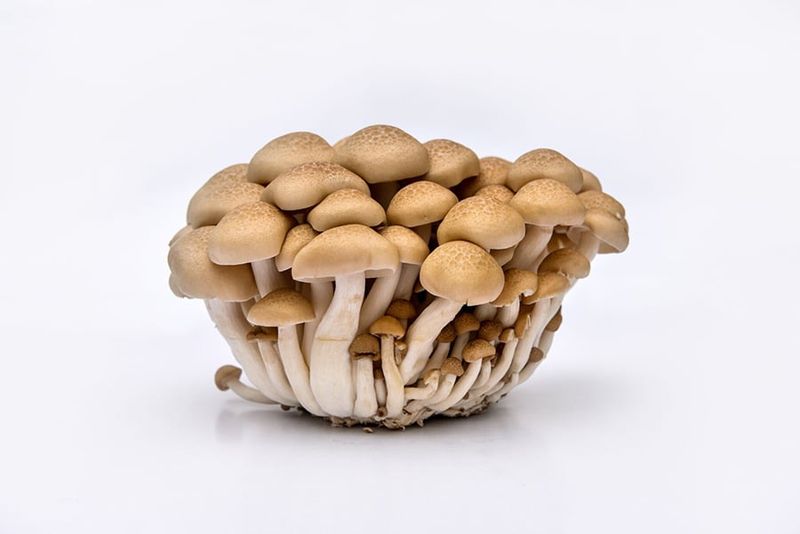
Beech mushrooms offer a crisp bite and sweet flavor, perfect for stir-fries and risottos. Their small, bun-like caps make them visually appealing.
Growing on beech trees, they embody a natural elegance.
In Japan, they’re a symbol of endurance and resilience, thriving in diverse conditions. Would you like to add a touch of nature’s resilience to your cooking?
Pink Oyster
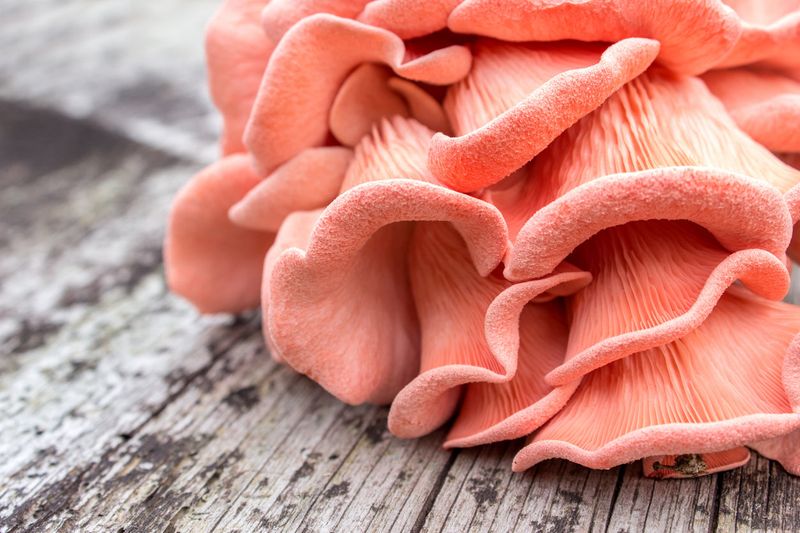
With their flamboyant pink hue, Pink Oyster mushrooms are a visual feast. These mushrooms aren’t just about looks—they offer a delicate, seafood-like taste.
Easy to grow at home, they transform space with their vibrant color.
Their rapid growth and adaptability make them a favorite among cultivators. Are you ready to brighten your garden with a splash of pink?
Puffball
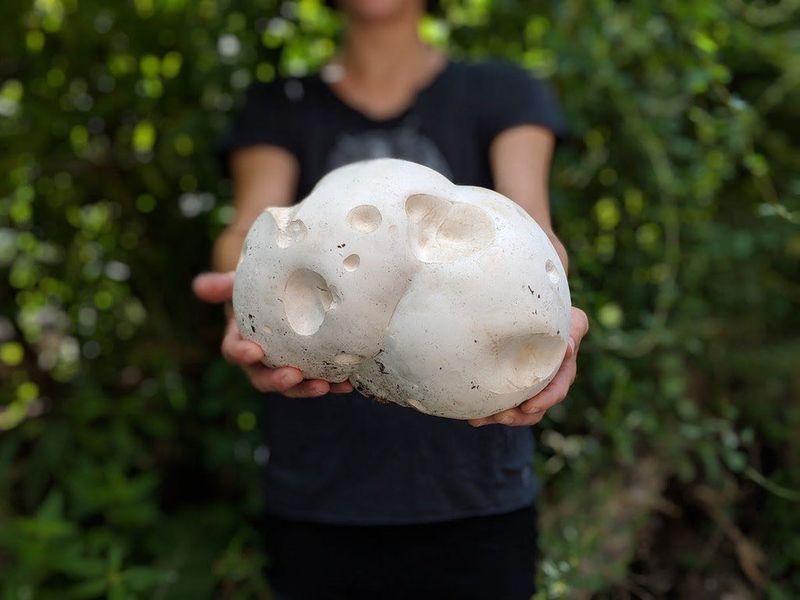
Puffballs are the gentle giants of the mushroom world, known for their large, round shape. When young, they’re edible and offer a mild, nutty flavor.
Their white, spongy interior is a blank canvas for culinary creativity.
In folklore, they were believed to be homes for fairies. Are you inspired to bring a little wonder to your meals?